Vegetables Cold Chain Industry Trends 2025 – Fresh Logistics and Sustainable Solutions
Food doesn’t get fresher by chance – it gets fresh thanks to a reliable cold chain. في 2025 the global cold chain market is booming and vegetables sit at the centre of this growth. Keeping produce between 0–4 °C slows bacteria and preserving texture prevents spoilage. Yet about 12 % of global food production – roughly 526 million tonnes – is lost annually because of broken or missing cold chains. In sub Saharan Africa, بالكاد 50 % of fruits and vegetables never make it to market. This guide shows you how modern cold chains, smart technology and sustainable practices can protect nutrient dense vegetables, cut waste and boost profits.
Why reliable cold chains matter for vegetables and nutrition: discover how proper temperature control reduces microbial growth and post harvest losses.
Which market trends are driving investment: learn about global cold chain market growth, consumer demand for fresh foods and regulatory forces.
How technology reshapes vegetable logistics: see how AI, IoT and blockchain offer real time visibility and smarter route planning.
Practical steps and best practices: get clear guidelines on temperature ranges, التغليف, monitoring and training to maintain vegetable quality.
Future outlook for 2025 وما وراءها: understand emerging innovations like digital twins, green refrigerants and solar powered storage.
Why Cold Chains Matter for Vegetables and Nutrition
Preserving quality and preventing massive losses. Vegetables are highly perishable; without refrigeration enzymes break down nutrients and microbes multiply. The United Nations notes that 13 % of all food produced is lost because of insufficient cold chains, and smallholder farmers in sub Saharan Africa lose زيادة 50 % of their vegetable harvests. Proper cold chains slow respiration and microbial growth, keeping vegetables crisp and vitamin rich. Scientists recommend storing most fresh vegetables between 0-5 درجة مئوية (32-41 درجة فهرنهايت) and freezing certain items at −18 °C to −23 °C. Deviations from these ranges can form ice crystals, damage texture and trigger spoilage.
Post Harvest Losses and Nutrient Preservation
After harvest, vegetables continue to respire and generate heat. This respiration accelerates if field heat isn’t removed quickly. Cooling produce immediately after harvest reduces respiration rates, maintains moisture and preserves nutrients. لكن, حتى 50 % of vegetable yields in sub Saharan Africa are lost because cooling and cold storage infrastructure is lacking. The losses aren’t limited to developing nations; the United States still wastes 25 % of food transported in cold chains due to integrity breaches. عالميًا, inadequate refrigeration may account for 620 million metric tonnes of food waste each year.
Cold chains also protect vitamins. على سبيل المثال, vitamin C declines rapidly if broccoli is stored above 5 درجة مئوية. By keeping produce within narrow temperature bands, nutrient degradation slows and flavour and texture are maintained. Proper humidity (90-95 %) prevents wilting and weight loss. When vegetables travel further distances, a continuous cold chain from farm to fork is the only way to deliver them fresh.
| Stage of the vegetable cold chain | غاية & recommended temperature | أهمية بالنسبة لك |
| إنتاج & harvest | Rapidly cool freshly harvested vegetables using forced air or hydro cooling; keep between 0-5 درجة مئوية depending on variety | Slows respiration and microbial growth, preserving nutrients and extending shelf life |
| يعالج & التغليف | غسل, cut and package under controlled temperatures and hygiene; use sanitized equipment | Prevents contamination, reduces pathogen load and maintains quality |
| التخزين البارد | Warehouses set at 0-4 درجة مئوية for refrigerated vegetables and -18 درجة مئوية for frozen stock | Provides buffer inventory, reduces wastage and ensures consistent supply |
| مواصلات | شاحنات مبردة, reefer containers and intermodal solutions maintain cold chain during transit | Maintains continuous temperature control across long distances and prevents spoilage |
| توزيع & بيع بالتجزئة | Multizone distribution centres and retail stores keep multiple temperature zones for various produce | Ensures vegetables remain fresh until consumers purchase them |
| Consumer handling | Advise customers to refrigerate at ≤4 °C and freeze at -18 درجة مئوية; encourage prompt consumption | Sustains quality at home and reduces household food waste |
Practical Tips and Advice for Reducing Losses
Pre cool quickly: Cool vegetables immediately after harvest using blast chillers or forced air cooling; slow cooling lets ice crystals form and damages cells.
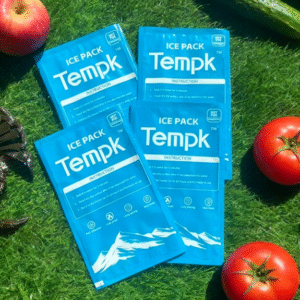
استخدم التغليف المناسب: Insulated foam containers, vacuum sealed bags and gel packs maintain temperature stability and protect against physical damage.
مراقبة الرطوبة: Balanced humidity (85-95 %) prevents wilting; breathable films allow gas exchange while retaining moisture.
Install sensors and data loggers: IoT devices provide continuous temperature and humidity data, alerting operators to deviations.
تدريب الموظفين: Teach loading procedures, temperature requirements and emergency protocols to reduce human error.
مثال العالم الحقيقي: A dairy cooperative fitted IoT sensors in refrigerated trucks. عندما ترك باب الشاحنة مفتوحا, the sensor detected the temperature spike and notified staff. They closed the door quickly, توفير 500 litres of milk and avoiding significant losses.
Growth Drivers and Market Trends in the Vegetable Cold Chain
A booming market demands fresh produce year round. The global cold chain logistics market was worth دولار أمريكي 436.30 مليار في 2025, and analysts predict it will reach دولار أمريكي 1,359.78 مليار من قبل 2034 مع معدل نمو سنوي مركب 13.46 %. Grand View Research estimates that the overall cold chain market (storage and transportation) generated USD 316,339.6 مليون في 2024 and will soar to USD 1,611,019.5 مليون بواسطة 2033, يعكس أ 20.1 % compound growth rate. The vegetables segment rides this expansion as consumers demand convenient, minimally processed produce and plant based foods continue to grow.
Global Market Outlook and Consumer Trends
Fresh vegetable consumption is rising worldwide due to health awareness and urbanization. The Asia–Pacific region is forecast to experience the fastest growth, with cold chain logistics expanding at حول 14.3 % CAGR بين 2025 و 2034. Plant based alternatives could represent 7.7 % سوق البروتين العالمي من خلال 2030, increasing demand for chilled vegetables and new cold chain capacity. Consumers also want transparency about origin, quality and sustainability. Regulations like the United States قانون تحديث سلامة الأغذية (FSMA) قاعدة 204 require 24 hour traceability for high risk foods. This pushes vegetable distributors to digitize records, adopt traceability systems and maintain accurate temperature logs.
Economic and Social Impacts
Post harvest losses undermine food security and the environment. Food waste and loss account for 8-10 % من انبعاثات الغازات الدفيئة العالمية. A University of Michigan study found that fully refrigerated supply chains could reduce food waste by 41 % globally, saving about 620 million metric tonnes of food and cutting emissions. In sub Saharan Africa, small holder farmers provide 80 % of food, حتى الآن عن 37 % of all food is lost before reaching consumers. Improved cold chains not only reduce losses but also boost farmer incomes and create jobs, helping feed over 1 مليار شخص currently affected by food insecurity.
Emerging Markets and Global Distribution
Increasing cross border trade means vegetables travel longer distances. Rising middle classes in China and India demand exotic produce, driving global cold chains. Port centric storage hubs and inland refrigerated warehouses are positioned closer to production and customers to reduce transit times and greenhouse gas emissions. The shift toward plant based and gluten free products creates specialised handling requirements—logistics providers with expertise in these categories will be in high demand. المبردات المستدامة, renewable energy integration and automation are becoming investment priorities to meet climate goals and maintain reliability.
Key Components and Technologies for Handling Fresh Vegetables
A resilient vegetable cold chain depends on coordinated processes, temperature control and technology. Understanding each component helps you design strategies that minimize risk and maximize freshness.
Temperature Standards and Handling Practices
Refrigeration range: Keep most vegetables between 0-4 درجة مئوية to slow microbial growth. Frozen vegetables stay safe at −18 °C or below, while leafy greens may tolerate 1-3 درجة مئوية, and more tropical items like cucumbers prefer 10–13 °C.
Two hour rule: الولايات المتحدة. FDA recommends that perishable items should not sit at room temperature for more than two hours (or one hour if ambient temperatures exceed 32 درجة مئوية/90 درجة فهرنهايت). Exceeding these limits can double bacterial populations every 20 minutes and increase the risk of food borne illness.
Immediate cooling: Rapidly cool produce after harvest to remove field heat and preserve freshness.
Clean equipment: Use sanitized knives, containers and surfaces to avoid cross contamination.
Consistent monitoring: نشر مسجلات البيانات, sensors and IoT platforms to track temperature and humidity during storage and transport.
Training and maintenance: Teach staff how to load cargo to facilitate airflow and prevent door openings; schedule maintenance on refrigeration units, seals and insulation.
Vegetable Specific Storage Tips
| Vegetable group | درجة الحرارة الموصى بها & رطوبة | معنى بالنسبة لك |
| الخضر الورقية (خَسّ, سبانخ, الأعشاب) | 0–1 °C, 95 % الرطوبة النسبية | Very sensitive to heat; maintain crispness and nutritional value by keeping near freezing and high humidity |
| الخضروات الجذرية (جزر, beets, البطاطس) | 0-4 درجة مئوية, 90-95 % RH (البطاطس: 7–10 °C to avoid sweetening) | Prevents sprouting and retains crunch; too cold can convert starches to sugars |
| Crucifers (broccoli, cauliflower) | 0-2 درجة مئوية, 95 % RH | Rapid yellowing and vitamin C loss occur above 5 درجة مئوية; keep near freezing |
| Tomatoes & cucumbers (استوائي) | 10–13 °C, 85-90 % RH | Chilling injury occurs below 10 درجة مئوية; maintain mild refrigeration to preserve texture |
| خضار مجمدة | –18 °C to –23 °C, sealed packaging | Maintains color and texture; avoid temperature fluctuations that form ice crystals |
Monitoring and Control Systems
تعتمد سلاسل التبريد الحديثة على temperature and humidity monitoring systems. IoT sensors track conditions inside trucks and warehouses, sending real time alerts. Integrated data platforms collect sensor data and trigger corrective actions. Inventory management software tracks how long each batch has been stored and prioritizes dispatch. تعمل هذه التقنيات على تحسين الرؤية, support regulatory compliance and enable predictive maintenance.
Packaging and Thermal Solutions
Packaging plays a vital role in keeping vegetables within narrow temperature ranges. مواد تغيير المرحلة (PCMS) absorb and release latent heat during phase transitions, maintaining stable temperatures and reducing energy use. Advanced insulation materials and reusable containers offer protection and sustainability. Eco friendly refrigerants are replacing ozone depleting hydrofluorocarbons (مركبات الكربون الهيدروفلورية) and hydrochlorofluorocarbons (مركبات الكربون الهيدروكلورية فلورية), lowering global warming potential.
Innovations Transforming Vegetable Cold Chains in 2025
Technological innovation is reshaping vegetable logistics. From artificial intelligence to blockchain and renewable energy, these tools enhance visibility, reduce waste and improve efficiency.
AI and Data Analytics for Real Time Visibility
Artificial intelligence and data analytics provide predictive insights and real time monitoring of shipments. AI enables proactive strategies, forecasting temperature deviations, optimizing routes and minimizing waste. Machine learning models support demand forecasting, helping companies allocate capacity and adjust distribution to changing demand. AI driven automation also streamlines packing, sorting and order fulfillment, freeing staff for more complex tasks.
Blockchain والعقود الذكية
Blockchain technology enhances transparency and trust by providing immutable record keeping for deliveries. Smart contracts automatically verify proof of delivery, trigger payments and reduce disputes. جنبا إلى جنب مع التحليلات التنبؤية, blockchain systems inform customers about accurate delivery times and encourage better coordination between shippers, carriers and retailers.
Digital Twins and Virtual Monitoring
Digital twins are virtual replicas of physical assets—such as cold rooms, containers or supply networks—that allow operators to simulate different scenarios and test how temperature, humidity and transport conditions affect products. When combined with real time data, digital twins optimize routes, adjust conditions and forecast maintenance needs.
Sustainability and Green Technologies
المبردات الصديقة للبيئة: Regulations are phasing out synthetic refrigerants like HCFCs and HFCs; المبردات الطبيعية (على سبيل المثال, co₂, ammonia) have lower global warming potential.
مواد تغيير الطور (PCMS): PCMs store thermal energy, maintaining stable temperatures during transport and reducing reliance on mechanical refrigeration.
IoT based technologies: Sensors and GPS devices monitor temperature, humidity and location throughout the journey, increasing visibility and standardizing temperature control.
ترقيات البنية التحتية: Modern warehouses incorporate automation, renewable energy integration and flexible temperature zones.
Consumer demand for sustainability: زيادة 55 % of global consumers prefer products with sustainability claims, driving companies to adopt renewable energy, reusable packaging and electric trucks.
غرفة تبريد تعمل بالطاقة الشمسية: In sub Saharan Africa, solar powered cold rooms allow farmers to preserve perishable goods for حتى 21 extra days, تقليل التلف بواسطة حتى 80 %.
الأتمتة, Robotics and Smart Warehousing
Labor shortages and rising costs push companies to automate repetitive tasks like packing and sorting. Automation increases efficiency and reduces handling time. Smart warehouses use sensors to detect temperature variations and send alerts when equipment fails. Smart refrigeration systems adjust cooling based on product type and ambient conditions, while inventory software tracks storage age and prioritizes deliveries. These technologies provide نهاية إلى نهاية الرؤية, facilitate quick alerts and support predictive analytics to prevent spoilage.
Enhanced Collaboration and Visibility Platforms
Food businesses are investing in digital platforms that connect producers, الناقلون, المستودعات وتجار التجزئة. These systems serve as a single source of truth for inventory levels, temperatures and shipment statuses. Enhanced collaboration reduces overstocking or understocking and improves forecasting accuracy. Third party logistics providers leverage these platforms to coordinate with multiple clients.
الاستدامة: How Vegetable Cold Chains Reduce Waste and Support the Planet
Reducing food waste saves resources. Poor temperature control and handling cause huge losses; أ 2024 University of Michigan study estimates that inadequate cold chain management leads to 620 million metric tonnes of global food loss annually. Temperature controlled logistics preserve freshness and extend shelf life, conserving the water, energy and fertilizers used to grow vegetables. Effective cold chain management reduces greenhouse gas emissions associated with decomposing food and decreases the climate impact of wasted energy.
Smart Technology Solutions for Waste Reduction
IoT sensors and continuous monitoring: Sensors track temperature and send alerts if conditions deviate from set points, enabling quick corrective action.
Smart refrigeration systems: Automated systems adjust cooling based on product requirements and external temperature, ensuring consistent conditions even during power fluctuations.
Inventory management software: Predicts shelf life and stock age, allowing warehouses to prioritize dispatch and reduce waste.
Real time data and predictive analytics: Enhance traceability and trigger quick recalls if issues arise; historical data optimizes storage and transport protocols.
Sustainable packaging and green refrigerants: Eco friendly refrigerants and energy efficient technologies lower environmental impact.
Aligning Cold Chains with Sustainability Goals
Adopting sustainable practices—such as using natural refrigerants, solar powered cold rooms and reusable packaging—helps businesses meet climate targets. Solar refrigeration projects in Nigeria and Kenya allow small farmers to preserve produce for additional weeks and reduce spoilage by up to 80 %. By integrating renewable energy and digital tools, cold chains become more resilient and environmentally friendly. Companies that embrace green cold chain solutions gain a competitive edge as consumers increasingly prioritize sustainability.
Best Practices and Risk Management for Vegetable Logistics
Implementing best practices helps keep vegetables fresh, maintain compliance and reduce costs. Use these guidelines to improve your cold chain operations:
Develop a comprehensive cold chain plan: Map every step from harvesting to delivery. Identify critical control points and establish temperature set points.
Use validated packaging and refrigerants: Select thermal packaging solutions and refrigerants that maintain temperatures while minimizing environmental impact.
تنفيذ المراقبة في الوقت الحقيقي: Equip vehicles and storage facilities with IoT sensors and GPS tracking. Use software platforms to collect and analyze data.
Train your personnel: Provide training on temperature requirements, صحة, loading procedures and emergency protocols.
Maintain equipment: Schedule routine maintenance of refrigeration units, sensors and insulation. Replace ageing infrastructure to improve efficiency.
Ensure traceability: Adopt blockchain or digital record systems to track products from farm to fork.
Collaborate with experts: Partner with experienced logistics providers capable of handling temperature sensitive goods. Their expertise improves reliability and enables scaling.
خطة للطوارئ: إعداد مصادر الطاقة الاحتياطية, alternative routes and emergency cooling methods.
سيناريوهات عملية
Exporting fresh vegetables: Invest in reefer containers with advanced insulation and PCMs to maintain stable temperatures on long voyages. Use real time monitoring to track conditions and adjust ventilation when crossing climate zones.
Retail distribution: Position distribution centres near production areas and urban markets. Use automation to reduce handling time and preserve product quality.
Small food producers: Partner with third party logistics providers and share refrigerated warehouses to access cold chain resources. Use data analytics to forecast demand and minimize waste.
دراسة حالة: Solar powered cold storage units in Nigeria store up to three tonnes of produce and cut spoilage during transportation by حتى 80 %, allowing farmers to sell vegetables over a longer period and increase revenue.
2025 Trends and Future Outlook for Vegetable Cold Chains
As supply chains become more complex and consumer expectations rise, several trends will shape vegetable cold chain management in 2025:
Market changes and geopolitical factors: Geopolitical unrest and black swan events have disrupted ocean transportation and affected capacity. Companies are diversifying routes and building partnerships to increase resilience.
Demand for better visibility and data integration: Investments in end to end visibility platforms will grow, enabling integrated temperature monitoring, GPS tracking and predictive analytics.
Rise of plant based and gluten free products: Growing demand for alternative proteins creates new cold chain requirements; plant based foods could account for 7.7 % of global protein بواسطة 2030.
Upgraded facilities and sustainable refrigerants: Ageing cold storage facilities are being replaced with modern buildings featuring automation, renewable energy and flexible temperature zones. Regulators are phasing out HCFCs and HFCs, accelerating adoption of natural refrigerants.
Improved distribution networks: Storage facilities are being repositioned closer to production areas and customers; port centric facilities support exports while inland warehouses provide efficient retail distribution.
Growth projections: The global cold chain market is projected to grow from دولار أمريكي 316 مليار في 2024 إلى أكثر من دولار أمريكي 1.6 تريليون بواسطة 2033. Such growth underscores the need for advanced technology, sustainability and skilled professionals.
AI driven forecasting and automation: AI is increasingly used to forecast demand, allocate capacity and optimize routes. Predictive analytics can anticipate equipment failures and schedule maintenance, reducing downtime.
Digital twins and virtual monitoring: Operators will test different scenarios and adjust conditions dynamically to keep vegetables fresh during transportation.
Enhanced collaboration: Platforms connecting producers, carriers and retailers improve forecasting accuracy and reduce oversupply or undersupply.
الأسئلة المتداولة
What is vegetable cold chain management? It refers to the unbroken, temperature controlled process of keeping perishable vegetables at specific temperatures from harvest to consumption. It includes cooling, تخزين, مواصلات, distribution and monitoring. Continuous cold chain management preserves quality and safety, covering every stage from field to fork.
Why is temperature control so critical? Temperature affects microbial growth and enzymatic reactions. Keeping vegetables at 0-4 درجة مئوية slows bacteria, while freezing at -18 درجة مئوية halts growth. Any lapse can double bacterial populations within minutes and cause spoilage.
How does technology improve cold chain management? IoT sensors provide real time temperature and humidity data; AI and predictive analytics forecast disruptions and optimize routes; blockchain ensures transparent recordkeeping and reduces disputes.
What are the main challenges in 2025? Major challenges include geopolitical disruptions, ageing infrastructure, labour shortages requiring automation, the need for sustainable refrigerants and the entry of small businesses into new product categories.
How does cold chain management reduce food waste? Continuous temperature control extends shelf life and prevents spoilage. Estimates suggest that poor cold chain management causes 620 million metric tonnes of food waste annually, but smart refrigeration and real time data can prevent these losses.
ملخص وتوصيات
This guide has shown that a reliable cold chain is essential for delivering fresh vegetables, reducing waste and supporting sustainability. تشمل الوجبات السريعة الرئيسية:
Cold chains save food: Without proper refrigeration, 13 % of global food production is lost and up to 50 % of vegetable yields are wasted in some regions. Maintaining temperatures between 0-5 درجة مئوية and using appropriate packaging preserves nutrients and texture.
The market is expanding: The global cold chain logistics market is expected to grow from دولار أمريكي 436.3 مليار في 2025 إلى USD 1,359.78 مليار من قبل 2034, while overall cold chain revenue could reach دولار أمريكي 1.6 تريليون بواسطة 2033.
Technology drives visibility and efficiency: منظمة العفو الدولية, IoT sensors and blockchain enable real time monitoring, predictive maintenance and transparent traceability. Digital twins and smart warehousing improve route planning and inventory management.
Sustainability is non negotiable: Adopting eco friendly refrigerants, PCMs and solar powered storage reduces environmental impact. Solar cold rooms in Africa cut spoilage by حتى 80 % and extend selling windows for farmers.
تنفيذ أفضل الممارسات: Develop a comprehensive cold chain plan, use validated packaging, train personnel, maintain equipment and collaborate with experts.
الخطوات التالية القابلة للتنفيذ
تقييم سلسلة التبريد الخاصة بك: Map your processes, تحديد الثغرات وتحديد أولويات الترقيات.
Invest in monitoring: نشر أجهزة استشعار إنترنت الأشياء, integrate data platforms and use predictive analytics to anticipate issues.
اعتماد الممارسات المستدامة: Transition to eco friendly refrigerants, energy efficient equipment and reusable packaging.
ترقية البنية التحتية: Modernize warehouses and reefer fleets with automation and flexible temperature zones.
تثقيف فريقك: Provide training on temperature control, hygiene and emergency procedures.
Collaborate and share data: Work closely with suppliers, carriers and retailers to improve transparency.
ابق على اطلاع: Monitor industry trends and regulations to adapt quickly and remain competitive.
حول تيمبك
TemPK is a trusted provider of cold chain solutions. We combine industry expertise with innovative thermal packaging and data analytics to help clients optimize their vegetable cold chain management. Our reusable and eco friendly packaging products ensure temperature stability during distribution, and our monitoring services support compliance with stringent regulations. With a focus on sustainability and high quality, نحن نساعد الشركات على تقليل النفايات, enhance food safety and deliver premium vegetables to their customers.
دعوة إلى العمل: Ready to strengthen your vegetable cold chain? Reach out to the TemPK team for personalized advice on insulation, monitoring and sustainable packaging. Our experts will help you design a resilient cold chain that preserves freshness, supports your business goals and benefits the planet.