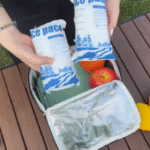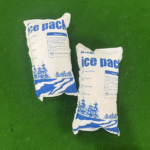
UN cooler gel cold compress for knee is one of the simplest yet most effective tools you can use to relieve pain and swelling. It combines the power of cold therapy (cryothérapie) with flexible gel technology, providing targeted relief without pharmaceuticals. As a cold chain and health care professional, I will show you how to use this device, why it’s effective, and what the latest research and innovations in 2025 mean for your recovery. According to Johns Hopkins Medicine, cold therapy lowers skin temperature, reduces nerve activity and swelling, and should be applied for 10–20 minutes at a time. À la fin de ce guide, you’ll understand when and how to use a cooler gel cold compress for knee pain, how to pick the right product, and the trends shaping this technology in 2025.

How does a cooler gel cold compress for knee work? Learn the science of vasoconstriction and nerve conduction, including why cold therapy numbs pain and reduces inflammation.
When should you use a cooler gel cold compress for knee pain? Understand timing, duration and safety guidelines based on R.I.C.E. (rest, glace, compression, elevation) and expert recommendations.
How to choose the best cooler gel cold compress for knee in 2025? Discover features like flexibility, durée, strap design and eco friendly materials, plus 2025 innovations such as continuous cold flow devices.
What are the latest trends and developments in cooler gel cold compress technology? Explore research on continuous cold flow therapy and market trends, including consumer surveys and new modular cooling technologies.
Frequently asked questions about using cooler gel cold compresses for knee pain. Get clear answers to common questions regarding safety, durée, reuse and suitability for different conditions.
What Is a Cooler Gel Cold Compress for Knee and How Does It Work?
Réponse directe
UN cooler gel cold compress for knee is a flexible pouch filled with a non toxic gel that freezes at a low temperature but remains pliable. When applied to the knee, it lowers the surface temperature, constricts blood vessels (vasoconstriction), reduces nerve conduction, and decreases swelling. Essentiel, it delivers targeted cryotherapy—recommended by Johns Hopkins Medicine and physical therapists for acute injuries, post surgical recovery and chronic pain conditions like arthritis. By numbing nerves and limiting blood flow, the cooler gel cold compress for knee provides immediate pain relief and minimizes inflammation.
Explication élargie
From a physiological standpoint, cold therapy works by reducing the temperature of skin and muscle. Lower temperature causes vasoconstriction—blood vessels narrow, which decreases blood flow and metabolic activity. This translates into less fluid leaking into tissues and, par conséquent, less swelling. Reduced nerve conduction also means pain signals travel more slowly, providing a numbing effect. Le cooler gel cold compress for knee harnesses these principles in a reusable form. Modern gel packs are designed to remain flexible even when frozen, so they can wrap around the knee and provide uniform contact. A physical therapy clinic notes that cold compresses are most effective when used within the first 24–72 hours of an injury and can significantly improve the healing process. Because the gel retains cold longer than ice alone and contours to the knee’s shape, it reduces the risk of ice burns and enhances comfort.
Vasoconstriction and Nerve Conduction: The Science Behind Cooling
Cold therapy decreases the temperature of skin and underlying tissues, which reduces blood flow and metabolic processes. Researchers at the U.S. Pain Foundation explain that this reduction in blood flow diminishes inflammation and swelling, thereby lowering pain. The slower nerve conduction rate means that pain signals travel more slowly to the brain, creating a natural numbing effect. Dans un 2025 systematic review and meta analysis of cryotherapy for knee osteoarthritis, researchers found that cryotherapy produced a standardized mean difference of –0.57 in pain intensity versus controls (95 % CI [–0.97, –0.18], p = 0.004). Although the review concluded that cryotherapy should be part of a comprehensive treatment plan rather than a stand alone therapy, it confirms that controlled cooling has measurable benefits. For everyday knee injuries, le cooler gel cold compress for knee leverages these mechanisms by using gels that freeze to 0–10 °C, the temperature range found to deliver optimal results for 20–30 minutes.
| Science of Cold Therapy | Mécanisme | Comment ça vous aide |
| Vasoconstriction | Cold restricts blood vessels, reducing blood flow and fluid leakage. | Limits swelling and prevents further tissue damage. |
| Reduced nerve conduction | Lower temperatures slow nerve signal transmission. | Provides a numbing effect that lessens pain sensation. |
| Reduced metabolic activity | Cooling slows down cellular processes and enzyme activity. | Prevents excess inflammation and speeds healing. |
| Flexibility of gel packs | Gel remains pliable even when frozen. | Conforms to the knee for even coverage and comfort. |
Astuces et conseils pratiques
Pour les blessures aiguës: Use a cooler gel cold compress for knee within 24–72 hours of injury, applying it for 20 minutes à la fois. Continue this cycle every 2 hours for the first two days.
For chronic pain and arthritis: Apply the compress twice daily for 20 minutes to reduce stiffness and inflammation.
For workout recovery: Apply immediately after intense exercise or sports to mitigate delayed onset muscle soreness.
Cas du monde réel: A runner sprained his knee during a marathon. By using a cooler gel cold compress for knee within the first hour and repeating the 20 minutes on/20 minutes off cycle for 48 heures, he managed swelling quickly and returned to training a week earlier than usual. This real example shows how timely cold therapy accelerates recovery.
When Should You Use a Cooler Gel Cold Compress for Knee Pain?
Réponse directe
Utiliser un cooler gel cold compress for knee immediately after an acute injury (sprain, strain or impact) and during flare ups of chronic conditions like arthritis. The American Pain Society recommends cold therapy as part of the R.I.C.E. protocol—Rest, Glace, Compression and Elevation. According to Wright Physical Therapy, applying a cold compress during the first 24–72 hours mitigates swelling and numbs pain. Time matters: apply the compress for 20 minutes, then remove it for an equal period to prevent frostbite.
Explication élargie
Different conditions require different timings. Acute injuries are those that occur suddenly, like twisting your knee or falling. Dans ces cas, the body responds with inflammation to protect the area, but the swelling and heat can cause further pain and tissue damage. Applying a cooler gel cold compress for knee right after the injury constricts blood vessels, reduces fluid build up and numbs the area, thereby containing the injury. Les États-Unis. Pain Foundation notes that cold therapy is especially useful for joints, including knees and elbows, because it helps manage swelling and inflammation. For chronic conditions like osteoarthritis, cold therapy is beneficial after activity or when inflammation flares up. It should be combined with other treatments such as gentle exercise, physical therapy or heat therapy once swelling subsides. Cleveland Clinic advises alternating cold and heat: cold reduces swelling, while heat increases flexibility and circulation once inflammation has decreased.
Proper Application and Timing
Applying a cooler gel cold compress for knee correctly ensures safety and effectiveness. Suivez ces bonnes pratiques:
20 Minute Rule: Apply the compress for 20 minutes, then remove it for at least 20 minutes avant de réappliquer. This prevents skin damage and frostbite.
Use a Barrier: Always wrap the gel pack in a thin towel or cloth to avoid direct contact with skin. Direct exposure to extreme cold can cause frostbite.
Élévation: Raise the injured knee above heart level to reduce swelling.
Monitor Skin: Check the skin for numbness or discoloration; stop if you lose feeling or if the skin appears white.
Durée: Pour les blessures aiguës, repeat the cycle every 2 hours for the first 48–72 hours. For chronic pain or post surgical recovery, use twice daily for 20 minutes.
| Condition | Recommended Timing | Durée | Votre avantage |
| Acute injury (sprain/strain) | Use immediately and within first 24–72 h | Appliquer 20 min on/off cycles every 2 h for two days | Reduces swelling and pain quickly, preventing further damage. |
| Post surgical recovery | Start in recovery room; follow surgeon’s advice | 20 min sessions several times a day | Limite les gonflements, reduces pain and may reduce opioid use. |
| Chronic conditions (Par exemple, arthritis) | After activity or during flare ups | 20 min twice daily | Decreases joint inflammation and stiffness, making movement easier. |
| Workout recovery | Immediately after exercise | 15–20 min | Minimizes soreness and speeds muscle recovery. |
Astuces et conseils pratiques
Avoid applying a cooler gel cold compress for knee directly to your skin. Use a towel or cloth barrier.
Alternate with heat therapy when swelling subsides. Cleveland Clinic recommends heat therapy to relax muscles and increase circulation after inflammation decreases.
Do not sleep with a cold compress. Falling asleep increases the risk of frostbite or nerve damage.
Cas du monde réel: Après une chirurgie du genou, a patient was given a reusable cooler gel cold compress for knee with adjustable straps. Following the surgeon’s instructions, she applied cold therapy 20 minutes at a time several times a day. She noticed reduced swelling and needed fewer pain medications, leading to an easier rehabilitation. This demonstrates how correct timing and adherence to guidelines can enhance recovery.
How to Choose the Best Cooler Gel Cold Compress for Knee in 2025
Réponse directe
To select the best cooler gel cold compress for knee dans 2025, prioritize flexibility, durée de refroidissement, strap design, material safety and versatility. Modern gel packs vary from simple flat bags to advanced wrap around sleeves with compression, and the differences matter. The Intco Healthcare 2025 guide distinguishes among standard flexible gel packs, hard shell packs, wrap around gel packs and instant cold packs. Choose a pack that fits your lifestyle—wrap around designs with straps offer hands free convenience for active individuals, while standard packs provide general relief for occasional pain.
Explication élargie
Gel packs come in several forms, each suited to specific needs. Standard reusable gel packs are filled with a gel based coolant, remain flexible when frozen and suit general pain relief. Hard shell packs are more rigid and durable, ideal for post surgical recovery where firm compression is needed. Wrap around gel packs, often with Velcro straps, contour to the knee and provide compression, making them perfect for hands free use. Instant cold packs are single use and activated by squeezing, suitable for emergency situations. When evaluating options, consider cooling duration—some products maintain therapeutic cold for only 20–30 minutes, while newer technologies like CryoMAX® can stay cold up to eight hours using points of cold modules.
Material safety is also crucial. Look for medical grade, BPA free materials to prevent leaks and skin irritation. Eco friendly gels and sustainable packaging align with 2025 consumer preferences for green products. Durability matters: multi layered or double sealed designs withstand repeated freeze thaw cycles. For body contouring, soft and flexible gels provide better coverage and comfort. Size and shape should match your needs—larger packs for back pain, medium for knees and elbows, smaller for headaches.
Comparing Gel Pack Types
| Gel Pack Type | Caractéristiques clés | Pros | Inconvénients | Mieux pour |
| Standard reusable gel pack | Gel remains flexible when frozen | Polyvalent, abordable | Durée de refroidissement plus courte; requires manual holding | Occasional knee pain, general use |
| Hard shell gel pack | Rigid casing with gel inside | Durable, provides firm compression | Less comfortable, limited flexibility | Post surgical recovery, heavy swelling |
| Wrap around gel pack | Flexible gel with straps | Hands free application, compression and cold combined | May cost more | Active individuals, long term therapy |
| Instant cold pack | Usage unique, chemical reaction activated | Convenient for emergencies | Jetable; less eco friendly | Sports injuries, first aid kits |
| Continuous cold flow device | Active system circulates cold water | Maintains constant temperature (5–11 °C) pendant des heures | Cher; research shows limited incremental benefits | Post surgical care where long duration cooling is needed |
Astuces et conseils pratiques
Measure your knee circumference to choose the right size and strap length. A proper fit ensures full coverage and compression.
Check cooling duration claims. For everyday use, a pack that stays cold for 20–30 minutes is sufficient, but for post surgical recovery, consider long lasting packs or continuous devices.
Prioritize medical grade materials that are BPA free and latex free.
Choose dual function packs that provide both cold and heat therapy to maximize versatility.
Cas du monde réel: Jane, an amateur soccer player, suffered a knee sprain. She chose a wrap around cooler gel cold compress for knee with adjustable straps. Because it allowed her to move around while icing, she could continue daily tasks while recovering. The compress stayed flexible and cold for 30 minutes and remained secure, which improved her compliance compared with using a standard gel pack. Choosing the right product made a big difference in her comfort and recovery speed.
What Are the Latest Trends and Innovations in Cooler Gel Cold Compresses for Knee in 2025?
Réponse directe
Innover dans cooler gel cold compress for knee technology in 2025 focuses on prolonged cooling duration, smart temperature control, eco friendly materials and hybrid devices that combine compression, heat and cold therapy. While advanced devices offer continuous cold flow with precise temperature control (5–11 °C), evidence suggests that such devices may not significantly outperform traditional gel packs in improving post operative outcomes. Néanmoins, features like wrap around designs, flexible modules for even cooling, and sustainable gels are shaping consumer preferences.
Aperçu de la tendance
Continuous cold flow therapy: Third generation cold therapy devices use computer assisted systems to circulate cold water or coolant at a consistent temperature, enabling longer sessions without refilling ice. They can modulate temperature and gradually warm to avoid rebound vasodilation. Cependant, reviews by the American Academy of Orthopaedic Surgeons note that continuous cryotherapy devices do not yield superior outcomes compared with gel packs and are considered investigational. This means that while such devices are technologically advanced, simpler gel cold compresses remain the standard of care for most users.
Points of cold and modular cooling: Companies like CryoMAX® use modular “points of cold” technology to distribute cooling evenly and maintain a therapeutic chill for up to eight hours. This design keeps the pack flexible while frozen and prevents cold spots. Wrap around gel packs with adjustable straps combine compression with cold therapy, providing hands free use and improved user experience.
Eco friendly and non toxic materials: Consumers in 2025 are increasingly concerned about sustainability and safety. Gel packs now commonly use eco friendly, BPA free gels and recyclable packaging. Manufacturers also emphasize non toxic, latex free materials to prevent skin irritation.
Dual function packs: Many new products offer both cold and heat therapy. A dual function cooler gel cold compress for knee can be microwaved to provide heat therapy once swelling subsides, offering greater versatility.
Consumer insights: UN 2025 consumer survey reported that 85 % of users experienced better pain relief with Intco Medical’s reusable gel packs compared with traditional ice packs. This suggests that improvements in gel formulation, flexibility and strap design translate into tangible benefits.
Technologies émergentes: Continuous Cold Flow & Points of Cold
Continuous cold flow devices represent the high end of cooling therapy. They involve a cooler filled with ice water and a wrap connected by tubes. A pump circulates cold water through the wrap, delivering constant cold at controlled temperatures. The advantage is consistent temperature and convenience for extended sessions without changing packs. Cependant, evidence from meta analyses and policy reviews shows limited incremental benefit over traditional gel packs. En fait, the American Academy of Orthopaedic Surgeons found moderate evidence that cryotherapy devices after knee arthroplasty do not improve outcomes. Donc, while continuous devices may be useful in hospital settings or for specific post operative cases, they are not essential for most home users.
Points of cold technology arranges multiple small pouches of coolant within a single wrap. These modules absorb and disperse heat evenly, allowing the compress to remain flexible and maintain a therapeutic temperature for hours. Because heat is dissipated through many small pockets, there are no excessively cold spots that could cause frostbite, and the pack conforms well to the knee.
Tableau: Innovations and Your Benefits
| Innovation | Description | User Benefit |
| Continuous cold flow devices | Computer assisted systems circulate cold water at constant temperature (5–11 °C) | Long-duration cooling without refilling; useful for post surgical care but no superior outcomes compared with gel packs |
| Points of cold technology | Modular design disperses cooling across small cells | Refroidissement uniforme, flexibility and longer cold retention; minimizes cold spots and improves comfort |
| Wrap around gel packs with straps | Flexible gel packs integrated with compression straps | Hands free use, targeted compression and cold therapy; ideal for active lifestyles |
| Eco friendly, matériaux non toxiques | Use BPA free gels and recyclable packaging | Reduces environmental impact and risk of skin irritation |
| Dual function hot/cold packs | Packs that can be heated or cooled | Versatility to treat both inflammation (froid) and stiffness (chaleur) with one product |
Astuces et conseils pratiques
Choose innovation wisely: Advanced devices like continuous cold flow systems are beneficial if you need extended cooling after surgery, but they may not provide additional pain relief beyond a standard cooler gel cold compress for knee.
Check for certifications: Look for products that meet medical safety standards and environmental certifications.
Consider modular packs for longer sessions: If you require extended cooling, a points of cold gel pack may keep your knee comfortable without repeated refreezing.
Cas du monde réel: An athlete recovering from knee surgery opted for a continuous cold flow device for the first week post operation. The device provided long, consistent cooling and reduced the need for frequent gel pack changes. After the acute phase, he switched back to a wrap around cooler gel cold compress for knee for convenience. This hybrid approach illustrates how combining new and traditional technologies can optimize recovery.
2025 Developments and Trends in Knee Therapy and Pain Relief
Aperçu de la tendance
L'année 2025 brings notable developments in knee therapy, particularly in the interplay between cryotherapy, heat therapy and comprehensive rehabilitation strategies. A Cleveland Clinic article notes that cold therapy contracts blood vessels to reduce swelling, while heat therapy dilates blood vessels to loosen muscles and increase flexibility. Experts recommend alternating between cold and heat depending on the injury’s stage. Les États-Unis. Pain Foundation emphasises using cold therapy as a gateway to gentle movement rather than a passive treatment. Combined with kinesiotherapy (exercise therapy), cryotherapy can help restore strength and function.
From a clinical perspective, meta analyses confirm cryotherapy’s efficacy in reducing pain but stress the need for combined therapies. UN 2025 systematic review found that cryotherapy reduced pain intensity by a standardized mean difference of –0.57, but its effectiveness as a standalone treatment remains inconclusive. Medical policy documents reviewed by major insurers continue to deem advanced cooling devices investigational due to insufficient evidence of superiority over gel packs. Néanmoins, consumer interest in sustainable, versatile and long lasting gel packs continues to drive innovation.
Latest Developments Summary
Evidence based cryotherapy: Recent meta analyses support cryotherapy as part of comprehensive knee osteoarthritis management, reducing pain and improving function when combined with exercise.
Guideline emphasis on conservative care: Clinical guidelines recommend cold packs and compressive wraps as standard after musculoskeletal injuries, while continuous devices remain optional.
Integration with physical therapy: Experts encourage using cold therapy to facilitate movement and build strength rather than relying solely on icing.
Consumer trends: Users favour gel packs with improved flexibility, matériaux écologiques, dual functionality and longer cooling duration. A survey shows 85 % of users preferred advanced reusable gel packs over traditional ice packs.
Smart design: Newer gel packs incorporate sensors or thermal indicators to help users avoid frostbite and maintain the recommended 20 minute application time.
Insistance au marché
The gel pack market is growing steadily, driven by sports injuries, aging populations and demand for self care solutions. Innovations such as wrap around designs, non toxic gels and extended cooling durations cater to consumer preferences. Manufacturers that combine sustainability with performance are positioned to gain market share. Data suggests that non toxic gel packs will account for more than half of market share by 2025, reflecting consumer priorities for safety and environmental impact.
Questions fréquemment posées
Q1: How long should I apply a cooler gel cold compress for knee pain?
Apply the compress for 20 minutes at a time and then remove it for at least 20 minutes avant de réappliquer. This prevents frostbite and maximizes therapeutic effect.
Q2: Can I use a cooler gel cold compress for knee more than once a day?
Oui. Pour les blessures aiguës, use the compress every 2 hours in the first 48–72 hours. For chronic conditions or post surgical recovery, apply twice daily for 20 minutes.
Q3: Is it safe to put a cooler gel cold compress for knee directly on my skin?
Non. Always wrap the gel pack in a thin towel or cloth to avoid frostbite or skin irritation.
Q4: Should I use heat or cold for knee arthritis?
Cold therapy reduces swelling and numbs pain, while heat therapy relaxes muscles and increases flexibility. Experts suggest using cold when inflammation is present and switching to heat once swelling subsides.
Q5: Do continuous cold flow devices work better than gel packs?
Continuous cold flow devices provide constant cooling but studies show no significant benefit over traditional gel packs in improving outcomes after knee surgery. They may be useful for convenience or specific post operative protocols but are not necessary for most users.
Q6: How do I clean and maintain a gel pack?
Store your gel pack in a sealed bag in the freezer for at least two hours before use and clean it with mild soap and water after each session. Inspect regularly for leaks or damage.
Résumé et recommandations
Principaux à retenir
Science of cooling: A cooler gel cold compress for knee uses vasoconstriction and reduced nerve conduction to limit swelling and numb pain. It offers a flexible, reusable alternative to ice.
Proper timing and application: Apply the compress immediately after an injury or during flare ups, 20 minutes at a time with breaks to prevent frostbite.
Choosing the right product: Consider flexibility, durée, strap design, material safety and the ability to deliver both cold and heat. Innovations like modular cooling and eco friendly gels enhance user experience.
2025 tendances: Continuous cold flow devices offer constant temperature control but have not proven superior to gel packs. Durable, long lasting and versatile gel packs dominate the market.
Integrated approach: Cryotherapy is most effective when combined with kinesiotherapy, rest, compression and elevation. Alternate with heat therapy once swelling subsides.
Next Steps and Call to Action
Évaluez vos besoins: Determine whether you require a wrap around cooler gel cold compress for knee with straps for active use or a simple gel pack for occasional pain.
Buy quality: Choose BPA free, medical grade packs from reputable brands. Look for products with adjustable straps and dual functionality.
Suivez les meilleures pratiques: Use the 20 minute rule, wrap the pack in a cloth, and elevate your knee for optimal results. Alternate with heat therapy when appropriate.
Consult professionals: If pain persists or if you’ve undergone surgery, work with your healthcare provider or physical therapist to integrate cryotherapy with rehabilitation.
Rester informé: Check updates from reputable medical sources to stay current with new evidence and innovations in cold therapy and knee health.
À propos du tempk
Tempk is a leader in cold chain technology and reusable cooling solutions. We combine expertise in refrigeration and health care to create safe, effective and sustainable products. Our cooler gel cold compresses for knee pain are designed with eco friendly, medical grade gels that remain flexible when frozen. We engineer wrap around designs with adjustable straps for a secure fit and hands free use. By leveraging our cold chain expertise, we ensure consistent temperature retention and long lasting relief, helping you manage pain and recover faster.
Appel à l'action: If you’re looking for reliable and innovative cooling solutions, contactez Tempk pour des recommandations personnalisées. Our team can help you select the right cooler gel cold compress for knee relief and provide guidance on integrating cold therapy into your recovery plan.