Best Shellfish Cold Chain Suppliers 2025: Who Leads the Market?
Maintaining shellfish quality and safety starts with choosing the best shellfish cold chain suppliers. As the global shellfish market grows from $55.5 billion in 2023 to a projected $74.2 billion by 2033, reliable temperature controlled logistics become vital for producers, retailers and consumers. Shellfish are highly perishable, and slight deviations in temperature can lead to bacterial growth or spoilage. The National Shellfish Sanitation Program (NSSP) requires live shellfish to be cooled to 50 °F (10 ° C.) di dalam 10 hours of harvest and transported at or below this temperature. If you’re sourcing clams, tiram, mussels or crabs, understanding the supply chain and choosing qualified partners will protect your business and your customers.
What makes a cold chain supplier the best shellfish cold chain supplier di dalam 2025 and how to evaluate them?
Which shellfish producers and logistics companies are leading the market and why?
How do temperature regulations, HACCP guidelines and certification standards affect shellfish safety?
What innovations and trends in 2025 are reshaping shellfish cold chains, from digital monitoring to sustainable packaging?
Practical tips to reduce product loss, meet quality standards and choose your ideal shellfish cold chain supplier.
Why Is Cold Chain Essential for Shellfish Quality?
Shellfish deteriorate quickly when exposed to warm temperatures. Live shellfish must arrive at or below 50 ° f (10 ° C.) with an air temperature under 45 ° f. If the core temperature exceeds 50 ° f, bacterial growth accelerates and safety diminishes. Chilling immediately after harvest halts metabolic activity and preserves flavor and texture. Di dalam 2025, lebih dari 32 % of global cold chain market revenue comes from refrigerated storage for meat and seafood, showing how critical temperature control is for shellfish.
Temperature guidelines protect public health. The NSSP mandates that shellfish be cooled to 50 °F within 10 hours of harvest and transported with time temperature indicators (Ayah). HACCP plans require risk assessments, critical temperature limits and corrective actions at every stage. These standards are reinforced by the FDA’s Interstate Certified Shellfish Shippers List, which certifies shuckers, shippers and repackers under uniform sanitation requirements. By working with certified dealers, you ensure compliance with federal regulations and reduce the risk of recalls or illness.
Cold chain management is good for business. Proper temperature control reduces product loss and protects profit margins. Little Wicomico Oyster Co. reports that quick chilling, specialized storage and refrigerated transport preserve oysters’ flavor and texture, extending shelf life and reducing waste. When your customers receive high quality, safe shellfish, they become repeat buyers and advocates for your brand.
Key Benefits of Effective Shellfish Cold Chains
| Keuntungan | Penjelasan | Arti Praktis |
| Safety Compliance | Meeting NSSP standards ensures live shellfish are cooled to 50 °F and stored at 41 °F or less. | Protects public health and reduces the risk of foodborne illness. |
| Preserved Quality | Rapid cooling and consistent temperature keep shellfish fresh, retaining briny flavor and firm texture. | Enhances customer satisfaction and product value. |
| Mengurangi Limbah | Maintaining the cold chain minimizes spoilage and product loss. | Improves your bottom line and sustainability performance. |
| Kepatuhan Pengaturan | Certification as a shellstock shipper, shucker packer or repacker under the NSSP demonstrates adherence to sanitation standards. | Simplifies audits, avoids penalties and builds trust. |
| Reputasi Merek | High standards attract discerning consumers and wholesale buyers who demand safe, traceable seafood. | Helps you stand out as one of the best shellfish cold chain suppliers. |
Tips for Maintaining Cold Chain Integrity
Gunakan indikator waktu-suhu: Devices like Timestrip PLUS measure temperature breaches and durations, providing an audit trail for your shipments.
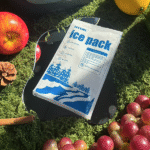
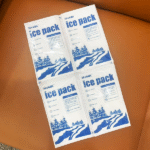
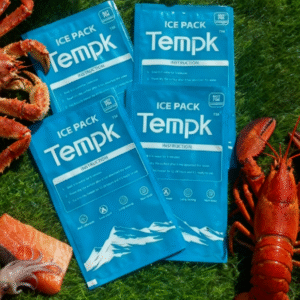
Investasikan dalam kemasan terisolasi: Frozen gel packs and insulated boxes help maintain temperatures below 50 °F during transit.
Pantau secara real-time: Pencatat data, Bluetooth sensors and probe thermometers allow continuous temperature tracking throughout storage and transport.
Latih tim Anda: Penanganan yang tepat, sanitation and corrective action protocols are crucial to maintaining product safety and quality.
Rencanakan Kontinjensi: Have backup refrigeration and emergency response plans for delays, mechanical failures or extreme weather.
Contoh dunia nyata: Island Creek Seafood uses Timestrip PLUS indicators on each oyster shipment to comply with the NSSP’s 50 °F rule. Customers can see if shipments breached temperature limits and decide whether to accept or discard the product. This transparency builds trust and demonstrates commitment to quality.
What Makes a Shellfish Supplier Stand Out?
Memilih best shellfish cold chain suppliers isn’t just about price; it’s about performance, consistency and compliance. Di AS, seafood exports reached 1.21 million metric tons worth $4.93 miliar masuk 2024, and leading buyers prioritize partners who can deliver safe, high quality products quickly.
Criteria for Evaluating Shellfish Suppliers
Certification and track record – Verify that suppliers are listed on the FDA’s Interstate Certified Shellfish Shippers List and have clean records. Categories include shellstock shipper (SS), shucker packer (SP), repacker (RP) and reshipper (RS).
Kontrol suhu – Ensure they follow NSSP guidelines for cooling and shipping, with TTIs and documented HACCP plans.
Traceability and sustainability – Top suppliers offer full traceability from harvest to delivery and adhere to sustainable harvesting practices. East Coast Shellfish Growers Association represents more than 1,500 farmers and promotes sustainable aquaculture.
Product range and specialization – Some suppliers focus on niche products like half shell mussels or Dungeness crab. Misalnya, JTR Produce specializes in half shell mussels and frozen shellfish, while Pacific Seafood Group produces Dungeness crab and coldwater shrimp.
Service and delivery speed – Evaluate whether the supplier can meet your schedule. Freshdi’s 2025 ranking emphasizes suppliers that consistently deliver and maintain high volumes. Check their capacity to handle sudden surges in demand.
Innovation and technology – Companies using IoT sensors, automated warehouses or eco friendly packaging stand out in 2025. Temperature monitoring equipment and digital logs are essential tools.
Major Shellfish Producers and Their Cold Chain Practices
The global shellfish supply is dominated by a mix of cooperatives, family owned businesses and multinational corporations. Understanding their cold chain practices helps you benchmark potential partners.
| Perusahaan | Ringkasan | Kekuatan & Implikasi |
| Wellfleet Shellfish Co. | Didirikan di 2002 in Eastham, Massachusetts, this company supplies farmed and wild caught clams, tiram, razors, steamers, scallops and small boat lobsters. | Their diverse product range and regional focus ensure fresh, traceable shellfish. Look for robust cooling immediately after harvest and direct relationships with fishermen. |
| East Coast Shellfish Growers Association | Didirikan pada 1996, this nonprofit represents over 1,500 farmers along the Atlantic coast. | The association promotes sustainable aquaculture and offers training on cold chain best practices, making its members reliable for large orders. |
| Maruha Nichiro Corporation | A Tokyo based fishing and food company established in 1880. Its international supply chain includes fish farming, penangkapan ikan, trading and distribution. | Global reach and emphasis on sustainable fishing enable consistent supply. They invest in technological innovation to minimize waste and ensure traceable cold chains. |
| Bumble Bee Foods, LLC | A California based company (founded 1899) that markets seafood under brands such as Bumble Bee® and Brunswick® across more than fifty markets. | Commitment to sustainable sourcing and recognized brands support high quality. Look for certified cold chain partners to handle their wide distribution. |
| Pacific Seafood Group | Family owned since 1941, it operates 40 facilities in three countries, selling Dungeness crab, tiram, coldwater shrimp and salmon worldwide. | Dengan lebih 3,000 employees and value added capabilities, this supplier invests heavily in cold chain logistics to maintain product freshness during global export. |
| Sunnyvale Seafood | Based in Union City, Kalifornia (founded 2003), Sunnyvale offers sustainably produced fish, shrimp and other seafood with facilities in China and partnerships globally. | Their global network requires advanced cold chain logistics and quality control systems to ensure consistent supply. |
These producers rely on robust refrigerated storage, insulated packaging and partnerships with leading logistics providers. Ask about their temperature control equipment, digital monitoring and compliance certifications to gauge their suitability as a best shellfish cold chain supplier.
Leading Cold Chain Logistics Providers for Shellfish Shipping
Even the finest shellfish require dependable logistics. The cold chain logistics market is projected to expand from USD 324.85 miliar masuk 2024 ke USD 862.33 miliar oleh 2032. Meat and seafood represent the largest application, contributing about 41 % pendapatan. Choosing the right logistics partner is therefore crucial when evaluating best shellfish cold chain suppliers.
Top Logistics Companies by Capacity and Capabilities
The Global Cold Chain Alliance (GCCA) and Supply Chain 24/7 rank cold storage operators each year. Di 2025 daftar, the following companies lead the field:
Logistik Silsilah – With 2.98 billion ft³ of temperature controlled storage, Lineage offers end to end warehousing and transportation. The company uses data science to reduce waste and optimize logistics.
Logistik Amerika – Holding 1.45 billion ft³ of storage, Americold provides comprehensive temperature controlled storage and distribution. Its five fulfilment locations enable direct to consumer delivery within two days to 99 % dari A.S. populasi.
BaruDingin – Though smaller with 458.6 million ft³, NewCold specializes in automated cold warehouses and invests heavily in sustainability.
DHL Freight Coldchain – Offers customized solutions for vaccines, fresh produce and sensitive cargo with humidity control and specialized packaging.
Kuehne + Nagel – Through its KN FreshChain service, it provides dedicated reefer equipment, 24/7 monitoring and customized options for seafood.
Layanan Kesehatan UPS – After acquiring Andlauer Healthcare Group for USD 1.6 billion in April 2025, UPS expanded its temperature controlled warehouses and trucking network across Canada.
These operators supply infrastructure and expertise for shellfish suppliers who cannot manage refrigeration alone. When selecting a logistics partner, assess their network coverage, compliance certifications and investment in technologies such as IoT sensors and AI based route optimization.
Comparing Leading Cold Chain Operators
| Perusahaan | Core Strength | Global Reach | Apa artinya bagimu |
| Logistik Silsilah | Largest storage capacity (2.98 billion ft³); uses data science to reduce waste | Lebih 400 facilities worldwide | Reduced product loss and efficient distribution due to automated warehouses. |
| Amerika dingin | Comprehensive storage and distribution network | Primarily North America but expanding globally | Fast direct to consumer fulfilment and extensive U.S. cakupan. |
| BaruDingin | Highly automated cold warehouses | Eropa, Amerika Utara, Asia | Strong sustainability credentials and consistent quality. |
| DHL Freight Coldchain | Tailored solutions with humidity control and specialized packaging | Global network across continents | Custom handling for seafood, vaccines and delicate goods. |
| Kuehne + Nagel | 24/7 pemantauan, dedicated reefer equipment | Worldwide, strong presence in Europe and Asia | Real time visibility and specialized options for seafood shipments. |
| Layanan Kesehatan UPS | Expanded network via Andlauer acquisition; command center monitoring at −80 °C | North America with global partners | Reliable high precision cold chain for sensitive products. |
When evaluating logistics partners, match your product requirements (MISALNYA., shellfish need 0–10 °C) with their temperature ranges and equipment. Look for certified practices and sustainability commitments.
How to Choose the Right Shellfish Cold Chain Partner?
Not all suppliers or logistics providers will fit your needs. Use this step by step process to identify the best shellfish cold chain suppliers untuk bisnis Anda:
Define your product profile – Are you shipping live oysters, shucked clams or frozen crab legs? Determine the required temperature range and time to destination. Misalnya, live shellfish must reach the customer at or below 50 ° f.
Assess capacity and reach – Compare the storage space and geographical coverage of logistics partners. Silsilah 2.98 billion ft³ capacity provides flexibility for scale, whereas smaller suppliers may focus on regional markets.
Verify certification and compliance – Check the FDA’s Interstate Certified Shellfish Shippers List and ask for documentation of HACCP plans and temperature logs.
Evaluate technology and transparency – Choose partners that use IoT sensors, digital dashboards and TTIs for real time monitoring. Transparent data reduces risk and supports audits.
Pertimbangkan keberlanjutan – Consumers increasingly prefer suppliers who invest in eco friendly packaging, renewable refrigeration and responsible harvesting. Ask about refrigeration efficiency and carbon reduction initiatives.
Request performance metrics – Ask for key performance indicators (KPIs) such as on time delivery rates, temperature excursion records and customer feedback.
Decision Tool – Self Assessment
To simplify your selection, rate potential suppliers on a scale of 1 (miskin) ke 5 (bagus sekali) across the following categories: sertifikasi, kontrol suhu, keterlacakan, kapasitas, sustainability and technology. Sum the scores to identify the best shellfish cold chain supplier untuk kebutuhan Anda. For even more precision, use an interactive decision matrix with weighting factors (MISALNYA., kontrol suhu 30 %, Keberlanjutan 10 %).
Studi kasus: Effective Cold Chain in Oyster Farming
Oyster farming illustrates how careful cold chain management preserves quality and ensures safety. Little Wicomico Oyster Co. in Virginia shares its approach:
Harvest Cooling and Immediate Chill
After harvest, oysters are placed into insulated containers filled with ice to cool them quickly, stopping bacterial growth. In warmer weather, more ice is added, and delays are minimized to maintain the ideal temperature range. These practices align with the NSSP’s requirement to cool live shellfish to 50 °F within 10 jam.
Processing and Storage Protocols
At the processing facility, oysters are stored in a climate controlled environment to remain within safe refrigeration limits during cleaning and sorting. Little Wicomico uses a specialized cold room system that keeps their Blackberry® Reserve Oysters fresh and high quality.
Pengemasan dan Transportasi
Untuk pengiriman, the company relies on specially designed packaging and refrigerated vehicles equipped with continuous temperature monitoring. This ensures oysters arrive in perfect condition, ready for consumption. If a temperature excursion occurs during transit, corrective actions are triggered to protect product integrity.
Business Impact
By investing in robust cold chain management, Little Wicomico reduces product loss and maintains premium quality. Quick cooling and consistent temperature protect natural flavors and textures, leading to longer shelf life and higher customer satisfaction. Their approach demonstrates that even small producers can become best shellfish cold chain suppliers through careful planning and investment.
Market Outlook and Opportunities for Shellfish Cold Chains
The shellfish market is set to grow steadily, offering opportunities for suppliers who prioritize quality and sustainability. Key drivers include increasing popularity of protein rich diets and convenience foods. Consumers are willing to pay premium prices for ready to cook shellfish products, boosting demand for value added options.
Cold chain logistics is expanding rapidly. The global food cold chain market is expected to reach US$65.8 billion in 2025 and US$205.3 billion by 2032, dengan CAGR sebesar 17.5 %. Investments in sustainable cold chain infrastructure exceed US$5 billion between 2023 Dan 2025 by companies like Lineage, Americold and Snowman Logistics. Penyimpanan berpendingin menyumbang 58.6 % of total market revenue, while frozen products represent 59.7 % volume. Seafood and meat remain dominant, requiring large amounts of cold storage..
Pembentukan tren 2025: According to industry insights, five major trends influence cold chain logistics: geopolitical disruptions and capacity resilience; stronger digital visibility through IoT and AI; growth of niche products like plant based proteins; upgrading aging infrastructure; and improved distribution networks. Companies are building resilience by diversifying routes and investing in automation and sustainability. As demand for seafood nearly doubles by 2050 Dan 3.3 billion people rely on fish as their primary protein, efficient and adaptable cold chains are imperative.
Shellfish value chain innovations. The shellfish value chain starts with aquaculture or wild capture, then moves through processing, pengemasan dan distribusi. Innovations in cold chain logistics have improved quality during transit, enabling broader distribution to supermarkets, restaurants and online channels. Ready to eat and value added shellfish products such as pre cooked or marinated options cater to busy lifestyles and encourage market growth.
2025 baru Shellfish Cold Chain
Ikhtisar Tren
Industri rantai dingin di 2025 is characterized by rapid digitalization, inisiatif keberlanjutan, and market expansion. Key innovations include real time temperature monitoring, Pengoptimalan rute yang digerakkan oleh AI, pendingin ramah lingkungan, and modular cold storage units. Shipping companies like FedEx have introduced chilled boxes and containers that maintain 2 ° C ke 8 °C for up to five days, while DHL offers humidity controlled solutions for delicate items. Cold chain specialists invest in renewable energy and green refrigeration to reduce carbon footprints.
Kemajuan terbaru
Data driven logistics: IoT sensors and AI algorithms provide real time visibility and predictive analytics, allowing operators to intervene before temperature breaches occur.
Sustainable infrastructure: Cold storage facilities are being modernized with automation, solar power and low GWP refrigerants.
Niche product handling: Growth in plant based proteins and specialty seafood requires specialized packaging and handling.
Decentralized distribution: New cold storage facilities are located closer to production or consumption hubs to reduce transit times and carbon emissions.
Digital traceability: Blockchain and advanced tracking platforms provide end to end transparency, ensuring compliance with certifications and enabling consumers to verify origin and handling conditions.
Wawasan pasar
North America remains the leading region in the global food cold chain market, commanding 32 % pendapatan di 2025. Investment is focused on sustainable infrastructure and digital monitoring. Asia Pacific is the fastest growing region thanks to large scale investments in cold storage and the expansion of e commerce food logistics. AS. continues to export high volumes of premium seafood, but warming waters and tariffs have disrupted supplies. Di dalam 2025, KITA. lobster exports dropped to a 15 year low of 86.1 million pounds, pushing prices higher. Mussels saw an 8 % price increase due to strong demand in the EU and Asia. Suppliers who can manage these fluctuations and maintain robust cold chains will capture market share.
(FAQ)
Q1: Why are cold chain suppliers so important for shellfish safety?
Shellfish are highly perishable and can harbor pathogens if not kept cold. Cooling to 50 °F within 10 hours and maintaining that temperature during transport prevent bacterial growth. Certified suppliers with robust cold chains ensure products meet health regulations and stay safe for consumers.
Q2: What temperature should shellfish be stored at?
Live shellfish should arrive at or below 50 ° f (10 ° C.) with an air temperature under 45 ° f. Storage refrigerators should maintain 41 ° f (5 ° C.) atau kurang. For shucked shellfish meat, keep temperatures at 45 °F atau lebih rendah.
Q3: How can I verify that a supplier is certified?
Check the FDA’s Interstate Certified Shellfish Shippers List. It identifies shellstock shippers, shucker packers, repackers and reshippers who meet sanitation standards. Reputable suppliers will provide their certification number on invoices and shipping documents.
Q4: What are the signs of a reliable cold chain logistics partner?
Look for large storage capacity, global reach, IoT based temperature monitoring and compliance with GDP or ISO 22000 standar. Partners like Lineage, Americold and DHL invest in data science, humidity control and sustainability initiatives, ensuring high service quality.
Q5: How do climate change and regulations affect shellfish supply chains?
Climate change is shifting marine populations and causing supply disruptions. Hampir 3.3 billion people rely on fish products for protein and demand is expected to double by 2050. Regulations such as the NSSP and FSMA require strict temperature controls and traceability, pushing suppliers to adopt digital monitoring and sustainable practices. Memilih best shellfish cold chain suppliers helps you navigate these challenges.
Saran
Selecting the best shellfish cold chain suppliers is critical for ensuring product safety, preserving quality and staying competitive. Remember these key takeaways:
Temperature control is non negotiable. Shellfish must be cooled to 50 °F within 10 hours and maintained below 41 °F during storage.
Look beyond price. Evaluate certification, keterlacakan, technology and sustainability when choosing suppliers and logistics partners.
Understand your product and market. Match your specific shellfish products to appropriate temperature ranges and delivery times. Recognize that demand for ready to cook and value added shellfish is growing.
Manfaatkan teknologi. Berinvestasi pada sensor IoT, data loggers and TTIs for real time monitoring and compliance.
Tetap terdepan dalam tren. Digitalization, sustainable infrastructure and upgraded distribution networks will shape the cold chain industry in 2025 dan seterusnya.
Langkah selanjutnya yang dapat ditindaklanjuti
Assess your current supply chain – Perform a cold chain audit and identify areas where temperature control or traceability can be improved. Use digital tools for real time monitoring.
Compare potential suppliers – Use the decision tool described earlier to rank suppliers on certification, technology and sustainability. Aim for at least five candidates to benchmark.
Pilot shipments – Before committing, conduct trial shipments with new partners, using TTIs and data loggers to monitor temperature performance.
Engage with industry experts – Join trade associations and attend webinars to stay updated on regulations, technologies and market trends. Collaboration fosters continuous improvement.
Act now – The market is expanding rapidly; securing reliable best shellfish cold chain suppliers today will give you a competitive advantage.
Tentang Tempk
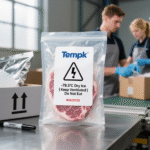
Tempk specializes in cold chain packaging and logistics solutions for seafood, pharmaceuticals and perishable goods. Kami provide insulated boxes, reusable gel packs and advanced monitoring devices that help you meet strict temperature requirements. Our solutions are designed for ease of use and sustainability—many of our products are reusable or recyclable, mengurangi limbah dan dampak lingkungan. With a commitment to quality and innovation, we support companies of all sizes to become the best shellfish cold chain suppliers.
Next Steps with Tempk
Ready to upgrade your shellfish cold chain? Contact us for a consultation or explore our range of insulated packaging and monitoring solutions. Kami can help you build a compliant, efficient and sustainable cold chain that keeps your shellfish safe and your customers satisfied.