Keeping seafood fresh from catch to consumption is a high stakes challenge. Cold chain monitoring of seafood requires continuous temperature control, reliable insulated packaging and real time visibility. In 2025, customers demand better quality and regulators expect full compliance, yet cooler boxes alone can’t solve every problem. Recent studies show that the global cold chain market is worth US$436.3 billion in 2025 and could reach US$1.3 trillion by 2034, while the Food and Agriculture Organization (FAO) warns that about 35 % of seafood is wasted due to poor post harvest handling and cold chain failures. This guide helps you understand the technologies, packaging and practices you need to protect your seafood and your reputation.

Why is cold chain monitoring of seafood critical in 2025? We explain the unique challenges of fish supply chains and show how sensors and insulated packaging mitigate spoilage.
What types of cooler boxes and insulation materials should you use? Learn about EPS, EPP and vacuum insulated panels (VIPs) and how they maintain safe temperatures during transit.
How do IoT, data loggers and GPS trackers work together? We break down modern cold chain monitoring solutions, from temperature data loggers to smart reefers.
Which 2025 market trends and regulations affect seafood logistics? Explore growth projections, regional insights and sustainability considerations.
How can you improve your operations today? Follow step by step tips, self assessments and FAQs that guide you towards better quality, compliance and customer trust.
Why cold chain monitoring of seafood matters in 2025
Critical reasons for monitoring
Fresh fish spoils quickly. Without timely chilling, microbial growth accelerates, resulting in quality loss and potential health risks. The FAO reports that approximately 35 % of all seafood is wasted globally due to inefficient post harvest handling and cold chain failures. With rising consumer expectations and stricter regulations, that level of waste is unsustainable.
Cold chain breakdowns erode trust and revenue. When temperature excursions occur during transport or storage, entire consignments can be rejected, leading to lost sales, insurance claims and damage to brand reputation. Traditional manual logs and siloed data systems often delay detection of problems.
Compliance is non negotiable. Global standards such as Hazard Analysis and Critical Control Point (HACCP), the Food Safety Modernization Act (FSMA) and various regional guidelines require documented temperature control and traceability. Automated monitoring simplifies audits and reduces the risk of penalties.
Consequences of poor monitoring
When cold chain monitoring of seafood fails, consequences can range from food waste to public health emergencies. Spoilage leads to higher costs and carbon emissions because wasted fish has already incurred fishing, processing and transport resources. Moreover, failure to meet temperature requirements can result in regulatory violations, product recalls and legal liabilities. Investing in robust monitoring systems is cheaper than risking a damaged reputation or a costly recall.
Fish supply chain challenges
The journey from sea to shelf involves multiple stages:
Onboard handling: Fish must be chilled immediately after catching to prevent microbial growth.
Landing and pre processing: Delays at the dock or during transport can accelerate spoilage.
Cold storage warehousing: Poor stacking or airflow limitations create hot pockets.
Refrigerated transportation: Trucks and containers need pre chilling, correct airflow and real time tracking.
Retail display: Display counters must maintain sub 2 °C conditions for shelf life and safety.
At each transition point there is risk of temperature excursions, mishandling or equipment failure. Real time monitoring and proper packaging reduce those risks.
Types of cooler boxes and insulation materials
Choosing the right cooler box for seafood
Cooler boxes are the backbone of passive cold chain protection. However, not all boxes perform equally. Common materials include Expanded Polystyrene (EPS) foam, Expanded Polypropylene (EPP) foam and Vacuum Insulated Panels (VIPs). Each has advantages and limitations:
EPS foam: Lightweight and affordable, EPS boxes are suitable for short transit times (up to 24 hours). They are easy to handle and provide moderate insulation but are less durable and not ideal for repeated use.
EPP foam: EPP offers better insulation and durability, maintaining safe temperatures for 48–72 hours. EPP boxes are reusable, withstand rough handling and insulate about 20 % better than traditional EPS. They are also recyclable in specialized facilities.
Vacuum insulated panels (VIPs): VIPs remove air between panels, creating high R values. They provide the most effective barrier against heat transfer. VIPs are costly but ideal for long, high value shipments or ultra precise temperature requirements.
Insulated box liners: Flexible liners can convert standard cartons into cold boxes. They are useful for last mile deliveries but provide less insulation than dedicated coolers.
The right choice depends on your product’s temperature range, transit duration and budget. For seafood shipments longer than 24 hours, EPP or VIP boxes are recommended due to their superior insulation and durability.
Passive vs. active cooling
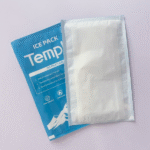
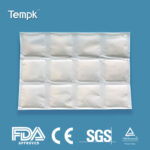
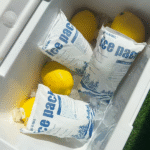
Passive cooler boxes rely on insulation and refrigerants to maintain temperature, whereas active systems use powered refrigeration units. Passive systems offer simplicity and portability; they require no electricity and have no mechanical components, reducing maintenance. However, they depend on ice packs, gel packs or dry ice to provide cold. Gel packs keep refrigerated goods cool (0–10 °C) for up to 72 hours, while dry ice maintains frozen products below –18 °C for up to 48 hours. Phase change materials (PCMs) offer precise temperature control by changing from solid to liquid at specific temperatures.
Active cooler boxes—such as portable electric coolers or reefer containers—offer longer temperature control and are best for extended journeys or large shipments. They require power (vehicle, battery or solar) and include refrigeration compressors and thermostats. Active systems are costly but provide continuous temperature regulation without relying solely on refrigerants.
Design features that matter
A high quality cooler box is more than just insulation. According to SmaK Plastics’ fish box specifications, features that enhance performance include:
Two way fork/pallet entry for easy handling and stacking.
Polyethylene construction with polyurethane insulation providing up to R28 insulation.
Tight seal lids and one piece rubber latches to minimize temperature spikes.
Replaceable rubber wear pads and easy cleaning using steam or pressure wash.
Recessed features for stacking and 2 inch drainage outlets for easy ice melt removal.
When selecting a cooler box, look for these design elements along with the right insulation material. They ensure your boxes withstand repeated use and protect against leaks or contamination.
Comparison of insulation materials
| Material | Insulation Performance | Durability | Reusability | Real World Benefit |
| EPS foam | Good for short trips (up to 24 h) | Moderate | Single use (often) | Low cost and lightweight; ideal for local deliveries or sampling. |
| EPP foam | Very good; retains cold for 48–72 h | High | 100+ reuses | Strong, reusable option for cross country seafood shipments; 20 % better insulation than EPS. |
| Paper/Fiber | Good insulation for up to 48 h | Moderate | Single or limited reuse | Eco friendly and curbside recyclable; ideal for sustainable packaging strategies. |
| Vacuum Insulated Panels (VIPs) | Excellent; high R value | Moderate high | Reusable | Premium solution for high value products requiring precise temperature control; thin panels save space. |
Modern cold chain monitoring technologies
Temperature and humidity data loggers
Data loggers are compact devices that continuously record temperature and humidity. They are placed inside cooler boxes, storage facilities or vehicles. Advantages: affordability, easy deployment and reliable historical records. Disadvantages: most models require manual retrieval of data; they do not provide real time alerts. Popular examples include Testo 184, Elitech RC 5 and Sensitech TempTale.
IoT based wireless sensors and GPS trackers
IoT sensors transmit temperature and location data in real time via Wi Fi, cellular or LoRaWAN networks. They automate alerts when thresholds are exceeded, enabling immediate corrective action. When combined with GPS trackers, companies can monitor both temperature and location of shipments. Benefits include end to end visibility, predictive maintenance and route optimization. Downsides: higher cost and reliance on network connectivity.
RFID and BLE sensors
RFID temperature sensors embed sensing technology in tags attached to pallets or packages. RFID readers automatically scan tags as shipments move through checkpoints, reducing manual errors. They offer mass scanning and automated data collection but require strategic placement of readers and can be affected by metal or liquids. Bluetooth Low Energy (BLE) sensors are cost effective for short range monitoring in warehouses or vehicles; they transmit data to nearby phones or gateways. BLE sensors consume little power but have limited range.
Smart refrigerated containers (reefers) and cloud platforms
Reefer containers use built in refrigeration to self regulate their internal temperature. They are ideal for long distance or high volume shipments of seafood, pharmaceuticals and frozen foods. Cloud based platforms collect data from sensors, RFID tags and GPS trackers, providing a centralized dashboard for analysis and compliance. Companies like Controlant and Tive offer integrated cloud solutions.
AI and predictive analytics
Artificial intelligence transforms cold chain monitoring by predicting equipment failures, optimizing routes and forecasting demand. AI analyses sensor data to schedule maintenance before a refrigerator breaks down, reducing spoilage and operational costs. StartUs Insights notes that the cold chain industry added over 26 800 new employees and filed more than 2 800 patents recently, indicating a strong innovation ecosystem.
Comparing monitoring solutions
| Solution | Real Time? | Deployment Cost | Best Use Case | Your Takeaway |
| Data loggers | No (data retrieved after transit) | Low | Historical records and regulatory audits | Good for verifying compliance but cannot prevent spoilage during transit. |
| IoT sensors + GPS | Yes | Medium–High | Long journeys and high value shipments | Provides real time alerts and location data, enabling immediate response and route optimization. |
| RFID sensors | Semi real time (scanned at checkpoints) | Medium | Warehouse and distribution hubs | Automates inventory and temperature scanning; perfect for high volume facilities. |
| BLE sensors | Yes, within short range | Low | Retail and local deliveries | Low power and affordable; limited range requires close proximity to gateways. |
| Smart reefers | Yes | High | Ocean freight and large volumes | Self contained refrigeration; energy intensive but essential for extended transit. |
Integrating cooler boxes with monitoring systems
Why cooler boxes alone aren’t enough
While high quality cooler boxes provide excellent passive insulation, they cannot prevent or detect temperature deviations by themselves. For example, over stacking boxes can block airflow and create “hot pockets” even in a refrigerated truck. Without sensors, you won’t know until the shipment arrives. Likewise, if a vehicle breaks down or gets delayed, the refrigerant may thaw before arrival. Integrating cooler boxes with real time monitoring prevents these issues by sending alerts when conditions change.
Combining insulation and technology
An effective seafood cold chain blends passive and active strategies:
Pre chill validation: Use sensors to verify that trucks and coolers are at the proper temperature before loading begins.
Load and stack correctly: Data from sensors helps detect blocked airflow or uneven cooling.
Real time alerts: IoT systems send notifications when temperatures exceed safe limits, enabling drivers or warehouse staff to intervene.
Automated compliance reporting: IoT platforms generate HACCP and other compliance reports automatically.
Predictive analytics: AI forecasts equipment failures or potential route delays, allowing preventive maintenance and rerouting.
By pairing EPP foam cooler boxes with IoT sensors, you can achieve a robust system that maintains temperature during transport and provides the visibility needed to respond quickly. The result is reduced spoilage, lower insurance claims and greater customer satisfaction.
Practical tips and advice
Scenario: Shipping frozen seafood across country (48 hours)
Select EPP or VIP boxes for superior insulation; ensure boxes are the right size for your cargo to minimize empty space.
Use dry ice or phase change materials designed for –20 °C conditions; calculate refrigerant weight based on product weight and ambient temperatures.
Install data loggers and IoT sensors inside the cooler to track temperature and humidity. Choose sensors with GSM connectivity for real time alerts during transit.
Pre chill the truck and verify temperature with sensors before loading.
Plan route and contingency: Use AI enabled logistics software to optimize routes, consider traffic and weather, and schedule stops where you can re pack dry ice if necessary.
Scenario: Delivering fresh fish to restaurants (same day)
Use reusable EPP cooler boxes with gel packs; they are lightweight, easy to clean and provide 20 % better insulation than EPS.
Attach BLE or RFID sensors for short range monitoring; drivers can use smartphones or portable readers to check conditions at delivery.
Keep display coolers under 2 °C at the restaurant; sensors can alert chefs if display units drift from safe temperatures.
Educate staff on quickly transferring fish from coolers to refrigeration to avoid unnecessary temperature spikes.
Scenario: Exporting seafood overseas via reefer containers
Choose smart refrigerated containers that self regulate temperature and integrate with cloud monitoring platforms.
Verify plug in and power supply at every port; remote sensors will alert you if a container disconnects from the power grid.
Track location and environmental data using GPS and IoT sensors, enabling route optimization and real time status updates.
Ensure compliance with destination country’s food safety regulations; automated reporting simplifies customs inspections.
Real case example: A 2024 case study from CJ Logistics America highlights how a new cold storage facility near Kansas City uses automated systems, energy efficient refrigeration and IoT monitoring to ensure compliance. By integrating AI and IoT, the facility reduces energy consumption and prevents temperature excursions—demonstrating how cutting edge infrastructure supports modern cold chains.
2025 market trends and developments
Growth and projections
The cold chain sector continues to expand rapidly:
Global market growth: Precedence Research estimates that the cold chain market will grow from US$436.30 billion in 2025 to US$1,359.78 billion by 2034 (CAGR 13.46 %). StartUs Insights reports growth from US$454.48 billion in 2025 to US$776.01 billion in 2029.
Regional dynamics: Asia–Pacific is expected to grow at the highest CAGR (~14.3 %) between 2025 and 2034. In Latin America, growing exports of fresh produce and seafood drive investment in renewable energy and IoT monitoring. Europe faces ageing cold storage infrastructure and is investing in modernization and sustainability.
Hardware dominance: The hardware segment held over 76 % of the cold chain tracking market in 2022, underscoring the importance of investing in quality equipment (cooler boxes, sensors, reefers).
Innovation boom: The cold chain industry filed more than 2 800 patents and added 26 800 employees in the last year, signalling rapid technological advancement and job growth.
Sustainability and energy efficiency
With electricity prices rising, companies are adopting solar powered refrigeration and energy efficient warehouses. Commercial solar rates in the U.S. range from 3.2–15.5 cents per kWh compared with an average utility rate of 13.10 cents per kWh in 2024. Using solar panels to power warehouses and refrigerated trucks reduces operating costs and carbon footprint. Lightweight, biodegradable thermal wraps and reusable cold packs support sustainability goals.
Regulatory landscape
Regulators worldwide are strengthening cold chain requirements. For example, the U.S. government’s National Cybersecurity Strategy Implementation Plan (May 2024) emphasizes securing food and pharmaceutical cold chains. This means companies must invest in cybersecurity for IoT systems, ensure data integrity and comply with Good Distribution Practices (GDP), HACCP and ISO standards. Blockchain technology is also gaining traction to create tamper proof records of temperature and location data.
Market segmentation
In 2024, the dairy and frozen desserts segment held the largest share (36.10 %) of cold chain applications. Pre cooling facilities were valued at US$204.4 billion. Quick service restaurants in India are projected to grow 20–25 % in fiscal 2024, boosting demand for refrigerated logistics. The expansion of cell and gene therapies in the life sciences sector requires ultra low temperatures and robust traceability systems.
Common questions & answers
What is IoT cold chain monitoring? It’s a system that uses connected sensors to track temperature, humidity and location in real time to prevent spoilage.
Why is smart cold chain management important for seafood? It ensures freshness, reduces waste and maintains food safety during transport, storage and retail display.
How does IoT reduce seafood spoilage? By sending instant alerts when temperatures breach safe limits, enabling quick corrective action before products degrade.
Can IoT help with compliance reporting? Yes. Automated systems generate HACCP and other compliance reports instantly for audits.
What’s the difference between EPP and EPS cooler boxes? EPP provides about 20 % better insulation than EPS, is more durable and can be reused more than 100 times. EPS is cheaper and suitable for short trips but often single use.
How do I choose the right refrigerant? Use gel packs for refrigerated products, dry ice for frozen products and phase change materials for precise temperature control. Match the refrigerant quantity to the product weight, transit time and ambient temperature.
Summary & recommendations
Key takeaways
Temperature control is non negotiable: Fish spoils quickly, and 35 % of seafood is wasted due to cold chain failures.
Quality cooler boxes matter: Reusable EPP foam boxes provide 20 % better insulation and survive 100+ trips, while VIPs offer premium protection for high value shipments.
Monitoring technology must be integrated: Combining IoT sensors, GPS trackers and AI provides real time visibility, predictive maintenance and automated compliance.
2025 trends favour investment: The global cold chain market is growing at double digit rates, and hardware investment (sensors, boxes, reefers) dominates.
Sustainability and cybersecurity are priorities: Solar power, biodegradable packaging and blockchain traceability are becoming essential.
Actionable next steps
Assess your needs: Identify your product’s temperature range and required transit duration. Use a self assessment tool: Are you shipping refrigerated or frozen seafood? How critical is real time monitoring? Do you need local or international distribution?
Choose the right cooler box: For trips under 24 hours, EPS may suffice; for longer distances or multiple uses, invest in EPP or VIP coolers. Ensure boxes have tight seal lids, drainage outlets and forklift handling features.
Implement monitoring: Start with data loggers for historical records, then add IoT sensors and GPS trackers for real time visibility. Integrate the data into a cloud platform for analysis and compliance reports.
Train your team: Establish standard operating procedures for pre chilling, loading, stacking and handling. Educate staff on reading sensor data and responding to alerts.
Plan for sustainability: Explore solar powered refrigeration and reusable packaging to reduce energy costs and environmental impact.
Stay updated: Follow industry reports and regulatory updates. Invest in continuous improvement and consider partnerships with cold chain specialists.
About Tempk
Tempk is a research driven company specializing in reusable cold chain packaging solutions and monitoring technology. We develop durable EPP foam cooler boxes that offer superior insulation and withstand 100+ trips. Our products include gel packs, dry ice packs, insulated box liners and smart monitoring systems. By combining high performance packaging with IoT enabled sensors and cloud platforms, we help customers maintain temperature integrity, reduce waste and achieve compliance. With decades of experience in cold chain logistics, we are committed to innovative, eco friendly solutions that protect your products and the planet.
For personalized advice on optimizing your seafood supply chain, contact Tempk’s specialists. We’ll help you select the right cooler boxes, refrigerants and monitoring technologies to safeguard your perishable goods.