Melhores Diretrizes para a Cadeia de Frio de Peixes: Como ganhar em 2025?
Você pode seguir o melhores diretrizes para a cadeia de frio de peixes e ainda perder dinheiro se uma transferência esquentar. Em 2025, “principalmente frio” não é bom o suficiente. Você precisa de peixes mantidos perto do derretimento do gelo (frequentemente 0–2°C) quando fresco e ≤–18°C quando congelado, além de prova de que esses alvos eram mantidos.
Se você administra logística de frutos do mar, este guia fornece um manual simples para reduzir a deterioração, reduzir reclamações, e passar em auditorias sem se afogar em papelada.
Este artigo vai te ajudar:
-
Manter temperatura de armazenamento de peixe fresco 0–2°C estável, não “em média”
-
Proteger temperatura de transporte de peixe congelado -18°C do degelo da borda e do abuso da porta
-
Usar controle de temperatura do tempo HACCP de frutos do mar sem jargão assustador
-
Reduzir o risco para impedindo a formação de histamina no atum e espécies semelhantes
-
Construir registrador de dados de monitoramento da cadeia de frio de frutos do mar prova que vence disputas
-
Prepare-se para FSMA 204 requisitos de rastreabilidade de frutos do mar com um exercício de “lote história”
melhores diretrizes para a cadeia de frio de peixes
Melhores diretrizes para a cadeia de frio de peixes: o que eles realmente significam?
Resposta direta: O melhores diretrizes para a cadeia de frio de peixes são as regras diárias que mantêm os peixes frio, limpar, e em movimento rápido, enquanto faz os resultados rastreável e comprovável.
melhores diretrizes para a cadeia de frio de peixes
O peixe começa a mudar no minuto em que é colhido. Um pequeno aumento de temperatura pode acelerar a deterioração rapidamente. É por isso que melhores diretrizes para a cadeia de frio de peixes concentre-se em três princípios básicos: metas de temperatura, limites de tempo, e lidar com a higiene. Se algum desses quebrar, toda a cadeia sente isso mais tarde como odor, perda por gotejamento, textura macia, ou devoluções.
Melhores diretrizes para a cadeia de frio de peixes: a regra “3C” na qual você pode treinar 5 minutos
Frio: mantenha o produto dentro da temperatura alvo em cada transferência.
Limpar: reduza a contaminação e o contato cruzado todos os dias.
Confirmar: registre o que aconteceu, para que você possa defender a qualidade mais tarde.
| O “3C” | O que você controla | O que você grava | O significado prático para você |
|---|---|---|---|
| Frio | Temps + hora de transferência | mínimo/máximo, verificações pontuais, resumos do registrador | menos reclamações em rotas quentes |
| Limpar | superfícies + pessoas + ferramentas | verificações de saneamento, registros de treinamento | menos rejeições de odor/aparência |
| Confirmar | muito + carimbos de data/hora + exceções | recebendo + ações de excursão | auditorias mais rápidas e menos discussões |
Dicas práticas que você pode aplicar hoje
-
Use uma história de temperatura: “Fresco fica perto do gelo; congelado permanece ≤–18°C.”
melhores diretrizes para a cadeia de frio de peixes
-
Trate as transferências como pontos críticos: docas e áreas de preparação causam a maioria das falhas.
-
Escreva uma regra de exceção simples: “Na dúvida, segure e investigue.
melhores diretrizes para a cadeia de frio de peixes
Padrão do mundo real: Equipes que padronizam descarga e preparação reduzem disputas rapidamente, porque o problema do “tempo quente desconhecido” diminui.
melhores diretrizes para a cadeia de frio de peixes
Melhores diretrizes para a cadeia de frio de peixes: quais temperaturas você deve atingir?
Resposta direta: O melhores diretrizes para a cadeia de frio de peixes alvo 0–2°C para peixe fresco sempre que possível e ≤–18°C para peixe congelado, e eles tratam a longa exposição acima dos limites seguros como uma excursão.
melhores diretrizes para a cadeia de frio de peixes
Suas metas devem ser mais rígidas do que sua base legal mínima. A linguagem jurídica muitas vezes define a palavra, mas os compradores julgam você pela consistência. Se você conseguir manter o peixe fresco perto da zona de derretimento do gelo, você protege a textura e o prazo de validade.
melhores diretrizes para a cadeia de frio de peixes
Temperatura de armazenamento de peixe fresco 0–2°C: por que vence
Quando o peixe fica perto do gelo derretendo, ele “envelhece lentamente”. Isso significa carne mais firme e menos odor.
melhores diretrizes para a cadeia de frio de peixes
O salto de 0–2°C para 3–5°C pode parecer pequeno, mas os resultados mudam.
| Zona de temperatura | O que acontece | Nível de risco | O que isso significa para você |
|---|---|---|---|
| 0–2°C | a deterioração diminui | Baixo | vida vendável mais longa |
| 3–5 ° C. | a deterioração acelera | Médio | é necessário um controle de doca mais rígido |
| >5°C | perda rápida de qualidade | Alto | quarentena e avaliar |
Temperatura de transporte de peixe congelado -18°C: o que “estável” realmente significa
O peixe congelado falha na maioria das vezes devido a borda descongelada, não é um degelo completo. Um canto acolhedor pode criar reclamações “aleatórias” semanas depois.
melhores diretrizes para a cadeia de frio de peixes
Seu objetivo congelado: frio profundo estável, tempo mínimo de porta aberta, e fluxo de ar que atinge as bordas do palete.
Conselhos práticos sobre controle de temperatura
-
Recipientes pré-resfriados antes de carregar para evitar “choque de caixa quente”.
melhores diretrizes para a cadeia de frio de peixes
-
Pare de “pensar na temperatura média”. Um bolso quente pode estragar muita coisa.
melhores diretrizes para a cadeia de frio de peixes
-
Identifique as faixas claramente: Fresco gelado vs congelado-18, então ninguém adivinha.
melhores diretrizes para a cadeia de frio de peixes
Conclusão prática: Se sua equipe não consegue dizer a pista de uma só vez, a pista não é controlada.
Melhores diretrizes para a cadeia de frio de peixes: como você controla o tempo, não apenas temperatura?
Resposta direta: O melhores diretrizes para a cadeia de frio de peixes tratar tempo como uma segunda temperatura. O frio retarda a deterioração, mas o tempo ainda “gasta” frescor.
melhores diretrizes para a cadeia de frio de peixes
Mesmo uma refrigeração perfeita não pode desfazer longos atrasos. É por isso que muitas operações fortes gerenciam o “tempo de permanência” como um KPI, não é um incômodo.
As metas de transferência que protegem a qualidade
Use-os como metas internas de SOP. Eles são simples e fáceis de medir.
| Estágio | Alvo | Risco se atrasar | Seu benefício |
|---|---|---|---|
| Colheita para resfriamento | ≤30 minutos | deterioração rápida | vida útil mais longa
melhores diretrizes para a cadeia de frio de peixes |
| Processamento | mesmo dia | perda de textura | melhor aparência
melhores diretrizes para a cadeia de frio de peixes |
| Transferência de transporte | ≤15 minutos | aumento de temperatura | qualidade consistente
melhores diretrizes para a cadeia de frio de peixes |
Controles de tempo práticos (simples, não é chique)
-
Crie uma “primeira via fria” no recebimento: peixe se move primeiro, segunda papelada.
melhores diretrizes para a cadeia de frio de peixes
-
Use um temporizador de dock: se o produto parar, você registra e age de acordo.
-
Agendar carregamento antes da chegada: não deixe que os caminhões se tornem salas de espera.
melhores diretrizes para a cadeia de frio de peixes
Idéia de exemplo real: As equipes que diminuem o tempo de permanência nas docas veem menos reclamações de “peixes moles” nas estações quentes.
melhores diretrizes para a cadeia de frio de peixes
Melhores diretrizes para a cadeia de frio de peixes: o que receber cheques impede devoluções?
Resposta direta: O melhores diretrizes para a cadeia de frio de peixes comece no recebimento porque você não pode “consertar” peixes que aqueceram rio acima. Você detecta cedo, então decida rápido.
melhores diretrizes para a cadeia de frio de peixes
Receber é onde as falhas ocultas se tornam visíveis: gelo fraco, faltando IDs de lote, pacotes danificados, ou odores precoces. Seu objetivo é uma triagem rápida que proteja todo o seu inventário.
A lista de verificação de recebimento de 8 etapas (copie em seu SOP)
-
Condição do caminhão: limpar, sem odores fortes, sem vazamentos
-
Etiqueta da pista: Fresco gelado ou congelado-18 (nenhuma “condição mista”)
melhores diretrizes para a cadeia de frio de peixes
-
Cobertura de gelo: peixe fresco totalmente suportado, não apenas superado
-
Drenagem: sem água derretida parada em contato com peixes
-
Integridade da embalagem: sem furos, sem cantos esmagados
-
Muito + data: legível e completo, antes de guardá-lo
melhores diretrizes para a cadeia de frio de peixes
-
Evidência de temperatura: sonda pontual ou resumo do registrador quando usado
-
Decisão: aceitar / segurar / rejeitar (não “veremos mais tarde”)
Tabela de decisão rápida para problemas comuns de recebimento
| Emitir | O que você faz agora | O que você grava | Por que isso te salva |
|---|---|---|---|
| Gelo meio derretido | Segurar + inspecionar | fotos + tempo + muito | reduz o encolhimento em toda a cadeia
melhores diretrizes para a cadeia de frio de peixes |
| Rótulos pouco claros | Linha de parada | ID do lote corrigido | mantém a rastreabilidade intacta
melhores diretrizes para a cadeia de frio de peixes |
| Peixe cheira mal cedo | Quarentena | decisão de disposição | evita contaminação cruzada
melhores diretrizes para a cadeia de frio de peixes |
Hábito do mundo real: “Manter qualquer palete com gelo fraco ou rótulos de lote faltando” é uma das regras de maior ROI que você pode adicionar.
melhores diretrizes para a cadeia de frio de peixes
Melhores diretrizes para a cadeia de frio de peixes: como você previne o risco de histamina?
Resposta direta: O melhores diretrizes para a cadeia de frio de peixes prevenir a histamina controlando a relógio tão firmemente quanto o termômetro. Uma vez que a histamina se forma, você não pode “esfriar”.
melhores diretrizes para a cadeia de frio de peixes
O risco de histamina é maior em espécies do tipo atum e similares. O erro que a maioria das equipes comete é confiar no “mantivemos tudo no gelo mais tarde”. A abordagem correta é uma disciplina rigorosa de tempo e temperatura durante os pontos de exposição.
Prevenindo a formação de histamina no atum: a regra dos “dois relógios”
Execute dois relógios todos os dias:
-
Relógio de tempo quente: tempo total acima do seu alvo refrigerado durante o manuseio
-
Relógio do processo: colheita → frio, então relaxe → venda
melhores diretrizes para a cadeia de frio de peixes
Seu POP deve definir o que acontece se o tempo de aquecimento for desconhecido. O padrão mais seguro é aguardar e investigar.
melhores diretrizes para a cadeia de frio de peixes
| Relógio | O que você rastreia | Gatilho para agir | O que isso significa para você |
|---|---|---|---|
| Tempo quente | minutos fora do refrigerador | exposição desconhecida | segurar + investigar |
| Processo | total de horas em cadeia | longa permanência | apertar o agendamento |
Controle de temperatura do tempo HACCP de frutos do mar (linguagem simples)
“HACCP” é apenas um plano que diz: identifique seus maiores perigos, então controle-os com cheques. Para risco de histamina, a verificação é hora + temperatura durante os pontos de exposição.
melhores diretrizes para a cadeia de frio de peixes
Dicas práticas que sua equipe realmente seguirá
-
Coloque um cronômetro visível na saída da sala de corte. Você começa quando o peixe sai frio.
-
Mapeie a zona mais quente. Monitore aí, não “no meio, onde é seguro”.
-
Entregas escalonadas então o peixe nunca espera fora das câmaras frigoríficas.
melhores diretrizes para a cadeia de frio de peixes
História para treinar: O calor cria um risco que você não pode desfazer mais tarde. O frio apenas retarda o dano.
Melhores diretrizes para a cadeia de frio de peixes: que embalagem e cobertura evitam pontos quentes?
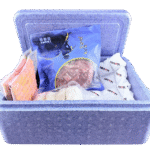
Resposta direta: O melhores diretrizes para a cadeia de frio de peixes usar embalagem como ferramenta de controle: retarda o ganho de calor, gerencia a umidade, e protege a higiene durante as transferências.
melhores diretrizes para a cadeia de frio de peixes
Muitas falhas de frutos do mar são falhas de embalagem disfarçadas. O gelo derrete muito rápido, água derretida fica contra peixes, ou o isolamento não corresponde à pista.
Ferramenta de decisão: escolha seu pack em 60 segundos
Responda a estas três perguntas:
-
O produto é Fresco gelado ou Congelado-18?
melhores diretrizes para a cadeia de frio de peixes
-
É trânsito <24h, 24-48h, ou 48-72h?
-
É a pista leve, quente, ou muito quente ambiente?
Em seguida, escolha um padrão de embalagem e cumpra-o.
| Perfil da pista | Pacote sugerido | Nível de monitoramento | O que isso significa para você |
|---|---|---|---|
| <24h, leve | gelo + isolamento básico | verificações pontuais | controle de menor custo |
| 24-48h, quente | mais isolamento + gelo planejado/PCM | registrador em amostras | menos reclamações de peixes moles |
| 48-72h, muito quente | isolamento de alto desempenho + contingência | logger em cada carga | protege a promessa da marca |
Dicas práticas de embalagem (alto impacto, baixa complexidade)
-
Peixe fresco: construir um plano de drenagem para que os peixes não fiquem na água quente do degelo.
-
Peixe congelado: projetar lacunas de fluxo de ar; não bloqueie as aberturas de ventilação.
melhores diretrizes para a cadeia de frio de peixes
-
Use um SOP de fotos de “bom pacote”: uma foto reduz erros diários.
Padrão do mundo real: As embalagens padrão reduzem os reembolsos porque os clientes recebem sempre o mesmo resultado.
Melhores diretrizes para a cadeia de frio de peixes: como você prova controle com monitoramento?
Resposta direta: O melhores diretrizes para a cadeia de frio de peixes são apenas “melhores” se você puder prová-los com simples, registros com carimbo de data/hora. Essa prova evita disputas e melhora a consistência.
melhores diretrizes para a cadeia de frio de peixes
Você não precisa de um sistema complexo. Você precisa de um consistente que sua equipe realmente use.
Registrador de dados de monitoramento da cadeia de frio de frutos do mar: quando usar o que
| Método de monitoramento | Cobertura | Precisão | Melhor uso |
|---|---|---|---|
| Verificações manuais | ver | baixo | sites pequenos, baixo risco |
| Registradores de dados de viagem | baseado em viagem | médio | pistas arriscadas, defesa de reivindicações |
| Sensores contínuos | em tempo real | alto | pressão regulatória ou de alto valor |
A pilha de provas “pronta para auditoria” (3 camadas)
-
Prova de armazenamento: mínimo/máx diário para refrigeradores e freezers
-
Prova de envio: expedição + recebendo evidências (local ou registrador)
-
Prova de exceção: o que você fez quando algo desviou (segurar → avaliar → decidir → registrar)
melhores diretrizes para a cadeia de frio de peixes
Mini autoavaliação: Pontuação de prova da cadeia de frio
Pontue cada 0–2 (0 = não, 1 = parcialmente, 2 = sim):
-
Escrevemos metas para as pistas Fresh-Iced e Frozen-18.
melhores diretrizes para a cadeia de frio de peixes
-
Documentamos o recebimento de cheques a cada entrega.
-
Podemos vincular qualquer remessa a um ID de lote em 30 minutos.
-
Temos um SOP de excursão e o usamos sempre.
melhores diretrizes para a cadeia de frio de peixes
-
Usamos registradores pelo menos em nossas faixas mais quentes ou mais longas.
Guia de pontuação:
-
0–4: alto risco (um evento de calor se torna desperdício)
-
5–7: risco médio (estável até a alta temporada)
-
8–10: baixo risco (pronto para auditoria, à prova de disputa)
Ferramenta rápida de rastreabilidade: você tem a “história do lote”?
Escolha uma caixa no seu cooler. Você pode responder em 10 minutos?
-
Identificador do lote
-
Fornecedor + data de recebimento
-
Local de armazenamento + carimbos de data/hora de movimento
-
Data de envio + cliente
-
Evidência de temperatura apoiando a pista
melhores diretrizes para a cadeia de frio de peixes
Se a resposta for “principalmente," seu melhores diretrizes para a cadeia de frio de peixes ainda não estão completos.
melhores diretrizes para a cadeia de frio de peixes
Melhores diretrizes para a cadeia de frio de peixes: o que quebra na última milha?
Resposta direta: O melhores diretrizes para a cadeia de frio de peixes muitas vezes falham na última transferência porque o controle é mais fraco lá. Seu SOP deve cobrir a preparação, janelas de entrega, e tempo de permanência na porta.
melhores diretrizes para a cadeia de frio de peixes
Uma viagem perfeita ainda pode terminar com uma caixa ao sol. Isso não é um detalhe logístico. É um evento de qualidade.
Manual da última milha (simples, mas eficaz)
-
Janelas de compromissos: reduzir o tempo de espera para clientes empresariais
-
Regras de transferência fria: estágio em zonas frias, não áreas ambientais
-
Instruções claras ao cliente: “Não deixe ao sol” e “leve à geladeira imediatamente”
-
Pistas de alta temperatura: adicione monitoramento ou reduza as janelas de entrega prometidas
Linha de treinamento: “O último 10 metros podem arruinar o último 10 horas."
2025–2026 últimos desenvolvimentos e tendências
Em 2025, o melhores diretrizes para a cadeia de frio de peixes estão mudando de “controle de temperatura” para “controle de temperatura mais prova”.
melhores diretrizes para a cadeia de frio de peixes
Os compradores esperam que você mostre o que aconteceu, não apenas descreva seu processo. As expectativas de rastreabilidade também estão aumentando, especialmente em categorias de frutos do mar.
melhores diretrizes para a cadeia de frio de peixes
O que está mudando rapidamente (e por que isso é importante para você)
-
Mais validação de pista: piores rotas de verão testadas sazonalmente
melhores diretrizes para a cadeia de frio de peixes
-
Mais disciplina de “quarentena por padrão”: menos decisões “talvez esteja tudo bem”
melhores diretrizes para a cadeia de frio de peixes
-
Automação mais simples: registros digitais substituindo pranchetas em sites movimentados
melhores diretrizes para a cadeia de frio de peixes
-
Consciência de pista de rastreabilidade: Os prazos e expectativas de conformidade estão evoluindo, então construir registros limpos agora reduz a dor posterior
melhores diretrizes para a cadeia de frio de peixes
Perguntas comuns sobre as melhores diretrizes para a cadeia de frio de peixes
Q1: Qual é o #1 regra nas melhores diretrizes para a cadeia de frio de peixes?
Mantenha o peixe frio continuamente e prove isso com registros simples.
melhores diretrizes para a cadeia de frio de peixes
Q2: Qual é o melhor alvo para temperatura de armazenamento de peixe fresco de 0–2°C?
Mire o mais próximo de 0–2°C conforme seu processo permitir, especialmente durante o recebimento e preparação.
melhores diretrizes para a cadeia de frio de peixes
Q3: Qual é a regra de temperatura de transporte de peixe congelado -18°C na prática?
Mantenha o produto congelado ≤–18°C e evite eventos de portas abertas e aquecimento das bordas.
melhores diretrizes para a cadeia de frio de peixes
Q4: As melhores diretrizes para a cadeia de frio de peixes exigem registradores de dados?
Nem sempre, mas os madeireiros facilitam as disputas. Comece com suas pistas mais quentes ou mais longas.
melhores diretrizes para a cadeia de frio de peixes
Q5: Qual é a maneira mais simples de melhorar o controle de temperatura do tempo HACCP de frutos do mar?
Acompanhe o tempo de aquecimento nos pontos de exposição com um temporizador e um registro simples.
melhores diretrizes para a cadeia de frio de peixes
Q6: O que receber cheques impede a maioria das devoluções?
Condição do gelo, integridade da embalagem, rótulos de lote, odor, e evidências de temperatura - então decida rapidamente.
Resumo e recomendações
O melhores diretrizes para a cadeia de frio de peixes trabalhe quando você controla temperatura, tempo, higiene, e prova junto. Mantenha o peixe fresco perto da temperatura do gelo (frequentemente 0–2°C), manter o peixe congelado estável a ≤–18°C, e trate as transferências como pontos críticos.
melhores diretrizes para a cadeia de frio de peixes
Use uma lista de verificação de recebimento que detecte gelo fraco e rótulos de lote perdidos antecipadamente, e adotar monitoramento que corresponda ao risco da pista.
O que você deve fazer a seguir (CTA)
-
Defina duas pistas: Fresco gelado e congelado-18, e etiquetar cada remessa.
melhores diretrizes para a cadeia de frio de peixes
-
Conserte sua pior pista primeiro: rota mais quente ou trânsito mais longo.
melhores diretrizes para a cadeia de frio de peixes
-
Adicione uma atualização de prova: registrador naquela pista + um log de exceção simples.
-
Execute um rastreamento simulado mensalmente: pratique a “história do lote” até ficar chato.
Sobre Tempk
E tempk, ajudamos marcas de frutos do mar e equipes da cadeia de frio a fazer melhores diretrizes para a cadeia de frio de peixes operacional com padrões de embalagem baseados em pista, monitorar planos que as equipes realmente seguem, e documentação que permanece legível durante as auditorias.
melhores diretrizes para a cadeia de frio de peixes
Nós nos concentramos no planejamento prático de risco de temperatura, desempenho da embalagem, e fluxos de trabalho simples que reduzem perdas e reclamações.
Próximo passo: Compartilhe seu tipo de peixe (fresco/congelado), tempo de trânsito típico, e pico de temperatura ambiente no verão. Descreveremos um SOP baseado em faixa + embalagem + abordagem de monitoramento que você pode implementar rapidamente.
melhores diretrizes para a cadeia de frio de peixes