Best Insulated Lunch Bag: Como você escolhe em 2025?
Última atualização: dezembro 12, 2025
O best insulated lunch bag is not the cutest tote—it’s the one that keeps your food tasting good e staying safe until you actually eat it. Public food-safety guidance warns that perishable foods should not sit at room temperature for more than 2 horas (ou 1 hora when it’s very hot), and bacteria grow fastest in the 40°F–140°F “danger zone.” Nos EUA, foodborne illness affects tens of millions of people each year, so small temperature habits matter more than most people expect. If your day is long, your commute is warm, or you meal prep often, choosing the right bag and packing method makes a real difference.
What You’ll Learn About the Best Insulated Lunch Bag
-
How the best insulated lunch bag slows heat transfer in real life
-
How long an insulated lunch bag can keep food cold or hot, without marketing hype
-
Which insulation, resina, and zipper details actually reduce leaks and odors
-
A simple packing blueprint for a lunch bag with ice pack segurança
-
A 30-second sizing tool to match the best insulated lunch bag para seu recipientes
-
O 2025 trends changing what “best” means (materiais, limpeza, sustentabilidade)
What Makes the Best Insulated Lunch Bag Actually Work?
Resposta principal: O best insulated lunch bag works because it reduces three “temperature leaks”: heat moving through the walls, warm air swapping in through gaps, and moisture that breaks down insulation over time. When insulation, resina, and closure work together, your lunch changes temperature more slowly—so cold stays cold and hot stays warm for longer.
Think of it like a jacket for your meal. A thin jacket looks fine, but wind gets through the zipper and cold wins fast. Lunch bags are the same: a great insulation layer can still fail if the zipper corners leak or the lining soaks up spills and smells.
Best Insulated Lunch Bag Insulation: The 3-Layer Model
Most high-performing designs follow a simple pattern: espuma + reflective layer + protective shell. That’s not a brand secret—it’s basic thermal physics made practical.
| Layer in the bag | Common examples | O que isso faz | O que isso significa para você |
|---|---|---|---|
| Inner liner | PEVA / TPU-style smooth liner | Stops leaks, blocks moisture | Faster cleaning, less odor, fewer stains |
| Insulation core | Espuma de célula fechada (EVA/PE) | Traps air to slow heat transfer | Longer cold time on commutes and long shifts |
| Concha externa | Poliéster / coated fabric | Reduces abrasion and water exposure | Better durability in backpacks and daily carry |
Practical Tips You Can Use Today
-
If your food often feels “lukewarm”: Escolha um best insulated lunch bag with thicker foam e a tighter zipper seal.
-
If spills are your pain point: Prioritize a smooth, wipe-clean liner and a stable base.
-
If your bag gets crushed in a backpack: Semi-rigid walls protect insulation and containers better.
Real-life example: A commuter stopped “warm yogurt” by switching from a thin tote to a structured, best insulated lunch bag that didn’t flatten in a crowded backpack.
How Long Does the Best Insulated Lunch Bag Keep Food Cold?
Resposta principal: UM best insulated lunch bag can keep food cold for 4–8 horas in real life quando you pair it with frozen cold sources and pack it tightly. Without cold sources, even a high-quality bag is mostly a “slow warmer,” not a mini fridge.
Cold time depends on four things you can control: starting temperature, cold-source size, how full the bag is, and how often you open it. The bag matters, but your routine matters more.
Best Insulated Lunch Bag Cold-Time Expectations (Not Marketing Claims)
| Your day length | Typical packing plan | What usually works | Your practical outcome |
|---|---|---|---|
| 3–4 horas | 1 meal + 1 slim pack | One frozen gel pack | Low stress, easy routine |
| 6–8 horas | Refeição + snack + bebida | Two medium packs (principal + fundo) | Stable lunch temperature |
| 10–12 horas | Two meals / viagem | 2–3 pacotes + preenchimento apertado | Less temperature swing across the day |
| Hot lunch goal | Thermal container inside bag | Pre-heated container | Better taste and texture at lunch |
Cold-Time Decision Tool (30 Seconds)
Answer these three questions:
-
Time out of the fridge: 0–4 horas / 4–8 horas / 8+ horas
-
Heat exposure: mostly indoors / warm commute / outdoor or hot car
-
Perishables today: dairy/meat/eggs/cut fruit? sim / não
Your result:
-
Se 0–4 horas + indoors, a medium best insulated lunch bag com 1 pacote is often enough.
-
Se 4–8 horas ou warm commute, use a best insulated lunch bag that fits 2 pacotes (principal + fundo).
-
Se 8+ horas ou ao ar livre, treat the system like a mini cold chain: structured bag + 2–3 pacotes + Embalagem apertada.
Best Insulated Lunch Bag Retention Test You Can Do at Home
You don’t need lab equipment to compare bags. You only need consistency.
-
Chill your food overnight in the refrigerator.
-
Freeze your gel packs fully (no “half-frozen” packs).
-
Pack your best insulated lunch bag the way you normally would.
-
Place a small thermometer in the air space (not touching a pack).
-
Check the temperature at 2 horas e 4 horas.
If the air temperature rises quickly, upgrade your cold sources and packing first. Many “bag problems” are really “pack routine problems.”
Real-life example: A field technician gained consistent cold lunches by adding one extra pack and choosing a best insulated lunch bag that sealed better at the corners.
Which Materials Make a Best Insulated Lunch Bag Worth Buying?
Resposta principal: O best insulated lunch bag usually uses closed-cell foam for insulation and a smooth, sealed liner for cleaning and leak control. Performance comes from thickness, cobertura, and seam quality—not buzzwords.
Closed-cell foam is effective because it traps tiny air pockets and resists water. Reflective liners help most when the bag sits in sun or a hot car. The outer shell matters for durability, but it’s not the main driver of cold time.
Best Insulated Lunch Bag Liner Check: Leakproof vs Water-Resistant
Many bags are “water-resistant” outside but not à prova de vazamentos dentro. If you pack sauces, sopas, iogurte, ou frutas, this difference decides whether your bag stays fresh or becomes a smell trap.
| Recurso | Good sign | Risk sign | O que isso significa para você |
|---|---|---|---|
| Inner seams | Welded / gravado | Exposed stitching holes | Less soaking, fewer odors |
| Corners | Suave + rounded | Deep corners and folds | Easier wipe-clean cleanup |
| Base panel | Removable rigid insert | Soft base only | Less tipping, fewer spills |
| Zipper corners | Closes flush | Gaps at corners | Less warm air + menos vazamentos |
Material Tips You Can Use Today
-
Meal prep with glass containers: Escolha um best insulated lunch bag with semi-rigid walls to reduce break risk.
-
You hate cleaning: Avoid complicated pockets inside the main compartment.
-
You pack “wet foods”: Leakproof liner first, insulation second.
Real-life example: A parent reduced recurring odors by switching to a best insulated lunch bag with a sealed liner and drying it open overnight.
What Size Best Insulated Lunch Bag Fits Your Routine?
Resposta principal: O best insulated lunch bag is “just big enough” for your containers plus cold sources, without being half empty. Extra air space warms faster than solid food, so oversized bags often underperform.
Start with your containers, not the bag. If your largest container doesn’t sit flat, spills and crushed food become routine.
Sizing Tool (Pick One Answer)
-
I pack one main meal + one snack.
Choose a compact-to-medium best insulated lunch bag that fits 1–2 containers and 1–2 slim packs. -
I pack a meal + bebida + two snacks.
Choose a medium best insulated lunch bag with a wide base and room for 2 pacotes. -
I pack two meals or share food.
Choose a large, estruturado best insulated lunch bag that stays upright when full. -
I carry it inside a backpack.
Choose a rectangular shape that stacks cleanly and doesn’t bulge.
Best Insulated Lunch Bag Size and Shape Guide for Real Containers
| Bag size feel | What fits comfortably | What becomes awkward | Your practical benefit |
|---|---|---|---|
| Compactar | 1–2 containers + slim packs | Large salad bowls | Lighter carry, quick access |
| Médio | 2 recipientes + bebida + pacotes | Oversized bottles | Best “daily driver” balance |
| Grande | 2 refeições + pacotes maiores | Half-empty setups | Best for long shifts and travel |
Real-life example: A meal prepper stopped crushed salads by moving to a wide-base best insulated lunch bag that held one large container flat.
Do Closures and Structure Change a Best Insulated Lunch Bag’s Performance?
Resposta principal: Sim. O best insulated lunch bag is often the one with the tightest closure e o most stable structure—because air leaks and crushed insulation shorten cold time quickly.
A perfect insulation wall can’t help if the zipper leaves corner gaps. And a soft bag can lose performance when it gets crushed, because the foam thins and air circulates more.
Best Insulated Lunch Bag Build Styles Compared
| Build style | Typical insulation approach | Força típica | Best for you if… |
|---|---|---|---|
| Soft-sided bag | Espuma + forro reflexivo | Light and packable | You eat within 3–6 hours and want low weight |
| Semi-rigid box | Espuma mais espessa + structure panels | Better crush protection | You meal prep or commute with a backpack |
| Hard mini cooler | Isolamento espesso + rigid shell | Best temperature hold | You are away from a fridge all day |
Closures: O que procurar
-
Standard zipper: Rápido, good for daily office use.
-
Sealed zipper / storm flap: Better retention, fewer corner gaps.
-
Roll-top: Strong for outdoor days, slower to access.
Real-life example: An office worker tested two bags at home. The “winner” wasn’t bigger—it sealed better and fit two full packs.
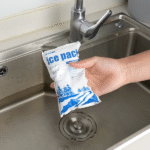
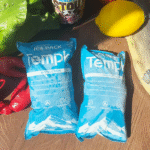
How Do You Pack the Best Insulated Lunch Bag With Ice Packs?
Resposta principal: The safest, easiest routine is cold source + comida + cold source, packed tight. If you want the best insulated lunch bag to stay out of the danger zone longer, ice-pack placement matters as much as insulation thickness.
Insulation slows warming. Cold sources create the cold reserve. Together they form a simple “mini cold chain” you can run every day.
Packing Blueprint (3 Passos)
-
Comece frio: Chill food overnight (don’t pack warm leftovers).
-
Add cold sources: Use frozen gel packs or frozen water bottles.
-
Embale bem: Reduce air gaps and close the zipper fully.
Best Insulated Lunch Bag Ice Pack Placement
| Ice pack placement | Melhor para | Not great for | Your practical benefit |
|---|---|---|---|
| Top pack | You open the bag often | Very tall items | Protects the lid area from warming |
| Side pack | Long commute / carro quente | Overstuffed bags | More even cooling across containers |
| Bottom pack | Long “sit time” | Leaky containers | Keeps the base layer colder longer |
Best Insulated Lunch Bag Self-Check Quiz (Score Yourself)
Give yourself 1 point for each “yes”:
-
I pack cold food straight from the fridge.
-
I use at least one fully frozen cold source.
-
I use two cold sources when my day is 6+ horas.
-
I minimize empty air space in the bag.
-
I keep the bag out of direct sun and hot cars.
-
I separate hot and cold foods into separate containers.
-
I wipe the liner at least weekly.
-
I dry the bag fully with the zipper open.
-
I don’t reuse half-melted packs for long days.
-
I have a backup plan (office fridge or extra pack).
Score meaning:
-
0–4: Your bag is working harder than you are. Fix packing first.
-
5–7: You’re solid. Upgrade features if you need more time.
-
8–10: You’re optimizing. Focus on comfort and durability next.
Real-life example: A warehouse worker fixed “lukewarm lunch” by fully freezing packs and switching to a best insulated lunch bag that could fit two packs properly.
Best Insulated Lunch Bag for Work, Kids, Meal Prep, and Travel—What Changes?
Resposta principal: O best insulated lunch bag changes with your routine. Kids need simple and light. Office workers need easy cleaning and a stable base. Meal preppers need structure and durability. Long-shift and travel users need capacity for multiple cold sources.
Scenario Cheat Sheet
| Your scenario | Top priority | Second priority | O que procurar |
|---|---|---|---|
| Kids / escola | Easy open + easy clean | Correct size | Smooth liner, simple zipper pull, peso mais leve |
| Office + commute | Daily reliability | Leak control | Base ampla, wipe-clean liner, fits 1–2 packs |
| Meal prep | Estrutura + durabilidade | Eficiência espacial | Semi-rigid walls, reinforced handles, upright base |
| Long shift / viagem | Cold time | Comfort carry | Fits 2–3 packs, tight closure, alça de ombro |
Tips by Scenario
-
For kids: Choose “wipeable and simple” over extra pockets.
-
For adults without a fridge: Escolha um best insulated lunch bag that fits two packs above and below perecíveis.
-
Para viajar: Pack what you’ll eat first near the zipper to reduce open time.
Real-life example: A nurse stopped end-of-shift “warm food” by using two packs (principal + fundo) and a structured best insulated lunch bag.
2025 Trends Shaping the Best Insulated Lunch Bag
Em 2025, “best” is no longer only about staying cold. O best insulated lunch bag also reduces daily friction so you actually use it: easier cleaning, better structure without bulk, and materials that match rising safety expectations.
Trends You’ll Notice in 2025
-
More structured soft bags: Soft outside, internal frame inside, less crushing.
-
Better wipe-clean liners: Smoother surfaces, fewer odor traps, faster cleanup.
-
Smarter organization: Fewer pockets, better-shaped main compartment for containers.
-
More “PFAS-free” language: More brands highlight finishes and coatings with fewer persistent chemicals.
-
Bundles over bag-only: More buyers choose systems (bolsa + pacotes frios) rather than bag alone.
Market Insight That Helps You Choose
Most people buy the best insulated lunch bag em 2025 for two reasons:
-
To spend less on takeout.
-
To eat more consistently on busy days.
So the best choice is the one you will carry, limpar, and repack without hating it.
Best Insulated Lunch Bag FAQs
Q1: How do I choose the best insulated lunch bag for my schedule?
Start with your “time out of the fridge.” Longer time means thicker insulation, tighter packing, and more cold sources.
Q2: How long does an insulated lunch bag keep food cold in real life?
Many people get 4–8 horas when they use frozen packs and pack tightly. Without packs, cold time drops quickly.
Q3: Do I really need ice packs in the best insulated lunch bag?
If you pack perishables like dairy or meat, a frozen cold source is the easiest way to stay safer longer.
Q4: What’s the best insulated lunch bag for meal prep containers?
Look for a wide base, semi-rigid walls, and a liner you can wipe clean in seconds.
Q5: How do I stop my lunch bag from smelling?
Wipe spills the same day, clean weekly, and dry fully with the zipper open overnight.
Q6: Is a bigger insulated lunch bag always better?
Not always. If it’s half empty, extra air warms fast. Right-sizing often improves performance.
Q7: Can the best insulated lunch bag keep food hot too?
Sim, but hot food works best inside an insulated container. The bag mainly slows heat loss.
Resumo e próximas etapas
O best insulated lunch bag is the one that matches your day: it fits your containers, fits enough cold sources, seals tightly, and cleans easily. If you remember one rule, remember this: insulation slows warming, mas cold sources and packing decide real-life results. Choose a structure that won’t crush, a liner you’ll actually clean, and a size that stays mostly full when packed.
Plano de ação
-
Measure your biggest container first.
-
Escolha um best insulated lunch bag that fits the container mais fontes frias.
-
Freeze two packs fully for 6+ hour days (principal + fundo).
-
Run one at-home temperature check with a simple thermometer so you stop guessing.
-
Build the habit: limpar, seco, repita.
CTA: Tell us your commute time, whether you have a fridge, and your typical containers. We’ll recommend a best-fit best insulated lunch bag setup and packing plan.
Sugestões de links internos
Sobre Tempk
E tempk, we build temperature-control packaging systems inspired by industrial cold chain practices. We apply the same thinking—stable temperature, embalagem inteligente, and simple verification—to everyday food carry. Our focus is practical: durable insulation design, leak-resistant liners, and routines that help you reduce spoiled lunches and daily mess.
Próximo passo: Share your routine (escritório, escola, viagem, or long shift). We’ll help you map a simple, low-effort setup that keeps food stable and stress low.