Este artigo vai te ajudar:
Understand how a biodegradable insulated box works in cold chain logistics
Decide when a biodegradable insulated box is the right choice for your shipment
Compare materiais, desempenho, and real-world benefits
Apply practical tips to reduce cost, risco, e desperdício
Prepare-se para 2026 trends shaping sustainable insulated packaging
Why Is a Biodegradable Insulated Box Important for Cold Chain Shipping?
A biodegradable insulated box protects temperature-sensitive products while aligning your operations with sustainability goals. It combines thermal insulation with materials that naturally decompose after use, reducing long-term waste. Para você, this means safer deliveries, fewer regulatory concerns, and a stronger sustainability message—without sacrificing performance.
Nas operações diárias, cold chain failures often come from packaging, not transport. A biodegradable insulated box reduces temperature swings caused by handling delays or last-mile exposure. Se você enviar comida, medicamento, ou amostras biotecnológicas, this packaging directly lowers spoilage risk and customer complaints.
How insulation and biodegradability work together
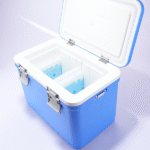
A biodegradable insulated box uses layered structures—often plant-based fibers, polpa moldada, or bio-foams—to trap air. Trapped air slows heat transfer, much like a thermos. The difference is what happens after use: instead of sitting in landfills for decades, these materials break down naturally.
| Fator de desempenho | Conventional Foam Box | Caixa Isolada Biodegradável | O que isso significa para você |
|---|---|---|---|
| Tempo de isolamento | 24–72 horas | 24–96 horas | Longer protection window |
| End-of-life | Desperdício de aterro | Natural decomposition | Lower disposal burden |
| Brand perception | Neutral | Eco-positive | Maior confiança do cliente |
| Regulatory fit | Maior escrutínio | Future-ready | Fewer compliance risks |
Dicas práticas para você
Short-haul food delivery: Use a biodegradable insulated box with 24–48-hour rating to reduce over-engineering.
Pharma or biotech samples: Choose thicker wall designs and validated liners.
E-commerce shipping: Match box size closely to payload to avoid heat leaks.
Exemplo do mundo real: A regional meal-kit distributor replaced foam packaging with a biodegradable insulated box and reduced temperature excursions by 18% during summer deliveries, while cutting disposal complaints almost entirely.
What Materials Are Used in a Biodegradable Insulated Box?
The performance of a biodegradable insulated box depends heavily on its material structure. Understanding materials helps you choose correctly and avoid paying for features you don’t need.
Most modern biodegradable insulated box solutions rely on renewable or bio-based components. These materials balance insulation, força, and compostability.
Common biodegradable insulation materials explained
Polpa moldada: Made from recycled paper fibers; respirável, absorvente de choque, and compostable.
Plant-based foams: Derived from starch or cellulose; lightweight with strong thermal resistance.
Natural fiber boards: Combine insulation and structural rigidity for stackable shipping.
| Material Type | Nível de isolamento | Resistência à umidade | Melhor caso de uso |
|---|---|---|---|
| Polpa moldada | Médio | Moderado | Comida fresca, produzir |
| Bio-foam | Alto | Alto | Frozen or chilled goods |
| Fiber board | Médio-alto | Low-Moderate | Dry or wrapped products |
Dicas práticas para você
Humid environments: Pair pulp boxes with moisture-resistant liners.
Remessas congeladas: Use bio-foam inserts inside a biodegradable insulated box shell.
Stacked transport: Choose fiber-reinforced designs to avoid compression damage.
Exemplo do mundo real: A seafood exporter switched to bio-foam insulated boxes and maintained sub-zero temperatures for 72 hours during cross-border transport without adding extra refrigerants.
How Long Can a Biodegradable Insulated Box Maintain Temperature?
A biodegradable insulated box can maintain stable temperatures from 24 para 96 horas, depending on design and refrigerant pairing. The key factor for you is not the maximum number, but matching duration to your actual transit time.
Temperature retention depends on insulation thickness, volume da caixa, and how you load the contents. Overpacking or underpacking both reduce performance.
Factors that affect insulation duration
Wall thickness and material density
Type and quantity of gel packs or phase-change materials
External temperature exposure
Air gaps inside the box