Enviar chocolates premium não envolve apenas mover caixas – trata-se de preservar uma promessa. Logística de chocolates resfriados garante que trufas e bombons cheguem com a mesma textura sedosa e acabamento brilhante que tinham ao sair da fábrica. Em 2025 os consumidores exigem frescor, os reguladores impõem padrões mais rígidos e a concorrência no comércio eletrônico é acirrada. Este artigo, atualizado em novembro 2025, explica como os sistemas modernos de cadeia de frio, embalagem inovadora, e tecnologia inteligente mantêm os doces sensíveis à temperatura seguros da fazenda até a mesa. Com as vendas globais de chocolate ultrapassando US$ 1,11 trilhão em 2023 e a demanda aumentando, entender a logística refrigerada é essencial para empresas que desejam encantar os clientes e ao mesmo tempo reduzir desperdícios.
Entenda as faixas ideais de temperatura e umidade para diferentes tipos de chocolate, usando diretrizes do setor e insights científicos.
Saiba como funciona a logística da cadeia de frio e por que ela é vital para uma indústria multibilionária.
Explore as últimas tendências em 2025, desde otimização de rotas orientada por IA e monitoramento de IoT até influências geopolíticas na capacidade.
Descubra estratégias práticas de embalagem para evitar o florescimento e o derretimento.
Veja como as cadeias de abastecimento da América Latina ilustram oportunidades e desafios, enfatizando logística resiliente e armazenamento climatizado.
Navegue pelo futuro da logística de chocolates resfriados com práticas sustentáveis, conformidade regulatória e inovações centradas no consumidor.
Quais as condições ideais para a logística de chocolates resfriados?
Por que a temperatura e a umidade são importantes
Manter a qualidade do chocolate requer controle rigoroso de temperatura e umidade. O chocolate é uma delicada emulsão de manteiga de cacau, açúcar e sólidos de leite. Quando exposto a flutuações de calor ou umidade, gorduras podem migrar para a superfície (flor gorda) ou açúcares podem cristalizar (flor de açúcar), resultando em uma aparência opaca e textura quebradiça. Pesquisas de especialistas em cadeia de frio mostram que o chocolate deve ser armazenado entre 54–68 °F (12–20 °C) com umidade relativa mantida abaixo 50 % para evitar condensação. Chocolate escuro, que contém mais manteiga de cacau, tolera o limite inferior desta faixa, enquanto o leite e o chocolate branco exigem um controle um pouco mais rígido.
Compreendendo os pontos de fusão do chocolate
O chocolate começa a amolecer muito antes de derreter. Manteiga de cacau começa a derreter 86 °F a 90 °F (30–32ºC), o que significa que um único pico de calor pode arruinar uma remessa. O chocolate amargo resiste a temperaturas ligeiramente mais altas do que as variedades de leite ou brancas, mas a diferença é marginal. Conhecer esses limites ajuda as equipes de logística a planejar rotas, escolha modos de transporte e agende entregas durante os períodos mais frios do dia.
O papel da umidade
Embora o chocolate seja menos sensível à umidade do que muitos alimentos frescos, a umidade se torna problemática quando as temperaturas se aproximam do ponto de condensação. A umidade relativa deve ficar abaixo 50 %, e monitoramento contínuo é necessário para evitar o florescimento do açúcar. O pré-resfriamento do produto e da embalagem ajuda a estabilizar os níveis de umidade durante o transporte.
Cenário Prático: Temperatura & Tabela de Umidade
Para gerenciar chocolates resfriados de forma eficaz, ajuda a combinar as faixas de temperatura com as necessidades de armazenamento e transporte. A tabela abaixo resume as categorias padrão da cadeia de frio e suas implicações para a logística do chocolate.
| Categoria Cadeia de Frio | Faixa de temperatura (°F) | Produtos Típicos | Impacto na Logística do Chocolate |
| Ambiente | 59–86 | Alimentos não perecíveis, alguns produtos farmacêuticos | Não é adequado para chocolate; muito quente e risco de florescimento e derretimento de gordura. |
| Legal | 50–59 | Queijo, produtos frescos | Pode ser adequado para transferências muito curtas, mas ainda acima da faixa ideal de chocolate. |
| Refrigerado | 32–50 | Vacinas, laticínio | A zona refrigerada padrão para chocolates; evita o crescimento bacteriano e mantém a qualidade. |
| Congelado | –22–32 | Carne, sobremesas congeladas | Muito frio para chocolate; risco de flor de açúcar e danos à textura. |
Como funciona a logística da cadeia de frio para remessa de chocolate?
Do pré-resfriamento à entrega na última milha
A logística da cadeia de frio abrange todas as etapas, desde o pré-resfriamento até a entrega. Após a fabricação, os chocolates são resfriados até a temperatura de armazenamento desejada (tipicamente 18 - 20 °C) e colocados em embalagens com umidade controlada. Em seguida, são armazenados em armazéns com temperatura controlada e equipados com painéis isolados, sistemas automatizados de armazenamento e recuperação e estantes para paletes de alta densidade. Transporte usa caminhões refrigerados (frigoríficos), contêineres isolados ou unidades de frete aéreo com resfriamento criogênico quando necessário. Em todo o trânsito, Sensores IoT e registradores de dados transmitem temperatura em tempo real, dados de umidade e localização, garantir que os desvios desencadeiem ações corretivas. Esta cadeia contínua mantém a integridade do chocolate desde a fábrica até o consumidor.
Demanda Global & Importância do mercado
A indústria do chocolate é enorme e está crescendo. UM 2023 estimativa avaliou o mercado global de chocolate em US$ 1,11 trilhão. Grandes marcas costumam enviar chocolates para todo o mundo, mover produtos de fábricas na Europa para centros de varejo na Ásia ou nas Américas. Essas viagens longas enfatizam a necessidade de cadeias de frio otimizadas. Sem controle de temperatura consistente, trufas premium tornam-se invendáveis, levando à perda de receitas e ao desperdício de recursos. Manter a cadeia de frio não envolve apenas qualidade; trata-se de proteger a reputação da marca e a fidelidade do cliente.
Crescimento do mercado da cadeia fria
Analistas estimam que o mercado global de logística da cadeia de frio vale US$ 436,30 bilhões em 2025 e poderia exceder US$ 1,3 trilhão por 2034, refletindo uma taxa composta de crescimento anual (Cagr) de 13.46 %. Esta rápida expansão é impulsionada por factores como a globalização do abastecimento alimentar, crescimento do comércio eletrônico, avanços tecnológicos e aumento da demanda por produtos farmacêuticos e alimentos vegetais. Espera-se que a Ásia-Pacífico cresça no maior CAGR regional de cerca de 14.3 %. O segmento de chocolate resfriado se beneficia desse crescimento porque os chocolates exigem resfriamento preciso, mas não podem ser congelados, tornando-os candidatos ideais para soluções de cadeia de frio de médio porte.
Principais tendências que moldam a logística de chocolates resfriados em 2025
Otimização de rotas orientada por IA e manutenção preditiva
Inteligência artificial (IA) passou de uma palavra da moda para uma ferramenta prática na gestão da cadeia de frio. IA analisa dados históricos e em tempo real para otimizar rotas de entrega, prever falhas de equipamentos e prever a demanda. Algoritmos consideram o tráfego, condições meteorológicas e janelas de entrega para minimizar o tempo de viagem e o consumo de combustível. A manutenção preditiva usa dados de sensores para detectar problemas de refrigeração antes que eles causem uma falha na remessa. Em 2025 IA ajuda os chocolates a chegarem mais rápido, reduz o uso de energia e reduz a deterioração.
Internet das coisas (IoT) & Monitoramento em tempo real
Dispositivos IoT – desde sensores inteligentes e rastreadores GPS até registradores de dados – fornecem visibilidade de ponta a ponta em toda a cadeia de frio. O monitoramento em tempo real pode detecte variações de temperatura e envie alertas instantâneos. Hardware para rastreamento da cadeia de frio mantido por mais de 76 % de participação de mercado em 2022, demonstrando adoção generalizada. Para remessas de chocolate, Os dados da IoT garantem a segurança do produto e criam registros verificáveis para conformidade regulatória e transparência do cliente.
Influências geopolíticas e resiliência do mercado
As perturbações geopolíticas – desde congestionamentos portuários e guerras comerciais até à recuperação pandémica – influenciam a capacidade da cadeia de frio. A recente agitação geopolítica diminuiu os tempos de trânsito, redução da capacidade oceânica disponível e estoques de armazenamento sobrecarregados. Em 2025 novas tarifas podem complicar ainda mais o comércio internacional. Os líderes da indústria relatam que, apesar destas pressões, o mercado é resiliente e preparado para lidar com as flutuações. Para marcas de chocolate que exportam além-fronteiras, a parceria com fornecedores de logística integrada que possam gerenciar alfândegas e lidar com interrupções é crucial.
Novos produtos & Mudando as preferências do consumidor
Os chocolates vegetais e de origem ética não são apenas tendências – eles estão redefinindo as cadeias de fornecimento. O crescente interesse do consumidor em chocolates veganos e funcionais significa que mais produtos exigem transporte refrigerado especializado. Por 2030, alimentos à base de plantas podem ser responsáveis 7.7 % do mercado global de proteínas. As startups que produzem esses bens muitas vezes carecem de experiência em logística e procuram parceiros capazes de manter perfis de temperatura específicos e volumes flexíveis.
Atualizações de instalações & Sustentabilidade
Muitas instalações de armazenamento frigorífico foram construídas há décadas e agora enfrentam ineficiências. Atualizações em 2025 foco na automação, maior visibilidade e sustentabilidade, incluindo eliminação progressiva dos refrigerantes HCFC e HFC. Os investimentos são direcionados para a modernidade, armazéns energeticamente eficientes com isolamento avançado, sistemas movidos a energia solar e refrigerantes de baixo GWP. Essas atualizações reduzem as pegadas de carbono e cumprem regulamentações ambientais mais rigorosas.
Melhor Distribuição & Proximidade com Clientes
O armazenamento a frio centrado no porto e na produção aproxima os armazéns dos portos de embarque ou das origens das mercadorias. Em 2025 as expansões das instalações visam estar perto das principais áreas de produção e dos principais mercados consumidores para reduzir os tempos de trânsito e aumentar a capacidade de resposta. Para chocolates, a proximidade dos centros de varejo garante que os produtos passem menos tempo em trânsito, reduzindo o risco de variações de temperatura.
Estratégias de embalagem para prevenir o florescimento e preservar a qualidade
Isolamento e refrigerantes
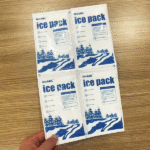
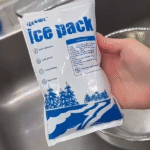
A embalagem adequada é a última linha de defesa contra o calor. A escolha do material de isolamento correto retarda a transferência de calor e reduz a quantidade de líquido refrigerante necessária. Os materiais comuns incluem poliestireno expandido (EPS) espuma, forros de fibra de algodão, espumas à base de amido, plástico bolha e forros de papel reciclado. Opções de desempenho mais alto, como o ClimaCell®, combinam desempenho térmico com sustentabilidade. Refrigerantes, como pacotes de gel, gelo seco e materiais de mudança de fase (PCMs) absorver ou liberar energia para manter as temperaturas desejadas. Para remessas de chocolate, os packers devem equilibrar a espessura do isolamento com o peso e o custo, garantindo que o conteúdo permaneça entre 60 °F e 70 °F.
Embalagem Primária & Controle de umidade
A embalagem primária deve ser resistente o suficiente para distribuição no comércio eletrônico e protegida contra condensação. Caixas ou latas fortes ajudam a resistir ao manuseio brusco, enquanto os envoltórios resistentes à umidade evitam que a condensação atinja o produto. Adicionar dessecantes ou revestimentos absorventes de umidade dentro da caixa ajuda a evitar o acúmulo de umidade.
Pré-condicionamento & Pré-resfriamento
O controle de temperatura começa antes da partida do caminhão. Pré-resfriar chocolates para 18–20 °C e materiais de embalagem pré-resfriados estabilizam as temperaturas internas. Colocar produtos frios em embalagens quentes convida à condensação; por outro lado, o pré-condicionamento reduz os gradientes de temperatura e ajuda a manter a umidade abaixo 50 %.
Planejamento Estratégico de Rotas & Prazo de entrega
Mesmo a melhor embalagem não consegue compensar um mau planeamento logístico. Conhecer os pontos de fusão e os padrões climáticos permite que os programadores envie chocolates durante as horas mais frias e evite rotas propensas ao calor. Usando análise preditiva e rastreamento meteorológico, os despachantes ajustam as rotas em tempo real para evitar ondas de calor ou atrasos no trânsito. Quando possível, parcerias com transportadoras especializadas em entrega com temperatura controlada encurtam os tempos de trânsito e reduzem a exposição.
Estudo de caso: Cadeias de Fornecimento da América Latina
A América Latina produz cerca de 20 % do cacau do mundo, e as exportações de produtos de chocolate e cacau da região atingiram US$ 12.142 por tonelada em 2024. No entanto, entregar chocolates nos diversos climas da região apresenta desafios. Na Colômbia, condições imprevisíveis das estradas e atrasos alfandegários podem atrasar os envios. Chuvas torrenciais no Brasil atrasam entregas de açúcar e congestionamentos portuários, enquanto a falta de armazenamento climatizado na Argentina corre o risco de derreter. Os fornecedores de logística integrada abordam estas questões oferecendo ferramentas alfandegárias digitais, centros climatizados e soluções de transporte multimodal. Por exemplo, picos de temperatura em uma remessa de boutique uruguaia derreteram um lote inteiro, estimulando o investimento em centros de armazenamento climatizados. A entrega na última milha continua difícil nas áreas montanhosas do Chile e da Venezuela, reforçando a necessidade de análises preditivas e redes de transporte resilientes.
2025 Últimos desenvolvimentos e tendências em logística de chocolate resfriado
Crescimento do mercado & Perspectiva Regional
De acordo com pesquisas de mercado, Projeta-se que o mercado de logística da cadeia de frio cresça de US$ 436,30 bilhões em 2025 para US$ 1.359,78 bilhões por 2034. Ásia-Pacífico lidera a expansão com o maior CAGR esperado, enquanto os laticínios e as sobremesas congeladas representam atualmente a maior parcela da receita. O segmento de instalações de pré-resfriamento – que inclui equipamentos utilizados para resfriar chocolates antes do armazenamento – foi avaliado em US$ 204,4 bilhões em 2024. A tecnologia de gelo seco dominou o segmento de equipamentos de refrigeração, segurando 55 % compartilhar 2024. Estes números sugerem um forte investimento em infra-estruturas, criando oportunidades para os produtores de chocolate aproveitarem novas tecnologias de refrigeração.
Resiliência pós-pandemia
Durante a pandemia, a logística da cadeia de frio desempenhou um papel vital na distribuição de vacinas. A crise destacou a importância das redes com temperatura controlada e acelerou o investimento em armazenamento frigorífico e transporte. À medida que as restrições diminuíram, a demanda por entrega refrigerada aumentou devido ao crescimento dos serviços on-line de mercearia e alimentos frescos. Os governos e os organismos industriais introduziram políticas para expandir a infraestrutura da cadeia de frio e reduzir o desperdício alimentar, incentivando práticas sustentáveis e inovação.
Cinco tendências emergentes da cadeia de frio para 2025
Volatilidade do mercado & Impacto geopolítico – Os eventos do cisne negro e a agitação geopolítica continuam a influenciar os tempos de trânsito, capacidade e relações comerciais. As empresas devem construir resiliência através de rotas diversificadas e parcerias ágeis.
Visibilidade aprimorada – O investimento em software e análises aumenta a visibilidade da cadeia de abastecimento, permitindo resposta em tempo real a interrupções e melhorando o rastreamento de temperatura e localização.
Ascensão de novos produtos – Demanda por planta baseada, produtos sem glúten e orgânicos com requisitos rígidos de temperatura estão crescendo rapidamente, incentivando inovações em embalagem e manuseio.
Modernização da Infraestrutura – Instalações frigoríficas antigas estão sendo substituídas por instalações automatizadas, armazéns sustentáveis que utilizam refrigerantes de baixo GWP e energia renovável.
Distribuição Estratégica & Proximidade – Maior, instalações automatizadas localizadas perto de áreas de produção e consumo melhoram a eficiência da distribuição e reduzem os tempos de trânsito.
Inovações tecnológicas: IA, IoT e Blockchain
A IA permite análises preditivas para otimização de rotas, previsão de demanda e programação de manutenção. Dispositivos IoT fornecem visibilidade em tempo real e documentação de conformidade. Aplicativos emergentes de blockchain criam registros invioláveis de dados de temperatura e transferência de custódia, melhorando a rastreabilidade e a confiança. A combinação dessas tecnologias reduz o desperdício, melhora a eficiência energética e atende às demandas regulatórias.
Sustentabilidade & Regulamentos
As regulamentações estão eliminando gradualmente refrigerantes nocivos como HCFCs e HFCs. Novas diretrizes incentivam equipamentos energeticamente eficientes, embalagens ecológicas e integração de energia renovável. As empresas que adotam práticas sustentáveis beneficiam-se da redução dos custos operacionais e da melhoria da imagem da marca. A conscientização do consumidor também impulsiona a demanda por fornecimento ético, embalagens recicláveis e transporte neutro em carbono.
Perguntas frequentes
Em que temperatura os chocolates devem ser armazenados durante o transporte? O ideal é que os chocolates sejam guardados entre 64 °F e 68 °F (18 °C–20 °C) para manter a textura e o sabor. Temperaturas acima 30 °C (86 °F) corre o risco de derreter ou florescer gordura.
Como evito que o chocolate derreta durante o parto? Use embalagens isoladas com pacotes de gel ou gelo seco, produtos e embalagens pré-frios, planeje rotas durante os horários mais frios e conte com transportadoras experientes com temperatura controlada.
Por que a umidade é importante na logística do chocolate? A alta umidade pode causar o florescimento do açúcar, onde a umidade se condensa na superfície do chocolate e cristaliza o açúcar. Manter a umidade abaixo 50 % e o uso de revestimentos absorventes de umidade reduz esse risco.
Que tecnologias melhoram a gestão da cadeia de frio? IA para análise preditiva, Sensores IoT para monitoramento em tempo real e blockchain para rastreabilidade estão transformando a logística da cadeia de frio.
Como a geopolítica está afetando a logística de chocolates resfriados? Agitação geopolítica, tarifas e congestionamento portuário podem atrasar embarques e reduzir capacidade. Trabalhar com fornecedores de logística integrada garante resiliência através de rotas diversificadas e soluções alfandegárias digitais.
Resumo & Recomendações
Em 2025 a logística de chocolates resfriados é uma arte e uma ciência. Requer controle preciso de temperatura, gerenciamento de umidade e planejamento estratégico. Dados de mercado mostram que a indústria da cadeia de frio está a expandir-se rapidamente, com o mercado global atingindo US$ 436 bilhões em 2025 e projetado para superar US$ 1,3 trilhão por 2034. IA, A IoT e a análise preditiva estão reduzindo a deterioração e otimizando rotas. No entanto, Os desafios geopolíticos e de infraestrutura exigem flexibilidade e resiliência.
Para fabricantes e varejistas de chocolate, as principais conclusões são:
Aderir à temperatura estrita (18–20 °C) e umidade (<50 %) diretrizes.
Invista em embalagens inteligentes e pré-condicionamento para evitar florescimento e condensação.
Aproveite a IA e a IoT para monitoramento em tempo real, otimização de rotas e manutenção preditiva.
Faça parceria com fornecedores de logística resilientes que podem navegar pelas perturbações geopolíticas e oferecer instalações climatizadas.
Modernizar a infraestrutura adotando refrigerantes sustentáveis e sistemas energeticamente eficientes.
Seguindo estas recomendações, as empresas podem entregar chocolate tão fresco e delicioso quanto no dia em que foi feito. Quando bem feito, a logística de chocolates refrigerados não apenas protege um produto, mas também fortalece a fidelidade à marca e apoia a sustentabilidade ambiental.
Sobre Tempk
Tempk é líder em soluções de cadeia fria, fornecendo embalagens isoladas inovadoras, pacotes de gel, e sistemas de monitoramento IoT para alimentos, indústrias farmacêuticas e de produtos especializados. Combinamos materiais avançados com tecnologia inteligente para garantir que produtos como chocolates cheguem em perfeitas condições. Nosso R&Pioneiros do centro D reutilizáveis, produtos ecológicos da cadeia de frio, e nossa rede global de parceiros oferece soluções confiáveis em todos os mercados. Com Tempk você se beneficia de um design de ponta, rigoroso controle de qualidade e compromisso com a sustentabilidade.
Pronto para otimizar sua logística de chocolate? Contate-nos hoje para uma consulta gratuita e descubra como nossas soluções integradas podem proteger seus produtos e encantar seus clientes.