Distribuição atacadista de biovegetais na cadeia de frio: Como entregar produtos orgânicos frescos em 2025
Os vegetais orgânicos estão crescendo – EUA. vendas orgânicas superaram $71.6 bilhão em 2024 com as frutas orgânicas & segmento de hortaliças deverá crescer a partir de $68.36 bilhão em 2025 para $176.77 bilhão por 2032. Entregar esses produtos delicados em grande escala exige mais do que uma cadeia de suprimentos padrão; requer um distribuição atacadista de vegetais biológicos na cadeia de frio sistema que mantém temperaturas precisas do campo ao varejista. Neste guia, você descobrirá por que o controle de temperatura é fundamental, como construir uma cadeia de frio resiliente, quais tecnologias estão transformando a distribuição e o 2025 tendências que moldam a indústria.
Este artigo responderá:
Por que a distribuição atacadista de vegetais biológicos na cadeia de frio é crítica para produtos orgânicos: a ciência por trás do gerenciamento de temperatura e como ela protege a textura e os nutrientes.
Como construir uma cadeia de frio grossista eficiente: melhores práticas para pré-resfriamento, embalagem, transporte e armazenamento, com dicas de pesquisas.
Quais tecnologias digitais reduzem custos e desperdícios: Otimização de rotas orientada por IA, Sensores IoT e blockchain podem reduzir custos logísticos 34.76 % e desperdício por 15.6 %.
Como superar os fatores de custo e os desafios da última milha: taxas de certificação, cadeias de abastecimento fragmentadas e o abuso de temperatura podem prejudicar até 40 % de vegetais biológicos – aprenda como minimizá-los.
Tendências importantes para 2025: crescimento do mercado, mandatos de sustentabilidade, atualizações de infraestrutura envelhecidas e o aumento de alimentos à base de plantas.
Por que a distribuição no atacado de biovegetais na cadeia de frio é crítica?
Responda rapidamente
Manter os vegetais orgânicos frescos requer uma logística da cadeia de frio que retarda o amadurecimento, proteger os nutrientes e reduzir o desperdício. A logística eficiente da cadeia de frio preserva a qualidade, mantendo temperaturas e umidade ideais; eles podem reduzir o desperdício de alimentos em até 50 %. Sem controle de temperatura, as taxas de respiração disparam; um 10 O aumento de °C pode duplicar ou triplicar a respiração e reduzir o prazo de validade em 50-60 %. Nos EUA, aproximadamente 70 % de alimentos flui através de cadeias de frio, ainda apenas 5 % de frutas e vegetais na China gozam de proteção semelhante. Falhas na cadeia de frio desperdiçam cerca de 25 % de alimentos transportados, enquanto cadeias de abastecimento totalmente refrigeradas poderiam reduzir o desperdício 41 %.
Por que a temperatura é tão importante
Produtos orgânicos respiram; à medida que os vegetais respiram, eles liberam calor e umidade. Se a temperatura subir, processos metabólicos aceleram, causando murcha, descoloração e perda de nutrientes. Uma pesquisa da Universidade da Flórida observa que o gerenciamento de temperatura é a ferramenta mais eficaz para prolongar a vida útil. Os produtos devem ser resfriados até a sua faixa de armazenamento ideal rapidamente para evitar a senescência. Muitos vegetais precisam 0–4ºC armazenamento com níveis de umidade de 90–95 %. Deixar de manter essas condições duplica a respiração a cada 10 Aumento de °C e redução da vida útil pela metade.
Falhas na cadeia de frio têm consequências económicas. Estudos relatam que vegetais orgânicos custam quatro a cinco vezes mais do que os vegetais convencionais porque as taxas de certificação, explorações agrícolas de pequena escala e cadeias de abastecimento fragmentadas geram custos. Quando a infraestrutura da cadeia de frio é inadequada, até 40 % dos vegetais biológicos estragam antes de chegar aos consumidores. Cada violação desperdiça cerca de 25 % do consumo de alimentos e cadeias de frio ~15 % da energia global. As apostas são altas: por 2025 os consumidores esperam produtos orgânicos perfeitos e os varejistas operam com margens muito estreitas.
Gerenciamento de temperatura e prazo de validade
| Fator | Impacto na respiração & Prazo de validade | O que isso significa para você |
| Aumento de temperatura de 10 °C | Duplica ou triplica a respiração; a vida útil diminui em 50-60 % | Mantenha os vegetais entre 0–4 °C para retardar o metabolismo e preservar a textura |
| Níveis de umidade (90–95 %) | Mantém a crocância; previne o murchamento e a perda de peso | Use respirável, embalagem resistente à umidade para manter a umidade |
| Pré-resfriamento atrasado | O risco de deterioração aumenta; ocorre dano de textura | Pré-resfrie dentro de 2–4 horas após a colheita e remova o calor do campo rapidamente |
| Abuso de temperatura durante o transporte | Até 47–75 % das entregas frescas sofrem abuso de temperatura | Implemente monitoramento em tempo real e otimização de rotas de IA para reduzir atrasos |
O gerenciamento adequado da temperatura também preserva o valor nutricional. A distribuição da cadeia de frio retarda o escurecimento enzimático, retém vitaminas e previne o crescimento microbiano. Para varejistas, manter a cadeia de frio se traduz em menos devoluções, maior satisfação do cliente e conformidade com padrões de certificação orgânica.
Construindo um sistema eficiente de distribuição atacadista de biovegetais na cadeia de frio
Responda rapidamente
Uma cadeia de frio resiliente integra pré-resfriamento, embalagem adequada, transporte controlado e instalações de armazenamento bem conservadas. A pesquisa mostra que a remoção rápida do calor do campo, usar embalagens respiráveis e treinar pessoal são práticas essenciais. Pequenos produtores são aconselhados a colher em períodos frios, transportar imediatamente os produtos para armazenamento à sombra ou isolado, e investir em unidades frigoríficas. O pré-resfriamento de vegetais dentro de 2 a 4 horas após a colheita pode reduzir a deterioração em até 50 %.
Manuseio pré-resfriamento e pós-colheita
Remova o calor do campo rapidamente: Pesquisadores da Flórida enfatizam o resfriamento rápido dos produtos até sua temperatura ideal de armazenamento para obter qualidade ideal. Os métodos incluem resfriamento de ar forçado, hidroresfriamento e resfriamento a vácuo. O objetivo é remover 7/8 do calor do campo o mais rápido possível para desacelerar a respiração.
Colha em épocas mais frias: A colheita de manhã cedo ou à noite reduz a temperatura inicial do produto. Retire imediatamente os vegetais colhidos da luz solar para evitar o acúmulo de calor.
Evite umidade e danos físicos: Mantenha o produto seco ou seque-o imediatamente; umidade causa cáries e manchas. Minimize hematomas e lesões por fricção usando recipientes acolchoados e manuseio cuidadoso.
Embalagem e Isolamento
A embalagem adequada é mais do que contenção – é um escudo protetor contra flutuações de temperatura e danos mecânicos. De acordo com especialistas em extensão, a embalagem deve fornecer contenção, proteção/preservação, conveniência e comunicação. Para vegetais biológicos, use resistente à umidade, materiais respiráveis com orifícios de ventilação para manter a umidade e evitar condensação.
Soluções inovadoras incluem:
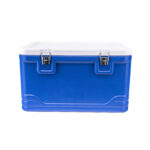
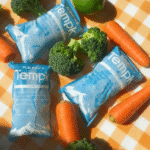
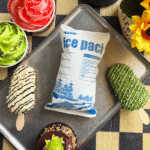
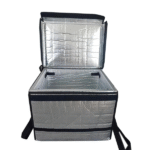
Embalagem isolada & materiais de mudança de fase (PCMs): Painéis isolados a vácuo (VIPs) e PCMs mantêm as temperaturas internas mesmo durante o trânsito.
Sensores de monitoramento em tempo real: Dispositivos IoT rastreiam temperatura e umidade dentro de embalagens, enviando alertas quando as condições divergem. Um estudo de caso de um fornecedor global mostra que o monitoramento da IoT reduziu a deterioração em 18 % e vida útil prolongada por até 5 dias.
Materiais biodegradáveis e recicláveis: A crescente demanda dos consumidores por embalagens ecológicas está remodelando a indústria. Embalagens compostáveis reduzem o desperdício de plástico e atraem compradores ecologicamente conscientes.
Transporte e Armazenamento
Para manter a integridade da cadeia de frio, escolha métodos de envio que implementem controle de temperatura. BlueCart observa que os atacadistas devem investir em métodos de envio que implementem a logística da cadeia de frio; o transporte noturno é preferível para produtos perecíveis. Use caminhões refrigerados com unidades de resfriamento com manutenção adequada e monitore as temperaturas continuamente. Durante o armazenamento, manter a limpeza e treinar a equipe sobre os procedimentos da cadeia de frio.
Finalmente, integrar cooperativas e micro centros de atendimento. A pesquisa mostra que a modernização das instalações, cooperar com grupos de agricultores e investir em microcentros de atendimento pode preços mais baixos em 15-20 % e aumentar os rendimentos dos agricultores em 25-30 %. O armazenamento partilhado reduz os encargos de capital individuais e melhora o acesso à refrigeração.
Transformação Digital: Tecnologias que melhoram a cadeia de frio de vegetais biológicos
Responda rapidamente
Inteligência artificial, Sensores de IoT, blockchain e embalagens avançadas estão transformando a distribuição atacadista de biovegetais da cadeia de frio. Essas ferramentas fornecem visibilidade em tempo real, otimizar rotas e garantir rastreabilidade. Estudos mostram que combinar otimização de rotas de IA e monitoramento de IoT reduz os custos logísticos ao 34.76 % e reduz o desperdício 15.6 %.
IoT e monitoramento em tempo real
As flutuações de temperatura ocorrem frequentemente durante viagens longas ou entregas de última milha. Sensores de IoT embutido em paletes ou embalagens monitora continuamente a temperatura e a umidade. Se ocorrer uma violação, alertas permitem ação corretiva imediata. O segmento de hardware (sensores e dispositivos de monitoramento) mantido sobre 76.4 % do mercado de rastreamento e monitoramento da cadeia de frio em 2022, sinalizando adoção generalizada. Dados em tempo real também suportam manutenção preditiva: a análise pode identificar unidades de refrigeração com falha antes que ocorram falhas.
IA e otimização de rotas
Algoritmos de aprendizado de máquina calcular o mais curto, caminhos mais eficientes com base no tráfego, previsão do tempo e janelas de entrega. Em um estudo utilizando modelos de clustering e regressão, A IA reduziu os custos logísticos em 34.76 % e desperdício por 15.6 %. A previsão de demanda orientada por IA ajuda os distribuidores a alinhar o estoque com as necessidades do varejista, reduzindo o excesso de estoque e a deterioração.
Blockchain e rastreabilidade
Blockchain cria um livro-razão imutável de cada transação e transferência. Para vegetais orgânicos – onde a autenticidade e as certificações geram preços mais altos – o blockchain evita fraudes e cria confiança. Rastreabilidade ponta a ponta garante que o histórico de temperatura e as certificações orgânicas acompanhem o produto. Como os consumidores exigem transparência, a adoção do blockchain aumentará; o indicador de temperatura do tempo (ITT) mercado de etiquetas deverá atingir NÓS $1.49 bilhão por 2034.
Refrigeração Avançada e Tecnologias Sustentáveis
As tecnologias emergentes de refrigeração reduzem o consumo de energia e o impacto ambiental. Refrigeração solar, compressores energeticamente eficientes e refrigerantes naturais (por exemplo, Co₂, amônia) reduzir custos operacionais. Materiais de mudança de fase (PCMs) e indicadores de temperatura de tempo manter as temperaturas desejadas sem refrigeração contínua. Estas inovações não só apoiam os mandatos de sustentabilidade, mas também reduzem os custos de energia – vital quando as cadeias de frio consomem ~15 % da energia global.
Superando desafios na distribuição atacadista de vegetais biológicos
Responda rapidamente
Custos elevados, cadeias de abastecimento fragmentadas, infraestrutura inadequada e problemas de última milha ameaçam a integridade da cadeia de frio. Compreender os motivadores ajuda os distribuidores a investir com sabedoria. A tabela abaixo resume os principais desafios e soluções práticas com base em 2025 pesquisar.
| Gerador de custos | Descrição | Impacto no custo/qualidade | O que você pode fazer |
| Certificação & conformidade | Documentação rigorosa, inspeções e taxas para certificação orgânica | Aumenta os custos de aquisição em 30–300 %; aumenta o preço de varejo | Apoiar os agricultores através de cooperativas que partilham custos de certificação e negociam auditorias em massa |
| Cadeia de abastecimento fragmentada | Pequenas fazendas, múltiplos intermediários e má agregação | Aumenta o tempo de trânsito e a deterioração em até 40 % | Faça parceria com cooperativas de produtores ou plataformas de marketing direto para encurtar a cadeia |
| Infraestrutura inadequada da cadeia de frio | Falta de armazéns e veículos frigoríficos | Causas 13 % da perda global de alimentos; 25 % desperdício devido a violações de temperatura | Invista em centros locais de pré-resfriamento e refrigeração portátil; usar energia solar ou renovável |
| Altos custos operacionais | Refrigeração intensiva em energia, combustível e mão de obra | As cadeias de frio consomem ~15 % da energia global | Adote refrigeração solar, equipamentos com eficiência energética e veículos elétricos |
| Rotas longas & desafios da última milha | Fazendas rurais longe dos mercados; atrasos no trânsito | Até 47–75 % das entregas sofrem abuso de temperatura | Use a otimização de rotas de IA e microcentros de atendimento próximos aos clientes |
Dicas Práticas e Estratégias
Junte-se ou apoie cooperativas: Centros de agregação e cooperativas agrícolas reúnem recursos e negociam melhores taxas. Estudos de caso mostram que as plataformas de marketing direto reduzir os preços em 15-20 % e aumentar os rendimentos dos agricultores em 25-30 %.
Invista em pré-resfriamento & transporte rápido: O pré-resfriamento dos vegetais à temperatura certa imediatamente após a colheita pode reduzir a deterioração em até 50 %.
Use embalagens sustentáveis: Recipientes leves e isolados com sensores IoT mantêm a temperatura e usam materiais biodegradáveis.
Adote energia renovável: Painéis solares em instalações frigoríficas reduzem custos de eletricidade; caminhões refrigerados híbridos ou elétricos reduzem o uso de combustível.
Aproveite as ferramentas digitais: Combine o planejamento de rotas com IA, Monitoramento de IoT e blockchain para aumentar a eficiência e a transparência.
Auto-avaliação: Você está pronto para a cadeia de frio?
Pergunte a si mesmo o seguinte:
Você pré-resfria seus vegetais dentro de 2 a 4 horas após a colheita? Se não, planeje instalar ou acessar uma unidade de pré-resfriamento – o resfriamento retardado aumenta significativamente a deterioração.
As temperaturas e a umidade são monitoradas em tempo real durante todo o transporte?? Sensores e alertas IoT ajudam você a reagir rapidamente.
A sua embalagem é respirável?, resistente à umidade e isolado? A embalagem adequada mantém a umidade e evita danos.
Você está trabalhando com cooperativas ou plataformas de marketing direto? Essas colaborações reduzem intermediários e encurtam os tempos de trânsito.
Você usa energia renovável ou equipamentos com eficiência energética? Investir na sustentabilidade reduz custos e se alinha às regulamentações emergentes.
Se você respondeu “não” a alguma dessas perguntas, priorizar melhorias nessa área. Uma cadeia de frio robusta reduz o desperdício, melhora a qualidade e aumenta sua vantagem competitiva.
2025 Tendências de biovegetais da cadeia fria e perspectivas de mercado
Visão geral das tendências
A indústria da cadeia de frio continua a expandir-se rapidamente. De acordo com a Maersk 2024 panorama, o mercado global de logística da cadeia de frio foi avaliado em USD 293.58 bilhão em 2023 e está projetado para crescer a partir USD 324.85 bilhão em 2024 para USD 862.33 bilhão por 2032, exibindo um 13 % Cagr. Principais tendências que influenciam a distribuição de vegetais biológicos em 2025 incluir:
Perturbações geopolíticas e mudanças de mercado: As tensões comerciais e a agitação afetam os tempos e a capacidade de trânsito. Apesar das interrupções, o mercado da cadeia de frio desenvolveu resiliência, com capacidade preparada para lidar com demandas em constante mudança.
Visibilidade mais forte & investimento em software: As empresas continuam investindo em software que melhora a visibilidade da cadeia de suprimentos — desde rastreamento em tempo real até análises preditivas.
Ascensão de produtos vegetais e orgânicos: Alimentos à base de plantas podem capturar 7.7 % do mercado global de proteínas, avaliado em $162 bilhão por 2030. Vegetais orgânicos e proteínas alternativas exigem padrões rígidos de cadeia de frio para manter a qualidade.
Atualizando infraestrutura antiga: Muitas instalações de armazenamento refrigerado foram construídas há 40-50 anos. O investimento está aumentando para modernizar a infraestrutura com automação, maior sustentabilidade e refrigerantes naturais.
Distribuição estratégica & colocação de instalações: Melhor proximidade com áreas de produção e consumidores, instalações maiores e automação melhorarão a eficiência.
Últimos desenvolvimentos de vista
Crescimento do mercado: O mercado global de vegetais orgânicos é avaliado em $34.26 bilhão em 2024, projetado para alcançar $38.36 bilhão em 2025 e $94.81 bilhão por 2033, com um CAGR de 11.97 %.
Comportamento do consumidor: Sobre 61 % dos EUA. as famílias compram regularmente vegetais orgânicos, e 29 % das compras ocorrem online. A geração do milênio classifica os vegetais orgânicos como uma prioridade alimentar.
Adoção no varejo: Sobre 45 % das redes varejistas dedicam seções específicas a produtos orgânicos certificados, enquanto se espera que o segmento de varejo online registre o maior CAGR.
Adoção tecnológica: 37 % de novas marcas de vegetais orgânicos aproveitam a rastreabilidade do blockchain e do código QR; 41 % dos produtores orgânicos usam irrigação por gotejamento e fertilização à base de composto para aumentar a sustentabilidade.
Foco na sustentabilidade: A demanda dos consumidores por embalagens ecológicas impulsiona a adoção de materiais compostáveis, com 34 % de marcas que introduzem embalagens biodegradáveis.
Insights de mercado
O setor de produtos orgânicos continua a superar os alimentos convencionais. A Associação de Comércio Orgânico relata que NÓS. vendas orgânicas alcançadas $71.6 bilhão em 2024, marcando um 5.2 % aumentar do ano anterior. As expectativas de rótulo limpo estão diminuindo a diferença de preços entre produtos orgânicos e convencionais. Dinâmica do comércio global, incluindo novas regras de alimentos orgânicos para animais de estimação do USDA, eficazes em 2025, também influenciam as cadeias de abastecimento.
Para fornecedores da cadeia de frio, esse crescimento representa uma enorme oportunidade. Investimentos em tecnologia, infraestrutura e sustentabilidade são essenciais para conquistar participação de mercado e atender às crescentes expectativas dos consumidores.
Perguntas frequentes
Q1: O que é distribuição atacadista de vegetais biológicos na cadeia de frio?
Refere-se a uma cadeia de abastecimento com temperatura controlada que entrega vegetais orgânicos da fazenda ao varejista sem quebrar a cadeia de frio.. Mantendo condições ideais (0–4 °C e 90–95 % umidade), distribuidores preservam o frescor, evitar a perda de nutrientes e cumprir os padrões de certificação orgânica.
Q2: Por que o controle de temperatura é crucial para a distribuição de vegetais orgânicos?
Os vegetais são tecidos vivos. O aumento das temperaturas acelera a respiração, causando murcha e deterioração. UM 10 °C aumento pode duplicar ou triplicar a respiração e reduzir pela metade o prazo de validade. Manter consistente, temperaturas ideais retardam o envelhecimento e mantêm os produtos crocantes.
Q3: Como podem os pequenos produtores implementar uma cadeia de frio sem grandes investimentos?
Colha durante os períodos de frio e retire os produtos da luz solar direta; use estruturas de armazenamento isoladas e unidades de ar condicionado de janela baratas para refrigeração. Investimos conjuntamente em centros ou cooperativas de pré-resfriamento para compartilhar custos e acessar refrigeração portátil.
Q4: Quais tecnologias são mais eficazes na redução de resíduos?
A otimização de rotas de IA e o monitoramento de IoT juntos podem reduzir custos logísticos 34.76 % e desperdício por 15.6 %. Blockchain adiciona rastreabilidade, garantindo autenticidade orgânica, enquanto PCMs e TTIs mantêm a temperatura sem entrada contínua de energia.
Q5: Quais opções de embalagem são melhores para vegetais biológicos?
Escolha resistente à umidade, embalagem respirável com isolamento. Painéis isolados a vácuo, materiais de mudança de fase e materiais biodegradáveis mantêm a temperatura e se alinham com as tendências de sustentabilidade. Sensores em tempo real integrados à embalagem fornecem alertas caso as condições se desviem.
Resumo & Recomendações
Pontos -chave:
A distribuição atacadista de vegetais biológicos na cadeia de frio mantém os produtos orgânicos frescos, prolonga a vida útil e reduz o desperdício. O gerenciamento da temperatura é o fator mais crítico; deixar de resfriar rapidamente ou manter a faixa de 0–4 °C dobra a respiração e reduz o prazo de validade pela metade. Cadeias de frio eficazes podem reduzir o desperdício de alimentos em até 50 %, enquanto falhas desperdiçam 25 % de alimentos transportados. Tecnologias digitais como IA, IoT e blockchain reduzem custos logísticos e desperdícios, melhorar a rastreabilidade e aumentar a confiança do consumidor. O crescimento do mercado é robusto: o mercado de vegetais orgânicos deverá atingir $94.81 bilhão por 2033, e o mercado de logística da cadeia de frio caminha para $862.33 bilhão por 2032.
Plano de ação:
Implementar controle rigoroso de temperatura: Invista no pré-resfriamento e mantenha 0–4 °C e 90–95 % umidade em toda a cadeia.
Atualizar empacotamento e monitoramento: Use embalagens isoladas com PCMs e integre sensores IoT para alertas em tempo real.
Aproveite as ferramentas digitais: Adote otimização de rotas orientada por IA e blockchain para rastreabilidade.
Colabore com cooperativas: Reunir recursos para investir em armazenamento refrigerado e encurtar as cadeias de abastecimento; isso pode reduzir os preços em 15-20 % e aumentar os rendimentos dos agricultores em 25-30 %.
Priorize a sustentabilidade: Escolha energia renovável, embalagens biodegradáveis e refrigerantes naturais para atender às expectativas dos consumidores e às regulamentações futuras.
Sobre Tempk
A Tempk é líder global em soluções de cadeia fria adaptado à indústria vegetal. A empresa é especializada em sistemas de monitoramento de temperatura e embalagens sustentáveis que ajudam as empresas a manter a qualidade e o frescor em toda a cadeia de abastecimento. Os produtos da Tempk incluem bolsas isoladas, pacotes de resfriamento de mudança de fase e sensores habilitados para IoT projetados para proteger produtos sensíveis. Ao combinar design inovador, testes rigorosos e responsabilidade ambiental, nós fornecer aos distribuidores ferramentas confiáveis para evitar deterioração, reduzir o desperdício e atender à crescente demanda por vegetais orgânicos.
Chamado à ação: Pronto para melhorar sua cadeia de frio? Explore a linha de recipientes isolados e soluções de monitoramento da Tempk para manter seus vegetais biológicos frescos, da fazenda até a mesa. Implemente as estratégias acima e entre em contato com nossos especialistas para obter aconselhamento personalizado sobre como construir uma empresa resiliente, cadeia de frio sustentável.