O que você deve saber ao escolher fornecedores de logística para cadeia fria em 2025?
Introdução:
Escolhendo o direito fornecedor de logística da cadeia de frio é uma decisão crítica na atual cadeia de fornecimento com temperatura controlada. Com o mercado global projetado para subir de cerca de USD 228 bilhão em 2024 para USD 372 bilhão por 2029, as apostas nunca foram tão altas. Este artigo ajuda você a fazer uma escolha informada, destacando os principais fornecedores, critérios de seleção e 2025 tendências como automação, sustentabilidade e rastreamento em tempo real. Como profissional da cadeia de suprimentos, você descobrirá insights acionáveis para manter a integridade do produto, atender às demandas regulatórias e melhorar a eficiência.
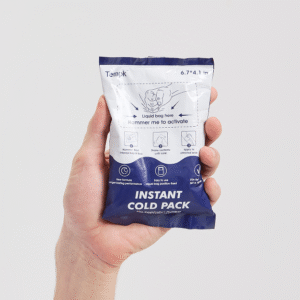
O papel dos fornecedores de logística da cadeia de frio e por que parceiros confiáveis são essenciais para a alimentação, cadeias de abastecimento farmacêuticas e químicas.
Principais fornecedores e líderes de mercado, incluindo gigantes globais como Lineage e Americold, e como suas capacidades se comparam.
Fatores-chave para avaliar fornecedores, incluindo cobertura de rede, conformidade, tecnologia, sustentabilidade e resiliência.
2025 tendências que moldam o setor, como automação, Análise orientada por IA, infraestrutura sustentável e expansão da demanda farmacêutica.
Desenvolvimentos recentes e perspectivas de mercado, incluindo grandes expansões, fusões e projeções de crescimento do mercado.
O que fazem os fornecedores de logística da cadeia de frio e porque são críticos?
Os fornecedores de logística da cadeia de frio mantêm ambientes e transporte com temperatura controlada para preservar produtos perecíveis. Eles oferecem armazenamento refrigerado, embalagem isolada, veículos refrigerados e monitoramento de ponta a ponta para garantir que as mercadorias permaneçam dentro de faixas rigorosas de temperatura. As previsões do mercado global destacam o rápido crescimento – MarketsandMarkets projeta que a logística da cadeia de frio se expandirá a partir do dólar americano 228.3 bilhão em 2024 para USD 372 bilhão por 2029 em um 10.3% Cagr. Este crescimento é impulsionado pela crescente demanda por alimentos perecíveis, produtos farmacêuticos, biológicos e químicos. Os fornecedores protegem a integridade do produto e a conformidade regulatória integrando a refrigeração, monitoramento em tempo real, e instalações de armazenamento especializadas.
Por que isso é importante para você: Se você envia produtos perecíveis, um parceiro confiável da cadeia de frio garante que seus produtos cheguem frescos e seguros. Sem controle de temperatura adequado, mesmo pequenos desvios podem levar à deterioração e perda do produto, aumentando os custos e prejudicando sua marca. Só o mercado norte-americano está avaliado em cerca de USD 91 bilhão em 2025, espera-se que atinja USD 109 bilhões até 2030 – um sinal da crescente dependência desses serviços. Investir em uma parceria forte significa risco reduzido, maior satisfação do cliente e conformidade com regulamentos farmacêuticos e de segurança alimentar.
O ciclo de vida da cadeia de frio
Bens perecíveis passam por vários estágios – produção, processamento, armazenar, transporte, distribuição e varejo. Os fornecedores de logística da cadeia de frio gerenciam a integridade da temperatura em cada etapa. Eles usam tecnologias como embalagens isoladas, veículos refrigerados, monitoramento baseado em sensores e análise de dados para garantir que as mercadorias permaneçam nas temperaturas exigidas. Sem esses controles, os alimentos podem estragar ou os medicamentos perderem potência, levando a resíduos e riscos para a saúde. Porque 20 % dos novos medicamentos são terapias baseadas em células ou genes que requerem temperaturas ultrabaixas, escolher um fornecedor qualificado é crucial.
A importância da conformidade e da segurança
Estruturas regulatórias, como a Lei de Modernização da Segurança Alimentar da FDA (FSMA) e os padrões do USDA exigem controle rigoroso de temperatura e rastreabilidade. Os fornecedores devem manter registros detalhados das condições de armazenamento e identificar prontamente quaisquer desvios. Sistemas de monitoramento de última geração fornecem dados em tempo real sobre o local, temperatura e umidade, facilitando as auditorias e garantindo a conformidade. O não cumprimento dos regulamentos pode resultar em recalls de produtos, multas ou danos à reputação – riscos que fornecedores experientes ajudam a mitigar.
Quem são os principais fornecedores de logística da cadeia de frio em 2025?
Visão geral dos líderes globais: De acordo com a Aliança Global da Cadeia de Frio (GCCA), Linhagem, Americold, e NewCold lideram o mundo em capacidade de armazenamento refrigerado. Esses fornecedores - junto com o Cold Storage dos Estados Unidos, Nichirei Corporation e Constellation Cold Logistics – operam redes massivas de instalações com temperatura controlada e serviços de transporte. O GCCA 2025 Principais globais 25 lista classifica as empresas por pés cúbicos de espaço de armazenamento refrigerado, fornecendo informações sobre a concentração da indústria.
Mesa 1: Principais fornecedores de logística da cadeia de frio e suas capacidades
| Classificação & Provedor | Capacidade (pés³) | Principais diferenciais | O que isso significa para você |
| 1. Logística de Linhagem | 2.98 bilhão | Maior rede global; investe pesado em automação, IA e sustentabilidade. As expansões recentes incluem uma instalação totalmente automatizada em Hobart, Adicionando Indiana 188,000 pés quadrados e 58,000 posições de paletes. | A vasta rede melhora a confiabilidade e o rendimento; a automação reduz erros e acelera o manuseio. |
| 2. Americold Logística | 1.45 bilhão | Opera na América do Norte e internacionalmente; foca em tecnologia e qualidade de serviço. Oferece atendimento direto ao consumidor e entrega em dois dias para 99 % dos EUA. população. | Adequado para varejistas e produtores de alimentos que buscam cobertura nacional e entrega rápida. |
| 3. NovoFrio | 458 milhão | Conhecido por ser altamente automatizado, armazéns energeticamente eficientes. Expansões recentes adicionadas 100,000 posições de paletes no Líbano, Indiana e novas instalações na Geórgia e Maryland. | Ideal para clientes que necessitam de automação avançada e eficiência energética. |
| 4. Armazenamento Frigorífico dos Estados Unidos (USCS) | 420 milhão | Provedor legado com mais de 40 instalações em todos os EUA; investe em automação e expansão. | Escolha sólida para uso doméstico nos EUA. distribuição com foco na confiabilidade. |
| 5. Corporação Nichirei | 234 milhão | Conglomerado japonês que oferece armazenamento refrigerado e processamento de alimentos; expandindo internacionalmente. | Adequado para empresas que exportam para ou da Ásia. |
| 6. Logística de Frio Constellation | 192 milhão | Fornecedor focado na Europa com forte presença na Europa e no Reino Unido. | Boa opção para redes de distribuição europeias. |
| Outros fornecedores notáveis | Logística FreezPak, Armazém Interestadual, Armazenamento Frio Ágil e outros cada >20 milhões de pés³. | Muitos players regionais oferecem serviços especializados; seus pontos fortes geralmente residem na flexibilidade e nos nichos de mercado. |
Topo global 10 por receita
Além das classificações de capacidade, a receita fornece outra lente. Surgimento da Pesquisa 2025 listas de análise United Parcel Service (UPS), Maersk, Americold, Lineage e United States Cold Storage estão entre os maiores geradores de receita. A UPS aproveita uma rede global e sensores inteligentes para monitoramento em tempo real e análises preditivas, enquanto a Maersk oferece oceano integrado, soluções de cadeia de frio aérea e terrestre com recursos de rastreamento digital. A solidez financeira destas empresas sugere estabilidade e investimento contínuo em tecnologia.
Como avaliar e selecionar um fornecedor de logística para cadeia de frio
Selecionar um provedor envolve equilibrar a capacidade, qualidade do serviço, tecnologia e sustentabilidade. Use a estrutura a seguir para orientar sua decisão.
1. Posição de mercado e cobertura de rede
Avalie a capacidade e o alcance geográfico. Escolha fornecedores com instalações próximas aos seus locais de produção, portos e principais mercados consumidores. Empresas líderes como Lineage e Americold controlam 50 % dos EUA. capacidade de armazenamento frio. Embora as grandes redes ofereçam escala, especialistas regionais podem proporcionar maior agilidade em nichos de mercado. Considere fornecedores com altas taxas de ocupação e espaço para expansão para acomodar o crescimento.
2. Conformidade e experiência regulatória
Verifique as certificações e a adesão aos regulamentos. Os provedores devem cumprir a FSMA, USDA e padrões internacionais. Procure rastreabilidade robusta, sistemas e documentação de garantia de qualidade. A Clarkston Consulting observa que os principais alvos mantêm sistemas de backup e redundâncias para evitar danos durante interrupções de energia. A conformidade reduz o risco de penalidades regulatórias e protege a reputação da marca.
3. Tecnologia e inovação
Avalie o monitoramento e a automação em tempo real. Sensores habilitados para IoT, registradores de dados e plataformas em nuvem permitem o rastreamento contínuo da temperatura, umidade e localização. Os fornecedores que investem em automação – como os armazéns altamente automatizados da NewCold ou a expansão da Lineage em Hobart – podem oferecer processamento mais rápido, menos erros e melhor rendimento. Análises orientadas por IA prevêem a demanda, otimizar rotas e planejar manutenção.
4. Sustentabilidade e eficiência energética
Examine iniciativas ambientais. A cadeia global de frio alimentar representa cerca de 2 % das emissões globais de CO₂. Os fornecedores devem usar refrigeração com eficiência energética, refrigerantes naturais e energia renovável. O relatório Global Market Insights observa que empresas como Carrier Transicold e Thermo King estão adotando unidades de refrigeração elétricas e híbridas para reduzir emissões. Procure fornecedores que adotem tecnologias semelhantes e ofereçam embalagens recicláveis ou reutilizáveis.
5. Resiliência e gestão de riscos
Considere redundância e preparação para emergências. Sistemas de refrigeração de backup, geradores e instalações redundantes protegem contra falhas de energia e desastres naturais. Os provedores devem demonstrar força no prazo, na íntegra (OTIF) taxas, indicando confiabilidade. Avalie sua cobertura de seguro, protocolos de recall e planos de recuperação de desastres.
6. Flexibilidade de serviço e ofertas de valor agregado
Procure soluções sob medida. Alguns provedores oferecem kitting, reembalando, rotulagem, ou serviços de cross docking. Outros apoiam a satisfação direta do consumidor, integração de comércio eletrônico ou programas de consolidação de vários fornecedores. Por exemplo, O programa Velocity da Lineage combina remessas de vários fornecedores em caminhões compartilhados, melhorando a eficiência de custos e cumprindo janelas de entrega rigorosas. Escolha um parceiro cujas ofertas estejam alinhadas ao seu modelo de distribuição.
Quais tendências estão moldando a logística da cadeia de frio em 2025?
1. Automação e robótica
A escassez de mão-de-obra e a procura de eficiência estão a acelerar a adopção de sistemas automatizados. Trackonomy relata que apenas cerca de 20 % dos armazéns são automatizados, deixando espaço significativo para crescimento. Sistemas automatizados de armazenamento e recuperação (AS/RS), colheita robótica, e veículos autônomos reduzem custos trabalhistas, minimizar erros e operar 24 horas por dia. A expansão da Lineage em Hobart e suas instalações totalmente automatizadas planejadas em parceria com a Tyson Foods ilustram essa tendência.
2. Sustentabilidade como valor fundamental
Pressões e regulamentações ambientais impulsionam o investimento em tecnologias verdes. Refrigeração com eficiência energética, refrigerantes naturais e adoção de energia renovável ajudam a reduzir a pegada de carbono das cadeias de frio. O relatório Global Market Insights destaca a crescente demanda por equipamentos ecológicos e energia renovável. As empresas também adotam embalagens sustentáveis – materiais biodegradáveis ou recicláveis – para reduzir o desperdício.
3. Visibilidade em tempo real e monitoramento de IoT
A visibilidade de ponta a ponta reduz a deterioração e aumenta a confiança do cliente. Sensores IoT e plataformas baseadas em nuvem fornecem dados sobre temperatura em tempo real, umidade e localização, permitindo manutenção preditiva e otimização de rotas. O rastreamento em tempo real ajuda as empresas a atender aos padrões regulatórios, otimizar a logística e oferecer aos clientes informações precisas sobre entrega. De acordo com Trackonomia, hardware foi responsável por mais de 76 % do mercado de monitoramento da cadeia de frio em 2022.
4. Modernização da infraestrutura
Instalações antigas exigem atualizações para atender aos padrões modernos de eficiência e sustentabilidade. Investimentos em isolamento, sistemas de refrigeração, a recolha de dados e as energias renováveis continuarão. A infraestrutura atualizada reduz os custos de energia e melhora a utilização da capacidade.
5. Inteligência artificial e análise preditiva
A IA melhora a tomada de decisões analisando dados históricos e em tempo real. Demanda de previsão de sistemas, otimizar rotas e prever manutenções, reduzindo o tempo de inatividade e aumentando a confiabilidade do serviço. A IA também é usada para alocação dinâmica de espaço e gerenciamento de estoque em armazéns automatizados, conforme exemplificado pela tecnologia proprietária da NewCold.
6. Crescimento farmacêutico e biológico
A demanda por terapias celulares e genéticas exige logística ultra fria. Aproximadamente 20 % dos novos medicamentos são terapias genéticas ou celulares que exigem temperaturas tão baixas quanto –80 °C. Trackonomy projeta que o mercado farmacêutico da cadeia de frio atingirá dólares americanos 1.454 trilhão por 2029 com um 4.71 % Cagr. Fornecedores investem em containers especializados, reabastecimento de gelo seco e rastreamento em tempo real para esses produtos de alto valor.
7. Logística de alimentos frescos e entrega de última milha
O comércio eletrônico e a demanda dos consumidores por produtos frescos impulsionam o investimento em soluções refrigeradas de última milha. Espera-se que o mercado de logística da cadeia de frio alimentar da América do Norte atinja USD 86.67 bilhão em 2025. A crescente demanda por produtos vegetais e alimentos orgânicos está estimulando o crescimento do transporte e armazenamento refrigerado. Soluções modulares e móveis de armazenamento refrigerado permitem capacidade flexível durante picos sazonais.
8. Parcerias estratégicas e integração da cadeia de abastecimento
A colaboração aumenta a eficiência e a resiliência. Parcerias entre produtores de alimentos, fornecedores de embalagens e empresas de tecnologia permitem soluções integradas e maior visibilidade. A padronização de dados e a adoção de contêineres inteligentes facilitam a integração ponta a ponta; por 2025, 74 % espera-se que os dados logísticos sejam padronizados.
Quais desenvolvimentos recentes estão moldando a indústria?
Crescimento e projeções do mercado
A Precedence Research estima que o mercado global de logística da cadeia de frio crescerá a partir do dólar americano 436.3 bilhão em 2025 para USD 1.359 trilhão por 2034 (13.46 % Cagr). A dinâmica regional mostra a Ásia-Pacífico como a região que mais cresce devido à urbanização e ao aumento dos rendimentos disponíveis. Enquanto isso, equipamentos de logística da cadeia de frio devem crescer em relação ao dólar 94.3 bilhão em 2025 para USD 179.8 bilhão por 2034, refletindo um 7.4 % Cagr. Estas projeções sublinham a atratividade do setor para investidores e novos participantes.
Expansão e fusões
Os provedores estão expandindo rapidamente a capacidade por meio de aquisições e novas construções:
Linhagem & Parceria Tyson Foods: Lineage planeja investir quase USD 1 bilhões para adquirir quatro armazéns frigoríficos da Tyson Foods e construir duas instalações totalmente automatizadas. As aquisições acrescentam cerca 160,000 posições de paletes em quatro armazéns, enquanto os desenvolvimentos greenfield irão adicionar mais 80 milhões de pés cúbicos e quase 260,000 posições de paletes. Esta parceria reflecte uma tendência para uma integração, redes automatizadas.
Expansão da linhagem Hobart: Em novembro 2025, Lineage completou uma expansão em Hobart, Indiana, adicionando 188,000 pés quadrados e 58,000 posições de paletes usando automação de última geração. A instalação oferece suporte ao programa de frete multifornecedor Velocity da empresa, mostrando como os fornecedores usam a automação para consolidar remessas e reduzir custos.
Expansão NewCold no Líbano, Indiana: A NewCold dobrou suas instalações no Líbano adicionando 100,000 posições de paletes e está construindo locais adicionais na Geórgia (2026) e Maryland (2027). Estes armazéns totalmente automatizados utilizam sistemas energeticamente eficientes e tecnologia avançada.
Expansões RLS Logistics e CJ Logistics: A RLS investiu em um 6.75 expansão de milhões de pés cúbicos em Nova Jersey com refrigeração avançada e estantes de alta densidade, adicionando cerca de 8,000 posições de paletes. CJ Logistics está inaugurando uma ferrovia conectada 291,000 armazém frigorífico de pés quadrados em Kansas City em 2025, capaz de alcançar 85 % dos EUA. consumidores dentro de dois dias. Esses investimentos mostram que novos participantes desafiam gigantes já estabelecidos.
Comércio eletrônico e tendências de consumo
O aumento das compras online de alimentos aumentou a demanda por serviços de cadeia de frio. NÓS. vendas de comércio eletrônico atingiram USD 870 bilhão em 2021, um 14.2 % aumento ano após ano, enquanto os gastos com alimentos on-line da China cresceram 30 % de 2020 para 2021. Os consumidores esperam disponibilidade de produtos frescos durante todo o ano, laticínios e proteínas. A influência digital e as redes sociais estão a criar procura por novas cozinhas e ingredientes, impulsionando o comércio transfronteiriço. Para o seu negócio, isso significa selecionar fornecedores que possam lidar com a demanda dinâmica e os desafios de entrega de última milha.
Pressões energéticas e de custos
Os elevados custos de energia continuam a ser um desafio. O transporte e armazenamento refrigerados consomem muita energia e contribuem significativamente para as despesas operacionais. O artigo da MarketsandMarkets observa que o aumento dos preços dos combustíveis leva as empresas a investir em tecnologias energeticamente eficientes e em estratégias de otimização de rotas. Transporte intermodal – combinação ferroviária, caminhão e navio – oferece economia de custos e menores emissões. Ao comparar provedores, considerar a sua capacidade de gerir os custos de energia através da tecnologia e da diversificação modal.
2025as mais recentes inovações e insights de mercado
Equipamentos modernos e eletrificação: Global Market Insights destaca o surgimento de unidades de refrigeração elétricas e híbridas. Em setembro 2025, A Emerson lançou sua ferramenta Scout AI para diagnóstico em tempo real e manutenção preditiva, enquanto a Thermo King revelou unidades de refrigeração de transporte totalmente elétricas e híbridas. A Carrier Transicold introduziu a tecnologia E Drive totalmente elétrica para eliminar sistemas de acionamento mecânico e reduzir emissões. Estas inovações reduzem o consumo de combustível e permitem um funcionamento mais silencioso, operação mais ecológica – considerações importantes para empresas que buscam entrega sustentável.
Armazenamento móvel e modular: Demanda por flexibilidade, soluções escaláveis de armazenamento refrigerado continuam a crescer. Câmaras frigoríficas modulares e unidades de refrigeração móveis permitem uma implantação rápida durante picos sazonais ou emergências. Provedores que oferecem unidades portáteis podem apoiar o socorro em desastres, distribuição rural ou expansões temporárias.
Manutenção orientada por IA e previsão de demanda: Algoritmos de IA prevêem falhas de equipamentos, programar manutenção preventiva e prever a demanda para otimizar o estoque. Provedores que integram IA com sensores IoT oferecem maior confiabilidade de serviço e reduzem desperdícios.
Blockchain e rastreabilidade: Embora ainda surja, A tecnologia blockchain promete registros invioláveis da jornada do produto, melhorando a confiança e a conformidade. A integração do blockchain com IoT e IA pode melhorar a visibilidade e facilitar recalls rápidos quando necessário.
Perguntas frequentes: perguntas comuns sobre fornecedores de logística da cadeia de frio
Q1: Como os fornecedores de logística da cadeia de frio garantem que meus produtos permaneçam dentro da temperatura exigida?
Fornecedores usam embalagens isoladas, veículos refrigerados e sistemas de monitoramento baseados em sensores que registram continuamente temperatura e umidade. Dados em tempo real permitem ações corretivas imediatas caso as temperaturas saiam dos limites aceitáveis. Muitas empresas também empregam IA para prever falhas de equipamentos e programar manutenções antes que ocorra um problema..
Q2: Quais certificações devo procurar ao selecionar um fornecedor?
As principais certificações incluem conformidade com os padrões FSMA e USDA nos EUA., bem como protocolos internacionais como Boas Práticas de Distribuição (PIB). Os fornecedores devem demonstrar forte rastreabilidade e ter sistemas de backup de energia e refrigeração.
Q3: Existem fornecedores especializados em logística farmacêutica?
Sim. Empresas como a UPS Healthcare oferecem serviços dedicados de logística de saúde com embalagens térmicas, reabastecimento de gelo seco e monitoramento em tempo real. Eles podem lidar com requisitos de temperatura ultrabaixa (até –80 °C) necessário para terapias celulares e genéticas.
Q4: Como a automação afeta os preços e a qualidade do serviço?
A automação reduz os custos de mão de obra e aumenta o rendimento, o que pode reduzir os preços para os clientes. Sistemas automatizados minimizam erros de manuseio, garantindo qualidade consistente do produto e entrega no prazo. Fornecedores como NewCold e Lineage demonstram como a automação impulsiona a eficiência e a resiliência.
Q5: Qual é a diferença entre um fornecedor global e um especialista regional?
Provedores globais operam vastas redes em vários continentes, oferecendo padrões de serviço consistentes e soluções integradas. São adequados para remessas internacionais ou grandes volumes. Especialistas regionais podem fornecer serviços mais personalizados, experiência no mercado local e capacidade flexível, tornando-os ideais para distribuição de nicho ou de curta distância.
Q6: Como posso avaliar as iniciativas de sustentabilidade de um fornecedor?
Revise a adoção de equipamentos com eficiência energética (unidades de refrigeração elétricas ou híbridas), uso de refrigerantes naturais, fonte de energia renovável, e práticas de embalagem sustentáveis. Os fornecedores devem reportar sobre a redução de emissões e publicar metas de sustentabilidade.
Resumo e recomendações
Takeaways -chave:
Fornecedores de logística da cadeia de frio protegem a integridade do produto. Eles mantêm o controle de temperatura durante o armazenamento e o transporte, salvaguardando alimentos, produtos farmacêuticos e outros produtos perecíveis. Um fornecedor confiável reduz o desperdício e atende aos requisitos regulamentares.
Lineage e Americold dominam a capacidade global. Juntos, eles controlam mais de metade dos EUA. câmaras frigoríficas e investir continuamente em automação e expansão.
Automação, IA, sustentabilidade e rastreamento em tempo real impulsionam a inovação. Essas tecnologias melhoram a eficiência, reduzir emissões e aumentar a visibilidade.
O crescimento do mercado cria oportunidades. O mercado global de logística da cadeia de frio pode ultrapassar o USD 1.35 trilhão por 2034, impulsionado pela crescente demanda por produtos perecíveis e produtos farmacêuticos.
Avalie os fornecedores de forma holística. Considere a cobertura da rede, conformidade, tecnologia, sustentabilidade, resiliência e serviços de valor agregado para encontrar a melhor opção para suas necessidades.
ACTO ACEDIVO PRÓXIMO PASSOS:
Mapeie os requisitos da sua cadeia de suprimentos. Identifique volumes de produtos, faixas de temperatura e destinos; definir certificações essenciais e requisitos de serviço.
Fornecedores de lista restrita. Use classificações de capacidade e listas de receitas para identificar candidatos. Concentre-se naqueles que investem em automação, IA e sustentabilidade.
Solicitar propostas. Peça aos potenciais parceiros informações detalhadas sobre a capacidade, tecnologia, certificações, iniciativas de sustentabilidade e planos de contingência. Compare níveis de serviço e preços.
Realizar visitas ao local ou auditorias. Verifique se as instalações atendem aos seus padrões de limpeza, controle de temperatura e segurança. Avalie a integração e redundância de tecnologia.
Pilotar e monitorar o desempenho. Comece com uma remessa experimental ou compromisso limitado, em seguida, acompanhe o desempenho do OTIF, registros de temperatura e feedback do cliente. Ajuste a parceria conforme necessário.
Sobre Tempk
Quem somos: Tempk é inovadora em embalagens para cadeia de frio e soluções logísticas. Projetamos caixas isoladas, bolsas de gelo e revestimentos térmicos que mantêm temperaturas precisas durante o transporte. Nossos produtos apoiam a alimentação, remessas farmacêuticas e de biotecnologia, integrando materiais de isolamento avançados e designs sustentáveis. Também fornecemos orientação técnica para ajudar as empresas a otimizar seus processos de cadeia de frio.
Nosso compromisso: Nós nos esforçamos para combinar ciência, sustentabilidade e atendimento ao cliente. Nosso centro de pesquisa e desenvolvimento testa continuamente novos materiais e tecnologias para melhorar o desempenho e, ao mesmo tempo, reduzir o impacto ambiental. Colaboramos com os principais fornecedores de logística para garantir que nossas embalagens complementem sistemas automatizados e habilitados para IoT. Se você precisa enviar vacinas ou comida gourmet, oferecemos soluções confiáveis para proteger seus produtos.