Gerenciamento da cadeia de suprimentos de chocolate premium da cadeia fria?
Última atualização: dezembro 16, 2025.
Cold chain premium chocolate supply chain management is how you keep shine, foto, and flavor intact from your packing table to your customer’s hands. Your biggest enemy is not “melting.” It’s temperature swings and moisture events that trigger bloom and texture loss. A practical target is 65–70°F (18–21ºC) com baixa umidade (often ≤50–55% RH), kept steady all the way through last mile.
Este artigo responderá para você:
-
Como o ideal temperature for shipping premium chocolate protects gloss and snap
-
Quando 18°C phase change material for chocolate shipping beats ice-cold gel packs
-
Como prevenir fat bloom and sugar bloom in transit com simples, etapas repetíveis
-
UM summer chocolate delivery risk checklist you can score in 2 minutos
-
Como cold chain monitoring for confectionery shipments reduces refunds without chaos
What is cold chain premium chocolate supply chain management?
Cold chain premium chocolate supply chain management means you control stability—temperature, exposição à umidade, and handling—from production exit to delivery. Your goal is not “ship cold.” Your goal is “ship steady,” because chocolate quality hates surprises.
cold chain premium chocolate su…
Na prática, cold chain premium chocolate supply chain management is a set of repeatable choices. You define a safe temperature band, match packaging to your lane, and prove performance with data. Then you tighten weak points like dock time, O fim de semana segura, and “out for delivery” delays.
O que falha primeiro (and why you should care)
Premium chocolate often fails in three predictable ways: picos de calor, humidity/condensation spikes, and odor exposure. If you only watch “melt,” you’ll miss most brand-damaging defects.
| Failure trigger | O que você vê | What actually happened | O que isso significa para você |
|---|---|---|---|
| Picos de calor | dull surface, soft edges | cocoa butter shifts, then re-crystallizes | you must reduce peaks, não médias |
| Cold-to-warm transition | dusty/grainy white layer | condensation drives sugar bloom | you need a moisture barrier + gentle warm-up |
| Exposição a odores | “off” taste | chocolate absorbs surrounding odors | sealed storage and odor-safe zones matter |
Dicas práticas que você pode usar hoje
-
Define “steady” in one sentence: “We keep product in a narrow band, and we avoid fast warm-ups.”
-
Design for the most fragile SKU: filled bonbons should set your rules, not thick bars.
-
Treat the doorstep as part of transit: if it can sit outside, your system must assume it will.
Exemplo do mundo real: A gifting brand reduced summer complaints by switching from freezer-cold packs to a mid-temperature approach and adding a sealed inner liner plus a short “rest sealed before opening” note.
cold chain premium chocolate su…
What temperature and humidity keep premium chocolate stable?
Cold chain premium chocolate supply chain management works best when you keep chocolate cool, seco, and consistent—typically around 65–70°F (18–21ºC) and often ≤50–55% RH when possible. This reduces bloom risk and helps preserve shine and snap.
cold chain premium chocolate su…
Temperature stability matters because repeated softening and re-hardening pushes cocoa butter crystals into the wrong structure. Humidity matters because moisture plus cooling can create condensation, and condensation is a fast path to sugar bloom.
Ideal zones explained simply (so you can teach your team)
| Faixa de temperatura | Likely outcome | Practical impact on you |
|---|---|---|
| Below ~10°C | condensation risk on warm-up | sugar bloom risk after unboxing |
| ~16–20°C | ideal stability zone | best shine, best snap |
| Above ~22°C | fat migration starts | bloom risk and dull finish |
| Above ~28°C | structure can fail | high chance of product loss |
Dicas práticas e recomendações
-
Avoid “over-cooling”: cold packs that run near freezing can create condensation when warming.
-
Add a “no-sweat” rule: keep the box sealed while it acclimates indoors before opening.
-
Palco inteligente: packing warm product into a “cool shipper” starts you behind.
Exemplo do mundo real: One brand reduced returns after stabilizing transport around the 16–20ºC band across the full journey, focusing on stability over maximum cooling.
cold chain premium chocolate su…
How do you prevent fat bloom and sugar bloom in transit?
In cold chain premium chocolate supply chain management, bloom prevention is a system: temperatura estável, controle de umidade, and gentle transitions. Fat bloom is usually triggered by temperature cycling; sugar bloom is usually triggered by condensation and drying.
Think of it like a glossy car finish. Heat cycling changes the “wax structure” (cocoa butter crystals). Moisture leaves “minerals” behind (sugar crystals). Your job is to stop both cycles.
Bloom troubleshooting in 60 segundos
| Sintoma | Causa mais provável | Your fastest fix |
|---|---|---|
| gray/white haze, streaks | temperature spikes + cool-down cycles | stabilize peaks using insulation + controle de temperatura média |
| dusty/grainy white film | condensation during warm-up | sealed liner + slower acclimation before opening |
| soft corners but no melt | prolonged warmth, not a single spike | tighten last-mile window + add thermal buffer |
| off flavors | odor pickup during storage | sealed storage + odor-safe staging zones |
Dicas práticas e recomendações
-
Separate coolant from product: direct contact creates local cold spots and moisture issues.
-
Protect transitions: cold warehouse → warm doorstep is a classic condensation trap.
-
Document one root cause per complaint: “bloom” is not a cause; it’s an outcome.
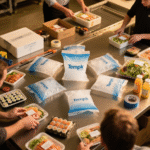
Exemplo do mundo real: A premium subscription box improved unboxing snap by avoiding direct cold contact and adding a spacer layer between coolant and product.
cold chain premium chocolate su…
How do packaging and 18°C PCM support cold chain premium chocolate supply chain management?
Packaging is the physical foundation of cold chain premium chocolate supply chain management because it buffers temperature swings, reduces humidity exposure, and prevents damage in transit.
cold chain premium chocolate su…
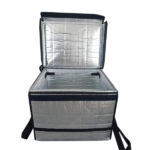
O isolamento retarda o ganho de calor. Mid-temperature phase change material (PCM) absorbs heat at a set point. Junto, they flatten the spikes that trigger bloom.
When 18°C phase change material for chocolate shipping makes sense
18°C phase change material for chocolate shipping is typically worth it when your route gets hot but you do not want near-freezing conditions. It helps hold an “ambient-cool” band closer to premium chocolate’s comfort zone.
cold chain premium chocolate su…
Packaging options compared (fast decision table)
| Opção de embalagem | Estabilidade térmica | Controle de umidade | Melhor para você quando… |
|---|---|---|---|
| Standard carton | Baixo | Baixo | no mesmo dia, clima ameno, low-value SKUs |
| Forro isolado | Médio | Médio | regional lanes with predictable timing |
| Caixa isolada rígida (EPP/EPS class) | Alto | Alto | premium gifts, longer lanes, fragile SKUs |
| Isolamento de alto desempenho (VIP class) | Muito alto | Alto | export lanes and high-value shipments |
| 18°CPCM + isolamento | Alto (stable band) | Médio - alto | hot lanes where freezing risk is unacceptable |
| Transporte refrigerado ativo | Mais alto | Mais alto | pallet-scale B2B and strict contracts |
Your 2-minute lane risk score (ferramenta de decisão)
Adicionar pontos, then choose your pack-out level.
-
Forecasted max temperature
-
Under 75°F (24°C): +0
-
75–85°F (24–29°C): +2
-
Over 85°F (29°C): +4
-
Door-to-door transit time
-
Mesmo dia: +0
-
Next day: +2
-
2+ dias: +4
-
Fragilidade do produto
-
Solid bars: +1
-
Milk/inclusions: +2
-
Filled bonbons: +4
-
Doorstep delay risk
-
Baixo: +0
-
Médio: +2
-
Alto: +4
Score → pack-out
-
0–5: insulation only (lane-tested)
-
6–10: isolamento + barreira de umidade + faster handoff rules
-
11–16: isolamento + 18°CPCM + Monitoramento de temperatura
-
17+: consider upgraded service level or active cooling
Dicas práticas e recomendações
-
Comece com a pista, não o produto. One lane can be safe; another can be a refund machine.
-
Condition PCM correctly: many systems fail because PCM starts at the wrong temperature.
cold chain premium chocolate su…
-
Protect presentation: cracked corners and scuffs can ruin “gift value” even if temperature stayed fine.
Exemplo do mundo real: After lane tests, one retailer stopped using the “worst-case pack” for most destinations, cutting packaging cost while keeping premium protection on hot-risk zones.
cold chain premium chocolate su…
How do you validate lanes before you scale?
Cold chain premium chocolate supply chain management becomes predictable when you validate lanes instead of improvising pack-outs. Lane validation means you prove a pack-out works for a route and season, não apenas uma vez.
Se você quiser menos surpresas, você precisa de repetibilidade. That’s why testing multiple boxes per lane matters more than a single “perfect” test.
A one-week lane validation plan (simples e repetível)
-
Escolha 2–3 representative lanes (curto, médio, longo).
-
Definir limites de aprovação/reprovação (your target band and “no condensation events”).
-
Pacote 3 test boxes per lane (repeatability matters).
-
Place a logger next to product, not near coolant.
-
Ship under real conditions (don’t baby the box).
-
Record max temp, min temp, time out of band, and visual results.
-
Update your SOP (massa de refrigerante, colocação, espessura de isolamento).
cold chain premium chocolate su…
Pass/fail metrics you can actually use
| Métrica | Alvo simples | O que protege |
|---|---|---|
| Temperatura interna máxima | below your softening risk band | forma, foto, lustro |
| Tempo acima do limite | as low as possible | bloom risk reduction |
| Fast warm-up events | evitar | condensation and sugar bloom |
| “Out for delivery” duration | minimizar | last-mile heat exposure |
Dicas práticas e recomendações
-
Test in summer and winter: your “safe” lane can flip with season.
-
Re-test after box size changes: inserts and air gaps change thermal behavior.
-
Torne os POPs visuais: one page with photos beats a long paragraph.
Exemplo do mundo real: One brand discovered defects came from pre-pickup staging plus fast doorstep warm-up. A staging rule and sealed liner fixed the issue in the next cycle.
How does monitoring improve cold chain premium chocolate supply chain management?
Cold chain premium chocolate supply chain management improves faster when you can prove what happened. Monitoring turns “maybe the weather” into clear evidence, and it helps you stop paying for the same mistake twice.
cold chain premium chocolate su…
You do not need dozens of sensors. You need the right signals and a simple process for acting on them.
What to measure first (so you don’t drown in data)
| O que rastrear | Por que isso importa | Your action if it fails |
|---|---|---|
| Temperatura máxima (picos) | spikes drive bloom more than averages | upgrade pack-out or service level |
| Tempo acima do limite | duration predicts softness and migration | tighten lane rules and cut delays |
| Exception timestamps | delays often happen at handoffs | add alerts and customer messaging |
| Opcional: umidade | helps diagnose sugar bloom | strengthen moisture barrier + regra de aquecimento |
Monitoring maturity levels (choose what fits your scale)
| Nível | Melhor para | O que isso te dá |
|---|---|---|
| Verificações pontuais (batch loggers) | Validação da pista | confirms your pack-out works |
| Always-on for premium SKUs | gifts, filled chocolates | correções mais rápidas da causa raiz |
| Alertas + análise | scaling operations | proactive prevention and playbooks |
Dicas práticas e recomendações
-
Use dois limites: “warning” and “damage risk.”
-
Review the curve, not only the maximum. Cycling tells you more than a single peak.
-
Feche o ciclo: every complaint should map to a reason code and a corrective action.
Exemplo do mundo real: Brands often cut reshipments by adding alerts for delivery exceptions and sending proactive “bring indoors now” messages.
How do you control last-mile risk and unboxing quality?
Last mile is where great chocolate programs fail. Trucks sit in sun. Deliveries get delayed. Customers open immediately in humid kitchens.
Cold chain premium chocolate supply chain management must include last-mile instructions and buffers, because you can’t control the doorstep—but you can design for it.
Manual da última milha (copiar/colar pronto)
-
Shipping rules
-
Ship early week to reduce weekend holds
-
Use priority service on hot lanes
-
Avoid late-afternoon delivery windows in summer
-
-
Customer unboxing script
-
Bring the box indoors immediately.
-
Keep it sealed and rest 20–40 minutes antes de abrir.
cold chain premium chocolate su…
-
Armazene em um legal, seco, odor-free place after opening.
-
Dicas práticas e recomendações
-
Treat “front porch time” as transit time. Price and pack accordingly.
-
Add a short card inside: two sentences can save a refund.
cold chain premium chocolate su…
-
Design a summer version: more buffer, earlier ship days, tighter lanes.
Exemplo do mundo real: A brand reduced “white haze” refunds after adding a rest-before-open note and reducing cold-to-warm condensation events.
How do you run storage and fulfillment without quality loss?
Cold chain premium chocolate supply chain management is often won in your warehouse, not on the truck.
If you pack warm product, stage in humid air, or let boxes sit on docks, you create defects that look like “carrier damage” later.
A boring SOP that prevents invisible defects
-
Pre-condition product to your target band before packing
-
Stage packaging in a dry zone with clear labels
-
Pack fast to reduce “open box” heat gain
-
Seal inner liners to reduce moisture exchange
-
Minimize dock exposure with scheduled handoffs
Dicas práticas e recomendações
-
Teach “cool is not always better.” Over-cooling can backfire through condensation.
cold chain premium chocolate su…
-
Use FEFO for filled chocolates: first-expire, first-out reduces quality drift.
-
Keep chocolate away from odors: storage hygiene protects flavor.
Exemplo do mundo real: Small operations often cut bloom incidents by improving staging discipline and adding basic humidity control in the pack-out area.
How do you measure ROI and improve continuously?
Cold chain premium chocolate supply chain management should be managed like a product, not a one-time project.
You need a short KPI list that predicts complaints and protects margin.
KPIs that actually predict customer complaints
| KPI | Direção alvo | Por que isso importa para você |
|---|---|---|
| In-spec rate (by lane/season) | Acima | measures true control |
| Max-temp exceedance rate | Down | predicts bloom and softness |
| Refund/replace rate (heat-related) | Down | tracks customer impact |
| Packaging cost per order | Flat/Down | prevents overpacking |
| On-time delivery rate (SKUs premium) | Acima | reduces last-mile exposure |
Mini “refund vs packaging” calculator (interativo)
Preencha seus números:
-
Valor médio do pedido: $____
-
Refund/replace rate today: ____%
-
Refund cost per failure (including labor/shipping): $____
-
Proposed packaging upgrade cost per order: $____
-
Expected failure reduction: ____%
Break-even rule:
Se (current failure cost per order) > (upgrade cost per order), the upgrade pays back.
Dica: Start with your top 10 lanes and only upgrade the lanes that fail the risk score.
2025 premium chocolate cold chain trends to watch
Em 2025, cold chain premium chocolate supply chain management is shifting from reactive protection to predictive control. Teams are using lane data to forecast risk windows before shipments move. They’re also combining sustainability goals with performance through reusable packaging systems.
cold chain premium chocolate su…
Instantâneo do progresso mais recente
-
Predictive lane playbooks: risk is forecasted by season and lane, não adivinhei.
cold chain premium chocolate su…
-
Reusable insulation systems: durability and performance are being designed together.
cold chain premium chocolate su…
-
Chocolate-specific “micro-climate” design: pack-outs are tuned for mid-temperature stability, not frozen logistics.
cold chain premium chocolate su…
Insight de mercado (what buyers reward)
Premium buyers increasingly treat delivery quality as part of the product experience. When cold chain premium chocolate supply chain management is consistent, you earn trust—and you earn repeat orders.
cold chain premium chocolate su…
Perguntas frequentes
Q1: Is cold chain premium chocolate supply chain management necessary for short distances?
Sim. Short routes still include loading, atrasos no trânsito, and warm docks. Consistency matters more than miles.
cold chain premium chocolate su…
Q2: What is the ideal temperature for shipping premium chocolate?
A practical target is around 65–70°F (18–21ºC) with low humidity and minimal temperature cycling.
cold chain premium chocolate su…
Q3: Can gel packs replace proper temperature control?
Não. Without insulation and monitoring, gel packs mostly delay damage rather than prevent it.
cold chain premium chocolate su…
Q4: Why does chocolate arrive “white” even if it didn’t melt?
It’s often bloom. Temperature swings can cause fat bloom; condensation during warm-up can cause sugar bloom.
Q5: When should you use 18°C phase change material for chocolate shipping?
Use it on hot lanes, tempos de trânsito mais longos, and fragile gift SKUs where you want stability without near-freezing risk.
cold chain premium chocolate su…
Q6: What is the biggest mistake brands make?
Treating chocolate like frozen food. Over-cooling can create condensation and texture defects.
cold chain premium chocolate su…
Resumo e recomendações
Cold chain premium chocolate supply chain management protects shine, foto, sabor, and brand trust by keeping chocolate estável, not “as cold as possible.” A practical baseline is 18–21ºC with low humidity and minimal cycling. Lane-based pack-outs, barreiras de umidade, and gentle unboxing transitions prevent bloom. Monitoring helps you prove root causes, fix weak lanes, and reduce refunds.
Seus próximos passos (CTA)
-
Score your top 10 lanes using the 2-minute lane risk score.
-
Execute um 3-box lane validation on your riskiest lane this week.
-
Write a one-page SOP with photos and two thresholds (aviso + dano).
-
Add a short unboxing note to cut condensation-driven complaints fast.
Sobre Tempk
E tempk, we support cold chain premium chocolate supply chain management with practical pack-out design, lane validation discipline, and temperature stability tools that fit chocolate’s narrow comfort zone. We focus on repeatable outcomes—clear SOPs, lane-tested packaging, and monitoring that helps you fix root causes instead of repeating refunds.
Próximo passo: Share your product types, top shipping lanes, e tempos de trânsito típicos, and we’ll help you map a lane-based plan to reduce bloom, melt losses, and last-mile complaints.