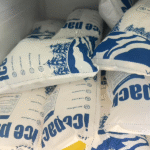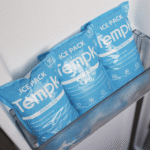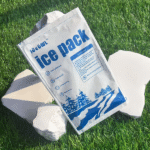
Regulamentos para equipamentos de frutos do mar da cadeia fria em 2025?
Você está lidando com regulamentos de equipamentos de frutos do mar da cadeia de frio toda vez que você recebe, loja, enviar, ou exibir frutos do mar. Na prática, essas regras exigem duas coisas: mantenha os frutos do mar em temperaturas seguras e prove que você fez isso. Em muitos mercados, o peixe fresco é mantido a uma temperatura aproximando-se do gelo derretido, enquanto os frutos do mar congelados são mantidos em ≤ −18°C em todo o produto, e a “cadeia de frio não deve ser interrompida”. ()
Última atualização: dezembro 12, 2025
Este guia irá ajudá-lo:
Escolha equipamentos que combinem requisitos de temperatura para transporte de peixes (fresco vs congelado vs vivo)
Construir equipamento de monitoramento de temperatura para frutos do mar que resiste a auditorias
Evite falhas “ocultas” como contaminação por água derretida em recipientes de frutos do mar gelados
Usar Regras de transporte refrigerado ATP pensando em vias transfronteiriças
Execute uma autoauditoria rápida para poder corrigir problemas antes dos clientes (ou inspetores) fazer
O que os regulamentos sobre equipamentos de frutos do mar da cadeia fria realmente controlam?
Os regulamentos para equipamentos de frutos do mar da cadeia fria controlam a temperatura e o risco de contaminação. É isso. Todo o resto – registros, sensores, auditorias - existem para provar que você manteve o controle.
Se o seu equipamento não consegue manter a temperatura no seu pior dia (caminhão atrasado, doca quente, longo tempo de porta aberta), você está exposto. E se os seus recipientes e ferramentas não puderem ser limpos rápida e completamente, “frio” não vai te salvar da contaminação.
Uma maneira simples de lembrar:
Alvo de temperatura (controles de congelamento frescos vs congelados vs especiais)
Design higiênico (superfícies limpáveis + controle de água derretida)
Evidência (monitoramento + calibração + registros)
Regra do inglês simples: Se você não pode provar controle de temperatura, reguladores e compradores podem tratar isso como uma perda de controle. ()
Quais temperaturas exigem os regulamentos de equipamentos de frutos do mar da cadeia fria?
A maior parte da confusão vem da mistura de “regras novas” com “regras congeladas”. Eles não são intercambiáveis. As regras de higiene dos produtos do mar da UE, normalmente referenciadas pelos compradores globais, descrevem peixe fresco mantido perto de condições de derretimento do gelo, e produtos da pesca congelados mantidos a ≤ −18°C em todas as partes do produto (com flutuações ascendentes limitadas e curtas em contextos de transporte). ()
| Estado do produto | Expectativa típica de temperatura | Equipamento que normalmente cabe | O que isso significa para você |
| Fresco (resfriado/congelado) | Condições de quase derretimento do gelo | Gelo + caixas isoladas + 0–2°C câmara fria | Você gerencia gelo + drenagem, não “poder do freezer” () |
| Congelado | ≤ −18°C em todas as partes do produto | Salas congeladas + caminhões congeladores | Você precisa de temperatura uniforme, não apenas ar frio () |
| Frutos do mar vivos | Condições que protegem a segurança + viabilidade | Tanques + oxigenação + controle de temperatura | A temperatura é apenas um ponto de controle () |
| Congelamento para controle de parasitas (alguns riscos brutos/quase brutos) | ≤ −20°C por ≥24 horas (exemplo de tratamento) | Congeladores verificados + rastreamento de tempo | Você precisa tempo + à prova de temperatura, não memória () |
Como traduzir “gelo derretido” e “≤ −18°C” nas especificações do equipamento
Design para o momento mais quente, não é o momento médio. O momento mais quente geralmente é o carregamento, não dirigindo.
Pense na sua cadeia de frio como uma banheira:
Isolamento retarda o vazamento.
Poder de resfriamento reabastece a banheira depois que as portas se abrem.
Disciplina (hora da porta, encenação, padrão de palete) interrompe os “grandes derramamentos”.
Dicas práticas que você pode usar hoje
Pré-resfrie antes de carregar: Um caminhão “frio” que começa quente é uma armadilha.
Meça o tempo de porta aberta: Trate isso como um KPI, não é uma reclamação.
Proteja os cantos: O descongelamento geralmente começa nas bordas e no topo dos paletes.
Exemplo do mundo real: Um distribuidor reduziu os “cantos suaves” ao preparar os paletes em uma antessala com temperatura de 0 a 2°C e reduzir o tempo de abertura da porta – sem necessidade de novo caminhão.
Quais equipamentos são cobertos pelos regulamentos de equipamentos de frutos do mar da cadeia de frio?
Se tocar no controle de temperatura ou na proteção do produto, isso conta. Regulamentos para equipamentos de frutos do mar da cadeia fria normalmente cobre:
Câmaras frias, abatedores, freezers, salas de congelamento
Veículos refrigerados, recipientes, reboques frigoríficos
Caixas isoladas de frutos do mar, forros, Tampas de paletes
Máquinas de gelo, armazenamento de gelo, ferramentas de manuseio de gelo
Caixas de drenagem e recipientes para frutos do mar gelados
Sensores de temperatura, registradores de dados, sistemas de gravador
Termômetros de sonda portáteis (recebimento e verificação)
O que mais importa é a prova de desempenho. Os reguladores e os compradores preocupam-se menos com as marcas e mais com a possibilidade de apresentar resultados estáveis em condições reais..
Desempenho do equipamento versus tipo de equipamento (o 2025 realidade)
Em muitas auditorias, a questão mudou de:
“Você tem refrigeração?”
para
“Você pode mostrar que manteve a temperatura certa, consistentemente, com equipamento limpável, e evidências registradas?”
Essa “mentalidade de prova” é agora a espinha dorsal das regulamentações de equipamentos para frutos do mar da cadeia de frio. ()
Como os regulamentos de equipamentos de frutos do mar da cadeia fria esperam que você monitore a temperatura?
O monitoramento é onde a conformidade se torna real. Para logística de ultracongelados na UE, as regras exigem que o transporte/armazenamento/armazenamento seja equipado com instrumentos de registro para monitorar a temperatura do ar em intervalos frequentes, com registros retidos (pelo menos um ano, muitas vezes mais tempo dependendo do produto e do prazo de validade). ()
Muitas estruturas também fazem referência a padrões para instrumentos de medição, incluindo EM 12830, EM 13485, e EN 13486 no contexto de monitoramento congelado rapidamente. ()
Configuração de monitoramento que permanece “amigável à auditoria”
| Necessidade de monitoramento | O que usar | O que verificar | Seu verdadeiro benefício |
| Estabilidade da câmara fria | Sensores fixos + alarmes | Pontos de ajuste de alarme + impacto do degelo | Menos desvios ocultos |
| História do transporte | Gravador de veículo / registrador de dados | Carimbos de hora + colocação | Menos disputas com compradores |
| Recebendo decisões | Termômetro de sonda portátil | Status de calibração + Etiqueta de identificação | Decisões de aceitação/rejeição mais rápidas |
| Análise de causa raiz | Relatórios de registradores para download | Consistência do intervalo de amostragem | Mais rápido “por que isso aconteceu?”correções |
EM 12830 gravadores em inglês simples: o que você deve procurar?
Você não precisa do logger mais sofisticado. Você precisa de um que seja:
Consistente: mesmo intervalo de amostragem e comportamento do relógio
Verificável: você pode mostrar evidências de conformidade e calibração/verificação
Colocado corretamente: sensores onde a falha começa (perto de portas, pontos quentes)
Regra de posicionamento: Coloque um sensor onde você pelo menos gosto a temperatura à deriva. Portas e paletes superiores são zonas de risco comuns.
“Registros afirmativos” versus “registros de exceção” (uma opção prática)
Em alguns sistemas de segurança alimentar, registros de exceção pode ser aceitável em certos contextos de monitoramento (mostrando quando o controle é perdido em vez de registrar tudo). Se você usar essa abordagem, seus alarmes, cheques, e as ações corretivas devem ser fortes o suficiente para que as “exceções” sejam credíveis e completas. ()
Como as regras de transporte e o ATP afetam as regulamentações para equipamentos de frutos do mar da cadeia fria?
Se você envia através das fronteiras, os compradores podem perguntar sobre inspeção de equipamentos, testando, e certificação. É aí que o Acordo ATP frequentemente entra na conversa.
Sob ATP, as partes contratantes tomam medidas para que equipamentos de transporte especiais sejam inspecionados e testados quanto à conformidade, e certificados podem ser reconhecidos entre as partes. ()
O USDA também explica que o ATP rege o transporte interno refrigerado de produtos perecíveis, principalmente entre os países europeus que o assinaram., com suporte de certificação para equipamentos exportados para esses mercados. ()
Ferramenta de decisão rápida: Você precisa de pensamento no estilo ATP?
Pontuação 1 ponto para cada “Sim”:
Você envia frutos do mar refrigerados/congelados transfronteiriça (não apenas locais).
Você usa reboques/contêineres frigoríficos para os quais os compradores podem solicitar certificados.
Você vende para compradores que auditam a capacidade de transporte, não apenas produto.
Você teve reclamações vinculadas a atrasos no trânsito ou desempenho do equipamento.
0–1: Concentre-se na disciplina da pista + prova de monitoramento.
2–3: Adicione evidências de validação de transporte e qualificação de transportadora.
4: Trate a documentação estilo ATP como uma vantagem competitiva.
Perguntas sobre transporte para fazer a qualquer transportadora (copiar/colar)
| O que você pergunta | Por que isso importa | O que você deve receber |
| “Você pode mostrar prova de inspeção/teste?” | A mentalidade de certificação reduz disputas | Certificado ou prova equivalente () |
| “Que temperatura ele pode manter sob carga?” | Cargas de frutos do mar são muito quentes | Evidência de validação de pista |
| “O que acontece durante atrasos?” | Atrasos quebram primeiro a cadeia de frio | Plano de ação corretiva escrito |
Como as regras de higiene e água derretida aparecem nos equipamentos?
As regulamentações para equipamentos de frutos do mar da cadeia de frio não se referem apenas à temperatura. Água derretida e higiene são gatilhos frequentes de inspeção.
As regras da UE relativas aos produtos da pesca especificam que os contentores utilizados para expedição/armazenamento de peixe fresco preparado não embalado e armazenado sob gelo devem garantir que a água do degelo seja drenado e não permanece em contacto com produtos da pesca. ()
Controle de água derretida: o “problema de conformidade oculto”
Quando os frutos do mar ficam na água derretida, você tem dois problemas:
Maior risco de contaminação
Perda de qualidade mais rápida (odor, textura, pingar)
| Ponto de controle de água derretida | Como é “bom” | O que falha nas auditorias | Significado para você |
| Caixas/caixas de peixe | Design de drenagem, resistente à água | Contato com água parada | Atualize os contêineres primeiro () |
| Manuseio de gelo | Limpar ferramentas de gelo + armazenamento protegido | Colheres/caixas sujas | Trate o gelo como o contato com alimentos |
| Drenagem de instalações | Pisos inclinados + drenos de trabalho | Acumulação de água | O projeto do seu edifício afeta a conformidade |
Dicas práticas que você pode aplicar hoje
Use caixas de drenagem: “Nenhum peixe fica na água” deveria ser uma regra.
Ferramentas de gelo separadas: As colheres de gelo não são pás de uso geral.
Encurtar o tempo molhado: Re-gelo dentro do prazo em vez de esperar por reclamações.
Exemplo do mundo real: Um atacadista eliminou reclamações sobre odores depois de mudar para recipientes drenantes e reforçar as rotinas de recolocação de gelo.
Como fazer a calibração, Verificação, e manutenção mantêm você em conformidade?
Mesmo o monitoramento perfeito falha se os sensores se desviarem. Na prática, calibração e verificação são como você mantém a confiança em seus registros.
Para as expectativas HACCP de frutos do mar nos EUA, os processadores devem ter sistemas HACCP e verificar se os planos são efetivamente implementados. ()
Se o seu termômetro estiver errado, sua “ação corretiva” pode se tornar a ação errada.
Uma rotina de calibração “chata” (chato é bom)
| Ferramenta | Rotina mínima | Evidências para manter | Benefício para você |
| Termômetro de sonda portátil | Verificações regulares + depois das gotas | Registro + Etiqueta de identificação | Decisões de recebimento confiáveis |
| Sensores fixos para câmaras frigoríficas | Verificação agendada | Relatório + correções | Evita a deriva lenta |
| Gravadores de veículos | Verificação periódica | Registro de serviço + downloads | Defende a integridade do trânsito |
Dicas práticas
Rotule cada dispositivo: Se você não consegue identificá-lo, você não pode controlá-lo.
Acionar novas verificações: Após reparos, choques, ou excursões inexplicáveis.
Mantenha a prova “antes/depois”: O que você encontrou, o que você consertou.
Uma autoauditoria de 10 minutos para regulamentações de equipamentos de frutos do mar da cadeia fria
Dê a si mesmo 1 ponto para cada “Sim”. Seja rigoroso.
Você pode definir metas de temperatura fresca e congelada em uma frase. ()
Seus recipientes gelados drenam a água do degelo do produto. ()
Você pré-resfria veículos ou zonas de preparação antes de carregá-los.
Você monitora o tempo de porta aberta (até mesmo uma simples regra de cronômetro).
Você tem registros de temperatura que pode mostrar para pistas de alto risco. ()
Seus dispositivos de monitoramento possuem IDs e evidências de calibração/verificação.
Você escreveu ações corretivas para excursões (não “diga ao gerente”). ()
Você pode rastrear lote → veículo → registro de temperatura rapidamente.
Você pode qualificar transportadoras com prova de inspeção/teste quando necessário. ()
Sua equipe sabe o que fazer quando a cadeia de frio está ameaçada (atraso, discriminação, doca espere). ()
0–3: Alto risco. Corrigir monitoramento + noções básicas de água derretida primeiro.
4–7: Funcional, mas frágil na alta temporada.
8–10: Base sólida para compradores de exportação e auditorias.
2025 Últimos desenvolvimentos e tendências em conformidade com a cadeia de frio de frutos do mar
Em 2025, a maior mudança não são “novas leis todos os meses”. É como as auditorias e os compradores avaliam a capacidade:
Mais solicitações de evidências: Os compradores querem prova de pista, não promessas.
Métodos mais precisos: Os textos da UE reconhecem novas técnicas de transporte que reduzem a temperatura do peixe entre o seu ponto de congelamento inicial e 1–2°C mais baixa, incluindo super arrepiante, que exige monitoramento e disciplina mais rígidos. ()
Mais foco nas transferências: Muitas falhas acontecem nas portas, não rodovias.
Monitoramento mais inteligente: Alertas e tratamento de exceções reduzem perdas – quando combinados com ações corretivas claras.
Perguntas frequentes
Q1: Quais temperaturas os regulamentos de equipamentos de frutos do mar da cadeia de frio exigem para frutos do mar frescos e congelados?
Frutos do mar frescos são comumente mantidos perto de condições de derretimento do gelo, enquanto os produtos da pesca congelados são mantidos ≤ −18°C em todo o produto. ()
Q2: Por que os regulamentos de equipamentos de frutos do mar da cadeia de frio se preocupam com a água do degelo?
Porque a água do degelo pode contaminar frutos do mar. As regras exigem que recipientes gelados drenem a água do degelo, para que ela não fique em contato com o produto. ()
Q3: Preciso de registradores de temperatura para armazenamento e transporte de frutos do mar?
Para logística de ultracongelados, as regras podem exigir instrumentos de registro e retenção de registros datados de temperatura por pelo menos um ano (muitas vezes mais tempo com base na vida útil). ()
Q4: O que é ATP e quando isso importa para o transporte de frutos do mar?
ATP é um acordo que cobre o transporte internacional de produtos perecíveis com requisitos definidos para equipamentos de transporte especiais, inspeção/teste, e reconhecimento de certificação. ()
Q5: Faça EUA. empresas de frutos do mar precisam de HACCP?
NÓS. processadores de frutos do mar são regulamentados 21 Parte cfr 123 para peixes e produtos da pesca Requisitos HACCP. ()
Resumo e recomendações
Regulamentações para equipamentos de frutos do mar da cadeia fria em 2025 são sobre provas, desempenho, e rotinas repetíveis. Você obtém conformidade combinando o equipamento com o estado do produto (fresco vs congelado), controlando riscos de higiene como água derretida, e construir evidências de monitoramento que sobrevivam às auditorias. O princípio fundamental em muitas estruturas de higiene é simples: a cadeia de frio não deve ser interrompida. ()
Seus próximos melhores passos (faça isso este mês)
Definir pistas: fresco vs congelado vs vivo vs qualquer teste superchill.
Corrija os pontos fracos primeiro: caixas de drenagem, temperatura de preparação, disciplina de porta.
Padronize o monitoramento: colocação, downloads, e regras de retenção. ()
Escreva ações corretivas: etapas claras para excursões e atrasos. ()
Treine para a realidade: o que fazer quando um caminhão está atrasado ou uma doca está quente.
Sobre Tempk
E tempk, apoiamos operadores de frutos do mar e produtos perecíveis com embalagens de cadeia de frio e soluções de fácil monitoramento projetadas para fluxos de trabalho reais. Nós nos concentramos estabilidade de temperatura, manuseio lavável, e monitoramento pronto para evidências, para que sua equipe possa escalar rotas sem escalar o caos.
Próximo passo: Compartilhe seu tipo de produto (fresco/congelado/vivo), tempos de pista, e mercados de destino. Ajudaremos você a mapear um equipamento + plano de monitoramento adequado às suas operações reais – mês a mês, temporada por temporada.