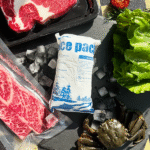
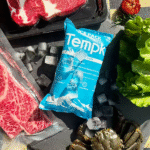
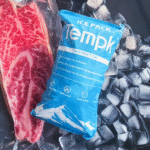
Manter os mariscos frescos desde a colheita até à mesa é um delicado ato de equilíbrio. Soluções para caixas de marisco para cadeia fria são a base dessa jornada. Você tem que manter temperaturas próximas de zero, controle os níveis de oxigênio e escolha materiais que protejam os delicados mexilhões, amêijoas e camarões sem deixar uma montanha de resíduos. A indústria global de frutos do mar produz cerca de 179 milhões de toneladas de frutos do mar em 2020, e o mercado de embalagens que o sustenta foi avaliado em USD 11.5 bilhão em 2024. À medida que a procura cresce e os padrões de sustentabilidade se tornam mais rigorosos, escolher o recipiente certo pode fazer ou destruir seu produto e sua reputação. Este guia, atualizado 3 dezembro 2025, detalha as opções, compara materiais e oferece dicas práticas para ajudá-lo a projetar uma cadeia de frio que mantenha os mariscos seguros, fresco e ecológico.
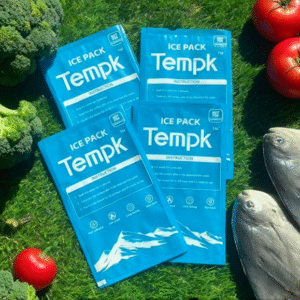
Entenda por que as embalagens de mariscos da cadeia de frio são importantes para a segurança alimentar – incluindo requisitos de controle de temperatura e oxigênio.
Compare diferentes materiais de caixa (EPS, plástico reutilizável, à base de fibra e biodegradável) - veja o desempenho de cada um à distância, custo e sustentabilidade.
Escolha e use a solução de embalagem certa – com critérios para tipo de marisco, comprimento da rota, conformidade regulatória e metas de sustentabilidade.
Explorar 2025 inovações e tendências – desde caixas de fibra reciclável e EPS Ccycled® até espumas de base biológica e sensores inteligentes.
Obtenha respostas para perguntas comuns – como requisitos de taxa de transmissão de oxigênio, enviando marisco vivo e equilibrando custo e sustentabilidade.
Por que as soluções de caixas de marisco para cadeia fria são importantes
Frescura, Segurança e Regulamentação
Os mariscos são extremamente perecíveis. Enzimas e micróbios continuam a reagir após a colheita. Exposição a temperaturas acima 0 °C – 2 °C acelera a deterioração, enquanto ambientes com oxigênio reduzido permitem bactérias nocivas como Clostridium botulinum florescer. Quando a embalagem não consegue manter a cadeia de frio, a qualidade diminui e a segurança está em risco. Por exemplo, um 2025 estudo citado na pesquisa da cadeia de frio descobriu que o controle ineficaz da temperatura causa até 80 % de perdas de produtos farmacêuticos e quase 50 % das vacinas são desperdiçadas; frutos do mar enfrentam riscos semelhantes. Os órgãos reguladores respondem em conformidade – EUA. Lei de Modernização da Segurança Alimentar (FSMA) Regra 204 requer indicadores de temperatura de tempo (ITTs) e rastreabilidade para alimentos perecíveis, e a Diretiva de Plásticos de Uso Único da UE proíbe recipientes de alimentos EPS.
Embalagem como barreira à contaminação
A embalagem adequada não envolve apenas resfriamento; evita contaminação. De acordo com pesquisas da indústria, a embalagem desempenha quatro funções críticas:
Preservando o frescor e prolongando a vida útil – Isolamento e refrigerantes inibem o crescimento microbiano e reações enzimáticas.
Prevenindo a contaminação microbiana – Películas seladas ou respiráveis bloqueiam bactérias e umidade; caixas de borda seladas reduzem riscos bacterianos.
Permitindo uma logística eficiente da cadeia de frio – Os contêineres devem sobreviver ao empilhamento, vibração e longas distâncias de trânsito sem falhas.
Comunicação de informações do produto e marca – Rotulagem clara e etiquetas digitais ajudam na rastreabilidade e no marketing.
Embalagens inadequadas contribuem diretamente para a poluição marinha. Poliestireno expandido (EPS) caixas de espuma, amplamente utilizado para transporte de marisco, não são recicláveis e podem levar mais do que 500 anos para se decompor. Embalagens descartadas são uma importante fonte de detritos oceânicos; as estimativas do Programa das Nações Unidas para o Meio Ambiente 8 milhões de toneladas de plástico entram nos oceanos anualmente. Comunidades costeiras começaram a proibir caixas de EPS porque pilhas de recipientes de espuma volumosos se espalham pelas costas. É por isso que os materiais sustentáveis não são mais opcionais.
Comparando materiais de caixa: EPS, Plásticos Reutilizáveis, Opções de base biológica e de fibra
A escolha da caixa de marisco certa começa com a compreensão das diferenças materiais. Cada material tem vantagens no desempenho térmico, impacto ambiental e custo operacional. A tabela abaixo resume os principais atributos usando evidências de avaliações de ciclo de vida, notícias do setor e dados de produtos.
| Material | Térmico & Desempenho protetor | Sustentabilidade & Regulamentos | O que isso significa para você |
| Poliestireno Expandido (EPS) | Fornece excelente isolamento e resistência ao choque; amplamente utilizado porque mantém as caixas de peixe frias e resiste ao empilhamento. Em uma avaliação independente do ciclo de vida (ACV), EPS entregou o menor custo ambiental total para rotas de longa distância (1250–2.800 quilômetros) em comparação com papelão e plástico reutilizável. | Derivado de combustíveis fósseis e não reciclável em muitas regiões; proibições da UE e dos EUA. estados tornam o uso a longo prazo arriscado. No entanto, algumas iniciativas de reciclagem química, como o Ccycled® EPS, conservam recursos substituindo matérias-primas virgens por óleo de pirólise e mantêm os mesmos padrões de higiene. | As caixas EPS continuam sendo uma opção econômica para rotas que excedem 900 quilômetros, mas verifique os regulamentos locais e as opções de reciclagem. Considere usar Ccycled® EPS (por exemplo, Caixas CELOOPS®) para cumprir as metas da economia circular. |
| Plástico Reutilizável (Polipropileno & PP5) | Flexível e durável; as caixas de polipropileno são projetadas para flexionar sem quebrar e evitar a contaminação do cordão de espuma. As caixas de polipropileno corrugado da CoolSeal USA são entregues planas, salvando ~85 % espaço de armazenamento e permitindo 20–30 % mais produto por palete, Melhorando a eficiência do envio. | 100 % reciclável (PP5) e resistente à umidade; tecnologia de borda selada reduz a contaminação bacteriana. Requer um ciclo de lavagem se reutilizado, que aumenta o uso de água e energia. Algumas jurisdições exigem protocolos de limpeza rigorosos. | Ideal para rotas regionais e de média distância; menor peso reduz custos de frete. O design que economiza espaço torna o armazenamento mais eficiente e pode reduzir os custos de envio. |
| À base de fibra & Cartão | O DryPack da DS Smith utiliza revestimento Greencoat® e permanece resistente à água; quando embalado com gelo, mantém os peixes abaixo 40 °F (4 °C) para mais 40 horas. Materiais baseados em papel são responsáveis por 37 % do mercado de embalagens de frutos do mar em 2025. | DryPack é 100 % reciclável, Aprovada pela FBA e a única caixa de frutos do mar de fibra aprovada para frete aéreo. Enviado diretamente para processadores, reduzindo os custos de frete de entrada e as emissões de carbono. | Melhor para rotas curtas a médias onde a exposição à umidade é controlada. Fornece mensagens de marca fortes e atende aos mandatos de sustentabilidade. |
| Baseado em biologia & Espumas Compostáveis | Novas espumas feitas de cogumelos, algas ou amido fornecem isolamento comparável ao EPS; O Biocooler da Nature Pack aumenta o tempo de envio em até 30 % em comparação com espumas de base fóssil. | Compostável e biodegradável; descarte seguro via compostagem industrial. Mais caro (20–50 % superior aos plásticos convencionais), e alguns têm vida útil mais curta devido à redução das barreiras contra umidade. | Adequado para marcas e mercados ecologicamente conscientes com forte infraestrutura de compostagem. Considere produtos premium onde a sustentabilidade exige um preço premium. |
| Plástico Isolado Reutilizável & Metal (RISC) | Recipientes duráveis com paredes grossas; manter temperaturas constantes por longos períodos. Ideal para remessas a granel e reutilização; exigem limpeza e logística de devolução. | Reduza o desperdício de uso único, mas tenha um custo inicial mais alto; seu desempenho ambiental depende do número de ciclos de reutilização. | Ideal para cadeias de suprimentos de circuito fechado onde os contêineres podem ser recuperados; eficiente para grandes processadores enviando para clientes recorrentes. |
Distância é importante
Ambiente RDC 2025 A ACV mostra que nenhum material domina em todos os contextos. Para distâncias curtas (sob 200 quilômetros) EPS, papelão laminado e plástico reutilizável têm desempenho semelhante. Entre 200 e 500 quilômetros, plástico reutilizável e EPS permanecem competitivos, enquanto o papelão se torna menos favorável devido à maior necessidade de gelo e ao risco de deterioração. Para longas rotas além 900 quilômetros (comum no comércio internacional de marisco), EPS proporciona o menor impacto ambiental e climático total. Dito isto, inovações como caixas revestidas de fibra e EPS quimicamente reciclado estão diminuindo a lacuna. Avaliar o comprimento típico da sua rota é essencial.
Como selecionar e usar caixas de marisco de maneira eficaz
Conheça seu produto e rota
Diferentes espécies de moluscos têm necessidades únicas. Marisco vivo (como ostras ou lagostas) deve chegar vivo; você deve evitar gelo úmido ou seco em seus pacotes porque o gelo pode sufocá-los ou congelá-los. Em vez disso, use pacotes de refrigerante ou algas marinhas resfriadas para manter a temperatura. Marisco congelado pode viajar em gelo seco; Gelo seco sublimados (passa diretamente de sólido para gasoso) no –109,28°F, perdendo 5–10 libras cada 24 horas. Manuseie com cuidado: gelo seco pode causar queimaduras e é classificado como material perigoso para transporte aéreo.
Para cru, produtos refrigerados, visam manter a temperatura interna entre 0 °C e 2 °C. Se você embalar em filmes com baixo teor de oxigênio (vácuo ou atmosfera modificada), mantenha os produtos abaixo 3.3 °C e anexar indicadores de tempo-temperatura. Ao usar 10Sacos retráteis a vácuo K OTR, taxas de transmissão de oxigênio de pelo menos 10,000 cc/m²/24 horas evitar que sejam classificados como embalagens com oxigênio reduzido. Este nível de OTR fornece troca de oxigênio suficiente para inibir C. botulínica crescimento enquanto ainda permite resfriamento rápido.
Avalie Isolamento e Refrigerantes
Caixas passivas dependem de materiais como EPS, poliuretano (Pur) e painéis isolados a vácuo (VIPs) mais materiais de mudança de fase (PCMs) como pacotes de gel ou gelo seco. PUR oferece isolamento com valor R mais alto do que EPS, enquanto os VIPs fornecem resistência térmica superior em um perfil fino. PCMs absorvem e liberam energia térmica: pacotes de gel mantêm produtos refrigerados próximos 0 °C; gelo seco é reservado para condições ultrafrias.
Para marisco, compatibilidade e duração da mudança de fase são cruciais. Certifique-se de que a massa do PCM e a espessura do isolamento correspondam ao tempo de trânsito esperado. Os sistemas híbridos combinam isolamento passivo com elementos ativos (como ventiladores alimentados por bateria ou módulos Peltier) para ajustar a temperatura quando as condições externas mudam. Eles oferecem precisão, mas aumentam a complexidade e o custo.
Otimize espaço e peso
Os custos de armazenamento e frete aumentam rapidamente ao enviar caixas pesadas ou volumosas. Procurar projetos que economizam espaço: As caixas de polipropileno CoolSeal são enviadas planas e reduzir o espaço de armazenamento em cerca de 85 %, permitindo 20–30 % mais produto por palete. O DryPack da DS Smith também é enviado de forma plana, reduzindo os custos de frete de entrada, mantendo o alto desempenho. Além disso, caixas de fibra pesam menos que EPS e podem reduzir o consumo de combustível em rotas longas.
Mantenha a higiene e a rastreabilidade
Mariscos são alimentos de alto risco; as caixas devem atender aos regulamentos de contato com alimentos. Certifique-se de que a embalagem seja certificada pelo USDA, FDA e CFIA se enviar internacionalmente. Caixas de fibra como DryPack são certificadas por essas agências, enquanto as caixas de polipropileno usam tecnologia de borda selada para minimizar a contaminação bacteriana. Os sistemas reutilizáveis devem ser completamente limpos entre os usos; a LCA descobriu que os ciclos de lavagem acrescentam custos ambientais às caixas plásticas reutilizáveis. Ferramentas de rastreabilidade, como registradores de dados e sensores IoT, registram temperatura e localização, enviando alertas em tempo real para evitar excursões.
Combine a caixa com a forma de marisco
Marisco vivo – Use recipientes respiráveis com pacotes de refrigerante; evite vedação a vácuo; manter a umidade para evitar a dessecação.
Marisco inteiro refrigerado – Use sacos de peixe isolados ou sacos retráteis a vácuo dimensionados para 2 Libra, 5 libra ou 10 unidades de libra. Garanta OTR ≥ 10,000 cc/m²/24 horas.
Carne ou filetes de marisco – Pacotes de pele a vácuo (VSP) ou bandejas termoformadas fornecem proteção de alta barreira e apresentação premium. Eles mantêm a umidade e permitem o merchandising vertical.
Remessas em massa – Considere recipientes isolados reutilizáveis ou caixas à base de fibra; eles reduzem o desperdício de uso único e atendem aos mandatos de sustentabilidade.
Inovações e tendências sustentáveis em 2025
EPS quimicamente reciclado e poliestireno circular
A BASF e a Knauf Industries desenvolveram EPS Cciclado® para caixas de peixe. Eles substituem matérias-primas fósseis virgens por óleo de pirólise derivado de resíduos plásticos pós-consumo, atribuição de conteúdo reciclado via balanço de massa. As caixas CELOOPS® resultantes mantêm as mesmas propriedades térmicas e padrões de higiene do EPS convencional, e a Pescafácil adotou-os para proteger a sua cadeia de frio, ao mesmo tempo que se compromete com a economia circular. Importante, essas caixas permanecem 100 % reciclável e pode ser processado através de sistemas de reciclagem de EPS existentes.
Caixas à Base de Fibra com Tecnologia Greencoat®
DS Smith DryPack usa revestimento Greencoat® para criar uma caixa de papelão ondulado resistente à umidade e totalmente reciclável. Mantém peixes abaixo 40 °F por mais de 40 horas quando embalado com gelo e é a única caixa de frutos do mar aprovada para frete aéreo. Porque as caixas são enviadas planas, os processadores economizam nos custos de frete de entrada e reduzem as emissões de combustível. DryPack já substituiu mais de 1 bilhões de pedaços de plástico noutros sectores e é agora fabricado na fábrica da DS Smith nos EUA. plantas, destacando a tendência para soluções de cadeia de frio baseadas em fibra.
Caixas recicláveis para peixes em polipropileno
As caixas de polipropileno corrugado CoolSeal oferecem uma alternativa ao EPS. Eles são entregues planos, economizando espaço e permitindo uma paletização mais eficiente. As caixas dobram sem quebrar e usam tecnologia de borda selada para minimizar riscos bacterianos. Deles PP5 material é totalmente reciclável, fornecendo uma opção ecológica para processadores que precisam de durabilidade e resistência à umidade.
Filmes e espumas de base biológica
Materiais sustentáveis estão em alta. Pesquisa aponta para PLA (ácido polilático), embalagem à base de polpa, e filmes de quitosana derivados de conchas de crustáceos como alternativas biodegradáveis. Leroy Seafood Group da Noruega substituído quase 60 % de suas bandejas de EPS com PET reciclável e bandejas de celulose, cortando mais do que 200 toneladas de plástico anualmente. A mudança do Walmart Canadá de bandejas de plástico preto para PET transparente resultou em 25 mais milhões de bandejas sendo recicláveis a cada ano. Filmes comestíveis inovadores de algas marinhas (Evoware, Notpla) dissolver inofensivamente na água. O Biocooler de espuma compostável da Nature Pack oferece um substituto de EPS que estende o tempo de envio em até 30 %.
Soluções reutilizáveis e em massa
Contêineres de transporte isolados reutilizáveis (RISC) feitos de plásticos ou metais duráveis diminuem o desperdício de uso único. Embalagem a granel com divisórias internas reduz o uso geral de material durante remessas grandes. Empresas como a Sanford Limited na Nova Zelândia relataram cortes 20 toneladas de embalagens anualmente mudando para caixas de plástico reutilizáveis.
Embalagem Digital e Inteligente
Sensores inteligentes e registradores de dados registram temperatura e umidade em tempo real, alertando você quando as condições saem dos limites seguros. Plataformas logísticas orientadas por IA otimizam rotas e inventário para reduzir tempos de permanência. A integração de códigos QR e etiquetagem digital reduz o desperdício de impressão e melhora a rastreabilidade. Espere ver mais pacotes habilitados para IoT e monitoramento remoto à medida que os reguladores impõem controles mais rígidos.
Perspectivas de mercado
Prevê-se que o mercado sustentável de embalagens de frutos do mar cresça a um ritmo CAGR de 6.9 % de 2024 para 2035, alcançando USD 21.5 bilhão por 2035. Os materiais à base de papel já possuem 37 % do mercado de embalagens de frutos do mar. Enquanto isso, o mercado geral de embalagens da cadeia de frio (abrangendo alimentos e produtos farmacêuticos) foi avaliado em USD 29.35 bilhão em 2024 e está projetado para atingir USD 55.68 bilhão por 2035 em um CAGR de cerca de 6 %. O aumento das regulamentações ambientais e das preferências dos consumidores estão acelerando a mudança para soluções recicláveis e de base biológica.
Perguntas frequentes
Por que as caixas de peixes costumam usar EPS? EPS fornece excelente isolamento e resistência ao choque, garantindo a cadeia de frio durante o transporte de longa distância. No entanto, é derivado de combustíveis fósseis e enfrenta restrições regulatórias crescentes.
O que é uma bolsa OTR 10K? Uma bolsa com taxa de transmissão de oxigênio de 10K permite pelo menos 10,000 cc/m²/24 horas de oxigênio para passar. Este nível evita que o peixe cru seja classificado como embalagem com oxigênio reduzido e reduz o risco de botulismo. Sacos retráteis a vácuo com OTR 10K mantêm a cor e evitam vazamentos.
Como posso enviar marisco vivo? Evite gelo molhado ou gelo seco. Use pacotes de refrigerante ou algas marinhas resfriadas para manter os mariscos por perto 0 °C sem sufocá-los. Certifique-se de que o recipiente tenha ventilação e controle de umidade.
As caixas de fibra são fortes o suficiente? Sim. As caixas Greencoat® da DryPack mantêm os peixes abaixo 40 °F por mais 40 horas e são aprovados para frete aéreo. São resistentes à água e 100 % reciclável.
Qual é a melhor opção para a sustentabilidade? A resposta depende da distância, orçamento e infraestrutura. EPS quimicamente reciclado (CELOOPS®) mantém o desempenho enquanto reduz os insumos fósseis. As caixas de fibra oferecem reciclabilidade e redução da pegada de carbono. Espumas e filmes de base biológica são compostados naturalmente, mas podem ser mais caros.
Como posso garantir a conformidade? Siga a regra da FSMA 204 monitorando temperatura e umidade com registradores de dados. Mantenha o peixe resfriado entre 0 °C e 2 °C e produtos congelados abaixo –20 °C. Use embalagem com OTR 10K se não estiver congelando o produto.
Resumo e recomendações
Manter os mariscos frescos e seguros é um desafio, mas alcançável. Soluções para caixas de marisco para cadeia fria deve equilibrar o desempenho térmico, Controle de oxigênio, integridade estrutural e impacto ambiental. Com base em evidências atuais:
Combine o material com o comprimento da rota. EPS continua sendo o mais eficiente para longas distâncias 900 quilômetros, mas as caixas à base de fibra e de polipropileno apresentam desempenho superior em rotas mais curtas, onde as regulamentações restringem o EPS.
Priorize a sustentabilidade. Escolha materiais recicláveis ou quimicamente reciclados como CELOOPS® para reduzir sua pegada de carbono. Espumas de base biológica e bandejas de polpa estão se tornando alternativas viáveis.
Siga as diretrizes de temperatura e oxigênio. Mantenha os mariscos refrigerados entre 0 °C e 2 °C, e manter OTR ≥ 10,000 cc/m²/24 horas para peixe cru. Use TTIs para verificar a conformidade.
Otimize a logística. Use designs leves e que economizam espaço, como caixas de polipropileno CoolSeal ou caixas de fibra que são enviadas planas. Planeje rotas para minimizar o tempo de trânsito e as variações de temperatura.
Invista em monitoramento. Implemente sensores inteligentes e registradores de dados para rastreamento e rastreabilidade de temperatura em tempo real.
Ao combinar essas práticas, você pode entregar mariscos que chegam frescos, embalado de forma segura e sustentável. Lembrar, não existe uma resposta única para todos - avalie sua espécie, rota e ambiente regulatório para escolher a caixa ideal.
Próximas etapas e apelo à ação
Pronto para atualizar seu transporte de marisco? Avalie sua embalagem atual usando os critérios acima. Conecte-se com especialistas em cadeia de frio para explorar opções recicláveis e de base biológica adaptadas à extensão do seu percurso e mix de produtos. Implemente monitoramento em tempo real para garantir a conformidade e reduzir o desperdício. Pequenas melhorias na seleção e manuseio da caixa podem gerar grandes ganhos em frescor, satisfação do cliente e impacto ambiental.
Sobre Tempk
A Tempk é fornecedora líder de embalagens para cadeia de frio e soluções de controle de temperatura. Projetamos e fabricamos sacos isolados, caixas de fibra recicláveis e bolsas de gelo reutilizáveis apoiadas por testes rigorosos. Nossas caixas certificadas Greencoat® são resistentes à água e mantêm as temperaturas do produto abaixo 4 °C por mais 40 horas. Com mais de uma década de experiência, nosso R&A equipe D inova continuamente para substituir plásticos problemáticos e reduzir as emissões de carbono. Estamos orgulhosos de ter eliminado mais de um bilhão de embalagens plásticas ajudando os clientes na transição para alternativas sustentáveis. Contacte-nos para saber como podemos ajudá-lo a otimizar a sua cadeia de frio de marisco.