[Atualizado 11 dezembro 2025]
Quando você manuseia peixes ou mariscos, o controle de temperatura é sua ferramenta mais importante. Padrões e equipamentos da cadeia de frio para produtos do mar garanta que os filés frescos cheguem ao seu restaurante ou loja tão seguros e saborosos quanto no dia em que foram colhidos. Manter os peixes dentro da janela de temperatura correta retarda o crescimento microbiano e protege a qualidade. Este guia completo explica quais padrões se aplicam, como cumpri-los e quais dispositivos você precisa para manter a cadeia de frio.
Este artigo responderá:
Quais requisitos de temperatura regem a cadeia de frio de frutos do mar? Os padrões globais exigem 0–5 °C para peixe fresco e ≤ –18 °C para produtos congelados. Nós os traduziremos em diretrizes práticas para sua operação.
Que regulamentos se aplicam aos fornecedores e exportadores de peixe? HACCP, GMP, As regras de higiene da FSMA e da UE exigem controle de temperatura documentado e rastreabilidade.
Quais equipamentos e embalagens são essenciais? Desde caixas isoladas e pacotes de gel até sensores habilitados para IoT, detalhamos as ferramentas que mantêm os frutos do mar na zona segura.
Como você pode manter o peixe fresco durante o armazenamento e transporte? Aprenda as melhores práticas de higiene, controle de umidade e rotação FIFO.
Quais são as últimas 2025 tendências na logística da cadeia fria? Descubra a otimização de rotas com IA, rastreabilidade blockchain e inovações em embalagens sustentáveis.
Quais requisitos de temperatura regem a cadeia de frio de frutos do mar em 2025?
Fresco vs.. diretrizes congeladas – O peixe fresco deteriora-se rapidamente porque enzimas e bactérias naturais decompõem o tecido. Para retardar a deterioração, os padrões internacionais exigem que você mantenha peixe fresco entre 0 °C e 5 °C e peixe congelado em –18 °C ou mais frio. Os EUA. O Código Alimentar da FDA especifica que alimentos frios, incluindo frutos do mar, deve ser realizada em 41 °F (5 °C) ou abaixo. Exceder esses limites acelera o crescimento microbiano e reduz o prazo de validade.
Compreender os limites máximos de temperatura para peixe refrigerado
O Acordo sobre o Transporte Internacional de Alimentos Perecíveis (ATP) define temperaturas máximas para transporte de diversos alimentos. Para peixes, o máximo durante o transporte e armazenamento é 2 °C. Esses máximos são boas diretrizes em todas as etapas da produção, distribuição e exibição de varejo.
Manter os peixes em 0 °C–5 °C mantém a textura e retarda o crescimento bacteriano. O gelo derretido em recipientes isolados regula naturalmente as temperaturas em torno 0 °C e mantém a umidade. O monitoramento contínuo com termômetros calibrados ajuda a garantir que os produtos permaneçam dentro dos limites seguros.
Requisitos de temperatura para frutos do mar congelados
O peixe congelado deve permanecer –18 °C ou mais frio. O ATP permite um breve aumento para –15ºC durante o transporte ou distribuição local, mas os expositores de varejo ainda devem manter –18ºC e nunca seja mais quente do que –12ºC. Os freezers domésticos variam: congeladores de três estrelas atingem menos de –18 °C, os freezers de duas estrelas ficam abaixo de –12 °C e os freezers de uma estrela atingem apenas –6 °C, limitando o tempo de armazenamento a alguns dias.
Manter o peixe congelado abaixo de –18 °C evita a atividade microbiana e prolonga a vida útil, mas lembre-se que o congelamento não é um biocida; outras reações físicas e bioquímicas ainda podem ocorrer. Congelamento rápido, embalagem apropriada e temperaturas consistentes mantêm a qualidade.
Mesa 1 – Principais faixas de temperatura e o que elas significam para você
| Faixa de temperatura | Exemplos de produtos & estágio | Beneficiar | O que isso significa para você |
| 0 °C–5 °C | Peixe fresco, filés resfriados | Mantém a textura, retarda o crescimento bacteriano | Use salas refrigeradas ou gelo; monitorar continuamente |
| ≤ –18 °C | Peixe congelado, blocos de peixe | Interrompe a atividade microbiana e prolonga a vida útil | Invista em freezers validados; nunca permita que o produto descongele durante o transporte |
| 41 °F (≈5°C) | Alimentos de alto risco, como frutos do mar | Mantém os alimentos fora da zona de perigo | Verifique regularmente as unidades de armazenamento e exibição para garantir que funcionam entre 0–5 °C |
| 2 °C (ATP máx.) | Transporte de peixe | Máximo internacional para transporte | Use termômetros calibrados durante o transporte; evite abuso de temperatura |
Dicas práticas
Relaxe rapidamente: O guia da Perennia recomenda resfriar frutos do mar para 0 °C imediatamente após a captura e manutenção durante toda a cadeia de abastecimento.
Monitore continuamente: Use registradores de dados ou sensores IoT para registrar a temperatura em tempo real. Os alertas devem notificá-lo quando as leituras saírem dos limites seguros.
Use o refrigerante certo: Derreter gelo é eficaz para peixe fresco; quantidades adequadas de gelo e recipientes isolados mantêm 0 °C.
Calibrar equipamento: Certifique-se de que os termômetros e sensores sejam precisos. O Código Alimentar da FDA recomenda verificar as temperaturas pelo menos a cada quatro horas.
Exemplo do mundo real: Um processador implementou códigos QR e registros digitais para cada captura. Quando ocorreu um desvio de temperatura durante o transporte, eles rastrearam até um lote específico e contataram os distribuidores em poucos minutos. Esse recall direcionado os salvou de retirar uma remessa inteira das prateleiras.
Quais regulamentos regem a conformidade da cadeia de frio de frutos do mar?
A cadeia de frio dos produtos do mar é regulada por uma colcha de retalhos de regras nacionais e internacionais. Ignorá-los pode resultar em multas, atrasos na remessa ou recalls de produtos.
HACCP, BPF e SSOP
A base da segurança dos produtos do mar é a Análise de Perigos e Pontos Críticos de Controle (HACCP) sistema. Requer que os processadores identifiquem os perigos, estabelecer pontos críticos de controle e implementar procedimentos de monitoramento. Boas Práticas de Fabricação (GMP) e Procedimentos Operacionais Padrão de Saneamento (SSOP) complementar o HACCP fornecendo regras de higiene detalhadas para instalações, equipamentos e pessoal. Junto, essas estruturas reduzem os riscos de contaminação e formam a base da maioria dos padrões nacionais.
Regras da FSMA nos Estados Unidos
O Lei de Modernização da Segurança Alimentar (FSMA) introduz diversas regras relevantes para os fornecedores de pescado:
Regra de Transporte Sanitário: Expedidores, carregadores e transportadores devem utilizar veículos e equipamentos capazes de manter temperaturas seguras e evitar contaminação cruzada. Eles também devem manter registros de limpeza e treinamento.
Regra de Rastreabilidade Alimentar (FSMA 204): Finalizado em 2022, esta regra exige que as empresas mantenham registros com elementos de dados importantes em eventos críticos de rastreamento. Os produtos de frutos do mar na Lista de Rastreabilidade de Alimentos devem fornecer informações ao FDA dentro 24 horas. A data de conformidade inicial foi janeiro 20 2026 mas pode ser prorrogado até julho 20 2028.
Programa de verificação de fornecedores estrangeiros (FSVP): Os importadores devem verificar se seus fornecedores estrangeiros cumprem as normas dos EUA. padrões de segurança e manter a visibilidade de ponta a ponta no fornecimento de frutos do mar, manuseio e armazenamento.
Regras de higiene e pesca da União Europeia
Regulamento da UE 852/2004 afirma que para alimentos que não podem ser armazenados com segurança à temperatura ambiente, manter a cadeia de frio é essencial. Os operadores das empresas do setor alimentar devem cumprir os requisitos de controlo de temperatura e manter a cadeia de frio. Os regulamentos de controlo das pescas da UE exigem o rastreamento de navios, relatórios eletrônicos de captura e rastreabilidade digital faseada para frutos do mar nacionais e importados.
Documentação e certificação
A documentação adequada protege os consumidores e facilita o comércio. Documentos essenciais incluem uma nota fiscal, nota de envio, certificado de origem, certificados sanitários e HACCP ou FSSC 22000 certificação. Revise os regulamentos regularmente, automatizar a documentação por meio de ferramentas digitais e considerar certificações de terceiros para demonstrar conformidade.
Lista de verificação: você está em conformidade?
Você conhece o requisitos de temperatura (0–5 °C para fresco, ≤ –18 °C para congelados)?
Você implementou HACCP com pontos críticos de controle e procedimentos de monitoramento definidos?
Você está mantendo registros de temperatura e registros de rastreabilidade para cada lote?
Seu transporte atende Transporte sanitário FSMA requisitos?
Você já contabilizou FSMA 204 prazos de manutenção de registros e Regras de rastreabilidade digital da UE?
Que equipamento mantém os frutos do mar na cadeia de frio?
Manter a temperatura correta não envolve apenas caminhões refrigerados. Requer uma combinação de embalagens, refrigerantes, dispositivos de monitoramento e pessoal treinado.
Embalagens isoladas e refrigerantes
A embalagem é importante: O peixe fresco ou congelado deve ser protegido de contaminação, perda de umidade e danos físicos. A embalagem deve fornecer uma barreira ao oxigênio e permitir a rastreabilidade. Caixas isotérmicas, embalagens a vácuo e materiais resistentes à umidade prolongam a vida útil e preservam a aparência.
O Guia de frutos do mar recomenda caixas de espuma ou forros de folha/bolha para isolamento, embalagens à prova de vazamentos, como caixas de cera ou refrigeradores de plástico, e usando refrigerantes para manter a temperatura. O tipo e a quantidade de embalagem dependem da espécie, quantidade, distância e modo de transporte. Materiais ecológicos devem ser considerados para reduzir o impacto ambiental.
Refrigerantes: Pacotes de gel (materiais de mudança de fase) são comuns para produtos perecíveis porque descongelam sem produzir excesso de água. O gelo úmido funciona para distâncias curtas, mas requer drenagem para coletar a água do degelo. Gelo seco (dióxido de carbono sólido) é frequentemente usado para produtos congelados; no entanto, pode ser perigoso e muitos remetentes têm regulamentações rígidas sobre seu uso.
Equipamentos de monitoramento e rastreabilidade
Sensores IoT e registradores de dados – O monitoramento em tempo real de toda a cadeia de frio é cada vez mais necessário. Operadoras líderes implantam uma rede de sensores IoT em armazéns, caminhões e veículos de última milha para monitorar a temperatura, umidade e localização. Quando ocorre um desvio, alertas permitem ações corretivas antes que ocorra deterioração.
Plataformas integradas – Vinculando sistemas de gerenciamento de armazém (WMS), Sistemas de gerenciamento de transporte (EMT), Planejamento de recursos empresariais (ERP) e os painéis de IoT fornecem visibilidade completa. Essa integração permite que os gestores rastreiem cada palete em tempo real, detectar gargalos e simplificar auditorias regulatórias.
Embalagem térmica avançada – Mesmo com sensores, embalagens ruins podem arruinar as remessas. Empresas avançadas de cadeia de frio usam contêineres isolados, materiais de mudança de fase e estratificação otimizada de paletes para manter as temperaturas durante o transporte multimodal. Eles testam as embalagens nos piores cenários, como calor ambiente elevado ou tempos de trânsito prolongados, para reduzir o risco.
Planejamento preditivo de rotas – O planejamento de rotas baseado em IA antecipa o tráfego, disponibilidade de clima e armazenamento refrigerado. Caminhões refrigerados podem ser redirecionados se os sensores detectarem aumento de temperatura, impedindo excursões.
Treinamento e aplicação do SOP – A tecnologia por si só não pode prevenir erros se o pessoal não for treinado. Treinamento baseado em cenário, procedimentos operacionais padrão digitais e programas de certificação ajudam a equipe a manusear corretamente produtos sensíveis à temperatura.
Mesa 2 – Opções de equipamentos e embalagens
| Equipamento/embalagem | Descrição | Exemplo de benefício |
| Caixas de espuma / recipientes isotérmicos | Caixas isoladas que minimizam a transferência de calor; frequentemente combinado com pacotes de gel | Manter 0 °C–5 °C para peixe fresco durante o transporte noturno |
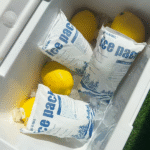
| Pacotes de gel (materiais de mudança de fase) | Pacotes reutilizáveis que solidificam a uma temperatura específica e liberam frio à medida que derretem | Controle a temperatura sem excesso de água; seguro para frete aéreo |
| Gelo molhado | Gelo tradicional, adequado para viagens curtas quando a drenagem está disponível | Fornece resfriamento rápido; ideal para entregas locais |
| Gelo seco | CO₂ sólido usado para manter produtos congelados abaixo de –18 °C | Mantém condições ultrafrias para remessas de longa distância |
| Registradores de dados/sensores IoT | Dispositivos que registram temperatura, umidade e localização continuamente | Forneça alertas em tempo real e rastreabilidade para auditorias regulatórias |
| Câmaras frigoríficas e freezers | Salas refrigeradas para 0 °C–5 °C e instalações de armazenamento congelado a –18 °C ou menos | Inibir o crescimento microbiano e prolongar a vida útil |
| Embalagem a vácuo & atmosfera modificada | Pacotes com oxigênio reduzido; prolongar a vida útil e evitar queimaduras de congelamento | Melhorar a aparência, reduzir a oxidação e permitir um transporte mais longo |
Dicas práticas para seleção de equipamentos
Avalie suas necessidades: Considere as espécies, quantidade, tempo de trânsito e destino. Produtos de alto valor justificam investimento em sensores IoT e embalagens avançadas.
Validar equipamento: Calibre termômetros e sensores regularmente e mantenha registros de serviço para auditorias.
Combine soluções: Use uma combinação de isolamento, refrigerantes e monitoramento em tempo real. Por exemplo, pacotes de gel com sensores IoT podem manter a temperatura e fornecer alertas.
Pense na sustentabilidade: Escolha embalagens reutilizáveis e materiais ecológicos para reduzir o desperdício. Unidades de refrigeração movidas a energia solar são opções emergentes para regiões com eletricidade limitada.
Caso prático: Um exportador usou gelo derretido em recipientes isolados para manter o peixe em temperatura ambiente. 0 °C ao empregar sensores IoT para rastreamento em tempo real. Os alertas permitiram que a equipe ajustasse a rota e evitasse desvios de temperatura, reduzindo a deterioração e aumentando a satisfação do cliente.
Como você pode manter o peixe fresco durante o armazenamento e transporte?
Manter os frutos do mar seguros requer mais do que equipamento; exige processos disciplinados.
Higiene e higienização
Manter a higiene das áreas de armazenamento evita a contaminação cruzada. Câmaras frigoríficas e equipamentos devem passar por limpeza rigorosa com produtos homologados; pisos, paredes, prateleiras e utensílios devem ser higienizados com frequência. Os operadores devem usar equipamentos de proteção individual e descartar os resíduos de maneira adequada.
Cumprimento das normas de saúde
Normas sanitárias estabelecem requisitos para instalações, procedimentos operacionais e rastreabilidade. As empresas que seguem essas regras demonstram compromisso com a qualidade e a saúde do consumidor. Manter registros de temperatura e higienização é especialmente importante para exportadores que enfrentam diversas regulamentações internacionais.
Embalagem adequada e controle de umidade
A embalagem deve proteger o peixe da contaminação, perda de umidade e danos físicos. Use materiais resistentes à umidade e baixas temperaturas; embalagens a vácuo e caixas isotérmicas podem prolongar a vida útil. O controle da umidade evita o ressecamento ou a formação de gelo e preserva a textura.
Monitoramento e tecnologia
Sensores conectados e sistemas IoT permitem monitoramento em tempo real de temperatura e umidade. Avisos automáticos permitem ações corretivas imediatas quando as condições divergem. Essa automação reduz o erro humano, melhora a rastreabilidade e diminui o desperdício.
Gestão de transporte
Os veículos alimentares refrigerados ou congelados devem ser validados periodicamente e manter temperaturas estáveis durante toda a viagem. Roteamento inteligente, embalagens térmicas e processos ágeis de carga/descarga evitam oscilações térmicas. PARA FIFO (Primeiro a entrar, Primeiro a sair) estratégia garante que o estoque mais antigo seja usado primeiro, reduzindo desperdícios e gerenciando prazos de validade.
Treinamento de pessoal e POPs
Pessoal não treinado pode introduzir erros críticos. Fornecer treinamento baseado em cenários sobre leitura de registros de temperatura, responder a alertas e lidar com inventário de alto valor. SOPs digitais e painéis gamificados melhoram a conformidade e reduzem erros humanos.
Exemplo do mundo real: Um exportador de frutos do mar obteve FSSC 22000 certificação após implementar monitoramento contínuo de temperatura e umidade com alertas de violação que desencadearam ação imediata. O sistema reduziu o desperdício e melhorou a prontidão para auditoria.
2025 tendências que moldam a logística da cadeia de frio de frutos do mar
A logística da cadeia de frio está evoluindo rapidamente. Novas tecnologias e iniciativas de sustentabilidade estão a mudar a forma como os produtos do mar são transportados e armazenados.
Otimização de rotas orientada por IA e análise preditiva
A inteligência artificial permite ajustes de rotas em tempo real com base no tráfego, previsão do tempo e janelas de entrega. Isso melhora a eficiência, reduz o consumo de combustível e aumenta a confiabilidade da entrega. Demanda de previsão de análise preditiva, antecipar a manutenção de equipamentos e detectar remessas de alto risco. A previsão da procura baseada na IA é especialmente valiosa para os fornecedores de produtos do mar que enfrentam volumes voláteis de captura e mudanças nas preferências dos consumidores..
Blockchain e rastreabilidade ponta a ponta
Blockchain está sendo integrado às operações da cadeia de frio para criar registros imutáveis de jornadas de produtos. Isso aumenta a transparência, garante a conformidade com os regulamentos de segurança alimentar e constrói a confiança do consumidor. Combinado com sensores IoT, blockchain pode registrar temperatura, localização e condições de manuseio em cada etapa, fornecendo provas verificáveis para auditorias e reclamações.
Embalagem sustentável e leve
Materiais ecológicos, como isolamento biodegradável ou reciclável, estão ganhando força para reduzir o desperdício. Leve, contêineres isolados equipados com sensores IoT monitoram a temperatura, umidade e localização em tempo real. Soluções de refrigeração movidas a energia solar estão sendo implantadas em regiões com acesso limitado à eletricidade, reduzir a pegada ambiental e, ao mesmo tempo, melhorar a segurança alimentar.
Monitoramento em tempo real e visibilidade ponta a ponta
O monitoramento contínuo e o rastreamento em tempo real estão se tornando padrão. Dispositivos IoT avançados fornecem dados em tempo real sobre temperatura, umidade e localização. Plataformas integradas permitem visibilidade de ponta a ponta e permitem ações corretivas imediatas. A visibilidade em tempo real aumenta a satisfação do cliente, fornecendo informações atualizadas sobre seus pedidos.
Automação e robótica
As instalações da cadeia de frio estão adotando sistemas automatizados de armazenamento e recuperação (AS/RS) e manuseio robótico para resolver a escassez de mão de obra e melhorar a eficiência. Sistemas automatizados operam continuamente, reduza erros no rastreamento de estoque e forneça controle preciso de temperatura. Estudos indicam que cerca 80 % dos armazéns ainda não são automatizados, destacando um potencial significativo de crescimento.
Sustentabilidade como valor fundamental
As preocupações ambientais e as regulamentações mais rigorosas estão a empurrar a sustentabilidade para a vanguarda da logística da cadeia de frio. Refrigeração com eficiência energética, fontes de energia renováveis e embalagens sustentáveis reduzem a pegada de carbono e minimizam o desperdício. Práticas sustentáveis também ajudam as empresas a cumprir as regulamentações ambientais e evitar penalidades.
Mesa 3 – Tendências emergentes e seu significado prático
| Tendência | Descrição | O que isso significa para você |
| IA & otimização de rota | IA ajusta rotas em tempo real com base no tráfego, clima e horários | Reduza o tempo de trânsito, custos de combustível e desvios de temperatura |
| Rastreabilidade de blockchain | Registros imutáveis de temperatura, localização e manuseio | Construir a confiança do consumidor, simplificar auditorias e responder rapidamente a recalls |
| Embalagem sustentável & refrigeração solar | Materiais ecológicos e unidades movidas a energia solar | Cumpra as metas de sustentabilidade e reduza os custos de energia |
| Contêineres habilitados para IoT | Recipientes leves com sensores de temperatura, umidade e localização | Monitoramento contínuo e maior vida útil |
| Automação & Robótica | Armazenamento automatizado, sistemas de recuperação e manuseio | Custos trabalhistas mais baixos, reduza erros e mantenha temperaturas consistentes |
| Visibilidade integrada & análise preditiva | Plataformas ponta a ponta de IoT e IA | Gestão proativa de riscos, melhor conformidade e melhor previsão de demanda |
Insights de mercado
O comércio internacional e a expansão do varejo impulsionam o crescimento da cadeia de frio. De acordo com MarketsandMarkets, o mercado da cadeia de frio deverá atingir USD 372 bilhão por 2029, acima de USD 228.3 bilhão em 2024. As tendências alimentares e as redes sociais impulsionadas por influenciadores também estão aumentando a demanda por diversos produtos de frutos do mar. A região Ásia-Pacífico, especialmente a Índia, está preparada para um forte crescimento devido ao alto consumo de laticínios e à expansão dos restaurantes de serviço rápido.
Perguntas frequentes
A que temperatura o peixe fresco e congelado deve ser armazenado? O peixe fresco deve ser mantido entre 0 °C e 5 °C, enquanto o peixe congelado deve permanecer em –18 °C ou mais frio. Manter essas temperaturas preserva o sabor e evita a deterioração.
Por que é necessário o monitoramento contínuo na cadeia de frio de frutos do mar? O monitoramento contínuo usando registradores de dados ou sensores IoT fornece alertas em tempo real quando a temperatura ou a umidade se desviam. Permite ações corretivas imediatas e oferece suporte à rastreabilidade.
Quais as melhores opções de embalagens para envio de frutos do mar? Use caixas isoladas com pacotes de gel para peixe fresco e gelo seco para produtos congelados. A embalagem deve ser resistente à umidade e fornecer uma barreira ao oxigênio.
Preciso seguir o HACCP se transportar apenas frutos do mar? Sim. Os princípios HACCP aplicam-se a todas as fases da cadeia de abastecimento de produtos do mar, incluindo armazenamento e transporte. HACCP ajuda a identificar perigos, estabelecer pontos críticos de controle e garantir a segurança alimentar.
Como o blockchain melhora a rastreabilidade de frutos do mar? Blockchain cria registros à prova de falsificação de cada etapa, da colheita até a entrega. Juntamente com sensores IoT, pode documentar temperatura e localização, facilitando as auditorias e aumentando a confiança do consumidor.
Resumo e recomendações
Takeaways -chave: A manutenção da cadeia de frio de frutos do mar requer um controle preciso da temperatura (0–5 °C para fresco, ≤ –18 °C para congelados), adesão a regulamentos como HACCP, Regras de higiene da FSMA e da UE, embalagens e refrigerantes adequados, monitoramento contínuo e sistemas robustos de rastreabilidade. Tendências emergentes, como otimização de rotas orientada por IA, blockchain e embalagens sustentáveis estão transformando a indústria. Higiene, o treinamento da equipe e a manutenção de registros continuam essenciais.
Plano de ação:
Defina seus pontos críticos de controle usando HACCP e configurando monitoramento em tempo real em cada etapa.
Invista no equipamento certo: Escolha embalagens isoladas, pacotes de gel ou gelo seco, e sensores IoT para monitoramento contínuo. Calibre dispositivos regularmente.
Implementar plataformas integradas para vincular seu WMS, TMS e ERP, garantindo visibilidade de ponta a ponta e conformidade simplificada.
Fique compatível: Revise os requisitos da FSMA e da UE, manter registros de temperatura e buscar certificação de terceiros.
Abrace a inovação: Otimização de rota Pilot AI, rastreabilidade blockchain e soluções de embalagens sustentáveis para reduzir desperdícios e melhorar a eficiência.
Sobre Tempk
Perfil de companhia: E tempk, somos especializados em soluções sustentáveis para cadeia de frio. Nossos recipientes isolados e pacotes de gel de mudança de fase são projetados para manter os frutos do mar em 0 °C–5 °C por mais 48 horas, enquanto nossas alternativas de gelo seco mantêm –18 °C para produtos congelados. Projetamos embalagens reutilizáveis feitas de materiais recicláveis, ajudando você a cortar custos e reduzir o impacto ambiental. Com um R&Centro D focado em refrigerantes inovadores, melhoramos continuamente o desempenho e a segurança.
Por que nos escolher? Oferecemos um conjunto completo de embalagens sensíveis à temperatura, Dispositivos de monitoramento e serviços de conformidade habilitados para IoT. Nossos especialistas ajudam você a implementar o HACCP, Requisitos da FSMA e da UE, e oferecemos treinamento para garantir que sua equipe manuseie frutos do mar com segurança. Também oferecemos soluções personalizadas para remessas em temperaturas mistas e exportações de longa distância. Para saber como nossos produtos podem proteger seus frutos do mar e elevar sua cadeia de frio, entre em contato com nossa equipe para uma consulta.