Cadeia de abastecimento da cadeia fria: Inovar & Otimizar 2025
Are you curious about how to keep vaccines, seafood and plant based foods safe from farm to table? UM cold chain supply chain ensures temperature sensitive goods stay within precise ranges during storage, transporte e entrega. Em 2025 this system is booming: analysts estimate the global cold chain logistics market will grow from about US$436 billion in 2025 para mais de US$ 1,3 trilhão 2034, while e commerce, biologics and plant based foods are driving demand. This guide will explain what a cold chain supply chain is, why it matters and how you can harness emerging technologies and sustainable practices to stay ahead.

What defines a cold chain supply chain? — explore gestão da cadeia de suprimentos da cadeia de frio e temperature controlled operations that keep goods safe from origin to consumption
Como estão tecnologias como IA, IoT and blockchain transforming logistics? — learn about AI powered cold chain supply chain solutions e rastreabilidade habilitada para blockchain Melhorando a eficiência e a conformidade
Which market trends and regional drivers matter? — understand market sizes, growth rates and regulatory forces shaping cold chain supply chain growth
What sustainable practices and innovations are emerging? — discover solar powered storage, –15 °C standards and eco friendly cold chain supply chain strategies
How can you optimize your operations? — get actionable tips on selecting technology, partnering with experts and reducing waste
What is a Cold Chain Supply Chain and Why Is It Growing?
A cold chain supply chain is the coordinated network of refrigerated storage, transporte isolado, packaging and monitoring technologies that keep temperature sensitive goods within safe limits across every node. It covers raw materials, manufacturing plants, centros de distribuição, caminhões, navios, retail outlets and even home delivery services. Ao contrário da logística geral, it requires constant temperature control—often 2–8 °C for vaccines or –18 °C for frozen foods—to prevent spoilage and maintain potency. Por 2025, the sector is expanding rapidly: Precedence Research projects that the global cold chain logistics market is valued at US$436.30 billion and is expected to exceed US$1.3 trillion by 2034, crescendo em um CAGR de 13.46 %. Multiple drivers fuel this growth: rising global food trade, surging e commerce and meal kit deliveries, technological innovation and stricter regulations.
Cold chain supply chains are essential for modern life. They safeguard vaccines, Biologics, frutos do mar, laticínios, frozen meals and even plant based proteins. Durante a pandemia de COVID 19, they enabled the distribution of temperature sensitive vaccines and medications globally. Today the demand persists as consumers expect fresh produce year round and governments enforce strict food and drug safety standards. The market boom is also tied to technological readiness: Sensores de IoT, AI route optimization and blockchain platforms now provide real time visibility and traceability.
Essential Components of Cold Chain Supply Chain Solutions
An efficient cold chain supply chain combines physical assets with smart technologies. Os principais componentes incluem:
Armazéns refrigerados: temperature controlled storage facilities maintain consistent conditions for goods awaiting distribution. Modern warehouses feature energy efficient designs and IoT sensors that track temperature, humidity and door status to ensure compliance.
Insulated vehicles and reefer containers: specially designed trucks, trailers and marine containers keep products at required temperatures during transit. Some vehicles use electric or hybrid cooling systems and are equipped with GPS and IoT sensors for real time monitoring.
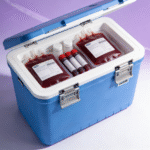
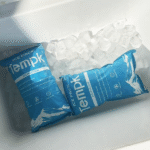
Smart packaging and containers: materiais avançados (painéis isolados a vácuo, materiais de mudança de fase) and reusable cold packs ensure that temperature is maintained even when external conditions fluctuate. Lightweight smart containers integrate sensors and 5G connectivity.
Tecnologias de monitoramento: Sensores de IoT, data loggers and blockchain gateways provide continuous data on temperature, localização e umidade, enabling predictive analytics and rapid response to deviations.
Human expertise and processes: equipe treinada, standard operating procedures and quality management systems (por exemplo, Boas Práticas de Distribuição) ensure that technology is used correctly and that corrective actions are taken when alarms trigger.
| Componente da cadeia de frio | Principais recursos | Benefit for your business |
| Armazéns refrigerados | Refrigeração com eficiência energética, Monitoramento da IoT | Protect inventory, reduzir custos de energia, comply with food and drug regulations |
| Insulated vehicles & recipientes | Caminhões frigoríficos, refrigeração híbrida, Rastreamento GPS | Maintain temperature during transit, ensure delivery integrity |
| Embalagem inteligente & recipientes | Vacuum insulation, materiais de mudança de fase, 5G sensors | Extend temperature hold time, reduzir o desperdício de embalagens, enable real time visibility |
| Tecnologias de monitoramento | Sensores de IoT, registradores de dados, blockchain gateways | Provide alerts, habilitar manutenção preditiva, apoiar trilhas de auditoria |
Dicas e sugestões práticas
Implement multi layer packaging for delicate goods: use insulated boxes lined with phase change materials and gel packs to maintain temperatures during hand offs.
Adote monitoramento em tempo real e análises preditivas: deploy IoT sensors connected to a cloud dashboard to identify temperature excursions instantly and use AI to predict equipment failures.
Partner with experienced third party providers: collaborate with 3PL specialists who offer cold storage, transportation and compliance services to reduce complexity.
Estudo de caso: Pharma supply chains in Southeast Asia use blockchain based tracking systems with IoT sensors and solar powered storage to monitor vaccine shipments. All temperature and travel data is recorded on a distributed ledger, allowing regulators and stakeholders to verify compliance and preventing tampering. This combination of technology ensures safe delivery even in regions with unreliable power.
How Are Innovation Technologies Reshaping Cold Chain Supply Chains?
Digital technologies—AI, IoT, blockchain, robotics and advanced materials—are transforming cold chain supply chains by boosting visibility, eficiência e resiliência. IoT devices and sensors collect real time temperature, dados de umidade e localização; Algoritmos de IA analisam o tráfego, weather and demand to optimize routes and forecast maintenance; blockchain creates a tamper proof record of every product movement; and advanced materials like solar panels and lightweight insulation reduce energy consumption and carbon footprints. These innovations are no longer experimental; major logistics providers and manufacturers are adopting them across warehouses and transportation networks, delivering immediate cost savings and competitive advantages.
Emerging technologies also enable new service models. Durante a pandemia, many B2B distributors pivoted to direct to consumer meal kits. With IoT enabled cold storage and route optimization, they can now deliver fresh meals directly to households, bridging the gap between restaurants and consumers. AI powered tools predict demand and adjust inventory, reduzindo o desperdício. Congeladores criogênicos portáteis mantêm temperaturas ultrabaixas (–80 °C a –150 °C) para produtos biológicos e terapias genéticas. Solar powered refrigeration reduces reliance on the grid and cuts operational costs. Junto, these technologies are reshaping how goods move and enabling new business models.
IA, IoT e Blockchain: Game Changers in Cold Chain Supply Chains
IA e análise preditiva: Algorithms analyse historical and real time data (tráfego, clima, vehicle health) to suggest optimal routes and schedule maintenance. Isto reduz o consumo de combustível, prevents spoilage and improves on time delivery. AI also forecasts demand patterns, helping companies adjust inventory levels and reduce stockouts.
Sensores IoT e dados em tempo real: Connected devices monitor temperature, humidity and location along the supply chain. Continuous data enables immediate action when deviations occur. Quando emparelhado com blockchain, IoT data provides unbroken records that auditors can verify.
Blockchain for transparency and trust: Blockchain technology records every transaction and movement in a secure, razão descentralizada. Major food companies like Walmart and IBM use blockchain to track produce and quickly identify contamination sources. Para produtos farmacêuticos, blockchain ensures vaccine integrity and protects intellectual property.
Robótica, drones e veículos autônomos: Autonomous trucks and drones are being tested for last mile delivery and remote shipping. Companies like Tesla and Waymo are developing autonomous trucks, while drones handle deliveries in congested or remote areas. Robots in warehouses manage inventory and pick orders, reducing human error and maintaining temperature consistency.
Solar and renewable energy: Solar panels power warehouses and reefer trucks, cutting electricity costs and carbon emissions. Commercial solar rates range between 3.2 e 15.5 cents per kWh in the United States, compared with average grid rates of 13.10 centavos, highlighting potential savings. Solar powered units are particularly useful in rural areas with inconsistent power supply.
| Tecnologia | Propósito | Benefício para o seu negócio |
| IA & análise preditiva | Analyse data to optimize routes and forecast demand | Entregas mais rápidas, reduced fuel costs, menos rupturas de estoque |
| Sensores de IoT | Monitorar temperatura, umidade e localização em tempo real | Alertas imediatos, gerenciamento de estoque aprimorado, evidência de conformidade |
| Plataformas Blockchain | Create tamper proof records of product movements | Rastreabilidade aprimorada, fraud prevention, conformidade regulatória |
| Robótica & automação | Use autonomous vehicles, drones and warehouse robots | Custos trabalhistas reduzidos, temperaturas consistentes, higher accuracy |
| Solar & energia renovável | Power warehouses and vehicles with solar panels | Contas de energia mais baixas, pegada de carbono reduzida, resilience in remote areas |
Dicas e sugestões práticas
Pilot AI route optimization on high risk routes: start with shipments that have a history of delays or spoilage; measure improvements and scale gradually.
Integrate IoT sensors with blockchain: use sensors that automatically push data to a blockchain ledger, creating an immutable record for regulators and partners.
Invest in renewable energy solutions: evaluate solar installations for warehouses and reefer trucks; compare costs versus savings using local electricity rates.
Estudo de caso: Walmart and IBM’s Food Trust blockchain initiative records every step of the food supply chain on a blockchain. When contamination occurs, the source can be traced within minutes, enabling quick recalls and reducing waste. De forma similar, autonomous trucks tested by major manufacturers are beginning to deliver goods with minimal human intervention, reducing labor costs and emissions.
Market Trends and Regional Dynamics Driving Growth
The cold chain supply chain market is experiencing explosive growth and diversification across regions and segments. De acordo com a Pesquisa de Precedência, the market will grow from US$436.30 billion in 2025 para mais de US$ 1,3 trilhão 2034. Fortune Business Insights estimates that the market was valued at US$293.58 billion in 2023 and will reach US$862.33 billion by 2032, refletindo um 13 % Cagr. StartUs Insights reports that the sector added over 26,800 funcionários no ano passado, elevando o emprego total para mais de 576,300 and highlighting strong job growth. Innovation is thriving too: mais do que 2,800 patents were filed and the number of patent filings is growing by 36.6 % anualmente. Funding is robust, com mais 1,880 rounds averaging US$56.2 million per deal.
Segmento & Region Insights: Where to Invest
The cold chain supply chain is not monolithic; growth varies by service type, region and technology:
Transportation vs. armazenamento: Transportation accounts for a substantial share of investment, but refrigerated warehousing is also booming due to e commerce and meal kit services. Em 2024, refrigerated warehouses were valued at US$238.29 billion. Dry ice technology captured more than 55 % Quota de mercado, while pre cooling facilities in Asia Pacific generated over US$204.4 billion.
Ásia-Pacífico: Rapid urbanization and rising incomes drive the region’s cold chain growth. Precedence Research projects Asia Pacific will see the highest CAGR (~14,3 %) através 2034. Markets like India and China invest heavily in organized retail and processed foods.
América do Norte: A mature yet expanding market, North America benefits from a strong biopharmaceutical sector and growing e commerce. Investment in cross border transportation and sustainability upgrades continues.
Europa: A consciência ambiental e regulamentações rigorosas levam os operadores europeus a adoptar tecnologias amigas do ambiente e práticas de eficiência energética. Aging infrastructure is being upgraded to comply with new refrigerant rules and sustainability standards.
Mercados emergentes: Sudeste Asiático, África e América Latina estão a investir na capacidade da cadeia de frio para apoiar a expansão dos mercados consumidores e das necessidades farmacêuticas. Solar powered refrigeration and blockchain traceability are particularly valuable in regions with unreliable power.
| Região/segmento | Growth forecast | Oportunidades |
| Ásia-Pacífico | Highest CAGR (~14,3 %) and strong demand for pre cooling facilities and refrigerated warehouses | Invest in modern warehousing, last mile delivery and localized distribution hubs |
| América do Norte | Growth driven by biopharmaceuticals and e commerce | Atualizar instalações antigas, adopt automation and renewable energy |
| Europa | Environmental regulations and aging infrastructure push modernization | Focus on energy efficient equipment, sustainable packaging and new refrigerants |
| Mercados emergentes | Expansion to meet rising consumer demand and healthcare needs | Deploy solar powered refrigeration, blockchain traceability and training programs |
Dicas e sugestões práticas
Evaluate regional opportunities carefully: research market size, regulatory environment and consumer demand before investing; emerging markets may offer high returns but require localized solutions.
Diversificar serviços: provide value added services such as packaging, rotulagem e entrega na última milha para se diferenciar dos concorrentes.
Collaborate for resilience: build partnerships with manufacturers, retailers and technology providers to share resources and knowledge, enhancing supply chain resilience.
Estudo de caso: Durante a pandemia, foodservice distributors pivoted to direct to consumer models. Those with advanced cold chain infrastructure successfully delivered meal kits directly to households. By investing in new warehouses, cross docking facilities and route optimization software, they created new revenue streams and improved customer loyalty.
Sustainability and Resilience in Cold Chain Supply Chains
Sustainability is no longer optional—it’s a competitive advantage. Cold chain logistics consumes significant energy and materials; therefore companies are adopting eco friendly practices to reduce costs and comply with stricter regulations. Arcadia Cold notes that many firms are switching frozen storage temperatures from –18 °C to –15 °C to save energy without compromising product quality. Businesses are also embracing eco friendly packaging, energy efficient warehouses and renewable energy. Consumers and regulators are driving this shift, demanding transparency and accountability.
Sustainability goes beyond carbon footprints; it encompasses resilience to geopolitical disruptions, condições climáticas extremas e choques na cadeia de abastecimento. The Maersk report warns that geopolitical unrest and tariffs can disrupt trade, afetando os tempos de trânsito e a capacidade. Aging cold storage facilities must be upgraded to meet new refrigerant standards and environmental regulations. Enquanto isso, new product categories—plant based, gluten free and organic foods—require more flexible supply chains. Building resilience means diversifying supply sources, adopting digital twins to simulate disruptions and training staff to respond to emergencies.
Green Practices and Circularity
Businesses can implement multiple sustainability strategies:
Embalagem ecológica: Use biodegradable or recyclable materials; sustainable packaging reduces waste and appeals to environmentally conscious consumers.
Eficiência energética: Atualizar sistemas de refrigeração, install energy efficient lighting and adopt LED sensors. Invest in insulation improvements and heat recovery systems to minimize energy loss.
Energia renovável: Deploy solar panels on warehouses and refrigerated trucks. Commercial solar rates are significantly lower than grid rates, offering cost savings and energy independence.
Route optimization and electric vehicles: Use AI algorithms to reduce route length and fuel consumption. Electric and hybrid vehicles cut emissions and reduce operating costs.
Waste reduction and circular economy: Implement recycling programs, reuse packaging and design reverse logistics to reclaim products and materials. Closed loop systems reduce waste and create new revenue streams.
| Estratégia de sustentabilidade | Descrição | Benefício para o seu negócio |
| Adjust frozen storage to –15 °C | Reduces energy consumption without compromising product quality | Menores custos de energia e pegada de carbono |
| Embalagem ecológica | Use biodegradable or recyclable materials | Reduzir o desperdício, improve brand reputation |
| Energia renovável | Install solar panels on warehouses and vehicles | Lower electricity bills, greater resilience |
| Otimização de rota & veículos elétricos | Use AI to shorten routes; adopt EVs | Reduce fuel costs and emissions |
| Práticas de economia circular | Recycle and reclaim materials; design reverse logistics | Minimize waste, recover value |
Dicas e sugestões práticas
Assess energy usage and set targets: conduct energy audits of warehouses and vehicles; set measurable goals to reduce consumption and track progress.
Invest in renewable infrastructure: evaluate the ROI of solar or wind installations; leverage government incentives and tax credits.
Adopt a circular mindset: design products and packaging that can be reused or recycled; engage customers in return programs.
Estudo de caso: A Southeast Asian vaccine program deployed solar powered cold storage units combined with IoT sensors in rural clinics. Commercial solar rates of 3.2–15.5 cents per kWh saved energy costs while ensuring reliable power. Real time monitoring allowed staff to intervene when temperatures approached critical thresholds, prevenção da deterioração da vacina.
2025 Cold Chain Supply Chain Developments and Trends
Últimos desenvolvimentos de vista
Otimização de rotas orientada por IA e manutenção preditiva: Algoritmos analisam o tráfego, weather and delivery schedules to reduce fuel use and maintain temperature integrity. Predictive analytics anticipates equipment failures and demand trends, permitindo manutenção proativa.
Blockchain e rastreabilidade: Distributed ledgers record every product movement and temperature reading, enhancing transparency and simplifying audits.
Refrigeração movida a energia solar e energia renovável: Solar panels reduce energy costs and support operations in remote areas. Solar powered units enable vaccination programs in regions with unreliable electricity.
Smart containers and lightweight materials: Innovative containers integrate sensors and 5G connectivity, reduce weight and improve insulation. Phase change materials and vacuum insulation provide longer hold times.
Congeladores criogênicos portáteis: Mobile units maintain ultra low temperatures (–80 °C a –150 °C) para produtos biológicos e terapias genéticas, enabling flexible distribution of advanced therapies.
Regulatory upgrades: Industries are phasing out refrigerants like HCFCs and HFCs due to environmental regulations, prompting facility upgrades and new equipment adoption.
B2B to D2C expansion and e commerce: Distributors are adapting to direct to consumer models, offering meal kits and rapid grocery deliveries.
Regional investments and infrastructure: Asia Pacific experiences high growth with new warehouses and cross docking facilities; North America expands cold storage for pharmaceuticals; Europe modernizes facilities to meet sustainability requirements.
Insights de mercado e preferências do consumidor
The popularity of plant based and organic foods is reshaping cold chain supply chains. Alimentos à base de plantas podem compensar 7.7 % do mercado global de proteínas por 2030, valued at over US$162 billion. This creates new requirements for packaging, armazenamento e distribuição, as many small and medium enterprises entering the market lack logistics experience. Consumers expect fresher products and faster delivery, pushing companies to develop last mile capabilities. Enquanto isso, the pharmaceutical sector continues to grow, with revenue expected to reach US$1.454 trillion by 2029, reinforcing the need for robust cold chain supply chains. Regulatory compliance—such as the Food Safety Modernization Act in the US and BRC standards in Europe—drives investment in advanced temperature control and traceability.
Perguntas frequentes (Perguntas frequentes)
- How does a cold chain supply chain differ from a regular supply chain?
A cold chain supply chain requires constant temperature control throughout storage and transport, whereas a regular supply chain does not. It uses specialized warehouses, insulated vehicles and monitoring technologies to ensure goods stay within safe ranges. - What role does IoT play in cold chain supply chains?
IoT devices collect real time temperature, dados de umidade e localização. This information allows businesses to respond immediately to deviations, optimize inventory and provide proof of compliance. - How does blockchain enhance transparency in cold chain supply chains?
Blockchain records each transaction and temperature reading on a tamper proof ledger. Stakeholders can trace a product’s journey and verify compliance without intermediaries. - Why is sustainability important for cold chain supply chains?
Energy consumption and material waste are high in cold chain operations. Adopting eco friendly packaging, renewable energy and route optimization reduces carbon footprints, saves money and meets regulatory expectations. - How do AI and predictive analytics improve cold chain supply chain efficiency?
AI analyses data on traffic, weather and demand to optimize routes and forecast inventory needs. Predictive maintenance anticipates equipment failures, reduzindo o tempo de inatividade e a deterioração.
Resumo & Recomendações
This article explored how the cold chain supply chain has become a critical backbone of global commerce in 2025. Demand is surging as consumers expect fresh produce, plant based foods and fast e commerce deliveries, while pharmaceutical and biologics sectors require stringent temperature control. The market is projected to grow rapidly, attracting investment and innovation. Key technologies—AI, IoT, blockchain and solar energy—are transforming operations by providing real time visibility, análise preditiva e rastreabilidade à prova de adulteração. Sustainability and resilience are now strategic imperatives, with companies adopting eco friendly packaging, renewable energy and circular economy practices. Regional dynamics vary: Ásia-Pacífico lidera o crescimento, North America and Europe invest in modernization, and emerging markets embrace solar and blockchain solutions.
Etapas acionáveis e próximos passos
Mapeie sua cadeia de suprimentos: Audit every node—from suppliers to last mile delivery—to identify critical control points and temperature sensitive stages.
Invista em tecnologia: Deploy IoT sensors and AI analytics to gain real time visibility and predictive capabilities. Consider pilot projects for blockchain traceability and autonomous vehicles.
Atualizar infraestrutura: Modernize warehouses and vehicles for energy efficiency; adopt renewable energy and adjust frozen storage to –15 °C where possible.
Build resilient partnerships: Colabore com fornecedores de logística, technology companies and regulatory experts to navigate cross border requirements and share best practices.
Incorporar sustentabilidade: Use embalagens ecológicas, implement recycling programs and design reverse logistics to reduce waste.
Treine sua equipe: Educar a equipe sobre novas tecnologias, emergency response protocols and sustainability goals to ensure consistent operations.
Seguindo estas etapas, you can transform your cold chain supply chain into a resilient, efficient and sustainable network that meets regulatory requirements and delights customers.
Oportunidades de links internos
In your content strategy, connect this article to other resources on your site to enhance reader engagement and SEO. Here are descriptive anchor texts you could use (replace with actual URLs):
“Cold Chain Packaging Solutions Guide” – a comprehensive overview of insulation materials, phase change materials and packaging best practices.
“AI in Supply Chain Management” – an in depth tutorial on applying AI and machine learning to logistics and inventory management.
“Sustainable Warehousing Practices” – a resource covering energy efficiency, renewable energy and waste reduction in warehouses.
“Regulatory Compliance in Cold Chain Logistics” – an article explaining FDA, FSMA and BRC requirements and how to meet them.
“Direct to Consumer Cold Chain Logistics” – insights into meal kit delivery and last mile strategies.
Marcação de esquema recomendada
Implementing structured data can improve your visibility in search results. Recommended schema types include:
Artigo: Mark the main content with the Article schema to identify author, título, data de publicação e palavras-chave.
Página de perguntas frequentes: Use the FAQPage schema for the frequently asked questions section to increase chances of appearing in rich snippets.
Howto: Apply the HowTo schema to the Etapas acionáveis section to help search engines understand the step by step guidance.
Lista Breadcrumb: Provide breadcrumb schema to clarify page hierarchy and improve navigation.
Sobre Tempk
Tempk is an industry leader in cold chain solutions. Nós design and manufacture insulated packaging, refrigerated containers and cold chain supply chain monitoring systems that operate from –80 °C to 50 °C. Our IoT sensors integrate with blockchain platforms to deliver real time visibility and tamper proof records. Sustainability is central to our approach: we offer reusable and recyclable packaging and incorporate solar panels into our cold storage units. Em 2024, Tempk’s solutions helped clients reduce spoilage by up to 25 %, while cutting energy costs thanks to renewable energy adoption.
Ready to Optimize Your Cold Chain Supply Chain?
If you’re looking to modernize your cold chain supply chain or adopt cutting edge technologies, Temp pode ajudar. Contact us today to schedule a personalized consultation and learn how our solutions can improve efficiency, conformidade e sustentabilidade.