A cadeia de frio mantém os seus vegetais crocantes e seguros, do campo até à mesa. Em 2025, o mercado da cadeia de frio alimentar está avaliado em cerca de US$ 65,8 bilhões, e o mercado global de logística da cadeia de frio subiu para aproximadamente US$ 436 bilhões. Como a demanda por produtos frescos, aumento de alimentos minimamente processados e leis de segurança alimentar mais rigorosas, os vegetais viajam mais longe e exigem controle preciso da temperatura. Ainda por aí 526 milhões de toneladas de alimentos—12% da produção global—são perdidos anualmente devido à falta de cadeias de frio, e os vegetais podem sofrer perdas pós-colheita de mais de 50 % em algumas regiões. Este guia explica as tendências que estão transformando a logística de vegetais em 2025 e oferece estratégias práticas para melhorar a qualidade, sustentabilidade e rentabilidade.
Entenda por que a cadeia de frio é importante para os vegetais – explicar como o gerenciamento adequado da temperatura reduz a perda de alimentos e preserva a nutrição.
Explore os impulsionadores do crescimento – revisar tendências de consumo, comércio transfronteiriço e regulamentos que impulsionam o investimento na cadeia de frio.
Aprenda sobre tecnologias de ponta – descubra como a IA, IoT e blockchain melhoram rastreabilidade e eficiência.
Implementar melhores práticas – encontrar faixas de temperatura recomendadas, diretrizes de embalagem e manuseio para vários vegetais.
Prepare-se para a sustentabilidade e as tendências futuras – veja como os sistemas energeticamente eficientes e a logística mais ecológica abordam os objetivos climáticos.
Por que a cadeia de frio é importante para os vegetais
Perda de alimentos e nutrição. Sem refrigeração, vegetais estragam rapidamente. Cerca de 13% de todos os alimentos produzidos é perdido devido a cadeias de frio insuficientes, e os pequenos agricultores da África Subsaariana perdem mais de 50% das colheitas de vegetais. Cadeias de frio adequadas reduzem o crescimento microbiano e as reações enzimáticas, prolongando a vida útil e protegendo os nutrientes.
Segurança e conformidade. Regulamentações como os EUA. Lei de Modernização da Segurança Alimentar (FSMA) Regra 204 exigem rastreabilidade de 24 horas para alimentos de alto risco. Manter vegetais em 0–5 ° C. (32–41°F) preserva a textura e previne patógenos. O monitoramento em tempo real garante conformidade e reduz recalls.
Impacto económico e social. Perda e desperdício de alimentos são responsáveis por 8–10% das emissões globais de gases com efeito de estufa. Ao melhorar as cadeias de frio, podemos alimentar mais do que 1 bilhão de pessoas actualmente afectados pela insegurança alimentar. Uma logística eficiente também aumenta os rendimentos dos agricultores e cria empregos.
Um olhar mais atento sobre as perdas de vegetais
| Emitir | Evidência | Impacto nos vegetais | Por que isso importa para você |
| Perda pós-colheita | Até 50 % da perda de rendimentos vegetais na África Subsaariana devido a cadeias de frio inadequadas | O desperdício reduz a renda dos agricultores e a oferta ao consumidor | Melhor armazenamento na cadeia de frio pode reduzir pela metade as perdas pós-colheita, aumentando os lucros e a disponibilidade de alimentos |
| Perda de comida vs.. desperdício | 526 milhões de toneladas de alimentos perdidos anualmente devido a cadeias de frio perdidas ou quebradas | Alta perda de nutrientes para vegetais; energia desperdiçada | Investir em infraestrutura de refrigeração reduz perdas e melhora a sustentabilidade |
| Abuso de temperatura | Legumes congelados requerem −18 °C a −23 °C; vegetais frescos precisam 0–13ºC dependendo da variedade | Desvios levam a cristais de gelo, danos e deterioração da textura | Manter faixas corretas garante qualidade e reduz reclamações |
Dicas para reduzir a perda de vegetais
Pré-resfrie rapidamente: Resfrie rapidamente os vegetais após a colheita usando abatedores ou resfriamento com ar forçado. O resfriamento lento permite a formação de cristais de gelo e reduz a qualidade.
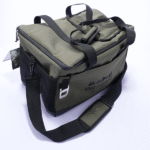
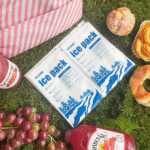
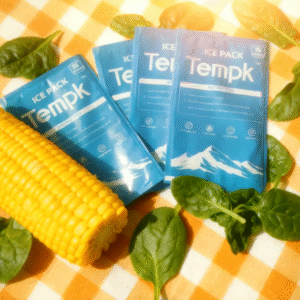
Use embalagens adequadas: Recipientes de espuma isolados, sacos selados a vácuo e pacotes de gel ajudam a manter a temperatura.
Monitorar umidade: A umidade equilibrada evita o murchamento; películas respiráveis permitem a troca gasosa enquanto retêm a umidade.
Instale sensores: Registradores IoT e registradores de dados fornecem dados contínuos de temperatura e umidade, alertando os operadores sobre desvios.
Caso em questão: Um distribuidor do Sudeste Asiático que instalou armazenamento refrigerado alimentado por energia solar e monitoramento de IoT reduziu os custos de energia de 13.10 centavos por kWh para 3.2 centavos, enquanto mantém as vacinas em –80 °C a –150 °C. Sistemas semelhantes para vegetais podem reduzir as contas de energia e preservar a qualidade do produto.
Motores de crescimento no 2025 Legumes da Cadeia de Frio Indústria
Aumento da demanda por alimentos congelados e processados
Estilos de vida urbanos e agendas lotadas aumentaram o consumo de refeições congeladas, carne e frutos do mar. Pesquisa de mercado de persistência relata o mercado global da cadeia de frio alimentar em US$ 65,8 bilhões em 2025 e projeta-o para alcançar US$ 205,3 bilhões por 2032, crescendo em 17.5 % anualmente. Kits de refeições, alimentos prontos para consumo e serviços de mercearia on-line exigem logística refrigerada confiável.
O mercado de vegetais congelados em si vale US$ 57 bilhões em 2025 e tem previsão de atingir US$ 102,3 bilhões por 2035 (Cagr 6 %). Clientes de varejo respondem por 65 % do mercado. A popularidade das dietas à base de vegetais e a conveniência dos vegetais prontos para cozinhar impulsionam esse segmento.
Regulamentações mais rígidas de segurança alimentar
Os governos estão a impor o controlo da temperatura e a rastreabilidade em todas as cadeias de abastecimento. A Regra 204 da FSMA exige registros digitais e 24rastreabilidade horária para alimentos de alto risco. Na Europa, o Mover para coalizão de –15 °C incentiva o aumento da temperatura do freezer de –18 °C a –15 °C, entregando 10–15 % economia de energia enquanto preserva os alimentos. O Embalagem da UE & Diretiva Resíduos requer embalagens recicláveis e reutilizáveis, incentivando as empresas a adotarem materiais ecológicos.
Crescimento do comércio e infraestrutura transfronteiriços
Exportações perecíveis, como carne, frutos do mar e produtos frescos cresceram 5.6 % anualmente desde 2018. As economias emergentes estão a expandir a capacidade de armazenamento refrigerado – a capacidade de armazenamento refrigerado da Índia cresceu 35 % entre 2020 e 2024, enquanto a capacidade da China excede 200 milhões de m³. Espera-se que o mercado da cadeia de frio da Ásia-Pacífico cresça 11 % por 2025, mas a infraestrutura desigual cria disparidades regionais. Países como as Filipinas pretendem aumentar a capacidade de armazenamento refrigerado 10–15 % anualmente para apoiar as exportações.
Digitalização e tecnologia de sensores
As plataformas IoT e a análise preditiva ajudam a reduzir a perda de produtos e a otimizar rotas. Soluções digitais podem reduzir o tempo de inatividade em até 50 %, reduzir custos de reparo 10–20 % e salve 10–30 % de energia. O rastreamento em tempo real satisfaz as demandas regulatórias e aumenta a confiança do consumidor. Blockchain fornece registros à prova de adulteração de cada transferência, garantindo rastreabilidade de ponta a ponta.
Preferências do consumidor por qualidade e conveniência
Os consumidores querem produtos frescos, vegetais minimamente processados, mas também valorizam a conveniência. Assinaturas de kits de refeição, serviços de mercearia online e restaurantes de serviço rápido dependem de logística refrigerada. Na Índia, o setor de restaurantes de serviço rápido deverá crescer 20–25 % anualmente, sublinhando a necessidade de cadeias de frio fiáveis.
Inovações tecnológicas transformando cadeias de frio de vegetais
Inteligência Artificial e otimização de rotas
A IA está revolucionando a logística da cadeia de frio ao otimizar rotas com base em padrões de tráfego, previsão do tempo e janelas de entrega. Isso reduz o consumo de combustível e garante entregas pontuais. Plataformas de IA de armazém prevêem falhas de equipamentos, agendar manutenção e fornecer previsões de estoque. Sistemas de armazenamento automatizados melhoram a segurança e reduzem os custos de mão de obra.
Blockchain para rastreabilidade
Blockchain cria registros imutáveis de jornadas de produtos. Aumenta a transparência, garante a conformidade com os regulamentos de segurança alimentar e constrói a confiança do consumidor. Registrando cada transferência na cadeia de suprimentos, blockchain evita produtos falsificados e simplifica auditorias.
Monitoramento habilitado para IoT
A Internet das Coisas permite o rastreamento contínuo de produtos sensíveis à temperatura. Sensores fornecem dados em tempo real sobre temperatura, umidade e localização. Alertas imediatos permitem ações corretivas quando ocorrem desvios, reduzindo a deterioração e o desperdício. A integração GPS ajuda a ajustar rotas de acordo com o tráfego e o clima.
Refrigeração movida a energia solar e renovável
Unidades de refrigeração movidas a energia solar estão ganhando força em regiões com eletricidade limitada. Empresas como a Eja Ice Nigeria implantam armazenamento refrigerado movido a energia solar para reduzir o desperdício de alimentos e melhorar a segurança alimentar. Soluções de energia renovável reduzem custos operacionais e emissões, tornando as cadeias de frio mais sustentáveis.
Contêineres inteligentes leves
Recipientes leves e isolados com sensores integrados monitoram a temperatura, umidade e localização. Esses contêineres melhoram a eficiência e reduzem o peso, reduzindo custos de transporte. Embalagens inteligentes reutilizáveis reduzem o desperdício e apoiam cadeias de abastecimento circulares.
Gerenciamento de temperatura para diferentes vegetais
O controle de temperatura varia de acordo com o produto:
Legumes congelados: exigir –18 °C a –23 °C para interromper o crescimento bacteriano e reações enzimáticas. Qualquer flutuação pode formar cristais de gelo e danificar estruturas celulares.
Folhas verdes frescas: precisar 0–4ºC e alta umidade para evitar murchamento.
Vegetais de raiz (batatas, cebola): tolerar 10–13ºC. Temperaturas mais altas evitam lesões por frio.
Vegetais tropicais (tomates, pepinos): preferir 10–13ºC e umidade moderada.
Manter a umidade ideal é crucial; os recipientes devem equilibrar a umidade para evitar desidratação ou apodrecimento.
Dicas práticas de manuseio
Use contêineres frigoríficos: Defina controles precisos de temperatura e umidade. Legumes frescos precisam 32–40°F (0–4ºC), enquanto as variedades tropicais precisam 50–55°F (10–13ºC).
Planeje carga e descarga: Transferências rápidas minimizam a exposição às temperaturas ambientes.
Implemente monitoramento em tempo real: Sensores e GPS fornecem dados contínuos e alertam os manipuladores sobre desvios.
Tenha energia reserva: Geradores evitam interrupções durante interrupções.
Exemplo do mundo real: Em julho 2025 UNICEF enviado 500 000 doses de vacina pneumocócica por mar. O planejamento cuidadoso das rotas e a logística verde reduziram as emissões de gases de efeito estufa em 90 % e reduzir custos de frete 50 % em comparação com frete aéreo. Estratégias semelhantes podem ser aplicadas aos envios de vegetais para poupar dinheiro e reduzir o impacto climático.
Sustentabilidade e Impacto Ambiental
Pegada de carbono da cadeia de frio
A cadeia de frio alimentar é responsável por 4 % das emissões globais de gases com efeito de estufa. Consumo de energia para refrigeração, vazamento de refrigerante e perda de alimentos devido ao resfriamento inadequado são as principais fontes. As operações da cadeia de frio também consomem 17 % da eletricidade do mundo. Combater estas emissões é essencial para cumprir as metas climáticas.
Perda de alimentos e mudanças climáticas
Em 2022 mais do que 1.05 bilhões de toneladas de alimentos foram desperdiçados, enquanto 783 milhões de pessoas passou fome. A perda e o desperdício de alimentos contribuem 8–10 % das emissões globais anuais de gases de efeito estufa – quase cinco vezes as emissões da aviação. A redução das perdas na cadeia de frio pode, portanto, proporcionar benefícios ambientais e sociais significativos.
Estratégias sustentáveis
| Estratégia | Descrição | Benefício para você |
| Energia renovável | Instalar painéis solares ou turbinas eólicas para alimentar equipamentos de armazenamento e transporte a frio. Use veículos elétricos para entrega de última milha. | Reduz emissões e custos de energia; aumenta a resiliência à volatilidade dos preços da energia. |
| Refrigerantes naturais | Substitua refrigerantes de alto GWP por CO₂, amônia ou hidrocarbonetos, em linha com a Emenda Kigali e os regulamentos da EPA. | Reduz as emissões diretas de gases de efeito estufa e prepara o equipamento para o futuro contra a regulamentação. |
| Operações com eficiência energética | Adote o Mude para –15 °C iniciativa, aumentando as temperaturas do congelador de –18 °C para –15 °C para economizar 10–15 % de energia. Use painéis isolados a vácuo e materiais de mudança de fase para melhorar o isolamento. | Reduza os custos operacionais e aumente a vida útil do equipamento; manter a qualidade e reduzir o desperdício. |
| Logística verde | Use IA para otimização de rotas e consolidação de carga; mudança para modos de transporte com baixo teor de carbono (ferroviário ou marítimo). Implementar microcentros de atendimento para reduzir a distância de viagem. | Reduz o consumo de combustível e as emissões; melhora a velocidade e a confiabilidade da entrega. |
| Embalagem circular | Mude para recipientes recicláveis e reutilizáveis. A Diretiva de Embalagens da UE exige que tais materiais. Recipientes inteligentes com sensores podem ser reutilizados várias vezes. | Reduz o desperdício de embalagens e cumpre a legislação; reduz custos a longo prazo. |
Tendências de mercado e padrões de consumo
Dinâmica de preços e oferta
Os EUA. Serviço de Pesquisa Econômica relata que os preços no varejo de vegetais frescos aumentaram em 2.8 % de julho 2025 para agosto 2025 e foram 2.9 % superior ao ano anterior. Apesar das flutuações sazonais devido a eventos climáticos na Califórnia e na Flórida, prevê-se que vegetais frescos custem aproximadamente o mesmo em 2025 como em 2024, com um intervalo de previsão de –1.3 % para 1.3 %. No nível da fazenda, espera-se que os preços dos vegetais diminuir em 14.1 % em 2025 devido à melhoria dos rendimentos e à estabilização da oferta. Preços de varejo estáveis beneficiam os consumidores, mas podem pressionar os produtores, enfatizando a necessidade de uma logística eficiente para manter as margens.
Crescimento regional e consumo
O Ásia-Pacífico mercado da cadeia de frio deverá crescer 11 % por 2025, impulsionado pelo aumento da renda e pela urbanização. No entanto, infra-estruturas e condições climáticas desiguais significam que alguns países ficam para trás, criando oportunidades de investimento em instalações de armazenamento refrigerado sustentáveis.
O consumo per capita de vegetais congelados varia. Países desenvolvidos como os Estados Unidos, O Reino Unido e a Alemanha reportam um consumo mais elevado devido a estilos de vida ocupados e ao armazenamento generalizado em frigoríficos. Mercados emergentes, incluindo a Índia, Brasil e África do Sul, mostram o aumento do consumo à medida que a infraestrutura da cadeia de frio melhora. Leste Asiático, particularmente o Japão, é projetado para ser o mercado que mais cresce, com um 6.1 % Cagr.
Produção e automação com valor agregado
O mercado de produtos minimamente processados e de valor agregado cresceu à medida que os consumidores exigem conveniência. Os produtos com valor acrescentado atingiram um 15.4 % compartilhar das vendas de produtos frescos em 2025. Tecnologia de automação, como descaroçadores e descascadores robóticos, pode processar 2 500 peças por hora, melhorando a eficiência e reduzindo os custos trabalhistas. Estas inovações exigem uma gestão precisa da cadeia de frio para manter a qualidade após o corte.
Mesa: Principais métricas de mercado e sustentabilidade
| Métrica | 2025 Valor | Previsão / Impacto | Significado prático |
| Mercado global de logística da cadeia de frio | US$ 436 bilhões | Espera-se que exceda US$ 1,36 trilhão por 2034 | Mostra rápido crescimento; oportunidades de investimento em logística e infraestrutura |
| Mercado da cadeia de frio alimentar (geral) | US$ 65,8 bilhões | Projetado para alcançar US$ 205,3 bilhões por 2032 (Cagr 17.5 %) | Destaca a forte demanda por serviços de cadeia de frio em todas as categorias de alimentos |
| Mercado de vegetais congelados | US$ 57 bilhões | Espera-se alcançar US$ 102,3 bilhões por 2035 (Cagr 6 %) | Indica aumento da demanda por vegetais congelados; oportunidades para processadores e varejistas |
| Percentagem de alimentos perdidos devido à falta de rede de frio | 12 % (526 milhões de toneladas) | Comida suficiente para alimentar 1 bilhão de pessoas | Enfatiza o impacto social do investimento em infraestrutura da cadeia de frio |
| Participação da cadeia de frio nas emissões globais de GEE | 4 % | O consumo de energia relacionado é 17 % da eletricidade global | Destaca o custo ambiental; medidas de sustentabilidade são essenciais |
| Previsão de preço de vegetais frescos (NÓS) | Inalterado (–1.3 % para 1.3 % mudar) em 2025 | Prevê-se que os preços ao nível agrícola diminuir em 14.1 % | Preços de varejo estáveis beneficiam os consumidores; cadeias de frio eficientes ajudam os produtores a permanecerem lucrativos |
Desafios e Gestão de Riscos
Desafios comuns
Controle de temperatura e estabilidade. Flutuações durante o transporte causam cristalização do gelo, deterioração e deterioração da textura. Falhas de energia e sistemas de resfriamento ineficientes levam a variações de temperatura.
Falta de visibilidade e comunicação. As lacunas no monitoramento dificultam a identificação de onde ocorre o abuso de temperatura. Má coordenação entre fornecedores, transportadoras e varejistas resulta em atrasos e danos ao produto.
Desperdício de embalagens e erros de planejamento. O uso excessivo ou insuficiente de embalagens de gel desperdiça materiais e aumenta o risco de desvios de temperatura.
Não conformidade regulatória. Registros perdidos ou condições inadequadas de armazenamento podem gerar multas e recalls.
Lacunas na infraestrutura e na cadeia de abastecimento. Instalações desatualizadas, rotas de transporte deficientes e altos custos de energia prejudicam a eficiência.
Estratégias para gestão de riscos
Monitoramento e alertas em tempo real: Implante sensores IoT e rastreadores GPS para monitorar a temperatura, umidade e localização continuamente.
Manutenção preditiva: Use análises orientadas por IA para agendar reparos antes de falhas, reduzindo o tempo de inatividade em até 50 % e custos de reparo por 10–20 %.
Visibilidade de ponta a ponta: Integre sistemas de gerenciamento de transporte (EMT) com software ERP para rastrear remessas e estoque. As tecnologias RFID e de código de barras ajudam a manter níveis ideais de estoque.
Otimização de rota: Use IA para otimizar rotas de entrega, reduzindo atrasos e consumo de combustível.
Treinamento e comunicação: Padronize procedimentos para carregamento, descarga e monitoramento; realizar treinamentos e exercícios regulares.
Energia de reserva e energia renovável: Instalar geradores e adotar energia solar ou eólica para garantir refrigeração ininterrupta.
Embalagem sustentável: Calibre os tamanhos das embalagens de acordo com o volume da remessa; adotar contêineres reutilizáveis e sistemas de pooling de circuito fechado.
Dicas práticas e recomendações
Kits de refeição para pequenos lotes: Use recipientes isolados e embalagens de gel que mantenham 0–5 ° C., combinado com registradores IoT para monitoramento de entrega de última milha.
Remessas congeladas de longa distância: Manter –18ºC ou inferior; empregar contêineres inteligentes com sensores e otimização de rotas. Considere o frete marítimo para reduzir emissões e custos.
Processamento de cortes frescos: Aplique descaroçadores e descascadores robóticos para minimizar o tempo de manuseio, em seguida, embale em filmes respiráveis e deixe esfriar rapidamente.
Infraestrutura resiliente: Invista em zonas multitemperaturas, energia solar ou eólica, e micro centros de atendimento.
Programas colaborativos: Educar pequenos agricultores e cooperativas sobre o controle de temperatura e fornecer acesso a armazenamento refrigerado acessível.
Cenário prático: Um exportador de vegetais congelados do Sudeste Asiático instalou sensores IoT e sistemas de energia de reserva. As excursões de temperatura diminuíram em 90 %, e as reclamações sobre prazo de validade caíram drasticamente. Eles também adotaram o Mude para –15 °C diretriz, cortando custos de energia por 10–15 % mantendo a qualidade.
2025 Tendências e perspectivas futuras
Sustentabilidade no centro das operações
A sustentabilidade ambiental é agora um requisito e não uma opção. As operações da cadeia de frio são pressionadas a adotar práticas mais ecológicas, reduzir as pegadas de carbono e manter a eficiência. Inovações em logística verde, gestão de energia e resiliência estão liderando o caminho. As empresas estão integrando energia solar e eólica em instalações e usando biocombustíveis para transporte. Sistemas de certificação como EDGE Advanced (exemplificado pela planta de carbono zero da Emergent Cold no Chile) mostrar a mudança para operações mais ecológicas.
Inteligência Artificial e automação
A IA fornece insights preditivos que otimizam as operações de armazém, prever a demanda e programar a manutenção. Robôs melhoram a utilização do espaço e a segurança. A otimização de rotas habilitada por IA reduz atrasos e custos de combustível, enquanto o monitoramento em tempo real garante condições ideais.
Logística verde e construída sob medida para instalações
A logística sustentável enfatiza fontes de energia renováveis e design eficiente de instalações. Construído para se adequar às soluções, personalizar a capacidade e melhorar a eficiência energética, ajudando as empresas a gerenciar custos e ao mesmo tempo atender aos requisitos regulatórios. A terceirização para fornecedores especializados de armazenamento refrigerado pode reduzir ainda mais as despesas de capital.
Iniciativa de mudança para –15°C
A coalizão Move to –15 °C promove o aumento das temperaturas padrão do freezer de –18 °C para –15 °C, entregando 10–15 % economia de energia e prolongamento da vida útil do equipamento. Grandes corporações estão alinhando operações com esta iniciativa para cumprir metas de sustentabilidade.
Reduzindo a perda e o desperdício de alimentos
Mais do que 1 bilhões de toneladas de alimentos são desperdiçados anualmente, contribuindo para 8–10 % das emissões globais de gases com efeito de estufa. Melhorias na cadeia de frio reduzem perdas pós-colheita e preservam a qualidade do produto, ajudando a alimentar mais pessoas e diminuindo as emissões.
Expansão da capacidade de armazenamento refrigerado e resiliência
A procura por armazenamento refrigerado está a aumentar devido à variabilidade climática e às perturbações na cadeia de abastecimento. As empresas estão expandindo ou terceirizando o armazenamento e usando micro centros de atendimento para melhorar a entrega na última milha. A criação de stocks estratégicos e a diversificação de fornecedores aumentam a resiliência a eventos como o encerramento de canais ou perturbações induzidas pelo clima.
Perguntas frequentes
- A que temperatura os vegetais frescos devem ser armazenados durante o transporte?
Os vegetais frescos geralmente requerem 0–4ºC (32–40°F), enquanto vegetais tropicais, como tomates e pepinos, precisam 10–13ºC (50–55°F). Mantenha a umidade para evitar murchamento e evitar condensação. - Como a IA melhora a logística da cadeia de frio para vegetais?
IA otimiza rotas de entrega, prevê falhas de equipamentos e fornece inventário em tempo real e previsões de demanda. Esses insights reduzem o consumo de combustível, minimizar o tempo de inatividade e melhorar o frescor do produto. - Quais são os maiores desafios no envio internacional de vegetais congelados?
Manutenção –18 °C a –23 °Cdurante toda a jornada é fundamental. Os desafios incluem flutuações de temperatura, quedas de energia, conformidade regulatória e lacunas de visibilidade. Monitoramento em tempo real, energia de reserva e manuseio treinado ajudam a superar esses problemas. - Por que a iniciativa Move to –15 °C é importante?
Aumentando as temperaturas padrão do freezer de –18 °C a –15 °Cpode salvar 10–15 %de energia e prolongar a vida útil do equipamento. Reduz as emissões sem comprometer a segurança alimentar. - Como podem os pequenos agricultores beneficiar de sistemas melhorados de cadeia de frio?
O acesso ao armazenamento refrigerado acessível reduz as perdas pós-colheita, aumenta a renda e permite que os agricultores alcancem mercados distantes. Programas cooperativos e sistemas movidos a energia solar tornam as cadeias de frio acessíveis em áreas fora da rede.
Resumo e recomendações
A gestão eficaz da cadeia de frio é crucial para a indústria vegetal. Takeaways -chave incluir:
Crescimento do mercado: O mercado da cadeia de frio alimentar deverá crescer a partir de US$ 65,8 bilhões em 2025 para US$ 205,3 bilhões por 2032, enquanto o mercado de vegetais congelados deverá atingir US$ 102,3 bilhões por 2035.
Redução de perdas: Cadeias de frio inadequadas levam a 526 milhões de toneladas de perda de alimentos anualmente; a refrigeração adequada pode reduzir pela metade as perdas pós-colheita e alimentar mais pessoas.
Inovação tecnológica: IA, IoT, blockchain e energia renovável melhoram a rastreabilidade, eficiência e sustentabilidade.
Sustentabilidade: A cadeia de frio é responsável 4 % das emissões globais de GEE e 17 % do consumo global de eletricidade. Práticas de eficiência energética e logística verde reduzem o impacto ambiental.
Preços estáveis: Prevê-se que os preços de varejo de vegetais frescos permaneçam estáveis em 2025; cadeias de frio eficientes ajudam a manter a rentabilidade apesar dos preços agrícolas mais baixos.
Plano de ação
Invista em monitoramento digital: Implante sensores IoT, Rastreadores GPS e blockchain para monitoramento e rastreabilidade em tempo real. Escolha soluções que forneçam atualizações de dados de 1 a 5 minutos para intervenções proativas.
Implementar análises preditivas: Use ferramentas de IA para prever a demanda e programar a manutenção, reduzindo o tempo de inatividade em até 50 % e reduzindo custos de reparo.
Adote práticas de eficiência energética: Aumente a temperatura do congelador para –15 °C, instalar sistemas de energia renovável e adotar embalagens reutilizáveis. Essas etapas salvam 10–15 % de energia.
Fortalecer a logística da última milha: Construa microcentros de atendimento, use três veículos de temperatura e otimize rotas para velocidade e eficiência.
Eduque e colabore: Treinar a equipe sobre o manuseio adequado e procedimentos de emergência, e colaborar com agricultores e cooperativas para fornecer armazenamento refrigerado acessível.
Sobre Tempk
A Tempk é uma inovadora confiável em embalagens para cadeia de frio e soluções logísticas. Nós projetamos caixas isoladas, bolsas de gelo, bolsas térmicas e caixas frias médicas para manter seus vegetais e outros produtos sensíveis à temperatura seguros. Nossos produtos são reutilizável, reciclável e projetado para eficiência energética. Apoiado por um R dedicado&Centro D e rigoroso controle de qualidade, ajudamos os clientes a cumprir requisitos regulatórios e metas de sustentabilidade.
Pronto para otimizar sua cadeia de frio de vegetais?
Visite o centro de conhecimento da Tempk para obter mais informações e ferramentas, ou entre em contato com nossos especialistas para uma consulta personalizada. Estamos aqui para apoiar sua jornada em direção a produtos mais frescos, redução de resíduos e uma cadeia de abastecimento mais verde.