How to Optimize the Cold Chain Vegetables Supply Chain in 2025?
Atualizado em 25 dezembro 2025
Ensuring vegetables stay fresh from farm to table has never been more important or more complex. A well managed cold chain vegetables supply chain minimizes waste and maximizes profits, ainda até 12 % of global food production is lost annually because of inadequate cold chains. This comprehensive guide explains why an efficient vegetables cold chain matters, what drives the market in 2025, which technologies are reshaping the industry and how you can stay ahead. Whether you’re a farmer, distribuidor, retailer or logistics manager, this article will show you how to cut losses, reduce emissions and deliver fresher produce to your customers.
Este artigo responderá:
Why is a reliable cold chain vegetables supply chain essential? — Understand the impact of food loss, regulatory requirements and temperature guidelines.
What are the market drivers in 2025? — Explore rising demand for frozen foods, regulamentos mais rigorosos, cross border trade and consumer preferences.
Which technologies are transforming vegetable cold chains? — See how AI, IoT, blockchain and renewable energy improve traceability and sustainability.
How can you manage risks and overcome challenges? — Get practical strategies to control temperature, boost visibility and minimize waste.
What are the latest trends and what’s next? — Discover sustainability initiatives, market growth forecasts and price outlooks.
Why Is a Reliable Cold Chain Vegetables Supply Chain Essential?
Without efficient cold chains, vegetais estragam rapidamente. Inadequate refrigeration is responsible for losing around 526 million tonnes of food each year. Smallholder farmers in parts of Africa lose more than 50 % of their vegetable harvests because of insufficient cooling. Cadeias de frio adequadas reduzem o crescimento microbiano e as reações enzimáticas, extending shelf life and preserving nutrients. They also lower greenhouse gas emissions — food loss and waste account for 8–10 % das emissões globais, while refrigeration processes alone consume 17 % da eletricidade do mundo.
Regulatory compliance is another driver. Os EUA. Lei de Modernização da Segurança Alimentar (FSMA) Regra 204 requer rastreabilidade de 24 horas para alimentos de alto risco, including many vegetables. Maintaining temperatures of 0 - 5 °C (32 - 41 °F) prevents pathogens and preserves texture. Real time monitoring and proper documentation are therefore essential for meeting legal requirements and avoiding costly recalls.
Temperature Requirements and Best Practices for Different Vegetables
Different vegetables require distinct temperature and humidity ranges. Improper handling leads to ice crystals, texture damage or wilting. Use the table below as a quick reference:
| Tipo vegetal | Temperatura recomendada & Umidade | Impact If Ignored | O que isso significa para você |
| Legumes congelados | −18 °C a −23 °C; baixa umidade | Fluctuations form ice crystals and damage cell structure | Consistent ultra low temperatures prevent bacterial growth and preserve flavour. |
| Folhas verdes frescas | 0 - 4 °C with high humidity | Murchando, dehydration and nutrient loss | Maintain high humidity using breathable films or misting to keep leaves crisp. |
| Vegetais de raiz (batatas, cebola) | 10 - 13 °C | Chilling injury or sprouting | Warmer storage avoids injury but still slows spoilage. |
| Vegetais tropicais (tomates, pepinos) | 10 - 13 °C with moderate humidity | Softening and decay | Avoid temperatures below 10 °C to prevent chilling injury. |
Practical Handling Tips for 2025
Use contêineres frigoríficos: Set precise temperature and humidity controls; vegetais frescos precisam 0 - 4 °C while tropical varieties require 10 - 13 °C.
Planeje carga e descarga: Reduce exposure to ambient temperatures by coordinating swift transfers.
Implemente monitoramento em tempo real: Deploy IoT sensors and GPS trackers to get continuous data and alert handlers to deviations.
Have backup power and renewable energy: Generators and solar or wind power prevent disruptions during outages. A Southeast Asian distributor reported that using solar powered cold storage and IoT monitoring slashed energy costs from 13.10 cents per kWh to 3.2 centavos while maintaining ultra low temperatures.
Pré-resfrie rapidamente: Use blast chillers or forced air cooling immediately after harvest to avoid ice crystal formation.
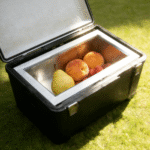
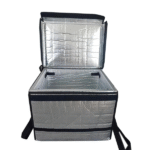
Use embalagens adequadas: Recipientes de espuma isolados, sacos selados a vácuo e pacotes de gel ajudam a manter a temperatura.
Monitorar umidade: A umidade equilibrada evita o murchamento; películas respiráveis permitem a troca gasosa enquanto retêm a umidade.
Instale sensores: IoT loggers provide continuous temperature and humidity data, enabling rapid interventions.
Estudo de caso: Em julho 2025 UNICEF enviado 500 000 vaccine doses by sea; careful route planning and green logistics reduced greenhouse gas emissions by 90 % e reduzir custos de frete 50 % em comparação com frete aéreo. Similar strategies can help vegetable exporters save money and lower their carbon footprint.
What Are the Market Drivers in 2025?
The cold chain vegetables market is expanding rapidly thanks to evolving consumer habits, regulamentações mais rigorosas e inovação tecnológica. Here are the main drivers:
Aumento da demanda por alimentos congelados e processados — Urban lifestyles and the popularity of meal kits have increased consumption of frozen vegetables and ready to eat foods. Persistence Market Research values the food cold chain market at NÓS $65.8 bilhão em 2025 e projeta-o para alcançar NÓS $205.3 bilhão por 2032, crescendo em 17.5 % anualmente. The frozen vegetable market itself is worth NÓS $57 bilhão e espera-se que alcance NÓS $102.3 bilhão por 2035.
Stricter food safety and environmental regulations — FSMA Rule 204 mandates digital records and 24 hour traceability. The Move to 15 °C initiative encourages raising freezer temperatures from –18 °C to –15 °C, entregando 10–15 % economia de energia without compromising safety. The EU Packaging Directive requires recyclable and reusable packaging.
Crescimento do comércio e infraestrutura transfronteiriços — Perishable exports have grown 5.6 % anualmente desde 2018. India’s cold storage capacity grew 35 % entre 2020 e 2024, enquanto a capacidade da China excede 200 milhões de m³. The Asia Pacific market is expected to grow 11 % por 2025, though regional disparities create investment opportunities.
Digitalização e tecnologia de sensores — IoT platforms and predictive analytics help reduce downtime by até 50 %, decrease repair costs by 10–20 % e salve 10–30 % de energia. Blockchain fornece registros à prova de adulteração de cada transferência, garantindo rastreabilidade de ponta a ponta.
Mudando as preferências do consumidor — Consumers demand fresh, minimally processed vegetables and appreciate convenience. Assinaturas de kits de refeição, online grocery services and quick service restaurants rely on reliable refrigerated logistics. The quick service restaurant sector in India is projected to grow 20–25 % anualmente.
Market Statistics and Trends in 2025
| Métrica | 2025 Valor | Previsão / Impacto | Significado prático |
| Mercado global de logística da cadeia de frio | NÓS $436 bilhão | Espera-se que exceda NÓS $1.36 trilhão por 2034 | Rapid growth highlights strong investment opportunities and need for efficient logistics. |
| Mercado da cadeia de frio alimentar (geral) | NÓS $65.8 bilhão | Projetado para alcançar NÓS $205.3 bilhão por 2032 (Cagr 17.5 %) | Indicates increasing demand across food categories, incluindo vegetais. |
| Mercado de vegetais congelados | NÓS $57 bilhão | Previsão para alcançar NÓS $102.3 bilhão por 2035 (Cagr 6 %) | Demonstrates strong growth in frozen vegetables; processors should expand capacity. |
| Percentagem de alimentos perdidos devido à falta de rede de frio | 12 % (526 milhões de toneladas) | Comida suficiente para alimentar 1 bilhão pessoas | Investing in refrigeration infrastructure could dramatically improve food security. |
| Participação da cadeia de frio nas emissões globais de GEE | 4 % das emissões globais; 17 % of world electricity consumption | Reducing emissions through energy efficient practices and renewable power is critical. | |
| Previsão de preço de vegetais frescos (NÓS) | Retail prices largely unchanged in 2025 (–1.3 % para 1.3 % mudar); farm level prices expected to decrease 14.1 % | Stable retail prices benefit consumers but pressure growers; efficiency in cold chains helps maintain margins. | |
| North American cold chain market | NÓS. market estimated at NÓS $91 bilhão em 2025, projetado para alcançar NÓS $109 bilhão por 2030; Canada US $6 billion rising to US $7 bilhão; Mexico US $7 billion rising to US $8 bilhão | Combinado NÓS $124 bilhão North American market highlights regional dominance and opportunities. | |
| Dominant cold storage players | Lineage Logistics has 2.1 bilhões de pés³ de capacidade; Americold Logistics has 1.3 bilhões de pés³ | Together they control over 50 % dos EUA. capacidade de armazenamento frio, giving them pricing power. | |
| Vegetable price volatility | USDA predicts fresh vegetable prices could decrease 0.8 % em 2025 (y o y); no entanto, wholesale prices increased 38.9 % em julho 2025 due to weather and tariffs | Price fluctuations underscore the need for resilient cold chain systems that can buffer supply and demand shocks. |
Which Technologies Are Transforming the Vegetable Cold Chain?
Technological innovation is revolutionizing how vegetables are stored, transported and monitored. The following solutions provide competitive advantages in 2025 e além:
IA, IoT and Blockchain Applications
Inteligência artificial e análise preditiva: IA otimiza rotas de entrega, prevê a demanda e prevê falhas de equipamentos. It can reduce fuel consumption, mitigate delays and lower maintenance costs. AI driven demand forecasting helps address uncertainty in supply and demand.
Monitoramento habilitado para IoT: Sensors continuously track temperature, umidade e localização. Real time alerts enable corrective actions and reduce spoilage. Em 2022 o segmento de hardware foi responsável por mais 76.4 % of the cold chain tracking and monitoring market.
Blockchain para rastreabilidade: Blockchain creates immutable records of each handoff, ensuring transparency and compliance with food safety regulations.
Robótica e automação: Sistemas automatizados de armazenamento e recuperação (AS/RS) and robotic handling systems address labour shortages and reduce errors. Em volta 80 % dos armazéns não são automatizados, indicando potencial de crescimento significativo. Os robôs operam continuamente, improving throughput and ensuring consistent temperature control.
Manutenção preditiva: AI driven analytics schedule repairs before breakdowns, reducing downtime by até 50 % e reduzindo os custos de reparo 10–20 %.
Renewable Energy and Sustainable Refrigeration
Armazenamento refrigerado movido a energia solar: Decentralised, off grid cold storage units, such as those adopted in Andhra Pradesh, help smallholder farmers reduce post harvest losses. A 10 tonne solar cold storage unit cost ₹12.5 lakhs (com cerca de 75 % subsidised) and enabled farmers to store produce on site, saving transport costs and cutting spoilage. Facilities in India’s chilli producing regions were operating at 70–80 % utilisation por 2024, demonstrating energy efficiency and solar adoption.
Refrigerantes naturais: Replacing high GWP refrigerants with CO₂, ammonia or hydrocarbons aligns with the Kigali Amendment and helps reduce direct emissions.
Iniciativa de mudança para –15 °C: Raising freezer temperatures from –18 °C to –15 °C can save 10–15 % of energy while maintaining food safety, extending equipment life and lowering operating costs.
Built to suit and micro fulfilment centres: New facilities are designed with multiple temperature zones, isolamento avançado (such as vacuum insulated panels and phase change materials), renewable energy integration and automation. North American providers like NewCold and RLS Logistics are investing hundreds of millions of dollars in highly automated cold storage facilities to provide flexible, energy efficient capacity.
Route Optimization and Digital Platforms
Planejamento inteligente de rotas: Advanced analytics minimize exposure to adverse weather and reduce transit times. Automated route optimisation and real time tracking lower fuel consumption and operational expenses.
End to end visibility platforms: Real time tracking provides verifiable records of temperature and location, ensuring compliance and enhancing customer satisfaction. Data standardisation is increasing, com 74 % of logistics data expected to be standardised by 2025.
Emerging Trends and Niche Innovations
Solar refrigerated containers e electric reefer trucks are reducing reliance on diesel generators. Companies like Eja Ice Nigeria deploy solar powered cold storage and IoT monitoring to reduce energy bills and maintain quality.
Smart containers with embedded sensors monitor temperature and location, reducing weight and supporting circular supply chains.
Decentralised cooling as a service models: Farmers’ cooperatives and FPOs share solar cold storage units to lower capital costs.
How Can You Manage Risk and Overcome Challenges?
The vegetables cold chain faces many risks, from temperature deviations to communication gaps. Proactive risk management is essential.
Common Challenges and Their Impact
Controle de temperatura e estabilidade: Flutuações durante o transporte causam cristalização do gelo, deterioração e deterioração da textura.
Lack of visibility and coordination: Gaps in monitoring make it hard to pinpoint where temperature abuse occurs. Má coordenação entre fornecedores, carriers and retailers leads to delays and product damage.
Desperdício de embalagens e erros de planejamento: Misuse of gel packs wastes materials and increases the risk of temperature deviations.
Não conformidade regulatória: Missing records or improper storage conditions can result in fines and recalls.
Lacunas de infraestrutura: Instalações desatualizadas, rotas de transporte deficientes e altos custos de energia prejudicam a eficiência.
Risk Management Strategies
Monitoramento e alertas em tempo real: Deploy sensors and GPS trackers to continuously monitor temperature, umidade e localização.
Manutenção preditiva: Use análises orientadas por IA para agendar reparos antes de falhas, reducing downtime and repair costs.
Visibilidade de ponta a ponta: Integrate transportation management systems with enterprise resource planning to track shipments and inventory. Use RFID and barcodes to maintain optimum stock levels.
Otimização de rota: Employ AI to optimise delivery routes, reduzindo atrasos e consumo de combustível.
Treinamento e comunicação: Standardise procedures for loading, descarga e monitoramento; realizar treinamentos e exercícios regulares.
Energia de reserva e energia renovável: Instalar geradores e adotar energia solar ou eólica para garantir refrigeração ininterrupta.
Embalagem sustentável: Calibre os tamanhos das embalagens de acordo com o volume da remessa; adotar contêineres reutilizáveis e sistemas de pooling de circuito fechado.
Dicas Práticas e Recomendações
Kits de refeição para pequenos lotes: Use insulated containers and gel packs that maintain 0–5 °C, combinado com registradores IoT para monitoramento de entrega de última milha.
Remessas congeladas de longa distância: Maintain –18 °C or lower; empregar contêineres inteligentes com sensores e otimização de rotas. Considere o frete marítimo para reduzir emissões e custos.
Processamento de cortes frescos: Aplique descaroçadores e descascadores robóticos para minimizar o tempo de manuseio; package in breathable films and cool quickly.
Invista em infraestrutura resiliente: Develop multi temperature zones, integrate renewable energy and build micro fulfilment centres to improve last mile delivery.
Collaboration and education: Educate small farmers and cooperatives about temperature control; provide affordable cold storage and financing.
Estudo de caso: A Southeast Asian frozen vegetable exporter installed IoT sensors and backup power systems. Temperature excursions fell by 90 %, complaints about shelf life dropped dramatically and raising freezer temperatures to –15 °C cut energy costs by 10–15 %.
What Are the Latest Trends and What’s Next?
Sustainability at the Heart of Operations
Environmental sustainability is no longer optional; it’s expected. A cadeia de frio alimentar é responsável por 4 % of global greenhouse gas emissions and consumes 17 % da eletricidade do mundo. As empresas estão integrando energia solar e eólica em instalações e usando biocombustíveis para transporte. Certification systems such as EDGE Advanced demonstrate zero carbon operations. O Mude para –15 °C iniciativa, supported by major retailers, promises 10–15 % energy savings and extended equipment life. Circular packaging and closed loop pooling systems reduce waste.
Automação e IA
Sistemas automatizados de armazenamento e recuperação, robotics and AI are taking centre stage. Aproximadamente 80 % dos armazéns ainda não são automatizados, deixando espaço significativo para ganhos de eficiência. AI provides predictive insights that optimise warehouse operations, prever a demanda e programar a manutenção. Robots improve safety, reduce labour costs and ensure consistent temperature control.
Green Logistics and Modern Infrastructure
Investments in modern refrigeration systems, automated handling equipment and on site renewable energy are upgrading aging cold storage facilities. Companies are moving toward built to suit solutions that customise capacity and improve energy efficiency. O North America food cold chain logistics market Espera -se que alcance NÓS $86.67 bilhão em 2025, reflecting increased investment in fresh food logistics. Strategic partnerships and supply chain integration help companies gain visibility and resilience; por 2025, 74 % espera-se que os dados logísticos sejam padronizados.
Plant Based and Organic Product Boom
Plant based alternatives and organic certified products are gaining traction. Bloomberg Intelligence projects the plant based foods market could make up 7.7 % do mercado global de proteínas por 2030. These products introduce new temperature and regulatory requirements and often come from start ups without logistics experience. Cold chain providers must adapt to this growth by offering expertise, flexible storage and sustainable packaging.
Price Volatility and Consumer Behavior
Eventos meteorológicos, inflation and tariffs caused wholesale fresh vegetable prices in the U.S. to spike 38.9 % year on year in July 2025. Key vegetables like lettuce and spinach saw price increases of 133 % e 157.4 %, respectivamente. No entanto, the USDA predicts fresh vegetable prices might decrease 0.8 % year on year later in 2025. Stable retail prices with falling farm level prices underline the need for efficient cold chains to preserve profitability.
Expansion and Resilience
Demand for cold storage is increasing due to climate variability and supply chain disruptions. Companies are expanding capacity or outsourcing storage and using micro fulfilment centres to improve last mile delivery. Resilience strategies include building strategic stocks and diversifying suppliers. New partnerships enable integration across supply chains, ensuring that companies can adapt quickly to shocks.
Perguntas frequentes
- A que temperatura os vegetais frescos devem ser armazenados durante o transporte?Os vegetais frescos geralmente requerem 0 - 4 °C (32 - 40 °F), enquanto vegetais tropicais, como tomates e pepinos, precisam 10 - 13 °C (50 - 55 °F); maintaining humidity prevents wilting.
- Como a IA melhora a logística da cadeia de frio para vegetais?IA otimiza rotas de entrega, prevê falhas de equipamentos e fornece inventário em tempo real e previsões de demanda. Esses insights reduzem o consumo de combustível, minimizar o tempo de inatividade e melhorar o frescor do produto.
- Quais são os maiores desafios no envio internacional de vegetais congelados?The main challenges are maintaining temperatures between –18 °C and –23 °Cthroughout the journey, avoiding power outages, ensuring regulatory compliance and achieving visibility across multiple handoffs. Monitoramento em tempo real, backup power and trained handling practices help overcome these issues.
- Por que a iniciativa Move to –15 °C é importante?Aumentando as temperaturas padrão do freezer de –18 °C a –15 °Cpode salvar 10–15 % de energia e prolongar a vida útil do equipamento. It reduces emissions without compromising food safety and helps companies meet sustainability goals.
- Como podem os pequenos agricultores beneficiar de sistemas melhorados de cadeia de frio?O acesso ao armazenamento refrigerado acessível reduz as perdas pós-colheita, aumenta a renda e permite que os agricultores alcancem mercados distantes. Solar powered units operated by farmer producer organizations offer a cost effective solution.
Resumo e recomendações
Em 2025 o cold chain vegetables supply chain está evoluindo rapidamente. As principais conclusões incluem:
Investing in proper temperature control reduces food loss and preserves nutrition. Different vegetables have distinct temperature requirements, and quick pre cooling and insulated packaging protect quality.
Market demand for frozen and processed foods is driving rapid growth; the food cold chain market is projected to triple by 2032. Regulamentações mais rígidas, cross border trade and consumer preferences also fuel expansion.
Technological innovations such as AI, IoT, blockchain and robotics provide better visibility, eficiência e sustentabilidade. Renewable energy and natural refrigerants help reduce emissions and energy costs.
Proactive risk management — including real time monitoring, manutenção preditiva, route optimization and training — reduces spoilage and enhances resilience.
Sustentabilidade, automação, modern infrastructure and plant based product trends are shaping the future. Price volatility underscores the need for robust cold chains to protect margins.
Action Plan for Practitioners
Avalie sua cadeia de frio atual: Use a self assessment tool to evaluate your temperature control, documentação e conformidade. Identify gaps in sensors, training and backup power.
Invista em monitoramento em tempo real: Implementar sensores IoT, data loggers and blockchain systems to maintain transparency and meet FSMA requirements. Consider using a digital platform that integrates route optimization and predictive maintenance.
Adopt renewable energy and energy efficient practices: Explore solar powered cold storage, move your freezers to –15 °C and replace high GWP refrigerants. Use painéis isolados a vácuo e materiais de mudança de fase para melhorar o isolamento.
Modernizar a infraestrutura: Upgrade or outsource to built to suit facilities with automation and multiple temperature zones. Plan for expansion and resilience by diversifying suppliers and building micro fulfilment centres.
Treine e colabore: Provide regular staff training on loading, procedimentos de descarga e monitoramento. Work with FPOs and cooperatives to make cold storage accessible to smallholders.
Sobre Tempk
Tempk is a trusted provider of high performance insulated packaging and cold chain solutions. Nós specialise in eco friendly cold chain products, incluindo bolsas de gelo em gel, sacos isolados, vacuum insulated panels and smart containers with embedded sensors. Our products maintain precise temperatures for vegetables, produtos farmacêuticos e outros produtos perecíveis, helping businesses reduce waste and meet regulatory standards. Nós also invest in research and development to improve energy efficiency and sustainability, aligning with global initiatives such as the Move to –15 °C.
Chamado à ação: Pronto para otimizar sua cadeia de frio? Contate a Tempk para uma consulta personalizada. Our team will help you select the right insulated packaging, monitoring solutions and renewable energy options to safeguard your vegetables and boost your bottom line.