Como chocolateiro artesanal ou vendedor de comércio eletrônico, você sabe disso custo de envio de chocolate branco na cadeia de frio não se trata apenas de postagem. É um equilíbrio cuidadoso de controle de temperatura, escolhas de isolamento e tempo de trânsito. O chocolate branco começa a derreter a apenas 82–84 °F (28–29 °C), tornando-o mais frágil do que variedades escuras ou lácteas. Manter as remessas entre 12–20 °C e umidade abaixo 50 % evita o florescimento de gordura e açúcar, mas os métodos de embalagem e resfriamento podem afetar drasticamente os custos e a experiência do cliente. Atualizado em dezembro 2025, este guia explica como você pode entregar delícias cremosas de chocolate branco sem estourar seu orçamento.
Este artigo responderá:
Quais temperaturas e níveis de umidade são seguros para o chocolate branco durante o transporte?
Quais materiais de embalagem oferecem o melhor equilíbrio entre desempenho de isolamento, sustentabilidade e custo?
Como a sazonalidade e o método de envio influenciam o custo?
Quais tecnologias e tendências modernas estão moldando a logística da cadeia de frio em 2025?
Como você pode reduzir os custos de envio enquanto mantém a qualidade do produto?
Temperatura e umidade seguras: Por que o chocolate branco precisa de cuidados especiais
Resposta direta
O chocolate branco deve viajar entre 12–20 °C (54–68 °F) e umidade relativa sob 50 % para evitar derreter ou florescer. O chocolate amargo tolera temperaturas mais frias (14–20 °C), mas o leite e o chocolate branco amolecem rapidamente porque contêm mais manteiga de cacau. Exceder 86 °F (30 °C) mesmo por um curto período causa floração gorda, enquanto a umidade estimula a formação de cristais de açúcar na superfície. Manter esta faixa climática estreita é o primeiro passo para controlar os custos porque determina os requisitos de isolamento e a velocidade de envio.
Explicação expandida
Da sua perspectiva como vendedor, chocolate branco se comporta como sorvete sem freezer. O teor de gordura na manteiga de cacau começa a derreter à temperatura corporal, então, se o seu pacote estiver em um armazém quente ou em uma van de entrega, pode amolecer antes de chegar. A umidade adiciona outro inimigo – o florescimento do açúcar – quando a umidade dissolve os açúcares e deixa para trás cristais desagradáveis. Para manter a qualidade, especialistas recomendam enviar chocolate branco em um microambiente controlado de 12–20 °C com umidade abaixo 50 %. Pré-resfrie chocolates e embalagens para cerca de 18 °C durante pelo menos 24 horas para minimizar a condensação. Incluir pacotes dessecantes ou papéis absorventes de umidade dentro de caixas forradas com papel alumínio adiciona proteção extra contra umidade. Ao estabilizar o meio ambiente, você reduz a necessidade de líquido refrigerante excessivo, o que reduz o custo geral de envio.
Limites de fusão por tipo de chocolate
| Tipo chocolate | Temperatura segura (°C) | Temperatura segura (°F) | Significado prático |
| Chocolate escuro | 14–20 | 57–68 | Pode viajar no limite inferior da faixa segura; leves notas amargas mascaram pequenos defeitos de floração. |
| Chocolate ao leite | 14–18 | 57–64 | Suaviza em torno de 84–88 °F; requer resfriamento moderado, mas é mais tolerante do que o chocolate branco. |
| Chocolate Branco | 12–18 | 54–64 | Começa a derreter a 82–84 °F; exige controle rígido de temperatura e entrega rápida. |
Dicas práticas
Monitore as condições ambientais: Use sensores em tempo real para monitorar a temperatura e a umidade dentro das embalagens. Os dispositivos IoT agora oferecem monitoramento acessível e enviam alertas se as condições mudarem.
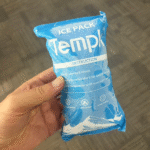
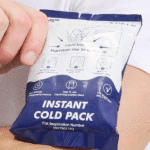
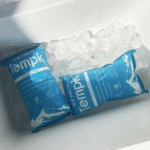
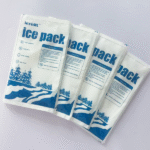
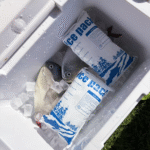
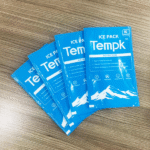
Agentes de resfriamento escalonados: Coloque pacotes de gel ou materiais de mudança de fase (PCM) ao redor do produto, mas não diretamente contra o chocolate para evitar condensação.
Use barreiras contra umidade: Forre as caixas com papel alumínio e inclua sachês dessecantes para absorver a umidade.
Estudo de caso: Uma chocolatier boutique implementou pré-resfriamento em 18 °C e adição de papel absorvente de umidade dentro das caixas de alumínio. As reclamações sobre flores no verão caíram drasticamente, apesar de um ligeiro aumento no custo da embalagem.
Escolhendo a embalagem certa: Isolamento de equilíbrio, Sustentabilidade e Custo
Resposta direta
A seleção de materiais de isolamento e contêineres é um importante fator de custo no transporte da cadeia de frio. Os refrigeradores de espuma EPS oferecem o melhor isolamento, mas podem ser caros e menos sustentáveis; fibra de algodão ou forros de papel reciclado proporcionam isolamento moderado e menor impacto ambiental; espumas à base de amido oferecem biodegradabilidade, mas com um custo de material mais elevado. Para remessas de alto valor ou longas distâncias, contêineres ativos com refrigeração integrada proporcionam controle preciso, mas aumentam substancialmente os custos.
Explicação expandida
Pense no isolamento como uma manta térmica. Retarda a transferência de calor do ambiente para seus chocolates, afetando quantos pacotes de gel ou PCMs você precisa. Resfriadores de espuma EPS são populares para transporte de longo curso porque fornecem excelente isolamento e integridade estrutural. Eles são leves e duráveis, mas não ecológicos. Fibra de algodão ou forros de papel reciclado encontrar um equilíbrio entre isolamento e sustentabilidade. Espumas à base de amido e materiais biodegradáveis reduzem o impacto ambiental e atraem consumidores ecologicamente conscientes. Quando suas remessas se estendem além 72 horas ou requerem extrema estabilidade de temperatura, contêineres ativos com refrigeração motorizada tornam-se necessários. Sistemas híbridos que combinam revestimentos isolados com PCMs ou pacotes de gel geralmente oferecem uma alternativa econômica, suportando durações de 48 a 96 horas enquanto minimiza o excesso de peso.
Abordagem de embalagem multicamadas
| Camada de embalagem | Descrição | Propósito | Como isso ajuda você |
| Caixa ondulada externa | Caixa de papelão dimensionada para minimizar o espaço vazio | Fornece proteção estrutural e reduz a transferência de calor por convecção | Um ajuste mais apertado reduz a circulação de ar e os requisitos de refrigeração. |
| Forro isolado | Espuma EPS, fibra de algodão, papel reciclado ou inserções biodegradáveis | Retarda a troca de calor e suporta pacotes de gel ou PCMs | Escolher o revestimento certo afeta o custo, sustentabilidade e duração. |
| Agentes de resfriamento | Pacotes de gel, gelo seco ou PCMs ajustados para 15–20 °C | Absorva o calor durante o transporte | PCMs oferecem maior duração, mas custos iniciais mais elevados. |
| Barreiras de umidade | Frustrar, filme plástico e pacotes dessecantes | Evite umidade e condensação | Preserva a aparência e a textura bloqueando a umidade. |
| Embalagem primária | Caixas ou latas forradas com papel alumínio | Contato direto com chocolate | O pré-resfriamento e a resistência à umidade mantêm a qualidade do produto. |
Dicas e sugestões práticas
Combine o isolamento com a rota: Para climas quentes, use revestimentos mais grossos; em condições leves, revestimentos mais finos reduzem peso e custo.
Selecione PCMs por temperatura: Pacotes de gel padrão ficam próximos 0 °C; PCMs configurados para 18 °C são ideais para chocolates e oferecem estabilidade prolongada.
Ajustes sazonais: Aumente o líquido refrigerante no verão e melhore o isolamento no inverno, quando a temperatura ambiente varia muito.
Exemplo do mundo real: Durante uma onda de calor, um chocolateiro trocou de isopor por forros de fibra de algodão combinados com PCMs e adicionou sensores de temperatura em tempo real. O transporte permaneceu entre 60 e 70 °F, apesar das temperaturas externas acima 90 °F, reduzindo reclamações de clientes.
Métodos de envio e estratégias sazonais: Otimizando Tempo e Custo em Trânsito
Resposta direta
A duração do trânsito e o método de envio afetam drasticamente os custos: serviços noturnos e de dois dias protegem a qualidade, mas são caros, enquanto o transporte terrestre ou de vários dias requer mais isolamento e refrigerante. De acordo com especialistas em embalagens, tempos de trânsito superiores a três dias aumentam o risco de derretimento e floração, então é recomendado envio noturno ou de dois dias. No entanto, revestimentos isolados mais grossos e pacotes extras de gel podem permitir remessa de 2 a 3 dias sem caminhões refrigerados. Transportadoras como UPS e FedEx oferecem calculadoras e consultas para ajudar a equilibrar o custo de embalagem e o custo de envio.
Explicação expandida
Enviar chocolate branco é uma corrida contra o tempo. As remessas de inverno se beneficiam de temperaturas ambientes naturalmente mais frias; um revestimento mais fino e um ou dois pacotes de gel podem ser suficientes e custar menos. Na primavera ou no outono, temperaturas moderadas requerem 2–3 pacotes de gel ou PCMs para lidar com flutuações. O transporte marítimo de verão em climas quentes exige isolamento pesado, três a quatro pacotes de gel ou PCMs e às vezes gelo seco para calor extremo. O envio noturno ou de dois dias é recomendado, mas pode ter um custo proibitivo; usar revestimentos mais grossos e PCMs permite um envio mais lento, mantendo o chocolate abaixo 20 °C. Ao programar remessas, enviar pacotes no início da semana (Segunda a quarta) para evitar atrasos no fim de semana. Evite PO. caixas e garantir que alguém possa receber a entrega imediatamente para evitar que os pacotes fiquem aquecidos.
Considerações sobre custos de envio
As taxas de envio variam de acordo com o valor do pedido e a velocidade. Veja os doces 2025 tabela de envio mostra que os custos de envio padrão $9.95 para pedidos abaixo $40 e é gratuito para pedidos acima $80, enquanto o transporte noturno varia de $21.95 para $36.95 por remessa dependendo do valor do pedido. Os serviços rápidos de dois dias custam entre US$ 18,95 e US$ 30,95 para a maioria dos pedidos. Estas taxas ilustram o aumento dos custos quando se escolhe uma entrega mais rápida. O envio no dia seguinte ou em dois dias pode rapidamente se tornar caro, portanto, equilibrar o custo da embalagem e a velocidade do envio é essencial. As transportadoras e as APIs de remessa podem identificar opções acessíveis e ajudá-lo a comparar taxas entre serviços. Durante promoções, limites de envio padrão gratuito incentivam pedidos maiores, distribuindo efetivamente os custos de envio por mais valor do produto.
Dicas e sugestões práticas
Envio no início da semana: Envie pacotes de segunda a quarta para minimizar a espera no fim de semana.
Use calculadoras de operadora: Consulte as transportadoras para planejar rotas e custos; muitos oferecem calculadoras de custos de envio e consultas pessoais.
Ajuste a embalagem por temporada: Use liners mais finos e menos embalagens de gel no inverno, embalagem moderada na primavera/outono e soluções mais pesadas mais gelo seco no verão.
Invista em testes térmicos: Testes térmicos de laboratório e de campo ajudam a determinar a combinação certa de isolamento e refrigerante para minimizar materiais sem comprometer a qualidade.
Estudo de caso: Um confeiteiro especializado anteriormente dependia de remessas noturnas. Mudando para remessa de 2 a 3 dias combinada com revestimentos grossos recicláveis e PCMs, eles reduziram os custos de envio em 20 % sem aumentar as taxas de fusão. Os testes térmicos revelaram que a colocação de embalagens de gel por cima e o uso de barreiras contra umidade reduziram a condensação e mantiveram os chocolates dentro da faixa segura.
Fatores de custo: Embalagem, Resfriamento e Matérias-Primas
Resposta direta
O custo de transporte da cadeia de frio é influenciado pelos materiais de embalagem, tipo de refrigerante, velocidade de envio, tamanho do pedido e aumento dos preços das matérias-primas. Os coolers EPS e PCMs de última geração oferecem desempenho superior, mas aumentam o custo por remessa. Fibra de algodão ou forros de papel reciclado são mais baratos, mas podem exigir mais refrigerante. O gelo seco fornece resfriamento extremo, mas é inadequado para transportes longos ou aéreos e acrescenta sobretaxas de materiais perigosos. Em 2025, os preços globais do cacau permanecem estruturalmente elevados, em torno $6,000 por tonelada, apesar das recentes quedas, levando os fabricantes de chocolate a aumentar os preços dos produtos e afetando os orçamentos de remessa. Os consumidores podem pagar 10-20 % mais para os mesmos produtos de chocolate do que em 2024 por causa dos custos e tarifas mais altas das commodities.
Explicação expandida
Seu orçamento de remessa não existe no vácuo – está vinculado aos mercados de commodities e às expectativas dos consumidores. No final 2024, os preços do cacau atingiram máximos históricos acima $12,000 por tonelada; embora tenham caído para baixo $8,000 em meados de 2025, analistas esperam que os preços permaneçam estruturalmente elevados em torno $6,000 por tonelada a médio prazo. Os altos custos do cacau limitam a capacidade dos fabricantes de absorver despesas de envio, então eles repassam aumentos aos clientes. Ao mesmo tempo, consumidores acostumados com frete grátis pressionam as marcas para manter os custos de frete baixos. Isso cria um cabo de guerra entre manter a qualidade e controlar os custos. As escolhas de embalagem também são importantes: enquanto os coolers EPS e PCMs são reutilizáveis, seu custo inicial mais alto pode ser justificado para remessas de alto valor ou serviços de assinatura. Os forros de fibra de algodão ou de papel reciclado reduzem o impacto e o custo ambiental, mas podem exigir pacotes de gel adicionais para manter a temperatura. Os pacotes de gel são baratos e reutilizáveis, enquanto os PCM oferecem maior duração a um preço mais elevado, mas reduzem o número de embalagens necessárias. O gelo seco é extremamente frio e pode resfriar chocolates, causando problemas de textura; use-o apenas para calor extremo e transporte terrestre. Encomendar materiais de embalagem a granel e reutilizar componentes reduz o custo unitário ao longo do tempo. Adicionalmente, o envio de pedidos maiores pode acionar limites de frete grátis – See’s Candies oferece frete padrão grátis para pedidos acima de US$ 80 – distribuindo o custo de frete por mais produtos.
Dicas práticas para economizar custos
Consolidar pedidos: Incentive os clientes a pedir mais de uma vez para atingir os limites de frete grátis.
Utilize embalagens reutilizáveis: Invista em coolers EPS ou PCMs duráveis que possam ser devolvidos ou reutilizados nas remessas para amortizar custos.
Otimizar o tamanho do pacote: Reduza o espaço vazio para minimizar o peso dimensional e os materiais de embalagem.
Monitore os mercados de commodities: Ajustar preços e estratégias promocionais com base nas tendências de preços do cacau. Com preços previstos para ficar em torno de US$ 6.000/t, fechar contratos de fornecimento pode estabilizar custos.
Exemplo: Oferecendo caixas de assinatura com diversas barras e trufas por remessa, uma marca de chocolate aumentou o valor médio do pedido acima $80, qualificando a maioria dos pedidos para frete padrão gratuito e permitindo o investimento em melhor isolamento sem diminuir as margens.
Tecnologia e Tendências em Logística da Cadeia de Frio 2025
Resposta direta
A logística moderna da cadeia de frio aproveita sensores IoT, Análise orientada por IA, inovações de automação e sustentabilidade para melhorar a eficiência e reduzir custos. Em 2025, a indústria está vendo uma rápida adoção do monitoramento de temperatura em tempo real, otimização de rota preditiva, automação robótica de armazém e materiais ecológicos. Essas tecnologias ajudam a manter a qualidade e ao mesmo tempo reduzem o consumo de energia e os custos de mão de obra.
Explicação expandida
A cadeia de frio está a evoluir para uma forma inteligente, rede conectada. Sensores de IoT fornecer dados contínuos sobre temperatura, umidade e localização, permitindo ação imediata quando ocorrerem desvios. Análise preditiva e IA otimizar rotas, prever a demanda e programar a manutenção de equipamentos de refrigeração. Armazéns automatizados e transportadores robóticos reduzem o erro humano e aceleram as operações, reduzindo os custos de mão de obra e melhorando a precisão. As pressões regulatórias estão impulsionando rastreabilidade e documentação, exigindo registros detalhados de temperatura para cumprir as diretrizes da FDA e da UE. Sustentabilidade iniciativas promovem refrigerantes ecológicos, unidades de refrigeração movidas a energia solar e embalagens feitas de materiais reciclados ou biodegradáveis. À medida que as populações urbanas crescem e os pedidos de comida online aumentam, demanda por caminhões refrigerados, contêineres e instalações de armazenamento refrigerado está aumentando. Isto cria oportunidades para redes de distribuição eficientes, mas também sobrecarrega a capacidade, potencialmente aumentando os custos de frete.
Últimos desenvolvimentos de vista
Cadeia de frio habilitada para IoT: Sensores em tempo real e rastreadores GPS fornecem visibilidade contínua, permitindo ajustes de rota e reduzindo danos.
Análise orientada por IA: Modelos preditivos otimizam inventário e roteamento, antecipando necessidades de manutenção e reduzindo o consumo de energia.
Embalagem sustentável: As empresas estão adotando materiais de isolamento ecológicos e veículos refrigerados movidos a energia solar para reduzir a pegada de carbono.
Insights de mercado
O mercado de chocolate branco está em expansão apesar das pressões de custos. Foi avaliado em USD 17.9 bilhão em 2024 e está projetado para crescer até USD 18.7 bilhão em 2025 e USD 28.6 bilhão por 2033, representando uma taxa composta de crescimento anual (Cagr) de 5.4 %. A América do Norte detém a maior participação na receita (37.8 %), mas a Ásia-Pacífico é a região que mais cresce. Os consumidores são atraídos por sabores premium e nostálgicos, levando a inovações sazonais, como a edição limitada de trufas de bolo de cenoura da Lindt no início 2025 e o retorno do Chocolate Branco Maltesers. Estas tendências sublinham a procura contínua de chocolate branco e a necessidade de uma logística eficiente da cadeia de frio para satisfazer a distribuição global..
Perguntas frequentes
Q1: Qual a temperatura e umidade ideais para enviar chocolate branco?
Manutenção 12–20 °C (54–68 °F) e umidade abaixo 50 % é fundamental para evitar o derretimento e o florescimento. O pré-resfriamento de chocolates e o uso de embalagens dessecantes ajudam a estabilizar o microclima.
Q2: Qual agente refrigerante é melhor para remessas de chocolate branco?
As embalagens de gel são amplamente utilizadas devido à facilidade de manuseio e reutilização. Por períodos prolongados, materiais de mudança de fase (PCMs) definido como 18 °C fornecem condições estáveis, mas custam mais. O gelo seco só deve ser usado em climas extremamente quentes e remessas terrestres, pois pode resfriar chocolates.
Q3: Quanto tempo o chocolate branco pode permanecer em trânsito?
Os chocolates geralmente não resistem além três dias em trânsito. Recomenda-se envio noturno ou de dois dias. Se você precisar usar frete de 2 a 3 dias, selecione revestimentos isolados mais espessos e pacotes de gel adicionais para manter a temperatura.
Q4: Por que os custos de envio estão aumentando em 2025?
Os preços mais elevados das commodities e as tarifas aumentaram os custos de produção do chocolate. Os preços do cacau continuam elevados, e os fabricantes repassam esses custos aos consumidores. Ao mesmo tempo, as expectativas de frete grátis pressionam os vendedores a absorver alguns desses custos.
Resumo e recomendações
O chocolate branco é uma guloseima delicada que exige controle cuidadoso de temperatura e umidade durante o transporte. Mantenha as remessas entre 12–20 °C e umidade relativa sob 50 % para evitar derreter e florescer. Selecione os materiais de embalagem com base na rota e no valor do produto: Resfriadores de espuma EPS fornecem o melhor isolamento, mas são menos ecológicos e mais caros; fibra de algodão e forros de papel reciclado oferecem isolamento moderado e sustentabilidade. Use pacotes de gel ou PCMs para absorver o calor, e ajustar o número de agentes de resfriamento de acordo com a estação e a duração do trânsito. Planeje remessas no início da semana e consulte as transportadoras para otimizar rota e custo. Mantenha-se informado sobre as tendências de preços do cacau e considere estratégias de assinatura ou em massa para distribuir os custos de envio. Invista em tecnologias IoT e IA para monitorar as condições e melhorar a eficiência. Ao aplicar essas estratégias, você pode entregar produtos cremosos de chocolate branco que encantam os clientes e protegem seus resultados financeiros.
Plano de ação
Avalie seus produtos de chocolate: Identifique pontos de fusão e suscetibilidade à umidade.
Escolha a embalagem apropriada: Selecione agentes de isolamento e resfriamento com base no tempo de trânsito, temporada e metas de sustentabilidade.
Otimize os cronogramas de envio: Envio no início da semana, evite trânsitos longos e use calculadoras de operadoras para comparar taxas.
Monitore e adapte: Instale sensores em tempo real, analisar dados, e ajustar embalagens ou rotas conforme necessário.
Comunique-se com os clientes: Forneça prazos de entrega claros e incentive-os a estarem disponíveis na chegada, reduzindo o risco de exposição.
Sobre Tempk
A Tempk é fornecedora líder de soluções de embalagem para cadeia de frio. Nós especializar-se em caixas isoladas, pacotes de gel, materiais de mudança de fase e ferramentas de monitoramento inteligentes que mantêm mercadorias sensíveis à temperatura seguras durante o transporte. Nossa equipe de pesquisa e desenvolvimento inova continuamente com materiais ecológicos e sistemas habilitados para IoT para atender aos crescentes requisitos regulatórios e de sustentabilidade. Com foco em embalagens reutilizáveis e recicláveis, A Tempk ajuda as empresas a reduzir o impacto ambiental, mantendo a qualidade do produto. Contate-nos para obter orientação especializada sobre soluções econômicas de cadeia de frio.
Chamado à ação: Explore os kits de embalagem personalizáveis da Tempk e consulte nossos especialistas para projetar uma estratégia de remessa adaptada ao seu negócio de chocolate branco. Entre em contato hoje mesmo para começar a otimizar sua cadeia de frio.