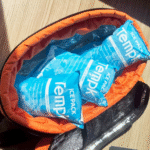
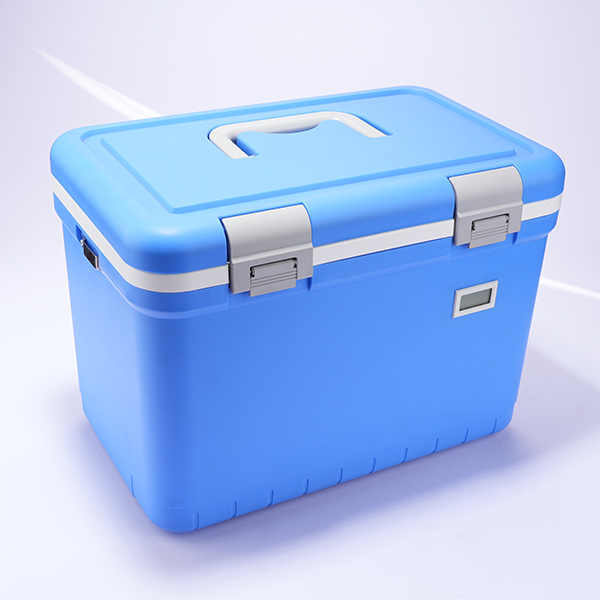
Atender às demandas da atual rede global de cadeia de frio exige soluções de transporte mais inteligentes, mais seguro e sustentável. UM customized dry ice pack sheet provides exactly that. Adaptando o tamanho, contagem de células e materiais de mudança de fase (PCM) de uma folha, você pode manter a temperatura do produto, reduzir as emissões de CO₂ e cumprir as regulamentações em evolução. O mercado global de gelo seco está crescendo aproximadamente 5 % por ano, enquanto a oferta de CO₂ aumenta apenas cerca de 0.5 %, levando a escassez e picos de preços tão altos quanto 300 %. Ao mesmo tempo, a logística da cadeia de frio está adotando a IA, Sensores IoT e embalagens sustentáveis para apoiar uma previsão de mercado que atingirá US$ 372 bilhões até 2029. Este artigo explica como funcionam as folhas de gelo seco personalizadas, por que eles são importantes 2025 e como você pode aproveitá-los para manter suas remessas frias e em conformidade.

Entenda o que torna uma placa de gelo seco personalizável e por que ela difere das bolsas de gelo padrão ou do gelo seco solto.
Explore the benefits of customizing sheet dimensions, cell geometry and PCM composition for your specific cargo.
Learn practical formulas, packing strategies and regulatory considerations when using dry ice pack sheets for shipping.
Descobrir 2025 tendências da indústria, incluindo sustentabilidade, AI enabled optimization and advanced refrigeration techniques.
Find answers to common questions about safety, reusability and disposal.
What Is a Customized Dry Ice Pack Sheet?
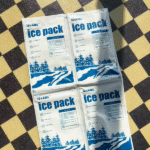
A customized dry ice pack sheet is a flexible cooling pad engineered with specific dimensions, cell configurations and phase change materials to meet the unique thermal demands of your shipment. Unlike traditional block dry ice that sublimates unpredictably, these sheets combine small dry ice cells or PCM powder within sealed compartments surrounded by absorbent material. This structure provides controlled cold release, minimized CO₂ off gas and easier handling. Customization allows you to choose the number of cells (por exemplo, 9célula, 12 cell or 24 cell sheets), the thickness of the core, the type of PCM and even eco friendly outer films.
Como funciona
The sheet’s functionality comes from its multi layer design:
Camada protetora externa: Typically made from polyethylene or PET film, the outer layer prevents punctures and contains CO₂ gas. Some designs use biodegradable or compostable films to reduce environmental impact.
Absorbent gel or PCM layer: Beneath the shell lies a layer of super absorbent polymers or PCM powder. When soaked in water and frozen, this layer stores latent heat and slows the sublimation of the dry ice, prolonging cold duration. Specialty PCMs can be selected to maintain temperatures from –21 °C to –78.5 °C.
Core containing dry ice cells: The core houses the dry ice or PCM blocks arranged in cells. This compartmentalisation spreads the cold evenly and reduces the risk of direct contact with the cargo. Cells can be sized or arranged to fit specific box dimensions.
When the sheet is activated (typically by soaking in water then freezing), the gel or PCM absorbs the water, freezes and locks the dry ice in place. Como o gelo seco sublima, the stored latent heat moderates temperature fluctuations, maintaining ultra cold conditions over extended periods. Some sheets combine dry ice with gel packs to create a hybrid system that leverages the quick cooling of dry ice and the steady release of PCMs.
Key customization parameters
Tamanho e forma: Sheets can be cut or manufactured to fit the footprint of your packaging. Typical formats include 28.5 × 25 cm (24célula) sheets for seafood and pharmaceuticals and smaller 18 × 12 cm sheets for meal kits.
Contagem de células e geometria: Common configurations are 9 células (3 × 3), 12 células (2 × 6) e 24 células (4 × 6). A higher cell count increases flexibility and allows the sheet to wrap around irregular products.
Material de mudança de fase: Custom PCMs determine the temperature range. Gel sheet dry ice packs can reach temperatures as low as –123 °C (–190°F) quando congelado, while dry ice replacement packs maintain –21 °C for 36–72 h.
Material externo: Customers can select non woven fabric, PE/PET film or biodegradable films. Dual side absorption designs prevent sticking and enhance heat transfer.
| Customization option | Typical choices | Impacto prático |
| Tamanho da folha | 18×12 cm, 20×15 cm, 28.5×25 cm or bespoke dimensions | Fits container dimensions to maximize contact area and reduce empty space |
| Contagem de células | 9 células (3×3), 12 células (2×6), 24 células (4×6) | Increases flexibility; more cells create a wrap around effect for irregular items |
| Tipo PCM | Gel (à base de água), placas eutéticas, gel criogênico | Determina a faixa de temperatura: from –21 °C up to –123 °C |
| Material externo | Tecido não tecido, PE/PET, filme biodegradável | Influencia a durabilidade, controle de condensação e sustentabilidade |
| Marca | Custom printing, cor, logotipo | Enhances brand recognition and provides handling instructions |
Dicas e conselhos práticos
Pre condition your sheet: Soak the pack sheet in water until the cells fully expand, then freeze it for at least 24 horas. This ensures the PCM reaches its target temperature and maximizes latent heat.
Layering matters: For extremely sensitive shipments, combine dry ice sheets with gel packs or eutectic plates. Place a layer of gel beneath or around the product to stabilize temperature, then add dry ice sheets to maintain ultra cold temperatures.
Evite contato direto: Use a cardboard or insulating layer between the sheet and your product to prevent freezer burn. The cell design keeps dry ice contained, but adding insulation adds an extra safety buffer.
Estudo de caso: A meal kit company replaced loose dry ice with 24 cell sheets. By customizing the sheet dimensions and cell count, eles alcançaram 24 hours of –18 °C holding time without water residue and reduced shipping weight by 15 %, resulting in lower freight costs and fewer temperature excursions.
Why Choose Customized Dry Ice Pack Sheets?
Customized dry ice pack sheets offer consistent cold, improved safety and lower environmental impact compared with loose dry ice. Gelo seco sublima diretamente de sólido ao gás, producing CO₂ that can displace oxygen in confined spaces. Replacing loose pellets with sealed cells reduces gas release and eliminates the need for special ventilation. Customizable sheets also provide more predictable temperature profiles and longer duration because the PCM layer slows sublimation and spreads cold evenly. For regulated industries, these sheets are classified as non hazardous in many jurisdictions, simplifying documentation and reducing shipping restrictions.
Advantages over loose dry ice and gel packs
Duração de resfriamento prolongada: Self cooling dry ice pack sheets can maintain sub zero temperatures for 36–72 hours, while some gel sheet packs reach even lower temperatures and last up to 72 horas.
Reduced CO₂ vapor release: Encapsulating dry ice in cells and using absorbent layers decreases off gassing and minimizes asphyxiation risks.
Less residue and mess: Unlike loose ice or gel packs that leak water, dry ice sheets sublime cleanly with minimal condensation, reducing the chance of soggy packaging and mold.
Reusability and flexibility: Many sheets are designed to be reused multiple times within their effective life. The flexible cell matrix allows you to wrap the sheet around oddly shaped items.
Lightweight and compact storage: Sheets are shipped flat and only expand when soaked, economizando espaço de armazenamento. This results in lower freight costs compared with heavy eutectic plates.
Custom branding and sustainability: Modern sheets use biodegradable outer films and support custom printing. This demonstrates environmental responsibility and enhances your brand image
Economic and environmental context
The dry ice market is experiencing supply constraints due to limited CO₂ production; consumption grows at roughly 5 % per year while supply increases only 0.5 %, causing price spikes up to 300 %. Customized pack sheets mitigate these costs by using less dry ice and prolonging its cooling effect. Adicionalmente, cold chain stakeholders are facing pressure to reduce emissions. Substituting or supplementing dry ice with PCMs cuts CO₂ release and can lower energy consumption by up to 15 % when combined with AI optimized shipping routes. Choosing reusable, biodegradable sheets further aligns with sustainability goals.
Design and Components of Customized Dry Ice Pack Sheets
Three layer architecture
The effectiveness of a dry ice pack sheet comes from its three layer architecture: a protective shell, a PCM layer and a core. According to Tempk’s self cooling pack sheet design, the top outer layer prevents moisture accumulation and provides durability, the middle gel layer slows sublimation by absorbing latent heat, and the core houses dry ice that maintains ultra cold temperatures. This construction protects products from direct contact and extends cooling duration.
Material selection and performance
Different materials offer unique performance characteristics:
Gel based PCMs: Often water based with super absorbent polymers, these PCMs freeze at around 0 °C and remain at –18 °C to –21 °C for extended periods. They are safe, non toxic and ideal for food or pharmaceutical shipments.
Pacotes de gel criogênico: Using organic solvents or salts, these PCMs achieve very low phase change points and can reach –123 °C. They’re suitable for biologics and research materials that require deep freezing.
Placas eutéticas: Solid plates containing salt solutions that freeze at predetermined temperatures, offering consistent cold with minimal wear. They are heavier but can be recharged thousands of times.
Hybrid dry ice/PCM designs: These combine a small amount of dry ice with a gel PCM layer, delivering rapid cooling from dry ice and sustained cold from the PCM.
| Tipo de material | Faixa de temperatura | Duração típica | Suitable cargo |
| Gel PCM | –21 °C to –1 °C | 36–72 h | Vacinas, comida, cosméticos |
| Cryogenic gel | –123 °C to –18 °C | Até 72 h | Biologics, amostras de pesquisa |
| Placa eutética | –30 °C a 0 °C | 48–96 h | Carne, laticínio, kits de refeições |
| Núcleo de gelo seco | –78,5 ° C. | 24–48 h | Remessas criogênicas |
| Hybrid dry ice/PCM | –78.5 °C to –21 °C | 24–72 h | Produtos farmacêuticos sensíveis à temperatura |
Cooling mechanism explained
The cooling process begins when you freeze the sheet. À medida que o gelo seco sublima, it absorbs latent heat from its surroundings, which reduces the temperature of the adjacent PCM layer. This layer slowly releases stored cold energy, moderating the temperature and extending the cooling effect. Because the dry ice is divided into small cells, the sheet maintains more uniform cooling and mitigates hot spots. Once all dry ice has sublimated and the PCM has warmed above its phase change point, the sheet returns to ambient temperature and can be reconditioned.
How to Select the Right Customized Dry Ice Pack Sheet
Selecting the optimal sheet requires evaluating product temperature requirements, duração do envio, package dimensions and regulatory constraints. Aqui está uma abordagem passo a passo:
Define your temperature goal: Determine the maximum allowable product temperature. Para vacinas e biológicos, this might be –70 °C (requiring dry ice or cryogenic gel), while for food shipments it may be –18 °C to 0 °C.
Estimar a duração do trânsito: Identify how long the product will remain in transit, incluindo entrega de última milha. Dry ice replacement packs maintain sub zero temperatures for 36–72 hours; gel sheet dry ice packs can last up to 72 horas.
Calculate the required cooling mass: Use the formula recommended by Tempk to estimate dry ice quantity:
Dry ice weight = Product weight × (1 + Fator sazonal + Fator de rota + Fator de isolamento).
Seasonal factors account for ambient temperature (por exemplo, adicionar 0.3 para o verão), route factors reflect time in transit, and insulation factors represent packaging quality.
Select sheet size and cell count: Choose a sheet that covers the surface area of your payload. Use multiple sheets to surround the product (laterais e superior) if long durations are required. For irregular items, opt for 24 cell sheets for better flexibility.
Choose a PCM or hybrid design: Align the PCM’s phase change point with your temperature goal. For moderate cold (–21ºC), gel PCMs suffice, while deep frozen cargo may need cryogenic gel or hybrid designs. A hybrid sheet reduces total dry ice consumption while still achieving ultra low temperatures.
Consider branding and sustainability: Opt for biodegradable films or custom printing to communicate handling instructions and promote your brand. Sustainability is a key differentiator for customers in 2025.
Layering strategies
There are three common ways to position customized sheets inside packaging:
Carregamento superior: Place the sheet on top of the product. Air frio afunda, making this efficient for short routes and goods that can tolerate some temperature gradient.
Surround loading: Line the sides and bottom of the container with sheets. This method achieves uniform temperature and is suitable for longer transit times.
Hybrid loading: Combine top and surround strategies. Para cargas sensíveis, place one sheet on top and additional sheets along the sides to ensure consistent temperature and extended duration.
Regulatory Considerations and Safe Handling
While dry ice pack sheets simplify compliance, certain regulations still apply, Especialmente quando envia.
IATA and UN requirements
Dry ice classification: O gelo seco é regulado como uma classe 9 materiais perigosos (E 1845). Pacotes contendo gelo seco devem exibir a ONU 1845 marca, uma aula 9 hazard label and the net weight of dry ice.
Limites de peso: On passenger aircraft, individual packages may contain up to 2.5 kg de gelo seco; on cargo aircraft, the limit increases to 200 kg【861892912078641†L1867-L1907】. Customized sheets help distribute dry ice more evenly but cannot exceed these limits.
Ventilação: Packaging must allow gas venting to prevent pressure build up. Never ship dry ice in a sealed container; use insulated boxes with a loose fitting lid or ventilation holes【861892912078641†L1867-L1907】.
Documentação: Clearly declare “Dry Ice” or “Carbon Dioxide, Solid” on shipping papers and include the weight of dry ice. Some hybrid or dry ice replacement packs may be exempt from hazardous material requirements if they do not contain dry ice.
Safe handling practices
Equipamento de proteção: Wear insulated gloves when handling dry ice sheets. Avoid prolonged skin contact, which can cause frostbite.
Armazenar: Store dry ice sheets in well ventilated areas away from children and pets. Do not store in a sealed freezer where gas build up could occur.
Disposição: Allow spent sheets to warm to room temperature in a ventilated area until all dry ice has sublimated. Do not dispose of dry ice in sinks or toilets as it can damage plumbing.
Customizing Strategies: Tamanho, Shape and Materials
Customization enables you to tailor cooling performance, packaging efficiency and branding. Here are strategies for optimizing each variable:
Adjusting size and cell geometry
Pequenas remessas: For lab samples or meal kits, use 9 cell or 12 cell sheets with dimensions around 18 × 12 cm. These packs freeze quickly and fit small insulated envelopes.
Remessas médias: For fresh food or pharmaceutical boxes, 24 cell sheets (28.5 × 25 cm) provide more surface area and flexibility. You can fold or cut the sheet to cover top and sides simultaneously.
Large crates: For bulk seafood or meat shipments, combine multiple sheets or custom sized mats that line the interior. Some manufacturers offer continuous rolls that you can cut to length.
Selecting the right PCM
Gel PCMs (à base de água): Choose for food, meal kits and over the counter drugs. These PCMs freeze at around 0 °C and keep contents at –21 °C for 36–72 h.
Cryogenic PCMs: Use for biologics and specialty pharmaceuticals requiring temperatures below –70 °C. They maintain extremely low temperatures and reduce reliance on pure dry ice.
Híbrido: gelo seco + PCM: Select when you need rapid cool down and extended hold times. Hybrid sheets can reduce overall dry ice consumption while meeting regulatory temperature requirements.
Choosing sustainable materials and branding
Filmes biodegradáveis: Many customizable sheets now use compostable outer bags made from plant based polymers. These films maintain durability while reducing plastic waste.
Custom printing: Adicione seu logotipo, handling instructions or temperature indicators directly onto the sheet. This improves brand recognition and ensures proper handling across the supply chain.
Color coding: Use colored cells or printed icons to differentiate products (por exemplo, blue for refrigerated, green for frozen). This simplifies sorting and reduces handling mistakes.
Packing and Handling Tips to Maximize Performance
Proper packing ensures your customized sheet delivers the promised cooling duration. Siga estas diretrizes:
Pré-resfrie tudo: Ensure your product and packaging materials are pre cooled to the target temperature before adding the sheet. Placing a warm product against a frozen sheet reduces hold time.
Limit air gaps: O ar é um mau condutor de calor. Fill voids with insulation or crumpled paper to maintain a consistent cold environment. Use custom cut sheets to fit snugly around your cargo.
Camada estrategicamente: Place the sheet on top for short trips or incorporate side and bottom layers for longer durations. For the longest hold time, surround the product fully and insulate the box.
Combine com isolamento: Use insulated shippers or coolers with high R value. Materiais como poliestireno expandido (EPS), polyurethane or vacuum panels significantly slow heat gain.
Monitorar temperatura: Integrate a data logger or smart sensor to record temperature in transit. IoT enabled devices allow real time monitoring and help identify supply chain issues.
Manuseie com segurança: Always wear gloves and goggles when loading dry ice. Ensure that the shipping room is ventilated to prevent CO₂ accumulation.
2025 Tendências e Inovações em Logística da Cadeia de Frio
The cold chain industry is undergoing rapid transformation driven by technological and environmental pressures. Being aware of these trends helps you future proof your shipping strategies.
Sustainable cooling and CO₂ reduction
Dry ice supply remains constrained, with consumption growth (sobre 5 % por ano) outpacing supply growth (0.5 % por ano). This creates both price volatility and environmental concerns. Companies are adopting PCMs, eutectic plates and hybrid solutions to reduce dry ice usage. Bio based CO₂ recovery and renewable power sources for refrigeration systems are gaining traction.
Integração de IA e IoT
Smart sensors and AI algorithms now monitor temperature, umidade e localização em tempo real. By optimizing routes, AI can reduce fuel consumption by up to 15 % e melhorar a eficiência da frota através 20 %. IoT enabled containers record temperature excursions and alert shippers, allowing rapid intervention.
Advanced refrigeration technologies
Refrigeração magnética, thermoelectric cooling and solar powered units are emerging alternatives to conventional compressors. These technologies offer quieter operation, reduced maintenance and lower emissions. For remote areas or last mile delivery, solar powered coolers provide sustainable solutions, cutting carbon footprint and operating costs.
Blockchain and digital transparency
Blockchain platforms create tamper proof records of temperature data and custody handoffs. This improves traceability and helps shippers prove compliance with regulatory requirements. Combinado com contratos inteligentes, blockchain enables automated notifications when shipments deviate from predefined conditions.
Embalagens e sensores inteligentes
Temperature sensitive labels and time temperature indicators provide visual cues to handlers and customers. Integrated sensors can also trigger color changes when thresholds are exceeded. Smart packaging helps reduce waste by allowing real time interventions.
Market growth and global trade
The global cold chain market was valued at about US$228 billion in 2024 e deverá atingir US$ 372 bilhões até 2029. Growth is driven by expansion of e commerce, produtos farmacêuticos, and cross border food trade, which exceeded US$1.1 trillion. À medida que a demanda aumenta, so does the need for flexible, soluções de refrigeração personalizáveis.
Perguntas frequentes
Q1: Are customized dry ice pack sheets safe for shipping vaccines and biologics?
Sim. Customized sheets can be engineered to maintain temperatures as low as –78.5 °C when using dry ice cores or cryogenic gels. The sealed cell design minimizes direct contact and reduces CO₂ release, making them suitable for vaccine and biologic shipping. Always verify that the sheet meets your required temperature range and complies with IATA regulations.
Q2: How many sheets do I need for my shipment?
Use the formula Dry ice weight = Product weight × (1 + Fator sazonal + Fator de rota + Fator de isolamento) to estimate total cooling mass. Then select the number of sheets whose combined dry ice content matches or exceeds this weight. Consider using multiple smaller sheets to distribute cold evenly.
Q3: Can I reuse a customized dry ice pack sheet?
Many sheets are designed for multiple cycles. Inspect the outer film for punctures and confirm that the PCM still absorbs water effectively. As long as the cells remain intact and freeze properly, you can reuse the sheet. Replace any sheet showing leaks or degraded materials.
Q4: Como devo descartar uma camada de gelo seco gasta?
Allow the sheet to warm to room temperature in a ventilated space until all dry ice has sublimated. Once there is no frost or cold sensation, dispose of the outer film in accordance with local recycling guidelines. If the sheet is biodegradable, it may be composted where facilities exist.
Q5: Do customized sheets eliminate the need for insulated boxes?
Não. While customized sheets provide consistent cold, they should always be used in combination with insulated shippers or coolers. Insulation slows heat ingress and allows the sheet’s latent heat to last longer.
Resumo e recomendações
A customized dry ice pack sheet adapts the time tested properties of dry ice to meet modern cold chain demands. By tailoring size, contagem de células, PCM composition and outer materials, you can maintain precise temperatures, extend cooling duration and reduce CO₂ emissions. The dry ice market’s supply constraints and price volatility make efficient use of dry ice imperative, while innovations like AI optimization and sustainable materials drive further improvements. Ao selecionar uma planilha, match the PCM to your desired temperature range, calculate cooling mass based on product weight and transit conditions, and follow regulatory guidelines for safe handling and labeling. With proper planning, customized sheets can improve product quality, reduce waste and strengthen your sustainability credentials.
PRÓXIMOS PASSOS:
Assess your shipping profile. Identify product temperature requirements, transit duration and box dimensions.
Select or design your sheet. Choose the size, cell count and PCM that align with your profile. Consider hybrid designs for ultra cold needs.
Partner with a reputable supplier. Work with manufacturers like Tempk who offer customization, biodegradable materials and compliance support.
Implement monitoring and optimization. Use smart sensors and AI routing tools to ensure your shipments stay within specification and reduce energy consumption.
Eduque sua equipe. Train staff on correct handling, labeling and disposal procedures to ensure safety and regulatory compliance.
Seguindo estas etapas, you’ll harness the full potential of customized dry ice pack sheets and keep your products safe and cold all the way to their destination.
Sobre Tempk
Tempk specializes in cold chain solutions, including customizable dry ice pack sheets, pacotes de gel e embalagens isoladas. Our three layer dry ice sheet combines a protective outer film, a super absorbent PCM layer and a dry ice core to deliver consistent ultra cold temperatures and longer cooling durations. We provide fully customizable sizes (9célula, 12célula, 24 cell and bespoke), offer biodegradable or recyclable outer films and support hybrid designs that reduce dry ice consumption. Com ênfase na sustentabilidade, innovation and regulatory compliance, we help you ship perishable goods confidently in 2025 e além. Contact us to explore how our solutions can enhance your cold chain performance.