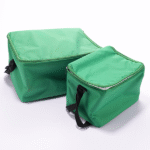
Sacos de entrega isolados: Como você escolhe o caminho certo em 2025?
Delivery bags insulated help you keep hot food hot and cold items cold during last-mile delivery. Em 2025, customers judge you fast. If fries arrive soggy, soup leaks, or ice cream softens, they blame the delivery experience—not traffic. Your best results come from a sistema: the right bag type, the right packing method, and simple routines your team repeats every shift.
You do not win by buying “the thickest bag.” You win by matching delivery bags insulated to your real routes: distância, parar contagem, clima, and what you deliver.
Este artigo vai te ajudar:
-
Choose delivery bags insulated for quente, frio, ou misto rotas
-
Understand bag materials and build without confusing jargon
-
Stop spills with leakproof delivery bags insulated for drivers
-
Reduce sogginess using steam-control packing
-
Construa um commercial insulated delivery bag cleaning SOP people follow
-
Validate performance with a quick 30-minuto + 3-run field test
What do delivery bags insulated actually do?
Delivery bags insulated slow temperature change. They do not create heat or cold. Em linguagem simples, eles buy you time by reducing heat transfer and blocking outside air.
Think of the bag like a “jacket” for the order. A better jacket has fewer gaps, estrutura mais forte, and an interior you can actually clean.
Your bag must do three jobs well:
| Job | Como é “bom” | O que quebra isso | Significado prático para você |
|---|---|---|---|
| Controle de temperatura | vedação apertada + even insulation | lacunas + abertura frequente | fewer “arrived cold” complaints |
| Structure protection | upright shape + inserções | floppy walls | fewer crushed meals |
| Mess control | wipeable liner + costuras seladas | absorbent fabric + stitch holes | menos odor, limpeza mais rápida |
Dicas práticas que você pode usar hoje
-
Open time is the enemy. Every long opening dumps hot/cold air.
-
Empty air hurts performance. A giant bag with space inside often performs worse.
-
Stability prevents spills. Most spills come from tipping, not “bad luck.”
Exemplo real: A driver reduced soup complaints by switching to a bag with a rigid base insert e a wipeable liner. Same route, menos derramamentos.
Which delivery bags insulated types fit hot, frio, and mixed routes?
Not all delivery bags insulated are built for the same job. If you use one bag for everything, you usually compromise everything.
Common types in 2025
-
Hot-food bags: retenção de calor + acesso rápido
-
Cold bags: cold protection + pack sleeves + revestimentos fáceis de limpar
-
Pizza bags: largo, plano, estável
-
Backpack bags: hands-free for bikes and dense urban stops
-
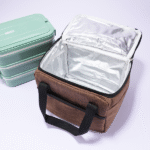
Structured hybrid bags: macio por fora, rigid inserts inside (best for mixed orders)
| Tipo | Melhor para | Força | Atenção |
|---|---|---|---|
| Hot-food bag | refeições, catering | retenção de calor | steam can trap |
| Bolsa fria | itens refrigerados | cold buffering | needs cold packs |
| Pizza bag | pizza | flat stability | not ideal for soups |
| Mochila | bicicletas, escadaria | hands-free | corners must clean easily |
| Inserção híbrida | mixed orders | proteção contra esmagamento | slightly heavier |
Regra rápida
-
If you deliver both hot and cold in the same shift, use a two-bag system (one hot, one cold).
-
If you deliver pizza often, use a dedicated pizza bag.
-
If your team spills often, priorizar estrutura over “thicker insulation.”
How do you judge insulated delivery bag heat retention without a lab?
You can judge delivery bags insulated with simple signals. You do not need testing equipment to spot the big winners.
O 4 signals that predict heat retention
-
Qualidade do selo: zipper/flap that closes fully under load
-
Wall continuity: even insulation (corners matter)
-
Right volume: minimal empty air after packing
-
Disciplina de abertura: fewer, shorter openings
A simple “30-minute reality test”
-
Place a sealed hot container in the bag.
-
Close the bag fully.
-
Wait 30 minutos.
-
Open once, check warmth and condensation.
-
Repeat with a “multi-stop” simulation (2–4 brief openings).
| Fator | Melhorar | Pior | Significado prático para você |
|---|---|---|---|
| Selo | apertado, sem lacunas | leaks at corners | faster heat loss |
| Empty air | mínimo | lots of space | colder arrival |
| Open time | curto | long rummaging | mais reclamações |
Dicas e conselhos práticos
-
Usar dividers/inserts to reduce empty space.
-
Train a “close-confirm” habit: hand checks the zipper every time.
-
Organize inside so drivers stop hunting for items.
How do you prevent soggy food inside delivery bags insulated?
Hot food produces steam. If steam gets trapped, fries soften and fried coatings lose crispness. Seu objetivo é balanced humidity: keep heat, but avoid turning the bag into a steam bath.
Anti-soggy strategies that work
-
Keep fried items upright and separated from steamy items
-
Avoid sealing vented containers inside the bag like a vacuum
-
Utilize um simples divisor to create airflow channels
-
Minimize open time to reduce repeated condensation cycles
| Tipo de comida | Main enemy | Best approach | O que isso significa para você |
|---|---|---|---|
| Fries | vapor | separar + top zone | melhor textura |
| Pizza | heat loss | flat pizza bag | hotter slices |
| Sopas | gorjeta | base rígida + forro | Menos reembolsos |
| Salads/sushi | aquecer | bolsa fria + pacotes | safer delivery |
Caso prático: A restaurant reduced soggy fries by putting fries in a small separate hot bag instead of stacking them under pasta containers.
What makes a leakproof insulated delivery bag in 2025?
“Leakproof” is not just water-resistant fabric. True leak control means spills do not soak into seams and padding.
Leakproof features that matter most
-
Wipeable liner: smooth surface that does not absorb liquids
-
Sealed seams: reinforced or welded wet zones
-
Raised base tray/lip: catches minor spills
-
Rigid base insert: reduces tipping and keeps loads level
| Recurso | Ajuda com | Troca | Significado prático para você |
|---|---|---|---|
| Wipeable liner | fast cleanup | nenhum | menos odor |
| Sealed seams | spill containment | custo mais alto | menos manchas |
| Base tray | liquid accidents | peso | easier resets |
| Rigid insert | estabilidade | volume | fewer tipovers |
Dicas e conselhos práticos
-
If you carry soups: base rígida + bandeja is your best upgrade.
-
If bags smell: your liner is absorbing liquids—upgrade it.
-
Para bebidas: Adicione a cup carrier system, not “hope.”
How do you size delivery bags insulated for real routes?
Sizing is not “bigger is better.” Too big creates empty air (worse temperature control) and more tipping risk. Too small slows drivers and prevents full closure.
A practical sizing method
-
Liste o seu top 10 order shapes (caixas de pizza, bowls, clamshells, sopas).
-
Measure your two biggest common shapes.
-
Choose a bag that fits with minimal extra space.
-
Add a second smaller bag for single orders.
| Route style | Best size strategy | Por que funciona | Significado prático para você |
|---|---|---|---|
| Short urban | médio + pequeno | velocidade + ajuste apertado | faster drops |
| Suburban | medium/large | longer buffer | hotter arrival |
| Multi-stop | multiple bags | separation by order | menos erros |
How should you pack delivery bags insulated for speed and consistency?
Packing is the hidden performance multiplier. Great bags fail when packing is random. You want a method drivers can repeat under pressure.
The “Three-Zone” packing system
-
Zona base: heavy and stable (sopas, bowls, dense meals)
-
Middle zone: boxed items (hambúrgueres, sanduíches)
-
Top zone: light items (batatas fritas, pastelaria) + cup carriers
The S.T.A.B.L.E. método (fast checklist)
-
S — Seal containers (verify lids; quick tape strip if needed)
-
T — Top items last (heavy low, light high)
-
A — Avoid air gaps (tight packing stabilizes temperature)
-
B — Balance the load (prevents tipping)
-
L — Liquids upright (use a divider zone)
-
E — Ensure full closure (close completely, verificar novamente)
| Regra de embalagem | Melhorar | Pior | Significado prático para você |
|---|---|---|---|
| Peso | heavy bottom | heavy top | menos derramamentos |
| Separação | hot separate cold | misturado | melhor qualidade |
| Zones | labeled zones | chaos | fewer wrong orders |
Exemplo real: A delivery team reduced mistakes by using two medium bags instead of one large bag. Each order stayed in its own zone.
How do delivery bags insulated support cold chain deliveries?
Para itens refrigerados, the bag is a buffer frio, não é uma geladeira. You need cold sources, Embalagem apertada, and fewer warm exposures.
Cold delivery essentials
-
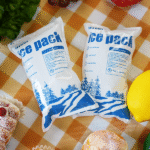
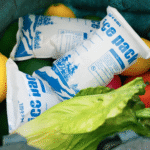
Usar pacotes frios (or phase-change packs) every run for perishables
-
Comece frio: pre-chill products and the bag when possible
-
Use a simple layout: cold source below + produto + cold source above
-
Keep the bag away from car heaters and direct sun
-
Reduce door-open time (batch your drops)
| Desafio | O que fazer | Por que isso ajuda | Significado prático para você |
|---|---|---|---|
| Hot car trunk | sombra + distance from heat | less heat gain | temperaturas mais seguras |
| Muitas paradas | separate cold bag | menos picos de calor | melhor qualidade |
| Condensação | wipeable liners | easy cleanup | menos odor |
Practical tip you’ll feel immediately
If you deliver ice cream or dairy, tratar um dedicated cold bag as mandatory. Mixed bags fail because hot items warm cold items fast.
How do you clean and maintain delivery bags insulated in 2025?
Cleaning protects hygiene, reduces odor, and extends bag life. The key is making the routine short enough that it actually happens.
Commercial insulated delivery bag cleaning SOP (diário)
-
Empty crumbs and trash (30 segundos).
-
Wipe liner with mild soap solution (2 minutos).
-
Wipe again with clean damp cloth (1 minuto).
-
Towel dry corners and zipper area (1 minuto).
-
Loja abrir until fully dry (hands-off).
| Tarefa | Freqüência | Por que isso importa | Significado prático para você |
|---|---|---|---|
| Limpe o forro | diário | higiene + menos resíduo | menos reclamações |
| Seco aberto | diário | prevents odor | longer bag life |
| Inspect zipper | semanalmente | qualidade do selo | melhor tempo de espera |
| Substitua as inserções | conforme necessário | estabilidade | menos derramamentos |
Exemplo real: A team eliminated “bag smell” complaints by adding one rule: bags must be stored open overnight.
Validate delivery bags insulated performance in 30 minutos (and scale safely)
Marketing claims are not your route. Validate in your own conditions so you stop guessing.
The “3-Run” validation method
-
Correr 1: Linha de base interna (30 minutos)
-
Correr 2: Estresse quente (carro quente / sunny conditions, 30 minutos)
-
Correr 3: Rota real (60–90 minutes with 2–4 brief openings)
Registro: hora de início, end time, opening count, and simple temperature checks if available. Even without sensors, opening discipline + qualidade de fechamento shows up quickly.
| Teste | Duração | O que gravar | O que você aprende |
|---|---|---|---|
| Linha de base | 30 min | start/end temp | best-case hold |
| Estresse quente | 30 min | peak drift | summer risk |
| Rota real | 60–90 min | tempo + aberturas | operational truth |
Dicas práticas
-
Teste o seu worst day (heat reveals weak seals fast).
-
Mudar uma variável por vez (packs or bag, não ambos).
-
Turn the winning method into an SOP photo + Lista de verificação.
Interactive decision tools
1) Which delivery bags insulated setup fits you?
Etapa 1: What do you deliver most?
UM) Hot meals B) Pizza C) Misto quente + cold D) Groceries/chilled E) Catering
Etapa 2: Typical route time?
Sob 15 min / 15–30 minutos / 30–60 minutos
Etapa 3: How messy are orders?
Baixo / Médio / Alto (sopas, molhos, bebidas)
Recomendações
-
UM + 15–30 minutos: medium hot bag, vedação apertada, internal divider
-
B: dedicated pizza bag + small bag for sides
-
C: two-bag system (quente + frio), labeled zones
-
D: bolsa fria + top/bottom cold sources + wipeable liner
-
E: structured large bags + inserções + secondary bag for fragile items
2) Delivery Bags Insulated Fit Score (0–20)
Pontue cada item 0 (não), 1 (parcialmente), 2 (sim):
-
Bag closes fully under load
-
Bag stays upright when packed
-
Toalhetes de forro limpam por baixo 60 segundos
-
Seams don’t absorb spills
-
Base resists moisture
-
Fits common orders with minimal empty air
-
Has inserts/dividers
-
Hot/cold separation is easy
-
Drivers open it briefly, not long
-
Bag dries fully between shifts
0–8: High risk → fix seal, dimensionamento, cleaning first
9–14: Medium → improve packing routine + separação
15–20: Strong → optimize route discipline and training
3) Quick ROI model (simples e acionável)
Monthly bag cost = (bag cost ÷ months of use) + replacements/loss
Economia mensal = refunds avoided + re-deliveries avoided + time saved
ROI = monthly savings ÷ monthly bag cost
Your biggest ROI levers are usually:
-
qualidade do selo + closure discipline
-
structure inserts (menos derramamentos)
-
velocidade de limpeza (more compliance)
2025 latest trends in delivery bags insulated
Em 2025, delivery bags insulated are becoming more operations-first:
-
Melhores selos: stronger zippers, improved flaps, roll-tops
-
More structure: inserts that prevent crushing and tipping
-
Easier hygiene: removable liners and wipeable materials
-
More two-bag setups: mixed orders are now the default, not the exception
-
More validation habits: short seasonal tests beat guessing
Customers care less about “fancy bags” and more about outcomes: hot food, no spills, manuseio limpo. Drivers care about speed and comfort. Your system must satisfy both with repeatable routines.
Perguntas frequentes
1) How long do delivery bags insulated keep food hot?
It depends on seal quality, empty air space, aberturas, e temperatura externa. Fewer openings and a tight fit usually extend heat retention most.
2) Are two delivery bags insulated better than one big bag?
Muitas vezes sim. Two medium bags reduce empty air, prevent hot/cold cross-impact, and lower spill risk during multi-stop runs.
3) How do you stop soup spills fast?
Use a rigid base insert, a wipeable liner, and keep soups upright in the base zone. Stability solves more spills than “thicker insulation.”
4) Why do fries get soggy inside insulated bags?
Steam builds up and condenses. Separate fried items from steamy containers, pack them in the top zone, and minimize open time.
5) Can delivery bags insulated handle groceries and dairy?
Sim, if you treat the bag as a buffer. Use cold sources above and below items, reduce empty air, and keep the bag away from heat.
6) Qual é o #1 failure point in real operations?
Leaving the bag open too long, overstuffing so it cannot seal, and letting liquids tip during travel.
7) How often should bags be cleaned?
Daily wipe-down and full air-dry is the best baseline. After spills, clean immediately and dry open to prevent odor.
Resumo e recomendações
Delivery bags insulated work best when you match the bag type to your route, keep closures sealed, pack with a repeatable method, and maintain hygiene. The highest-impact upgrades are usually qualidade do selo, structure inserts, wipeable liners, and hot/cold separation. When you combine those with a simple packing SOP, você reduz reembolsos, protect food quality, and make drivers faster.
Seus próximos passos (limpar CTA)
-
Hoje: measure your most common order sizes and choose a bag that fits with minimal empty air
-
Next shift: implementar Three-Zone + S.T.A.B.L.E. packing and label HOT/COLD bolsas
-
Essa semana: enforce daily wipe-and-dry and replace damaged zippers/liners quickly
-
This month: run the 3-Run validation and lock the best pack-out as your SOP
Sobre Tempk
E tempk, we build practical temperature-control packaging and handling solutions for last-mile delivery. We focus on consistent results: Isolamento forte, controle de vazamento, limpeza fácil, and repeatable packing routines. Our goal is simple—help you reduce temperature swings, prevent spills, and protect customer experience without adding complexity.
Próximo passo: Share your route pattern (average delivery time, parar contagem, hot vs cold mix) and your biggest issue (soggy food, derramamentos, cold items warming). We can help you define a delivery bags insulated setup and a packing SOP that fits your operation.