Selo de zíper de bolsa de gelo seco: Ventilação segura & 2025 Guia
UM Selo de zíper de bolsa de gelo seco is safe only when vented and paired with a non-airtight outer shipper. Gelo seco (CO₂ sólido) sublimates at −78.5 °C and gas must escape. This guide shows you exactly como desabafar, tamanho, lugar, and label a dry ice bag zip seal so you pass 2025 acceptance checks and stop wet cartons without burst risks.
-
Choose a venting method that keeps a Selo de zíper de bolsa de gelo seco clean while releasing CO₂.
-
Right-size dry ice for 24–72 h lanes using a quick calculator and pack it where it works best.
-
Apply UN1845 labels the right way with a Selo de zíper de bolsa de gelo seco and a non-airtight cooler.
-
Pick the best closure (dry ice bag zip seal vs heat seal vs ties) for speed, segurança, and audits.
-
Cut wet boxes and shocks with spacers, forros, and a simple seven-step SOP.
Quando é um Selo de zíper de bolsa de gelo seco safe—and when not?
Resposta principal: It’s safe when the zipper is closed for containment e a deliberate vent path exists so CO₂ can exit. Nunca crie um sistema hermético. Coloque o Selo de zíper de bolsa de gelo seco above the payload with spacer gaps; ensure the outer cooler also vents. This setup prevents pressure spikes, reduces frost on labels, e passa 2025 verificações de aceitação.
Por que funciona para você: Gelo seco gira direto para gases. Gas needs space. UM Selo de zíper de bolsa de gelo seco used as a re-closable liner keeps pellets tidy, limits odor transfer, and—when vented—prevents “balloon” failures. Top placement lets cold, heavy CO₂ bathe product evenly while escaping through the cooler’s vent path. You get cleaner unboxes, fewer burst claims, and simpler line training.
Can a Selo de zíper de bolsa de gelo seco be airtight for dry ice?
Não. Airtight = unsafe. Add one controlled leak path near the top panel so gas escapes while pellets stay put. Escolha um:
| Método de ventilação (painel superior) | Tempo de configuração | Limpeza | Confiabilidade | Para que é melhor |
|---|---|---|---|---|
| Zipper fin-seal micronotch (2–3 mm) | Segundos | Excelente | Alto | Most parcel lines; easiest SOP |
| Microperfs (2–4 pinholes / 100 cm²) | Segundos | Muito bom | Med-High | Small bags; fast builds |
| Membrane vent patch | Minutos | Excelente | Muito alto | High-value pharma/biologics |
Para a ponta: Keep the vent above the dry ice load so gas flows up and out, not through product.
Dicas práticas que você pode usar hoje
-
Principal, not bottom: Coloque o Selo de zíper de bolsa de gelo seco on top with a 10 mm spacer—never under heavy payloads.
-
Protect labels: Add a thin corrugate pad above fragile label stock to avoid freeze-fracture.
-
Não bloqueie as aberturas de ventilação: Don’t jam the bag into lid gaskets or over-tape foam seams. Gas must escape.
Caso real: A meal-kit brand cut “wet box” complaints ~60% in July by switching to a vented Selo de zíper de bolsa de gelo seco no topo, adding a moisture barrier and a 10 mm spacer—no extra dry ice, just smarter gas flow.
How do you size and place a dry ice bag zip seal para pistas de 24 a 72 horas?
Resposta curta: Estimate dry ice from heat load and hold time, pack ~1 kg per Selo de zíper de bolsa de gelo seco, place bags on top and side voids, and validate with a one-box test. Adicione 20–30% in hot lanes or long porch dwell.
Por que isso importa: Right-sized refrigerant and correct placement give you longer holds without product burn. Using multiple Selo de zíper de bolsa de gelo seco units spreads cold evenly and keeps cartons dry, even with multi-stop routes.
Quick rule-of-thumb calculator (cole no SOP)
| Tamanho mais frio | Typical Heat Load (C) | Target Hold | Gelo Seco (kg) | Dry ice bag zip seal configurar |
|---|---|---|---|---|
| 10–15 qt parcel | 7–8 | 24 h | 1.1–1.3 | 1 × ~1 kg bag (principal) |
| 20–25 qt parcel | 8–10 | 36 h | 1.8–2.2 | 2 × ~1 kg (principal + lado) |
| 35–45 qt parcel | 9–12 | 48 h | 2.7–3,5 | 3 × ~1 kg (spread on top) |
| 60 qt rotomolded | 10–14 | 72 h | 4.5–6.3 | 4–6 × ~1 kg (top/side) |
Boas práticas: Freeze product to setpoint, pre-chill the cooler, minimize headspace in each Selo de zíper de bolsa de gelo seco, and log one seasonal lane before scaling.
How do you label UN1845 with a dry ice bag zip seal so hubs accept it?
Resposta direta: Marque o pacote externo (not the inner bag) com "Gelo seco" ou "dióxido de carbono, sólido,UN1845, NET KG, e aplique o Aula 9 label as required. Embalagem deve permit the release of gas—that’s a core acceptance check in 2025.
Checklist you can post at the bench
-
Confirme o Selo de zíper de bolsa de gelo seco é ventilado; outer shipper is not airtight.
-
Marca UN1845 e quilogramas líquidos de gelo seco na caixa externa.
-
Aplicar Aula 9 hazard label where required.
-
Keep packages in ventilated areas; wear cryo-gloves and eye protection.
-
Don’t tape over any designed vent paths.
Dry ice bag zip seal vs heat seal vs ties—what should you choose?
| Tipo de fechamento | Prós | Contras | Melhor uso |
|---|---|---|---|
| Dry ice bag zip seal (ventilado) | Rápido, limpar, re-closeable; great for pellets | Must add vent; zips can snag | Parcel lines needing speed + retrabalhar |
| Heat seal + vent notch | Strong edge; tamper-evident | Needs sealer; brittle at sharp folds | High-value pharma/biologics |
| Twist/cable tie (solto) | Ultra-quick; obvious vent path | Less tidy; wire ends | Bulk seafood, field packouts |
| Press-to-close + micro-desempenho | Very clean; ventilação controlada | Perfs can “dust” | Confections, clinical kits |
Regra geral: Se não tiver certeza, escolha um Selo de zíper de bolsa de gelo seco plus a tiny vent notch—fast, repetível, and audit-friendly.
2025 tendências moldando Selo de zíper de bolsa de gelo seco uso
O que há de novo este ano: Teams favor vent-assured designs, monomaterial films for easier recycling, e QR POPs on lids for faster training. SMBs now validate with a one-box test each season and keep small loggers in every fifth parcel.
Último progresso em um olhar
-
Laser-vented zippers: Built-in micro-breathers reduce accidental hermetic seals.
-
Membrane vents at scale: Factory-applied squares deliver consistent release for high-value lanes.
-
Default data-logging: Right-size dry ice and catch weak routes before peak heat.
Insight de mercado: Hybrid packs—small Selo de zíper de bolsa de gelo seco on top plus PCM panels—are rising for desserts and confections. Texture holds up, cartons stay dry, and hubs report fewer returns.
Perguntas frequentes
Q1: Can I fully close a dry ice bag zip seal to trap more cold?
Não. Packaging with dry ice must allow CO₂ to escape. Add a micro-notch, micro-desempenho, or a membrane vent on the top panel.
Q2: Where should I place the dry ice bag zip seal in the cooler?
On top of the payload with a spacer gap. Co₂ afunda, so top placement cools evenly while gas exits through the shipper’s vent path.
Q3: How much dry ice per dry ice bag zip seal for 48 h lanes?
Comece próximo 3 kg total for a ~9 W parcel cooler (≈3 × 1 kg bags) and validate with a one-box test; add 20–30% in hot seasons.
Q4: Do I need a Shipper’s Declaration if only the refrigerant is dry ice?
Muitas vezes não, but your outer package still needs UN1845, NET KG, e classe 9 (onde necessário). Train staff and follow current carrier pages.
Resumo & Recomendações
Resumindo: UM Selo de zíper de bolsa de gelo seco is safe and efficient only when vented and paired with a vent-capable cooler. Put bags no topo, gelo seco de tamanho direito com a calculadora, e label the outer with UN1845, NET KG, e classe 9 onde necessário. Test one box per season and fix wet-box issues with barriers and spacer gaps.
PRÓXIMOS PASSOS (3-point plan):
-
Standardize one vent method for every Selo de zíper de bolsa de gelo seco.
-
Pilot two shipments per lane with a logger; tune mass and placement.
-
Print an acceptance checklist (UN1845, NET KG, Aula 9) for the bench.
Sobre Tempk
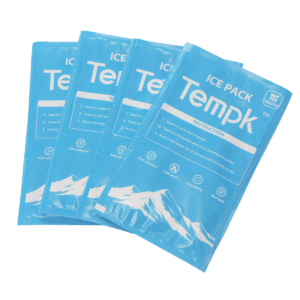
We engineer frozen-grade packaging for food and life-science brands. Nosso Selo de zíper de bolsa de gelo seco range pairs metallized PET barriers with wide-track zips for fast bench work. Customers report fewer melt claims and faster hub acceptance after adopting our labeling kits and SOP playbooks. We validate lanes, right-size dry ice, and help you ship cleanly and compliantly—season after season.
CTA: Ready to eliminate burst bags and wet boxes? Book a 20-minute consult and we’ll turn your current pack-out into a compliant, lab-tested spec.