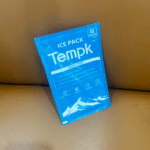
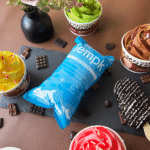
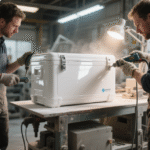
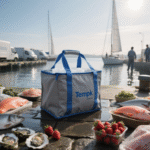
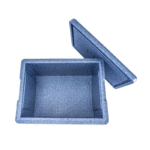
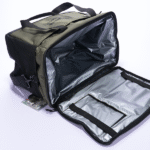
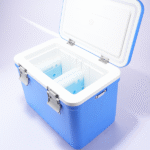
Se você precisar enviar medicamentos que salvam vidas ou frutos do mar frescos entre continentes, você provavelmente está considerando um envoltório de gelo seco pacote de gelo seco. Em 2025 a indústria da cadeia de frio depende deste poderoso refrigerante para manter temperaturas tão baixas quanto 78,5°C, evitando ao mesmo tempo vazamentos de água. O mercado de gelo seco está crescendo, no entanto, a escassez de oferta e as pressões de sustentabilidade exigem escolhas de embalagens mais inteligentes. Este guia caminha você através de como uma bolsa de gelo seco envolta em gelo seco protege sua carga, como escolher o tamanho certo, e quais novas tendências estão moldando 2025 logística da cadeia de frio.
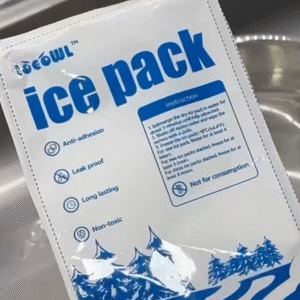
Como uma bolsa de gelo seco com gelo seco mantém temperaturas ultra frias, incluindo seus benefícios de sublimação e por que supera o gelo de água.
Quais fatores determinam a embalagem de gelo seco certa para sua remessa, como sensibilidade do produto, duração e peso do envio.
Quais práticas recomendadas e regulamentos se aplicam ao usar uma bolsa de gelo seco com gelo seco, incluindo embalagem tripla, Limites IATA e dicas de segurança.
Como alternativas como materiais de mudança de fase se comparam a uma bolsa de gelo seco envolta em gelo seco, cobrindo custos, faixa de temperatura e sustentabilidade.
Qual 2025 tendências influenciam a tecnologia de embalagem de gelo seco envoltório de gelo seco, como monitoramento inteligente, fontes renováveis de CO₂ e automação.
Como uma bolsa de gelo seco embrulhada em gelo seco mantém as mercadorias seguras?
Uma bolsa de gelo seco com gelo seco protege sua remessa, mantendo temperaturas ultrabaixas (até 78,5°C) sem deixar resíduos de água. Sublima diretamente do sólido para o gasoso, fornecendo resfriamento constante por 48 a 72 horas, tornando-o ideal para produtos farmacêuticos, vacinas e alimentos congelados. Porque o gelo seco não derrete, evita vazamentos e contaminação, garante a integridade do produto e reduz a deterioração durante o transporte de longa distância.
Os envoltórios modernos de gelo seco usam bolsas ou mangas respiráveis que protegem o gelo seco e permitem que o gás CO₂ seja ventilado com segurança. Este design minimiza o risco de aumento de pressão e torna o manuseio mais eficiente.
Compreendendo a sublimação de gelo seco e suas vantagens
Gelo seco é dióxido de carbono sólido (Co₂) que sublima a 78,5°C. Ao contrário do gelo da água, não derrete em líquido; em vez de, ele se transforma diretamente em gás. Esta propriedade fornece resfriamento prolongado sem umidade. UM envoltório de gelo seco pacote de gelo seco pode manter a temperatura de uma remessa por 48 para 72 horas dependendo da qualidade do isolamento e das condições externas. Porque não há resíduo líquido, itens sensíveis, como culturas de células ou microchips, permanecem secos e seguros.
O frio extremo do gelo seco o torna indispensável para indústrias como a de biotecnologia, farmacêutica e alimentícia. Vacinas e produtos biológicos requerem temperaturas ultrabaixas para preservar a eficácia, enquanto frutos do mar e carne precisam de condições frias para evitar o crescimento bacteriano. Uma bolsa de gelo seco típica usada em remessas farmacêuticas contém de 5 a 10 libras de gelo seco por 24 horas para remessas com duração de 24 a 72 horas. Para frutos do mar ou alimentos congelados, 1–2 libras por 24 horas são suficientes. O envoltório garante que o gelo seco entre em contato com a carga uniformemente, permitindo que o CO₂ escape.
Selecionando o pacote de gelo seco certo para sua remessa
O correto envoltório de gelo seco pacote de gelo seco depende do tipo de envio, requisitos de duração e temperatura. Por exemplo, remessas farmacêuticas normalmente usam de 5 a 10 libras de gelo seco por 24 horas, mantendo temperaturas entre -20°C e -70°C. Remessas de frutos do mar precisam de 1–2 libras por 24 horas para manter -18°C a -20°C, enquanto as amostras de biotecnologia exigem cerca de 5 libras por 24 horas para -20°C a -50°C. As entregas de alimentos geralmente consomem de 2 a 3 libras por 24 horas entre −10°C e −18°C.
O dimensionamento adequado evita sub-resfriamento ou super-resfriamento. Se você usar muito pouco gelo seco, as temperaturas subirão muito rapidamente; demais pode danificar produtos ou desperdiçar dinheiro. Calcule a massa do pacote de gelo seco com gelo seco com base no peso da remessa, qualidade do isolamento e tempo de viagem. Sempre coloque gelo seco no fundo do recipiente para que o ar frio suba e circule efetivamente.
| Tipo de remessa | Quantidade recomendada de gelo seco (por 24 h) | Duração do envio | Benefício para você |
| Produtos farmacêuticos | 5–10 libras | 24–72 h | Temperatura ultra baixa (−20°C a −70°C) protege a eficácia do medicamento |
| Frutos do mar | 1–2 libras | 24 h | Previne a deterioração; mantém os peixes entre -18°C e -20°C |
| Amostras de biotecnologia | 5 libras | 48 h | Mantém −20°C a −50°C garantindo a viabilidade da amostra |
| Entregas de alimentos | 2–3 libras | 24 h | Mantém refeições congeladas entre −10°C e −18°C |
Dicas e conselhos práticos
Remessas farmacêuticas: Use um recipiente isolado e coloque seu pacote de gelo seco sob a carga útil. Mantenha 5–10 libras de gelo seco por 24 horas e monitore a temperatura com sensores IoT para conformidade.
Entregas de frutos do mar: Coloque um pacote de gelo seco de 1–2 lb de gelo seco na parte inferior, separe os peixes com forros absorventes e garanta que a caixa libere CO₂ com segurança.
Amostras de biotecnologia: Use pelo menos 5 libras de gelo seco; se suas amostras forem ultrassensíveis, considere adicionar materiais de mudança de fase para estabilidade.
Refeições congeladas: Para entregas em 24 horas, dois 3 Os pacotes de gelo seco com envoltório de gelo seco fornecem resfriamento estável sem queimaduras por congelamento.
Exemplo do mundo real: Um distribuidor de vacina aumentou o prazo de entrega de 36 para 72 horas emparelhando um recipiente isolado com um 10 lb pacote de gelo seco envoltório de gelo seco, garantindo temperaturas ultrabaixas e eliminando vazamentos.
Quais são as melhores práticas para embalar um pacote de gelo seco com gelo seco?
Para embalar uma bolsa de gelo seco com gelo seco com segurança, você precisa de um contêiner isolado, embalagem ventilada, vedação segura, e rotulagem adequada. Recipientes isolados retardam a transferência de calor, enquanto a embalagem ventilada permite que o gás CO₂ escape, evitando o aumento da pressão. Sacos seláveis contêm gelo seco, evitando o contato direto com o seu produto e prolongando a duração do resfriamento. Sempre siga os regulamentos IATA e DOT para materiais perigosos, incluindo limites de peso e requisitos de embalagem tripla.
Camadas e Ventilação
UM envoltório de gelo seco pacote de gelo seco tem melhor desempenho quando colocado corretamente em camadas. Coloque gelo seco no fundo do recipiente para que o ar frio suba pela carga útil. Deixe espaço para o gás CO₂ escapar; caso contrário, a pressão poderá aumentar e romper a embalagem. Prenda o envoltório usando tiras ou adesivo para evitar movimento durante o transporte. Para líquidos, use materiais absorventes para capturar derramamentos e evitar contaminação..
Tampas ventiladas ou bolsas com perfurações permitem a saída do gás CO₂, mantendo o envoltório de gelo seco dentro. Isso é crucial ao enviar por via aérea, onde as diferenças de pressão podem aumentar os riscos.
Conformidade com os regulamentos IATA e DOT
O envio de gelo seco está sujeito a regulamentações rigorosas. De acordo com a Universidade de Rochester 2025 atualizar, os passageiros podem transportar até 2.5 kg (5.5 libras) de gelo seco se a companhia aérea concordar; valores acima 2.5 kg exigem adesão às instruções de embalagem 954. O gelo seco deve ser embalado em um sistema de camada tripla: um receptáculo primário à prova de vazamentos, um recipiente secundário à prova de vazamentos e uma caixa externa forte. Cada camada deve suportar mudanças de pressão e ser grande o suficiente para conter rótulos de perigo.
Pacotes contendo mais de 50 g de certos materiais biológicos devem ser rotulados como “Somente aeronaves de carga” e incluir uma Declaração de Mercadorias Perigosas. Ao enviar com refrigerantes como gelo seco, a embalagem primária e secundária deve permanecer intacta a baixas temperaturas, e material absorvente deve lidar com qualquer líquido das amostras.
| Elemento de embalagem | Propósito | Como isso ajuda você |
| Recipiente isolado | Minimiza a transferência de calor e retarda a sublimação | Prolonga a duração do resfriamento, reduz a quantidade de gelo seco necessária |
| Saco/embrulho ventilado | Permite que o gás CO₂ escape com segurança | Evita o aumento de pressão e a ruptura do recipiente |
| Embalagem tripla | Fornece contenção primária e secundária à prova de vazamentos | Atende aos requisitos IATA e DOT, Proteção de manipuladores |
| Etiquetas de perigo | Informe as transportadoras e equipes de emergência | Evita multas e garante a conformidade com os regulamentos de perigo |
Dicas e conselhos sobre embalagens
Deixe espaço para gás: Sempre deixe um espaço no recipiente para que a bolsa de gelo seco possa liberar CO₂ com segurança. A falha na ventilação pode causar explosão.
Proteja o envoltório: Use fita adesiva ou tiras para fixar o pacote de gelo seco dentro do recipiente para que ele não se desloque durante o transporte.
Marque o pacote: Rotule a caixa com “Dióxido de Carbono, Sólido” e peso líquido em conformidade com as regras DOT e IATA.
Use materiais absorventes: Para remessas biológicas, coloque almofadas absorventes entre as camadas para coletar qualquer fluido vazado.
Caso real: Uma empresa de biotecnologia evitou uma $250,000 multa seguindo regras de embalagem tripla e rotulando corretamente uma remessa de gelo seco com declarações de materiais perigosos.
Como alternativas como o PCM se comparam a um pacote de gelo seco com gelo seco?
Materiais de mudança de fase (PCM) oferecer reutilizável, embalagem de temperatura estável, mas não pode substituir uma embalagem de gelo seco com gelo seco para remessas ultrafrias. Os PCMs absorvem e liberam calor em temperaturas definidas (2–8°C ou –20°C) e são reutilizáveis. Eles são ideais para vacinas ou produtos biológicos que requerem resfriamento moderado, e evitam regras sobre materiais perigosos. No entanto, Os PCMs não conseguem atingir temperaturas extremamente baixas (< –70ºC) que o gelo seco fornece.
Em 2025, sistemas híbridos que combinam PCMs e gelo seco estão surgindo. Esses sistemas usam PCMs para suavizar as flutuações de temperatura e estender os tempos de retenção do gelo seco. Ao escolher entre PCMs e uma bolsa de gelo seco com gelo seco, considere a faixa de temperatura, Duração da remessa, complexidade regulatória e orçamento.
PCM vs Gelo Seco: Faixa de temperatura e custo
PCMs mantêm faixas estreitas de temperatura (geralmente 2–8°C ou –20°C) e são classificados como não perigosos, simplificando a conformidade. Eles têm custos iniciais mais altos, mas podem ser reutilizados várias vezes, reduzindo o desperdício. O gelo seco atinge menos de –70°C, o que é crítico para remessas congeladas, como amostras de terapia genética ou kits CRISPR. O gelo seco é barato por remessa, mas deve ser reabastecido a cada uso e requer rotulagem de materiais perigosos.
| Recurso | PCM | Pacote de gelo seco para envoltório de gelo seco | Seu take -away |
| Faixa de temperatura | +2°C a –20 °C | Abaixo de –70°C | Use PCM para temperaturas moderadas; gelo seco para necessidades ultrafrias |
| Status regulatório | Geralmente não perigoso | Perigoso (Aula 9) exigindo rótulos | PCMs simplificam a conformidade; gelo seco exige documentação adequada |
| Reutilização e sustentabilidade | Reutilizável, custo mais alto, menos desperdício | Uso único, menor custo, Emissões de co₂ | PCMs economizam dinheiro ao longo do tempo; gelo seco é acessível, mas menos ecológico |
| Melhores casos de uso | Vacinas, Biologics, reagentes | Produtos biológicos ultrafrios, CRISPR, células congeladas | Escolha com base na sensibilidade à temperatura do produto |
Dicas de seleção
Necessidades de temperatura: Para remessas de 2–8°C, escolha PCM; para –70°C ou mais frio, use um pacote de gelo seco com gelo seco. Sistemas híbridos podem preencher lacunas.
Duração: PCMs funcionam bem para < 72 horas; gelo seco ou soluções híbridas são melhores para > 96 horas.
Regulamentos: PCMs evitam rótulos perigosos; gelo seco requer marcações de perigo e treinamento.
Metas de sustentabilidade: PCMs reduzem emissões e resíduos de CO₂; gelo seco oferece menor custo inicial, mas mais desperdício.
Caso real: Um remetente de ensaio clínico adotou um pacote híbrido combinando painéis PCM com um 5 lb pacote de gelo seco envoltório de gelo seco, alcançando 120 horas de temperatura estável a –40°C e reduzindo o consumo de gelo seco em 30%.
2025 Desenvolvimentos e tendências na tecnologia de embalagem de gelo seco com envoltório de gelo seco
Visão geral das tendências
O setor da cadeia de frio enfrenta desafios e inovações sem precedentes. Por 2025, a demanda por gelo seco está aumentando aproximadamente 5 % por ano, enquanto a oferta global de CO₂ cresce apenas 0.5 %, causando escassez periódica e aumentos de preços até 300 %. Apesar da escassez, o mercado de gelo seco deverá aumentar de USD 1.54 bilhão em 2024 para USD 2.73 bilhão por 2032, um 7.4 % taxa composta de crescimento anual. Para lidar, os fabricantes estão construindo centros de produção localizados e explorando fontes de CO₂ de base biológica, como a captura de CO₂ de usinas de bioetanol.
Último progresso em um olhar
Sistemas de monitoramento inteligentes: Sensores da Internet das Coisas integrados às embalagens de gelo seco fornecem dados de temperatura e umidade em tempo real, melhorando a conformidade e reduzindo a deterioração.
Sistemas de resfriamento híbrido: A combinação de gelo seco com materiais de mudança de fase suaviza as flutuações de temperatura e prolonga os tempos de espera.
Automação e robótica: Linhas de embalagem de alto volume agora usam robôs para embalar e mover bolsas de gelo seco, melhorando a velocidade e reduzindo o erro humano.
Insights de mercado e sustentabilidade
Desequilíbrio oferta-demanda: O consumo de gelo seco supera o fornecimento de CO₂, forçando as empresas a diversificar estratégias de refrigeração ou assinar contratos de longo prazo.
Produção sustentável: O CO₂ de fontes renováveis, como biogás ou fermentação de bioetanol, é cada vez mais utilizado para fazer gelo seco, reduzindo pegadas de carbono.
Embalagem ambiental: Materiais recicláveis e biodegradáveis estão se tornando padrão, reduzindo o desperdício de plástico e alinhando-se com os objetivos da economia circular.
Formatos alternativos: Grandes blocos de gelo seco sublimam lentamente, pellets esfriam rapidamente, e fatias personalizadas proporcionam um equilíbrio. Escolher o formato certo e o isolamento adequado pode reduzir as taxas de sublimação para 3–8 % por dia.
Influências regulatórias: Novas tarifas e regulamentos exigem que as embalagens farmacêuticas integrem o registo de dados e materiais sustentáveis. As atualizações da IATA e DOT limitam a quantidade de gelo seco na bagagem e enfatizam a embalagem tripla.
Alternativas sustentáveis: PCMs e unidades de refrigeração ativas estão ganhando força para faixas de temperatura moderadas, embora complementem em vez de substituir uma bolsa de gelo seco envolta em gelo seco.
Perguntas frequentes
- O que é uma bolsa de gelo seco com gelo seco e como funciona?
Uma bolsa de gelo seco envolta em gelo seco é uma bolsa ou manga contendo CO₂ sólido que sublima diretamente em gás a –78,5 °C. Mantém as remessas frias por 48 a 72 horas sem produzir água, tornando-o ideal para produtos farmacêuticos e alimentos sensíveis. - Quanto gelo seco devo usar em uma bolsa de gelo seco com gelo seco?
Os valores dependem do produto e da duração. Para vacinas, use 5–10 libras por 24 horas; frutos do mar precisam de 1–2 libras; amostras de biotecnologia exigem cerca de 5 libras; e refeições congeladas consomem 2–3 libras. - Posso carregar uma bolsa de gelo seco com gelo seco em um avião?
As companhias aéreas podem permitir até 2.5 kg (5.5 libras) de gelo seco por passageiro, desde que esteja devidamente ventilado e rotulado. Quantidades maiores devem seguir as instruções de embalagem da IATA 954 e ser declarado como material perigoso. - Que precauções de segurança devo tomar ao manusear uma bolsa de gelo seco com gelo seco?
Use luvas isoladas para evitar queimaduras, garanta uma boa ventilação para evitar o acúmulo de CO₂, e nunca sele gelo seco em um recipiente hermético. Sempre siga os requisitos de rotulagem de mercadorias perigosas. - As bolsas de gelo seco com envoltório de gelo seco são ecologicamente corretas??
O próprio gelo seco é feito de CO₂ reciclado, mas a sua produção utiliza frequentemente carbono de base fóssil. Em 2025 as empresas estão adquirindo CO₂ de usinas de biogás e bioetanol, e usando materiais de embalagem recicláveis para reduzir os impactos ambientais. - Quando devo escolher materiais de mudança de fase em vez de uma bolsa de gelo seco com gelo seco?
Use PCMs quando sua remessa exigir temperaturas entre 2–8 °C ou –20 °C, como vacinas ou produtos biológicos. O gelo seco é melhor para remessas ultrafrias. Os sistemas híbridos podem se fundir tanto para estabilidade quanto para duração prolongada.
Resumo e conselhos acionáveis
UM envoltório de gelo seco pacote de gelo seco continua sendo a base do transporte ultrafrio porque pode manter temperaturas abaixo de –70 °C sem vazamentos ou umidade. Em 2025, restrições de fornecimento e pressões de sustentabilidade estão levando as empresas a adotar embalagens mais inteligentes, incluindo monitoramento de IoT, sistemas híbridos com PCMs, e CO₂ proveniente de materiais renováveis. Escolhendo a quantidade certa de gelo seco, seguindo regras de embalagem tripla, e selecionando o isolamento apropriado, você pode proteger a integridade de seus produtos e reduzir o desperdício. Alternativas como PCMs complementam o gelo seco, mas não o substituem para necessidades de congelamento profundo.
PRÓXIMOS PASSOS
Avalie sua remessa: Determinar a faixa de temperatura, duração e requisitos regulamentares. Use as orientações deste artigo para calcular a quantidade correta de gelo seco.
Atualize sua embalagem: Invista em recipientes isolados e envoltórios de gelo seco ventilados. Use sensores IoT para monitorar a temperatura em tempo real.
Plano para a sustentabilidade: Explore o CO₂ proveniente de processos biológicos e escolha materiais de embalagem recicláveis para se alinhar às metas ambientais.
Consulte especialistas: Se você lida com produtos farmacêuticos ou biológicos, consulte especialistas em cadeia de frio para validar sua embalagem e garantir a conformidade com as regras IATA/DOT.
Explore híbridos: Considere adicionar painéis PCM à sua bolsa de gelo seco para remessas de longa duração, reduzindo a quantidade de gelo seco necessária enquanto mantém temperaturas estáveis.
Sobre Tempk
No Tempk somos especializados em soluções de cadeia de frio que combinam confiabilidade com sustentabilidade. Nossos produtos de embalagem de gelo seco com gelo seco são projetados para remessas ultrafrias de produtos farmacêuticos, Biologics, frutos do mar e refeições congeladas. Produzimos gelo seco a partir do CO₂ capturado e oferecemos embalagens isoladas feitas de materiais recicláveis para reduzir o desperdício. Nossa equipe de pesquisa e desenvolvimento inova continuamente, integrando sensores inteligentes e sistemas de refrigeração híbridos para ajudá-lo a atender 2025 regulamentos e metas de sustentabilidade.
Chamado à ação: Pronto para otimizar sua logística de cadeia de frio? Entre em contato com os especialistas da Tempk para obter aconselhamento personalizado sobre como selecionar o pacote de gelo seco ou solução híbrida certa para sua próxima remessa.