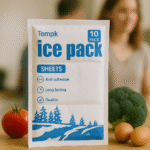
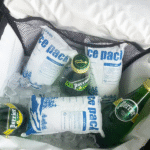
Manter seus produtos perecíveis resfriados sem prejudicar o planeta não é mais opcional – é uma necessidade. Pacotes de gelo seco ecológicos oferecer uma solução que proporciona baixas temperaturas consistentes e, ao mesmo tempo, reduz resíduos e emissões de carbono. O mercado atual de logística da cadeia de frio vale cerca de $78 bilhão nos EUA., ainda assim, quase metade dos consumidores julga as marcas pelo impacto ambiental das suas embalagens. Ao mudar para tecnologias de refrigeração sustentáveis, você pode proteger os bens e o planeta. Este guia explica como funcionam as bolsas de gelo seco ecologicamente corretas, Por que eles importam, e como escolher a opção certa para suas remessas.
O que torna os pacotes de gelo seco ecológicos melhores? Saiba como essas embalagens reduzem o desperdício de plástico, reduza a pegada de carbono e dure mais que as bolsas de gelo tradicionais.
Como funcionam os materiais de resfriamento sustentáveis? Descubra o papel dos materiais de mudança de fase, camadas de isolamento e invólucros reutilizáveis para manter temperaturas seguras.
Quais indústrias se beneficiam mais? Veja por que a farmacêutica, os setores de alimentos e biotecnologia estão adotando opções ecologicamente corretas.
Como você seleciona o pacote certo para diferentes remessas? Compare pacotes de gel, Tapetes PCM, painéis isolados a vácuo e isolamento de lã para diversas distâncias e tipos de produtos.
Quais são as últimas tendências e inovações em 2025? Explore revestimentos biodegradáveis, sensores inteligentes, captura de carbono e outros avanços que moldam o futuro.
O que são bolsas de gelo seco ecologicamente corretas e por que você deve trocar?
As bolsas de gelo seco ecologicamente corretas são sistemas de resfriamento projetados para manter temperaturas ultrabaixas e, ao mesmo tempo, minimizar o impacto ambiental.. Ao contrário dos pacotes de gel tradicionais ou gelo descartável, esses pacotes aproveitam dióxido de carbono sólido (gelo seco) ou materiais de mudança de fase (PCMs) para manter produtos congelados ou resfriados sem deixar sujeira aquosa. O gelo seco sublima diretamente de sólido para gasoso a cerca de –109,3°F (–78,5 ° C.), fornecendo estável, condições ultra frias necessárias para remessas sensíveis. Porque sublima, não há água derretida líquida que possa danificar embalagens ou produtos. Ainda melhor, o gelo seco é frequentemente produzido a partir de CO₂ reciclado capturado em processos industriais, transformando gás residual em um refrigerante útil.
Por que são melhores que as opções tradicionais
Resíduos plásticos reduzidos: Os pacotes de gel tradicionais exigem invólucros de plástico que muitas vezes acabam em aterros sanitários. O gelo seco elimina essa necessidade e depende de materiais reutilizáveis, recipientes isolados.
Menor pegada de carbono: O gelo seco é um subproduto de indústrias como a produção de amônia e etanol, o que significa que seu uso reaproveita o CO₂ existente em vez de gerar novas emissões.
Consumo mínimo de água: A produção de bolsas de gelo ou gel utiliza uma quantidade considerável de água. O gelo seco é criado sem água, conservando recursos.
Reciclável e Biodegradável: Porque o gelo seco sublima completamente, não há resíduos sólidos para descartar - tornando-o um recurso natural, refrigerante biodegradável.
Uso a longo prazo: Muitas embalagens ecológicas são projetadas para reutilização, permitindo que as empresas reduzam custos e desperdícios ao longo do tempo.
Essas vantagens tornam as bolsas de gelo seco ecologicamente corretas uma escolha inteligente para empresas que enfrentam pressão para reduzir sua pegada ambiental e, ao mesmo tempo, fornecer produtos seguros., produtos de alta qualidade.
Componentes principais e como funcionam
As bolsas de gelo seco ecológicas normalmente consistem em três componentes principais:
| Componente | Descrição | Significado |
| Camada de isolamento | Feito de materiais como espuma de alta densidade, forros à base de papel ou painéis isolados a vácuo (VIPs); reduz a transferência de calor entre o ambiente externo e os produtos embalados. | Prolonga o efeito de resfriamento e reduz o número de refrigerantes necessários, economizando espaço e custo. |
| Núcleo de mudança de fase | Contém pellets de gelo seco ou um material de mudança de fase projetado para derreter ou solidificar em temperaturas específicas. PCMs mantêm temperaturas como 2–8 °C ou –20 °C, enquanto o gelo seco permanece abaixo de –70 °C. | Fornece temperaturas estáveis para produtos como vacinas, Biologics, frutos do mar ou carnes; ajuda a evitar picos de temperatura que levam à deterioração. |
| Concha externa protetora | Concha durável e reutilizável feita de materiais como polietileno ou papel reciclado. Fornece proteção física e ajuda a conter a compressa fria. | Aumenta a segurança e permite múltiplos usos, reduzindo o desperdício e o custo geral. |
Dicas práticas para usar bolsas de gelo seco ecológicas
Camada corretamente: Cerque os produtos com refrigerante, mas evite o contato direto com itens sensíveis para evitar danos por congelamento.
Ventilar: O gelo seco sublima em gás dióxido de carbono; embalar as remessas em contêineres que permitam o escape do gás para evitar o aumento de pressão.
Monitorar temperaturas: Use sensores inteligentes ou etiquetas sensíveis à temperatura para garantir que as remessas permaneçam dentro da faixa exigida.
Combinações híbridas: Para remessas que precisam de temperaturas frias, mas não congelantes, combine gelo seco com gel ou pacotes de PCM para atingir a faixa de temperatura ideal.
Aplicações do setor: Quem se beneficia mais?
Bolsas de gelo seco ecológicas são essenciais em vários setores:
Farmacêutica e Biotecnologia: Vacinas, insulina e produtos biológicos exigem controle rigoroso de temperatura. Embalagem sustentável de gelo seco proporciona condições ultrafrias sem umidade, garantindo a eficácia do medicamento e a conformidade regulatória.
Comida e bebida: De kits de refeição por assinatura a frutos do mar e laticínios, essas embalagens mantêm os alimentos frescos e reduzem a deterioração. A refrigeração com baixo teor de carbono atrai consumidores que se preocupam cada vez mais com a sustentabilidade das embalagens.
Ensaios Clínicos e Produtos Biológicos: Amostras de pesquisa, Os componentes CRISPR e hemoderivados devem permanecer congelados; sistemas de gelo seco ultrafrio ou PCM garantem a integridade da amostra.
Comércio eletrônico e kits de refeição: O rápido crescimento do transporte direto ao consumidor de produtos perecíveis exige resfriamento confiável com desperdício mínimo. Embalagens reutilizáveis apoiam modelos de logística circular.
Exemplo do mundo real
Uma empresa de logística farmacêutica mudou para bolsas de gelo seco reutilizáveis e relatou um 20 % redução nos custos de resfriamento depois de seis meses, juntamente com uma redução significativa de resíduos. Isto demonstra como as embalagens ecológicas podem simultaneamente reduzir as despesas operacionais e apoiar os objetivos ambientais.
Impacto Ambiental e Benefícios de Sustentabilidade
Por que a sustentabilidade é importante
A logística da cadeia de frio depende de grandes quantidades de materiais de embalagem e refrigerantes, muitos dos quais acabam como lixo. Em 2018 os EUA. gerado 80,000 toneladas de poliestireno expandido (EPS) embalagem de espuma, ainda menor que 1 % foi reciclado. Os pacotes de gel tradicionais contêm géis à base de petróleo e revestimentos plásticos que permanecem em aterros sanitários. A pressão regulatória e dos consumidores está aumentando: 43 % dos consumidores considere a sustentabilidade das embalagens ao tomar decisões de compra, e muitos países e EUA. estados estão restringindo o uso de EPS.
As bolsas de gelo seco ecologicamente corretas abordam esses problemas através de diversas vantagens ambientais:
CO₂ reaproveitado: O gelo seco é produzido a partir do subproduto industrial CO₂, reduzir os resíduos e apoiar a economia circular.
Sem forros de plástico: Porque o gelo seco sublima, não precisa de sacolas plásticas. As embalagens CelluLiner em papel protegem os produtos até 72 horas refrigerado e refrigerado e 48 horas congeladas, eliminando resíduos de plástico.
Pacotes de gel adequados para drenagem: Inovações como as embalagens amigáveis para drenagem da IPC usam gel não tóxico e invólucros recicláveis na calçada para que os destinatários possam enxaguá-los e reciclá-los. Esses pacotes ajudam a manter o plástico fora dos aterros.
Opções reutilizáveis e biodegradáveis: O Ice Cold Pack pode ser reutilizado centenas de vezes e contém materiais biodegradáveis, géis não tóxicos, reduzindo drasticamente o número de embalagens descartáveis descartadas.
Menor uso de água: A produção de gelo seco consome menos água do que o congelamento de bolsas de gelo convencionais.
Emissões de carbono reduzidas: O uso de energia renovável e tecnologias de produção sob demanda pode reduzir a pegada de carbono da fabricação de gelo seco. As tecnologias de captura e reutilização de carbono prendem as emissões de CO₂ e as convertem em gelo seco, reduzindo ainda mais as emissões líquidas.
Comparando opções de resfriamento
| Solução de resfriamento | Impacto ambiental | Características principais | Melhores casos de uso |
| Pacote de gel tradicional | Embalagens plásticas descartáveis, géis à base de petróleo; difícil de reciclar. | Mantém o conteúdo abaixo 40 °F por até 48 horas, mas pode vazar e requer mais isolamento. | Curta distância, remessas refrigeradas; produtos frescos e caixas CSA. |
| Pacote de gelo seco (convencional) | Reutiliza CO₂ por produto, sem embalagem plástica; no entanto, ainda requer pelotas únicas e gera gás CO₂. | Fornece temperaturas ultra frias (<–70 °C); requer manuseio de materiais perigosos e recipientes ventilados. | Frutos do mar congelados, Biologics, remessas ultracongeladas. |
| Pacote de gelo seco ecológico (reutilizável) | Inclui isolamento, concha reutilizável e gelo seco ou PCM; reduz o desperdício de plástico e pode ser usado várias vezes. | Mantém o frio por mais tempo, reduz desperdícios e custos; pode integrar sensores inteligentes para monitoramento em tempo real. | Produtos farmacêuticos, remessas de alimentos para comércio eletrônico, amostras de pesquisa. |
| Material de mudança de fase (PCM) | Reutilizável, embalagens não perigosas com menos emissão de CO₂; maior custo inicial. | Mantém faixas de temperatura específicas (2–8 °C ou –20 °C) e pode ser reutilizado várias vezes. | Vacinas, Biologics, remessas de médio porte onde temperaturas estáveis são cruciais. |
| Isolamento de lã com pacotes de gel | Biodegradável e compostável; reduz o desperdício de plástico. | Mantém as remessas frescas por um a dois dias; ideal para entregas regionais. | Fazendas e produtores enviam produtos localmente para clientes ecologicamente conscientes. |
Como mostra a tabela, opções sustentáveis, como bolsas de gelo seco reutilizáveis, Os PCMs e os forros de lã natural proporcionam um forte desempenho térmico, ao mesmo tempo que reduzem drasticamente os resíduos plásticos e as emissões de carbono.
Considerações regulatórias e de segurança
Pacotes de gelo seco ecológicos devem ser manuseados com responsabilidade. O gelo seco sublima em gás CO₂ e pode deslocar o oxigênio em espaços confinados, portanto, certifique-se de que os contêineres sejam ventilados e que a equipe use equipamento de proteção adequado. Se envio por ar, seguir as diretrizes de materiais perigosos e os requisitos de rotulagem. Treinar a equipe em manuseio seguro e conformidade regulatória é essencial.
Escolhendo a solução de resfriamento ecológica certa
A seleção da bolsa de gelo seco ecologicamente correta depende de vários fatores:
1. Requisitos de temperatura de envio
Gama refrigerada (2–8 ° C.): Os pacotes PCM projetados para esta faixa fornecem temperaturas constantes e são reutilizáveis. Os pacotes de gel também podem manter temperaturas abaixo 40 °F por até 48 horas.
Gama congelada (–20 °C): Pacotes PCM classificados para –20 °C ou pacotes substitutos de gelo seco proporcionam temperaturas de congelamento profundo sem umidade. Estes são adequados para sorvete, carnes e certos produtos farmacêuticos.
Ultra frio (abaixo de –70 °C): O gelo seco convencional ainda é necessário para remessas como kits CRISPR ou células congeladas.
2. Duração do trânsito
Curta distância (sob 48 horas): Pacotes de gel ou cobertores de água gelada funcionam bem por um a dois dias. O isolamento de lã com pacotes de gel oferece uma opção ecológica para remessas regionais.
Gama média (2–5 dias): Pacotes de PCM ou pacotes de gel adequados para drenagem combinados com revestimentos recicláveis mantêm temperaturas estáveis para remessas de médio porte.
Longa distância (5–10 dias): Painéis isolados a vácuo (VIPs) combinadas com bolsas frias mantêm os produtos congelados por sete a dez dias, tornando-os ideais para entregas entre países ou remessas vulneráveis a atrasos.
3. Complexidade regulatória
Se você quiser evitar a rotulagem de materiais perigosos e simplificar a documentação alfandegária, opte por pacotes isolados de PCM ou lã. O gelo seco exige conformidade com os regulamentos IATA e DOT e pode ser inadequado para remessas internacionais. Ao usar gelo seco, garantir que a embalagem atenda aos padrões de segurança e inclua ventilação adequada.
4. Metas orçamentárias e de sustentabilidade
Embora os sistemas PCM tenham custos iniciais mais elevados, eles podem ser reutilizados várias vezes e reduzir despesas de longo prazo. O gelo seco é barato por remessa, mas incorre em custos recorrentes e preocupações com descarte. Considere o impacto ambiental: forros de lã e CelluLiner à base de papel reciclável reduzem o desperdício de plástico e se alinham aos compromissos de sustentabilidade.
2025 Tendências e inovações em embalagens sustentáveis para cadeia de frio
A indústria da cadeia fria está evoluindo rapidamente. Aqui estão as principais tendências que moldam 2025 e além:
Revestimentos biodegradáveis: Os fabricantes estão experimentando revestimentos para bolsas de gelo seco que se decompõem naturalmente após o uso, reduzindo ainda mais o desperdício.
Sensores inteligentes e integração IoT: O monitoramento da temperatura em tempo real usando sensores incorporados nas embalagens permite que os operadores rastreiem as remessas e intervenham antes que ocorra deterioração.
Materiais de mudança de fase com faixas de temperatura mais amplas: Novos PCMs podem ser projetados para atingir faixas de temperatura de nicho, melhorando a flexibilidade e reduzindo a necessidade de gelo seco.
Painéis isolados a vácuo: VIPs reduzem a transferência de calor, permitindo que os transportadores usem menos refrigerantes e estendam a duração do resfriamento para 7 a 10 dias.
Captura e reutilização de carbono: Sistemas avançados de captura de carbono retêm as emissões de CO₂ das plantas industriais e as reaproveitam para produzir gelo seco, redução das emissões líquidas de gases com efeito de estufa.
Produção de energia renovável: Os fabricantes de gelo seco estão integrando energia solar e eólica em suas operações, reduzindo o consumo de energia e as pegadas de carbono.
Sistemas de produção sob demanda: Máquinas compactas permitem que as empresas produzam gelo seco no local e conforme necessário, reduzindo emissões e resíduos de transporte.
Estas inovações destacam como a tecnologia e a sustentabilidade estão convergindo para criar uma cadeia de frio mais responsável.
Insights de mercado e demanda do consumidor
O mercado da logística da cadeia de frio está a crescer rapidamente e está avaliado em aproximadamente $78 bilhões nos Estados Unidos.
43 % dos consumidores considere o impacto ambiental das embalagens ao fazer uma compra. Esta mudança está a levar as empresas a adotarem soluções de cadeia de frio recicláveis e reutilizáveis.
74 % dos americanos têm interesse em comprar produtos em embalagens recarregáveis, sinalizando forte demanda por logística sustentável.
Restrições ao poliestireno expandido (EPS) a espuma está se espalhando: mais do que 30 países e vários EUA. estados promulgaram limitações, levando as empresas a buscar alternativas como CelluLiner à base de papel e refrigeradores biodegradáveis.
Perguntas frequentes
Q1: Por quanto tempo as bolsas de gelo seco ecológicas mantêm os produtos frios?
Bolsas de gelo seco reutilizáveis normalmente mantêm condições ultra frias para 12 para 24 horas, embora a duração real dependa da temperatura externa e da quantidade de gelo seco. Painéis isolados a vácuo podem estender as condições de congelamento para sete a dez dias.
Q2: As bolsas de gelo seco ecológicas são seguras para alimentos e produtos farmacêuticos??
Sim. Porque o gelo seco sublima diretamente em gás dióxido de carbono, não há água líquida para contaminar a embalagem. PCMs e géis não tóxicos usados em embalagens sustentáveis são seguros para alimentos e atendem aos padrões regulatórios para remessas farmacêuticas.
Q3: O que torna uma bolsa de gelo seco “ecologicamente correta”?
Uma embalagem ecológica utiliza materiais que podem ser reutilizados ou reciclados, contém conteúdo não tóxico, e reduz resíduos ou emissões de carbono. Os exemplos incluem shells reutilizáveis com PCMs, forros de lã biodegradáveis, e drenar pacotes de gel amigáveis.
Q4: Posso descartar bolsas de gelo seco no lixo comum?
Deixe o gelo seco restante sublimar em uma área bem ventilada. Em seguida, recicle ou reutilize a casca, se possível. Os pacotes de gel adequados para drenagem podem ser esvaziados na pia e o invólucro de plástico reciclado. Nunca coloque gelo seco em uma lixeira lacrada, pois o aumento da pressão pode causar danos.
Q5: Os materiais de mudança de fase são melhores que o gelo seco??
Os PCMs mantêm faixas de temperatura específicas e não são perigosos. Eles são ideais para remessas de 2–8 °C ou –20 °C e podem ser reutilizados diversas vezes. No entanto, eles não podem atingir as temperaturas ultrabaixas exigidas para certas amostras biológicas, onde o gelo seco ainda se destaca. Uma abordagem híbrida muitas vezes proporciona o melhor equilíbrio entre sustentabilidade e desempenho.
Resumo e recomendações
A logística sustentável da cadeia de frio não é mais uma preocupação de nicho – é um imperativo comercial. Os pacotes de gelo seco ecológicos oferecem uma maneira eficaz de reduzir o impacto ambiental, mantendo ao mesmo tempo um controle confiável da temperatura. As principais conclusões incluem:
Redução de resíduos e emissões: Pacotes de gelo seco reutilizáveis, forros à base de papel e géis adequados para drenagem reduzem drasticamente o desperdício de plástico e as pegadas de carbono.
Controle de temperatura superior: Gelo seco e materiais de mudança de fase proporcionam estabilidade, condições ultra frias sem danos causados pela água.
Benefícios econômicos: As empresas podem reduzir os custos operacionais através da reutilização e redução da deterioração.
Inovações em evolução: Revestimentos biodegradáveis, sensores inteligentes e produção de energia renovável estão tornando as embalagens da cadeia de frio ainda mais ecológicas.
ACTO ACEDIVO PRÓXIMO PASSOS
Avalie seus perfis de envio: Determine as faixas de temperatura e durações típicas para seus produtos e escolha embalagens ecológicas de acordo.
Opções piloto sustentáveis: Teste bolsas de gelo seco reutilizáveis ou PCMs em pequena escala para medir o desempenho e a economia de custos.
Eduque sua equipe: Treinar a equipe no manuseio de gelo seco e requisitos de conformidade.
Comunique seus esforços de sustentabilidade: Os consumidores apreciam marcas que priorizam o meio ambiente. Compartilhe suas práticas ecológicas em embalagens e materiais de marketing.
Consulte especialistas: Faça parceria com fornecedores como a Tempk para avaliar as melhores soluções para o seu negócio.
Sobre Tempk
E tempk, somos especializados em bolsas de gelo seco ecologicamente corretas e soluções personalizadas de cadeia de frio. Nossas embalagens reutilizáveis combinam isolamento de alto desempenho com materiais sustentáveis, garantindo que suas remessas permaneçam seguras e frescas. Com décadas de experiência em logística da cadeia de frio e foco na inovação, ajudamos as empresas a reduzir custos e impacto ambiental. Entre em contato conosco para saber como podemos personalizar uma solução que atenda às suas necessidades específicas e apoie seus objetivos de sustentabilidade.