Uma caixa dobrável e isolada protege remessas sensíveis à temperatura, ao mesmo tempo que desmorona quando vazia, então você gasta menos dinheiro se mudando “ar” de volta ao seu armazém. Em muitos loops de retorno, operadores relatam grande redução de cubo após dobrar (frequentemente 60–85% dependendo do projeto e da espessura da parede), o que alivia diretamente a pressão da logística reversa.
Se você enviar alimentos refrigerados, amostras médicas, ou produtos farmacêuticos, este guia ajuda você a escolher uma caixa dobrável isolada que sua equipe pode embalar, fechar, limpar, e reutilizar de forma confiável.
Este guia irá ajudá-lo:
Choose a folding insulated box for last-mile delivery without overbuying
Size a folding insulated box using a simple payload-first method
Compare insulation options (PPE, painéis, e híbridos) em linguagem simples
Estimate real hold time using a quick scoring tool
Build a repeatable cleaning and drying SOP for reuse
Validate a folding insulated box with practical tests and an audit checklist
Calculate ROI using cost per cycle, não preço unitário
What is a folding insulated box, E por que isso importa?
A folding insulated box is a reusable thermal container that behaves like a “jacket” para sua remessa. It doesn’t create cold or heat. It slows temperature change by blocking heat transfer and limiting air leaks.
Para você, the biggest value is operational. A rigid shipper stays bulky even when empty. A folding insulated box collapses, so storage and return shipping become simpler and cheaper.
| Recurso principal | Rigid Insulated Box | Caixa Isolada Dobrável | O que isso significa para você |
|---|---|---|---|
| Empty storage | Fixed, volumoso | Dobrável, compactar | Less warehouse space pressure |
| Return shipping | Caro | Lower cube after folding | Cheaper reverse logistics |
| Reutilizar | Médio | Alto | Better ROI over time |
| Handling speed | Moderado | Rápido | Less labor time per cycle |
Folding insulated box vs rigid shipper: the real difference
A folding insulated box adds seams, articulações, and moving parts. That’s why sealing and durability matter as much as insulation thickness. If warm air leaks through corners or the lid line, even great insulation loses.
Dicas práticas que você pode aplicar hoje
If returns hurt you: measure folded cube vs loaded cube and model it weekly.
If labor is tight: choose a folding insulated box that closes correctly “by feel.”
If damage is common: demand corner protection and a clear repair path.
When should you choose a folding insulated box over a rigid one?
Choose a folding insulated box when you run repeat routes, manage returns, or operate a reusable packaging loop. It shines when you care about storage efficiency, turnaround speed, and cost per trip.
Rigid containers can still win for one-way export, extreme abuse lanes, or situations where returns are impossible. Your best choice depends on your network reality, not a catalog claim.
| Cenário de envio | Solução recomendada | Por que funciona para você |
|---|---|---|
| Last-mile food delivery | Folding insulated box | Easier returns and staging |
| Clinic ↔ lab transport | Folding insulated box | Reusable and cleanable |
| One-way export | Rigid shipper | No return loop needed |
Rápido “sim/não” ferramenta de decisão
If you answer yes to 3+ items, a folding insulated box pilot is usually worth it:
You pay meaningful money to bring empties back.
Your warehouse is crowded with bulky empty shippers.
You ship the same routes multiple times per week.
Temperature failures cause refunds or safety risk.
You already have a backhaul or pickup network.
How do you size a folding insulated box for your payload?
Sizing a folding insulated box starts with your typical payload, not your biggest peak order. Oversized boxes create extra air space, and air space warms quickly—like leaving a fridge door cracked open.
Use this simple approach: internal volume = products + refrigerante + small buffer. You want room to pack fast, but not so much room that temperature drifts.
The 3-step payload sizing method
List your typical order (not the holiday outlier).
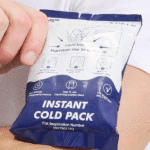
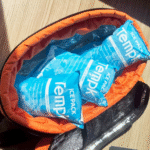
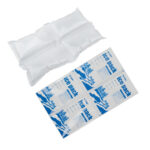
Add coolant volume (gel packs or PCM blocks).
Add 10–15% buffer for packing speed and odd shapes.
| Order type | Typical need | Common packing mistake | O que isso significa para você |
|---|---|---|---|
| Chilled groceries | Space for gel packs | Too much empty space | Faster warming on hot days |
| Produtos farmacêuticos | Space for logger + documentos | No room for monitoring | Lost traceability |
| Alimentos congelados | More coolant mass | Underestimating melt time | Soft product on arrival |
Common folding insulated box buying mistakes (and how you fix them)
Buying by insulation claims only
Consertar: ask for lane data and seam-seal design details.
Ignoring cleaning and moisture
Consertar: require smooth interiors, drainage features, and a realistic dry-time.
No plan for loss
Consertar: use IDs, return scans, deposits, or pooling rules.
One size for every lane
Consertar: use two sizes or two insulation grades with the same footprint.
Complex folding steps
Consertar: escolher “one-direction folding” and train with a one-page visual.
2026 folding insulated box developments and trends you should watch
Em 2026, the biggest shift is “system thinking.” Teams aren’t just buying a folding insulated box. They’re building a kit: recipiente + refrigerante + inserções + monitoramento + POPS. This reduces training time and improves consistency across sites.
Instantâneo do progresso mais recente
More modular inserts: inner organizers reduce exposure during multi-stop routes.
Better seal design at fold lines: improved gaskets and reinforced corners.
Repair-friendly builds: swap a latch/panel instead of scrapping the unit.
More tracking-ready designs: easier placement for data loggers and ID tags.
Perguntas frequentes
Q1: How long can a folding insulated box hold temperature?
Most real-world results depend on route time, calor ambiente, massa de refrigerante, and seal quality. If risk is high, validate your worst-day lane with a logger.
Q2: Is a folding insulated box safe for pharmaceuticals?
It can be, if you use a documented pack-out, limpeza consistente, and monitoring for high-risk routes. Treat it as a validated process, not a standalone purchase.
Q3: What coolant works best inside a folding insulated box?
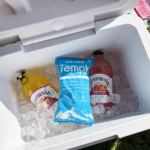
Gel packs are simple for chilled lanes. PCM can hold tighter targets near a set temperature. Dry ice is for frozen, but requires venting and compliance in air scenarios.
Q4: What’s the biggest buying mistake with a folding insulated box?
Buying the largest size “for flexibility.” Extra air space warms faster. Two right-sized SKUs usually perform better and train faster.
Q5: How do I stop odors in a folding insulated box?
Dry it fully before folding and store it ventilated. Odors usually come from trapped moisture. If odors persist, replace the liner or retire that unit from food use.
Resumo e recomendações práticas
A folding insulated box gives you temperature protection plus space savings, especially when returns and storage are real pain points. Start by sizing to your typical payload, then prioritize sealing, facilidade de limpeza, and folding speed. Validate your worst-day route with a repeatable pack-out and (Quando necessário) monitoramento, then document the process as standard work.
Seu próximo passo (CTA)
Pick one product and one lane this week. Run a pilot on your toughest route, track dispatch and delivery temperatures, then adjust one variable at a time until results stabilize. When it’s stable, lock it into a one-page SOP your team can repeat.
Sobre Tempk
E tempk, we build reusable cold chain packaging that works in real operations, not just in lab claims. We design folding insulated box systems that balance insulation performance, durabilidade, and space efficiency—so your team can pack faster, return easier, and reuse with confidence. Our focus is simple: help you protect temperature-sensitive products while keeping workflows clean, repetível, and scalable.
Próximo passo: Compartilhe seu tempo de pista, meta de temperatura, parar contagem, and worst-day conditions, and we’ll help you map a practical pack-out and pilot plan.