A indústria global da cadeia de frio está em expansão. Por 2030 o mercado de logística com temperatura controlada deverá atingir cerca de US$ 447,8 bilhões, impulsionado pelo aumento das entregas de alimentos no comércio eletrônico, distribuição de vacinas e demanda por alimentos frescos. Para atender a essas demandas, empresas de sacos refrigerados estão inovando com isolamento avançado, materiais ecológicos e sensores inteligentes. Este guia – atualizado em fevereiro de 2026 – mostra como funciona uma empresa líder de sacolas refrigeradas e o que você deve procurar ao comprar uma sacola térmica.
Este artigo responderá às suas perguntas:
Como uma empresa líder em sacolas refrigeradas mantém os itens frios? Aprenda sobre tecnologia de isolamento, construção de bolsa e recursos exclusivos (palavra-chave de cauda longa: empresa líder em sacos refrigerados).
Qual o papel da IoT e da análise preditiva na logística da cadeia de frio? Entenda o monitoramento em tempo real e a otimização de rotas de IA (palavra-chave de cauda longa: Logística de sacos refrigerados de análise preditiva IoT).
Por que a sustentabilidade é agora um princípio fundamental do design? Explore materiais biodegradáveis, revestimentos recicláveis e práticas de eficiência energética (palavra-chave de cauda longa: soluções sustentáveis de sacos refrigerados).
Quais tendências de mercado irão moldar 2026 e além? Descubra dados sobre o crescimento do mercado, comportamento do consumidor e mudanças regulatórias (palavra-chave de cauda longa: 2026 tendências da cadeia de frio).
Que dicas práticas você pode usar hoje? Obtenha conselhos sobre embalagem, manutenção e uso de sua bolsa isolada em diferentes cenários.
O que faz uma empresa líder em sacolas refrigeradas se destacar?
Resposta direta
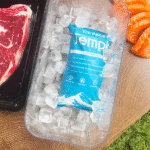
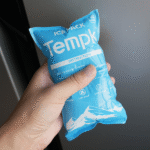
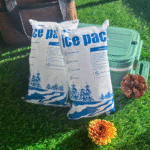
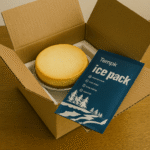
Uma importante empresa de sacos refrigerados combina isolamento de alto desempenho com design fácil de usar e experiência específica do setor. Suas bolsas imitam o isolamento multicamadas encontrado em embalagens térmicas profissionais – paredes grossas e acolchoadas, tecidos exteriores duráveis e fechos seguros - então mantimentos, medicamentos e refeições permanecem frios durante o transporte. Alças reforçadas, bolsos internos e tamanhos personalizáveis tornam essas bolsas convenientes para uso diário. As empresas líderes também fornecem consultoria sobre cadeia de frio e oferecem produtos complementares, como embalagens de gel e revestimentos isolados..
Explicação expandida
Imagine que você está trazendo sorvete para casa em um dia quente. A função da bolsa é retardar a transferência de calor. Empresas de sacos refrigerados de qualidade usam lona resistente ou poliéster reciclado para o exterior e espuma espessa ou materiais de mudança de fase no interior. Um zíper seguro reduz a entrada de ar quente, semelhantes às sacolas de entrega comercial que preservam a temperatura por horas. O isolamento adequado pode manter os alimentos perecíveis sob 60 °F por várias horas, mesmo quando a temperatura ambiente atinge 100 °F. Os principais fabricantes também testam suas sacolas para atender aos padrões de segurança alimentar e aos regulamentos da cadeia de suprimentos. Suas equipes de projeto trabalham com especialistas em cadeia de frio para equilibrar a durabilidade, peso e desempenho de isolamento, garantindo que as sacolas não sejam apenas elegantes, mas funcionais para compras no supermercado, produtos farmacêuticos e entrega de última milha.
Tecnologia de saco isolado para entrega de última milha
Ao enviar vacinas ou refeições gourmet, a entrega na última milha é crítica. As sacolas refrigeradas modernas aproveitam recursos como painéis isolados a vácuo, folhas reflexivas e inserções modulares. As paredes acolchoadas dos sacos e os fechos seguros ajudam a manter as temperaturas frias para as carnes, sorvete e laticínios. Muitos fabricantes também incorporam pacotes de gel removíveis, bolsos internos e divisórias ajustáveis para separar itens congelados de produtos frágeis. A tabela abaixo resume as características típicas de bolsas refrigeradas de alta qualidade em comparação com bolsas térmicas genéricas.
| Recurso | Saco refrigerado de alta qualidade | Bolsa térmica genérica | Benefício prático |
|---|---|---|---|
| Material de isolamento | Espuma multicamadas, folha reflexiva ou painéis de vácuo | Espuma básica ou enchimento fino | O isolamento superior retém o frio por mais tempo, reduzindo a deterioração |
| Tecido externo | Lona durável, poliéster ou têxteis reciclados | Vinil ou plástico barato | Resiste ao rasgo, melhora a longevidade e apoia marcas ecológicas |
| Sistema de fechamento | Zíper ou selo magnético com abas sobrepostas | Velcro simples ou cordão | Impede a entrada de ar quente, melhorando a estabilidade da temperatura |
| Recursos adicionais | Alças reforçadas, bolsos internos, inserções modulares | Extras limitados | Transporte com as mãos livres, embalagem organizada e capacidade adaptável |
| Opções de capacidade | De lancheiras de 10 litros a transportadores de supermercado de 30 litros | Muitas vezes tamanho único | Permite escolher o tamanho certo para as refeições diárias, piqueniques ou entregas |
Dicas e conselhos práticos
Pré-resfrie sua bolsa: Coloque uma bolsa de gelo ou garrafa congelada dentro por 10 a 15 minutos antes de carregar os mantimentos para criar uma camada de base fria.
Embale estrategicamente: Coloque os itens congelados no fundo e envolva-os com alimentos frios; adicione pacotes de gel ou vegetais congelados para prolongar o tempo de resfriamento.
Limitar aberturas de sacolas: Cada vez que você abre a bolsa, o ar frio escapa. Planeje sua embalagem para minimizar a pesquisa.
Secar e ventilar: Após o uso, seque o saco e guarde-o aberto para evitar acúmulo de umidade e odor.
Exemplo do mundo real: Em uma viagem de verão ao supermercado, um comprador embalando carnes, sorvete e salada em um saco isolado de alta qualidade. Depois de uma viagem de 45 minutos, a temperatura interna permaneceu abaixo 40 °F, e as alças reforçadas tornaram-no confortável para transportar para cima. O bolso interno mantinha as chaves seguras, demonstrando como o design inteligente melhora a conveniência do dia a dia.
Como a IoT e a análise preditiva melhoram a logística de sacolas refrigeradas?
Resposta direta
Sensores IoT e análises preditivas fornecem visibilidade em tempo real e intervenção proativa em operações de cadeia de frio. Eles medem a temperatura, umidade, vibração e localização, enviar dados contínuos para plataformas em nuvem para que os operadores possam agir antes que as remessas estraguem. Algoritmos preditivos analisam dados históricos para prever falhas de equipamentos e otimizar rotas, reduzindo o tempo de inatividade e economizando energia.
Explicação expandida
A logística da cadeia de frio abrange a produção, armazenamento, transporte e entrega na última milha. Sem monitoramento preciso, em volta 20 % de mercadorias sensíveis à temperatura são danificadas durante o transporte, contribuindo para aproximadamente 40 % do desperdício alimentar global. As soluções IoT abordam esses desafios integrando dispositivos como registradores de dados, sensores sem fio, Etiquetas RFID e rastreadores GPS. Essas ferramentas registram as condições ambientais e transmitem dados via Wi-Fi, redes celulares ou LoRa. Quando as temperaturas se desviam da faixa exigida, alertas são acionados, permitindo que a equipe redirecione caminhões ou ajuste sistemas de refrigeração imediatamente.
A análise preditiva leva o monitoramento ainda mais longe. Analisando padrões nas flutuações de temperatura e no desempenho do equipamento, os operadores podem reduzir o tempo de inatividade não planejado em até 50 % e reduzir os custos de reparo em 10–20 %. Os modelos preditivos também otimizam o uso de energia – a refrigeração é responsável por cerca de 70 % do consumo de energia em instalações frigoríficas, e a análise inteligente pode reduzir o uso de energia em 10 a 30 %. Combinado com dados IoT, a análise preditiva ajuda as empresas a planejar a manutenção, evite períodos de pico de energia e tome decisões baseadas em dados.
Principais dispositivos IoT para sacos refrigerados
| Categoria do dispositivo | Principais recursos | Significado no mundo real |
|---|---|---|
| Temperatura & registradores de umidade | Dispositivos alimentados por bateria registram temperatura/umidade ao longo do tempo; dados acessados via USB, NFC ou Bluetooth. | Forneça registros históricos de conformidade; identificar excursões, mas exigir conectividade para alertas em tempo real. |
| Sensores sem fio IoT | Instalar em unidades refrigeradas; transmitir dados em tempo real via Wi-Fi, celular ou LoRaWAN. | Habilite monitoramento contínuo e alertas automatizados, permitindo resposta rápida e manutenção preditiva. |
| Etiquetas de temperatura RFID | Etiquetas com sensores incorporados enviam dados conforme as remessas passam pelos pontos de verificação. | Simplifique o gerenciamento de estoque e reduza o erro humano; requerem infraestrutura e podem ser afetados por metais ou líquidos. |
| Rastreadores GPS | Combine monitoramento de localização e temperatura em contêineres de transporte. | Forneça visibilidade em tempo real do local e das condições da remessa, melhorando a otimização e a segurança das rotas. |
| Sensores BLE | Sensores de baixa potência transmitem dados para dispositivos próximos; adequado para armazéns. | Econômico para monitoramento local; alcance limitado, a menos que esteja conectado através de gateways. |
| Recipientes refrigerados inteligentes | Unidades autorreguláveis com resfriamento e monitoramento integrados. | Ideal para transporte de longa distância; caro, mas altamente confiável. |
Dicas e conselhos práticos
Comece pequeno: Use registradores de dados para criar perfis de temperatura de referência antes de investir em sensores mais sofisticados.
Integre plataformas em nuvem: Escolha sistemas que coletam dados de sensores, Etiquetas RFID e dispositivos GPS para análises abrangentes.
Planeje a manutenção de forma proativa: Use análises preditivas para agendar manutenção e substituir equipamentos antes que ocorram falhas.
Abordar lacunas de conectividade: Use dispositivos multi-rede (celular, satélite, LoRaWAN) e gateways de armazenamento e encaminhamento para evitar perda de dados.
Exemplo de caso: Uma empresa de laticínios instalou sensores IoT em seus caminhões refrigerados. Quando um refrigerador apresentou defeito em uma rota de longa distância, o sistema enviou um alerta. Os operadores redirecionaram o caminhão para uma instalação próxima e transferiram a carga, evitando a deterioração e economizando milhares de dólares.
Por que a sustentabilidade é crítica para uma empresa de sacolas refrigeradas em 2026?
Resposta direta
A sustentabilidade é agora um diferencial central para as empresas de sacos refrigerados, impulsionado por regulamentações ambientais e expectativas do consumidor. Empresas estão adotando materiais recicláveis, revestimentos biodegradáveis e fabricação com eficiência energética para reduzir as pegadas de carbono e alinhar-se com a economia circular. Projetos sustentáveis não apenas minimizam o desperdício, mas também melhoram a reputação da marca e a fidelidade do cliente.
Explicação expandida
Os consumidores estão cada vez mais preocupados com a poluição plástica e as alterações climáticas. No setor de embalagens isoladas, há uma forte mudança em direção a materiais ecológicos, como fibras vegetais, plásticos biodegradáveis e isolamento reciclável à base de papel. Poliestireno expandido tradicional (EPS) e espuma de poliuretano estão sendo substituídas ou complementadas por alternativas sustentáveis. Por exemplo, Bolsa ProActive Recyclable FiberCool da ProAmpac lançada em junho 2024 é uma sacola isolada reciclável na calçada para entregas de alimentos e mercearias. Seu design de peça única melhora a eficiência, reduz o desperdício de alimentos e atende às demandas de embalagens ecológicas.
A sustentabilidade vai além dos materiais. A logística da cadeia de frio consome energia significativa para manter as temperaturas. As empresas estão investindo em refrigerantes de baixo GWP, contêineres frigoríficos movidos a energia solar e sistemas de refrigeração com eficiência energética. As iniciativas de sustentabilidade também incluem a redução da pegada de carbono, otimização de rotas e conformidade com padrões de segurança alimentar em evolução. Até o padrão de temperatura de armazenamento está sendo reconsiderado: alguns fornecedores de armazenamento refrigerado pretendem passar de -18 °C para -15 °C, reduzindo o uso de energia, mantendo a segurança alimentar.
Recursos de sustentabilidade e seus benefícios
| Prática de sustentabilidade | Descrição | Beneficiar |
|---|---|---|
| Materiais reciclados e à base de plantas | Uso de poliéster reciclado, fibras de cânhamo ou plásticos biodegradáveis na parte externa e nos forros dos sacos. | Reduz a dependência de plásticos virgens e diminui o impacto ambiental; apela aos consumidores ecologicamente conscientes. |
| Forros isolados recicláveis | Forros de saco recicláveis de peça única, como FiberCool, podem ser descartados na calçada. | Simplifica a gestão de resíduos, reduz o impacto do aterro e melhora a reputação da marca. |
| Fabricação com eficiência energética | Adoção de painéis solares e máquinas energeticamente eficientes em instalações de produção. | Reduz custos operacionais e emissões de carbono. |
| Avaliações do ciclo de vida | Avaliar o impacto ambiental desde as matérias-primas até o fim da vida útil e projetar para reciclabilidade. | Ajuda as marcas a comunicar transparência e atender aos requisitos regulatórios. |
| Parcerias para reciclagem | Colaborar com empresas de reciclagem ou programas de devolução para recuperar sacolas usadas. | Apoia a economia circular e aumenta o envolvimento do cliente. |
Dicas e conselhos práticos
Escolha produtos reciclados: Procure bolsas feitas de tecidos reciclados ou materiais vegetais; verifique se há certificações como GRS (Padrão Global Reciclado).
Reutilizar e reaproveitar: Prolongue a vida útil de suas sacolas térmicas usando-as para compras, piqueniques e viagens. Quando é hora de substituir, doe ou recicle de acordo com as instruções do fabricante.
Apoie marcas com práticas transparentes de sustentabilidade: Explore empresas que publicam desempenho ambiental e investem em inovação ecológica. Por exemplo, algumas marcas estão experimentando isolamento compostável para reduzir ainda mais o desperdício.
Esteja atento ao descarte: Se sua bolsa tiver um forro reciclável, siga as diretrizes locais de reciclagem na calçada. Evite contaminar os fluxos de reciclagem limpando o revestimento antes do descarte.
Entendimento: No mercado de bolsas térmicas, a sustentabilidade é mais do que uma tendência – é um requisito básico. Os consumidores procuram cada vez mais alternativas reutilizáveis e esperam que os produtos sejam feitos de materiais reciclados ou ecológicos. Marcas que não adotam práticas sustentáveis correm o risco de perder participação de mercado e credibilidade.
Quais tendências de mercado moldarão as empresas de sacolas refrigeradas 2026 e além?
Visão geral do mercado e dados principais
O mercado global da cadeia de frio está a crescer rapidamente. Por 2030 o mercado deverá atingir cerca de US$ 447,8 bilhões, acima dos US$ 312,4 bilhões em 2024, com um CAGR de 6.2 %. A crescente adoção da entrega de alimentos no comércio eletrônico e a demanda por produtos farmacêuticos sensíveis à temperatura impulsionam essa expansão. Somente o mercado da cadeia de frio da América do Norte foi avaliado em US$ 152,55 bilhões em 2025 e deverá crescer para US$ 758,74 bilhões até 2035 em um CAGR de 17.4 %. Dentro deste mercado, o segmento de armazenamento dominou com um 61.7 % compartilhar 2025, enquanto os componentes de monitoramento deverão crescer quase 20 % anualmente.
Tecnologia, tendências de demanda e sustentabilidade
Digitalização da cadeia de frio: Sensores de IoT, blockchain e IA estão revolucionando a logística. O monitoramento em tempo real e a análise preditiva proporcionam visibilidade da cadeia de suprimentos e ajudam a mitigar riscos. Blockchain garante rastreabilidade e registros à prova de falsificação, enquanto a IA otimiza rotas e inventário. De acordo com a pesquisa de Tempk, soluções avançadas de IoT de cadeia de frio podem reduzir o tempo de inatividade não planejado, 50 % e reduzir o consumo de energia em 10-30 %.
Aumento da demanda por produtos sensíveis à temperatura: Produtos farmacêuticos, produtos biológicos e alimentos frescos exigem controle rigoroso de temperatura. Os consumidores esperam que alimentos frescos e orgânicos sejam entregues rapidamente, e a pandemia acelerou os modelos diretos ao consumidor. Esta tendência leva as empresas de sacos refrigerados a oferecer isolamento de alto desempenho e recipientes móveis de pequeno formato para entrega final..
Embalagens sustentáveis e ecológicas: Demanda por biodegradável, materiais recicláveis e reutilizáveis estão aumentando. Os fabricantes de bolsas térmicas estão usando tecidos reciclados e espumas ecológicas e enfatizando a produção com eficiência energética. Produtos como o FiberCool ilustram como o design sustentável ainda pode oferecer alto desempenho.
Uso de estilo de vida não sazonal: Bolsas térmicas estão evoluindo de nicho, itens sazonais para acessórios do dia a dia. Os consumidores os usam para almoços de escritório, compras de supermercado e atividades ao ar livre. Bolsas térmicas de tecido geraram cerca de US$ 1,4 bilhão em receita em 2025, dominando o segmento de materiais. Sacos compactos sob 10 litros representaram aproximadamente 35 % da participação no mercado global de bolsas térmicas em 2025. O crescimento futuro virá da inovação no design, recursos modulares e funcionalidade multifuncional.
Normas regulatórias e de segurança: Novas certificações de segurança alimentar, como BRC e SQF, exigem controle avançado de temperatura e rastreabilidade. Os operadores da cadeia de frio devem cumprir regulamentos como o FSMA (Lei de Modernização da Segurança Alimentar) e 21 Peças CFR 203/211, que exigem o manuseio rigoroso de produtos farmacêuticos. Empresas que investem em compliance e certificação ganham vantagem competitiva.
Eficiência energética e redução de carbono: Com refrigeração representando cerca de 70 % do uso de energia em instalações frigoríficas, empresas estão adotando refrigerantes de baixo GWP, unidades refrigeradas movidas a energia solar e planejamento de rotas otimizado. Mesmo pequenas mudanças - como a redução da temperatura de armazenamento de -18 °C para -15 °C - podem economizar energia significativa.
Último progresso em um olhar
Sacos isolados recicláveis: Empresas lançaram sacolas isoladas recicláveis como FiberCool, oferecendo reciclagem na calçada e melhor retenção térmica.
Kits de refeição direto ao consumidor: Distribuidores de alimentos expandiram-se para kits de refeições diretas ao consumidor, aproveitando a entrega com temperatura controlada para levar para casa refeições com qualidade de restaurante.
Sensores inteligentes & blockchain: As empresas implementaram sensores IoT e blockchain para rastreabilidade, permitindo monitoramento em tempo real e registros à prova de violação.
Certificações de sustentabilidade: Mais instalações de cadeia de frio são construídas para atender aos rigorosos padrões BRC e SQF, integração de tecnologias energeticamente eficientes.
Investimento em componentes de monitoramento: Na América do Norte, o segmento de monitoramento deverá crescer a um CAGR de 19.9 %, refletindo a importância da IoT e da análise preditiva.
Insights de mercado
O setor de bolsas térmicas está se tornando voltado para o estilo de vida. Grandes marcas como Igloo, Coleman, AINDA, Engel e Thermos realizaram coletivamente cerca de 35 % do mercado de bolsas térmicas em 2025. O mercado futuro será não sazonal, servindo tanto para uso pessoal quanto comercial; o crescimento virá dos consumidores que transportam refeições, mantimentos e alimentos preparados. Competição terá foco em design, credenciais de durabilidade e sustentabilidade em vez de isolamento básico. As sacolas de tecido dominam pela versatilidade e custo-benefício, com receita de cerca de US$ 1,4 bilhão em 2025. Sacos com capacidade inferior a 10 litros - ideais para almoços diários e deslocamentos de escritório - representam cerca de 35 % da participação de mercado.
Perguntas frequentes
1. Qual é a diferença entre uma bolsa refrigerada e uma bolsa térmica?
Uma sacola refrigerada é uma sacola isolada de alto desempenho projetada para logística da cadeia de frio. Ele usa isolamento multicamadas e fechos seguros semelhantes às embalagens comerciais para manter mantimentos ou medicamentos resfriados por horas. Uma bolsa térmica padrão pode usar um isolamento mais fino e destina-se ao uso casual, como piqueniques. Para entrega de última milha ou produtos farmacêuticos, escolha uma bolsa com isolamento mais espesso, bolsos para registrador de dados e uma vedação robusta.
2. Por quanto tempo uma sacola refrigerada pode manter os itens frios?
Com pré-resfriamento e embalagem adequados, sacos de alta qualidade podem manter temperaturas abaixo 40 °F por várias horas. A duração exata depende da espessura do isolamento, temperatura ambiente e se você inclui pacotes de gel. Para viagens prolongadas, escolha sacos com painéis de vácuo ou materiais de mudança de fase e adicione bolsas de gelo.
3. Os sacos isolados reutilizáveis são ecológicos??
Sacos isolados reutilizáveis reduzem os plásticos descartáveis e podem durar anos. As marcas estão usando cada vez mais tecidos reciclados, isolamento à base de plantas e revestimentos recicláveis. Procure certificações e siga as instruções de descarte para maximizar a sustentabilidade.
4. Preciso de sensores IoT na minha bolsa refrigerada?
Para viagens diárias ao supermercado, você pode não precisar de sensores. Mas as empresas que transportam vacinas ou refeições congeladas beneficiam de sensores IoT que fornecem dados em tempo real, alertas e registros de conformidade. As pequenas empresas podem começar com registradores de dados e expandir para sensores sem fio e plataformas em nuvem.
5. Como a análise preditiva reduz o desperdício de alimentos?
A análise preditiva analisa dados históricos para detectar padrões que indicam falhas de equipamentos ou desvios de temperatura. Ao prever possíveis problemas, as empresas podem intervir antes que as remessas estraguem, reduzindo o tempo de inatividade não planejado em até 50 % e reduzindo o uso de energia em 10-30 %. Esta abordagem proativa evita o desperdício de alimentos e economiza dinheiro.
Resumo e recomendações
Takeaways -chave
Crescimento e oportunidade do mercado: O mercado da cadeia de frio está a crescer rapidamente, com o mercado global esperado atingir US$ 447,8 bilhões até 2030. Só a América do Norte poderá ultrapassar os 758 mil milhões de dólares em 2035. Essa expansão é impulsionada pelos mantimentos do comércio eletrônico, distribuição farmacêutica e demanda do consumidor por alimentos frescos.
Tecnologia e inovação: Sensores de IoT, blockchain e análise preditiva estão revolucionando a logística da cadeia de frio. Eles reduzem o desperdício, reduz o uso de energia e fornece visibilidade em tempo real.
Sustentabilidade é importante: Os consumidores esperam produtos ecológicos, sacos isolados reutilizáveis e recicláveis. Inovações como as sacolas recicláveis FiberCool mostram que o design sustentável pode atender às demandas de desempenho.
Integração de estilo de vida: As bolsas térmicas estão indo além do uso sazonal. As sacolas de tecido dominaram o mercado com receita de US$ 1,4 bilhão em 2025, e sacos compactos sob 10 litros contabilizados 35 % de participação de mercado. Projeto, durabilidade e multifuncionalidade são os principais diferenciais.
Conformidade regulatória: A evolução das regulamentações farmacêuticas e de segurança alimentar exige controle robusto de temperatura e rastreabilidade. As empresas devem investir em equipamentos certificados e nas melhores práticas para se manterem competitivas.
Recomendações acionáveis
Invista em qualidade: Escolha sacos refrigerados com isolamento multicamadas, materiais duráveis e fechos seguros. Procure bolsas testadas de acordo com os padrões da indústria e considere recursos como inserções modulares e alças reforçadas.
Adote a IoT gradualmente: Comece com registradores de temperatura básicos e atualize para sensores sem fio e plataformas em nuvem conforme suas necessidades aumentam. Integre análises preditivas para otimizar a manutenção e o uso de energia.
Priorize a sustentabilidade: Selecione produtos feitos de tecidos reciclados ou materiais biodegradáveis. Apoie marcas que oferecem revestimentos recicláveis e relatórios ambientais transparentes.
Mantenha-se informado sobre as tendências: Acompanhe os desenvolvimentos da indústria, como novos refrigerantes, rastreabilidade de blockchain e padrões como SQF/BRC. Alinhe sua estratégia com regulamentações emergentes e demandas do mercado.
Eduque sua equipe e clientes: Fornecer treinamento sobre embalagem adequada, pré-resfriamento e manutenção. Oferecer orientação sobre reciclagem e reutilização para maximizar a vida útil do produto e reduzir o desperdício.
Sobre Tempk
A Tempk é uma empresa líder em sacos refrigerados, especializada em soluções de embalagens de cadeia de frio para alimentos e produtos farmacêuticos. Projetamos sacos isolados, forros e bolsas de gelo que aproveitam o isolamento multicamadas proprietário e durável, Materiais ecológicos, garantindo que seus produtos permaneçam dentro de faixas de temperatura seguras durante o transporte. Nosso R&O centro D testa continuamente novos materiais – como isolamento à base de fibra reciclável e géis de mudança de fase – para melhorar o desempenho e a sustentabilidade. Também oferecemos consultoria em cadeia de frio, Sistemas de monitoramento IoT e embalagens personalizadas para diversos setores. Nossa missão é ajudá-lo a entregar frescor, reduzir o desperdício e atender a requisitos regulatórios rigorosos.
Interessado em otimizar suas operações de cadeia de frio? Entre em contato com nossos especialistas para uma consulta gratuita, ou explore nossa linha de bolsas isoladas e soluções IoT para encontrar a solução certa para o seu negócio.