Exporters of expanded polypropylene (PPE) foam boxes are reshaping cold chain logistics by offering durable, reusable and lightweight containers that keep goods at precise temperatures. Compared with traditional polystyrene options, EPP boxes provide higher impact resistance, better strength to weight ratios and full recyclability. Global demand for temperature controlled shipments—from vaccines and biologics to seafood and gourmet meals—is growing quickly, e EPP foam box exporters are at the centre of this revolution. This article explains why EPP boxes matter, how exporters optimise them for different sectors, and what future innovations mean for your business.
What makes EPP foam boxes ideal for global cold chain exports? Explore material properties—impact resistance, temperature range and recyclability—and how they outperform EPS and EPE alternatives.
How do EPP foam box exporters enhance sustainability and reduce costs? Learn why reusable EPP boxes cut waste and how closed loop recycling supports a circular economy.
Where are EPP foam boxes used across industries? Understand sector specific applications from pharmaceuticals to e commerce and outdoor recreation.
How do you choose and customise EPP foam boxes for export? Get guidance on temperature range, densidade, tamanho, closures and smart features like IoT sensors.
Quais são as últimas 2025 tendências e inovações? Review emerging technologies such as AI enabled monitoring, compostable materials and phase change packs that are shaping the market.
Perguntas frequentes e recomendações práticas to help you implement EPP packaging strategies in your own operations.
What Makes EPP Foam Boxes Ideal for Global Cold Chain Exports?
Resposta direta
EPP foam boxes are ideal for exporters because their closed cell structure delivers exceptional impact resistance, high strength to weight ratio and complete recyclability—properties that expanded polystyrene (EPS) e polietileno expandido (EPE) cannot match. This robust design absorbs repeated shocks and allows the container to spring back without deformation, ensuring delicate goods remain safe during extended journeys. Manufacturers can tailor densities from 15–260 kg/m³, balancing strength, peso e isolamento. The material’s ability to maintain structural integrity from −40 °C to +110 °C makes it suitable for ultra cold pharmaceuticals and hot catering deliveries.
Explicação detalhada
From a user perspective, the value of EPP boxes lies in their physical properties. Each box is formed by expanding polypropylene beads into a rigid network of closed cells, producing high energy absorption and shock dampening performance. Comparado com EPS, which becomes brittle after one impact, and EPE, which offers limited shock absorption, EPP retains its shape after multiple compressions and can be reused hundreds of times. Densities ranging from 15–100 kg/m³—and up to 260 kg/m³ for high density grades—allow exporters to choose lighter or stronger solutions depending on product fragility and voyage duration. EPP’s closed cell structure also minimises thermal conduction, keeping goods within tight temperature windows such as 2–8 °C for vaccines or −20 °C for frozen foods. Because polypropylene is non toxic and recyclable, these boxes align with global sustainability initiatives and reduce environmental impact.
Understanding the Physical and Thermal Properties of EPP
The table below summarises key performance metrics for EPP foam boxes and why they matter for exporters:
| Propriedade | Faixa típica | Meaning for exporters | Seu benefício |
| Densidade (kg/m³) | 15–100 (personalizado até 260) | Resistência e isolamento sob medida; higher densities provide greater durability but add weight | Choose the density that balances protection with shipping costs |
| Absorção de energia (kj/) | 20–40 | Indicates shock absorption capability | Protects fragile vaccines, electronics or glassware during export |
| Resistência à compressão (MPa) | 0.3–2,5 | Handles heavy loads without permanent deformation | Allows stacking and palletisation for bulk shipments |
| Faixa de temperatura (°C) | −40 to +110 | Maintains integrity under extreme cold or heat | Suitable for cryogenic pharmaceuticals or hot food export |
| Absorção de água (%) | <0.3 | Não poroso e resistente à umidade | Prevents mold, bacterial growth and insulation degradation |
| Reutilização (ciclos) | Hundreds | Retains cushioning and insulation through multiple uses | Spread packaging costs across numerous shipments |
Practical tips for exporters
Match density to payload: Use higher density foam (40–60 kg/m³) for heavy or long haul exports; choose medium density for lighter items to save on weight.
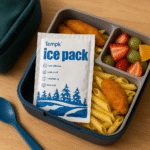
Combine with appropriate cold packs: Pair EPP boxes with phase change materials (PCM) or gel packs tailored to your temperature range to extend cooling times.
Ensure tight closures and ergonomic design: Select boxes with flush or hinged lids, gaskets and handles for secure sealing and easy handling.
Evite sobrecarregar: Deixe espaço ao redor do conteúdo para circulação de ar; overfilling can create hot spots and compromise temperature control.
Caso real: Durante campanhas de distribuição de vacinas, health providers switched from single use EPS coolers to EPP boxes paired with ice packs. The EPP boxes absorbed impacts during rough handling and maintained internal temperatures, reducing product loss and eliminating thousands of disposable boxes. This real world example demonstrates how EPP enhances reliability and sustainability in global health logistics.
How Do EPP Foam Box Exporters Enhance Sustainability and Reduce Costs?
Resposta direta
Exporters leverage EPP foam boxes to promote sustainability because the material is fully recyclable and designed for repeated use, lowering both waste and long term costs. Unlike single use polystyrene containers, EPP can be cleaned and reused hundreds of times. When paired with return logistics programs, each box’s cost per shipment declines, making the investment economically attractive while reducing carbon emissions.
Explicação detalhada
Reusable EPP boxes align with circular economy principles: they are non toxic, easy to clean and maintain their structural integrity over many cycles. Recycling involves collecting used boxes, cleaning them and remoulding the material into new products. Porque o EPP é uma espuma de material único, this process is straightforward compared with multi layer composites that are harder to recycle. The environmental benefits are significant: one EPP box can replace hundreds of disposable containers, lowering landfill volumes and reducing the energy required to produce new packaging. Economically, the initial higher cost of EPP boxes is offset by repeated use and reduced product spoilage. Studies show that reuse programs often break even after just a few dozen cycles.
Reusability and Circular Economy Benefits
The table below summarises environmental and economic advantages of EPP foam boxes for exporters:
| Beneficiar | Descrição | O que isso significa para você |
| Reciclagem em circuito fechado | EPP is easy to recycle into new boxes or other products | Reduces demand for virgin materials and supports corporate sustainability goals |
| Geração reduzida de resíduos | A single reusable box replaces hundreds of disposable alternatives | Dramatically cuts landfill volumes and disposal costs |
| Menor pegada de carbono | Manufacturing fewer boxes and reusing them reduces energy use and emissions | Helps meet environmental targets and improves brand reputation |
| Ponto de equilíbrio econômico | Reusable programs often break even after a few dozen cycles | A economia de custos a longo prazo supera o maior investimento inicial |
| Enhanced brand perception | Sustainable packaging signals environmental responsibility | Appeals to eco conscious partners and customers |
Dicas práticas para sustentabilidade
Implement return programmes: Encourage overseas customers to return boxes by offering deposits or incentives; an exporter reclaimed 80 % of boxes through a deposit system and cut packaging waste by 90 %.
Establish cleaning protocols: Use mild soap and water to sanitise boxes between uses; A superfície não porosa do EPP evita o crescimento bacteriano.
Monitorar desgaste: Inspect boxes regularly for cracks or warping and retire damaged units into recycling streams.
Pair with eco friendly PCM: Select phase change materials that are recyclable or biodegradable to maximise environmental benefits.
Caso real: Um exportador de frutos do mar substituiu refrigeradores EPS descartáveis por caixas EPP reutilizáveis, instituting a return programme. The company reclaimed 80 % of boxes and reduced packaging waste by 90 %, saving thousands of dollars in packaging costs while marketing its sustainability credentials.
Where Are EPP Foam Boxes Used Across Industries?
Resposta direta
EPP foam boxes are versatile solutions used across pharmaceuticals, comida & catering, comércio eletrônico, outdoor leisure and industrial logistics. Their ability to maintain stable temperatures and protect goods from shocks makes them indispensable in cold chain exports. Em produtos farmacêuticos, EPP containers keep vaccines and biologics within narrow temperature ranges such as 2–8 °C or ultra cold conditions. Restaurantes, meal kit services and seafood suppliers use them to keep meals hot or frozen foods cold. E commerce companies customise EPP boxes to match product dimensions, reducing void space and shipping costs. Outdoor enthusiasts rely on them for picnic and camping coolers, while industrial users adopt reusable EPP trays and dunnage systems for precision instruments.
Explicação detalhada
The closed cell structure of EPP provides reliable temperature control across multiple industries. Na saúde, these boxes protect vaccines, cell therapies and lab samples from temperature excursions; their non porous surfaces are hygienic and easy to sanitise. Food and catering services rely on EPP boxes for meal deliveries, seafood transport and outdoor events; the material’s water resistance and optional drainage holes prevent leaks. E commerce businesses customise EPP boxes to fit items precisely, improving space efficiency and appealing to eco conscious consumers. Outdoor enthusiasts benefit from lightweight, durable coolers that keep food and drinks fresh for hours. Industrial logistics uses EPP trays and separators to protect electronics, automotive parts and HVAC components.
Sector Specific Applications and Customisation
The following table summarises industry uses and benefits for exporters:
| Indústria | Exemplo de uso | Benefit for exporters | Specific advantage |
| Produtos farmacêuticos | Caixas de vacinas e transportadores biológicos | Maintains strict 2–8 °C or ultra cold ranges; non porous surfaces meet regulatory standards | Ensures compliance with Good Distribution Practice (PIB) diretrizes, reduzindo o risco de deterioração |
| Comida & catering | Entrega de refeições, frutos do mar, alimentos congelados | Mantém as refeições quentes ou frias; caixas leves facilitam o manuseio | Extends shelf life and improves customer satisfaction |
| Comércio eletrônico & mantimentos | Caixas de envio personalizadas | Maximises space efficiency and lowers shipping costs; embalagens reutilizáveis atraem consumidores ecologicamente conscientes | Reduces packaging materials and logistics expenses |
| Ar livre & lazer | Refrigeradores para piquenique e camping | Mantém os alimentos frescos por horas; leve para fácil transporte | Enhances outdoor experiences and brand visibility |
| Logística industrial | Bandejas reutilizáveis e bandejas de transporte | Protege instrumentos de precisão e eletrônicos; reduz desperdícios e custos | Lowers damage rates and supports sustainable supply chains |
Practical tips for sector applications
Combine o tamanho da caixa com a carga útil: Customise dimensions to fit products snugly, reducing void space and improving temperature stability.
Considere inserções especializadas: Para produtos farmacêuticos, use custom inserts to hold vials securely and maintain consistent temperatures.
Planeje os desafios da última milha: Choose boxes with ergonomic handles and stacking lids for efficient delivery.
Pense além do envio: EPP boxes can double as storage containers or marketing tools, such as branded picnic coolers.
Caso real: Uma empresa de catering adotou caixas isoladas em EPP para banquetes. The boxes kept hot entrées at serving temperature for more than two hours and cold salads crisp. Depois de cada evento, staff wiped down the boxes and reused them, cutting disposable container costs by 60 % over the season.
How Do You Choose and Customise EPP Foam Boxes for Export?
Resposta direta
Exporters should choose EPP foam boxes by assessing the required temperature range, tamanho da carga útil, densidade de espuma, closure type and optional smart features. Define whether your shipment needs chilled (2–8 ° C.), congelado (–20 ° C.) ou ultra frio (–60 °C to –90 °C) capacity and pair boxes with appropriate phase change packs or dry ice. Measure your product to select dimensions that reduce void space and improve insulation. Higher densities provide better insulation and strength but add weight, so match density to load and journey length. Consider ergonomic handles, flush or hinged lids and branding options for ease of use and marketing. For pharmaceuticals or high value shipments, add IoT sensors and data loggers to monitor temperature and location in real time.
Explicação detalhada
Selecting the right EPP box begins with temperature requirements. Chilled goods like vaccines need stable 2–8 °C ranges, while frozen foods require –20 °C, and ultra cold biologics demand –60 °C or colder. Pair EPP boxes with phase change materials or dry ice that match these ranges. Payload dimensions are critical: custom EPP boxes can be manufactured in almost any shape or size. Higher density foams (40–60 kg/m³) offer greater insulation and strength but are heavier; lighter densities are suitable for shorter journeys. Closure style affects temperature retention: flush fitting lids with gaskets minimise air leakage, while hinged lids facilitate frequent access. Ergonomic handles or straps improve handling during export. Brand integration—such as moulded logos or colours—turns packaging into a marketing asset and supports customer recognition. Finalmente, digital features like sensors and blockchain compatible labels provide real time tracking, meeting regulatory requirements and assuring product integrity.
Fatores -chave: Faixa de temperatura, Density and Smart Features
| Fator de seleção | Considerações | Orientação prática |
| Faixa de temperatura | Determine whether your shipment requires chilled (2–8 ° C.), congelado (–20 ° C.) ou ultra frio (<–60 ° C.) capacidade | Pair boxes with PCM packs or dry ice matching the temperature range; ultra cold shipments may need additional insulation |
| Dimensões da carga útil | Measure product size and necessary clearances | Customised boxes reduce void fill and improve insulation; avoid oversized containers |
| Densidade de espuma | Higher densities provide better insulation and strength but add weight | Match density to payload weight and journey length; medium densities balance performance and cost |
| Tampa e fecho | Flush fitting, stacking or hinged lids | Choose gaskets for air tight sealing; consider hinged lids for easy access |
| Alças e ergonomia | Ergonomic handles or straps | Improve last mile handling and reduce risk of dropping |
| Branding and customisation | Colours, logos, partições | Turn packaging into marketing; add inserts to secure vials or compartments |
| Monitoramento & IoT | Sensores, data loggers and blockchain labels | Provide real time temperature and location data; ensure compliance with GDP and HACCP standards |
Practical tips for selection and customisation
Use size calculators and self assessment tools: Interactive calculators can estimate optimal box size and density based on payload dimensions and required temperature duration.
Implement monitoring features: Add IoT sensors and data loggers to track conditions in real time; this helps detect deviations before they affect product quality.
Opte por designs dobráveis: Some high density EPP boxes are foldable, saving up to 60 % of space when empty and reducing return logistics costs.
Integrate branding: Incorporate your logo, colours or promotional messaging directly into the foam to enhance brand recognition.
Select eco friendly PCM: Use biodegradable or recyclable phase change materials to complement the sustainability of EPP.
Caso real: Uma start-up de entrega de kit de refeição usou uma calculadora de tamanho para projetar caixas EPP personalizadas de alta densidade. The boxes kept ingredients safe for 48 hours and reduced shipping costs by eliminating void fillers, demonstrating how tailored design and density choices can boost efficiency.
Quais são as últimas 2025 Trends and Innovations in EPP Foam Box Technology?
Visão geral da tendência
The cold chain packaging industry is evolving rapidly: the market is projected to grow from USD 34.28 billion in 2024 para US$ 89,84 bilhões por 2034 at a CAGR of 11.3 %. High density EPP boxes are advancing alongside this growth as companies integrate AI, IoT and blockchain into packaging solutions. Sustainability is driving new materials and processes: while EPP is already recyclable, research into compostable foams and bio based alternatives aims to reduce environmental impact. The pharmaceutical cold chain packaging market alone is valued at US$28.9 billion in 2025 and projected to reach US$75.0 billion by 2032, growing at 14.6 % per year. This surge underscores the importance of reliable thermal containers like EPP boxes.
Último progresso em um olhar
Integração de IA e blockchain: Cold chain providers use AI powered route optimisation and blockchain to ensure packages follow efficient paths and maintain tamper proof records. Isto reduz atrasos e melhora a rastreabilidade de produtos farmacêuticos e alimentares.
Materiais compostáveis: Start ups are developing compostable foams from pulp and fungi for short duration shipments, offering biodegradable alternatives.
Pacotes de mudança de fase: Advanced PCMs store and release heat to maintain temperatures without continuous refrigeration; they pair well with high density EPP boxes to extend cooling times.
IoT e embalagens ativas: Sensores monitoram a temperatura, umidade e composição do gás, enquanto a embalagem ativa utiliza eliminadores de oxigênio e compostos antimicrobianos para prolongar a vida útil.
Momento regulatório: The pharmaceutical cold chain packaging market is expected to grow from US$28.9 billion in 2025 to US$75 billion by 2032; stricter GDP and food safety regulations are driving adoption of insulated packaging.
Insights de mercado: The expanded polypropylene foam market was valued at US$1.14 billion in 2024 and is projected to reach US$2.11 billion by 2033. High density EPP foam leads growth due to superior impact resistance and insulation. Companies like Hyundai use EPP in electric vehicle seats for impact resistance and recyclability.
Advanced Technologies and Future Outlook
Innovation in EPP foam boxes is not limited to the material itself. AI enabled logistics platforms analyse weather, traffic and storage availability to optimise delivery routes and reduce fuel consumption. Blockchain creates tamper proof records that enhance product authenticity and compliance. IoT sensors embedded in boxes monitor temperature, umidade e localização, sending real time alerts when conditions deviate from set thresholds. Compostable foams derived from mycelium and pulp may complement EPP for short journey shipments, offering fully biodegradable options. Em 2025, researchers also launched a process line that reduced EPP bead expansion time by 18 %, improving manufacturing efficiency. Future developments may include chemical recycling methods that lower feedstock costs and high density EPP boxes compatible with digital labels and smart packaging standards.
2025 new Cold chain trends
The cold chain packaging industry is expanding due to rising demand for perishable goods, biologics and temperature sensitive therapies. Market research shows that cold chain packaging is projected to reach USD 89.84 billion by 2034, up from USD 34.28 billion in 2024. Growth is driven by increasing consumption of fresh produce, frutos do mar e produtos farmacêuticos, as well as stricter safety regulations. Technological advancements—such as smart indicators and RFID tracking—enhance real time monitoring. Sustainable materials and reusable systems are gaining traction as companies seek eco friendly solutions. Enquanto isso, the pharmaceutical cold chain packaging market is expected to grow from US$28.9 billion in 2025 to US$75 billion by 2032, with plastics (including EPP) accounting for 74 % of material share.
Crescimento de embalagens reutilizáveis: The global reusable cold chain packaging market is expected to increase from USD 4.97 billion in 2025 para US$ 9,13 bilhões em 2034, growing at 6.98 % annually. This trend reflects demand for sustainable, returnable containers like EPP boxes.
Smart technologies: Logística orientada por IA, IoT sensors and blockchain provide real time temperature tracking, predictive analytics and tamper proof records. These tools help prevent temperature excursions and ensure regulatory compliance.
Materiais biodegradáveis: Companies are researching seaweed based bioplastics, compostable foams and edible packaging to reduce environmental impact.
Strategic investments: Major logistics firms are acquiring cold chain providers to expand infrastructure and enhance service quality.
Pharmaceutical innovations: The rise of mRNA vaccines and advanced therapies demands ultra cold logistics systems. mRNA vaccines require storage at −70 °C to −80 °C, driving demand for sophisticated packaging. These therapies attract logistics cost premiums of up to 25 % and push exporters to adopt specialised containers and monitoring.
Market segmentation shows that small boxes and insulated shippers (such as EPP foam containers) account for about 38 % of the pharmaceutical cold chain packaging market. Biopharmaceutical companies dominate demand, representing approximately 54 % of end user share. North America holds the largest regional market (31 %), followed by Europe (27 %) and East Asia (19 %). These insights indicate that exporters targeting pharmaceutical clients should prioritise high quality, compliant packaging and digital monitoring to serve regulated markets.
Perguntas frequentes
Pergunta 1: Why are EPP foam boxes preferred over EPS or EPE in cold chain logistics? EPP boxes provide superior impact resistance, a high strength to weight ratio and complete recyclability, unlike EPS and EPE which either crack easily or lack shock absorption. Although EPP costs more initially, it can be reused hundreds of times and delivers better protection and sustainability.
Pergunta 2: How long can an EPP foam box maintain temperature? With appropriate phase change packs, EPP boxes can maintain cold or hot conditions for 24–48 hours or longer. High density EPP’s closed cell structure slows heat transfer, and the material remains effective from −40 °C to +110 °C.
Pergunta 3: Are EPP foam boxes food safe and hygienic? Sim. EPP is non porous, resistant to chemicals and easy to clean. EPP boxes meet EU REACH and FDA standards, making them safe for direct contact with food and pharmaceuticals.
Pergunta 4: Can EPP boxes be customised for branding and monitoring? Absolutamente. Exporters can mould logos, colours and custom inserts directly into the foam and add IoT sensors or data loggers for real time monitoring. These features enhance brand recognition and ensure compliance with regulatory requirements.
Pergunta 5: How many times can an EPP box be reused? With proper handling and cleaning, high density EPP boxes can be reused hundreds of times without significant loss of insulation or structural strength.
Sugestão
Takeaways -chave: As caixas de espuma EPP oferecem resistência ao impacto incomparável, relação resistência/peso e reciclabilidade, making them the ideal choice for exporters in 2025. Their closed cell structure maintains precise temperatures across a wide range (−40 °C to +110 °C). Reusable EPP boxes support sustainability by reducing waste and lowering carbon footprints, while return programmes make them cost effective. EPP containers serve various industries—including pharmaceuticals, comida, e commerce and industrial logistics—and can be customised to fit specific products and branding. Emerging trends such as AI, IoT and compostable materials will further enhance cold chain efficiency and sustainability.
Plano de ação: Determine your product’s temperature range and payload dimensions to select the right EPP box and matching phase change materials. Opt for higher density foam for heavy or long haul exports and medium density for lighter shipments. Implement a return programme and cleaning protocol to maximise reuse and cost savings. Customise boxes with your logo, colours and inserts to enhance brand recognition, and integrate IoT sensors for real time monitoring and compliance. Keep abreast of emerging technologies and regulatory changes to maintain a competitive edge in the evolving cold chain landscape.
Sobre TempPK
Tempk specialises in developing high density EPP boxes and cold chain solutions that balance performance with sustainability. Nós design ultra insulating containers for pharmaceuticals, meal kits and electronics, integrating phase change materials and IoT sensors to ensure goods remain within precise temperature ranges. Our reusable EPP boxes are lightweight, durable and fully recyclable, enabling exporters to reduce waste and shipping costs while meeting regulatory requirements. Seja enviando vacinas, seafood or high value electronics, Tempk’s solutions provide reliability, compliance and environmental responsibility.
Próximo passo: If you want to enhance your cold chain exports with cutting edge packaging, reach out to Tempk for tailored EPP solutions. Nós will evaluate your payload, temperature needs and regulatory environment to design a custom package that protects your products and advances your sustainability goals.