Atualizado em 19 novembro 2025
Manter seguros os produtos sensíveis à temperatura não é opcional – é essencial para sua reputação e resultados financeiros. O processo da cadeia de frio é a jornada que mantém as vacinas potentes, frutos do mar frescos e produtos químicos estáveis. Em 2025 o mercado de logística da cadeia de frio vale aproximadamente NÓS $436 bilhão e está projetado para exceder NÓS $1.36 trilhão por 2034. Sua empresa não pode arcar com links quebrados: controle de temperatura ineficaz causa até 80 % de perdas de produtos farmacêuticos. Este guia explica cada etapa do processo, mostra como a nova tecnologia melhora a confiabilidade e destaca tendências que moldam 2025 para que você possa otimizar suas operações.
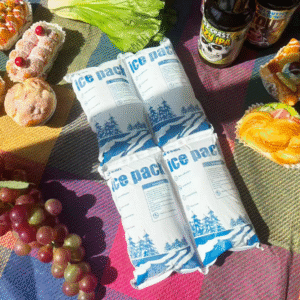
O que é o processo da cadeia de frio e por que isso é importante? Entenda como o controle da temperatura desde a produção até a entrega preserva a qualidade do produto e cumpre regulamentações rígidas.
Como superar os desafios comuns da cadeia de frio como flutuações de temperatura, resíduos de embalagens e conformidade regulatória com dicas práticas e treinamento.
Como a tecnologia e a IA transformam a cadeia de frio fornecendo monitoramento em tempo real, manutenção preditiva e otimização de rotas.
Quais tendências moldarão a cadeia de frio em 2025 – desde sustentabilidade e logística verde até instalações melhoradas, alimentos à base de plantas e um setor farmacêutico em expansão.
Conselhos acionáveis e estudos de caso reais para ajudá-lo a implementar as melhores práticas e escolher os parceiros certos.
O que é o processo da cadeia de frio e por que é crítico?
O processo da cadeia de frio refere-se ao manuseio contínuo, armazenamento e transporte de produtos sensíveis à temperatura sob condições controladas para manter a qualidade e a segurança. Pense nisso como uma corrida de revezamento: em cada estágio – resfriamento, armazenar, transporte e entrega – você deve entregar o produto na temperatura correta. Se algum link falhar, as vacinas perdem potência ou os produtos frescos estragam. Em 2025 a cadeia de frio apoia produtos de alto valor no setor farmacêutico, comida, cosméticos e produtos químicos, tornando as falhas caras.
Por que a cadeia de frio é importante para o seu negócio
Segurança e qualidade: Vacinas e produtos biológicos tornam-se ineficazes se expostos a temperaturas externas 2 - 8 °C (35.6 - 46.4 °F). Produtos frescos estragam acima 0 - 5 °C (32 - 41 °F). Manter intervalos precisos evita o crescimento microbiano e preserva o sabor e a eficácia.
Conformidade regulatória: Autoridades como a Organização Mundial da Saúde e os EUA. A Food and Drug Administration impõe diretrizes de temperatura. A Lei de Modernização da Segurança Alimentar da FDA (FSMA) Regra 204 requer que certos alimentos tenham 24rastreabilidade horária. O monitoramento preciso e a manutenção de registros reduzem o risco de multas, recalls e danos à marca.
Redução de desperdício e valor econômico: Aproximadamente 50 % das vacinas são desperdiçadas anualmente devido a variações de temperatura. A gestão eficaz da cadeia de frio minimiza o desperdício, reduz o impacto ambiental e protege a receita. À medida que o mercado global de logística da cadeia de frio cresce NÓS $436 bilhão em 2025, investir em processos confiáveis torna-se uma vantagem competitiva.
Principais componentes da cadeia de frio
| Estágio | Propósito | Práticas recomendadas | O que isso significa para você |
| Resfriamento | Reduza rapidamente a temperatura do produto após a produção para evitar o crescimento microbiano e alterações químicas. | Use freezers rápidos, nitrogênio líquido ou recipientes refrigerados para atingir rapidamente as temperaturas desejadas; evite o resfriamento lento que permite a formação de cristais de gelo. | O resfriamento mais rápido preserva a textura (por exemplo, frutos do mar) e prolonga a vida útil, reduzindo a deterioração. |
| Armazenamento refrigerado | Mantenha os produtos em temperaturas precisas até o envio. | Use armazéns refrigerados modernos com sensores e energia de reserva. Zonas separadas para temperatura ambiente, refrigerado, produtos congelados ou ultracongelados. | O armazenamento confiável evita variações de temperatura; suporta diversas linhas de produtos, desde produtos frescos até terapias genéticas. |
| Transporte | Mova mercadorias mantendo-as dentro de intervalos especificados. | Use caminhões refrigerados, navios e aviões com contêineres isolados e práticas adequadas de carregamento. Os contêineres multizona permitem diversas faixas de temperatura em uma remessa. | Garante que as entregas cheguem em ótimas condições, protegendo a confiança do cliente e reduzindo devoluções. |
| Monitoramento | Fornece visibilidade contínua da temperatura e localização. | Implante sensores IoT, registradores de dados, Etiquetas RFID e rastreadores GPS para coletar dados gravados ou em tempo real. Integre sensores com plataformas em nuvem para alertas e insights preditivos. | Alertas imediatos permitem corrigir desvios antes que causem danos, e registros documentados simplificam as auditorias. |
Cenários práticos e dicas
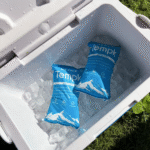
Kits de refeição para pequenos lotes: Ao enviar kits de refeição com vegetais frescos e laticínios, selecione recipientes isolados e pacotes de gel que mantém 0 - 5 °C. Combine-os com registradores IoT para monitorar a temperatura durante a entrega na última milha.
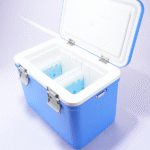
Distribuição farmacêutica: Para vacinas que requerem 2 - 8 °C, escolha caixas frigoríficas e veículos frigoríficos validados. Treine a equipe no manuseio adequado e procedimentos de emergência para reduzir o erro humano.
Exportação de frutos do mar: Usar freezers rápidos para baixar rapidamente a temperatura central dos peixes abaixo de zero, evitando grandes cristais de gelo e preservando a textura.
Caso do mundo real: Em julho 2025 UNICEF enviado 500 000 doses de vacina pneumocócica da Bélgica à Costa do Marfim por mar. A viagem reduziu as emissões de gases de efeito estufa em até 90 % e reduzir custos de frete 50 % em comparação com o frete aéreo, mantendo a qualidade da vacina. Isto demonstra como o planeamento estratégico de rotas e os modos sustentáveis podem melhorar a eficiência sem comprometer a segurança.
Como superar os desafios comuns da cadeia de frio
Mesmo com processos robustos, você enfrenta perigos como quedas de energia, falhas de equipamentos e erro humano. Enfrentar esses desafios reduz o desperdício e garante a conformidade.
Flutuações de temperatura: evite picos e quedas
Problema: Quedas de energia, mau funcionamento do equipamento e isolamento deficiente podem causar variações de temperatura. Na indústria farmacêutica, variações de temperatura são responsáveis por até 80 % de perdas de produtos.
Soluções:
Instale geradores de backup e fontes de alimentação ininterruptas para manter o equipamento de refrigeração funcionando durante interrupções.
Use isolamento de alto desempenho como painéis isolados a vácuo e pacotes de gel para manter condições estáveis.
Monitore a temperatura e a umidade ambiente em áreas de armazenamento para detectar sinais precoces de falha do sistema.
Implemente sensores IoT e registradores de dados que enviam alertas em tempo real quando as condições divergem. Intervenções oportunas reduzem a deterioração.
Resíduos de embalagens e planejamento
Problema: O uso excessivo ou insuficiente de bolsas de gel ou gelo seco desperdiça materiais e corre o risco de desvios de temperatura.
Soluções:
Calibre os tamanhos das embalagens de acordo com o volume e a duração da remessa, usando modelagem térmica para determinar o número exato de embalagens necessárias.
Adote contêineres reutilizáveis e sistemas de pooling de circuito fechado para reduzir desperdícios e reduzir custos.
Desenvolva procedimentos de embalagem padronizados e listas de verificação então a equipe faz as malas de forma consistente.
Lacunas de treinamento e comunicação
Problema: O treinamento inadequado e a falta de comunicação aumentam os erros, como carregamento inadequado ou fluxo de ar bloqueado.
Soluções:
Implementar programas regulares de treinamento em todos os departamentos e geografias. Use simulações para praticar respostas de emergência.
Padronize procedimentos e documentação para carregar, descarga e monitoramento.
Realizar auditorias e simulações identificar pontos fracos e reforçar boas práticas.
Não conformidade regulatória
Problema: Registros ausentes ou condições inadequadas de armazenamento podem levar a penalidades e recalls de produtos.
Soluções:
Mantenha a precisão, registros de temperatura acessíveis e mantê-los pelo período de retenção exigido.
Use equipamentos e processos validados que atendem às Boas Práticas de Fabricação (GMP) e Boas Práticas de Distribuição (PIB) padrões.
Mantenha-se informado sobre regulamentos em evolução, como a Regra FSMA 204 exigindo rastreabilidade 24 horas e novas regras comerciais que podem afetar as importações.
Lacunas na infraestrutura e na cadeia de abastecimento
Problema: Instalações desatualizadas, rotas de transporte deficientes e altos custos de energia levam a atrasos e desperdícios. Os pequenos agricultores ou clínicas rurais muitas vezes não têm consciência e acesso ao armazenamento refrigerado.
Soluções:
Invista em instalações modernas com zonas multitemperaturas, energia solar ou eólica, e sistemas de armazenamento automatizados. Construído para se adequar às soluções, personalizar a capacidade e melhorar a eficiência energética.
Terceirizar para fornecedores especializados de armazenamento refrigerado se construir sua própria infraestrutura tem um custo proibitivo.
Melhorar as redes de transporte e a logística de última milha usando micro centros de atendimento, veículos elétricos e ferramentas de otimização de rotas.
Educar pequenos produtores e clínicas sobre a importância do controle de temperatura e fornecer acesso a armazenamento refrigerado acessível por meio de programas cooperativos.
Como a tecnologia e a IA estão transformando a cadeia de frio em 2025
As tecnologias emergentes estão a transformar a cadeia de frio numa rede conectada, sistema inteligente. Dados em tempo real, análise preditiva e automação melhoram a precisão, reduzir o uso de energia e aumentar a segurança.
Sensores IoT e monitoramento contínuo
Sensores IoT fornecem dados contínuos sobre temperatura, umidade e localização. Quando integrado com painéis em nuvem, eles permitem alertas imediatos e manutenção preditiva. Registradores de dados registram condições para auditorias.
Benefícios para você:
Visibilidade ininterrupta: Alertas em tempo real permitem corrigir desvios instantaneamente, reduzindo o desperdício e garantindo a conformidade.
Manutenção preditiva: A análise dos dados do sensor ajuda a agendar o serviço antes que o equipamento falhe.
Maior satisfação do cliente: O rastreamento em tempo real tranquiliza os clientes e oferece suporte à comunicação proativa.
RFID, Rastreabilidade GPS e blockchain
Etiquetas RFID com sensores de temperatura agilizam o gerenciamento de estoque e reduzem erros humanos. Rastreadores GPS combinam dados de localização e temperatura para rastreamento ininterrupto. Blockchain cria registros à prova de adulteração de temperatura, localização e tratamento de dados, simplificando auditorias e construindo a confiança do consumidor.
Inteligência artificial e análise preditiva
IA usa dados históricos e em tempo real para prever falhas de equipamentos, otimizar rotas de entrega e prever a demanda. Em 2025 A adoção da IA está acelerando; a otimização de rotas reduz atrasos e uso de energia, enquanto a manutenção preditiva evita avarias dispendiosas.
Exemplos de aplicação:
Otimização de rota: IA analisa tráfego, janelas meteorológicas e de entrega para encontrar rotas eficientes, reduzindo o uso de combustível e as emissões.
Automação de armazém: Robôs e sistemas automatizados de armazenamento e recuperação (AS/RS) otimizar espaço e reduzir custos de mão de obra.
Controle de estoque dinâmico: AI prevê a demanda e ajusta os níveis de estoque, evitando escassez e excesso de estoque.
Embalagens inteligentes e recipientes reutilizáveis
Espera-se que o mercado de embalagens reutilizáveis da cadeia de frio crescer a partir dos EUA $4.97 bilhão em 2025 para os EUA $9.13 bilhão por 2034. As inovações incluem caixas inteligentes auto-refrigeradas, Recipientes habilitados para IoT e materiais de isolamento biodegradáveis. Essas soluções reduzem o desperdício e fornecem monitoramento em tempo real.
Automação e robótica
Aproximadamente 80 % dos armazéns ainda não são automatizados, destacando um potencial de crescimento significativo. O manuseio automatizado reduz o erro humano e melhora o rendimento, enquanto os sistemas robóticos operam de forma eficiente em baixas temperaturas.
Tendências que moldam o processo da cadeia de frio em 2025 e além
A cadeia de frio está evoluindo rapidamente. Compreender as tendências emergentes ajuda você a investir com sabedoria e a permanecer competitivo.
Sustentabilidade e logística verde
As operações da cadeia de frio consomem muita energia e contribuem aproximadamente 2 % das emissões globais de CO₂. A sustentabilidade não é mais opcional; práticas mais verdes como as energias renováveis e a refrigeração energeticamente eficiente estão a tornar-se requisitos. Empresas estão investindo em energia solar e eólica, biocombustíveis para frotas e design inovador de instalações. O Iniciativa Mover para –15 ºC promove refrigeração com eficiência energética e refrigerantes naturais. Reduzir a perda e o desperdício de alimentos é crucial: sobre 1 bilhões de toneladas de alimentos são desperdiçados a cada ano, contabilidade para 8–10 % das emissões globais de gases com efeito de estufa. A logística da cadeia de frio reduz as perdas pós-colheita e melhora a segurança alimentar.
Diversas capacidades de temperatura e novos produtos
As instalações oferecem cada vez mais produtos ultracongelados, congelado, refrigerado, espaços ambientais e conversíveis. Essa flexibilidade permite lidar com diversos produtos, de alimentos à base de plantas a terapias celulares. Alimentos vegetais e orgânicos podem ser responsáveis por 7.7 % do mercado global de proteínas por 2030. Esses produtos geralmente vêm de pequenas empresas que precisam de parceiros logísticos especializados. Ao mesmo tempo, sobre 20 % de novos medicamentos são terapias genéticas e celulares que requerem armazenamento ultrafrio. O mercado farmacêutico da cadeia de frio deverá crescer em 3.8 % Cagr de 2025 para 2030.
Infraestrutura atualizada e modernização
Grande parte da infra-estrutura de armazenamento a frio é 40–50 anos. 2025 veremos investimentos contínuos na atualização de instalações com automação, maior sustentabilidade e melhor visibilidade. Instalações modernas integram sistemas de gestão de armazéns e sistemas de gestão de transporte, permitindo visibilidade de ponta a ponta e tempos de resposta mais rápidos. Construído para se adequar às soluções, adaptar a capacidade às necessidades específicas e reduzir os custos de capital.
Maior visibilidade e padronização de dados
Por 2025 74 % espera-se que os dados logísticos sejam padronizados. Fluxos contínuos de dados e formatos padronizados permitem uma integração perfeita em toda a cadeia de fornecimento. Investimentos em software melhorar a visibilidade em tempo real, ajudar a gerenciar interrupções e otimizar o inventário.
Expansão do mercado e investimento
O mercado global de logística da cadeia de frio está prosperando. As estimativas variam devido à metodologia, mas as fontes concordam com o rápido crescimento:
NÓS $436 bilhão em 2025, projetado para chegar aos EUA $1.36 trilhão por 2034.
NÓS $454.48 bilhão em 2025, esperado para chegar aos EUA $776.01 bilhão por 2029 em um 12.2 % Cagr.
NÓS $293.58 bilhão em 2023, projetado para chegar aos EUA $862.33 bilhão por 2032 com um 13 % Cagr.
O investimento na tecnologia da cadeia de frio também é robusto. O setor tem sobre 2800 patentes e 600 subvenções e adicionado 26 800 novos funcionários no último ano. Parcerias estratégicas e dados padronizados permitem uma integração perfeita em toda a cadeia de abastecimento.
Mudanças regulatórias e dinâmica comercial
Novas regras influenciam os embarques internacionais. Por exemplo, o fim da regra De Minimis removerá as importações isentas de impostos sob os EUA $800 da China e de Hong Kong, custos crescentes. O Passaporte de Produtos Digitais exige mais informações sobre produtos vendidos na UE. O Sistema de controle de importação 2 exige detalhes avançados de remessa para melhor segurança. Manter-se informado e adaptar-se a essas mudanças ajudará você a evitar atrasos e penalidades.
Resiliência da cadeia de suprimentos e gestão de riscos
Agitação geopolítica, pandemias, as alterações climáticas e as perturbações nas infraestruturas continuam a ter impacto no comércio global. Investir na resiliência – como rotas diversificadas, níveis de estoque estratégicos e parcerias colaborativas – ajudam você a enfrentar interrupções. Manutenção de estoques estratégicos, conforme recomendado após restrições ao Canal do Panamá, é essencial para a continuidade da cadeia de abastecimento.
2025 últimos desenvolvimentos da cadeia de frio e insights de mercado
O mercado da cadeia de frio não está apenas a crescer em tamanho; está evoluindo rapidamente:
Resumo das últimas tendências
Visibilidade inteligente: Dados logísticos padronizados (esperado para alcançar 74 % por 2025) e a integração da IoT proporcionam transparência de ponta a ponta.
Logística verde e energia renovável: Solar, energia eólica e biocombustíveis para frotas e instalações de refrigeração, e a coligação Move to–15 ºC promove a eficiência energética.
IA e robótica: A análise preditiva otimiza rotas e prevê manutenção; robôs automatizam armazéns e reduzem custos de mão de obra.
Diversas zonas de temperatura: As instalações oferecem espaços conversíveis para ambientes, refrigerado, congelado, necessidades ultracongeladas e ultracongeladas.
Embalagens reutilizáveis e materiais biodegradáveis: Recipientes reutilizáveis e isolamento natural reduzem o desperdício e criam sistemas de circuito fechado.
Alimentos vegetais e especiais: A crescente demanda por proteínas alternativas e produtos orgânicos impulsiona a logística especializada.
Produtos farmacêuticos ultrafrios: As terapias genéticas e celulares requerem temperaturas abaixo de –20 °C; este setor está crescendo em 3.8 % Cagr.
Mudanças regulatórias: Novas regras aduaneiras e passaportes digitais exigem uma melhor gestão e rastreabilidade dos dados.
Resiliência da cadeia de abastecimento: Empresas diversificam rotas, manter estoques estratégicos e colaborar para gerenciar interrupções.
Investimento e inovação: Sobre 1880 rodadas de financiamento e 1600 investidores apoiam o setor, destacando a confiança e estimulando novas soluções.
Insights de mercado para tomadores de decisão
O mercado norte-americano da cadeia de frio alimentar poderá atingir NÓS $86.67 bilhão em 2025. As embalagens reutilizáveis crescerão quase 7 % anualmente. Espera-se que as instalações de armazenamento frigorífico se expandam em NÓS $118.3 bilhão entre 2022 e 2027. As terapias genéticas e celulares impulsionarão a demanda por armazenamento ultrafrio, enquanto os alimentos à base de plantas aumentam a procura por transporte refrigerado. Reconhecer esses números ajuda você a planejar a capacidade, investimentos e parcerias.
Perguntas frequentes
Q1: Qual é a diferença entre uma cadeia de frio e uma gestão de cadeia de frio?
A cadeia de frio refere-se à rede física de equipamentos, instalações e processos que mantêm os produtos dentro de faixas de temperatura específicas, desde a produção até o consumo. A gestão da cadeia de frio abrange planejamento, controle e monitoramento dessa rede – abrangendo design de embalagens, Treinamento da equipe, logística de transporte e conformidade.
Q2: Por que as faixas de temperatura são tão rígidas?
Cada produto tem uma faixa de temperatura ideal para manter a qualidade e a segurança. Por exemplo, frutas frescas devem ser mantidas em 0 - 5 °C (32 - 41 °F), enquanto as vacinas exigem 2 - 8 °C (35.6 - 46.4 °F). Desvios podem causar deterioração ou perda de potência.
Q3: Como a IoT melhora o monitoramento da cadeia de frio?
Sensores IoT transmitem dados em tempo real sobre temperatura, umidade e localização para plataformas de nuvem, gerando alertas quando as condições divergem. Isso permite ações corretivas imediatas e oferece suporte à análise preditiva para manutenção e otimização de rotas.
Q4: O que devo considerar ao escolher um parceiro para a cadeia de frio?
Procure fornecedores com equipamentos validados, Capacidades de monitoramento de IoT, procedimentos operacionais padrão documentados e experiência regulatória. Avalie suas iniciativas de sustentabilidade, padronização de dados e capacidade de lidar com remessas multitemperaturas.
Q5: Quais são as principais tendências que moldam a logística da cadeia de frio no 2025?
Automação e integração de IA, diversas capacidades de temperatura, sustentabilidade, modernização da infraestrutura, forte visibilidade por meio de investimentos em software, novos produtos, como alimentos à base de plantas, instalações atualizadas e o crescimento nos setores farmacêutico e de alimentos frescos são tendências-chave para 2025.
Resumo das principais conclusões
O processo da cadeia de frio é um sistema crítico que mantém a qualidade e a segurança de produtos sensíveis à temperatura. Inclui resfriamento, armazenar, transporte e monitoramento – todos exigem controle preciso de temperatura. Investindo em equipamentos confiáveis, monitoramento em tempo real e treinamento de pessoal evita variações de temperatura que causam até 80 % de perdas farmacêuticas. Novas tecnologias como sensores IoT, A otimização de rotas alimentada por IA e a rastreabilidade de blockchain fornecem visibilidade ininterrupta e insights preditivos. Sustentabilidade, instalações atualizadas e diversas capacidades de temperatura estão transformando o setor. O mercado está crescendo rapidamente, atingindo centenas de bilhões de dólares 2025 e além, que sublinha a importância de escolher parceiros capazes e de se manter à frente das mudanças regulamentares.
ACTO ACEDIVO PRÓXIMO PASSOS
Avalie os requisitos do seu produto: Identifique faixas exatas de temperatura e sensibilidade para cada produto, e selecionar soluções adequadas de embalagem e transporte.
Invista em monitoramento em tempo real: Implemente sensores IoT e registradores de dados para monitorar a temperatura, umidade e localização. Integre-os a painéis de nuvem para obter alertas e insights preditivos.
Treine sua equipe regularmente: Fornecer educação contínua sobre o manuseio, carregando, procedimentos de monitoramento e emergência em todos os departamentos.
Atualizar infraestrutura: Modernize as instalações com refrigeração energeticamente eficiente, automação e energia renovável; eliminar gradualmente os refrigerantes sintéticos.
Plano para a sustentabilidade: Explore embalagens reutilizáveis e biodegradáveis e faça parceria com organizações que redistribuem excedentes de alimentos.
Colabore estrategicamente: Construir parcerias com fornecedores de tecnologia, especialistas em armazenamento refrigerado e empresas de logística para compartilhar dados, padronizar processos e melhorar a resiliência.
Sobre Tempk
Somos a Tempk – um fornecedor orientado para a investigação de soluções de embalagem para cadeia de frio e tecnologia de controlo de temperatura. Nossos produtos incluem pacotes de gel, caixas isoladas, tampas de paletes e transportadores inteligentes projetados para remessas de alimentos e produtos farmacêuticos. Priorizamos a sustentabilidade oferecendo materiais reutilizáveis e recicláveis e desenvolvendo isolamentos ecológicos. Nosso R&O centro D melhora continuamente os materiais de mudança de fase e os painéis isolados a vácuo para fornecer controle de temperatura confiável. Com presença global e foco na qualidade e conformidade, ajudamos os clientes a preservar a integridade do produto e reduzir o desperdício.
Pronto para proteger seus produtos? Entre em contato com nossos especialistas hoje mesmo para projetar uma solução personalizada de cadeia de frio para o seu negócio.