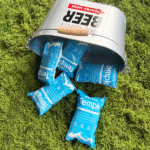
Como escolher o melhor pacote de refrigerador de gelo seco para envio seguro: Um guia completo
Shipping perishable goods securely is crucial to ensuring their quality upon arrival. Dry ice cooler packs offer one of the best solutions for maintaining low temperatures during transit, particularly for sensitive items such as food, produtos farmacêuticos, e suprimentos médicos. This guide will help you select the best dry ice cooler pack for your shipping needs, provide essential safety information, and highlight the latest trends in dry ice shipping for 2025.

-
O que são bolsas de gelo seco, and why are they essential for shipping?
-
How do dry ice cooler packs work, and how do they differ from traditional dry ice packs?
-
What are the best practices for handling dry ice safely during shipping?
-
How can you ensure optimal performance of dry ice packs?
What is a Dry Ice Cooler Pack and Why Do You Need It?
Bolsas de gelo seco são dióxido de carbono solidificado (Co₂) que sublimam a -78,5°C, creating a cooling effect that is crucial for shipping temperature-sensitive products. These packs are essential in cold chain logistics, ensuring that perishable items like food, vacinas, and pharmaceuticals maintain their required temperatures throughout transit.
Dry ice cooler packs are particularly effective because they keep products frozen without leaving moisture behind. This is especially important for items that cannot tolerate water damage, such as pharmaceuticals and food products like frozen meats or ice cream. Adicionalmente, dry ice packs help extend the shelf life of temperature-sensitive items, reduzir a deterioração, and ensure products arrive in the best possible condition.
Characteristics of Dry Ice Cooler Packs
| Recurso | Descrição | Significado |
|---|---|---|
| Faixa de temperatura | -78.5°C | Keeps items frozen or chilled |
| Taxa de sublimação | 5-10 libras cada 24 horas | Determines how often you need to replace the pack |
| Regulamentos de envio | Subject to DOT and IATA rules | Ensure compliance with regulations for safe shipping |
How to Choose the Right Dry Ice Cooler Pack
Choosing the right dry ice cooler pack depends on several factors, including the type of product you’re shipping, a duração do envio, and the specific temperature requirements. Here’s how to make the right choice:
-
Size Matters: Para remessas curtas (24-48 horas), smaller packs may be sufficient. No entanto, for longer transit times or highly sensitive shipments, larger packs or multiple packs may be needed.
-
Understand Your Product’s Needs: Perishable items such as frozen food require different solutions than pharmaceuticals, which might require even more stringent temperature control.
-
Duração do envio: Quanto mais tempo o envio, the more cooling power you’ll need. Larger packs or combinations of dry ice and phase change materials (PCMs) are often required for extended shipments.
Best Practices for Choosing Dry Ice Packs
-
Know the Temperature Requirements: Some products need a specific temperature, which will influence the size and number of dry ice packs required.
-
Consult with Your Carrier: Ensure that dry ice is permissible, as some carriers have strict regulations regarding its use.
-
Tamanho e ajuste: The pack should fit your container to maximize cooling efficiency and minimize exposure to external heat.
How Do Dry Ice Cooler Packs Work for Shipping?
Dry ice cooler packs work by sublimating from a solid to a gas, which absorbs heat from the surrounding environment, cooling the contents of the shipping container. The larger the pack, the longer the cooling effect lasts. This is critical for maintaining consistent temperatures, especially for items that need to stay frozen or chilled during transit.
Example Applications of Dry Ice Packs:
-
Alimentos congelados: Dry ice cooler packs can keep frozen foods below freezing temperatures during long shipping times. Pair with insulated containers to maximize cooling duration.
-
Produtos Farmacêuticos e Vacinas: These products require strict temperature control. Dry ice packs help maintain the required subzero temperatures for vaccines and biological samples.
Exemplo da vida real: A major pharmaceutical company reported a 30% reduction in spoilage rates after switching from gel packs to dry ice cooler packs for vaccine shipments, showcasing how the right cooling method can improve product integrity and delivery reliability.
Considerações de segurança ao usar gelo seco
Embora o gelo seco seja altamente eficaz, requer manuseio cuidadoso. Here are some important safety precautions:
-
Ventilação: O gelo seco libera gás de dióxido de carbono à medida que sublima. Always use dry ice in well-ventilated areas to avoid CO₂ buildup, que pode ser perigoso.
-
Equipamento de proteção: Always use gloves and tongs when handling dry ice to avoid frostbite.
-
Embalagem: Ensure your packaging is designed for dry ice use. Containers should allow gas to escape to prevent pressure buildup, which can lead to ruptures.
| Consideração de segurança | Ação necessária | Por que é importante |
|---|---|---|
| Ventilação | Use dry ice in well-ventilated spaces | Evite o acúmulo de CO₂, o que pode ser perigoso |
| Equipamento de proteção | Use luvas isoladas | Prevent frostbite from direct contact with dry ice |
| Embalagem | Use recipientes ventilados | Safely release sublimation gases |
Tendências no transporte de gelo seco para 2025
The landscape of dry ice shipping is evolving with new technologies and trends aimed at improving safety, eficiência, e sustentabilidade.
Key Innovations in Dry Ice Shipping:
-
Monitoramento de temperatura inteligente: Real-time sensors allow tracking of temperatures during transit, ensuring that products stay within the required temperature range.
-
Blockchain para rastreabilidade: Increasingly used to ensure transparency and traceability, especially for pharmaceuticals and medical shipments.
-
Materiais de isolamento avançado: Improvements in insulation help extend cooling times and reduce the amount of dry ice required, offering both cost savings and environmental benefits.
Perguntas frequentes
Como calculo quanto gelo seco preciso?
Uma orientação geral é usar 5-10 libras de gelo seco por 24 horas de trânsito. Adjust the amount depending on the shipment’s size, a embalagem, e a duração do envio.
O gelo seco pode ser usado para remessas internacionais?
Sim, but international shipments require strict regulations. Make sure to use proper labeling, documentação, and follow the specific guidelines of your carrier.
É seguro manusear gelo seco?
Sim, desde que os protocolos de segurança adequados sejam seguidos. Always use gloves and ensure that you handle dry ice in a well-ventilated space.
Conclusão e recomendações
Resumindo, dry ice cooler packs are an invaluable tool for shipping temperature-sensitive products, offering benefits like extended cooling duration and no water damage. Para garantir o desempenho ideal, choose the right size, follow safety protocols, and consider implementing smart temperature monitoring. Como 2025 trends continue to shape the cold chain logistics industry, staying informed about the latest innovations will help you optimize your shipping processes.
PRÓXIMOS PASSOS:
-
Evaluate your shipping needs and select the appropriate dry ice cooler pack.
-
Follow all safety guidelines for handling dry ice to ensure a safe shipping process.
-
Consider implementing temperature monitoring technology for added security.
Sobre Tempk
E tempk, we specialize in providing high-quality dry ice cooler packs and other cold chain logistics solutions. Our products are designed to meet the strictest industry standards, ensuring the safe and efficient transport of your temperature-sensitive goods.
Chamado à ação
Contact us today to learn more about our products and find the best dry ice solution for your shipping needs!