Como embalar alimentos com gelo seco com segurança 2025
Se você está pesquisando como embalar alimentos com gelo seco, this guide gives you an exact, compliant process—gear, passos, and how much to use for 24–72 hours. You’ll also learn the current airline and courier limits, safe food temperatures, and a copy‑and‑use sizing planner so your box arrives cold and compliant.
-
Regras de dimensionamento: a simple way to estimate dry ice for 24/48/72 horas de espera.
-
Regulatory basics: what to write on the box (UN1845, Aula 9, quilogramas líquidos) and airline passenger limits.
-
Pacote passo a passo: a repeatable workflow you can train in minutes.
-
Risk controls: ventilação, EPI, and safe receiving checks to cut claims.
What gear do you need to pack food with dry ice?
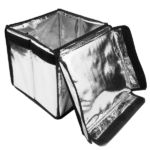
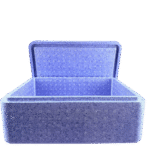
Resposta curta: Use a ventable hard cooler or EPS/VIP shipper, 1–2″ insulation, food‑safe bags, absorbent liner, barreira de vapor, luvas isoladas, and Class 9/UN1845 labels showing net kg gelo seco. Never seal the inner package airtight—CO₂ must vent.
Por que funciona: Thick insulation slows heat gain. Sealed food bags block odor and moisture. Absorbent pads protect cartons. Gloves prevent frostbite at −78.5 °C. Venting prevents pressure buildup and reduces CO₂ exposure in vehicles or rooms, improving safety and compliance during checks.
Bloquear vs.. pellet dry ice for longer hold?
Detalhes: Blocks sublimate slower than pellets because of smaller surface area; pellets cool faster but vanish sooner. For quick pull‑down plus endurance, lay blocks on the base and pellets on top. This hybrid cut keeps the payload cold and evens temperature across the load.
| Pack‑Out Choice | Uso típico | Efeito no tempo de espera | O que isso significa para você |
|---|---|---|---|
| Blocks on base | Pistas longas, menos aberturas | Sublimação mais lenta | Less weight loss over time |
| Pellets on top | Pull -redone rápido | Sublimação mais rápida | Quicker chill, adicionar um buffer |
| Hybrid stack | Mixed needs | Balanced profile | Better stability across 24–72 h |
Practical tips and common mistakes
-
Não sele hermeticamente: deixe um caminho de ventilação para CO₂.
-
Pad and line: add a poly liner and corrugated pad to avoid brittle cracking and wet cartons.
-
Label smart: write UN1845 + líquido kg on a vertical panel; mantenha as etiquetas desobstruídas.
Caso do mundo real: A catering team moved 8 kg meals in a 2″ shipper with 14 lb dry ice for a 44‑hour lane; chilled items arrived 28–34 °F and desserts stayed frozen—no condensation leaks.
How much dry ice do you need to pack food with dry ice?
Regra geral: Plano ~5–10 lb per 24 hours em um remetente isolado típico. Increase for hot vans or frequent openings; decrease with premium insulation or larger blocks. Start frozen at 0 °F or chilled ≤40 °F.
Why the range changes: Aquecer, altitude/low pressure, Tamanho do pellet, and container wear all increase sublimation. Worn or thin EPS walls need more dry ice; 2″ EPS or VIP needs less for the same lane.
Quick planner you can copy and use
Use it like this: Multiply hours by the base rate, then adjust for insulation and access. If food weight is high, apply the 0.5 lb/lb floor. Test on your lane and log receiving temperatures to validate.
| Tipo de contêiner | Parede típica | Leste . gelo seco / dia | O que isso significa para você |
|---|---|---|---|
| Thin EPS shipper | ~1″ | 8–12 libras | Budget option; add ice or choose faster service |
| Standard cooler | ~1.5″ | 6–10lb | Good balance for road trips and 2‑day lanes |
| Premium EPS/VIP | ≥2″ | 4–8 libras | Lower weight for 48–72 h lanes |
Actionable scenarios
-
48 h in summer: choose the upper range, adicione 20–30% de buffer, e reduzir as aberturas da tampa.
-
Mixed chilled + congelado: zonas separadas; gels near chilled items, dry ice near frozen.
-
Frequent access cooler: plan toward 10 lb/24 h and use a top layer to cut warm‑air ingress.
How to pack food with dry ice step‑by‑step?
Etapas principais (why it works in bold):
-
Pre‑chill to ≤40 °F or freeze to 0 °F. Starting cold preserves hold time.
-
Double‑bag and add a vapor barrier. Moisture and odor stay contained.
-
Line with absorbent pads. Protects the carton.
-
Adicione a bloquear layer of dry ice.
-
Load food in the center.
-
Adicione a principal dry ice layer. Cold CO₂ sinks through the payload.
-
Fill voids to reduce convection.
-
Fechar com um Caminho de ventilação.
-
Marca UN1845, Aula 9, e quilogramas líquidos gelo seco.
Receiving SOP: open in ventilation, confirm UN1845/Class 9 Marcas, probe the thickest item, accept if chilled ≤40 °F or still frozen/with ice crystals, then stage to cold storage and log results.
Can you fly with dry ice when you pack food with dry ice?
Sim. Os passageiros podem transportar até 2,5 kg (5.5 Libra) por pessoa em ventable packages with airline approval; checked bags must be marked “Dry ice/Carbon dioxide, solid” with the Peso líquido or “2.5 kg or less.” Follow the airline’s page and declare at check‑in.
Airport checklist: rigid leak‑resistant outer, foam inner, lid not airtight, exterior marks (UN1845 + NET KG), and an accurate scale reading if asked. For carry‑on size limits, use smaller blocks and 2–3 lb dry ice.
How to ship with UPS/USPS/FedEx when you pack food with dry ice?
Marking basics (carga aérea): proper name “Dry ice/Carbon dioxide, sólido,UN1845, Aula 9 rótulo, and visible quilogramas líquidos of dry ice on a vertical side; Mantenha o pacote ventable. USPS air mailpieces are capped at 5 Libra gelo seco por peça; surface may allow more.
Hand‑off tips that prevent delays: escrever kg (you can add lb in parentheses), mantenha as etiquetas desobstruídas, don’t write across hazard diamonds, and choose the shortest lane you can afford—fewer hours means less dry ice.
2025 desenvolvimentos e tendências da cadeia de frio
O que há de novo: 2025 passenger and cargo guidance reaffirmed UN1845 acceptance points, visível Rede - kg Marcas, and ventable packaging. USPS Publication updates confirm the 5 lb air limit com ventilação, while surface services may exceed 5 lb. Testing continues to show pellet size and container wear as major drivers of loss—another reason to upgrade insulation and retire damaged boxes.
Último progresso em um olhar
-
Disciplina de aceitação: counters rely more on checklists; net‑kg marks reduce stoppages.
-
Planner mainstream: o 5–10lb/dia band is now common in carrier/EHS guidance—plan, Em seguida, valide em sua pista.
-
Pacotes híbridos: géis + dry ice stabilize mixed payloads and buffer openings, especially on two‑day lanes.
Insight de mercado: DTC desserts and meal kits are shifting weight from “more dry ice” to “better insulation” and simple temperature logging to cut claims and freight.
Perguntas frequentes
Quanto gelo seco para 48 hours of frozen hold?
Comece com 10–16 libras in standard shippers or 8–12 libras with ≥2″ EPS/VIP. Add 20–30% in heat or if you’ll open the lid.
Is airtight better to “trap the cold”?
Não. Dry‑ice packages deve Vento de co₂. Airtight seals risk rupture and non‑compliance.
What temperature proves my food stayed safe?
Refrigerado: ≤40 ° F. (4 ° c). Congelado: 0 ° f (-18 ° C.) or ice crystals present at receiving. Use a probe thermometer.
Onde devo colocar o gelo seco – em cima ou em baixo?
For freezer mode, place some no topo so cold CO₂ sinks; for chilled‑only, keep it below with a buffer so items don’t freeze.
O gelo seco é seguro em um carro?
Ventilar. CO₂ desloca o oxigênio. Keep windows cracked and vents open; never sleep in a vehicle with dry ice inside.
Two‑minute self‑assessment (interativo)
-
Tempo de trânsito: <24 h / 24–48h / 48–72h / >72 h
-
Ambiente: legal / leve / quente
-
Remetente: EPS 1″ / EPS 2″ / VIP
-
Meta: arrive congelado / arrive refrigerado
Resultado: Para como embalar alimentos com gelo seco, escolher 5–10lb por 24h, multiply by days, then add +20–30% if hot or frequently opened. Upgrade insulation if >72 h or weight is a concern.
Resumo e recomendações
Pontos -chave: Pick a ventable insulated shipper, layer dry ice above and below, preencher vazios, e Mark UN1845/Class 9 com quilogramas líquidos. Plano ~5–10 lb/day, add a buffer for heat or openings, and verify arrival temps (≤40°F refrigerado, 0 °F frozen or ice crystals). Validate with a small test on your lane.
PRÓXIMOS PASSOS (seu plano):
-
Choose the container (target ≥2″ walls for 48–72 h).
-
Use the sizing planner and add a 20–30% buffer for summer.
-
Print the step list and receiving SOP; treine sua equipe.
-
Para voos, weigh and write NET KG, then pre‑clear with your airline.
Sobre Tempk
Somos uma equipe de soluções de cadeia fria focada em práticas, test‑backed packaging for 24–72‑hour lanes. Our seafood, meal kit, and dessert shippers are validated with vent paths, controle de umidade, and easy‑apply labels—paired with SOPs, calculadoras, and training to cut claims and dry‑ice waste. Get a tailored pack‑out and label set for your route.
CTA: Get a free dry‑ice sizing plan for your specific lane.