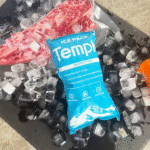
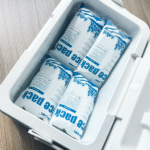
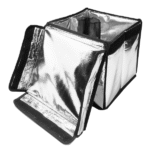
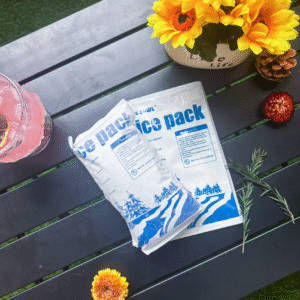
Ao enviar produtos sensíveis à temperatura em 2025, usar bolsas de gelo seco é um método essencial para garantir que seus produtos permaneçam dentro da faixa de temperatura exigida. O gelo seco permite um controle eficaz da temperatura durante o transporte, evitando a deterioração e mantendo a qualidade dos itens perecíveis. Este artigo fornece informações abrangentes sobre o uso de gelo seco na logística da cadeia de frio, incluindo as melhores práticas, regulamentos, e as últimas tendências.
-
O que é gelo seco, e como funciona para envio?
-
Como usar corretamente bolsas de gelo seco para envio?
-
Quais são as melhores práticas para manter a temperatura certa durante o transporte?
O que é gelo seco, e como funciona para envio?
Gelo seco é dióxido de carbono congelado (Co₂) e é amplamente utilizado no transporte de mercadorias sensíveis à temperatura. Ao contrário do gelo regular, que derrete e deixa umidade para trás, gelo seco sublima diretamente no gás, não deixando resíduos líquidos. Isso torna o gelo seco um agente de resfriamento ideal para manter temperaturas de congelamento durante o transporte.
Por que o gelo seco é essencial para o transporte da cadeia de frio:
-
Duração estendida de resfriamento: O gelo seco dura mais do que o gelo tradicional, proporcionando até 48 horas de resfriamento, dependendo do tamanho da remessa e das condições da embalagem.
-
Sem umidade: À medida que o gelo seco se transforma em gás, evita danos causados pela água que poderiam afetar itens perecíveis.
-
Econômico: O gelo seco é uma opção mais acessível em comparação aos recipientes refrigerados, especialmente para distâncias de envio mais curtas ou remessas menores.
How to Properly Use Pacotes de gelo seco para envio?
1. Calcular os requisitos de gelo seco
A quantidade de gelo seco necessária depende de fatores como o peso da remessa e a duração do trânsito. Uma regra geral é usar 5 para 10 libras de gelo seco por 24 horas do tempo de envio para itens com peso até 12.5 libras.
Dicas principais:
-
Para remessas de curta distância, use uma quantidade menor de gelo seco (por exemplo, 5 libras por 24 horas).
-
Para remessas mais longas, garantir que o resfriamento seja suficiente aumentando a quantidade de gelo seco e usando melhor isolamento.
2. Use embalagem adequada
O gelo seco deve ser colocado dentro de recipientes bem isolados que minimizem a transferência de calor. Os materiais comuns incluem:
-
Isopor e Bolsas Mylar, que oferecem excelente isolamento.
-
Sacos mais frios que são projetados para lidar com a sublimação de gelo seco sem comprometer a integridade da remessa.
Prática recomendada: Certifique-se de que o gelo seco esteja posicionado na parte superior da remessa para permitir que o ar frio desça pela embalagem, mantendo uma distribuição uniforme de temperatura.
Quais são as melhores práticas para manter a temperatura certa durante o trânsito?
1. Monitoramento de temperatura
Para remessas altamente sensíveis, é essencial monitorar a temperatura interna durante todo o trânsito. O uso de dispositivos de monitoramento de temperatura ajudará a garantir que os produtos permaneçam dentro da faixa desejada.
-
Rastreamento de temperatura em tempo real: Considere incluir um registrador de dados que rastreia mudanças de temperatura em tempo real e fornece alertas caso haja algum desvio.
2. Rotule os pacotes corretamente
Todas as remessas contendo gelo seco devem ser claramente etiquetadas com a identificação adequada:
-
“Dióxido de Carbono Sólido” etiqueta para identificação clara.
-
E 1845 etiqueta para cumprir os regulamentos de envio.
-
O Peso líquido do gelo seco em quilogramas deve ser incluído.
Isso garante que os manipuladores estejam cientes do conteúdo e possam tomar as devidas precauções de segurança.
Como otimizar seus processos de envio com gelo seco?
Para melhorar ainda mais a sua logística da cadeia de frio, aqui estão algumas estratégias avançadas para otimizar o uso de gelo seco:
-
Analise dados históricos de remessa
Revise os dados de remessas anteriores para determinar a quantidade de gelo seco usada em diferentes condições. Isso ajuda a melhorar a eficiência futura e reduzir o desperdício. -
Use recipientes com temperatura controlada
Para durações de envio mais longas, opte por recipientes reflexivos térmicos que pode prolongar a eficácia do gelo seco, garantindo que a cadeia de frio seja mantida. -
Automatize o envio e o monitoramento
Aproveitar Plataformas logísticas alimentadas por IA para prever as condições de envio e calcular a quantidade ideal de gelo seco necessária para cada remessa. A automação pode agilizar o processo, minimizar o erro humano, e garanta que seus produtos permaneçam na temperatura certa.
| Fator de envio | Prática recomendada | Por que isso importa |
|---|---|---|
| Quantidade de gelo seco | Use 5–10 libras por 24 horas de envio | Garante um resfriamento consistente sem desperdício |
| Embalagem | Use recipientes isolados como isopor | Retém o frio e prolonga a longevidade do gelo seco |
| Monitoramento de temperatura | Incluir dispositivos para monitorar a temperatura | Evita variações de temperatura e deterioração |
Envio de gelo seco: Dicas para uso seguro e eficiente
Manuseio Seguro de Gelo Seco
O gelo seco é seguro quando manuseado com cuidado. Sempre use luvas isoladas e evite o contato direto com a pele para evitar queimaduras. Adicionalmente, garantir que o gelo seco seja armazenado em espaços bem ventilados para permitir que o gás se dissipe com segurança.
Planejando o descarte seguro
Como gelo seco sublima em gás, deve ser manuseado corretamente para evitar o acúmulo de dióxido de carbono. Certifique-se sempre de que o gelo seco seja descartado em um área bem ventilada, longe de espaços fechados.
2025 Tendências em soluções de transporte de gelo seco
A indústria da cadeia de frio está a evoluir rapidamente com foco em sustentabilidade e tecnologia.
Novas tecnologias de gelo seco:
-
Embalagem mais inteligente: Avança em embalagem inteligente estão permitindo que as remessas autorregulem a temperatura, garantindo condições consistentes durante todo o trânsito.
-
Logística orientada por IA: Inteligência artificial é usada para prever fatores ambientais, otimizar o uso de gelo seco, e reduzir o desperdício.
Práticas sustentáveis:
Materiais de embalagem ecológicos, como forros biodegradáveis e Recipientes reutilizáveis, estão se tornando cada vez mais populares, reduzindo o impacto ambiental.
Perguntas frequentes
Qual a quantidade ideal de gelo seco para envio de frutos do mar?
Para manter o frescor dos frutos do mar, use 1–2 libras de gelo seco por 24–48 horas de envio. Ajuste com base nas condições de trânsito.
O gelo seco pode ser usado para enviar produtos de higiene pessoal?
Sim, gelo seco pode ser usado para enviar itens de higiene pessoal, particularmente aqueles que precisam permanecer frescos, mas não congelados. Use isolamento adequado e evite contato direto com os produtos.
Resumo e recomendações
O gelo seco continua a ser uma ferramenta essencial para a logística da cadeia de frio, fornecendo resfriamento confiável sem danos por umidade. Seguindo as melhores práticas, como embalagem adequada, Monitoramento de temperatura, e rotulagem, as empresas podem garantir o transporte seguro e eficiente de mercadorias sensíveis à temperatura.
Sugestões acionáveis:
-
Avalie suas necessidades de envio e determine quais produtos exigem gelo seco.
-
Treinar a equipe sobre procedimentos de manuseio seguro e conformidade regulatória.
-
Considere integrar embalagem inteligente tecnologias para melhorar a eficiência e reduzir custos.
Sobre Tempk
E tempk, Somos especializados em soluções avançadas de cadeia de frio para remessa de bens sensíveis à temperatura. Nossos produtos inovadores, incluindo bolsas de gelo seco, Materiais de mudança de fase, e recipientes isolados, garantir que suas remessas cheguem com segurança, na hora certa, e em ótimas condições.
Chamado à ação: Entre em contato hoje mesmo para obter soluções personalizadas de cadeia de frio, e otimize seus processos de envio com nossas confiáveis bolsas de gelo seco e tecnologias logísticas de ponta.