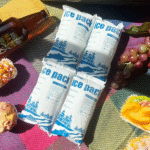
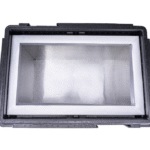
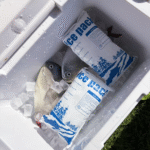
Bolsas de gelo seco para preparação de refeições são essenciais quando você precisa enviar refeições caseiras ou pratos preparados para toda a cidade ou país. O sublimation of solid carbon dioxide keeps contents cold without leaving a watery mess. This guide shows you how to choose the right meal prep dry ice pack, calculate the correct amount of dry ice, package your meals safely and comply with regulations. You’ll also learn about cutting edge trends like Monitoramento de temperatura habilitado para IoT and sustainable packaging. By the end you’ll have the confidence to keep your meals frozen until they reach their destination.
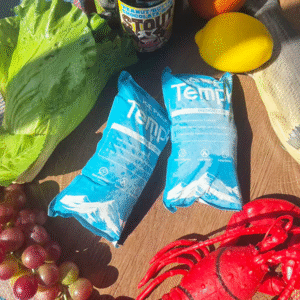
Entenda por que pacotes de gelo seco para preparação de refeições out perform gel packs, focusing on extended cooling and no residual water
Calculate how much dry ice to use based on meal weight and transit time
Package and handle dry ice safely, including ventilation and protective gear
Navigate regulations and shipping limits for carriers like USPS, UPS e FedEx
Explorar 2025 tendências, such as sustainable materials and hybrid cooling systems
See real world tips and FAQs to avoid common mistakes and ensure food safety
What Makes Meal Prep Dry Ice Packs Effective for Frozen Meals?
Meal prep dry ice packs keep meals frozen longer than gel packs and never leave soggy packaging. Dry ice is frozen carbon dioxide that sublimates—changing directly from a solid to a gas—at roughly −109.2 °F. Porque não há fase líquida, there’s no melt water to soak your box or your meals. This extremely low temperature absorbs heat rapidly and keeps food safely below the danger zone of 40 °F a 140 °F, where bacteria proliferate. Além disso, dry ice packs are compact and efficient, freeing up space in meal prep boxes.
Sublimation Keeps Food Dry
Quando o gelo seco sublima, carbon dioxide gas carries heat away from your meals without forming water. The absence of melt water means your packaging remains dry and your food’s texture stays intact. Por contraste, gel packs or regular ice melt and can saturate packaging, potentially compromising meal quality. This distinction is why many meal kit companies rely on dry ice packs for frozen ingredients.
Duração estendida de resfriamento
Dry ice maintains sub zero temperatures longer than traditional coolant packs. A typical five pound block of dry ice can keep meals frozen for up to 24 horas. For two day shipments, eight to ten pounds are often required. With heavy insulation, dry ice sublimates at roughly five to ten pounds per 24 horas. Because the cooling power scales with weight, you can design shipments that remain frozen for 18–24 hours or even longer, dependendo de suas necessidades. Por períodos prolongados (48 horas ou mais), many shippers combine dry ice with gel packs or phase change materials to maintain separate frozen and chilled zones.
Compact and Efficient Packaging
Meal prep dry ice packs are typically thinner than water based gel packs. They fit easily beneath or on top of trays without taking up valuable space. Compact packs allow you to stack multiple meal trays in a cooler or insulated bag while still achieving the necessary frozen temperature. Because the packs leave no residual water, they also reduce the need for additional absorbent liners, keeping shipments lighter and more environmentally friendly.
How to Choose the Right Meal Prep Dry Ice Pack Size and Ratio?
Selecting the appropriate size and weight of dry ice packs is crucial for keeping your meals frozen without overspending on coolant. The amount of dry ice required depends on three variables: meal weight, tempo de trânsito e temperatura ambiente. Industry guidelines recommend starting with a 1:1 ratio of dry ice to food weight para remessas com duração de até 48 horas. Para viagens mais curtas (sob 24 horas), you can often reduce this to half the meal weight. Por outro lado, longer or warmer routes may require 1.5× the food weight.
Mesa: Dry Ice Recommendations for Meal Prep Shipments
| Duração da remessa | Meal Weight (kg) | Gelo seco recomendado (kg) | O que isso significa para você |
| Pernoite (≤ 24 h) | 1 kg | 0.5 kg de gelo seco | Half the food weight keeps small orders frozen for a day |
| Two days (≈ 48 h) | 2 kg | 2 kg de gelo seco | UM 1:1 ratio ensures meals remain frozen across two day routes |
| Three days (≥ 72 h) | 3 kg | 4.5 kg de gelo seco | Increase to 1.5× food weight for longer transit or hot climates |
Practical Scenarios and Tips
Local meal kit deliveries: For same day or overnight deliveries around town, a half weight of dry ice often suffices. Pair it with a gel pack if the recipient might not refrigerate immediately.
Two day subscriptions: Many meal kit services ship via two day carriers. Use roughly equal weights of food and dry ice to maintain safe frozen temperatures. Pre freeze meals before packing to reduce temperature load.
Envios de longa distância: When sending meals across the country or during heat waves, increase dry ice weight by 25–50 % and consider additional phase change materials to maintain cold or chilled compartments.
Real Example: A meal delivery company sending 12 frozen dinners (sobre 6 quilogramas totais) for a two day transit uses 6 kg de gelo seco. They place the dry ice on top and between trays, pre freeze the meals, and select a heavy duty insulated box. The meals arrive fully frozen, and the packaging remains dry.
Packaging and Handling: Best Practices for Meal Prep Dry Ice Packs
Proper packaging determines whether your dry ice packs perform to their potential. The goal is to minimize heat gain while allowing carbon dioxide gas to vent safely. Start with a sturdy insulated container; poliestireno expandido (EPS) caixas de espuma ou painéis isolados a vácuo (VIP) provide high thermal resistance. Para remessas menores, thick insulated bags or double walled cardboard with foam inserts can work, but they must accommodate the dry ice and maintain cold temperatures.
Secure the Meals and Ice
Wrap individual meal trays in shrink wrap or heavy plastic to prevent cross contamination and to avoid direct contact with dry ice. Place gel packs or cardboard dividers between the food and the dry ice to avoid freezer burn. Use watertight liners to prevent leaks from condensing humidity around the dry ice. When layering meals and dry ice, always place the dry ice above the food. Air frio afunda, so this arrangement helps keep the lower layers colder for longer.
Ventilation Is Essential
Porque o gelo seco se sublima em gás de dióxido de carbono, never seal containers airtight. Ensure there are small vents or loosen the lid slightly to let gas escape. Sem ventilação, pressure can build up and damage your box or release gas when opened. Line the shipping box with an unsealed plastic liner rather than a sealed plastic bag. Ventilation is also required to comply with shipping regulations from carriers such as USPS and UPS.
Use Protective Gear and Proper Storage
Handle dry ice with insulated gloves and avoid direct skin contact to prevent frostbite. Store unused dry ice in well ventilated areas away from enclosed spaces. When packaging, ensure the workspace has good airflow to avoid carbon dioxide buildup. Mantenha o gelo seco longe do alcance de crianças e animais de estimação.
Conformidade Regulatória e Rotulagem
Most carriers consider dry ice a hazardous material because it releases carbon dioxide gas. Regulations require packages to display the UN 1845 identifier e a Aula 9 miscellaneous hazardous label, junto com o peso líquido do gelo seco. The package must permit release of gas and may include a list of contents. Carrier specific limits vary: O USPS permite até 5 lb de gelo seco por pacote, UPS air shipments allow 5.5 Libra, while FedEx permits up to 440 Libra when properly labeled and scheduled. Always check current regulations and call carriers if shipping more than the standard limit.
Resfriamento Híbrido: Combining Dry Ice with Gel Packs and PCMs
Combining cooling methods can extend shipping time and provide multi temperature zones. Gel packs are ideal for chilled items (2–8 ° C.) and can support frozen items when used alongside dry ice. For shipments exceeding two days or containing both frozen and refrigerated items, place gel packs around chilled foods and dry ice above the frozen meals. Some businesses use materiais de mudança de fase (PCMs) that maintain specific temperatures for longer durations and pair them with dry ice to stabilize the entire package.
| Método de resfriamento | Uso ideal | Faixa de temperatura | Notas |
| Pacotes de gelo seco | Refeições congeladas, trânsito longo | −78°C (sublimates at −109 °F) | Must vent; Sem resíduos de água; extreme cold may require protective layers |
| Pacotes de gel | Chilled ingredients (2–8 ° C.) | 0 °C a 8 °C | Good for short trips or hybrid systems; avoid direct contact with frozen items |
| Materiais de mudança de fase (PCMs) | Stable temperature zones | Vários (por exemplo, 5 °C, −20°C) | Provide longer cooling; more expensive but reusable |
Pro Tips and Application Examples
Meal kit with mixed contents: When shipping a kit with frozen entrées and refrigerated salads, use dry ice on top of the frozen section and gel packs around the chilled section. Add a cardboard divider to separate the two zones.
Bulk meal prep order: For corporate clients receiving a week’s worth of meals, package trays in layers, separated by corrugated cardboard, and add dry ice above every other layer. This creates multiple cold zones and ensures uniform freezing.
Health and fitness subscriptions: For fitness programs delivering high protein meals, pre freeze all items to −10 °C, then load them with dry ice in a VIP lined box. Use real time temperature sensors to reassure clients that their food stayed safe.
Caso real: A fitness meal subscription company used a combination of four gel packs and 3 kg of dry ice to send 6 kg of meals over a summer weekend. The meals remained below −5 °C, and the recipient reported no condensation or soggy packaging.
Meal Prep Dry Ice Pack Safety and Compliance
Ensuring safety goes beyond keeping meals frozen; it also protects anyone handling the package. Always wear thick gloves and goggles when handling dry ice to avoid frostbite or eye injury. Do not let children or pets handle dry ice. Follow these additional guidelines:
Nunca ingerir gelo seco or place it inside drinks. Carbon dioxide gas can cause severe internal damage.
Ventilate enclosed areas when storing or transporting dry ice. O dióxido de carbono é mais pesado que o ar e pode acumular-se em espaços confinados, displacing oxygen.
Não armazene em recipientes herméticos. Pressure buildup can cause explosion.
Dispose of unused dry ice by leaving it at room temperature in a well ventilated area. Não coloque em pias, trash cans or sewers.
Regulations require proper documentation and labels. Each shipment must display hazard labels and weight declarations. When shipping internationally or by air, consult carriers for additional paperwork such as air waybills and dangerous goods declarations. Failing to comply can lead to fines or rejection of the package.
Emerging Trends in Meal Prep Dry Ice Packs for 2025
The cold chain industry evolves quickly, and meal prep shippers need to stay ahead. Three key trends are reshaping meal prep dry ice packs:
Soluções de embalagem sustentáveis
À medida que as preocupações ambientais crescem, companies are moving toward biodegradable insulation and reusable packaging materials. Some meal kit providers now use compostable foam liners or recycled paper insulation instead of petroleum based foam. Others offer returnable boxes that consumers can send back for reuse.
IoT Enabled Temperature Monitoring
A Internet das Coisas (IoT) now permeates cold chain logistics. IoT enabled packaging can track temperature, umidade e localização em tempo real. Meal delivery services embed small sensors in boxes that alert customers via mobile app if the temperature rises above a set threshold. These systems improve transparency and allow businesses to intervene before spoilage occurs.
Sistemas de resfriamento híbrido
Combining dry ice with phase change materials or gel packs creates multi zone packages that can keep some items frozen while others remain chilled. Hybrid systems also reduce the amount of dry ice required, lowering costs and carbon footprint. Companies are experimenting with modular containers that separate compartments, enabling more customized temperature control.
Supply Chain and CO₂ Market Considerations
Global demand for carbon dioxide has led to intermittent supply shortages, affecting dry ice availability. Some regions have seen price fluctuations due to industrial production constraints. Businesses should plan for supply variability by contracting with multiple suppliers and exploring alternative coolants.
Insights de mercado e preferências do consumidor
Meal kit consumers increasingly value sustainable practices and transparency. They appreciate seeing compostable insulation and receiving real time shipping updates. While dry ice remains a critical component for frozen shipments, companies that adopt eco friendly coolants and monitoring technology often enjoy higher customer satisfaction and brand loyalty. Offering options for customers to return packaging for reuse can further enhance sustainability and reduce costs.
Perguntas frequentes
How long do meal prep dry ice packs last?
Pacotes de gelo seco geralmente duram 18–24 horas, dependendo da qualidade do isolamento e da temperatura ambiente. Larger blocks can last longer, and adding more insulation or combining with gel packs can extend this timeframe.
Can I use regular ice instead of dry ice?
Regular ice works for short deliveries but melts and leaves water. Dry ice provides much colder temperatures and sublimates into gas, making it far more effective for keeping meals frozen during long transit.
É seguro manusear gelo seco?
Sim, but follow safety protocols. Always wear protective gloves and ensure good ventilation. Avoid direct contact with skin and never seal dry ice in an airtight container. See the safety section above for more guidelines.
What labels are required when shipping dry ice?
Packages must display the UN 1845 identification, um Aula 9 Etiqueta de perigo, e o peso líquido do gelo seco. Carriers like USPS and UPS have specific weight limits (5 lb and 5.5 lb para remessas aéreas).
Can I ship meal prep dry ice packs internationally?
Sim, but you need to comply with IATA/ICAO regulations for dangerous goods. Always check with your carrier for documentation requirements and restrictions. Some carriers may require you to schedule large dry ice shipments in advance.
Do I need an insulated box liner?
Sim. Use foam boxes or vacuum insulated panels to minimize heat gain and maintain consistent temperatures. A watertight liner prevents condensation from reaching meal trays.
Resumo e recomendações
Takeaways -chave: Meal prep dry ice packs provide superior cooling because dry ice sublimates from a solid to a gas at −109 °F, não deixando nenhum resíduo de água. Use a 1:1 dry ice–to–meal weight ratio for two day shipments and adjust for longer durations or extreme heat. Package meals in insulated containers with adequate ventilation and proper labeling. Combining dry ice with gel packs or PCMs can create multi zone cooling for complex meal kits. Segurança é fundamental: manusear gelo seco com luvas, ventilate storage areas and dispose of unused ice responsibly.
Plano de ação:
Assess your meal weight and transit time to determine how much dry ice you need. Use the table above as a starting point.
Choose high quality insulated packaging, such as EPS foam or VIP, and ensure there are vents for gas release.
Pre freeze your meals and layer dry ice above them, separating with cardboard or gel packs.
Label your shipment with UN 1845 and hazard markings, and follow carrier weight limits.
Consider hybrid cooling systems and IoT sensors to enhance temperature stability and provide real time tracking.
Stay updated on regulations and supply trends, including CO₂ availability and sustainability initiatives.
Sobre Tempk
No Tempk, we specialize in designing and manufacturing innovative cold chain solutions for meal prep, remessas de produtos farmacêuticos e biotecnologia. Our meal prep dry ice packs offer extended cooling duration, compact form factors and no residual water, making them ideal for meal kit businesses. We also provide insulated boxes, biodegradable liners and IoT enabled temperature sensors, helping you deliver meals safely and sustainably.
Chamado à ação: Ready to upgrade your meal prep shipping? Contact Tempk’s cold chain experts today to discuss your packaging needs and receive a customized solution. Let us help you keep meals fresh, cumpra os regulamentos e encante seus clientes.