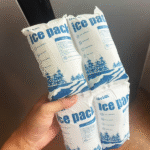
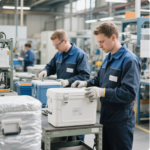
Entregar produtos perecíveis sem quebrar a cadeia de frio é mais do que um desafio logístico – é uma promessa aos clientes de que seus alimentos, medicamentos ou amostras de pesquisa chegarão em perfeitas condições. Entrega expressa confiável com temperatura controlada significa manter os produtos dentro de faixas rigorosas de temperatura de porta em porta. Em 2025 o mercado global da cadeia de frio está em expansão; analistas estimam que a indústria se expandirá de aproximadamente US$ 324,85 bilhões em 2024 para mais de US$ 862 bilhões em 2032. A demanda é alimentada por compras online, alimentos à base de plantas, produtos biológicos e comércio globalizado. Este artigo mostra como funciona uma logística confiável da cadeia de frio, por que eles são importantes e quais tendências estão moldando o futuro.
Este artigo responderá para você:
O que é entrega expressa confiável com temperatura controlada? Uma definição clara e por que uma variação de temperatura de duas horas pode estragar uma remessa inteira no valor de centenas de milhares de dólares.
Como funciona? Visão geral passo a passo da embalagem, transporte, monitoramento e documentação com foco em embalagens reutilizáveis (65 % do mercado em 2024).
Quais tecnologias e inovações são importantes? Sensores de IoT, Otimização de rotas de IA, blockchain, armazenamento movido a energia solar e freezers criogênicos portáteis.
Quais são os maiores desafios e como você pode resolvê-los? Lacunas de visibilidade, complexidade regulatória, infraestrutura envelhecida e treinamento de força de trabalho.
Quais são os 2025 tendências de mercado? Previsões de crescimento explosivo, regulamentos de sustentabilidade e dinâmica regional.
O que é entrega expressa confiável com temperatura controlada e por que ela é essencial?
Entrega expressa confiável com temperatura controlada refere-se ao processo de movimentação de produtos perecíveis ou sensíveis à temperatura, como produtos frescos, vacinas ou produtos biológicos – sob condições térmicas precisas para preservar a qualidade e a potência. Manter os produtos na faixa correta protege os consumidores contra doenças transmitidas por alimentos e garante que os medicamentos permaneçam eficazes. De acordo com a UNICEF, a maioria das vacinas sensíveis ao calor deve ser armazenada entre 2 °C e 8 °C para manter a potência; fora desta faixa, as vacinas perdem rapidamente a eficácia. Um relatório sobre logística da cadeia de frio observa que mesmo um desvio de duas horas pode estragar uma remessa inteira no valor US$ 500 000 ou mais. Para produtos farmacêuticos e biológicos de alto valor, faixas ultrafrias tão baixas quanto -80 °C a -150 °C podem ser necessárias. Confiabilidade, neste contexto, significa manter essas janelas de temperatura desde o momento em que os produtos saem do fabricante até chegarem ao usuário final..
Manter essas condições não é opcional. Os EUA. Food and Drug Administration (FDA) e as Boas Práticas de Distribuição da União Europeia (PIB) exigir registros de rastreabilidade e temperatura para produtos farmacêuticos. Para vacinas, O UNICEF e a Organização Mundial da Saúde exigem equipamentos validados e procedimentos documentados em cada etapa. O não cumprimento pode levar a recalls de produtos, penalidades regulatórias e danos à reputação. A entrega expressa confiável com temperatura controlada protege, portanto, a saúde pública, reduz o desperdício e garante a conformidade regulatória.
Como uma logística confiável da cadeia de frio protege seus produtos
| Elemento chave | Dados & descrição | O que isso significa para você |
| Embalagem isolada | Caixas isoladas a vácuo com materiais de mudança de fase (PCMs) manter as temperaturas alvo por 48–120 horas; embalagens reutilizáveis representaram cerca de 65 % do mercado de embalagens da cadeia de frio em 2024. | Embalagem durável reduz o desperdício e oferece proteção mais longa, tornando as remessas mais seguras de alimentos frescos ou produtos médicos. |
| Transporte refrigerado | Carga completa dedicada (FTL) serviços proporcionam trânsito mais rápido e menos aberturas de portas, enquanto menos que um caminhão (LTL) é mais barato, mas envolve mais manuseio. Um estudo de caso mostrou que a mudança de LTL para FTL reduziu o tempo de entrega de 4 dias para 1.5 dias e reduziu reclamações de frete por 45 %. | Escolher o modo de transporte certo equilibra custos e riscos; FTL é ideal para remessas urgentes ou de alto valor, enquanto o LTL é adequado para cargas menores. |
| Monitoramento & Sensores de IoT | Dispositivos IoT em tempo real rastreiam a temperatura, umidade e localização; hardware representado acima 76 % do mercado de rastreamento da cadeia de frio em 2022. Sensores enviam alertas instantâneos quando ocorrem desvios, evitando a deterioração. | O monitoramento contínuo permite ações corretivas e conformidade verificável, proporcionando tranquilidade e satisfazendo os auditores. |
| Rastreabilidade & documentação | Blockchain e serialização registram cada transferência. Regulamentações como a DSCSA da FDA e o GDP da UE exigem registros digitais para garantir a integridade da cadeia de custódia. | Registros transparentes impedem a falsificação e simplificam as auditorias; eles constroem confiança com reguladores e clientes. |
Conselhos práticos para cenários específicos
Vacinas e produtos biológicos: Escolha contêineres validados para 48 a 120 horas de proteção e equipe-os com sensores IoT para alertas em tempo real. As terapias ultrafrias podem exigir recipientes capazes de manter temperaturas até -80 °C. Mantenha bolsas de gelo de reserva e fontes de energia de contingência para atrasos.
Alimentos e produtos frescos: Opte pelo envio FTL ao transportar grandes volumes de alimentos perecíveis para minimizar o manuseio e manter temperaturas consistentes. Para cargas menores, O LTL pode ser econômico se combinado com isolamento e monitoramento de alta qualidade.
Pequenas clínicas e empresas: Faça parceria com fornecedores de logística que oferecem soluções completas de cadeia de frio – embalagens, monitoramento e documentação – para que você possa se concentrar no atendimento ao paciente ou no atendimento ao cliente.
Materiais perigosos ou de alto valor: Os regulamentos podem exigir veículos dedicados e registro rigoroso de temperatura. O transporte FTL dedicado reduz os riscos de contaminação cruzada e garante a conformidade.
Caso real: Um fabricante nacional de tintas mudou de LTL para FTL para suas remessas de produtos químicos sensíveis à temperatura. Usando caminhões dedicados e monitoramento em tempo real, a empresa reduziu o prazo de entrega de quatro dias para 1.5 dias e reduzir reclamações de frete 45 %.
Como funciona a entrega expressa confiável com temperatura controlada?
A entrega expressa confiável da cadeia de frio compreende etapas interconectadas: pré-resfriamento, embalagem, transporte, monitoramento e documentação. Cada estágio deve funcionar perfeitamente para evitar variações de temperatura.
- Pré-resfriamento e preparação– As mercadorias são resfriadas até a temperatura desejada antes da embalagem. Por exemplo, as vacinas são armazenadas em câmaras frigoríficas ou em refrigeradores mantidos a 2 °C a 8 °C. Produtos ultrafrios podem ser pré-resfriados a -80 °C usando gelo seco ou freezers criogênicos.
- Embalagem– Os produtos são colocados em recipientes isolados com PCMs ou gelo seco. As embalagens reutilizáveis estão crescendo rapidamente; analistas estimam que o mercado de embalagens reutilizáveis da cadeia de frio atingirá US$ 4,97 bilhões em 2025. Materiais avançados, como isolamento de aerogel, proporcionam desempenho térmico superior com menos volume. A embalagem deve ser validada nas piores condições – alto calor ambiente, longos tempos de trânsito e manuseio brusco.
- Transporte refrigerado– Movimentação de mercadorias através de caminhões refrigerados, contêineres ou aeronaves. Os serviços FTL oferecem rotas diretas e menos aberturas de portas; Os serviços LTL consolidam múltiplas remessas, mas podem aumentar o risco de manuseio. Algumas empresas usam câmaras frigoríficas modulares ou freezers criogênicos portáteis para produtos ultrafrios.
- Monitoramento e IoT– Sensores rastreiam continuamente a temperatura e a localização. Alertas em tempo real permitem que os operadores redirecionem as remessas, ajuste a refrigeração ou substitua o gelo seco conforme necessário. Os dados são registrados para conformidade e análise.
- Rastreabilidade e documentação– Cada transferência é registrada. Blockchain e serialização digital criam registros à prova de falsificação. Conformidade com FDA, As diretrizes do PIB da UE e da OMS exigem a manutenção de documentação para auditorias.
FTL versus. Frete LTL: escolhendo o modo certo
A entrega expressa confiável com temperatura controlada geralmente depende da seleção do modo de transporte apropriado. FTL (caminhão cheio) dedica um caminhão inteiro para uma remessa. Isso garante temperaturas consistentes, menos aberturas de portas e rotas diretas. LTL (menos que um caminhão) consolida múltiplas remessas em um caminhão, reduzindo custos para pequenas cargas, mas aumentando o tempo de trânsito e os riscos de manuseio. Um estudo de caso relatou que a mudança de LTL para FTL não apenas reduziu o tempo de entrega de 4 dias para 1.5 dias mas também reduziu as reclamações de frete 45 %. Ao decidir, considere o tamanho da remessa, urgência, sensibilidade e requisitos regulatórios.
Tecnologias e inovações que transformam a logística da cadeia de frio
Os avanços na tecnologia digital e no design sustentável estão redefinindo o funcionamento da entrega expressa com temperatura controlada. Aqui estão os principais desenvolvimentos que você deve saber.
Sensores IoT e análise preditiva
Sensores IoT tornaram-se indispensáveis. Eles monitoram a temperatura, umidade e localização em tempo real, enviando alertas quando os limites são excedidos. De acordo com uma análise logística do Reino Unido, Os sistemas IoT fornecem rastreamento de temperatura em tempo real, alertas automatizados, registro de dados abrangente e manutenção preditiva. Esses recursos reduzem a deterioração, garantir a conformidade regulatória e melhorar a confiança do cliente. A análise preditiva baseada em dados de sensores pode prever remessas de alto risco e programar manutenção antes que o equipamento falhe.
Inteligência artificial e otimização de rotas
Plataformas de IA analisam padrões climáticos, condições de tráfego e capacidades de armazenamento para otimizar rotas de entrega. A plataforma de logística baseada em IA da IBM foi lançada em 2024 pode ajustar automaticamente as rotas em tempo real para evitar atrasos e reduzir o consumo de combustível. Esses sistemas também prevêem picos de demanda e programam manutenções, reduzindo custos e melhorando o desempenho no prazo. Para remessas com temperatura controlada, A IA pode identificar potenciais variações de temperatura antes que elas ocorram e desencadear ações corretivas.
Blockchain e rastreabilidade digital
A tecnologia Blockchain fornece registros imutáveis de cada transferência. Cada transação – carregando, descarregamento, armazenamento ou inspeção – é registrado com carimbo de data/hora e assinatura criptográfica. Esta rastreabilidade de ponta a ponta cria confiança entre as partes interessadas e ajuda as empresas a cumprir regulamentações como a DSCSA da FDA e o PIB da UE. A combinação de blockchain com sensores IoT permite que reguladores e clientes verifiquem se as mercadorias permaneceram dentro de sua faixa de temperatura durante toda a viagem.
Armazenamento refrigerado movido a energia solar e renovável
A redução do consumo de energia e das emissões é uma prioridade crescente. Unidades de armazenamento refrigerado alimentadas por energia solar permitem a refrigeração em áreas remotas sem rede elétrica confiável. Esses sistemas reduzem os custos operacionais e reduzem as emissões de gases de efeito estufa. Para remessas de vacinas, UNICEF começou a explorar frete marítimo combinado com energia renovável; o transporte marítimo pode reduzir as emissões em até 90 % e custos de frete por 50 % em comparação com o transporte aéreo.
Embalagens sustentáveis e inteligentes
As embalagens tradicionais de espuma muitas vezes acabam em aterros sanitários e utilizam refrigerantes com alto potencial de aquecimento global. As embalagens sustentáveis da cadeia de frio as substituem por materiais biodegradáveis, recipientes recicláveis e embalagens reutilizáveis. Materiais avançados como PCMs e isolamento de aerogel proporcionam proteção térmica igual ou superior. Espera-se que o mercado de embalagens reutilizáveis da cadeia de frio atinja US$ 4,97 bilhões em 2025, enquanto o mercado mais amplo de embalagens sustentáveis crescerá de US$ 31,69 bilhões em 2024 para US$ 35,49 bilhões em 2025.
Congeladores criogênicos portáteis e soluções ultrabaixas
Para remessas ultrafrias – como vacinas mRNA ou terapias celulares – os freezers criogênicos portáteis mantêm temperaturas tão baixas quanto −80 °C a −150 °C. Essas unidades geralmente incluem sensores integrados e registradores de dados. Soluções ultrafrias também utilizam gelo seco ou nitrogênio líquido e devem atender às normas de segurança para manuseio e transporte.
Desafios e como superá-los
Mesmo com tecnologias de ponta, entrega expressa confiável com temperatura controlada enfrenta vários obstáculos. Compreender esses desafios ajuda você a planejar sistemas resilientes.
Controle em tempo real e lacunas de visibilidade
Manter as temperaturas em várias transferências continua difícil. Pontos de falha comuns incluem cross docking, entrega e carga/descarga de última milha. Sem monitoramento em tempo real, desvios podem permanecer sem serem detectados até a chegada das mercadorias. Para fechar lacunas de visibilidade, vincular gerenciamento de armazém (WMS), gestão de transporte (EMT), planejamento de recursos empresariais (ERP) e painéis de IoT em uma única plataforma. Esta integração garante que os gestores vejam o estado de cada palete, permitindo intervenções proativas.
Complexidade regulatória
A logística da cadeia de frio deve cumprir múltiplas regulamentações sobrepostas. Produtos farmacêuticos e biológicos devem atender às regras da FDA DSCSA, Padrões do PIB da UE e diretrizes da OMS. Leis ambientais como as dos EUA. O programa de Transições Tecnológicas da EPA está eliminando gradualmente os hidrofluorocarbonetos de alto GWP (HFC) de sistemas de refrigeração começando 1 Janeiro 2025. Para permanecer em conformidade, audite seus equipamentos e atualize sistemas com refrigerantes de baixo GWP. A parceria com fornecedores de logística experientes pode simplificar a documentação e a preparação de auditorias.
Lacunas de infraestrutura e instalações obsoletas
Muitas instalações de armazenamento frigorífico foram construídas há décadas e carecem de isolamento ou automação modernos. As atualizações estão em andamento: analistas observam que a infraestrutura envelhecida está forçando as operadoras a investir em sistemas automatizados, armazéns energeticamente eficientes e substituir instalações obsoletas. No entanto, altos custos de capital, a escassez de mão de obra e as lacunas de infraestrutura nos mercados emergentes continuam a ser barreiras. Para mitigar esses riscos, considere câmaras frigoríficas modulares ou móveis, investir no treinamento da força de trabalho e colaborar com parceiros locais que entendem as nuances logísticas regionais.
Erros da força de trabalho e lacunas de treinamento
Erro humano – leitura incorreta dos registros de temperatura, manuseio inadequado ou ignorando procedimentos operacionais padrão - continua sendo uma importante fonte de deterioração. Treinamento baseado em cenário, POPs digitais e programas de certificação reduzem erros e melhoram a consistência. Painéis gamificados que monitoram o desempenho e a precisão das recompensas também podem motivar a equipe a seguir os procedimentos.
Gerenciamento e integração de dados
Sistemas desconectados criam silos; sem dados integrados, os gerentes não conseguem detectar anomalias em tempo real. A solução é adotar plataformas unificadas que unem o WMS, EMT, Dados de ERP e IoT. A análise preditiva pode então identificar tendências e remessas de alto risco, permitindo intervenções direcionadas.
Riscos externos: clima, quedas de energia e atrasos
Eventos climáticos extremos, falhas de energia e atrasos no tráfego podem comprometer as cadeias de frio. As alterações climáticas estão a aumentar a frequência das ondas de calor e das tempestades. Para construir resiliência, instalar geradores de backup e sistemas de bateria, monitorar previsões meteorológicas e planejar rotas alternativas. O uso de sistemas de empacotamento passivos que mantêm temperaturas sem energia pode adicionar uma camada extra de proteção durante interrupções.
Últimos desenvolvimentos e tendências de mercado em 2025
A indústria da cadeia fria está evoluindo rapidamente. Acompanhar a dinâmica do mercado garante que sua empresa permaneça competitiva.
Crescimento explosivo do mercado e dinâmica regional
O mercado global de logística da cadeia de frio deverá crescer de US$ 324,85 bilhões em 2024 para US$ 862,33 bilhões por 2032, representando um CAGR de 13 %. Algumas análises prevêem que o mercado poderá atingir US$ 1,19 trilhão por 2034. A Ásia-Pacífico lidera com cerca de 35 % participação de mercado em 2024, impulsionado pelo aumento da renda e pelo investimento em infraestrutura. A América do Norte e a Europa permanecem fortes devido às redes de armazenamento refrigerado estabelecidas e à maturidade regulatória.
Expansão alimentar e farmacêutica
Demanda do consumidor por produtos frescos, refeições prontas para comer e alimentos à base de plantas continuam a crescer. A Bloomberg Intelligence prevê que alimentos à base de plantas podem compensar 7.7 % do mercado global de proteínas por 2030. Prevê-se que o mercado da cadeia de frio alimentar por si só se expanda de US$ 68,9 bilhões em 2025 para US$ 399 bilhões em 2035, avançando em um CAGR de 19.2 %. As soluções de armazenamento dominam com um 56.5 % compartilhar.
A logística farmacêutica também está em expansão. Espera-se que o mercado global de soluções de embalagens com temperatura controlada aumente de US$ 13,8 bilhões em 2025 para US$ 23,6 bilhões em 2035. Sistemas de embalagem passiva, que dependem de isolamento e PCMs em vez de refrigeração ativa, são projetados para capturar 57 % Quota de mercado. O setor de saúde é responsável por cerca de 43.6 % da demanda, refletindo requisitos regulatórios rigorosos para o transporte de produtos biológicos e vacinas.
Sustentabilidade e mudanças regulatórias
As pressões ambientais estão a remodelar as práticas da cadeia de frio. Começo 1 Janeiro 2025, certas tecnologias não podem mais usar refrigerantes HFC de alto GWP; restrições se aplicam à fabricação, venda e instalação de produtos que contenham essas substâncias. As empresas estão adotando alternativas de baixo GWP, como CO₂, amônia ou hidrofluoroolefinas, para atender aos regulamentos. Embalagens sustentáveis são outra grande tendência. O mercado de embalagens reutilizáveis da cadeia de frio deverá atingir US$ 4,97 bilhões em 2025, enquanto o mercado geral de embalagens sustentáveis deverá crescer de US$ 31,69 bilhões em 2024 para US$ 35,49 bilhões em 2025. Os modelos de economia circular – onde as embalagens são limpas e reutilizadas – reduzem o desperdício e reduzem os custos a longo prazo.
Transformação digital
A adoção da IoT, IA e blockchain estão acelerando. Plataformas integradas fornecem visibilidade de ponta a ponta, permitindo intervenções proativas e tomada de decisão automatizada. Aplicativos móveis e painéis baseados em nuvem permitem que os remetentes monitorem as remessas de qualquer lugar. Enquanto isso, 5A conectividade G e a computação de ponta reduzem a latência e suportam análises em tempo real. Em breve, essas tecnologias serão recursos padrão de entrega expressa confiável com temperatura controlada.
Melhor projeto de instalações e soluções de última milha
O investimento em instalações frigoríficas modernas está a aumentar. Armazéns antigos estão sendo substituídos por armazéns energeticamente eficientes, edifícios automatizados que usam refrigerantes de baixo GWP e isolamento avançado. Para melhorar a entrega na última milha, as empresas estão experimentando micro centros de atendimento, e bicicletas de carga equipadas com contêineres isolados e armários inteligentes para entregas autônomas. Armazéns urbanos reduzem as distâncias de trânsito e ajudam a manter a integridade da temperatura durante a entrega final.
Perguntas frequentes
Q1: Quais temperaturas são exigidas para vacinas durante a entrega expressa?
A maioria das vacinas de rotina deve ser mantida entre 2 °C e 8 °C desde a fabricação até a administração. Vacinas ultrafrias, como algumas terapias de mRNA, pode exigir temperaturas tão baixas quanto −80 °C a −150 °C. Manter essas faixas preserva a potência e evita a degradação.
Q2: As soluções de embalagens sustentáveis são confiáveis para entregas de longa distância na cadeia de frio??
Sim. As embalagens sustentáveis modernas utilizam materiais avançados como PCMs e aerogéis que fornecem isolamento equivalente ou superior em comparação com a espuma tradicional. Contêineres reutilizáveis combinados com monitoramento inteligente podem manter a integridade da temperatura em diversas remessas e, ao mesmo tempo, reduzir o desperdício.
Q3: Como as pequenas empresas podem pagar pela entrega expressa confiável com temperatura controlada?
As pequenas empresas podem usar serviços compartilhados oferecidos por fornecedores de logística terceirizados, adotar embalagens reutilizáveis para reduzir custos a longo prazo e testar soluções sustentáveis antes de expandir. A parceria com redes de entrega locais e compras cooperativas também reduz o investimento inicial.
Resumo & PRÓXIMOS PASSOS
A entrega expressa confiável com temperatura controlada protege a integridade de produtos perecíveis e medicamentos que salvam vidas. Requer controle preciso de temperatura, monitoramento rigoroso e rastreabilidade documentada. Avanços na IoT, IA, blockchain e embalagens sustentáveis estão tornando esses sistemas mais inteligentes e ecológicos. O mercado da cadeia de frio está a crescer rapidamente – prevê-se que se expanda de US$ 324,85 bilhões em 2024 para mais de US$ 862 bilhões em 2032- impulsionado por compras on-line, produtos farmacêuticos e regulamentações ambientais. Para ficar à frente, invista em embalagens modernas, escolha o modo de transporte certo, integre suas plataformas de dados e treine sua força de trabalho.
Etapas acionáveis
Audite sua cadeia de frio atual: Identifique os pontos fracos, como embalagens desatualizadas ou lacunas no monitoramento. Quantifique a deterioração e os níveis de conformidade regulatória.
Atualizar embalagem e tecnologia: Mude para embalagens reutilizáveis ou biodegradáveis com PCMs, implementar sensores IoT, e adotar ferramentas de IA para otimização de rotas. Garanta que seus sistemas usem refrigerantes com baixo GWP para atender 2025 regulamentos.
Integre plataformas de dados: Conectar WMS, EMT, Painéis de ERP e IoT para visibilidade completa. Use análises preditivas para identificar remessas de alto risco e programar manutenção.
Treinar e certificar funcionários: Invista em treinamento baseado em cenários e POPs digitais. Considere painéis gamificados para incentivar a adesão às melhores práticas.
Plano para a sustentabilidade: Explore o armazenamento movido a energia solar, opções de frete marítimo e programas de embalagem circular. Mantenha-se informado sobre mudanças regulatórias e eliminação gradual de refrigerantes nocivos.
Sobre Tempk
Nós somos a Temp, uma empresa especializada em embalagens com temperatura controlada e soluções para cadeia de frio. Projetamos e fabricamos caixas isoladas, bolsas de gelo reutilizáveis e recipientes habilitados para IoT para alimentos, indústrias farmacêuticas e de biotecnologia. Nossos produtos são construídos com materiais avançados como aerogel e materiais de mudança de fase, oferecendo proteção térmica duradoura e conformidade com as diretrizes da FDA e GDP. Como parte do nosso compromisso com a sustentabilidade, oferecemos opções de embalagens recicláveis e reutilizáveis que reduzem o desperdício e reduzem os custos operacionais.
Quer você esteja enviando vacinas através dos continentes ou entregando sorvete artesanal pela cidade, nós fornecemos as ferramentas e o conhecimento para manter seus produtos seguros e seus clientes satisfeitos.
Precisar de ajuda?
Se você estiver pronto para aprimorar suas operações de cadeia de frio, entre em contato com nossos especialistas. Ajudaremos você a escolher a embalagem certa, integre monitoramento em tempo real e projete um plano de entrega personalizado com temperatura controlada que se adapte ao seu negócio.