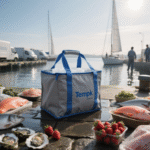
A strong insulated tote bag manufacturer in 2026 should understand tote-bag style, thermal function, and repeatable production control at the same time. This category is growing because it fits modern shopping, almoço, and lifestyle needs, but buyers are also expecting better materials, cleaner silhouettes, and more supportable product claims.
Este artigo responderá:
- Which capabilities matter most in an insulated tote bag manufacturer
- How to evaluate technical and aesthetic quality together
- Why sustainability and regulation are changing buyer expectations
What should you evaluate first?
Evaluate proportion, conforto, and structure before decoration. An insulated tote has to look right on the shoulder and function well under daily load. If the handle drop is wrong, the body collapses, or the closure feels awkward, the product loses value quickly.
That is why tote development should start with shape, not graphic size. A clean silhouette and natural carry experience create stronger long-term appeal than overdesigned branding.
Which technical details improve the result?
The shell, isolamento, forro, base support, and handle attachment should be reviewed together. A tote needs enough structure to look neat, but not so much that it feels heavy or boxy. This balance is where strong manufacturers stand out.
Dicas práticas e recomendações
- For retail launches: Review the tote under real shoulder carry.
- For grocery use: Test the bag with mixed item weight.
- For private label: Keep branding clean so the tote feels wearable.
Caso prático: A buyer improved acceptance by selecting a manufacturer that adjusted handle drop and side-panel stability instead of simply enlarging the logo area. The tote felt more finished and more usable.
Why do sustainability expectations matter more now?
McKinsey’s 2025 research shows that consumers continue to care strongly about recyclability and recycled content, while reuse remains a valuable circularity signal across markets. Insulated totes align naturally with this trend because they can support repeated shopping and meal-carry use. Buyers therefore expect cleaner material communication from manufacturers. (McKinsey & Empresa)
The EU’s PPWR, which entered into force in 2025 and applies from August 12, 2026, adds pressure around recyclability, resíduos mais baixos, and PFAS restrictions in packaging. Even though an insulated tote is a reusable product, these policy shifts influence the questions manufacturers receive about chemistry, embalagem, and material claims. (EUR-Lex)
How should you compare manufacturers?
Use the same tech pack, same use-case test, and same sample criteria. Then compare response quality, not just the quote. A manufacturer that understands proportion, carry comfort, and documentation will usually be the safer long-term partner.
2026 insulated tote bag manufacturer trends
The category is moving toward cleaner reusable design, stronger shape control, and more disciplined material storytelling.
What is changing now
- Tote aesthetics are rising in importance
- Recycled shell options are entering more briefs
- Buyers want fewer but stronger core silhouettes
- Perguntas frequentes
What is the biggest tote-specific risk?
A bag that loses tote appeal because the insulated structure is too bulky or unstable.
- Should I compare only factory size?
Não. Sample judgment, shape control, and response quality matter more.
- What should I test first?
- Handle comfort, body proportion, and appearance under real load.
Resumo e recomendação
A better insulated tote bag manufacturer choice is based on proportion control, technical coordination, and a realistic understanding of reuse and current material expectations. Em 2026, buyers need both style and credibility.
Select one manufacturer that can explain design logic, not only production capacity. That is the clearest sign the final product will scale successfully.
Sobre Tempk
Tempk helps brands develop insulated totes with stronger silhouette control, material coordination, and repeat-order consistency. We support tote programs that need to look polished, function well, and fit current sourcing expectations.