Melhor embalagem de laticínios com temperatura controlada no Canadá?
Melhor embalagem para laticínios com temperatura controlada no Canadá não é uma “caixa mágica”. É um sistema repetível que mantém os laticínios resfriados próximos ≤4°C e sobremesas congeladas perto ≤-18°C, enquanto estanca vazamentos, crush, e perda de rótulo. Se você enviar no Canadá, seus maiores inimigos são tempo, balanços de temperatura, e umidade. Este guia fornece um método de empacotamento baseado em pista que você pode treinar rapidamente e escalar com segurança.
Última atualização: dezembro 22, 2025
Este guia irá ajudá-lo:
-
Escolher melhor embalagem de laticínios com temperatura controlada Canadá por risco de pista (tempo, transferências, temporada, exposição de última milha)
-
Estabeleça metas ensináveis para Temperatura da cadeia de frio dos laticínios no Canadá 4°C e envio de sobremesa congelada Canadá -18°C
-
Construa um 6-pacote de camadas que reduz a “caixa molhada,” captação de odores, e disputas de chegada calorosa
-
Use a 90-segunda ferramenta de decisão e a 6-auto-auditoria minuciosa padronizar a embalagem diária
-
Proteger requisitos de rótulos bilíngues para laticínios Canadá com hábitos de rótulos prontos para umidade
-
Validar e monitorar melhor embalagem de laticínios com temperatura controlada Canadá sem se afogar em papelada
Melhor embalagem de laticínios com temperatura controlada no Canadá: O que isso realmente significa?
A melhor embalagem para laticínios com temperatura controlada no Canadá significa que você protege uma partida a frio por meio de trânsito real. Embalagem não “faz” frio. Isto retarda a mudança, como uma garrafa térmica protege o calor. Seu processo é tão importante quanto seus materiais.
Pense nisso como três promessas que você faz ao destinatário:
-
Promessa de temperatura: resfriado permanece resfriado; congelado permanece congelado
-
Promessa limpa: vazamentos e água derretida não contaminam a caixa
-
Promessa de identidade: rótulos, códigos de lote, e as dicas de armazenamento permanecem legíveis
A “garrafa térmica + capa de chuva + modelo de capacete”
-
Garrafa térmica: o isolamento reduz o fluxo de calor
-
Capa de chuva: forros + absorventes gerenciam umidade e vazamentos
-
Capacete: estrutura + a imobilização evita esmagamento e deslocamento
| Meta de embalagem | O que causa o fracasso | O que corrige isso | O que isso significa para você |
|---|---|---|---|
| Temperatura estável | Espaços de ar + longa permanência | Tamanho certo + isolamento mais forte | Menos reclamações de “chegou quente” |
| Seco, caixa limpa | Condensação + vazamentos | Forro de barreira + zonas absorventes | Menos odor, menos rejeições |
| Sobrevivendo aos rótulos | Caixas molhadas | Etiquetas prontas para umidade + posicionamento protegido | Decisões de controle de qualidade mais rápidas |
Dicas e sugestões práticas
-
Crie uma regra “sem preparação a quente”: se ficar de fora, ele é verificado novamente antes de ser enviado.
-
Trate os vazamentos como um sinal de rejeição: vazamentos rapidamente se transformam em odor + perda de rótulo + disputas.
-
Torne a embalagem repetível: o melhor sistema é aquele que sua equipe pode executar todos os dias.
Exemplo prático: Uma pequena marca de gelato cortou as reclamações depois de aplicar um cronômetro de preparação rigoroso e adicionar uma barreira interna selada em cada remetente.
Melhor embalagem de laticínios com temperatura controlada no Canadá: Para quais metas de temperatura você deve projetar?
Seu plano de melhor embalagem para laticínios com temperatura controlada no Canadá deve separar os fluxos de trabalho resfriados e congelados. Misturar regras cria erros. Use metas que sua equipe possa lembrar e agir rapidamente.
Um mapa operacional simples:
-
Laticínios resfriados (leite, creme, iogurte, muitos queijos): projeto para ≤4°C
-
Sobremesas congeladas (sorvete, sorvete, laticínios congelados): projeto para ≤-18°C (ou a especificação do seu produto)
Metas baseadas em produtos que você pode realmente operar
| Produto cremoso | Alvo prático | Maior risco | O que isso significa para você |
|---|---|---|---|
| Leite, creme, iogurte | ≤4°C | Deriva quente + perda de qualidade | Mais vida útil, menos retornos |
| Queijos de pasta mole | ≤4°C | Suando + captação de odores | O controle de umidade é mais importante |
| Manteiga | Fresco/refrigerado | Captação de odor + arranhando | Use barreiras de baixo odor + ajuste confortável |
| Sorvete / sorvete | ≤-18°C | Dano de textura por descongelamento/recongelamento | Isolamento forte + SOP estrito de última milha |
Dicas e sugestões práticas
-
Use “tempo + temperatura” pensando: minutos são importantes no cais e na porta.
-
No inverno, proteger laticínios resfriados do congelamento: “muito frio” pode ser uma falha de qualidade.
-
Mantenha as regras curtas: um alvo + uma linha de ação supera dez regras confusas.
Exemplo prático: Uma cremosa melhorou a consistência criando dois pacotes: um para refrigerado (≤4°C) e um para congelado (≤-18°C), cada um com uma única foto SOP.
Melhor embalagem de laticínios com temperatura controlada no Canadá: O modelo do pacote de 6 camadas
A melhor embalagem para laticínios com temperatura controlada mais confiável, a abordagem do Canadá é em camadas. Cada camada resolve um modo de falha diferente. Quando você pula uma camada, você geralmente paga mais tarde em reembolsos.
O 6 camadas (copiar e treinar)
-
Contêiner primário: banheira/caixa/bolsa selada
-
Barreira secundária selada: saco ou forro interno para vazamentos e odores
-
Camada absorvente: colocado em zonas de vazamento (fundo + cantos)
-
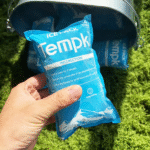
Camada de refrigerante: pacotes de gel, PCM, ou gelo seco (quando apropriado)
-
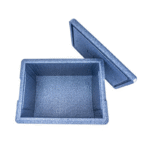
Camada de isolamento: EPS/EPP/PU/VIP dependendo do risco da pista
-
Expedidor externo + encerramento: papelão ondulado forte + evidência de adulteração
H3: Erros comuns de camada (e a solução simples)
| Camada | Erro comum | Consertar | O que isso significa para você |
|---|---|---|---|
| Barreira secundária | Pensamento “nunca vaza” | Use-o para todos os líquidos | Menos caixas molhadas |
| Absorvente | Pular em pistas geladas | Coloque almofadas nos cantos + base | Recepção de limpeza |
| Colocação do refrigerante | Produto de toque de refrigerante | Adicionar espaçadores/buffers | Menos danos por congelamento |
| Ajuste de isolamento | Expedidor de grandes dimensões | Tamanho certo + inserções | Mais estabilidade, menos custo |
Dicas e sugestões práticas
-
Tamanho certo primeiro: o ar extra aquece mais rápido do que você pensa.
-
Use espaçadores: mantenha superfícies muito frias longe de recipientes de laticínios resfriados.
-
Selar rapidamente: o tempo de tampa aberta é um assassino silencioso de temperatura.
Exemplo prático: Um programa de assinatura de laticínios reduziu incidentes de “vazamento na caixa” ao adicionar uma barreira secundária e uma inserção de base rígida – sem adicionar mais refrigerante.
Melhor embalagem de laticínios com temperatura controlada no Canadá: Como você escolhe o isolamento por risco de pista?
A melhor embalagem de laticínios com temperatura controlada no Canadá funciona melhor quando o isolamento corresponde à sua pior parada, não é sua parada média. Uma porta quente ou uma transferência longa pode interromper a remessa.
Sistema de camadas que você pode padronizar (simples e escalável)
-
Nível 1 (baixo risco): rotas curtas, transferência controlada
-
Nível 2 (risco médio): regional, múltiplas paradas, risco de permanência moderado
-
Nível 3 (alto risco): pistas longas, interprovincial, morada desconhecida, extremos sazonais
| Nível | Melhor caso de uso | Nível de isolamento | O que isso significa para você |
|---|---|---|---|
| Nível 1 | mesma cidade, direto | isolamento de linha de base | baixo custo, alta disciplina |
| Nível 2 | regional + transferências | maior isolamento | menos oscilações, menos disputas |
| Nível 3 | longo + incerto | maior isolamento (muitas vezes premium) | protege receitas de maior risco |
Dicas e sugestões práticas
-
Proteja a interface da tampa: vazamentos de calor geralmente acontecem em fechamentos.
-
Crie dois pacotes sazonais: verão e inverno é um começo forte.
-
Evite “um pacote serve para todo o Canadá”: As pistas do Canadá variam muito.
Exemplo prático: Uma fábrica de laticínios melhorou a estabilidade do congelamento, melhorando a vedação da tampa e reduzindo o espaço livre, sem alterar o peso do refrigerante.
Melhor embalagem de laticínios com temperatura controlada no Canadá: Como você escolhe o refrigerante certo (gel, PCM, gelo seco)?
A escolha do refrigerante decide se a melhor embalagem de creme de leite com temperatura controlada no Canadá é “boa” ou “repetível”. Seu objetivo é estabilidade, não é drama.
Orientação rápida sobre refrigerante
-
Pacotes de gel: simples, forte resfriamento precoce, escolha diária comum
-
Pacotes PCM: faixa de temperatura mais estável (ótimo quando você precisa de controle refrigerado estável)
-
Gelo seco: poderoso para pistas congeladas, mas precisa de ventilação e manuseio treinado
H3: Comparação de refrigerante (tabela de decisão diária)
| Refrigerante | Melhor para | Força | Risco | O que isso significa para você |
|---|---|---|---|---|
| Pacotes de gel | refrigerado curto-médio | simples | condensação | receita padrão mais fácil |
| Pacotes PCM | estabilidade refrigerada | menos oscilações | custo mais alto | resultados mais repetíveis |
| Gelo | porões refrigeradas curtas | barato | água derretida | precisa de disciplina de contenção |
| Gelo seco | longas pistas congeladas | forte poder de congelamento | segurança + regras da operadora | melhor para longas rotas congeladas |
Dicas e sugestões práticas
-
Contenha qualquer coisa que derreta: água derretida destrói caixas e rótulos.
-
Evite o resfriamento excessivo no inverno: laticínios resfriados podem sofrer danos por congelamento.
-
Padronize a contagem de embalagens: consistência vence a improvisação.
Exemplo prático: Uma marca de sobremesas congeladas melhorou a confiabilidade ao fixar o peso do gelo seco por tamanho de caixa e diminuir as janelas de entrega em dias quentes.
Melhor embalagem de laticínios com temperatura controlada no Canadá: Umidade, vazamentos, e “caixas molhadas”
A umidade é o modo de falha oculto nas melhores embalagens de laticínios com temperatura controlada no Canadá. Mesmo quando a temperatura está boa, uma caixa molhada aciona rejeições, odor, e perda de rótulo.
H3: Pilha de controle de umidade (simples e eficaz)
-
Contenção secundária: produto selado + barreira interna selada
-
Forro de barreira: impede que a umidade enfraqueça o papelão ondulado
-
Zonas absorventes: fundo + cantos, onde há vazamentos
-
Regra de secagem: nunca guarde a embalagem devolvida fechada enquanto estiver molhada
| Problema de umidade | O que causa isso | Correção de embalagem | O que isso significa para você |
|---|---|---|---|
| Base úmida | vazar + água derretida | base absorvente + barreira | menos rejeições |
| Captação de odor | laticínios vazados | barreira interna selada | experiência do cliente mais limpa |
| Etiquetas manchadas | condensação | estoque de etiquetas pronto para umidade | a rastreabilidade permanece intacta |
Dicas e sugestões práticas
-
Para líquidos, conter duas vezes sempre.
-
Coloque absorvente onde a gravidade vence: base e cantos.
-
Adicione uma nota de recebimento “mantenha lacrado brevemente”: pode reduzir o choque de condensação.
Exemplo prático: Uma cremosa reduziu as caixas encharcadas adicionando um forro interno selado e uma almofada absorvente - sem adição de refrigerante extra.
Melhor embalagem de laticínios com temperatura controlada no Canadá: Rótulos, regras bilíngues, e rastreabilidade
A melhor embalagem para laticínios com temperatura controlada O Canadá deve proteger a rastreabilidade, não apenas temperatura. Se os rótulos falharem, suas decisões de controle de qualidade ficam mais lentas. Muitos produtos lácteos vendidos no Canadá também precisam Inglês e Francês para informações necessárias ao consumidor, com exceções definidas.
H3: Lista de verificação de durabilidade da etiqueta (construído para ambientes úmidos)
| Elemento de rótulo | Por que isso importa | Onde falha | O que fazer | O que isso significa para você |
|---|---|---|---|---|
| Dica de armazenamento | controle de manuseio | texto pequeno ignorado | grande “MANTER REFRIGERADO / CONGELADO” | menos retenções de temperatura errada |
| Marca de data | confiança do cliente | manchas de condensação | posicionamento protegido | menos disputas |
| Muito / ID de rastreamento | escopo de recall | rótulo cai | rótulo de lote duplicado dentro | investigações mais rápidas |
| Texto bilíngue | Prontidão do Canadá | restrições de espaço | planejamento de layout limpo | conformidade mais suave |
Dicas e sugestões práticas
-
Trate os rótulos como rótulos de qualidade úmida: a condensação acontece em algum lugar na maioria das pistas.
-
Use dois rótulos: uma etiqueta de varejo, uma etiqueta logística (mais simples e claro).
-
Torne o código do lote “localizável em um segundo”.
Exemplo prático: Uma fábrica de laticínios reduziu as reclamações de “data perdida” movendo o painel de validade para uma zona de rótulo protegida e usando estoque resistente à umidade.
Melhor embalagem de laticínios com temperatura controlada no Canadá: Validação e monitoramento da confiança dos compradores 2025
Em 2025, melhor embalagem de laticínios com temperatura controlada O Canadá é julgado pelos resultados, não intenções. Você não precisa de papelada pesada. Você precisa de luz, hábitos de prova consistentes.
Um plano de validação de uma semana (rápido, prático)
-
Teste de retenção térmica: simular tempo de rota (incluir atrasos esperados)
-
Teste de manuseio: pilha + vibração + verificações de canto
-
Simulação de última milha: adicione uma janela de “tempo de varanda” quando relevante
| Teste | O que você faz | O que você mede | Sinal de passagem | O que isso significa para você |
|---|---|---|---|---|
| Retenção térmica | simulação de rota | tempo na banda alvo | sem longa deriva | qualidade previsível |
| Manuseio | simulação de abuso | vazamentos + crush | sem vazamento | menos reclamações de danos |
| Última milha | exposição à porta | temperatura do pior caso | resultado aceitável | menos disputas |
H3: Monitoramento que cabe em orçamentos reais
-
Volume baixo: amostra apenas de faixas de alto risco
-
Volume médio: amostragem semanal de pista
-
Alto volume: monitoramento contínuo nas pistas superiores
Regra de posicionamento do sensor: coloque sensores perto de uma parede externa, tamponado do refrigerante, e não tocar na fonte fria. Isso mostra seu verdadeiro ponto de risco.
Dicas e sugestões práticas
-
Teste com comportamento de abertura real: rotas com múltiplas paradas se comportam de maneira diferente.
-
Altere uma variável de cada vez: caso contrário, aprender é barulhento.
-
Capture “provas mínimas” de forma consistente: ID da receita do pacote + hora de empacotar + código de lote.
Exemplo prático: Um corte de laticínios é reenviado depois de validar uma pista de alto risco e descobrir que o tempo na varanda - e não o isolamento - foi o verdadeiro fracasso.
Uma ferramenta de decisão em 90 segundos: Qual camada de embalagem você deve usar?
Use isso para padronizar melhor embalagem de laticínios com temperatura controlada Canadá por risco, Não é adivinhação. Responder Sim/Não:
-
A remessa estará fora da refrigeração controlada por mais do que 2 horas?
-
Existem múltiplas paradas ou transferências?
-
A pista está exposta a calor de verão (encenação interna ou entrega ao ar livre)?
-
A pista está exposta a risco de congelamento no inverno (manuseio sem aquecimento)?
-
O produto é alta sensibilidade (creme, queijo macio, premium congelado)?
-
Você precisa evidência de temperatura para controle de qualidade ou clientes?
Pontuação:
-
0–2 Sim: Nível 1 geralmente é suficiente
-
3–4 Sim: Nível 2 recomendado
-
5–6 Sim: Nível 3 + piloto de monitoramento recomendado
Uma autoauditoria de 6 minutos: O seu programa está realmente pronto para a cadeia de frio??
Dê a si mesmo 1 apontar para cada “Sim”.
Controle de frio (0–6)
-
O produto é pré-resfriado ou totalmente congelado antes de ser embalado
-
Você tem receitas de pacotes baseadas em rotas (verão versus inverno)
-
Os expedidores são dimensionados corretamente para reduzir as lacunas de ar
-
A colocação do refrigerante é consistente
-
O tempo de permanência na doca é minimizado
-
Você pode mostrar evidências básicas de temperatura quando necessário
Vazar + controle de higiene (0–5)
-
Os líquidos têm conteúdo duplo
-
Forro de barreira é usado
-
Almofadas absorventes são colocadas em zonas de vazamento
-
As devoluções são limpas e secas antes do armazenamento
-
A equipe sabe o que fazer com uma caixa molhada
Repetibilidade operacional (0–4)
-
Os empacotadores atingiram uma janela de tempo de embalagem consistente
-
Os fechamentos são fáceis e consistentes
-
Etiquetas e IDs de lote estão sempre no mesmo lugar
-
Você tem um manual de exceção simples
Significado da pontuação
-
13–15: programa forte
-
9–12: risco médio; prováveis picos sazonais
-
0–8: alto risco; corrigir o fluxo de trabalho antes de dimensionar
2025 tendências no transporte de laticínios canadenses
O que está mudando no mundo real:
-
Mais receitas baseadas em pistas: equipes padronizam por risco de rota, Não é adivinhação
-
Mais manuais sazonais: pacotes de verão e inverno estão se tornando a base
-
Mais disciplina de umidade: forros e absorventes passam de “legais” para “necessários”
-
Mais hábitos de prova: monitoramento de luz em pistas problemáticas é melhor do que registrar tudo
-
Embalagem mais modular: inserções e divisórias reduzem danos sem adicionar refrigerante
Perguntas frequentes
Q1: Qual é a melhor embalagem de laticínios com temperatura controlada no Canadá em uma frase?
É um sistema repetível que protege produtos cremosos resfriados e congelados, evita vazamentos e danos, e preserva a rastreabilidade durante as temporadas canadenses.
Q2: Qual alvo refrigerado devo treinar a equipe para usar?
Treine uma regra simples: os produtos lácteos refrigerados devem ser embalados e manuseados para permanecerem igual ou inferior a 4°C através da entrega sempre que a refrigeração for necessária.
Q3: Para qual alvo congelado devo projetar?
Uma meta operacional prática é igual ou inferior a -18°C para sobremesas congeladas, a menos que a especificação do seu produto exija algo mais rigoroso.
Q4: Preciso de registradores de temperatura em todas as remessas?
Normalmente não. Amostra pistas de alto risco, semanas de pico de calor, e semanas de pico de congelamento primeiro, então expanda apenas se isso mudar os resultados.
Q5: Como faço para parar as caixas molhadas rapidamente?
Use uma barreira interna selada, adicione almofadas absorventes na base e nos cantos, e evitar que a água derretida entre em contato com a área do produto.
Q6: Por que o inverno ainda é arriscado para laticínios refrigerados?
O inverno pode causar congelamento acidental e mais tarde choque de condensação durante transições internas, o que prejudica a qualidade e os rótulos.
Resumo e recomendações
O melhor melhor embalagem de laticínios com temperatura controlada Canadá a abordagem é baseada em faixa e repetível. Programas separados de resfriados e congelados, projetar em torno ≤4°C e ≤-18°C, remetentes do tamanho certo, e controle a umidade com barreiras e zonas absorventes. Use um sistema de camadas, valide seus pacotes por temporada, e monitorar as faixas que realmente causam reclamações. Quando seu processo é consistente, a qualidade se torna previsível.
Plano de ação (CTA)
-
Classificar produtos: resfriado vs congelado.
-
Pontue suas rotas principais com a ferramenta de 90 segundos (Nível 1/2/3).
-
Construir duas receitas de pacotes sazonais (verão + inverno) para cada camada que você usa.
-
Execute um 10-piloto de embarque no nível 3 pistas com monitoramento.
-
Treine empacotadores usando um SOP de foto de uma página e um cronômetro de preparação.
Sobre Tempk
E tempk, ajudamos marcas de laticínios a se transformarem melhor embalagem de laticínios com temperatura controlada Canadá em um sistema que sua equipe pode executar diariamente. Nós nos concentramos em receitas de pacotes baseadas em rotas, camadas de controle de umidade que reduzem caixas molhadas, e rotinas de validação simples que criam decisões claras de controle de qualidade. Nosso objetivo é prático: menos reclamações, menos reenvios, e fluxos de trabalho de embalagem que permanecem consistentes nas temporadas canadenses.
Próximo passo (CTA): Compartilhe seu tipo de produto (laticínios resfriados vs sobremesa congelada), tempo médio de trânsito, e modelo de entrega (B2B ou DTC). Recomendamos um gráfico de pacotes baseado em níveis que você pode testar imediatamente.