Temperature-controlled frozen yogurt suppliers play a critical role in Europe’s growing froyo market. Manter o iogurte congelado entre −10 °C e −30 °C preserva sua textura cremosa e protege as culturas probióticas. Em 2023 a região europeia foi responsável por mais de 38 % da receita global de iogurte congelado, e demanda por sobremesas mais saudáveis, opções baseadas em plantas e sabores personalizados continuam aumentando. To help você succeed in this dynamic market, este guia explica como os fornecedores com temperatura controlada mantêm a integridade do produto, descreve marcos regulatórios, perfis principais fornecedores e fabricantes de logística, e destaques 2025 tendências. Ao longo do artigo, the term temperature controlled frozen yogurt suppliers Europe appears naturally to reinforce our focus.
Este artigo responderá:
Como os fornecedores de iogurte congelado com temperatura controlada mantêm a qualidade do produto e cumprem as regulamentações europeias?
Que critérios você deve considerar ao escolher um fabricante de iogurte congelado ou parceiro logístico?
Quais fornecedores de logística são especializados em transporte com temperatura controlada em toda a Europa?
Quais são as últimas inovações e tendências de mercado que moldam o iogurte congelado e a logística da cadeia de frio em 2025?
What frequently asked questions do buyers have when sourcing frozen yogurt and managing cold chain operations?
Visual Overview
A stylized illustration of Europe showing refrigerated trucks, frozen yogurt containers and cold chain symbols. This visual captures the concept of temperature controlled frozen yogurt suppliers in Europe and helps contextualize the logistics network described in this article.
Selecting Temperature Controlled Frozen Yogurt Suppliers: What Matters?
Quality and Compliance Requirements
Frozen yogurt must remain below −10 °C during production and between −18 °C and −30 °C during transport and storage. O Instituto Internacional de Refrigeração (IIR) clarifies that food is considered frozen when its temperature reaches −10 °C or when 80 % of its freezable water turns to ice. Depois de congelar, products must equilibrate and be stored at -18 ° C.. Many European countries enforce this benchmark; food safety agencies require freezers to be set at −18 °C or lower and refrigerators at 4 °C to keep foods out of the danger zone.
Because frozen yogurt contains live cultures, even minor temperature fluctuations can damage texture and probiotic viability. Temperature controlled suppliers therefore use dedicated frozen zones, separate from dairy ingredients or toppings, to prevent cross contamination. Leading suppliers also comply with Hazard Analysis and Critical Control Point (HACCP) plans that outline critical control points—from mixing and pasteurisation to freezing, packaging and transport—and document corrective actions if temperature limits are breached.
Certifications and Audits
Verified suppliers generally hold international certifications such as ISO 22000, IFS Logistics ou BRCGS (British Retail Consortium Global Standards). A review of procurement platforms notes that partnering with verified frozen yogurt manufacturers ensures consistent product quality and export reliability; these suppliers uphold stringent standards such as ISO, IFS and BRC and maintain audited facilities. When sourcing, ask for audit reports, HACCP documentation and calibration records for temperature monitoring equipment.
Minimum Order Quantity and Customisation
Minimum order quantities (Quantidade mínima) vary widely—from a few hundred units to several thousand—depending on the producer’s scale. Larger orders usually reduce per unit costs. Many European manufacturers offer private label opportunities and custom packaging (por exemplo, bulk tubs, single serve cups or multipacks) to differentiate your brand. Consider lead times, packaging options and the supplier’s ability to integrate with your own distribution network.
Location and Cold Chain Infrastructure
Select suppliers situated near major dairy regions or ports to reduce transport times and energy consumption. Por exemplo, Plas Farm Ltd., located in Anglesey, United Kingdom, acabou 20 years’ experience manufacturing frozen yogurt. Eles fornecem zero fat, probiotic and prebiotic frozen yogurts in various flavours and offer dairy free options. Their ability to supply award winning soft serve mixes, take home packs and smoothie yogurts worldwide makes them a reliable partner. Proximity to cold chain hubs also matters—Germany’s cold chain network includes companies like NORDFROST, which provides specialized temperature controlled storage and transport services, supporting the quality and safety of frozen yogurt products.
Sustentabilidade e Eficiência Energética
Sustainability is becoming a decisive factor when selecting suppliers. Cold chains consume significant energy and contribute to greenhouse gas emissions; global food cold chain infrastructure is responsible for sobre 2 % of worldwide CO₂ emissions. European suppliers respond by using natural refrigerants, high efficiency compressors, energia renovável e embalagens recicláveis. When evaluating potential partners, assess their sustainability policies, carbon reporting and use of eco friendly materials.
Living Example: Supplier Checklist
| Critério | O que procurar | Por que isso é importante para você |
| Temperature Control Protocols | Dedicated frozen zones (−18 °C to −30 °C), calibrated sensors, monitoramento em tempo real | Prevents thawing and protects texture and probiotics |
| Certificações | ISO 22000, IFS Logistics, BRCGS, HACCP documentation | Ensures compliance with food safety regulations and audit readiness |
| Product Portfolio | Variety of flavours, low fat or dairy free options, private label capabilities | Supports market differentiation and aligns products with consumer trends |
| Logistics Network | Integration with cold chain service providers, proximity to ports or distribution hubs | Reduces transit time and lowers risk of temperature excursions |
| Práticas de Sustentabilidade | Renewable energy use, embalagens recicláveis ou reutilizáveis, carbon reporting | Appeals to eco conscious consumers and aligns with corporate social responsibility goals |
Dicas práticas
Assess sample shipments: Request a pilot batch and monitor temperatures throughout transit. Reject shipments if sensors show excursions beyond −18 °C.
Verify calibration: Ensure sensors and data loggers have calibration certificates traceable to national standards. Replace batteries and schedule regular recalibration.
Negotiate service level agreements (SLAs): Define acceptable temperature ranges, response times for alarms and penalties for non compliance.
Use sustainability metrics: Compare energy consumption per kilogram of product, refrigerant type and packaging recyclability.
Estudo de caso: A UK frozen yogurt retailer partnered with a certified manufacturer near Hamburg and used NORDFROST for storage and distribution. By specifying deep freeze transport (−25 °C) and requiring real time temperature data, the retailer reduced thaw and refreeze incidents by 80 %, improving product quality and customer satisfaction.
The Role of Temperature Controlled Logistics Providers
Temperature controlled frozen yogurt suppliers often rely on specialised logistics providers to maintain deep freeze conditions from factory to store. Europe’s cold chain network includes multi national firms and regional specialists that offer refrigerated transport, armazenamento e serviços de valor agregado.
Leading Logistics Partners in Europe
1. STEF Group / Langdons (Reino Unido)
STEF, Europe’s largest temperature controlled logistics network, operates under brands such as Langdons no Reino Unido. Deles dual temperature trucks manter frozen foods and fresh produce in optimal condition. Langdons provides flexible full truckload (FTL) and less than truckload (LTL) opções, handling fresh produce, laticínio, carne, bakery items and frozen products. They manage customs formalities (important post Brexit) and offer real time tracking and delivery times between 24–72 hours. Their commitment to sustainability includes grouping shipments to reduce carbon footprints and operating fleets compliant with low emission zone standards.
2. Girteka Logistics
Girteka specialises in temperature controlled logistics for fresco, refrigerado, frozen and processed foods. Eles fornecem continuous real time temperature monitoring from −25 °C to +25 °C, ensuring products arrive in perfect condition. Their service emphasises rastreamento em tempo real, proactive issue resolution, secure fleets certified to TAPA TSR 1 & 2 standards and entregas oportunas with options for two driver crews. Girteka’s extensive European network supports scaling across Europe and offers flexible insurance options and high-capacity fleets.
3. METRO Logistics Germany
METRO LOGISTICS offers multi customer warehouses with seven different cooling zones and specialises in temperature controlled storage and transport of frozen goods at −18 °C or colder. They maintain deep freeze warehouses at −21 °C to −25 °C, exceeding regulatory requirements to ensure safety. Deles 25 anos de especialização, HACCP compliance and multi chamber trailers guarantee an unbroken cold chain. They monitor core temperatures at multiple checkpoints and handle products ranging from frozen pizza to fish and meat.
4. DFDS Cold Chain Logistics
DFDS provides cold chain logistics solutions for temperature sensitive goods across Europe. Their trucks have built in refrigeration systems that keep cool goods at regulated temperatures throughout the entire shipping process. DFDS emphasises compliance with high quality standards, oferta instalações de armazenamento a frio e cross docking services entre 11 sites in Europe to preserve products during transfers. They also provide sustainable chilled packaging options to reduce carbon waste. As the UK’s main carrier of seafood to the continent, DFDS has extensive experience in cold chain management.
5. NORDFROST (Alemanha)
NORDFROST is a leading German cold chain company that provides temperature controlled storage and transport services. Their expertise in warehousing and distribution supports the quality and safety of frozen products, including frozen yogurt. With deep freeze logistics infrastructure across Germany, they serve as a reliable partner for manufacturers and retailers.
Comparing Logistics Providers
| Provedor | Principais serviços | Faixa de temperatura | Unique Strength |
| STEF/Langdons | Dual temperature trucks, FTL/LTL, customs handling, rastreamento em tempo real | Congelado: ≤ −18 °C; Fresco: 0–4ºC | Large network across Europe, foco na sustentabilidade |
| Girteka | Temperature controlled transport for fresh, refrigerado, alimentos congelados; monitoramento em tempo real; insurance options | −25 °C a +25 °C | 24/7 controlar, TAPA certified security, scalable capacity |
| METRO LOGISTICS | Armazenar, docking cruzado, multi chamber trailers, HACCP compliance | Deep freeze −21 °C to −25 °C | Seven cooling zones, unbroken cold chain monitoring |
| DFDS | Transporte refrigerado, armazenamento refrigerado, docking cruzado, chilled packaging | Regulated temperatures for frozen and chilled goods | Extensive ferry and road network, embalagem sustentável |
| NORDFROST | Temperature controlled storage and transport | Congelamento profundo (down to −25 °C) | German market leader in deep freeze logistics |
Tips for Collaborating with Logistics Partners
Integre sistemas de dados: Connect your order management and logistics platforms with carriers’ tracking APIs for real time visibility.
Plan capacity: Secure refrigerated truck slots during peak season (verão) para evitar atrasos.
Audit warehousing: Inspect cold stores for proper temperature zoning and back up power systems.
Review sustainability plans: Choose partners that use natural refrigerants and renewable energy to reduce your environmental footprint.
Estudo de caso: A French frozen yogurt brand collaborated with METRO LOGISTICS for multi chamber storage and Girteka for long haul transport. By pre cooling goods and using real time monitoring, the brand maintained product temperatures within −20 ± 1 °C during a 1 400 km trip, reducing customer complaints and saving on insurance claims.
Market Trends and Innovations in 2025
Growth and Consumer Preferences
Europe’s frozen yogurt market is booming. Cognitive Market Research reports that Europe accounted for sobre 38 % of the global frozen yogurt revenue in 2023. Sales revenue is projected to grow from USD 401.9 milhões em 2025 para 513.6 milhão por 2033 com um 3.114 % Cagr. The demand stems from consumers seeking healthier dessert alternatives; frozen yogurt offers lower fat and probiotic benefits compared with ice cream. Customisation and unique flavours, including plant based options made from coconut, almond or oat milk, appeal to vegan and lactose free diets.
O global frozen yogurt market is valued at approximately USD 6.2 bilhão em 2025 and is expected to almost double by 2035. A América do Norte detém cerca de 47 % da participação de mercado, while Asia–Pacific is the fastest growing region. No entanto, Europe remains a central hub with robust competition and evolving consumer preferences..
Technology and Automation
Cold chain logistics is rapidly adopting automação, robotics and artificial intelligence. The smart cold chain market is projected to grow from USD 324.85 bilhão em 2024 para USD 862.33 bilhão por 2032, ainda aproximadamente 80 % dos armazéns permanecem não automatizados. Automation addresses labour shortages and improves accuracy; robotic palletisers and autonomous vehicles operate 24/7, reducing costs and maintaining consistent temperatures. Artificial intelligence analyses real time sensor data to forecast demand, optimise delivery routes and predict equipment maintenance needs. Por exemplo, predictive maintenance uses vibration and temperature signals to schedule repairs before failures occur, protecting frozen yogurt from temperature excursions.
Sustentabilidade e Eficiência Energética
Sustentabilidade é uma grande tendência. A cadeia de frio alimentar representa cerca de 2 % das emissões globais de CO₂. Para reduzir o impacto ambiental, industry leaders use refrigerantes naturais (Co₂, amônia), high efficiency compressors, energia renovável e embalagens recicláveis. Electric or hydrogen powered vehicles and phase change materials (PCMs) are being adopted to reduce emissions and maintain temperatures. Innovators also explore raising storage temperatures from −18 °C to −15 °C to save energy. No entanto, IIR research warns that shifting to −15 °C may reduce the shelf life of frozen foods by 30 % e exigem embalagens mais espessas. Por isso, energy savings must be balanced against product quality.
E Commerce and Last Mile Delivery
E commerce is reshaping frozen yogurt distribution. Consumers expect home delivery and on demand service. This demands smaller shipment sizes, flexible logistics and IoT enabled freezers that maintain deep freeze conditions until delivery. Route optimisation algorithms account for traffic and weather to reduce transit times and fuel consumption. Self serve shops and micro fulfilment centres install sensors and AI analytics to manage inventory and customise product formulations. Em abril 2025 several major dairy companies launched new plant based frozen yogurt SKUs, demonstrating rapid innovation and the influence of consumer trends.
Market Insights and Competitive Landscape
The top frozen food companies in Europe include FRoSTA AG, McCain Foods, Nestlé, Nomad Foods, Congelados Cientocinco e Dr.. Oetker. FRoSTA, por exemplo, is a leading producer of premium frozen food employing over 1 600 pessoas across eight countries. Desde 2003, FRoSTA products have been 100 % additive free and the company leads the market in Germany and Poland, with expansion plans for Italy and Austria. Although not a dedicated frozen yogurt supplier, FRoSTA’s commitment to transparency and sustainability influences standards across the frozen food sector.
Perguntas frequentes
Q1: What temperature should frozen yogurt be stored at? Frozen yogurt must be stored at −18 °C or colder. According to IIR guidelines, products are considered frozen when they reach −10 °C, and they must equilibrate and be stored at −18 °C. This prevents ice crystal growth and protects probiotics.
Q2: Can I store frozen yogurt with plain yogurt? It’s best to separate them. Plain yogurt is stored at 2–4ºC, whereas frozen yogurt requires −18 °C or lower. Mixing them in the same cooler risks partial thawing or off flavours.
Q3: How do I know if temperature sensors are accurate? Calibrate sensors regularly against a certified reference thermometer and check for calibration certificates. Replace batteries and schedule calibration according to manufacturer guidelines.
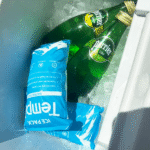
Q4: What packaging works best for shipping frozen yogurt? Gelo seco provides ultra cold conditions (−78,5°C) para até 72 horas, ideal para longas distâncias; pacotes de gel maintain 2–8 °C and suit shorter journeys. Choose insulated containers with proper layering and label shipments with warnings when using dry ice.
Q5: Do plant based frozen yogurts require different storage? Não. Plant based frozen yogurt still requires deep freeze conditions (−10 °C to −30 °C). Evaluate each formulation during pilot testing to account for texture variations.
Q6: Why is −18 °C the standard for frozen foods? The IIR states that at −18 °C, most foods achieve a Level of Frozenness of 95–98 %, inhibiting microbial growth. Although raising storage temperature to −15 °C may save energy, research shows it could shorten shelf life by up to 30 %.
Q7: What are the benefits of partnering with verified suppliers? Verified suppliers maintain certifications like ISO, IFS and BRC, ensuring compliance with food safety standards. They also provide consistent quality, audited facilities and traceability, reducing sourcing risk.
Resumo e recomendações
Na Europa, temperature controlled frozen yogurt suppliers must deliver products that meet strict temperature and quality standards while satisfying growing consumer demand for healthy, customisable desserts. When sourcing suppliers and logistics partners:
Ensure robust temperature control: Frozen yogurt should be frozen at −10 °C and stored at −18 °C or colder. Use suppliers who maintain dedicated frozen zones and employ real time temperature monitoring.
Choose verified manufacturers: Look for certifications such as ISO 22000, IFS and BRC and inspect HACCP plans. Evaluate MOQs, product portfolios and private label capabilities.
Partner with reliable logistics providers: Consider providers like STEF/Langdons, Girteka, METRO LOGISTICS, DFDS e NORDFROST that specialise in temperature controlled transport and offer real time tracking.
Priorize a sustentabilidade: Evaluate energy efficiency, use of natural refrigerants and recyclable packaging. Seek partners who report carbon emissions and adopt renewable energy.
Stay current on regulations and trends: Follow IIR and EU guidelines for storage temperatures, monitor innovations like AI driven cold chain management and adapt to consumer trends toward plant based and personalised frozen yogurts.
By carefully selecting and collaborating with compliant manufacturers and logistics providers, você can deliver safe, delicious frozen yogurt while meeting regulatory obligations and sustainability goals. Leverage emerging technologies and market insights to stay ahead in Europe’s dynamic frozen yogurt industry.
Sobre Tempk
No Tempk, we specialise in temperature controlled packaging, monitoring devices and cold chain consulting. Nossos contêineres isolados, gel packs and dry ice solutions help maintain deep freeze conditions between −18 °C and −30 °C, ensuring frozen yogurt and other perishable products arrive fresh and safe. We also offer IoT enabled sensors and data logging software for real time monitoring, helping you comply with international standards and build transparent supply chains. Our team of cold chain experts stays up to date on European regulations and emerging technologies to provide tailored advice. Let us help you design a resilient, sustainable cold chain that delights your customers.
Próximo passo: Contact us today to discuss your temperature controlled packaging and logistics needs. We’re ready to support your growth in Europe’s thriving frozen yogurt market.