O Completo 2026 Guide to chemical-resistant EPP box
Este artigo vai te ajudar:
- Choose the right chemical-resistant EPP box specs using a 10-point checklist
- Build a pack-out workflow that stays consistent across shifts
- Validate performance with lane-based tests (summer/winter profiles)
- Plan reuse, limpeza, inspeção, and end-of-life routing
- Scale procurement with supplier QA requirements that prevent batch drift
Ferramenta de decisão: pick your spec in 5 minutos
- Write your temperature range and duration, then select a coolant strategy that matches that window.
- Rate handling severity (low/medium/high). If medium/high, prioritize edge strength and lid integrity.
- Decide reuse model (uso único / ad-hoc reuse / managed return). Add tracking if managed return.
- List chemicals or cleaning agents that touch the box. Confirm compatibility before scaling.
- Define success metrics (excursions and damage per 1,000). Improve the biggest driver first.
RFQ spec checklist (copiar/colar)
- Dimensões internas, peso da carga útil, and allowable movement (fit tolerance)
- Density band and wall thickness targets (with tolerance ranges)
- Interface da tampa (lip depth, gasket yes/no, closure force target)
- Stacking and compression expectations (empty/loaded)
- Cleaning method compatibility and inspection SOP
- Identificação (serial/QR/RFID) and expected cycle tracking
- Acceptance tests: dimensional sampling, drop checks, temperature profiles
- Batch QA: sampling plan, ações corretivas, e controle de mudança
Core playbook
What problems does this box solve in real shipments?
**A chemical-resistant EPP box works best when you spec it around your lane reality.** Start by naming the top failure you need to prevent: variação de temperatura, esmagamento, vazamentos, ou contaminação. Then choose density, geometry, lid interface, and accessories that attack that failure first.
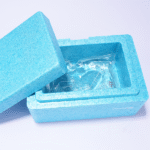
Think of the box as a system: foam body, lid interface, payload fit, and coolant or dunnage. If one part is weak, the system drifts. A tight payload fit can reduce internal air movement. Even lid contact prevents micro-gaps that behave like tiny open windows. Build a pack-out flow that makes your chemical-resistant EPP box behave the same every time.
Common pitfall: teams compare only wall thickness and unit price. But the real cost drivers are rework, retorna, and excursions. A slightly better chemical-resistant EPP box spec often pays back quickly if it prevents even a few failures per 1,000 Remessas.
Micro-checklist (30 segundos): lid seats flat, sem balançar, corners intact, carga útil centrada, and coolant placed on the marked spots. If any item fails, fix it before shipping. This tiny habit prevents a surprising number of problems.
chemical-resistant EPP box for cold chain shipping: verificações rápidas
Check payload movement, lid seal contact, and pack-out speed. If you need more than one improvisation step, the design is not ready for scale. Aim for a workflow that any trained operator can execute consistently, even during peak volume.
| Fator | What to compare | Good target | Por que você se importa |
|---|---|---|---|
| Density tier | Baixo / meio / alto | Match handling risk | Higher density helps impacts but adds cost |
| Interface da tampa | Lip depth, gasket, ajustar | Mesmo contato | Prevents leaks and heat gain |
| Ajustar & vazios | Movement, Headspace | Minimal movement | Improves repeatability |
| Reuse readiness | Limpeza + monitorando | Documented SOP | Keeps fleet predictable |
Pontas:
- **If you ship fragile items:** add corner protection and reduce movement inside the chemical-resistant EPP box.
- **If you ship temperature-sensitive items:** standardize coolant placement and minimize headspace.
- **If you run reuse loops:** track cycles and retire boxes when lid warp appears.
Exemplo prático: A team reduced repacks by standardizing one chemical-resistant EPP box size with a removable insert and a one-page packing card. The biggest gain was consistency—operators stopped improvising.
Which specifications actually matter when you compare options?
**A chemical-resistant EPP box works best when you spec it around your lane reality.** Start by naming the top failure you need to prevent: variação de temperatura, esmagamento, vazamentos, ou contaminação. Then choose density, geometry, lid interface, and accessories that attack that failure first.
Think of the box as a system: foam body, lid interface, payload fit, and coolant or dunnage. If one part is weak, the system drifts. A tight payload fit can reduce internal air movement. Even lid contact prevents micro-gaps that behave like tiny open windows. Build a pack-out flow that makes your chemical-resistant EPP box behave the same every time.
Common pitfall: teams compare only wall thickness and unit price. But the real cost drivers are rework, retorna, and excursions. A slightly better chemical-resistant EPP box spec often pays back quickly if it prevents even a few failures per 1,000 Remessas.
Micro-checklist (30 segundos): lid seats flat, sem balançar, corners intact, carga útil centrada, and coolant placed on the marked spots. If any item fails, fix it before shipping. This tiny habit prevents a surprising number of problems.
reusable chemical-resistant EPP box cost: verificações rápidas
Check payload movement, lid seal contact, and pack-out speed. If you need more than one improvisation step, the design is not ready for scale. Aim for a workflow that any trained operator can execute consistently, even during peak volume.
| Fator | What to compare | Good target | Por que você se importa |
|---|---|---|---|
| Density tier | Baixo / meio / alto | Match handling risk | Higher density helps impacts but adds cost |
| Interface da tampa | Lip depth, gasket, ajustar | Mesmo contato | Prevents leaks and heat gain |
| Ajustar & vazios | Movement, Headspace | Minimal movement | Improves repeatability |
| Reuse readiness | Limpeza + monitorando | Documented SOP | Keeps fleet predictable |
Pontas:
- **If you ship fragile items:** add corner protection and reduce movement inside the chemical-resistant EPP box.
- **If you ship temperature-sensitive items:** standardize coolant placement and minimize headspace.
- **If you run reuse loops:** track cycles and retire boxes when lid warp appears.
Exemplo prático: A team reduced repacks by standardizing one chemical-resistant EPP box size with a removable insert and a one-page packing card. The biggest gain was consistency—operators stopped improvising.
How do you avoid hidden costs like damage, retorna, e retrabalho?
**A chemical-resistant EPP box works best when you spec it around your lane reality.** Start by naming the top failure you need to prevent: variação de temperatura, esmagamento, vazamentos, ou contaminação. Then choose density, geometry, lid interface, and accessories that attack that failure first.
Think of the box as a system: foam body, lid interface, payload fit, and coolant or dunnage. If one part is weak, the system drifts. A tight payload fit can reduce internal air movement. Even lid contact prevents micro-gaps that behave like tiny open windows. Build a pack-out flow that makes your chemical-resistant EPP box behave the same every time.
Common pitfall: teams compare only wall thickness and unit price. But the real cost drivers are rework, retorna, and excursions. A slightly better chemical-resistant EPP box spec often pays back quickly if it prevents even a few failures per 1,000 Remessas.
Micro-checklist (30 segundos): lid seats flat, sem balançar, corners intact, carga útil centrada, and coolant placed on the marked spots. If any item fails, fix it before shipping. This tiny habit prevents a surprising number of problems.
chemical-resistant EPP box insulation performance: verificações rápidas
Check payload movement, lid seal contact, and pack-out speed. If you need more than one improvisation step, the design is not ready for scale. Aim for a workflow that any trained operator can execute consistently, even during peak volume.
| Fator | What to compare | Good target | Por que você se importa |
|---|---|---|---|
| Density tier | Baixo / meio / alto | Match handling risk | Higher density helps impacts but adds cost |
| Interface da tampa | Lip depth, gasket, ajustar | Mesmo contato | Prevents leaks and heat gain |
| Ajustar & vazios | Movement, Headspace | Minimal movement | Improves repeatability |
| Reuse readiness | Limpeza + monitorando | Documented SOP | Keeps fleet predictable |
Pontas:
- **If you ship fragile items:** add corner protection and reduce movement inside the chemical-resistant EPP box.
- **If you ship temperature-sensitive items:** standardize coolant placement and minimize headspace.
- **If you run reuse loops:** track cycles and retire boxes when lid warp appears.
Exemplo prático: A team reduced repacks by standardizing one chemical-resistant EPP box size with a removable insert and a one-page packing card. The biggest gain was consistency—operators stopped improvising.
What packing workflow keeps performance consistent every time?
**A chemical-resistant EPP box works best when you spec it around your lane reality.** Start by naming the top failure you need to prevent: variação de temperatura, esmagamento, vazamentos, ou contaminação. Then choose density, geometry, lid interface, and accessories that attack that failure first.
Think of the box as a system: foam body, lid interface, payload fit, and coolant or dunnage. If one part is weak, the system drifts. A tight payload fit can reduce internal air movement. Even lid contact prevents micro-gaps that behave like tiny open windows. Build a pack-out flow that makes your chemical-resistant EPP box behave the same every time.
Common pitfall: teams compare only wall thickness and unit price. But the real cost drivers are rework, retorna, and excursions. A slightly better chemical-resistant EPP box spec often pays back quickly if it prevents even a few failures per 1,000 Remessas.
Micro-checklist (30 segundos): lid seats flat, sem balançar, corners intact, carga útil centrada, and coolant placed on the marked spots. If any item fails, fix it before shipping. This tiny habit prevents a surprising number of problems.
chemical-resistant EPP box cleaning and reuse: verificações rápidas
Check payload movement, lid seal contact, and pack-out speed. If you need more than one improvisation step, the design is not ready for scale. Aim for a workflow that any trained operator can execute consistently, even during peak volume.
| Fator | What to compare | Good target | Por que você se importa |
|---|---|---|---|
| Density tier | Baixo / meio / alto | Match handling risk | Higher density helps impacts but adds cost |
| Interface da tampa | Lip depth, gasket, ajustar | Mesmo contato | Prevents leaks and heat gain |
| Ajustar & vazios | Movement, Headspace | Minimal movement | Improves repeatability |
| Reuse readiness | Limpeza + monitorando | Documented SOP | Keeps fleet predictable |
Pontas:
- **If you ship fragile items:** add corner protection and reduce movement inside the chemical-resistant EPP box.
- **If you ship temperature-sensitive items:** standardize coolant placement and minimize headspace.
- **If you run reuse loops:** track cycles and retire boxes when lid warp appears.
Exemplo prático: A team reduced repacks by standardizing one chemical-resistant EPP box size with a removable insert and a one-page packing card. The biggest gain was consistency—operators stopped improvising.
Pack-out SOP (one-page version)
- Inspecionar: limpar, seco, no cracks; lid seats flat.
- Ajustar: center payload; eliminate movement with inserts.
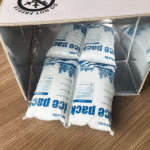
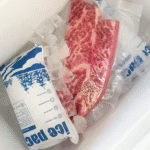
- Refrigerante: place using a diagram; keep quantities consistent.
- Fechar: apply even pressure; confirm no rocking and full rim contact.
- Rótulo + registro: scan ID (se usado); note any damage and retire rules.
2026 trend notes
Reusable packaging adoption is accelerating, and buyers are asked to show reuse management, QA traceability, and end-of-life routing. For a chemical-resistant EPP box, the practical move is standardization: menos SKUs, tighter specs, and stronger process control.
- Mais validação de pista, not just lab validation.
- More focus on TCO and cost per successful delivery.
- More supplier documentation and change control requirements.
Perguntas frequentes
What density should I choose for a chemical-resistant EPP box?
Choose based on handling severity and expected reuse cycles. Higher density helps impacts, but fit and lid contact still decide outcomes.
Can a chemical-resistant EPP box be used for food contact?
It can if the resin grade and additives meet your market rules and your cleaning method is compatible. Request declarations and a verification plan.
How do I clean and reuse a chemical-resistant EPP box?
Use a documented SOP: compatible detergent, limpar, seco, and a quick inspection checklist before reissue.
How do I reduce excursions without more coolant?
Padronize o posicionamento do líquido refrigerante, reduzir o espaço livre, and control lid closure first. These fixes are often cheaper than adding coolant.
How long does a chemical-resistant EPP box last?
It depends on impacts, empilhamento, e limpeza. Track cycles and retire units when lids warp or cracks appear.
Should I add inserts?
If you see payload movement or want one box to fit multiple SKUs, inserts usually improve consistency and reduce damage.
What tests prove performance?
Use lane-based temperature profiles, drop/handling checks, and repeat the test across multiple operators to confirm repeatability.
What supplier info should I require?
Tolerance bands, QA sampling plan, materials declaration, cleaning guidance, and evidence of batch-to-batch consistency.
How do I estimate TCO quickly?
Divide total annual program cost (comprar + limpeza + retorna + losses) by successful deliveries. Compare scenarios using the same denominator.
Resumo e próximos passos
A chemical-resistant EPP box delivers the most value when you treat it as a system and standardize workflow. Define lane risks, specify density and fit, validate by lane, and manage reuse with inspection and tracking.
Próximo passo: draft a one-page spec sheet for your chemical-resistant EPP box (tamanho, density band, lid interface, acessórios, pack-out steps), run a pilot on one lane, then scale with clear QA requirements.
Sobre Tempk
Tempk supports cold-chain teams with reusable and high-performance insulation packaging solutions. We focus on fit, encerramento, and repeatable operations so your shipments stay consistent at scale.
Contact Tempk for a spec review, packing SOP template, and lane-based validation checklist.