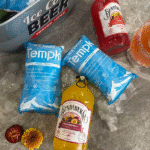
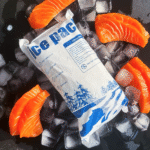
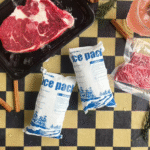
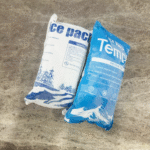
Thermal bag packaging keeps your groceries, vaccines and meal kits at safe temperatures while they travel. As you look for the right bag for 2026, you’ll notice that the cold chain packaging market will be worth around USD 20.0 bilhão em 2026 e está previsto para atingir USD 39.1 bilhão por 2036. Pharmaceuticals and healthcare already account for 46.5 % deste mercado, while reusable insulated boxes and containers are growing quickly. With food safety rules like FSMA 204 requiring digital traceability and consumers demanding greener materials, understanding thermal bag packaging will help you make smarter choices. This guide explains how thermal bags work, compares insulation materials, outlines testing and regulation requirements and highlights innovations and trends that will shape the cold chain in 2026 e além. Updated February 24, 2026.
Este guia responderá:
What is thermal bag packaging and why does it matter? — how multi-layer construction traps cold or heat to protect perishable goods.
Which insulation materials offer the longest cooling times in 2026? — comparing foams, painéis isolados a vácuo, phase change materials and biodegradable options.
How do you choose a thermal bag for food, pharmaceuticals or e-commerce? — step-by-step considerations including hold time, carga útil, portability and certification.
How can you test and verify a bag’s performance? — simple at-home methods and professional protocols to avoid temperature excursions.
What regulations and sustainability trends will affect thermal packaging in 2026? — FSMA 204, EU Import Control System 2, carbon border adjustments and corporate net-zero commitments.
What market trends and innovations are reshaping cold chain packaging? — Sensores IoT, self-refrigerated shippers, AI analytics and closed-loop models.
What is thermal bag packaging and why does it matter?
Thermal bag packaging is a portable container designed to maintain internal temperature ranges during transport. It protects your groceries, medicine or samples from the dangerous “temperature danger zone” (41 °F a 135 °F) where bacteria multiply quickly. Unlike ordinary totes, thermal bags use a multi-layer construction: an outer fabric, an insulation core, a reflective barrier and an inner liner. The outer layer is typically durable polyester or recycled polyethylene terephthalate (RPET) that resists abrasion and water. The core contains foam such as expanded polyethylene (EPE), poliuretano (PU) or cross-linked polyethylene (XPE), which reduces heat transfer through conduction. A reflective film (often aluminium foil or metallized PET) reflects radiant heat, while an inner liner made of food-grade PEVA or aluminium foil provides a hygienic surface and reflects heat back into the bag. These layers work together to limit conduction, convecção e radiação, keeping the contents cold or hot.
Comparing insulation materials: foams, VIPs e PCMs
Different insulation materials influence how long a bag can maintain its temperature. The following table summarizes common options and what they mean for you:
| Material de isolamento | Typical R-Value & Tempo de espera | Prós | Real-world meaning |
|---|---|---|---|
| Expanded polyethylene (EPE) | R ≈ 3.6–4.2 per inch; 4–8 h cooling for 8 mm thickness | Leve, inexpensive and flexible | Suitable for grocery trips or meal kits lasting half a day; can keep ice packs below 10 °C for about 6.5 h. |
| Polietileno (Educação Física) or EVA foams | R ≈ 4–5 per inch; 6–10 h hold time | Slightly denser; melhor isolamento | Good for day-long outings or e-commerce shipments; still light enough to carry. |
| Poliuretano (PU) | R ≈ 6 por polegada; 24–72 horas de tempo de espera | Alto isolamento; can maintain cold chain for multiple days | Ideal for pharmaceuticals or multi-day travel; often paired with vacuum-insulated panels (VIPs) for extra efficiency. |
| Painéis isolados a vácuo (VIPs) | R ≈ 25 por polegada; >72 h with phase change materials | Exceptional insulation with minimal thickness | Used in premium coolers and clinical shipments; maintain 2–8 °C for 48–72+ h. |
| Materiais de mudança de fase (PCMs) | Hold time depends on melting point; can stabilize 2–8 °C for days | Absorb or release heat at a specific temperature | Extend hold times beyond gel ice; perfect for biologics or heat-sensitive meals. |
| Biodegradable foams and plant-based fibres | 24–96 h depending on thickness | Compostable and recyclable; reduzir o desperdício | Offer performance comparable to polystyrene while meeting sustainability regulations; degrade naturally after disposal. |
Foam thickness also matters. De acordo com Tempk 2025 procurement guide, 3 mm EPE foam insulates up to six hours, 5 mm plus aluminium foil lasts 8–12 h, e 8 mm with high-quality zippers can maintain cold or hot content for 12–24 h. Portanto, the longer your trip, the more insulation you need. You can also extend hold times by adding gel packs (3–5 pounds per cubic foot, increasing 25–50 % no verão) and placing them on top of goods. If you need 48–72 h for vaccine shipments, choose a bag with PU foam or VIP panels and phase change materials. High-end systems like Ember’s Cube combine self-refrigeration with IoT sensors to maintain 2–8 °C for 72 + h while transmitting live data.
Real-world performance comparisons
When comparing soft cooler bags with premium systems, note that soft coolers usually keep food cold for 4–12 h, while premium coolers using thick foams or PCMs can last 24–72 h. A study of an 8 mm EPE bag with aluminium foil found it kept ice packs below 10 ° C para 6.5 h and hot food above 50 ° C para 4.2 h. Vacuum-insulated panels and PCMs easily surpass these times but cost more and may add weight. Biodegradable boxes using plant-based fibre insulation maintain temperature for 24–96 h and decompose naturally, reducing waste and meeting emerging regulations. Ao avaliar opções, weigh hold time against cost, weight and sustainability goals.
Which insulation materials offer the longest cooling times in 2026?
Material choice is key to your bag’s performance. Em 2026, the market is moving beyond traditional foams toward reusable insulated systems. The reusable cold chain packaging market is forecast to expand from USD 5.32 bilhão em 2026 para USD 9.77 bilhão por 2035 (Cagr 6.98 %). Pressões de sustentabilidade, rising biologics shipments and meal-kit deliveries are driving this shift. Reusable containers often integrate vacuum-insulated panels, phase change materials and IoT tracking to extend cooling times and reduce waste. Closed-loop pooling systems such as reusable plastic crates (RPCs) estão ganhando tração; they emphasize reuse, return, limpeza e redistribuição. Operators are exploring bio-based insulation materials like bio-PCMs, biopolymers and dairy-protein films to cut carbon footprint and comply with ESG demands.
For everyday groceries or short e-commerce deliveries, EPE or PE foam bags provide a balance between weight and insulation. Their lighter structure suits riders and consumers carrying meal kits or picnics. No entanto, if you need to ship vaccines, biologics or premium seafood across continents, invest in PU or VIP systems with PCMs, which maintain narrow temperature ranges for multiple days. Self-refrigerated smart packages, like battery-powered boxes that eliminate the need for dry ice or gel packs, are now commercially deployed. They maintain 2–8 °C for 48–72 h and include sensors for temperature, light and location. These innovations are ideal for high-value pharmaceuticals and gene therapies where integrity must be digitally proven at every step.
Innovations in materials and design
PCMs optimized for specific temperatures: Modern PCMs are formulated from hydrocarbons, salts or plant oils to melt at precise points (por exemplo, 2 °C, 15 °C ou 25 °C). They absorb heat when melting and release it when solidifying, maintaining stable conditions. Water is a simple PCM at 0 °C, but advanced PCMs store more energy per volume and operate at different temperature ranges for pharmaceuticals or fresh produce.
Vacuum-insulated panels with bio-foam cores: VIPs are now integrated into biodegradable shells made from starch, wool or mycelium. These panels provide high R-values while being compostable. Examples include TemperPack’s ClimaCell and Green Cell Foam.
Multi-temperature zone shippers: New containers allow different temperature zones in one shipment (por exemplo, frozen fish and fresh vegetables). This reduces packaging and consolidates logistics.
AI-optimized material placement: AI models simulate how materials behave in real transport, helping manufacturers optimize PCM placement and foam thickness to achieve desired hold times while reducing weight.
When selecting insulation, consider not just hold time but ease of reuse, recyclability and compliance with end-of-life regulations. Foam options like EPE can degrade up to 94 % over four years, while cellulose-based liners are compostable and store flat, economizando até 70 % Espaço de armazém.
How do you choose a thermal bag for your needs?
Choosing the right thermal bag is like matching shoes to an occasion – you need the right fit and performance for the context. Siga estas etapas:
Define your use case. Are you transporting groceries, catering food, clinical samples or vaccines? Food delivery requires safe temperatures below 40 °F for 24–72 hours, while vaccines may need 2–8 °C or even cryogenic ranges for multiple days. Viagens curtas (sob 6 h) can rely on lightweight EPE or PE foam; longer journeys demand PU or VIP systems.
Determine hold time and temperature range. Estimate how long your goods will be in transit, incluindo possíveis atrasos. Add a safety buffer: if you need 8 h, choose a bag rated for at least 12 h. Use gel packs appropriately (3–5 lb per cubic foot, adjust up 25–50 % no verão). For shipments across seasons, use more refrigerant in summer and less in winter.
Size and payload. Check internal dimensions (volume) rather than external measurements. Overstuffing reduces air circulation and performance. If using VIPs or PCMs, ensure there is space for the refrigerant and product. Ask your supplier for internal capacity test certificates.
Closure design and portability. Look for leak-proof zippers, fold-over flaps or magnetic seals. Reinforced seams and thick insulation around closures prevent cold air leakage. Comfortable handles, shoulder straps and wheels make carrying easier. Para remessas internacionais, select rigid containers with integrated wheels like Cryoport’s high-volume cryogenic system, which includes condition and location monitoring.
Material durability and user comfort. Outer fabrics such as 600D or 900D Oxford polyester or recycled plastics provide abrasion resistance. Aluminium foil liners withstand high temperatures and resist odors, while PEVA liners are softer and easier to clean. Reinforced bases and double stitching add load-bearing capacity. Choose ergonomic designs that match your mode of transport – riders prefer lightweight backpacks; couriers may need wheeled totes.
Certificações e conformidade. Verify that materials meet food contact regulations (FDA, UE 10/2011) and recycling standards (GRS, OEKO-TEX). FSMA 204 requires digital traceability for at-risk foods. The European Union’s Import Control System 2 obliges importers to submit electronic pre-notifications of shipment data before arrival. Ask suppliers for test certificates and traceability documentation.
Branding and design. Custom printing not only builds trust but also differentiates your business. Em 2026, branded thermal packaging is seen as a marketing tool that enhances unboxing experiences and encourages customer loyalty. Keep designs professional and ensure printing does not compromise insulation.
Decision-making checklist
| Etapa | Question to ask | Por que isso importa |
|---|---|---|
| Caso de uso | What am I shipping? Comida, Biologics, or groceries? | Defines required temperature range and hold time. |
| Duração | How long will the shipment be in transit? | Determines foam thickness and need for PCMs or VIPs. |
| Volume | What is the payload volume and refrigerant space? | Prevents under- or over-filling; ensures proper air circulation. |
| Encerramento & durabilidade | Are zippers leak-proof and seams reinforced? | Stops cold air loss and leaks during transport. |
| Conformidade | Does the bag meet FDA/EU/FSMA 204 regras? | Avoids legal issues and ensures traceability. |
| Sustentabilidade | Is the material reusable or recyclable? | Aligns with corporate ESG goals and reduces waste. |
Evite erros comuns: Don’t choose a bag solely on price; inferior insulation can lead to spoilage. Always confirm internal dimensions and ask for performance data. Verify that the closure design is robust, and test it yourself before large orders. Balance branding complexity against cost and insulation performance; elaborate printing may require longer lead times.
How can you test and verify a bag’s performance?
Even the best bag can fail if it isn’t tested under real conditions. Here’s how to ensure your thermal bag meets your needs:
Thermal retention test. Fill the bag with refrigerated water bottles or gel packs and use a digital thermometer or data logger to monitor internal temperature. Simulate the expected ambient conditions (temperatura ambiente, outdoor heat). Para remessas críticas, test at the extreme high end of expected temperatures. Aim to stay within your target range for at least the required duration. The two-hour rule for perishable foods means that anything held between 41 °F e 135 °F for over two hours should be discarded.
Leak and condensation test. Add ice or cold packs and monitor external condensation. A well-insulated bag should minimize sweat. Pour a small amount of water near seams and check for leaks.
Load-bearing and durability test. Fill the bag to its rated capacity and lift it repeatedly or carry it around to test handles and seams. Walk on uneven surfaces and note any shifting of internal contents.
Cleaning and odor test. Após o uso, clean the bag with mild detergent and water. Assess how quickly it dries and whether it retains smells. PEVA liners often resist odors better than aluminium foil but may stain more easily.
Real-use simulation. For business orders, perform a pilot run with actual products and shipping durations. Monitor temperatures using Bluetooth loggers or IoT sensors. Document any excursions and adjust foam thickness or refrigerant accordingly.
Quality control plans typically include pre-production samples, in-process checks and final inspections. Ask suppliers about their inspection protocols and demand test certificates for foam density, thermal performance and material safety. Além disso, modern sensors provide real-time data and compliance documentation, building customer confidence.
What regulations and sustainability trends will affect thermal packaging in 2026?
The global cold chain landscape is evolving quickly. Stricter regulations and sustainability mandates will shape how thermal bags are designed, manufactured and used:
A rastreabilidade digital torna-se obrigatória. AS 2026, a Lei de Modernização da Segurança Alimentar (FSMA 204) in the United States requires digital recording of critical events for foods on the at-risk list. The European Union’s Import Control System 2 obliges importers to submit electronic pre-notifications of shipment data before arrival. Canada’s Safe Food for Canadians Regulations (SFCR) enforce licensing, preventive controls and traceability. China has tightened digital registration for food exporters. Junto, these rules make end-to-end data integration a requirement rather than a competitive advantage.
Environmental regulations intensify. The EU Green Deal, carbon border adjustment mechanisms (CBAM) and inclusion of maritime transport in EU ETS2 require companies to disclose emissions and reduce carbon intensity. In Brazil, a new emissions trading system expands environmental responsibility throughout the logistics chain. These policies incentivize low-carbon refrigerants, reusable packaging and accurate emissions reporting. Many corporate net-zero commitments already demand reusable or recyclable cold chain packaging.
Packaging waste reduction. Consumers are increasingly concerned about packaging waste—70 % of meal-kit subscribers worry about packaging. Para resolver isso, companies are adopting cardboard-based insulation with cellulose fibres that trap air pockets, maintain temperatures for 48–72 h and are compostable. These liners ship flat, reducing warehouse space by up to 70 %. Biodegradable boxes made from plant-based fibres or bio-foams provide 24–96 h of insulation and decompose naturally.
Sustainability reporting and data governance. ESG reporting frameworks require companies to disclose packaging footprints. Life-cycle assessments and digital twins help brands monitor carbon emissions and optimize container reuse. Reverse logistics and “sustainability as a service” offerings from logistics providers handle container returns, cleaning and redistribution to enable 20–40 reuse cycles. Investing in durable thermal bags and pooling programs reduces the total cost of ownership and landfill waste.
What market trends and innovations are reshaping cold chain packaging?
The cold chain packaging sector is dynamic. Em 2026, several key trends and innovations will influence how thermal bags are designed and used:
Crescimento e segmentação do mercado. The cold chain packaging market is projected to grow from USD 20.0 bilhão em 2026 para USD 39.1 bilhão por 2036, em um CAGR de 6.9 %. Pharmaceuticals and healthcare hold about 46.5 % share and insulated shippers dominate with 52.5 %. Demand is being driven by expanding biologics, vaccines and ready-to-eat foods. Reusable packaging systems and digital tracking technologies are gaining popularity as manufacturers seek to reduce waste and meet compliance standards.
Embalagem inteligente e ativa. IoT-enabled shippers incorporate sensors for temperature, umidade, GPS and RFID to provide real-time visibility. These packages can send alerts when temperatures deviate, enabling immediate corrective action and compliance documentation. Battery-powered, self-refrigerated containers eliminate the need for dry ice or gel packs and maintain precise temperature ranges for 48–72 h. Active packaging innovations such as antimicrobial films, oxygen scavengers and thermochromic inks extend shelf life and provide visual indicators.
IA e análise preditiva. Artificial intelligence is transforming cold chain logistics. AI analyzes real-time sensor data to predict temperature excursions, optimize PCM placement and adjust routing. Digital twin models simulate container performance, enabling manufacturers to design more efficient bags before production. AI-powered logistics platforms also optimize delivery routes by considering traffic, atrasos climáticos e alfandegários. Predictive maintenance reduces unexpected halts in refrigerated fleets, ensuring assets are available when needed.
Closed-loop and pooling models. Companies are adopting reusable containers and standardized pooling models like IFCO’s SmartCycle, which provide return, cleaning and redistribution services. Closed-loop systems reduce packaging waste and logistics costs while aligning with ESG goals. Reverse logistics services from UPS Healthcare and DHL SmartSensor manage container returns and refurbishment, promoting reuse cycles of 20–40 times.
Multi-temperature zone and modular designs. New shippers can carry products with different temperature needs in a single unit, reducing packaging and optimizing logistics. Modular containers are collapsible and stackable, improving return logistics and warehouse efficiency. Automation-friendly designs allow robotic picking and AGVs to handle packages in large cold stores.
Biodegradable and bio-based materials. A major shift is underway from expanded polystyrene to bio-foam, misturas de amido, wool-based liners and plant-derived PCMs. These materials match thermal efficiency but are compostable, meeting regulatory and consumer demands for sustainability. Boxes made from moulded pulp or bio-foam can provide 24–96 h of insulation and reduce temperature excursions by 18 % in case studies.
2026 latest thermal packaging developments and trends
Staying up to date helps you anticipate changes. Here’s a snapshot of the most important developments in early 2026:
Últimos desenvolvimentos de vista
Frozen foods market expansion: Global frozen foods revenue is expected to grow from USD 280.56 bilhão em 2025 para cerca de USD 403.59 bilhão por 2032, crescendo em 4.65 % anualmente. This expansion increases demand for refrigerated capacity and multi-temperature transportation.
Stricter traceability rules: FSMA 204 and the EU’s Import Control System 2 now require electronic recording and pre-notification of shipment data. Digital systems are essential to comply with these laws.
Predictive AI adoption: AI solutions help plan demand, otimizar rotas, and perform predictive maintenance on refrigerated fleets. Operators must invest in data governance and analytics skills.
Environmental regulation: New emissions trading schemes in Europe and Brazil and CBAM mechanisms internalize carbon costs. Logistics operators must monitor and reduce carbon intensity across their supply chains.
Geopolitics and trade routes: Tensions in the Middle East and the Panama Canal are prompting nearshoring, alternative routes and regional hubs. Food supply chains must ensure robust refrigeration infrastructure and flexible logistics.
Insights de mercado
The cold chain packaging market is highly segmented. Insulated shippers account for 52.5 % of the market because they provide flexible temperature control and are compatible with real-time monitoring. Pharmaceuticals and healthcare lead demand due to the sensitivity of biologics and vaccines. Growth drivers include rapid expansion of biologics, clinical trials and personalized medicine, as well as increased consumption of frozen and ready-to-eat foods. Major players such as Sonoco, Pelicano Biotérmico, va Q-tec and Softbox Systems dominate the market.
Perguntas frequentes
Q1: How long can a thermal bag keep my food cold or hot?
The hold time depends on insulation thickness, material and ambient conditions. Lightweight EPE or PE foam bags typically keep items cold for 4–12 hours, while high-performance bags with PU foam, vacuum-insulated panels or PCMs can maintain temperature for 24–72 hours. Adding sufficient gel packs or PCMs can extend hold times even further. Always follow the two-hour rule: perishables left above 40 °F for more than two hours should be discarded.
Q2: What’s the difference between vacuum-insulated panels and foam?
Painéis isolados a vácuo (VIPs) use a porous core enclosed in a gas-tight envelope and vacuum to inhibit conduction and convection, giving R-values around 25 por polegada. They provide extremely long cooling times (>72 h) in a thin package. Espuma (EPE, Educação Física, PU) relies on air pockets to slow heat transfer; it is cheaper and lighter but has lower R-values (3.6–6 per inch). VIPs are ideal for pharmaceuticals and long-distance shipping; foam suits short trips and cost-sensitive applications.
Q3: How do I clean and maintain my thermal bag?
Remove loose debris and wipe the interior with mild soap and warm water. PEVA liners are flexible and resist odors, while aluminium foil liners tolerate higher temperatures but can crease. Dry the bag thoroughly before storage. Inspect zippers, seams and insulation regularly; replace the bag if you notice cracks, leaks or lingering smells. Avoid using harsh chemicals that could degrade the foam or liner.
Q4: Can I recycle or compost my thermal bag?
It depends on the material. Many single-use EPS or PU foams are not easily recyclable. No entanto, newer bags made from recycled RPET fabrics, biodegradable foams or cellulose fibres are recyclable or compostable. Check the recycling symbols on your bag and follow local guidelines. Reusable pooling programs allow you to return rigid containers for cleaning and reuse, reduzindo o desperdício.
Resumo e recomendações
Thermal bag packaging is the unsung hero of the cold chain. A multi-layer structure comprising durable fabrics, insulating foams, reflective films and hygienic liners protects your goods against the temperature danger zone. The right insulation depends on your needs: EPE and PE foams suit short trips; PU, VIPs and PCMs handle multi-day journeys. As the cold chain packaging market grows to USD 39.1 bilhão por 2036, innovations like IoT-enabled tracking, self-refrigerated boxes and AI-optimized materials will become mainstream. Regulatory frameworks such as FSMA 204 and EU import controls make digital traceability mandatory, while sustainability rules push for recyclable and compostable materials.
Etapas acionáveis:
Avalie seus requisitos: define the product, temperature range and hold time. Choose insulation materials accordingly.
Test before committing: simulate real conditions with data loggers and confirm that internal temperatures stay within range.
Priorize a conformidade: ensure bags meet FDA and EU regulations and incorporate digital traceability for high-risk foods and pharmaceuticals.
Invista em sustentabilidade: select reusable or compostable options, participate in pooling programs and educate customers about end-of-life management.
Monitore tendências: keep an eye on new materials, AI analytics and regulatory changes to stay ahead of the curve. Don’t hesitate to adopt smart packaging solutions; they offer better control and customer confidence.
Sobre Tempk
Tempk specializes in innovative thermal packaging solutions for food, pharmaceutical and e-commerce logistics. Our products combine multi-layer insulation with advanced materials like phase change panels and vacuum-insulated liners to deliver reliable temperature control across varying distances. Com R&D centers in North America and Asia, we continuously test new foams, PCMs and recyclable materials to meet 2026 regulamentos e metas de sustentabilidade. We also offer procurement consulting, helping clients optimize bag specifications, reduce costs and meet compliance requirements. Esteja você enviando vacinas, meal kits or groceries, Tempk provides customizable options backed by test certificates and global support.
Entre em contato: Contact our experts to discuss your thermal packaging challenges. We can help you design a tailored solution, implement digital tracking and set up reusable programs that align with your ESG goals.