Thermal pallet blankets are becoming essential tools in modern cold chain logistics. These insulated covers create a barrier against heat and cold, helping your products stay within their required temperature range. With the global thermal pallet cover market expected to grow from $1.2 bilhão em 2024 para $2.5 bilhão por 2033, e mais do que 85 % of biologic drugs requiring refrigeration, it’s clear that reliable temperature protection is critical. In this guide you’ll learn what thermal pallet blankets are, why they’re vital for cost-effective logistics, how to choose and install them, and what innovations are shaping the future. By the end you’ll understand how to protect temperature-sensitive goods, reduce energy costs and meet stringent regulations.
Este artigo responderá para você
What are thermal pallet blankets and how do they work? Learn about the materials and insulation technology that create a thermal barrier around your shipment.
Why use thermal pallet blankets instead of relying solely on refrigerated trucks? Discover how they extend shipping times, reduce fuel use and safeguard product integrity.
How do you select the right blanket for your cargo? Understand the differences between single-use and reusable covers, and the factors that influence performance, custo e sustentabilidade.
What’s the correct way to install and maintain thermal pallet blankets? Follow practical steps to ensure a snug fit and avoid common errors that lead to temperature excursions.
What trends will influence thermal pallet blankets in 2026? Explorar o crescimento do mercado, embalagem inteligente, eco-friendly materials and regulatory developments shaping the cold chain.
What are thermal pallet blankets and how do they work?
Thermal pallet blankets—also called insulated pallet covers—are flexible, multi-layer blankets that fit over a pallet of goods to protect them from extreme temperatures. They create a thermal barrier that shields the cargo from heat, cold and sudden temperature fluctuations. Standard covers are available in common pallet sizes, and many manufacturers offer custom sizing and bottom slip sheets to form a complete “cocoon”. By slowing down the rate at which the product’s temperature equilibrates with the environment, these blankets preserve quality during transit. Unlike conventional pallet wraps that only guard against moisture and tears, thermal blankets are engineered to extend shipping time and minimize temperature excursions.
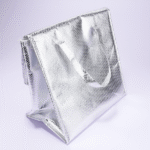
Thermal blankets consist of reflective outer layers and insulating inner layers. Por exemplo, IPC’s CooLiner covers use an ultra-radiant barrier combined with a high-performance bubble layer to block light, ultraviolet radiation and odour transfer. The reflective foil layer deflects external heat, while the insulating core traps air pockets to slow conduction. Some premium blankets, such as CSafe’s Silverskin RE, contain 12-layer compressible insulation and offer height-adjustable designs. These advanced covers include zip-closure doors for easy access and built-in document wallets. By combining reflective surfaces with thick, isolamento multicamadas, thermal blankets maintain stable temperatures during loading, unloading and cross-docking.
Materials and insulation technology used in pallet blankets
Modern pallet blankets employ a variety of materials to deliver lightweight yet effective insulation. Budget-friendly covers often use a bubble-wrap core sandwiched between metalized polyester films. The air-filled bubbles act as pockets of trapped gas that reduce heat transfer, while the shiny exterior reflects radiant energy. These single-use blankets are relatively thin (em volta 5 milímetros), barato (roughly $15–25 per unit) and ideal for shipments where the blanket cannot be retrieved.
Reusable blankets incorporate thicker, isolamento multicamadas. The Silverskin RE datasheet lists 14 layers of compressible multilayer insulation with two durable outer layers and an R-value of 1.01–1.28 (m²·K)/C. Such blankets are height-adjustable to fit both US and EU pallet sizes and often include patent-pending air-security solutions to deter tampering. Weight ranges around 0.19 lb/ft² (925 gsm), and the insulation thickness is about 43 mm—roughly eight times thicker than single-use options.
Premium reusable blankets may also integrate smart sensors. CSafe’s Silverskin RE includes a TracSafe NFC logger that records temperature data and can be read via a mobile app. These sensors enable real-time monitoring, offering visibility into temperature excursions during transit. Conectividade da IoT, as highlighted in cold-chain trends, allows predictive analytics to anticipate equipment failures and alert operators before product quality is compromised.
| Especificação | Typical single-use blanket | Premium reusable blanket | Significado prático |
|---|---|---|---|
| Insulation layers | 1–3 layers of bubble or foam | 12–14 compressible layers | More layers provide higher R-value and longer protection |
| Faixa de temperatura | Suitable for short exposures to heat/cold | Covers +2 °C a +8 °C e +15 °C a +25 °C | Ensures compliance with both refrigerated and controlled room temperature (CRT) bens |
| Valor R | Aproximadamente 0.1 (m²·K)/C | 1.01–1.28 (m²·K)/C | Higher R-value slows heat transfer and extends shipping time |
| Peso | ~0.05 lb/ft² | 0.19 lb/ft² (925 gsm) | Heavier blankets are more durable but may require stronger handling |
| Características | Basic reflective film, no closure | Zip-closure door, document wallet, height adjustability, tamper-evident design | Added features simplify use and enhance security |
Dicas e conselhos práticos
Match the blanket to your pallet size: Standard sizes (48 × 40 inches with heights from 48 para 96 polegadas) exist, but custom dimensions ensure a snug fit. Measure your load carefully and order accordingly.
Use a slip sheet for full enclosure: Placing a slip sheet under the pallet allows you to wrap the bottom and create a continuous thermal “cocoon,” improving protection.
Inspect materials and R-value: Check product specifications for insulation thickness, R-value and reflective coatings. Higher values yield longer temperature stability.
Consider smart features: Integrated sensors like NFC loggers provide real-time temperature data and help with Good Distribution Practice (PIB) documentação.
Weigh reuse vs. disposição: Single-use blankets are convenient when retrieval is unlikely, while reusable options offer long-term cost savings if your logistics are closed loop.
Caso real: In a simulation by QProducts & Serviços, a pallet covered with a PalletQuilt maintained its required temperature for up to 72 hours under varying environmental conditions. This demonstrates how a well-designed blanket can stabilise temperatures even without active refrigeration.
Why are thermal pallet blankets essential for cold chain logistics?
Thermal pallet blankets play a pivotal role in protecting temperature-sensitive goods, from vaccines and biologics to fresh produce and chemicals. They regulate temperatures and shield cargo from fluctuations during shipping, storage and handling. By maintaining stable conditions, blankets help ensure product integrity, segurança e eficácia. Industries such as pharmaceuticals, agriculture and chemicals rely on these passive solutions to extend shipping times, reduce reliance on refrigerated vehicles and prevent spoilage. Compared with conventional pallet wraps that only guard against moisture or dirt, thermal blankets minimise thermal excursions, making them indispensable for Good Distribution Practice compliance.
Thermal blankets also deliver cost efficiencies. Using them as a passive cooling solution can substantially reduce or even eliminate the need for refrigerated trucks. The natural thermal mass of a pallet combined with an insulating blanket provides sufficient temperature protection for many shipments. IPC’s cost comparison shows that a dry van from California to Dallas is around $500 cheaper than a refrigerated van; comprando 26 single-use covers at $15 each still costs less than renting a reefer. Adicionalmente, thermal blankets enable the mixing of products with different temperature requirements in the same truck by isolating sensitive items, improving space utilisation and reducing total transportation costs.
Industries and applications of thermal pallet blankets
Thermal blankets are used across a wide range of industries, each with unique temperature requirements and regulatory obligations:
Farmacêuticos e biológicos: Medicação, vaccines and active pharmaceutical ingredients must remain within precise temperature ranges (often 2–8 °C or 15–25 °C). Insulated covers protect these products during transit and cross-docking, helping companies comply with GDP requirements.
Agriculture and food: Perishable goods like fruits, vegetables and dairy require stable conditions to preserve freshness. Thermal blankets slow temperature changes during long hauls or when pallets sit on the tarmac.
Produtos Químicos: Many water-based chemicals are sensitive to freezing or overheating. By maintaining a narrow temperature window, blankets prevent crystallisation or degradation.
E-commerce and retail: The growth of online grocery and meal-kit services increases the need for passive cooling solutions. Thermal covers support last-mile delivery without bulky refrigeration.
Life sciences and clinical trials: High-value biologics and personalised medicines demand bespoke packaging. Passive blankets with integrated sensors help maintain chain-of-custody and document temperature history.
| Aplicativo | Faixa de temperatura típica | How blankets help | Value to you |
|---|---|---|---|
| Vacinas & Biologics | 2 °C–8 °C ou 15 °C–25 °C | Slows heat gain/loss during transit, reducing risk of temperature excursions and preserving potency | Ensures compliance with regulatory standards and reduces costly product losses |
| Produção fresca | 0 °C–4 °C (refrigerado) | Shields produce from external heat and sunlight, maintaining freshness and extending shelf life | Reduces spoilage and maintains quality during long hauls |
| Produtos Químicos & paint | Acima de zero; avoid crystallisation | Prevents freezing in cold climates and keeps volatile chemicals stable | Protects product integrity and reduces hazardous incidents |
| Kits de refeições & mantimentos | 0 °C–8 °C | Provides a lightweight, disposable solution for last-mile delivery in non-refrigerated vehicles | Cuts shipping costs while meeting customer expectations for chilled goods |
Dicas e conselhos práticos
Plan for shipping environments: Investigate typical temperatures along your shipping lanes. For CRT goods (15–25ºC), evaluate the risk of high ambient temperatures and choose blankets with higher R-values.
Leverage passive blankets for mixed loads: If your truck carries both refrigerated and ambient goods, use insulated covers on pallets that need special care. This eliminates the need for separate reefer equipment.
Coordenar com parceiros logísticos: Work closely with carriers to understand loading sequences, cross-dock times and tarmac exposure. Passive blankets are most effective when integrated into overall handling protocols.
Monitore atualizações regulatórias: Boas Práticas de Distribuição, USP <1079> and IATA Temperature Control Regulations specify requirements for temperature monitoring and validated packaging. Ensure your covers meet these standards.
Consider training and documentation: Educate staff on using passive blankets and capturing temperature data. Proper documentation improves compliance and customer confidence.
Caso real: Pharmaceutical companies have relied on passive blankets for decades. QProducts & Services notes that Big Pharma has been using PalletQuilt and similar covers to ship CRT products on dry equipment, saving energy and reducing costs. Their early work in the food and beverage industry laid the foundation for thermal protection technologies now used in healthcare.
How do you choose the right thermal pallet blanket?
Selecting the right blanket requires balancing performance, custo e sustentabilidade. Your decision should account for the temperature range of your cargo, duração do trânsito, retrieval logistics, e impacto ambiental.
Performance and size: Start by determining how long your shipment will be exposed to non-refrigerated conditions. Higher R-value blankets with more insulation layers provide longer protection. Standard blankets come in sizes such as 48 × 40 × 48 polegadas para 48 × 40 × 96 polegadas, but custom sizes are available. Ensure the blanket covers the entire pallet and consider a slip sheet for bottom insulation.
Considerações de custo: Decide whether a single-use or reusable blanket suits your logistics. Single-use covers typically cost $15–25 per unit. They are ideal when retrieval is impractical (por exemplo, cross-country shipments with multiple distributors). Reusable blankets cost $150–$400 and are viable for closed-loop systems where blankets can be returned and refurbished. Factor in cleaning and repair costs when calculating long-term savings.
Sustentabilidade: Environmental concerns are driving demand for recyclable and biodegradable materials. Polyethylene and polypropylene dominate the market, but they contribute to plastic waste. According to the United Nations Environment Programme, 300 million tons of plastic waste are generated annually. Look for blankets made from recycled polymers or biodegradable films. Opções reutilizáveis reduzem o desperdício, and some manufacturers refurbish blankets after each use.
Smart features and compliance: Sensors that log temperature, humidity and location data help meet GDP requirements. Integrated tracking enables real-time visibility, enhances compliance with IATA regulations and supports predictive analytics.
Single-use vs reusable pallet blankets: cost and sustainability comparison
| Recurso | Single-use blanket | Reusable blanket | O que isso significa para você |
|---|---|---|---|
| Preço | $15–25 per unit | $150–$400 per unit | Lower upfront cost vs long-term investment |
| Expected lifespan | Uma viagem | 25–50 trips (with refurbishment) | Reusable covers amortise cost over multiple shipments |
| Retrieval logistics | No retrieval necessary | Requires closed-loop logistics and return processes | Consider the complexity of your distribution network |
| Impacto ambiental | Generates waste; often made from PE/PP | Reduz o desperdício; durable materials can be recycled | Aligns with sustainability goals |
| Manutenção | Nenhum | Needs cleaning, inspection and occasional repair | Plan for maintenance resources |
| Recursos adicionais | Isolamento básico | Height adjustability, fechos de correr, sensores | Enhances usability and compliance |
Dicas e conselhos práticos
Mapeie sua cadeia de suprimentos: Evaluate where shipments start and end, how many handoffs occur and whether you can retrieve blankets. Use this analysis to decide on single-use versus reusable covers.
Solicite amostras: Before committing to a large purchase, test different blankets in your actual shipping conditions to verify performance.
Assess vendor credibility: Look for suppliers that provide performance testing data, references from similar industries and certifications (por exemplo, ISO 9001 for quality management).
Priorize a sustentabilidade: If sustainability is a core value, choose reusable blankets and establish a return program. Seek out materials derived from recycled plastics or biodegradable films.
Integrate with monitoring: For high-value cargo, select blankets with built-in data loggers or add portable sensors to track temperature history.
Caso real: The CSafe Silverskin RE demonstrates how premium reusable blankets deliver both performance and sustainability. It features 14-layer insulation, height adjustability, a zip-closure door and a patent-pending air-security solution. Após cada uso, the blanket is refurbished through CSafe’s reuse process, illustrating how closed-loop systems can reduce waste and extend product life.
How do you install and maintain thermal pallet blankets?
Proper installation ensures that a thermal blanket performs as designed. A poorly fitted cover can create gaps, allow hot or cold air to seep in and compromise temperature stability. Follow these steps for reliable installation:
Prepare the pallet: Ensure the pallet is fully loaded and boxes are neatly stacked. Any slip sheet or bottom insulation should be placed before loading.
Unfold the blanket: Unfold the cover and confirm it matches the pallet size.
Position the top: Center the top of the blanket over the pallet and drape it evenly across all edges.
Lower the sides: Pull each side down gently, ensuring full coverage to the base of the pallet.
Smooth and adjust: Smooth out wrinkles and adjust the blanket to remove any air pockets.
Seal the flap: If the cover includes an adhesive strip, pull the final side over and press firmly to seal.
Add a slip sheet (opcional): For complete enclosure, fold the bottom slip sheet over the sides and tape it in place.
Verify the fit: Double-check that there are no exposed areas and that the blanket sits snugly around the pallet.
Maintenance depends on whether the blanket is single-use or reusable. Single-use covers typically require no maintenance; no entanto, proper disposal is necessary to minimise waste. Reusable blankets should be cleaned after each trip according to the manufacturer’s instructions. Inspect for tears or punctures and repair small damages to retain insulation integrity. Some companies offer refurbishment services to clean and sanitise blankets before their next use.
Erros comuns e como evitá -los
| Erro | Conseqüência | Solução |
|---|---|---|
| Using the wrong size blanket | Exposed areas allow heat transfer, compromising temperature stability | Measure your load carefully and choose or order the correct dimensions |
| Failing to use a slip sheet | Bottom of pallet remains unprotected, allowing heat or cold to enter | Place a slip sheet under the goods and fold it up to create a cocoon |
| Not smoothing wrinkles | Air pockets reduce insulation effectiveness | Smooth the cover and adjust corners to ensure full contact |
| Neglecting sealing or taping | Unsealed flaps create gaps where air can circulate | Use adhesive strips or tape to secure all sides |
| Over-reliance on blankets without monitoring | Unnoticed excursions can damage products | Pair blankets with data loggers or NFC sensors to track temperatures |
Dicas e conselhos práticos
Train staff thoroughly: Ensure everyone handling blankets knows the installation steps and understands the importance of a snug fit. Create checklists to avoid skipping steps.
Monitor transit times: Passive blankets have limits; plan transit to avoid extended exposures beyond the blanket’s insulation capacity.
Inspecione antes de reutilizar: Check reusable blankets for damage, cleanliness and sensor functionality before redeployment.
Documentar e rastrear: Maintain records of blanket use, cleaning and performance data as part of your GDP documentation.
Descarte com responsabilidade: For single-use blankets, follow recycling guidelines where available to minimise environmental impact.
Caso real: After implementing single-use insulated covers for mixed produce shipments, a food distributor noted reduced spoilage and fewer refunds. By isolating temperature-sensitive pallets, they eliminated the need for a dedicated refrigerated truck and saved thousands in fuel costs.
2026 developments and trends in thermal pallet blankets
The coming years will transform thermal pallet blankets through new materials, smart technologies and regulatory shifts. Market growth is a key driver: the global thermal pallet cover market—valued at $1.2 billion in 2024—is projected to reach $2.5 bilhão por 2033 com uma taxa composta de crescimento anual de 8.5 %. This expansion reflects booming cold chain logistics for pharmaceuticals and fresh food, rising e-commerce demand and greater awareness of product integrity.
Último progresso em um olhar
Foco na sustentabilidade: Businesses are seeking eco-friendly, recyclable pallet covers made from polyethylene and polypropylene alternatives. Companies are experimenting with biodegradable films and recycled polymers to address the 300 million tons of annual plastic waste.
Soluções de embalagens inteligentes: Integration of IoT-enabled sensors allows real-time monitoring of temperature, umidade e choque. Registradores NFC, BLE sensors and cloud platforms provide visibility and support predictive analytics.
Next-gen materials: Research is developing lightweight, high-durability insulation using nanotechnology and advanced coatings. Materiais de mudança de fase, vacuum insulated panels and shape-memory polymers enhance thermal performance while minimising bulk.
Automation and digital logistics: Automated warehouses and AI-driven supply chains require standardised packaging that integrates smoothly with robots and conveyors. Digital twins and route optimisation software help companies simulate disruptions and manage risk.
Evolução regulatória: Stricter GDP guidelines, USP <1079> updates and the EU’s Falsified Medicines Directive are increasing compliance requirements. Certified passive blankets and documentation will become essential.
Crescimento regional: North America remains a mature market, while Asia-Pacific leads growth due to booming e-commerce. Europe adopts stringent regulations, and Latin America expands food and beverage logistics.
Insights de mercado e direções futuras
Sustainability challenges persist. The thermal pallet cover market relies heavily on polyethylene and polypropylene, but there’s rising pressure to reduce plastic dependency. Cold chain logistics already consume 3–4 % da eletricidade global, so passive blankets are seen as a low-energy alternative to refrigerated containers. To accelerate adoption, recycling infrastructure must expand and manufacturers must offer take-back programs. Major players such as DuPont, Insulated Products Corporation, QProducts & Serviços, Softbox Systems and Cold Chain Technologies are investing in material innovations and sustainability initiatives.
Emerging innovations include integrated IoT and AI platforms, which combine real-time data from sensors with predictive analytics to anticipate temperature excursions and optimise routes. Digital twins allow companies to simulate complex supply chains and test contingency plans without risking actual products. Soluções verdes para cadeia de frio, such as solar-powered storage units and energy-efficient vehicles, complement passive blankets to reduce carbon footprints. As personalised medicine grows, patient-centric logistics require smaller, more agile cold chain solutions for direct delivery to infusion centres or patients’ homes.
Para 2026, expect continued convergence of passive insulation, smart monitoring and sustainable materials. Companies that embrace these trends will improve product safety, reduce operational costs and align with environmental goals.
Perguntas frequentes
What temperature ranges do thermal pallet blankets support?
Most blankets are designed to protect chilled goods (2–8 ° C.) and controlled room temperature goods (15–25ºC). Premium blankets like Silverskin RE specify temperature ranges for both zones. When using passive blankets, verify that they meet your product’s stability requirements and plan for the anticipated transit duration.
Are thermal pallet blankets reusable or disposable?
Both options exist. Single-use blankets are inexpensive (about $15–25 each) and convenient when retrieval is impractical. Reusable blankets cost more upfront ($150–$400), but can be refurbished and used for many cycles. Choose based on your logistics network and sustainability goals.
How do thermal pallet blankets compare to refrigerated trucks in terms of cost savings?
Using insulated blankets with a dry van can save hundreds of dollars per trip. Por exemplo, shipping a full truckload from California to Dallas costs roughly $500 less on a dry van than on a refrigerated van; comprando 26 single-use covers still results in net savings. Blankets also reduce fuel consumption and lower carbon emissions.
Do thermal pallet blankets meet regulatory standards like GDP and IATA?
Blankets are passive packaging components, but they must be part of a validated cold chain system. Boas Práticas de Distribuição (PIB) and USP <1079> exigem equipamento validado, monitoramento de temperatura e documentação. Some reusable blankets incorporate sensors and tamper-evident features to support compliance.
Can blankets be used with other temperature-control methods?
Sim. Thermal blankets are often combined with gel packs, phase-change materials or active cooling to extend protection. They can also be used inside refrigerated vehicles to buffer against door openings. The key is to design a system that meets your product’s temperature profile and transit duration.
Resumo e recomendações
Thermal pallet blankets provide a simple yet powerful way to protect temperature-sensitive goods. By creating a thermal barrier around your pallet, they shield cargo from heat and cold, extend shipping times and reduce reliance on energy-intensive refrigerated equipment. Standard blankets are affordable and convenient for one-way shipments, while reusable models offer advanced features such as multi-layer insulation, height adjustability and integrated sensors. When selecting a blanket, evaluate your product’s temperature range, transit duration and supply-chain complexity. Consider sustainability goals and regulatory requirements, and opt for materials that reduce waste and carbon footprints. Proper installation, staff training and monitoring will ensure that your blankets perform as intended and support Good Distribution Practice compliance.
ACTO ACEDIVO PRÓXIMO PASSOS
Audite sua cadeia de frio atual: Mapeie suas rotas de envio, identify temperature-sensitive products and determine where passive blankets can replace or supplement refrigerated equipment.
Select appropriate blankets: Compare single-use and reusable options based on insulation performance, custo, retrieval logistics and sustainability criteria. Request samples and test them under real-world conditions.
Integrar monitoramento: Equip blankets with data loggers or pair them with portable sensors to capture temperature history and demonstrate compliance.
Treine sua equipe: Develop standard operating procedures for installation, documentation and maintenance. Regularly review performance data and update procedures as needed.
Review suppliers and materials: Partner with providers that prioritise innovation, sustentabilidade e conformidade regulatória. Ask about take-back programs, recycled materials and upcoming product developments.
Planejar 2026: Stay informed about new regulations, sustainability initiatives and technological advances. Evaluate emerging solutions such as smart blankets, nanomaterial insulation and AI-enabled monitoring to maintain a competitive edge.
Sobre Tempk
Tempk is a specialist in cold chain packaging and insulation. We design and manufacture a wide range of solutions—from gel packs and insulated bags to thermal pallet covers—that keep your products within their required temperature ranges. Nosso R&D centre focuses on developing sustainable, high-performance materials that reduce waste and enhance thermal performance. We operate under rigorous quality management standards and adhere to Good Distribution Practices. Our global distribution network and responsive customer service ensure that you receive the right solutions when and where you need them. Se você está enviando produtos farmacêuticos, fresh food or industrial chemicals, Tempk can customise a thermal pallet blanket or insulation system to meet your exact requirements.
Vamos manter seus produtos seguros
If you’re ready to improve your cold chain, entre em contato com nossos especialistas. We can help you choose the right thermal pallet blankets, integrate monitoring solutions and develop a sustainable packaging strategy. Reach out for a personalised consultation and ensure your temperature-sensitive goods arrive safely and efficiently.