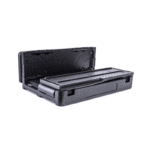
Um painel isolado a vácuo (VIP) contêiner isolado é mais que um refrigerador. Ele foi projetado para remessas de alto valor que não podem se estragar – como seus produtos à base de carne. Um confiável Recipiente isolado VIP mantém a temperatura interna para manter a carne sob 40 °F, usa menos refrigerante, pesa menos que caixas de espuma e pode proteger uma remessa para 72 horas ou mais. Este guia explica como a tecnologia funciona, por que ela supera as embalagens de espuma tradicionais e o que você precisa saber para escolher o recipiente certo para o seu negócio em 2025.
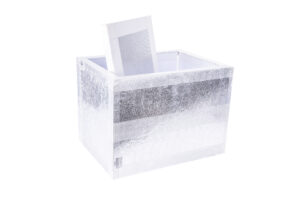
Entenda os contêineres VIP: saiba por que os contêineres com isolamento VIP são a opção premium para transporte de carne e como eles reduzem a transferência de calor.
Domine a tecnologia: explore a ciência por trás dos painéis de isolamento a vácuo, como eles removem quase todo o ar para criar uma barreira térmica eficaz e por que isso é importante para a qualidade da carne.
Selecione e use contêineres: obtenha dicas práticas sobre dimensionamento, opções de embalagem e refrigerante que maximizam o desempenho enquanto mantêm a carne abaixo 40 °F.
Compare materiais: veja como os contêineres VIP se comparam à espuma e outros isolantes em termos de resistência térmica, peso, custo e sustentabilidade.
Siga as tendências: entender as inovações emergentes, desde refrigeradores híbridos VIP e movidos a energia solar até materiais sustentáveis e impulsionadores regulatórios que moldam a logística da cadeia de frio em 2025.
O que torna os contêineres isolados VIP ideais para transporte de carne?
Os contêineres VIP são projetados especificamente para alto valor, remessas sensíveis à temperatura. Ao contrário do poliestireno expandido (EPS) refrigeradores ou caixas de espuma reutilizáveis, Os contêineres isolados VIP combinam uma película externa resistente com painéis de vácuo bem ajustados, produzindo desempenho de isolamento que supera em muito os materiais tradicionais. Esses painéis não precisam de um revestimento externo volumoso, então os recipientes podem ser menores e mais leves, permitindo que você envie mais carne por remessa pagando menos frete. Desempenho térmico superior significa que sua carne permanece sob 40 °F por períodos mais longos com menos bolsas de gelo ou gel, reduzindo custos de consumíveis e impacto ambiental. O design multicamadas patenteado em alguns modelos, como o sistema DCS da ThermoSafe, fornece quatro camadas de proteção térmica e resiste ao manuseio brusco.
Por que VIP é o padrão ouro para controle de temperatura
Os painéis de isolamento a vácuo removem quase todo o ar entre os materiais do núcleo, criando uma barreira extremamente eficaz contra a condução, convecção e radiação. O ar é um mau condutor quando preso, e evacuando-o, os painéis fornecem um valor R mais que o dobro do poliestireno ou espuma de poliuretano. De acordo com ThermoSafe, seus transportadores VIP combinam um filme estrutural resistente com um ajuste preciso do painel para superar o desempenho das caixas de espuma EPS. O resultado é menor, embalagem mais leve que reduz os custos de frete e requer menos líquido refrigerante, ao mesmo tempo que oferece prazos de envio estendidos. Além disso, Os contêineres VIP são duráveis — eles não precisam de um invólucro protetor extra e podem resistir a testes de queda sob condições de gelo seco.
Quando você envia carne, cada libra conta. Menos peso da embalagem significa menor peso dimensional (Escurecido) cobranças e mais espaço para seu produto. Um contêiner VIP que mantém a temperatura por dois a seis dias com o mínimo de gelo seco pode permitir que você selecione, métodos de envio mais baratos sem comprometer a segurança. Essa combinação de desempenho e eficiência é a razão pela qual os contêineres isolados VIP são considerados o padrão ouro para o transporte de alimentos e produtos farmacêuticos de alto valor..
Mergulho profundo: Desempenho VIP versus recipientes de espuma
Recipientes isolados a vácuo são frequentemente comparados com EPS e polipropileno expandido (PPE) refrigeradores de espuma. A tabela abaixo resume as principais diferenças:
| Recurso | Contêiner VIP | Refrigerador de espuma | Significado |
| Resistência térmica (Valor R) | Alto – mais que o dobro do poliestireno | Moderado a bom dependendo da espessura da parede | Um valor R mais alto significa maior tempo de manutenção da temperatura e menos uso de refrigerante. |
| Espessura e tamanho da parede | Painéis finos (~0,5–1,5 pol.) permitir designs compactos | Paredes grossas (1–3 pol.) necessário para desempenho semelhante | Os contêineres VIP acomodam mais carga útil por remessa, reduzindo custos de frete e peso volumétrico. |
| Peso | Leve porque não é necessária nenhuma capa protetora | Mais pesado devido à espuma volumosa e à caixa externa | Menores custos de envio e manuseio mais fácil. |
| Requisito de refrigerante | Menos pacotes de gelo seco ou gel necessários graças ao isolamento superior | Mais refrigerante necessário para duração semelhante | Reduz os custos de consumíveis e reduz o risco de o pacote ser classificado como perigoso. |
| Reutilização & durabilidade | Película externa durável e design testado contra quedas; alguns são reutilizáveis | Alguns refrigeradores de espuma são reutilizáveis, mas estão sujeitos a danos | A reutilização reduz o custo do ciclo de vida e o impacto ambiental. |
| Impacto ambiental | Embalagens menores geram menos resíduos e menor consumo de energia | Resíduos de espuma muitas vezes não recicláveis; volumoso, mais emissões de frete | Os contêineres VIP estão alinhados com as metas e regulamentações de sustentabilidade. |
Dicas práticas para usar contêineres VIP
Pré-resfrie sua carne e seu recipiente: Recipientes VIP mantêm a temperatura; eles não abaixam. Certifique-se de que sua carne já esteja na temperatura desejada (abaixo 40 °F para carne fresca ou congelada para -20 Remessas °C) antes de embalar. Resfrie o recipiente em uma sala fria para evitar um pico inicial de temperatura.
Dimensione corretamente o seu refrigerante: Porque o isolamento VIP é eficiente, você pode usar menos gelo seco ou pacotes de gel. Por exemplo, um pequeno remetente Duramark VIP mantém -20 °C durante dois dias com apenas 3 lb de gelo seco, e a 10.4 O tamanho L mantém -20 °C durante seis dias com 13 Libra. Evite sobrecarregar; gelo extra seco pode classificar seu pacote como perigoso.
Preencha o espaço vazio: A circulação de ar acelera a transferência de calor. Preencha as lacunas com almofadas de isolamento ou embalagens de amendoim para estabilizar a temperatura.
Selar e etiquetar adequadamente: Vedações apertadas evitam a infiltração de ar. Etiquete os pacotes para orientação (este lado para cima) e “Perecível: Manter refrigerado/congelado” para garantir que os manipuladores os tratem adequadamente.
Exemplo do mundo real: Uma empresa especializada em carne bovina trocou refrigeradores EPS de 1 polegada por contêineres VIP para suas remessas internacionais. Com caixas EPS, a empresa precisava 10 kg de gelo seco e transporte noturno para manter a carne congelada. Depois de adotar pequenos remetentes VIP, manteve -20 ° C para 48 horas usando apenas 3 lb de gelo seco. A embalagem mais leve reduziu os custos de frete em 25 %, e a empresa começou a usar transporte terrestre de dois dias sem reclamações de deterioração.
Como funciona a tecnologia de painel isolado a vácuo no transporte de carne?
Os painéis de isolamento a vácuo criam uma barreira quase perfeita contra a transferência de calor, removendo o ar de um núcleo poroso e selando-o em uma película de alta barreira. O calor se move por condução, convecção e radiação. Ao eliminar o ar – o principal meio de condução e convecção – os VIPs reduzem o fluxo de calor a quase zero. O núcleo geralmente é feito de sílica ou fibras de vidro, materiais com condutividade térmica inerentemente baixa, enquanto a película externa evita vazamento de ar e entrada de umidade. Este desenho produz 10 vezes mais desempenho de isolamento do que materiais convencionais.
Do princípio da garrafa térmica ao recipiente da cadeia de frio
O isolamento a vácuo foi originalmente aplicado em garrafas térmicas e posteriormente adotado para expedidores médicos. Em um contêiner isolado VIP, vários painéis revestem as paredes, piso e tampa. O ajuste justo do painel e uma película externa rígida criam uma barreira térmica contínua. A ausência de ar significa que não há meio de convecção; a condução ocorre apenas através do núcleo sólido, que tem condutividade térmica muito baixa. A radiação é minimizada por camadas reflexivas dentro do painel. Alguns contêineres também integram materiais de mudança de fase (PCMs) ou pacotes de gel para estabilizar temperaturas.
A ciência ganha vida nos expedidores VIP da ThermoSafe. Sua película estrutural externa resistente e montagem precisa do painel proporcionam desempenho térmico superior e eliminam a necessidade de um invólucro protetor de EPS. Na prática, isso significa mais volume utilizável e menos peso. O sistema DCS adiciona quatro camadas de proteção, ajudando os contêineres a resistir ao manuseio brusco. Os contêineres VIP TemPak™ da Cryopak usam tecnologia semelhante e são ideais para o envio de materiais de alto valor que exigem controle rigoroso de temperatura.
O papel dos materiais de mudança de fase (PCM) e PCMs
Materiais de mudança de fase armazenam e liberam grandes quantidades de energia durante a transição entre as fases sólida e líquida. Quando combinado com isolamento VIP, PCMs podem manter uma temperatura consistente por dias. A Thermal Custom Packaging relata que seus painéis de remessa VIP emparelhados com PCMs mantêm as cargas congeladas na temperatura desejada por mais de 72 horas. Os PCMs são alojados em invólucros de HDPE recicláveis e contêm soluções não tóxicas, tornando-os seguros e ecológicos. Como os PCMs são específicos da temperatura, você pode selecionar unidades para refrigeração (2–8 ° C.) ou remessas congeladas (–20 °C) e projetar pacotes para manter essas faixas sem eletricidade.
| Componente | Descrição | Função | Beneficiar |
| Painel isolado a vácuo | Núcleo poroso (sílica, fibra de vidro) selado em um hermético, filme multicamadas | Bloqueia a condução e a convecção removendo o ar; camadas reflexivas reduzem a radiação | Fornece condutividade térmica extremamente baixa e tempo de retenção de temperatura prolongado |
| Material de mudança de fase (PCM) | Materiais projetados para derreter/solidificar em temperaturas específicas; envolto em plástico reciclável | Absorve ou libera calor latente para manter uma temperatura constante durante a mudança de fase | Mantém a carne na temperatura desejada por vários dias sem eletricidade; reciclável e não tóxico |
| Filme externo & estrutura | Filme de alta resistência e revestimento externo rígido; gota testada sob condições de gelo seco | Protege painéis e conteúdos contra danos físicos; elimina a necessidade de um invólucro EPS volumoso | Reduz o peso e as taxas de DIM; aumenta a durabilidade |
| Recursos integrados | Projetos multicamadas, alças, sensores e monitores IoT | Fornece quatro camadas de proteção térmica e rastreabilidade para conformidade regulatória | Permita o monitoramento em tempo real e a conformidade com os regulamentos da FSMA e do GDP |
Dicas para maximizar o desempenho VIP e PCM
Combine o PCM com o seu produto: Escolha PCMs que derretam logo abaixo da temperatura alvo. Para carne fresca (2–8 ° C.), selecione PCMs com uma mudança de fase em torno 5 °C; para carne congelada (–20 °C), usar -20 °CPCMs.
Camada com inteligência: Coloque PCMs acima e abaixo do seu produto. O frio desce; a estratificação garante uma distribuição uniforme da temperatura e evita pontos de acesso.
Entenda as condições ambientais: Tempo de trânsito, a temperatura externa e o volume da caixa determinam quanto PCM ou gelo seco você precisa. Use registradores de dados para verificar o desempenho e ajustar os pacotes de acordo.
Remessas de teste: Execute remessas piloto sob condições esperadas com sondas de temperatura para validar sua embalagem. Esta etapa garante a conformidade regulatória e a satisfação do cliente.
Estudo de caso: Um exportador de frutos do mar combinou painéis VIP com PCMs para remessas do Alasca ao Japão. A carga continha salmão que exigia -10 °C. Com 5 kg de PCM por caixa, o exportador manteve uma posição consistente -10 °C por três dias, mesmo quando as temperaturas exteriores atingiram 30 °C. As remessas chegaram dentro das especificações, e a empresa reduziu o peso do refrigerante em 40 % em comparação com sua configuração anterior de EPS/gelo seco.
Como escolher e usar contêineres isolados VIP para transporte de carne
A seleção do recipiente VIP certo depende da sensibilidade do seu produto à temperatura, duração do trânsito e restrições de custo. Os contêineres VIP vêm em vários tamanhos e configurações: pequenas encomendas para remessas diretas ao consumidor, contêineres médios para distribuição regional, e grandes unidades paletizadas para remessa internacional. A tecnologia VIP agora está disponível em refrigeradores de 20 pés e 40 pés com opções para zonas duplas de temperatura. A tecnologia normalmente mantém temperaturas entre –30 °C e +30 °C no transporte multimodal.
Avaliando seus requisitos de remessa de carne
Comece identificando a faixa de temperatura segura do seu produto. Carne fresca, aves e suínos devem permanecer abaixo 40 °F para evitar o rápido crescimento bacteriano, enquanto a carne congelada deve ser mantida a –20 °C ou menos. Próximo, determine sua duração típica de trânsito. Para entregas noturnas ou de dois dias, pequenos transportadores VIP ou revestimentos isolados podem ser suficientes. Para remessas com duração de 3 a 6 dias, escolha contêineres com painéis mais grossos e maior capacidade de PCM. Para remessas internacionais ou a granel, considere refrigeradores VIP ou contêineres super freezer que mantêm –60 °C para produtos biológicos e alimentos especiais.
Outros fatores incluem:
Volume e peso da carga útil: O volume interno de um contêiner deve corresponder à quantidade do seu produto. Caixas grandes desperdiçam espaço e exigem mais refrigerante, enquanto contêineres subdimensionados restringem o fluxo de ar.
Conformidade regulatória: As remessas de carne devem aderir à Lei de Modernização da Segurança Alimentar (FSMA) requisitos, que exigem monitoramento contínuo de temperatura e rastreabilidade. Muitos contêineres VIP integram sensores IoT e suportam registro de dados.
Logística de devolução: Decida se seus contêineres serão de uso único ou parte de um ciclo retornável. Os contêineres VIP reutilizáveis oferecem longa vida útil e podem reduzir custos 20 % ao longo do tempo devido à necessidade reduzida de refrigerante e ao desperdício minimizado.
Metas de sustentabilidade: Procure recipientes feitos de materiais recicláveis ou que minimizem a pegada de carbono. Painéis de isolamento a vácuo de alta tecnologia reduzem o consumo de energia e as emissões de carbono.
Embalando seu contêiner VIP corretamente
Siga estas etapas para garantir que sua remessa de carne permaneça segura:
Condição prévia todos os componentes – congele sua carne até a temperatura desejada e resfrie o recipiente e os PCMs de acordo.
Coloque uma camada de PCM ou gelo seco no fundo do recipiente, em seguida, adicione uma camada de material isolante (por exemplo, almofada ondulada).
Carregar pacotes de carne em um único, camada compacta. Evite deixar grandes vazios para minimizar o movimento do ar.
Adicione camadas PCM adicionais acima e ao redor do produto. Para carne congelada, garantir que o gelo seco esteja adjacente à carne; a regra é que, enquanto algum gelo seco permanecer perto do produto, permanece congelado.
Preencha o espaço vazio com enchimento (plástico bolha, papel) para evitar deslocamento e manter bolsas de ar frio.
Sele o recipiente firmemente usando o mecanismo de fechamento do fabricante. Rotule os pacotes com instruções de manuseio e requisitos de temperatura.
Monitore remessas usando registradores de dados ou sensores. Muitos contêineres VIP integram monitoramento IoT que transmite dados de temperatura e localização em tempo real para garantir a conformidade com os regulamentos FSMA e GDP.
Exemplo: Uma empresa de carne por correspondência envia 10 lb pacotes de bife. Ao selecionar um 3.2 Remetente VIP L Duramark, a empresa mantém o produto em -20 °C por dois dias usando 3 lb de gelo seco. Para rotas mais longas (cinco dias), ele escolhe o 10.4 Modelo L com PCM adicional e 13 lb de gelo seco, mantendo a temperatura por seis dias. A empresa também usa sensores IoT para registrar dados de temperatura para cada remessa, garantindo a conformidade regulatória e reduzindo reclamações.
Dicas do usuário para diferentes cenários
Entregas locais (1–2 dias): Use revestimentos isolados VIP ou pequenas caixas com pacotes de gel. Pré-resfrie tudo e evite encher demais com refrigerante.
Remessas regionais (3–4 dias): Selecione contêineres VIP de médio porte com PCMs integrados. Combine pacotes de gel e uma pequena quantidade de gelo seco; pacotes de teste para otimizar a quantidade.
Remessas internacionais ou a granel (>5 dias): Escolha grandes contêineres refrigerados VIP ou super freezers com reserva de energia integrada. Inclua zonas de temperatura dupla se estiver enviando cargas mistas, como filés e salsichas.
Caso: Um distribuidor de carne que envia para a Ásia adotou uma 40 Reefer VIP de cubo alto de pés com zonas duplas para enviar carne suína e aves em um contêiner. O design de zona dupla permitiu manter –20 °C para carne de porco congelada e +4 °C para aves resfriadas simultaneamente. Ao consolidar remessas, eles reduziram o custo do frete por quilograma em 30 %, e o isolamento melhorado reduziu o consumo de energia 25 %.
VIP vs contêineres isolados tradicionais: benefícios e compensações
Os contêineres VIP oferecem desempenho térmico significativamente melhor, eficiência de tamanho e sustentabilidade em comparação com recipientes de espuma tradicionais. No entanto, eles têm um custo inicial mais alto. Compreender as compensações ajuda a justificar o investimento.
Comparando desempenho e custo de isolamento
Resistência térmica: Os painéis VIP oferecem resistência térmica mais que o dobro da espuma de poliestireno ou poliuretano. Alguns produtos va Q tec afirmam ter um isolamento dez vezes melhor do que os materiais convencionais. Com um valor R mais alto, você precisa de menos espessura de isolamento, significando mais espaço utilizável e menos refrigerante.
Tamanho e peso do contêiner: As caixas de espuma tradicionais requerem paredes grossas (1–3 pol.) para conseguir um isolamento adequado, o que aumenta o tamanho e o custo de envio. Os contêineres VIP podem ter espessuras de parede tão baixas quanto 0.5 em., tornando-os compactos e leves.
Uso de refrigerante: Os refrigeradores de espuma geralmente precisam de grandes quantidades de pacotes de gel ou gelo seco para manter a temperatura. Os contêineres VIP podem manter -20 °C por dois dias usando apenas 3 lb de gelo seco; a mesma duração exigiria muito mais gelo seco em um recipiente de espuma. Menos refrigerante reduz custos e classificação de perigo.
Durabilidade e reutilização: Os contêineres VIP possuem películas externas robustas que resistem a quedas e manuseio brusco, e muitos são projetados para uso repetido. Os resfriadores de espuma costumam ser de uso único ou se degradam após alguns ciclos. A reutilização reduz os custos a longo prazo e apoia os esforços de sustentabilidade.
Impacto ambiental: Os contêineres VIP reduzem o consumo de energia e as emissões de carbono, minimizando o refrigerante e permitindo métodos de envio mais lentos. Horizonte ArcticStore de Titã, por exemplo, combina painéis VIP com um telhado pronto para energia solar para reduzir o consumo de energia em 55 %. Embalagem de espuma, por contraste, é volumoso, muitas vezes não reciclável, e gera mais resíduos.
Equilibrando custo com valor
A tecnologia VIP custa mais antecipadamente. No entanto, estudos mostram que a combinação de painéis VIP com isolamento de poliuretano (PU VIP) pode reduzir os custos totais de transporte da cadeia de frio em cerca de 20 % porque o recipiente requer menos refrigerante e é reutilizável. Se você faz remessas frequentes ou envia carne de alto valor, o peso de envio reduzido, o tempo de espera prolongado e o menor desperdício muitas vezes superam o preço inicial mais alto. Adicionalmente, conformidade regulatória e satisfação do cliente têm valor intangível. Os clientes que recebem produtos bem protegidos são mais propensos a fazer novos pedidos e deixar comentários positivos.
Cenário: Uma startup que vende cordeiro premium inicialmente vem com refrigeradores de espuma convencionais e muitos pacotes de gel. As caixas eram grandes, os custos de envio eram altos, e atrasos ocasionais causaram deterioração. Mudando para contêineres VIP reutilizáveis emparelhados com PCMs, a empresa reduziu os custos de refrigerante em 35 %, reduzir o peso do transporte em 20 %, e eliminou eventos de deterioração. Embora cada contêiner custe mais, o período de retorno foi inferior a seis meses devido à redução de consumíveis e taxas de envio.
2025 inovações e tendências em transporte VIP de carne
Visão geral da tendência
A logística da cadeia de frio está evoluindo rapidamente, impulsionado pelo crescimento do comércio eletrônico, regulamentações mais rígidas de segurança alimentar e metas de sustentabilidade. De acordo com o Tempk 2025 atualização da indústria, o comércio global de alimentos perecíveis ultrapassou 740 milhões de toneladas métricas em 2023, e sobre 90 % das remessas de vacinas exigiram logística da cadeia de frio. O mercado global de embalagens da cadeia de frio é avaliado em $27.7 bilhão em 2025 e está projetado para atingir $102.1 bilhão por 2034, um 15.6 % taxa composta de crescimento anual. Só as cadeias de frio farmacêuticas são avaliadas em $65 bilhão e deverá dobrar na próxima década. Esses números ressaltam a importância de uma gestão eficiente, controle de temperatura sustentável.
A tecnologia VIP continua a melhorar. As inovações incluem isolamento híbrido combinando VIP com poliuretano e aerogel, sensores IoT integrados para monitoramento em tempo real, e contêineres com refrigeração movida a energia solar. Por exemplo, O ArcticStore Horizon da Titan usa painéis VIP e um teto inclinável pronto para energia solar para reduzir o consumo de energia em 55 %. Os avanços na fabricação também estão reduzindo os custos dos painéis e permitindo a produção em massa para aplicações no nível do consumidor, como forros de kit de refeição.
Resumo das últimas inovações
Reefers VIP de zona dupla: Contêineres que mantêm zonas de temperatura separadas permitem que os expedidores combinem produtos congelados e refrigerados em uma única carga. Essa flexibilidade economiza espaço e reduz custos de frete.
Contêineres VIP assistidos por energia solar: Integrar painéis solares com isolamento VIP reduz o consumo de energia em mais de metade, reduzindo emissões e custos operacionais.
Isolamento híbrido PU VIP: A combinação de espuma de poliuretano com painéis VIP reduz custos ao mesmo tempo que proporciona alto desempenho térmico e durabilidade. Estudos indicam até 20 % economia nos custos de transporte da cadeia de frio.
IoT e análise preditiva: Sensores incorporados em contêineres VIP monitoram temperatura e localização, alimentando dados em modelos preditivos que ajustam a logística em tempo real. Isto apoia a conformidade com os regulamentos FSMA e EPR europeus.
Materiais sustentáveis: Empresas como a va Q tec utilizam painéis de isolamento a vácuo feitos com materiais recicláveis e produzem seus próprios PCMs. Estes produtos proporcionam um desempenho de isolamento dez vezes superior ao dos materiais convencionais e reduzem o consumo de energia e a pegada de carbono.
Insights de mercado
Os consumidores esperam cada vez mais embalagens sustentáveis. Muitos estados e países estão implementando a responsabilidade estendida do produtor (Epr) regulamentos que penalizam embalagens desperdiçadas e recompensam sistemas reutilizáveis. Os contêineres VIP se alinham com essas tendências porque são reutilizáveis, durável e requer menos refrigerante. As empresas que adotam a tecnologia VIP antecipadamente podem se diferenciar, reduzir taxas de resíduos e atender aos requisitos regulatórios. À medida que a fabricação de painéis aumenta e os custos diminuem, Soluções VIP se tornarão acessíveis para expedidores menores.
Perguntas frequentes
Por quanto tempo um recipiente isolado VIP pode manter a carne fria?
Um contêiner isolado VIP devidamente embalado pode manter temperaturas congeladas abaixo de –20 °C por dois a seis dias com o mínimo de gelo seco. Com materiais de mudança de fase projetados para temperaturas refrigeradas, recipientes podem manter a carne abaixo 40 °F por até 72 horas. A duração real depende da temperatura ambiente, peso da carga útil e quantidade de refrigerante.
Qual é a diferença entre contêineres VIP e refrigeradores de espuma?
Os contêineres VIP usam painéis de vácuo que removem o ar, reduzindo drasticamente a transferência de calor e proporcionando mais que o dobro da resistência térmica da espuma. Os refrigeradores de espuma dependem de bolsas de ar e requerem paredes mais espessas, tornando-os maiores e menos eficientes. Os contêineres VIP são mais leves, usa menos refrigerante e pode ser reutilizado.
Os recipientes VIP são seguros para alimentos??
Sim. Os recipientes VIP usam materiais seguros para alimentos e películas externas duráveis. Modelos de empresas como ThermoSafe e Cryopak são testados contra quedas e atendem aos padrões internacionais para remessa de alimentos e produtos farmacêuticos.
Os contêineres VIP exigem gelo seco ou PCMs?
O isolamento VIP retarda a transferência de calor, mas não produz frio. Você ainda precisa de uma fonte fria. Para carne congelada, gelo seco é comum; um pequeno remetente VIP pode manter -20 °C durante dois dias com apenas 3 lb de gelo seco. Para remessas refrigeradas, PCMs ou pacotes de gel podem ser suficientes. A escolha depende dos requisitos de temperatura e do tempo de trânsito.
Os contêineres VIP são ecologicamente corretos??
Os contêineres VIP geram menos resíduos porque são reutilizáveis e requerem menos refrigerante. Também reduzem o consumo de energia e as emissões de carbono porque o isolamento melhorado reduz a carga nos sistemas de refrigeração. Alguns modelos utilizam materiais recicláveis e são produzidos sob processos sustentáveis.
Resumo e próximos passos
Contêineres isolados VIP estão transformando o transporte de carne. Evacuando o ar e usando filmes de alta barreira, esses recipientes alcançam resistência térmica superior, mantendo a carne com segurança abaixo 40 °F ou -20 °C por dias. Eles pesam menos, ocupam menos espaço e usam menos refrigerante do que os refrigeradores de espuma, reduzindo custos de frete e apoiando metas de sustentabilidade. A tecnologia, combinado com materiais de mudança de fase e monitoramento IoT, oferece controle confiável de temperatura e conformidade regulatória em 2025 e além. Embora os contêineres VIP custem mais antecipadamente, sua durabilidade e eficiência geralmente reduzem os custos gerais de envio, 20 % ou mais.
Pronto para atualizar seu transporte de carne? Aqui está um plano passo a passo:
Avalie suas remessas: Identifique os requisitos de temperatura e durações típicas de trânsito. Registre as condições ambientais para suas rotas.
Selecione um tamanho de contêiner: Escolha transportadores VIP ou frigoríficos que correspondam ao seu volume de carga útil e considere contêineres de zona dupla para cargas mistas.
Planeje seu refrigerante: Determine se o gelo seco, PCMs ou uma combinação é apropriada. Teste pacotes com registradores de temperatura para validar o desempenho.
Implementar monitoramento: Use contêineres VIP com sensores IoT integrados ou adicione registradores de dados para rastrear temperatura e localização para conformidade e controle de qualidade.
Rever a sustentabilidade e a logística de devolução: Avalie se os contêineres reutilizáveis se adequam ao seu modelo de negócios e configure ciclos de retorno para maximizar o ROI.
Seguindo este guia, você pode enviar carne com segurança para toda a cidade ou para todo o mundo, sabendo que seus clientes receberão com segurança, produtos de alta qualidade.
Sobre Tempk
A Tempk é uma empresa de tecnologia de cadeia de frio especializada em embalagens isoladas a vácuo e materiais de mudança de fase. Nossos contêineres VIP utilizam painéis de isolamento a vácuo de nível aeroespacial que oferecem dez vezes o desempenho térmico dos materiais convencionais. Projetamos nossas próprias pastilhas de PCM para manter faixas rigorosas de temperatura, e nossa engenharia interna garante que cada produto atenda a rigorosas, testes de impacto e vibração. Com soluções que vão desde pequenos kits de refeições até grandes refrigeradores de zona dupla, ajudamos empresas alimentícias e farmacêuticas a reduzir a deterioração, reduzir o uso de energia e atender às regulamentações em evolução.
Próximo passo: Fale com nossos especialistas para combinar um contêiner com isolamento VIP às suas necessidades específicas de transporte de carne. Analisaremos suas rotas, cargas úteis e requisitos regulatórios e recomendar uma solução personalizada que equilibre o desempenho, custo e sustentabilidade.