Manter a integridade do produto na logística moderna exige mais do que bolsas de gelo e espuma. Today’s VIP refrigerated shipping containers, equipado com Sensores habilitados para IoT, are engineered for extreme temperature control. VIP significa painel isolado a vácuo – a super insulating technology that retains heat or cold far better than traditional foam. Paired with IoT tracking, these containers provide real time temperature, dados de umidade e localização, allowing operators to intervene before products spoil. As of December 2025, the global cold chain industry is projected to reach USD 372 bilhão por 2029, e acima 85 % of biologics require precise temperature management. This guide explains why VIP containers coupled with IoT sensors deliver unmatched protection for pharmaceuticals, alimentos e outros bens perecíveis.
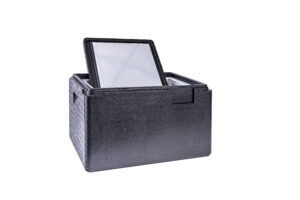
What makes vacuum insulated panels so effective? – The science behind super insulation and how VIPs enable compact, long lasting containers.
How do IoT sensors transform cold chain logistics? – From real time monitoring to 5G satellite connectivity, discover how smart sensors improve visibility and reduce waste.
Which type of cold chain solution suits your product? – Comparing active versus passive systems and how VIP containers fit into each.
What factors should you consider when selecting a container? – Temperature range, duração, complexidade da rota, sustainability and budget.
Quais são as últimas tendências para 2025? – AI route optimisation, blockchain traceability and sustainable materials shaping the next generation of cold chain technology.
What makes vacuum insulated panels so effective in refrigerated shipping containers?
Resposta direta
Painéis isolados a vácuo (VIPs) deliver up to five to ten times better thermal resistance than conventional insulationiea-ebc.org, allowing containers to maintain temperature stability for 120 horas ou mais. These panels are thin, rigid boards filled with porous core materials such as fumed silica and sealed in a gas tight envelope. Removing air from the panel drastically reduces conductive and convective heat transfer. Because heat has fewer paths to escape, VIPs provide high R values in minimal thickness, making containers lighter and more space efficient. In passive systems, VIPs are often combined with phase change materials (PCMs) and protective cases to create a high performance cold chain solution that functions without electricity.
Explicação expandida
Imagine wrapping a product in a thermos bottle that never sweats or leaks. Traditional foam or polystyrene insulation acts like a thick winter jacket – effective but bulky. Vacuum insulated panels act more like a high tech survival blanket, delivering far more insulation with only a few centimetres of thickness. According to the International Energy Agency, VIP insulation performance is five to ten times better than conventional materialsiea-ebc.org. This means a container using VIPs can maintain its internal temperature far longer while remaining lightweight. Peli BioThermal’s Crēdo Cargo containers use VIP panels with high performance PCMs to provide stable temperatures for over 120 horas sem eletricidade, dry ice or batteries, making them ideal for long distance shipments or delays. VIPs also allow more payload capacity because less space is taken up by insulation, reducing shipping costs for weight sensitive goods. Quando combinado com PCMs, VIP containers can maintain specific temperature ranges (such as 2–8 °C, 15–25 °C or below –18 °C) across various climates.
Comparison of insulation technologies
| Tecnologia | Typical insulation value | Duração típica (passiva) | O que isso significa para você |
| Poliestireno expandido (EPS) espuma | R value ~3.8–4.2 per inch | 24–48 h when combined with gel packs | Affordable and disposable but bulky; suited for short journeys or low sensitivity items. |
| Espuma de poliuretano | R value up to 6.5 por polegada | 48–72 h with gel packs | Higher insulation than EPS; reusable but heavier and less space efficient. |
| Painéis isolados a vácuo (VIP) | 5–10 × insulation of traditional materialsiea-ebc.org | Até 120 h ou mais | Superior thermal retention in thin layers; ideal for weight sensitive, high value goods and long routes. |
| Materiais de mudança de fase (PCM) | Temperature specific energy absorption/release | Extends duration when combined with insulation | Maintains precise temperature set points; used with VIPs or foam to absorb heat surges. |
| Refrigeração ativa | Not reliant on insulation; uses powered cooling | Contínuo (requer poder) | Provides precise control for long durations; heavier and more expensive; requires electricity or battery. |
Dicas e conselhos práticos
Match duration to product shelf life: If your biologics require 72 horas de trânsito, investing in a 120 hour VIP shipper may provide extra peace of mind but could increase cost. Consider your route’s typical delays and choose accordingly.
Check insulation thickness versus payload: VIP containers free up space. For shipments charged by volume, the extra payload capacity reduces per unit transport costs.
Combine VIPs with phase change materials: PCMs absorb or release heat at a specific temperature; combining them with VIPs adds a thermal buffer to handle peak loads.
Use liners or blankets for added protection: Em condições extremas, adding reflective liners or insulated blankets inside the container further reduces heat exchange and protects against radiant heat.
Caso do mundo real: A biotech firm used a smart reefer container with GPS and temperature sensors to ship a gene therapy product overseas. When a port delay caused the container’s temperature to rise, IoT alerts triggered a diversion to a nearby cold storage facility, salvando a remessa. This example shows how combining insulation with real time monitoring prevents costly spoilage.
How do IoT sensors transform cold chain logistics in 2025?
Resposta direta
Sensores habilitados para IoT fornecem dados contínuos sobre temperatura, umidade, localização e choque, enabling immediate interventions when anomalies occur. By connecting sensors via cellular, satellite or 5G networks, operators gain real time visibility into their shipments’ status. Alerts can trigger route changes, dispatch maintenance crews or automatically adjust refrigeration systems. IoT systems also store data for compliance and analysis, helping companies optimise packaging, reduce waste and prove regulatory adherence. The installed base of remote tracking systems for refrigerated units is projected to grow from 2.7 milhões de dispositivos em 2023 para 4.5 milhão por 2028, underscoring the rapid adoption of connected cold chain solutions.
Explicação expandida
Imagine driving a car without a dashboard – you wouldn’t know your speed, fuel level or engine temperature. Traditional cold chain shipments operate in a similar blind spot. IoT sensors act like a dashboard for your refrigerated container, transmitting data that reveals exactly how your shipment is performing. Sensores medem temperatura, humidity and even shock or vibration to detect mishandling. Location tracking via GPS ensures you know where the container is at all times. When data crosses a predefined threshold, automated systems send alerts to logistics teams. This immediacy allows them to reroute shipments, adjust refrigeration settings or provide contingency plans before any product is compromised.
The technology continues to evolve. Leve, insulated containers now come equipped with IoT sensors that monitor temperature, umidade e localização em tempo real. These “smart containers” interface with cloud platforms that analyse trends and predict potential failures. Advanced containers even incorporate AI driven analytics to anticipate temperature excursions before they happen, enabling predictive maintenance and proactive decision making.
Real time monitoring and connectivity options
| Sensor type | What it measures | Connectivity method | Benefício para você |
| Temperature and humidity probes | Continuous measurement of internal climate | Bluetooth, celular, LoRaWAN or satellite | Immediate alerts when temperature or humidity drifts beyond allowed ranges. |
| Shock and vibration sensors | Impact events during handling or transport | Accelerometer data uploaded via IoT gateway | Detect mishandling that could compromise delicate biologics or electronics. |
| GPS and geofencing modules | Container location and route adherence | Cellular or GPS modules; 5G satellite connectivity | Track shipments in transit; reroute to avoid delays and document chain of custody. |
| Power and battery monitors (sistemas ativos) | Battery status and electrical faults | Wi Fi or cellular | Avoid failures in powered refrigeration units by monitoring energy consumption and predicting maintenance needs. |
| Control units | Integrate sensor data and manage cooling systems | Edge computing with cellular or satellite backhaul | Automatically adjust fan speeds, compressor cycles or PCMs to maintain target temperature. |
Dicas e conselhos práticos
Standardise your alert thresholds: Configure sensors so that alerts are triggered well before a shipment reaches critical temperature limits. This margin gives your team time to respond.
Integrate data into a central dashboard: Data is only useful if you can see it. Use platforms that consolidate sensor feeds and provide intuitive charts, allowing you to compare shipments and detect patterns.
Escolha a conectividade certa: Short distance shipments may only need Bluetooth or LoRaWAN gateways. International routes benefit from cellular or satellite communication; partnerships like Sateliot and Sensefinity bring 5G satellite connectivity, saving medium sized companies significant maintenance costs.
Aproveite a análise preditiva: Combine IoT data with machine learning to forecast equipment failures or route disruptions. AI driven platforms analyse historical patterns to predict temperature excursions.
Ensure data security and compliance: Regulatory bodies require secure, registros à prova de adulteração. Encrypt data transmissions and store historical logs for audits.
Caso real: Uma empresa global de laticínios reduziu a deterioração em 30 % depois de implementar o monitoramento de temperatura em tempo real em sua frota refrigerada. Sensors alerted drivers to compressor malfunctions, permitindo reparos rápidos e economizando estoque.
Active vs passive cold chain solutions – which suits your product?
Resposta direta
Active cold chain systems use powered refrigeration units to maintain temperatures continuously, while passive systems rely on insulation (like VIPs), phase change materials and sometimes dry ice to regulate heat. Active containers offer precise temperature control for long durations but require power and are heavier and more costly. Passive solutions are lighter, usually reusable and suitable for shorter journeys or when power isn’t available. VIP containers blur the lines: by combining high performance insulation with PCMs, they can deliver hold times comparable to some active systems but without electricity.
Explicação expandida
Think of active systems as portable refrigerators. They contain compressors and fans powered by electricity or batteries, making them ideal for shipments that require constant, precise temperature control over long durations. Active containers are commonly used for large pallets or high value biologics. According to Mercury’s analysis, active containers incorporate vacuum insulated panels, phase change materials and intelligent control systems to maintain stability even during extended transit. They also integrate advanced IoT sensors and AI algorithms to predict maintenance needs and adjust cooling output.
Sistemas passivos, por contraste, are engineered vessels that use insulation and coolant packs to maintain temperature. They’re lighter and easier to handle but provide finite hold times. VIP based passive systems achieve up to 120 horas de proteção térmica. Combining VIPs with PCM coolants allows passive containers to mimic active performance for specific temperature ranges. World Courier’s Global Thermal Container uses VIP insulation and PCMs to maintain required temperatures for up to 120 hours and includes optional temperature and location tracking. Such systems are reusable and partly recyclable, tornando-os mais sustentáveis. No entanto, they still need careful conditioning and may not handle unpredictable delays as well as active units.
Pros and cons at a glance
| System type | Prós | Contras | Melhor para |
| Ativo | Precise temperature control across many ranges; operação contínua; ideal for ultra long shipments | Requer fonte de energia; mais pesado; higher upfront and maintenance costs | Vacinas, terapias celulares, remessas excedendo 120 hours or where temperature tolerance is extremely narrow |
| Passiva (espuma) | Leve; baixo custo; descartável; simple to use | Duração limitada; volumoso; not eco friendly; poor insulation efficiency | Domestic food deliveries, remessas de curta distância |
| Passiva (VIP + PCM) | Tempos de espera estendidos (≥120 h); isolamento fino; reutilizável; no electricity needed | Higher cost than foam; requer pré-condicionamento; finite duration; manuseio cuidadoso necessário | International biologics, high value food products, routes with variable ambient temperatures |
Dicas e conselhos práticos
Assess shipment duration and route complexity: For shipments less than 48 horas, foam boxes with gel packs may suffice. For 48–120 hours or when transiting through extreme climates, VIP + PCM containers provide a reliable passive solution. Além 120 hours or when precision is critical, active containers may be necessary.
Consider infrastructure: Active systems require power during storage and sometimes in transit. If your route includes segments without reliable power, choose passive VIP containers.
Balance sustainability and cost: Reusable VIP containers reduce waste and can offset higher purchase costs over multiple uses. Evaluate return logistics and cleaning processes.
Factor in regulatory compliance: Pharmaceutical shipments often require detailed temperature records. Active systems automatically log data, but passive systems with IoT sensors can provide similar traceability.
Exemplo: Os EUA. pharmaceutical temperature controlled packaging market is expected to grow from USD 1.63 bilhão em 2024 para USD 2.68 bilhão por 2034, reflecting increased investment in both active and advanced passive solutions.
What factors should you consider when choosing a VIP refrigerated shipping container?
Resposta direta
Select a container based on temperature range, duração, sensibilidade do produto, complexidade da rota, sustainability goals and cost. Evaluate whether your product needs refrigerated (2–8 ° C.), congelado (–20 °C) ou ultra frio (–60 °C a –196 °C) condições. Consider transit duration and potential delays – VIP containers provide up to 120 hours of passive protection. Product sensitivity matters: Biologics, vaccines and gene therapies have narrow temperature tolerances. Assess route complexity (multiple transfers or extreme weather), and decide whether to integrate IoT sensors for real time monitoring. A sustentabilidade é cada vez mais importante; reusable VIP containers reduce waste. Finalmente, balance cost with risk; investing in higher performance packaging often prevents expensive product losses.
Explicação expandida
Choosing a cold chain container is like selecting the right suitcase for a trip: you need the right size, features and durability. Start by determining the exact temperature range. Food products may only need 0 °C a 10 °C, while biologics may require 2–8 °C or –20 °C. Gene therapies often demand –150 °C cryogenic conditions. Ensure the container you choose is qualified for your target range and includes suitable PCM packs or cryogenic media.
Duration and route: Ask how long the container must maintain the desired temperature. Does your route include potential delays at ports or customs? Por exemplo, remote tracking devices for refrigerated units are projected to increase to 4.5 milhão por 2028, indicating a growing recognition of transit risks. VIP containers with PCMs provide up to 120 horas de proteção, but if your journey is longer or particularly unpredictable, consider an active system or plan interim reconditioning.
Sensibilidade do produto: Sensitive biologics degrade quickly if exposed to temperature excursions. Por exemplo, mais do que 85 % dos produtos biológicos requerem armazenamento refrigerado. Small variations can render vaccines ineffective. If your cargo is robust (por exemplo, chocolate), a basic foam shipper might suffice. For life saving medications or high value food products, choose a VIP container with IoT monitoring for maximum protection.
Infrastructure and logistics: Does your organisation have facilities to precondition PCMs and return containers? VIP systems require precharging PCMs and careful loading. If your supply chain cannot handle this, active containers with “plug and play” cooling might be simpler. Evaluate your ability to return, clean and store containers.
Sustentabilidade e conformidade: Reusable containers reduce single use plastic and can cut long term costs. The market is moving toward eco friendly materials, with some VIP systems offering partially recyclable and reusable components. Adicionalmente, compliance with guidelines (ISTA 7D, QUEM, etc.) ensures your packaging is validated for international use.
Custo total de propriedade: Upfront purchase price is just one factor. Consider conditioning time, logística de retorno, risk of product loss, and potential penalties for non compliance. A higher performance container may save money by preventing spoilage or regulatory issues.
Dicas e conselhos práticos
Realize uma avaliação de risco: Mapeie sua cadeia de suprimentos, identify potential points of failure (atrasos, altas temperaturas) and match container performance accordingly.
Verifique as certificações: Look for containers qualified to ISTA 7D or similar standards. These protocols simulate real world shipping conditions to validate performance.
Ask about sensor integration: Many VIP containers offer optional IoT trackers for temperature and location. Evaluate whether these sensors meet your regulatory and operational needs.
Planeje a logística de devolução: Determine how containers will be returned, limpo e reimplantado. Some providers offer rental programs or managed services, reduzindo a complexidade.
Consulte especialistas: Suppliers like Peli BioThermal and World Courier provide consultative services to configure containers for specific products and routes.
Dica: Em caso de dúvida, run a trial shipment with data loggers to test the container’s performance under your actual conditions. You’ll gather valuable data before scaling up.
IoT enabled cold chain trends and innovations in 2025
Visão geral da tendência
A indústria da cadeia de frio está passando por uma rápida transformação digital. Otimização de rotas com tecnologia de IA, rastreabilidade de blockchain, solar powered refrigeration and sustainable materials are among the innovations driving growth. The market for thermal packaging and cold chain logistics continues to expand as international trade and demand for biologics rise. The global cold chain industry, avaliado em USD 228.3 bilhão em 2024, está projetado para atingir USD 372 bilhão por 2029, with much of this growth driven by pharmaceuticals and perishable foods. Abaixo estão as principais tendências que moldam 2025 e além.
Último progresso em um olhar
IA e análise preditiva: Artificial intelligence analyses historical temperature and route data to forecast potential excursions and optimise delivery paths. Predictive maintenance algorithms identify when refrigeration units need servicing, reducing unexpected failures.
Blockchain para rastreabilidade aprimorada: Blockchain technology records immutable temperature and location events, improving transparency and simplifying compliance documentation.
Smart containers with 5G connectivity: Partnerships like Sateliot and Sensefinity have launched 5G satellite services that transmit data from thousands of smart containers, saving medium sized shipping companies significant maintenance costs. Smart containers combine IoT sensors, GPS and advanced communication modules to provide real time status and predictive insights.
Embalagem sustentável: Companies are adopting eco friendly materials, reusable containers and solar powered reefer units. Por exemplo, reusable shippers like Cold Chain Technologies’ EcoFlex reduce fossil fuel use by 60 % e emissões de gases de efeito estufa por 48 %, prevenindo 80 milhões de libras de resíduos de aterro.
Expanded client portfolios: A ascensão da carne vegetal, lab grown proteins and specialty foods increases the variety of temperature sensitive products. Cold chain providers are developing flexible container sizes and services to support smaller producers and new products.
Facility modernisation and automation: Upgrades to cold storage facilities include automated storage and retrieval systems (AS/RS), robotics and improved energy efficiency. Robots handle goods in environments as cold as –25 °C, reducing worker exposure.
Reusable VIP systems in pharma logistics: Crēdo Cargo and similar solutions provide long lasting thermal protection using VIPs and PCMs. Many of these systems are available through rental programs, reducing capital expenditure and promoting sustainability.
Insights de mercado
The demand for reliable cold chain solutions is rising across regions. India’s cold chain market is growing rapidly due to high dairy consumption and the expansion of quick service restaurants. Plant based foods are projected to reach US$162 billion by 2030, driving the need for temperature controlled logistics. In North America and Europe, increasing biologics production and complex supply chains fuel demand for advanced packaging and monitoring.
Consumer expectations are also evolving. Studies show that consumers are willing to pay about 9.7 % mais para bens produzidos de forma sustentável, encouraging companies to adopt greener solutions. Government programmes, such as the UK Dairy Export Programme, support exports of temperature sensitive products.
Perguntas frequentes
Q1: How long can VIP refrigerated containers keep products cold?
Most VIP passive containers maintain temperature for up to 120 horas (cinco dias). Some advanced units like Peli BioThermal’s Crēdo Cargo offer sobre 120 hours of stability without electricity. Duration depends on ambient conditions, PCM type and container size.
Q2: Are VIP containers environmentally friendly?
Sim. VIP containers are typically reusable and recyclable. They reduce insulation thickness and thus material usage, and when combined with reusable PCMs, they significantly cut waste compared with single use foam boxes. Many providers offer return programmes to refurbish and recondition containers.
Q3: Do IoT sensors add significant cost?
The cost of IoT sensors has decreased, especially with large scale adoption. The price is small compared with the potential cost of product spoilage. Many providers integrate sensors into rental fees, and the return on investment comes from reduced waste and improved regulatory compliance.
Q4: What’s the difference between PCMs and dry ice?
PCMs absorb or release heat at a specific temperature. They maintain narrow ranges (por exemplo, 2–8 ° C.) e não são perigosos. Gelo seco (CO₂ sólido) sublimates at –78.5 °C and is used for ultra cold shipments but poses safety risks and requires special handling. PCMs are safer and allow more precise temperature control.
Q5: How do I return VIP containers after use?
Many manufacturers offer return or rental programs. Containers are collected, inspecionado, cleaned and reconditioned for reuse. Coordinating with the supplier ensures compliance with cleaning protocols and helps track container life cycles.
Resumo e recomendações
Maintaining temperature integrity is critical for life saving biologics, vacinas e alimentos perecíveis. VIP refrigerated shipping containers, combined with Sensores habilitados para IoT, offer a compelling solution. VIP technology delivers insulation up to cinco a dez vezes melhor than traditional materialsiea-ebc.org, enabling passive hold times of 120 horas ou mais. Sensores IoT fornecem dados em tempo real sobre temperatura, umidade e localização, allowing proactive interventions. When choosing a container, considere a faixa de temperatura, duração, sensibilidade do produto, complexidade da rota e metas de sustentabilidade. For shipments under five days requiring robust insulation and no power, VIP + PCM containers são ideais. For longer or more critical shipments, active systems or hybrid solutions may be necessary. Investing in IoT enabled monitoring ensures compliance, reduces waste and improves operational efficiency. The cold chain industry’s rapid digitalisation and emphasis on sustainability make these technologies essential to remain competitive in 2025 e além.
ACTO ACEDIVO PRÓXIMO PASSOS
Avalie sua cadeia de frio atual: Identify pain points such as product spoilage, lack of visibility or high packaging waste. Estimate potential savings from improved insulation and monitoring.
Consulte os fornecedores: Reach out to providers of VIP containers and IoT sensor platforms. Request data on hold times, temperature ranges and integration capabilities. Many suppliers offer trial runs and ROI analyses.
Pilot smart containers: Start with a small batch of VIP containers fitted with sensors. Monitor temperature profiles and compare with existing solutions.
Treine sua equipe: Educate staff on proper conditioning of PCM packs, loading protocols, and responding to IoT alerts. Ensure everyone understands how to handle and return containers.
Scale and integrate: Based on pilot results, scale your deployment. Integrate sensor data into your supply chain management system and use analytics to refine routes and inventory planning.
Seguindo estas etapas, your organisation can leverage the latest cold chain innovations to protect products, reduce costs and meet sustainability expectations.
Sobre Tempk
Tempk specialises in designing and supplying advanced cold chain packaging solutions. Our products include VIP insulated boxes, pacotes de gel, PCMs and IoT enabled shipping systems. We combine deep industry expertise with modern materials to help businesses in pharmaceuticals, food and electronics protect their temperature sensitive goods. Our reusable packaging reduces waste and environmental impact while maintaining high performance. With a global network of service centers, nós fornecemos consultative support to configure packaging for specific products and routes.
PRÓXIMOS PASSOS
For personalised guidance on selecting a VIP refrigerated shipping container or implementing IoT monitoring, entre em contato com os especialistas da Tempk hoje. We’re ready to help you design a cold chain solution that ensures product safety, regulatory compliance and cost efficiency.