Imagine uma vacina delicada ou uma caixa de frutas viajando centenas de quilômetros até sua porta. Sem controle constante de temperatura, ambos iriam estragar muito antes de chegarem até você. Esse sistema de refrigeração, monitoramento e manuseio cuidadoso são chamados de cadeia de frio, e é a espinha dorsal da distribuição moderna de alimentos e medicamentos. Em 2025 o mercado global de logística da cadeia de frio está em expansão – as estimativas sugerem que crescerá de cerca de US$ 293 bilhões em 2023 para mais de US$ 862 bilhões em 2032—e acompanhar significa entender como funciona. Este guia, atualizado em 13 novembro 2025, desmistifica a cadeia de frio, explica seus componentes, explora tendências emergentes e mostra como isso pode beneficiar sua empresa.
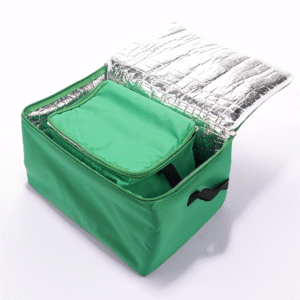
O que cadeia de frio é e como funciona, incluindo o seu papel na alimentação, produtos farmacêuticos e outros produtos sensíveis.
Componentes-chave da logística da cadeia de frio-sistemas de refrigeração, armazenar, transporte e monitoramento.
Benefícios e desafios de manter uma cadeia de frio, com exemplos práticos e soluções.
Como implementar as melhores práticas da cadeia de frio, cobrindo conformidade, padrões de temperatura e treinamento de pessoal.
2025 tendências e inovações como sensores IoT, IA e blockchain que estão remodelando a logística com temperatura controlada.
Perguntas frequentes e respostas sobre gestão da cadeia de frio.
O que é a cadeia de frio e como funciona?
O cadeia de frio é uma cadeia de suprimentos especializada projetada para lidar, armazenar e transportar mercadorias sensíveis à temperatura sob rigorosos controles de temperatura. Em vez de uma cadeia regular onde as mercadorias podem ficar em condições ambientais, logística da cadeia de frio usa refrigeração, embalagens isoladas e monitoramento em tempo real para proteger os produtos contra deterioração. Um guia do setor define-o sucintamente como o processo de manuseio, armazenar e transportar produtos perecíveis sob condições de temperatura controlada. UM 2025 O relatório explica ainda que esta refrigeração contínua – desde a fabricação até o armazenamento e distribuição – preserva a qualidade do produto desde a produção até o consumo.
Na prática, a cadeia de frio combina ciência, disciplina de tecnologia e processos. Comida, vacinas, Biologics, produtos químicos, cosméticos e até instrumentos musicais podem exigir refrigeração ou umidade controlada para permanecerem seguros. Ao contrário de uma cadeia de abastecimento comum, a cadeia de frio depende refrigeração e monitoramento contínuos em todas as etapas. Pequenos desvios de temperatura podem degradar as vacinas ou causar a deterioração dos frutos do mar. Para evitar tais perdas, a cadeia de frio é construída a partir de vários componentes interligados: sistemas de refrigeração, armazenamento refrigerado, transporte com temperatura controlada e monitoramento sofisticado.
Componentes da cadeia de frio: resfriamento, armazenamento e transporte
Sistemas de refrigeração. O equipamento de resfriamento reduz a temperatura do produto para faixas seguras e os mantém lá. Recipientes refrigerados, freezers rápidos e sistemas de nitrogênio líquido são comuns; eles mantêm temperaturas constantes durante o transporte e pré-resfriam os produtos rapidamente. Congeladores criogênicos podem atingir temperaturas ultrabaixas abaixo de -80 °C para produtos biológicos e terapias genéticas. Essas tecnologias evitam a deterioração e mantêm a potência.
Armazenamento refrigerado. Armazéns e câmaras frigoríficas fornecem ambientes controlados para armazenamento de longo prazo. Grandes armazéns frigoríficos utilizam painéis isolados, compressores, condensadores e sistemas automatizados de armazenamento e recuperação para evitar vazamento de ar frio e picos de temperatura. Câmaras frigoríficas menores abrigam produtos específicos em temperaturas definidas. As instalações mantêm diversas faixas de temperatura: ambiente (15–30ºC), legal (10–15ºC), refrigerado (0–10 ° C.) e congelado (−30°C a 0 °C). Faixas ultrabaixas abaixo de -80 °C são usadas para terapias celulares e genéticas.
Transporte e distribuição. Veículos especializados – caminhões refrigerados, navios e aeronaves – mantenha as mercadorias na temperatura adequada durante o trânsito. Para remessas diárias de alimentos, mercadorias frescas viajam em +2 °C a +8 °C, enquanto os alimentos congelados requerem cerca de -20 °C; alguns produtos farmacêuticos exigem −60 °C ou menos. O transporte não se limita a alimentos e remédios; Cortar flores, cosméticos, vernizes, instrumentos musicais e certos eletrônicos também precisam de temperaturas controladas. Os recipientes também podem precisar de controle de umidade ou pressão, e às vezes até aquecimento - por exemplo, óleos ou instrumentos de madeira podem deformar se ficarem muito frios.
Monitoramento e controle. Sensores e registradores de dados registram continuamente temperatura e umidade, enviando alertas se as leituras se desviarem dos intervalos seguros. Uso de sistemas modernos Sensores de IoT, Etiquetas GPS e RFID para fornecer visibilidade em tempo real em toda a cadeia de abastecimento. Em instalações avançadas, sistemas de telemática e resfriamento de emergência corrigem automaticamente desvios ou alertam o pessoal. O monitoramento garante detecção precoce de problemas e prova de conformidade.
Faixas típicas de temperatura da cadeia de frio
| Faixa de temperatura | Exemplos de produtos | Por que isso importa |
| Ambiente (15–30ºC / 59–86 °F) | Alimentos secos, alguns produtos farmacêuticos | Refrigeração mínima necessária; ainda requer ventilação para evitar acúmulo de calor. |
| Legal (10–15ºC / 50–59°F) | Queijo, produtos frescos | Preserva sabor e textura; utiliza contêineres isolados e tempos de transporte curtos. |
| Refrigerado (0–10 ° C. / 32–50°F) | Vacinas, laticínios | Previne o crescimento bacteriano e mantém o frescor. |
| Congelado (−30°C a 0 °C / −22 °F a 32 °F) | Carne, frutos do mar, sobremesas congeladas | Fornece preservação a longo prazo; requer equipamento de ultracongelamento e energia de reserva. |
| Ultra baixo (abaixo de −80 °C / abaixo de −112 °F) | Biologics, Vacinas de mRNA | Exige freezers criogênicos e energia redundante para evitar perdas catastróficas. |
Dicas práticas e cenários de usuário
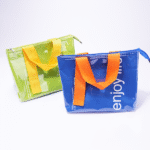
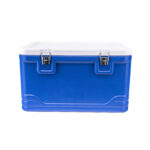
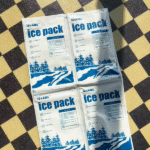
Para empresas de alimentos do campo à mesa: Use embalagens isoladas e pacotes de gel para remessas sob 48 horas, e escolha transportadoras com caminhões refrigerados. Certifique-se de que a temperatura permanece entre +2 °C e +8 °C para produtos frescos. Implemente sensores IoT para alertá-lo se a temperatura subir.
Para farmácias e clínicas: Armazene as vacinas entre +2 °C e +8 °C e evite expô-los a temperaturas de congelamento. Use refrigeradores de uso médico e registradores de dados digitais para monitorar as condições.
Para floriculturas ou manipuladores de arte: Mantenha a calma, ambiente ligeiramente úmido ao enviar flores cortadas ou obras de arte; temperaturas muito baixas podem danificá-los. Embale os itens com materiais absorventes de umidade e monitore a umidade junto com a temperatura.
Estudo de caso: Durante a distribuição de vacinas mRNA COVID 19, fornecedores de logística tiveram que manter temperaturas de −60 °C a −70 °C durante o transporte. Usando recipientes criogênicos especializados e monitoramento contínuo, eles mantiveram as vacinas dentro do alcance, garantindo que as doses permanecessem eficazes quando administradas.
Benefícios e desafios da logística da cadeia de frio
A implementação de uma cadeia de frio robusta produz benefícios significativos. Mantendo os produtos dentro de faixas de temperatura seguras, negócios reduzir a deterioração e aumentar a receita por remessa. Os clientes recebem produtos de melhor qualidade, levando a maior satisfação e lealdade. A cadeia de frio também abre o acesso a novos mercados – produtos frescos de outro continente ou produtos farmacêuticos entregues em comunidades remotas – ao mesmo tempo que ajuda as empresas a cumprir regulamentos rigorosos, como os impostos pela Food and Drug Administration e pela Organização Mundial de Saúde..
No entanto, a logística da cadeia de frio também apresenta desafios. Flutuações de temperatura podem ocorrer durante o carregamento, falhas de energia ou longos tempos de trânsito. Embalagem inadequada pode permitir que os produtos aqueçam ou congelem inesperadamente. Os riscos de contaminação aumentam quando as mercadorias partilham espaço com materiais incompatíveis. Além disso, a necessidade de equipamentos especializados, equipe treinada e documentação aumentam a complexidade e o custo operacional.
Desafios e soluções comuns
| Desafio | Risco para o seu produto | Como mitigar |
| Controle de temperatura interrompido | Mesmo uma breve exposição fora da faixa de segurança pode inutilizar vacinas ou alimentos. | Use sistemas de refrigeração escaláveis e energia redundante; equipar os veículos com refrigeração reserva e monitorar continuamente as temperaturas. |
| Embalagem inadequada | Embalagens danificadas expõem os produtos ao calor ou à umidade; remessas chegam estragadas. | Escolha um isolamento que corresponda às necessidades do produto (pacotes de gel, painéis de vácuo); aplique rastreamento RFID para detectar incidentes e agir rapidamente. |
| Contaminação e contato cruzado | A exposição a outros produtos químicos ou bactérias pode comprometer os produtos. | Áreas de armazenamento segregadas, seguir os protocolos de saneamento e treinar a equipe nos procedimentos de manuseio. |
| Não conformidade regulatória | O não cumprimento das Boas Práticas de Distribuição pode levar a recalls, multas e danos à reputação. | Mantenha registros precisos, usar equipamentos validados e calibrar dispositivos regularmente. |
As violações da cadeia de frio acarretam consequências graves: Degradação do produto, riscos para a saúde pública, perdas financeiras, ação regulatória, danos à reputação e interrupções no fornecimento. Por exemplo, um estudo citou que até 35 % das vacinas são comprometidas pelo manuseio incorreto da temperatura—um desperdício dispendioso e uma ameaça à saúde pública. Reconhecer os riscos ajuda as organizações a implementar medidas preventivas.
Dicas do usuário para superar desafios
Realize mapeamento regular de temperatura: Teste periodicamente as áreas de armazenamento para identificar pontos quentes e frios, realizar simulações de falha de energia e ajustar os procedimentos de acordo.
Siga o primeiro a entrar, Primeiro a sair (FIFO) método: Venda ou distribua primeiro o estoque mais antigo para minimizar o desperdício e garantir a conformidade.
Rotule e organize o inventário: Marque claramente as datas de validade e as condições de armazenamento; organize as prateleiras para permitir o fluxo de ar adequado.
Treine sua equipe: Todos que manuseiam produtos da cadeia de frio devem compreender os requisitos de temperatura, procedimentos de emergência e manutenção de registros.
Plano para emergências: Preparar planos de contingência para cortes de energia, falhas de equipamentos e atrasos no transporte; estoque de geradores de emergência e bolsas de gelo de reserva.
Exemplo do mundo real: Uma cooperativa regional de laticínios reduziu a deterioração em 25 % depois de implementar sensores de temperatura IoT e mudar para caixas isoladas mais espessas. Alertas em tempo real permitiram que os motoristas corrigissem problemas antes do aquecimento dos produtos, e o investimento se pagou em uma temporada.
Conformidade com a cadeia de frio e melhores práticas: seu guia passo a passo
O cumprimento das normas nacionais e internacionais é essencial. Órgãos reguladores como o FDA, o Agência Europeia de Medicamentos (Ema) e o Organização Mundial de Saúde aplicar boas práticas de distribuição (PIB) que cobrem o controle de temperatura, sistemas validados, rastreabilidade e pessoal treinado. A conformidade também envolve padrões de calibração como NIST ou Reino Unido, diretrizes de integridade de dados eletrônicos (EU GMP Annex 11) e regras específicas do país.
Requisitos essenciais da cadeia de frio
Atender aos padrões de conformidade requer atenção a vários elementos:
Manutenção precisa da temperatura: Mantenha os produtos dentro de faixas rigorosamente controladas - normalmente 2 °C a 8 °C para produtos refrigerados, −20°C para congelamento padrão e abaixo de −70 °C para armazenamento ultrabaixo.
24/7 monitoramento: Use registradores de dados automatizados e sistemas em tempo real para monitorar continuamente as temperaturas. Escolha dispositivos com alarmes para excursões.
Infraestrutura validada: Invista em unidades de refrigeração certificadas, contêineres de transporte e ferramentas de monitoramento que funcionam de forma consistente.
Ambientes de armazenamento seguros: Restrinja o acesso e mantenha zonas separadas para diferentes produtos.
Embalagem especializada: Use embalagens térmicas, como transportadores isolados, materiais de mudança de fase e pacotes de gel para manter as temperaturas durante o transporte.
Manutenção de registros detalhados: Registrar dados de temperatura, certificados de calibração, registros de treinamento e quaisquer desvios.
Planos de contingência: Prepare protocolos para falhas de energia, quebras de equipamentos e variações de temperatura.
Equipe treinada: Certifique-se de que o pessoal esteja treinado no manuseio, monitoramento e resposta a emergências.
Lista de verificação de melhores práticas
Use equipamentos de nível médico: As geladeiras domésticas flutuam muito para vacinas sensíveis; escolha equipamentos projetados para uso em farmácia.
Monitore as temperaturas em tempo real: Registradores de dados digitais e sistemas de alerta sem fio fornecem atualizações e alarmes ao vivo.
Calibrar e manter equipamentos: Calibrar termômetros e freezers pelo menos duas vezes por ano e documentar a manutenção.
Adote o gerenciamento de estoque FIFO: Gire o estoque para evitar produtos vencidos.
Etiqueta claramente: Incluir datas de vencimento e recebimento em todos os pacotes.
Treine regularmente: Segure brevemente, sessões de treinamento focadas a cada poucos meses para manter a equipe ciente dos procedimentos adequados.
Plano para emergências: Mantenha fontes de energia de backup e POPs para cortes de energia ou atrasos no transporte.
Documente tudo: Mantenha registros digitais de temperaturas, manutenção e incidentes para auditorias.
Lista de verificação de prontidão da cadeia de frio
Use esta autoavaliação para ver o quão preparada sua organização está. Para cada pergunta, responder sim ou não:
Você sabe a faixa exata de temperatura que seus produtos exigem?
Todas as suas unidades de armazenamento estão equipadas com termômetros calibrados e registradores de dados??
Você monitora as temperaturas continuamente e recebe alertas de excursões?
Os seus materiais de embalagem são classificados para as condições de trânsito que você espera??
Sua equipe recebe treinamento contínuo sobre manuseio da cadeia de frio e procedimentos de emergência??
Você tem planos de contingência documentados para falhas de energia e atrasos no transporte??
Você realiza mapeamento regular de temperatura e manutenção de equipamentos?
Você mantém registros detalhados de temperaturas, calibração e ações corretivas?
Se você respondeu não para qualquer pergunta, essa área merece atenção. Resolver as lacunas agora protegerá a qualidade do produto e ajudará você a cumprir as regulamentações.
Dica: Considere fazer parceria com um fornecedor experiente de cadeia de frio se a manutenção de sua própria infraestrutura for impraticável. Especialistas podem oferecer equipamentos validados, pessoal treinado e serviços de monitoramento em tempo real adaptados às suas necessidades.
2025 tendências e inovações da cadeia de frio
O cenário da cadeia de frio está evoluindo rapidamente. Analistas de mercado relatam que o mercado global de logística da cadeia de frio foi avaliado em USD 293.58 bilhão em 2023 e está projetado para alcançar USD 862.33 bilhão por 2032. Outro estudo estima o mercado em US$ 436,30 bilhões em 2025, esperando que ele supere US$ 1,3 trilhão por 2034. Estes números refletem a crescente procura por alimentos frescos, Biologics, vacinas e outros produtos sensíveis à temperatura em todo o mundo.
Tendências emergentes que moldam a cadeia de frio
Resiliência geopolítica e planeamento de capacidades. Perturbações como agitação geopolítica, tarifas comerciais e eventos do cisne negro afetaram os tempos de trânsito e a capacidade. Os operadores da cadeia de frio estão a investir em capacidade flexível e rotas diversificadas para manter o serviço, e os especialistas observam que o mercado está pronto para lidar com futuras perturbações.
Visibilidade aprimorada por meio de software. Plataformas de dados em tempo real melhoram o rastreamento e o monitoramento da temperatura, dando às partes interessadas os insights necessários para agir rapidamente. A visibilidade é crucial ao manusear cargas sensíveis à temperatura; dados contínuos permitem respostas imediatas a desvios e melhor planejamento de estoque.
Novos produtos e mudanças na dieta. A ascensão das proteínas vegetais, alimentos sem glúten e orgânicos estão remodelando o transporte refrigerado. Alimentos à base de plantas podem compensar 7.7 % do mercado global de proteínas por 2030, trazendo consigo novos requisitos de temperatura e complexidades da cadeia de abastecimento.
Modernização de instalações frigoríficas. Armazéns antigos – alguns construídos há 40-50 anos – estão a ser substituídos ou modernizados para melhorar a eficiência energética, automação e integração. Pressão regulatória para eliminar gradualmente refrigerantes prejudiciais ao meio ambiente (HCFC e HFC) acelera essas atualizações.
IoT e tecnologia de sensores. Dispositivos IoT fornecem monitoramento de temperatura em tempo real, umidade e localização, permitindo que as empresas detectem e resolvam problemas prontamente. Esses sensores reduzem o desperdício e garantem a qualidade do produto.
Blockchain para transparência. Blockchain cria um imutável, livro transparente de transações. Melhora a rastreabilidade e ajuda a garantir que os produtos permaneçam dentro de faixas de temperatura seguras. Nas cadeias de frio farmacêuticas, blockchain reduz a manipulação de dados e melhora a conformidade.
Inteligência artificial e análise preditiva. IA otimiza rotas, prevê a demanda e identifica possíveis interrupções antes que elas ocorram. A combinação de IA com dados históricos de temperatura permite que os operadores evitem excursões e programem a manutenção de forma proativa.
Armazenamento refrigerado movido a energia solar. Regiões remotas com fornecimento instável de eletricidade estão adotando câmaras frigoríficas movidas a energia solar para proteger vacinas e produtos perecíveis. Estas unidades reduzem os custos de energia e fornecem refrigeração confiável.
Congeladores criogênicos portáteis. Para produtos biológicos e terapias celulares que exigem temperaturas tão baixas quanto −150°C, freezers criogênicos portáteis oferecem mobilidade e condições ultrafrias contínuas.
Embalagens sustentáveis e temperaturas reduzidas. As empresas estão mudando para isolamento biodegradável, recipientes reutilizáveis e designs energeticamente eficientes. Alguns operadores de armazenamento refrigerado pretendem alterar os padrões de armazenamento congelado de −18 °C a −15 °C para reduzir o consumo de energia.
Crescimento do mercado visualizado
Para ilustrar a rápida expansão da logística da cadeia de frio, o gráfico abaixo representa o tamanho do mercado projetado de 2021 para 2034. A tendência mostra crescimento exponencial, refletindo o aumento da demanda em todos os setores.
Inovações e seu impacto
| Inovação | Benefício prático | Caso de uso típico |
| Sensores IoT e rastreamento GPS | Dados de temperatura e localização em tempo real; alertas imediatos evitam deterioração. | Monitoramento de remessas de vacinas, alimentos perecíveis e produtos florais. |
| Rastreabilidade de blockchain | Registro imutável de cada transação; maior responsabilidade e confiança. | Rastreamento de produtos farmacêuticos do fabricante ao paciente; garantindo a autenticidade dos alimentos orgânicos. |
| Otimização de rotas orientada por IA | Tempo de trânsito reduzido e identificação preditiva de variações de temperatura. | Planejando rotas de entrega para clínicas remotas ou áreas urbanas congestionadas. |
| Armazenamento refrigerado movido a energia solar | Confiável, refrigeração fora da rede; reduzir custos de energia e emissões. | Armazenamento de vacinas em comunidades rurais sem eletricidade estável. |
| Congeladores criogênicos portáteis | Mantenha temperaturas ultrabaixas (até -150 °C) para produtos biológicos e terapias celulares. | Transporte de terapias genéticas ou vacinas de mRNA para hospitais remotos. |
| Embalagem sustentável & padrões de temperatura reduzidos | Reduz o desperdício e a pegada de carbono; novos padrões como −15 °C reduzem o uso de energia. | Envio de alimentos congelados, produtos farmacêuticos e produtos especializados. |
Olhando para frente
À medida que a tecnologia amadurece e os padrões regulatórios evoluem, a cadeia de frio está preparada para um maior crescimento. Empresas que adotam IoT, A IA e as práticas sustentáveis aumentarão a transparência, reduzir o desperdício e atender às expectativas dos consumidores em termos de qualidade e responsabilidade ambiental. As empresas que modernizarem a sua infraestrutura e investirem em formação e conformidade estarão melhor posicionadas para servir o mercado em expansão de bens sensíveis à temperatura.
Perguntas frequentes
- Em que faixa de temperatura as vacinas devem ser armazenadas?A maioria das vacinas deve ser mantida entre +2 °C e +8 °C; vacinas congeladas como a varicela exigem −50 °C a −15 °C, e vacinas ultrafrias, como reforços de mRNA, precisam −80 °C a −60 °Cpara armazenamento a longo prazo. Uma vez descongelado, muitas vacinas podem ser mantidas em +2 °C a +8 °C por um período limitado. Sempre consulte as diretrizes do fabricante e use registradores de dados digitais para monitorar temperaturas.
- Qual a diferença entre uma cadeia de frio e uma cadeia de abastecimento normal??Uma cadeia de suprimentos tradicional movimenta mercadorias sem controle rigoroso de temperatura. Por contraste, a cadeia de frio utiliza equipamentos de refrigeração especializados, embalagem isolada e monitoramento contínuo para manter os produtos dentro de faixas precisas de temperatura. Também requer documentação detalhada, infraestrutura validada e conformidade com padrões regulatórios.
- Quais indústrias dependem da cadeia de frio?As empresas de alimentos e bebidas usam a logística da cadeia de frio para manter os produtos, laticínio, carne e frutos do mar frescos da fazenda à mesa. A indústria farmacêutica depende dele para manter a potência da vacina e a eficácia dos medicamentos. Outros usuários incluem empresas de biotecnologia, fabricantes de produtos químicos, floristas, museus e produtores de eletrônicos.
- O que acontece quando a cadeia de frio é violada?Uma violação – ou variação de temperatura – ocorre quando os produtos se desviam da faixa designada. As consequências incluem Degradação do produto, riscos para a saúde pública, perdas financeiras, ação regulatória e danos à reputação. Para vacinas, mesmo breve exposição acima +8 °C pode degradar até 20 % de potência. Evite violações com sistemas redundantes, monitoramento e treinamento contínuos.
- Como uma pequena empresa pode começar a usar a logística da cadeia de frio?Comece identificando os requisitos de temperatura dos seus produtos. Use embalagens isoladas e pacotes de gel para remessas curtas e faça parceria com transportadoras que oferecem transporte refrigerado. Invista em registradores de dados acessíveis e monitoramento baseado em nuvem. Treinar a equipe no manuseio de procedimentos e manter um sistema de manutenção de registros para demonstrar conformidade.
Resumo e recomendações acionáveis
Este guia explorou os fundamentos da cadeia de frio, explicando como o controle contínuo da temperatura preserva as vacinas, comida, produtos químicos e muito mais. Examinamos os principais componentes – sistemas de refrigeração, armazenamento refrigerado, transporte e monitoramento - e destacou faixas típicas de temperatura de ambiente a ultra baixa. Os benefícios da logística da cadeia de frio incluem a redução da deterioração, maior satisfação do cliente e acesso a novos mercados, enquanto os desafios envolvem perturbações de temperatura, embalagem inadequada e complexidade regulatória. A conformidade requer manutenção precisa da temperatura, infraestrutura validada, monitoramento, documentação, planejamento de contingência e equipe treinada.
Plano de ação:
Avalie as necessidades do seu produto. Identifique os requisitos exatos de temperatura para cada produto.
Invista na infraestrutura certa. Use equipamentos de refrigeração certificados, embalagens isoladas e veículos validados.
Implemente monitoramento em tempo real. Implante sensores IoT e registradores de dados para monitorar a temperatura, umidade e localização continuamente.
Treine sua equipe. Educar regularmente a equipe sobre os procedimentos de manuseio, resposta a emergências e requisitos de conformidade.
Adote práticas sustentáveis. Explore embalagens ecológicas, sistemas energeticamente eficientes e padrões de temperatura mais baixos, quando apropriado.
Abrace a inovação. Avalie novas tecnologias, como otimização de rotas orientada por IA, blockchain e armazenamento movido a energia solar.
Crie planos de contingência. Prepare-se para quedas de energia, falhas de equipamentos e atrasos no transporte; manter sistemas de backup e protocolos de emergência.
Seguindo estas etapas, você pode construir uma cadeia de frio resiliente que proteja a qualidade do produto, atende aos padrões regulatórios e satisfaz os clientes.
Sobre Tempk
A Tempk é especializada em soluções inovadoras de embalagem e logística para cadeia de frio. Projetamos e fabricamos uma ampla gama de caixas isoladas, pacotes de gel, bolsas de gelo e bolsas térmicas elétricas para entrega de alimentos, aplicações farmacêuticas e biotecnológicas. Nossos produtos utilizam materiais de alto desempenho, como painéis de isolamento a vácuo e meios de mudança de fase, para manter temperaturas estáveis por longos períodos.. Priorizamos a sustentabilidade oferecendo opções reutilizáveis e recicláveis e investimos continuamente em pesquisa e desenvolvimento para reduzir a pegada de carbono. Com rigoroso controle de qualidade e certificação Sedex, ajudamos os clientes a navegar pelos requisitos regulamentares e garantir que os produtos sensíveis à temperatura cheguem com segurança e dentro do prazo.
Chamado à ação: Quer você esteja enviando queijo artesanal ou vacinas que salvam vidas, nossos especialistas podem ajudá-lo a projetar uma solução com temperatura controlada adaptada às suas necessidades. Entre em contato conosco hoje para discutir os desafios da sua cadeia de frio e explorar a nossa gama de soluções de embalagem e monitoramento.