


AI and Interoperability Transform the Future of Pharmaceutical Cold Chains
AI and Interoperability Transform the Future of Pharmaceutical Cold Chains
Digital Transformation Pushes Pharmaceutical Cold Chains Beyond Temperature Monitoring
ماذا حدث
Pharmaceutical cold chain operations are entering a new stage of digital transformation as manufacturers and logistics providers adopt continuous monitoring, automation and interoperable technology platforms.
تاريخيا, pharmaceutical cold chain management focused primarily on proving that products remained within approved temperature ranges.
The next generation of systems focuses on preventing failures before they occur.
Industry analysis highlights several emerging technology directions:
- المراقبة المستمرة
- الأتمتة
- digital interoperability
- التحليلات التنبؤية
These technologies aim to reduce temperature excursions, improve shipment visibility and create stronger connections between manufacturing, logistics and healthcare delivery.
كيف تعمل
Traditional pharmaceutical cold chain systems usually include:
- سجلات بيانات درجة الحرارة
- تخزين مبرد
- التعبئة والتغليف المعتمدة
- GDP transportation
These systems provide important evidence but often operate separately.
Modern digital cold chains combine multiple information sources:
المراقبة المستمرة
Instead of reviewing temperature history after delivery, continuous monitoring provides:
- بيانات درجة الحرارة في الوقت الحقيقي
- location information
- حالة الشحن
- alarm notifications
This allows teams to respond while the shipment is still in transit.
الأتمتة
Automation is increasingly applied across:
- pharmaceutical warehouses
- مراكز الوفاء
- مراكز التوزيع
تشمل الأمثلة:
- automated storage systems
- التعامل الروبوتي
- automated inventory tracking
Automation reduces:
- أخطاء في التعامل اليدوي
- unnecessary product exposure
- inventory inaccuracies
إمكانية التشغيل البيني للبيانات
One of the biggest challenges in pharmaceutical logistics is fragmented information.
قد تنطوي على شحنة:
- manufacturer systems
- 3PL platforms
- airline systems
- warehouse software
- customer systems
Interoperability allows these systems to exchange information.
The objective is to create a single view of:
- هوية المنتج
- حالة الشحن
- تاريخ درجة الحرارة
- custody events
لماذا يهم
Pharmaceutical products are becoming more complex.
Growth areas include:
- البيولوجيا
- اللقاحات
- علاجات الخلايا
- الأدوية المتخصصة
These products often have:
- قيمة أعلى
- narrower stability windows
- greater patient impact
A cold chain failure can result in:
- فقدان المنتج
- treatment delays
- التحقيق التنظيمي
As products become more specialized, logistics systems must become more intelligent.
Temperature control alone is no longer sufficient.
Companies need to know:
- where the product is
- what condition it is in
- whether intervention is required
تأثير B2B
لمصنعي الأدوية:
Future cold chain strategies should include:
- الرؤية الرقمية
- predictive risk management
- automated exception handling
لمقدمي 3PL:
Competitive advantages will increasingly depend on:
- GDP capability
- connected platforms
- proactive response
لمشغلي التخزين البارد:
سوف يزداد الطلب على:
- smart warehouses
- التعامل الآلي
- connected monitoring
لموردي التعبئة والتغليف:
Digital cold chains create demand for:
- الشاحنين الذكية
- أجهزة استشعار متكاملة
- reusable temperature-controlled systems
لمقدمي التكنولوجيا:
Future platforms will combine:
- إنترنت الأشياء
- تحليلات الذكاء الاصطناعي
- الأتمتة
- التوثيق الرقمي
البصيرة النهائية
The pharmaceutical cold chain is moving from:
“recording temperature history”
نحو:
“predicting and controlling product risk.”
The future cold chain will not only keep products cold.
It will understand product condition, predict problems and automatically support better decisions.
نمو الأغذية المجمدة يعزز حالة الاستثمار في سلسلة التبريد في كندا
مصدر: الائتمان الزراعي كندا
https://www.fcc-fac.ca/en/knowledge/ Economys/frozen-food-canada
نمو الأغذية المجمدة يعيد تشكيل حالة الاستثمار في سلسلة التبريد في كندا
ماذا حدث
أصبحت الأطعمة المجمدة جزءًا أكبر من النظام الغذائي في كندا, خلق طلب جديد على المعالجة, التخزين المبرد, النقل والأتمتة.
يظهر تحليل جديد من Farm Credit Canada أن مبيعات التجزئة الكندية للأغذية المجمدة زادت بنسبة 63% بين 2019 و 2025. خلال نفس الفترة, ارتفعت مبيعات الأغذية الطازجة بنسبة 39%.
يشير الاختلاف إلى أن الأطعمة المجمدة تتجاوز دورها التقليدي كبديل أقل ملاءمة للمنتجات الطازجة. يشتري المستهلكون مجموعة واسعة من الفواكه المجمدة, خضروات, المأكولات البحرية, عناصر المخابز, المكونات المحضرة والوجبات الجاهزة للطهي.
كما يتزايد الطلب على الصادرات.
بين 2020 و 2025, ارتفعت صادرات الفاكهة المجمدة الكندية بنسبة 14% في الحجم, بينما ارتفعت صادرات الخضار المجمدة بنسبة 38%.
ويخلق هذا التحول حجة تجارية أقوى للاستثمار في تكنولوجيا التجميد, التخزين البارد, التوزيع المبرد ومعالجة القيمة المضافة.
حددت لجنة الاتصالات الفيدرالية (FCC) أيضًا التوسع في البنية التحتية المبردة.
زادت سعة التبريد المبلغ عنها بين ثلاثة مشغلين كنديين رئيسيين للتخزين البارد من حوالي 145 مليون قدم مكعب في 2018 ل 187 مليون قدم مكعب في 2025, زيادة حوالي 29%.
ما يقرب من ثلثي هذا التوسع حدث بعد ذلك 2023.
ويظهر هذا الاتجاه أن نمو الأغذية المجمدة يؤثر بالفعل على القدرة المادية لسلسلة التبريد, بدلا من البقاء مجرد تغيير في سلوك الشراء لدى المستهلك.
كيف تعمل
يغير التجميد اقتصاديات المنتجات الزراعية القابلة للتلف من خلال تمديد الفترة التي يمكن تخزينها خلالها, نقلها وبيعها.
المنتجات الطازجة حساسة للغاية للوقت.
بمجرد حصادها, تستمر الفواكه والخضروات في فقدان جودتها من خلال التنفس, فقدان الرطوبة والنشاط الميكروبي. حتى عندما يؤدي التبريد إلى إبطاء هذه العمليات, لا تزال مدة الصلاحية التجارية محدودة.
يؤدي التجميد إلى نقل المنتج إلى نافذة حفظ أطول بكثير.
تقنيات مثل التجميد السريع بشكل فردي, أو IQF, معالجة قطع المنتج الفردية بسرعة وتجميدها بدلاً من إنشاء كتلة واحدة كبيرة مجمدة.
لمنتجات مثل التوت, البازلاء, حبوب ذرة, المأكولات البحرية والمكونات المعدة, يمكن أن يساعد IQF في الحفاظ على الملمس, إمكانية التقسيم وجودة المنتج مع منح المعالجات مرونة أكبر في التعبئة والتغليف والتوزيع.
لكن, قدرة التجميد وحدها ليست كافية.
تتطلب سلسلة التوريد الكاملة عدة مراحل متصلة:
- استلام المنتج الخام
- غسل, التصنيف أو المعالجة
- التجميد السريع
- تخزين مجمد
- إدارة المخزون
- النقل المبرد
- توزيع التجزئة أو الخدمات الغذائية
إذا كان أحد أجزاء السلسلة يفتقر إلى القدرة, يمكن تقليل الفائدة التجارية لعملية التجميد.
على سبيل المثال, قد يقوم المعالج بتثبيت معدات IQF إضافية ولكنه لا يزال يواجه اختناقًا إذا كانت مساحة المستودع المجمدة غير متوفرة أثناء ذروة الحصاد.
على نفس المنوال, قد يحتوي المتجر البارد على مواضع منصات نقالة كافية ولكنه يفتقر إلى قدرة نقل مبردة كافية لنقل المنتجات خلال فترات ذروة الطلب الموسمية.
وبالتالي فإن الاستثمار الحديث في سلسلة التبريد يجمع بشكل متزايد بين التخزين المادي والأتمتة, الروبوتات ومراقبة المخزون الرقمي.
تلاحظ لجنة الاتصالات الفيدرالية (FCC) أن المنشآت المبردة تعتمد المعالجة الآلية, أنظمة المخزون الرقمية وتقنيات التبريد الأكثر كفاءة في استخدام الطاقة لتحسين الإنتاجية وإدارة تكاليف التشغيل المتزايدة.
للمستودعات المجمدة, كثافة التخزين مهمة بشكل خاص.
كل متر مكعب من الهواء المبرد يحتاج إلى طاقة للمحافظة عليه. تخزين البليت عالي الكثافة, يمكن أن يؤدي الاسترجاع الآلي وتدفق الهواء المصمم جيدًا إلى تقليل كمية حجم الفريزر المطلوبة لكل وحدة من المخزون.
والنتيجة هي سلسلة تبريد ليست أكبر فقط, ولكن أكثر إنتاجية.
لماذا يهم
تتمتع كندا بموسم زراعة محلي قصير نسبيًا للعديد من الفواكه والخضروات, في حين أن الطلب الاستهلاكي موجود على مدار العام.
تاريخيا, وقد تمت معالجة هذه الفجوة جزئياً من خلال الواردات.
توفر قدرة التجميد الإضافية خيارًا آخر: الحفاظ على المزيد من الإنتاج المحلي خلال فترات ذروة الحصاد وتوزيعه تدريجياً على مدار العام.
استخدمت لجنة الاتصالات الفيدرالية (FCC) تقديرات هيئة البيئة وتغير المناخ الكندية تقريبًا 13% من الفواكه والخضروات الكندية تُترك دون حصاد أو يتم التخلص منها بعد الحصاد وتطبق هذه النسبة على إنتاج محاصيل مختارة.
المقارنة الناتجة مهمة.
وكانت الخسائر المقدرة تعادل تقريبا:
- 66% من واردات البازلاء الكندية
- 55% من واردات الذرة
- 24% من واردات التوت
- 6% واردات البروكلي
- 5% من واردات الفراولة
ولا تعني هذه الأرقام أنه يمكن ببساطة تجميد جميع المحاصيل المفقودة واستبدالها بالواردات.
قد تكون بعض المنتجات غير مناسبة للمعالجة. توقيت الحصاد, جودة, والاقتصاد والطلب الاستهلاكي مهمان أيضًا.
لكن الأرقام توضح حجم القيمة التي قد تكون متاحة إذا أمكن الحصول على المزيد من الإنتاج الزراعي المحلي من خلال المعالجة والبنية التحتية لسلسلة التبريد.
لمحضرات الطعام, ويخلق التجميد أيضًا فرصًا تتجاوز الحد من النفايات.
قد يكون للسلعة الزراعية الخام هوامش ربح منخفضة نسبيًا خلال ذروة الحصاد. بمجرد تنظيفه, مجزأة, محنك, المجمدة والمعبأة, يمكن أن يصبح منتجًا غذائيًا ذا قيمة أعلى مع موسم بيع أطول.
وهذا يخلق نشاطًا اقتصاديًا إضافيًا في:
- يعالج
- التغليف
- التخزين البارد
- مواصلات
- توزيع التجزئة
وبالتالي، يمكن لفئة المنتجات المجمدة المتنامية أن تعزز كلاً من تصنيع الأغذية والخدمات اللوجستية لسلسلة التبريد.
تأثير B2B
للمنتجين الزراعيين, يمكن أن تؤدي البنية التحتية الأقوى للتجميد إلى إنشاء منافذ إضافية خلال فترات ذروة الحصاد.
قد يكون المزارعون قادرين على بيع المنتجات في قنوات المعالجة التي قد تكون ذات قيمة محدودة لأن الطلب في السوق الطازجة قد تم تلبيته بالفعل.
لكن, تحتاج المعالجات إلى جودة وحجم يمكن التنبؤ بهما.
يجب على المزارعين تنسيق توقيت الحصاد, مواصفات المنتج وترتيبات النقل مع المعالجات بدلاً من افتراض أن فائض الإنتاج يمكن أن يدخل الإنتاج المجمد تلقائيًا.
لمحضرات الطعام, السوق يخلق فرصا للاستثمار فيها:
- أنظمة IQF
- مجمدات الانفجار
- المجمدات الحلزونية
- الفرز والتصنيف
- التقسيم
- التغليف الآلي
يجب أن تتوافق قدرة المعالجة مع سعة التخزين البارد النهائية.
إن تركيب خط تجميد أسرع دون وجود مواضع كافية لمنصة التحميل المجمدة يمكن أن يؤدي ببساطة إلى تحريك عنق الزجاجة من الإنتاج إلى التخزين.
لمطوري التخزين البارد, تدعم فئة الأطعمة المجمدة المتنامية في كندا الطلب المستمر على العقارات المبردة.
ينبغي تقييم المرافق المستقبلية على أكثر من عدد المنصات.
تتضمن المتغيرات الهامة:
- استهلاك الطاقة
- كثافة التخزين
- القدرة على الأتمتة
- قفص الاتهام الإنتاجية
- التكرار في التبريد
- توافر الطاقة
- ربط النقل
لموردي التبريد, ويدعم نمو الأغذية المجمدة الطلب على أنظمة تتسم بالكفاءة في درجات الحرارة المنخفضة.
يهتم المشغلون بشكل متزايد بتقنيات التبريد التي تقلل من استهلاك الطاقة ومخاطر التبريد على المدى الطويل مع الحفاظ على ظروف تجميد موثوقة.
يمكن أن يؤدي استرداد الحرارة أيضًا إلى تحسين اقتصاديات المنشأة حيث يمكن استخدام حرارة التبريد المرفوضة في الماء الساخن, تسخين الفضاء أو تطبيقات المعالجة.
لمقدمي أتمتة المستودعات, تخلق البيئات المتجمدة حالة عمل قوية للروبوتات.
يمكن للأتمتة أن تقلل من تعرض العمالة لدرجات حرارة منخفضة جدًا مع زيادة كثافة التخزين ودقة المخزون.
يجب تصميم المعدات خصيصًا للبيئات الباردة, بما في ذلك أجهزة الاستشعار المناسبة, مواد التشحيم, الكابلات, البطاريات والضوابط.
لموردي التعبئة والتغليف, يؤدي نمو الأطعمة المجمدة إلى زيادة الطلب على المواد التي تحافظ على قوتها في ظل درجات الحرارة المنخفضة والظروف الرطبة.
كرتون, أفلام, يجب أن تتحمل الملصقات والمواد اللاصقة التجميد, التخزين والذوبان دون فقدان الأداء الهيكلي أو تحديد الهوية.
للناقلات المبردة, ويعني المخزون المجمد الأكبر طلبًا أكبر على سعة التبريد التي يمكن الاعتماد عليها.
يحتاج مقدمو خدمات النقل إلى وحدات TRU موثوقة, التفتيش قبل الرحلة, إدارة الوقود, التليماتية وإجراءات درجة الحرارة الموثقة.
لتجار التجزئة, تقدم المنتجات المجمدة نموذج مخزون مختلفًا عن الأطعمة الطازجة.
يمكن أن تؤدي مدة الصلاحية الأطول إلى تقليل التلف وتوفير المزيد من المرونة أثناء الاضطرابات الموسمية, لكن يجب أن تواكب تجارة المجمدات وسعة التخزين في الغرف الخلفية نمو الفئة.
لصانعي السياسات, ويشير التحليل إلى أن البنية التحتية للأمن الغذائي تشمل أكثر من مجرد الإنتاج الزراعي.
يمكن لأي بلد أن يزرع كميات كبيرة من الغذاء ويظل يعتمد بشكل كبير على الواردات إذا لم تتمكن قدرات المعالجة والحفظ المحلية من سد الفجوة بين الإنتاج الموسمي والطلب على مدار العام.
الدرس الأوسع هو أن الأغذية المجمدة أصبحت قصة تتعلق بالبنية التحتية.
كندا 63% يُظهر نمو تجارة التجزئة المجمدة وتوسيع سعة المستودعات المبردة كيفية سلوك المستهلك, أصبحت المعالجة الزراعية والاستثمار في سلسلة التبريد مرتبطين بشكل متزايد.
وسوف تأتي الفرص المستقبلية من دمج الإنتاج, التجميد, تخزين, النقل والتعبئة في نظام غذائي محلي أكثر كفاءة.
وزارة الزراعة الأمريكية تفتتح برنامج منحة لسلسلة التبريد بقيمة 7.5 مليون دولار للمساعدة الغذائية
مصدر: نحن. دائرة الزراعة – خدمة التسويق الزراعي
تفتح وزارة الزراعة الأمريكية $7.5 برنامج منحة سلسلة التبريد المليون للمساعدة الغذائية الطارئة
ماذا حدث
الولايات المتحدة. فتحت دائرة التسويق الزراعي التابعة لوزارة الزراعة باب التقديم للوظيفة الجديدة 2026 منح سلسلة التبريد لبرنامج المساعدة الغذائية الطارئة, أو CCG.
تقريبًا $7.5 مليون متاح من خلال البرنامج. ستختار وزارة الزراعة الأمريكية بشكل تنافسي واحدة أو أكثر من المنظمات غير الربحية المؤهلة التي يمكنها إدارة الجوائز الفرعية لمعدات التخزين البارد والتوزيع التي تستخدمها بنوك الطعام, مخازن الأغذية وغيرها من عمليات المساعدة الغذائية الطارئة. من المقرر تقديم طلبات الحصول على الجوائز الرئيسية في أكتوبر 1, 2026.
ويهدف البرنامج على وجه التحديد إلى تحسين قدرة منظمات المساعدة الغذائية على تلقي وتوزيع الأطعمة عالية الجودة القابلة للتلف, بما في ذلك اللحوم, بيض, المأكولات البحرية, منتجات الألبان والفواكه والخضروات الطازجة أو المعالجة بأقل قدر ممكن.
وقد رحب التحالف العالمي لسلسلة التبريد علنًا بالتمويل في أغسطس 19, قائلًا إن تحسين البنية التحتية للتخزين البارد والتوزيع يمكن أن يساعد في وصول المزيد من الطعام إلى الأسر بدلاً من أن يكون محدودًا بسبب عدم كفاية سعة التبريد.
ويختلف البرنامج عن الشراء الفيدرالي المباشر للثلاجات أو المركبات المبردة لبنوك الطعام الفردية. ستقوم وزارة الزراعة الأمريكية أولاً بتمويل واحد أو أكثر من المستفيدين الرئيسيين غير الربحيين القادرين على إدارة برنامج منح فرعية تنافسي. سيتم إصدار المعلومات الخاصة بالمنظمات التي تسعى للحصول على الجوائز الفرعية اللاحقة للتخزين البارد بشكل منفصل.
كيف تعمل
يستخدم برنامج CCG هيكل تمويل من مستويين.
في المستوى الأول, تتقدم المنظمات غير الربحية المؤهلة مباشرة إلى وزارة الزراعة الأمريكية. يجب على هؤلاء المتقدمين إثبات قدرتهم على إدارة برنامج المنح الفرعية التنافسي, بما في ذلك التماس التطبيقات, تقييم المشاريع, إصدار الجوائز, مراقبة المتلقين والإبلاغ عن النتائج. تنص وزارة الزراعة الأمريكية على أنه سيتم تمويل مؤسسة غير ربحية مؤهلة واحدة على الأقل بشكل تنافسي.
سيقوم بعد ذلك المتلقي أو المستفيدون الرئيسيون المختارون بتمويل مشاريع سلسلة التبريد التي تنفذها بنوك الطعام, مخازن المواد الغذائية وغيرها من منظمات المساعدة الغذائية الطارئة المؤهلة.
الهدف هو تعزيز البنية التحتية المادية اللازمة للتعامل مع الأطعمة القابلة للتلف بدلاً من الحد من توزيع الأغذية في حالات الطوارئ في المقام الأول على المنتجات الثابتة على الرفوف..
اعتمادًا على قواعد المنح الفرعية النهائية ونطاقات المشروع المعتمدة, يمكن أن يشمل هذا النوع من البنية التحتية معدات تخزين مبردة أو مجمدة وأصول التوزيع اللازمة للحفاظ على حالة المنتج بين التبرعات, تلقي, التخزين والتوزيع النهائي.
يحتاج بنك الطعام الذي يتلقى البروتين الطازج أو منتجات الألبان إلى نظام تشغيل مختلف تمامًا عن نظام التعامل مع البضائع المعلبة أو الجافة فقط.
يتطلب المخزون المبرد استلامًا متحكمًا فيه, النقل السريع إلى منطقة درجة الحرارة الصحيحة, المراقبة المستمرة, دوران المخزون وقدرة التوزيع الكافية لمنع المنتجات من البقاء خارج التبريد أثناء تجميع الطلبات.
تقدم المنتجات المجمدة متطلبات إضافية تتضمن التخزين في درجات حرارة منخفضة, انضباط الباب, إدارة تذويب ومعدات مناولة متوافقة مع الفريزر.
تخلق المنتجات الطازجة ملفًا تشغيليًا آخر. تستفيد العديد من الفواكه والخضروات من التحكم في درجة الحرارة ولكنها قد تكون أيضًا حساسة للبرد المفرط, ظروف الرطوبة وتدفق الهواء. وبالتالي فإن الغرفة الباردة الواحدة قد لا تكون الحل الصحيح لكل سلعة.
يمكن لبرنامج المنح أن يساعد في معالجة حاجز المعدات, لكن فعالية سلسلة التبريد ستظل تعتمد على كيفية اختيار المعدات الممولة, تم تركيبها وتشغيلها.
مبرد جديد, يجب أن يكون حجم الفريزر أو المركبة المبردة وفقًا للإنتاجية المتوقعة بدلاً من المساحة الأرضية المتاحة فقط. يمكن للمعدات ذات الحجم الصغير أن تخلق ازدحامًا أثناء ذروة التبرع, في حين أن المعدات كبيرة الحجم يمكن أن تفرض تكاليف رأسمالية وطاقة غير ضرورية.
وينبغي أيضا أن يتم تضمين الرصد في تخطيط المشروع. يحتاج المشغلون إلى أجهزة استشعار لدرجة الحرارة معايرة, إجراءات الإنذار والسجلات التي تبين أن المنتجات ظلت ضمن شروطها المطلوبة.
لماذا يهم
وتشمل المساعدات الغذائية الطارئة بشكل متزايد منتجات ذات قيمة غذائية ولكن يصعب توزيعها من الناحية التشغيلية.
لحمة, المأكولات البحرية, ألبان, يمكن للبيض والمنتجات الطازجة تحسين جودة وتنوع الأغذية المتاحة, لكنها لا تستطيع التحرك بأمان عبر شبكة مصممة للتخزين المحيط فقط.
بدون بنية تحتية مبردة كافية, قد لا يتمكن بنك الطعام من قبول التبرع حتى عندما يكون الطعام نفسه متاحًا.
وهذا يخلق عدم تطابق هيكلي: المنتجين, المعالجات, قد يكون لدى تجار التجزئة أو الموزعين فائض آمن من الأغذية, بينما تفتقر المنظمات غير الربحية إلى غرف التبريد, المجمدات أو وسائل النقل المبردة اللازمة لاستلامها.
ويمكن أن تكون النتيجة فقدان فرص التبرع وهدر الطعام الذي يمكن تجنبه.
وبالتالي، يمكن لقدرة سلسلة التبريد أن تغير ما تستطيع منظمات المساعدة الغذائية تقديمه.
قد تقبل المنشأة التي تحتوي على مساحة تبريد كافية منتجات الألبان الطازجة أو اللحوم التي كان يجب رفضها في السابق. يمكن أن يسمح الفريزر للمؤسسات بالاحتفاظ بالبروتين المجمد حتى تاريخ التوزيع المناسب بدلاً من فرض الحركة الفورية. يمكن للمركبات المبردة توسيع منطقة الخدمة إلى ما هو أبعد من المواقع التي يمكن الوصول إليها ضمن نافذة نقل محيطة قصيرة.
كما أن التمويل مهم أيضاً لأن شبكات المساعدة الغذائية تواجه تقلبات في الطلب.
قد يعمل المستودع بشكل طبيعي لمدة أسابيع ثم يتلقى تبرعًا كبيرًا, مخصصات الطوارئ أو التدفق الموسمي للمنتجات الزراعية. توفر سعة التخزين البارد المرنة منطقة عازلة تشغيلية خلال فترات الذروة تلك.
لكن, المعدات وحدها لا تضمن نجاح البرنامج.
يضيف التخزين البارد تكاليف الكهرباء, متطلبات الصيانة, إجراءات التنظيف, التزامات سلامة الأغذية والاعتماد الفني على مقاولي التبريد. تحتاج المؤسسات إلى تمويل تشغيلي كافٍ للحفاظ على عمل الأصول الجديدة بعد اكتمال عملية الشراء المدعومة بالمنحة.
الأمر نفسه ينطبق على المركبات المبردة. الاستحواذ هو التكلفة الأولى فقط. الوقود أو الكهرباء, الصيانة الوقائية, خدمة وحدة التبريد, تأمين, تستمر مراقبة السائقين ودرجة الحرارة طوال عمر السيارة.
لهذا السبب, يجب أن يأخذ تقييم المشروع في الاعتبار القدرة الإجمالية لدورة الحياة بدلاً من مجرد حساب عدد الثلاجات, يتم شراء المجمدات أو الشاحنات.
تأثير B2B
لمصنعي معدات التخزين البارد, يمكن للبرنامج أن يخلق طلبًا على أجهزة التبريد الكبيرة, المجمدات, غرف مبردة وحدات, وحدات التكثيف, المبخرات, الألواح المعزولة والضوابط ذات الصلة.
يجب على الموردين الذين يخدمون العملاء غير الربحيين إعطاء الأولوية لقابلية الصيانة. يجب أن تستخدم المعدات مكونات يمكن صيانتها محليًا ويجب أن تتضمن تعليمات واضحة للصيانة الوقائية.
تعد كفاءة الطاقة مهمة أيضًا لأن بنوك الطعام تعمل في ظل ميزانيات محدودة. إن انخفاض استهلاك طاقة التبريد يمكن أن يحدث فرقًا بين بقاء المنشأة الممولة من المنح مستدامة وتكلفة تشغيلها.
لموردي المركبات المبردة والنقل والتبريد, قد تخلق الجوائز الفرعية المستقبلية فرصًا للشاحنات الصغيرة, شاحنات, الأجسام المعزولة وأنظمة تبريد النقل المصممة لتوزيع الأغذية محليًا وإقليميًا.
يجب أن يعكس اختيار السيارة طول المسار الفعلي, حمولة, تردد التسليم ودرجة الحرارة بدلاً من افتراض أن كل بنك طعام يحتاج إلى نفس النوع من الشاحنات المبردة.
لمقدمي خدمات مراقبة درجة الحرارة, ويجب أن تتضمن البنية التحتية الممولة مراقبة عملية من البداية.
قد تحتاج منظمات المساعدة الغذائية إلى أنظمة بسيطة توفر سجلات مستمرة لدرجة الحرارة, إنذارات عالية/منخفضة وإشعارات عن بعد دون إنشاء تعقيدات مفرطة للبرامج أو نفقات اشتراك.
لموردي التعبئة والتغليف, قد يزيد البرنامج من الطلب على الحقائب المعزولة القابلة لإعادة الاستخدام, حزم هلام, أنظمة بي سي إم, أغطية وبطانات المنصات المستخدمة بين غرف التبريد الثابتة ومواقع التوزيع.
يمكن أن يكون التغليف السلبي مفيدًا بشكل خاص عندما لا تحتوي نقطة التوزيع النهائية على مركبات مبردة مخصصة أو عندما تنتقل المنتجات خلال أحداث مجتمعية مؤقتة.
لـ 3PLs ومشغلي غرف التبريد التجارية, التمويل يخلق فرص الشراكة.
قد تستفيد بعض بنوك الطعام أكثر من شراء معدات مخصصة, بينما قد يحقق آخرون استخدامًا أفضل من خلال التعاقد على سعة تبريد تجارية مؤهلة أو استخدام مراكز إقليمية مشتركة.
يمكن أن يسمح النموذج المختلط للمؤسسات غير الربحية بالحفاظ على غرف تبريد أصغر حجمًا في الموقع أثناء استخدام المرافق التجارية للمخزون الفائض والقمم الموسمية.
لمصنعي المواد الغذائية وتجار التجزئة, تحسين قدرة سلسلة التبريد غير الربحية يمكن أن يجعل برامج التبرع أسهل في التوسع.
لا يزال يتعين على الشركات تقديم معلومات دقيقة عن الكمية, تفاصيل مسببة للحساسية, ترميز التاريخ, متطلبات تخزين المنتج ووثائق سلسلة الحيازة. تتطلب المنتجات المتبرع بها نفس نظام سلامة الأغذية الذي تتطلبه المنتجات التي تنتقل عبر القنوات التجارية.
لمقدمي البرمجيات, قد تحتاج أنظمة المخزون التي تستخدمها بنوك الطعام إلى ربط تواريخ انتهاء الصلاحية, سجلات الكثير, مناطق درجة الحرارة ووجهات التوزيع.
يمكن أن يساعد التحكم الرقمي الأفضل المؤسسات في تدوير المنتجات باستخدام مبادئ FEFO وتقليل التلف داخل البنية التحتية ذاتها التي تهدف إلى منع الهدر.
لمقاولين التبريد, ستؤدي المعدات الممولة بالمنحة إلى إنشاء متطلبات خدمة طويلة الأجل.
اتفاقيات الدعم في حالات الطوارئ, ويجب أخذ توافر قطع الغيار وجداول الصيانة الوقائية في الاعتبار أثناء عملية الشراء وليس بعد أول فشل للنظام.
والدرس الأوسع نطاقا هو أن الوصول إلى الغذاء يعتمد جزئيا على القدرة اللوجستية.
وزارة الزراعة الأمريكية الجديدة $7.5 يدرك برنامج مليون CCG أن منظمات المساعدة الغذائية لا يمكنها توسيع نطاق الوصول إلى المنتجات الطازجة والمجمدة بدون البنية التحتية اللازمة لحماية تلك المنتجات.
ستجمع المشاريع الأكثر نجاحًا بين معدات التبريد, مواصلات, يراقب, التغليف, موظفون مدربون وميزانيات تشغيل مستدامة في نظام سلسلة تبريد عملي واحد.
بويرتو بوليفار على وشك الانتهاء من مشروع التخزين البارد بقيمة 30 مليون دولار
مصدر: الكون
بويرتو بوليفار يقترب من الانتهاء $30 مركز التخزين البارد الآلي المليون
ماذا حدث
تم الوصول إلى مستودع تبريد آلي جديد في بويرتو بوليفار في الإكوادور 93% الانتهاء ودخلت مرحلة الاختبار الفني.
يتم تطوير المنشأة من قبل شركة YilportEcu S.A. بموجب اتفاقية الإدارة المفوضة للميناء. ويغطي تقريبا 17,000 متر مربع وسوف توفر أكثر من 15,000 مواقف البليت للموز ومنتجات التصدير الأخرى الحساسة للحرارة.
ويبلغ الاستثمار المخصص للمستودع المبرد حوالي 30 مليون دولار أمريكي. ويقوم الفنيون حاليًا باختبار محطة التبريد الصناعي, معدات الكشف عن الحرائق وإخمادها, أنظمة معالجة المواد الآلية والبرمجيات التي ستدير حركات البضائع الداخلية.
البنية الجسدية مكتملة إلى حد كبير, مع تركيز العمل النهائي على تكامل الأنظمة, تأهيل المعدات والاستعداد التشغيلي. ومن المتوقع الانتهاء بين أكتوبر ونوفمبر 2026.
ويهدف المشروع إلى تغيير كيفية تنسيق المصدرين للحصاد, تسليم الميناء وجداول السفن. يحتاج منتجو الموز حاليًا إلى مواءمة عمليات القطع والنقل الداخلي بشكل وثيق مع أوقات وصول السفن. بمجرد بدء تشغيل مخزن التبريد الجديد, ستتمكن البضائع من دخول بيئة خاضعة للرقابة قبل عدة أيام من التحميل دون مقاطعة سلامة سلسلة التبريد.
وهذا يمكن أن يمنح المصدرين المزيد من المرونة لإدارة الإنتاج, ازدحام الموانئ وتغيير جداول السفن مع حماية جودة المنتج.
كيف تعمل
تم تصميم المستودع كنقطة تحكم آلية لسلسلة التبريد بجانب الميناء بدلاً من مبنى تخزين يدوي تقليدي.
سيتم وضع المنصات في أرفف عالية الكثافة من خلال أنظمة معالجة آلية يتم التحكم فيها بواسطة برامج مستودعات متخصصة. ستقوم المنصة الرقمية بتعيين كل حمولة إلى موقع تخزين بناءً على هوية الحمولة, مصدر, ماركة, خط الشحن والجدول الزمني للسفينة.
يهدف نموذج التخصيص الآلي هذا إلى تقليل الحركة اليدوية لمنصة التحميل, تحسين كثافة التخزين وتسهيل استرداد البضائع الصحيحة عندما تكون السفينة جاهزة للتحميل.
ويجب أن يسمح النظام أيضًا للمستودع بخدمة مصدرين متعددين, ماركات الموز وخطوط الشحن دون الاعتماد على مناطق العملاء الثابتة. سيتم تحويل إدارة الشحن إلى نظام رقمي, السماح بتغيير مواقع المنصات والأولويات الصادرة وفقًا لجداول الشحن.
يمكن أن يبدأ تدفق الصادرات النموذجي بوصول الفاكهة من المزارع أو مرافق التعبئة في ظل ظروف نقل خاضعة للرقابة. سيتم استلام البضائع, تم تحديدها وتعيينها في موقع تخزين مؤهل. يقوم نظام إدارة المستودعات بعد ذلك بربط سجل البليت بالسفينة ذات الصلة, جدول الحجز والإرسال.
عندما يقترب التحميل, سيقوم النظام الآلي باسترداد المنصات المطلوبة ونقلها نحو منطقة التدريج الخارجية. وهذا يمكن أن يقلل من الوقت الذي تقضيه المنتجات في الانتظار بالقرب من الرصيف ويحد من حركة الرافعات الشوكية غير الضرورية داخل المناطق المبردة.
سيكون للمنشأة محطة فرعية كهربائية خاصة بها, معدات التبريد الصناعية, أنظمة الكشف عن الحرائق وإخمادها والبنية التحتية الاحتياطية المخصصة لدعم استمرارية العمليات.
تعتبر المحطة الفرعية المخصصة ذات أهمية خاصة لأن منشأة بهذا الحجم تخلق حملاً كهربائيًا مستمرًا كبيرًا. تبريد, الأتمتة, الضوابط, إضاءة, تعتمد الحماية من الحرائق والاتصالات على الطاقة المستقرة.
يمكن للمعدات الاحتياطية أن تقلل من خطر حدوث انقطاع كهربائي قصير بسبب درجة حرارة المنتج. لكن, ستتطلب المرونة الكاملة لسلسلة التبريد أيضًا مولدًا تم اختباره أو إجراءات طاقة بديلة, تصعيد الإنذار, التكرار في مجال التبريد والوصول إلى الفنيين المؤهلين.
سيكون برنامج المستودع على نفس القدر من الأهمية. توفر الأرفف الآلية قيمة محدودة إذا كانت هوية المنتج, تعليمات السفينة أو سجلات العملاء غير مكتملة. يجب على المشغل الحفاظ على روابط موثوقة بين المنصات المادية والمعلومات الرقمية طوال فترة الاستلام, التخزين والإرسال.
وينبغي أيضًا التحقق من التحكم في درجة الحرارة في أكثر من نقطة.
قد تظهر شاشة الغرفة حالة متوسطة مقبولة بينما تكون المنصات الفردية قريبة من الأبواب, الجدران, تتعرض الأسقف أو المبخرات لدرجات حرارة مختلفة. تحميل خرائط درجة الحرارة, وبالتالي، ستكون أجهزة الاستشعار وإجراءات الاستجابة للإنذارات التي تمت معايرتها ضرورية قبل أن تتعامل المنشأة مع البضائع التجارية على نطاق كامل.
لصادرات الموز, تتضمن إدارة درجة الحرارة أيضًا أكثر من مجرد الحفاظ على برودة الغرفة.
يظل الموز نشطًا بيولوجيًا بعد الحصاد ويتطلب تحكمًا خاصًا في درجة حرارة السلعة, تدفق الهواء ووقت المناولة. الحرارة المفرطة تسرع النضج, في حين أن درجات الحرارة المنخفضة جدًا يمكن أن تسبب إصابة تقشعر لها الأبدان. ولذلك يجب أن يكون نطاق التشغيل الصحيح مطابقًا لنضج المنتج, متنوع, متطلبات التعبئة والتغليف والوجهة.
لماذا يهم
تعد بويرتو بوليفار بوابة تصدير رئيسية للمنتجات الإكوادورية القابلة للتلف, وخاصة الموز والروبيان.
تعتمد صادرات المنتجات الطازجة بشكل كبير على التزامن. مزارع, مرافق التعبئة, الناقلات الداخلية, يجب أن تعمل محطات الموانئ والسفن ضمن فترة صلاحية تجارية محدودة.
عندما تكون سعة التخزين غير كافية, قد يضطر المنتجون إلى جدولة الحصاد عند وصول السفن. يؤدي هذا إلى إنشاء نموذج تشغيل صارم يتم فيه الطقس, ازدحام الطريق, يمكن أن تؤدي تأخيرات الموانئ أو تغييرات السفن إلى تعطيل خطة التصدير بأكملها.
يقدم المستودع المبرد الجديد منطقة عازلة بين الإنتاج وتحميل السفن.
يمكن للمنتجين إعداد البضائع في وقت مبكر, ضعه تحت ظروف خاضعة للرقابة وانتظر نافذة الشحن المؤكدة. يؤدي هذا إلى فصل جزء من الجدول الزراعي عن جدول السفن وقد يساعد في تقليل الازدحام في الميناء في اللحظة الأخيرة.
قد يؤدي المشروع أيضًا إلى تحسين استخدام السفن.
إذا كانت البضائع مخزنة بالفعل, يتم تحديدها وتعيينها رقميا قبل وصول السفينة, يمكن لفرق التحميل استرداد المنصات بالتسلسل المطلوب. يمكن أن يؤدي التدريج الأفضل إلى تقليل وقت انتظار السفن وجعل عمليات الموانئ أكثر قابلية للتنبؤ بها.
يمكن للأتمتة تعزيز هذه الميزة عن طريق تقليل الوقت اللازم لتحديد موقع مجموعات المنصات الفردية ونقلها. للشحنات ذات العلامات التجارية المختلطة أو المصدرين المختلطين, يمكن أن يدعم الاسترجاع الموجه بالبرمجيات عملية تحميل أكثر دقة ويقلل من مخاطر إرسال البضائع الخاطئة إلى السفينة أو الوجهة الخاطئة.
كما يضيف المتجر البارد المرونة إلى شبكة التصدير القابلة للتلف في الإكوادور.
إن الميناء الذي يعتمد فقط على النقل المباشر من شاحنة إلى سفينة يتمتع بمرونة محدودة عند إجراء عمليات التفتيش, تأخر رسو السفن أو الوثائق. يتيح التخزين الخاضع للرقابة للمشغلين المزيد من الخيارات لحماية البضائع أثناء حل المشكلة.
لكن, لن تقضي المنشأة على كل مخاطر سلسلة التبريد.
لا تزال جودة المنتج تعتمد على الحصاد الصحيح, التبريد المسبق, التغليف, النقل الداخلي واستقبال درجة الحرارة. لا يمكن للمستودع الحديث استعادة الجودة المفقودة بالكامل قبل وصول البضائع إلى الميناء.
وستعتمد النتيجة النهائية أيضًا على الاستخدام التشغيلي. يجب أن تجتذب المنشأة التي تحتوي على 15000 منصة نقالة حجمًا كافيًا على مدار العام لدعم التبريد, الأتمتة, صيانة, تكاليف العمالة والتمويل.
وبالتالي فإن الأهمية التجارية للمشروع لن تقاس فقط من خلال القدرة الاستيعابية, ولكن عن طريق دوران البليت, أداء التحميل, استخدام الطاقة, الامتثال لدرجة الحرارة وعدد المصدرين الذين يعتمدون الخدمة.
تأثير B2B
لمزارعي ومصدري الموز, يمكن للمنشأة الجديدة أن توفر المزيد من المرونة في تخطيط الحصاد والسفن.
قد يكون المصدرون قادرين على نقل الفاكهة إلى أماكن تخزين خاضعة للرقابة قبل تاريخ التحميل النهائي, تقليل الاعتماد على النافذة الضيقة بين الشاحنة والسفينة. قد يكون هذا ذا قيمة خاصة خلال ذروة الحجم الموسمية, اضطراب الطريق أو التغييرات في جداول السفن.
للاستفادة من المنشأة, وسيظل المصدرون بحاجة إلى عمليات منضبطة في مجال المنبع. يجب أن تصل الفاكهة إلى درجة الحرارة والنضج الصحيحين, مع عبوة مصممة لتدفق الهواء, الرطوبة والنقل البحري لمسافات طويلة.
لمصدري الجمبري والأغذية المجمدة, قد توفر المنشأة سعة انطلاق إضافية بالقرب من الميناء. يجب على المستخدمين التحقق من مناطق درجة الحرارة المتاحة, القدرة على التجميد أو الإمساك, تلقي الحدود والإجراءات للتعامل مع المنتجات التي تصل خارج المواصفات.
لخطوط الشحن, قد يدعم المستودع إعدادًا أكثر قابلية للتنبؤ بالبضائع وتحميلها بشكل أسرع. يجب على شركات النقل تنسيق بيانات الحجز, توافر الحاوية, جداول السفن وتعليمات الإفراج عن البضائع من خلال المنصة الرقمية للمستودع.
لوكلاء الشحن و3PLs, يخلق المشروع فرصة لتقديم خدمات متكاملة تجمع بين النقل الداخلي, تخزين مبرد, وثائق التصدير, تنسيق الحاويات ورؤية الشحنة.
سيقوم نموذج الخدمة الأكثر قيمة بربط سجل المستودع برحلة الشحن الأوسع بدلاً من التعامل مع تخزين الميناء كنشاط معزول.
لموردي التعبئة والتغليف سلسلة التبريد, قد تؤدي زيادة التخزين على جانب الميناء إلى تغيير كيفية تصميم المصدرين للتغليف.
يجب أن تحتفظ علب الموز الكرتونية وعبوات المنتجات بالقوة الهيكلية في البيئات المبردة الرطبة مع السماح بالتهوية المناسبة. قد تتطلب منتجات الجمبري والمجمدة علب كرتون متوافقة مع الفريزر, بطانات, تثبيت البليت والملصقات المقاومة للرطوبة.
لمقدمي الأتمتة, يوضح المشروع الطلب المتزايد على التخزين الآلي عالي الكثافة في سلاسل تبريد الموانئ.
يجب أن تكون المعدات مناسبة للتشغيل المبرد, بما في ذلك المحركات, أجهزة استشعار, الكابلات, مواد التشحيم, الضوابط وإجراءات الصيانة. يجب أن يظل الوصول لاسترجاع منصات التحميل في حالات الطوارئ متاحًا إذا أصبح النظام الآلي غير متاح.
لموردي التبريد, وستكون مرحلة التكليف النهائية حاسمة. يجب أن تثبت المنشأة أداءً ثابتًا لدرجة الحرارة في ظل أحمال البليت التمثيلية, نشاط الباب والمناخ المحيط بالإكوادور.
يجب أن تتضمن الاختبارات ذات الصلة المنسدلة, رسم الخرائط المحملة, الانتعاش بعد فتح الباب, التحقق من الإنذار, انقطاع التيار الكهربائي واستجابة نظام النسخ الاحتياطي.
لشركات المراقبة والبرمجيات, يخلق المشروع فرصة للجمع بين هوية المنتج, موقع البليت, ظروف الغرفة وجداول السفن في سجل تشغيلي واحد.
يصبح إنذار درجة الحرارة أكثر فائدة عندما يتمكن المشغل من تحديد المنصات المتأثرة على الفور, أي مصدر يملكها وأي سفينة أو عميل ينتظر الشحنة.
لشركات التأمين ومديري المخاطر, يخلق المستودع تركيزًا كبيرًا من المخزون القابل للتلف عالي القيمة. ينبغي لتقييمات المخاطر فحص التكرار في التبريد, استمرارية السلطة, الحماية من الحرائق, المرونة السيبرانية, الوصول في حالات الطوارئ وترتيبات التخزين البديلة.
لمخططي الموانئ والقطاع العام, يجب أن يكون المستودع مدعومًا بإمكانية وصول برية موثوقة. زيادة سعة التخزين يمكن أن تجذب المزيد من البضائع, لكن ازدحام الطرق قد يحد من الفائدة إذا لم تتمكن الشاحنات من الدخول والخروج بكفاءة.
تعمل Puerto Bolívar بالفعل على مشروع North Access الذي يهدف إلى تحسين حركة المركبات الثقيلة وتقليل أوقات الدخول والخروج من الميناء. وبالتالي، سيكون أداء المستودع وشبكة الطرق مرتبطين بشكل وثيق.
الدرس الأوسع هو أن أداء سلسلة تبريد الموانئ يعتمد على أكثر من مجرد إضافة مساحة مبردة.
أقوى نموذج يربط المزارع, عمليات التعبئة, النقل الداخلي, التخزين الآلي, جداول السفن والسجلات الرقمية في نظام تصدير واحد يمكن التحكم فيه.
يعد المستودع الجديد في بويرتو بوليفار إضافة رئيسية للبنية التحتية. وستعتمد قيمتها على المدى الطويل على ما إذا كانت هذه القدرة المادية ستترجم إلى تدفق أسرع للبضائع, انخفاض فقدان المنتجات وزيادة مرونة الوصول إلى الأسواق الدولية.
ميرسك تضيف سعة التبريد مع زيادة واردات روتردام
مصدر: تحديث سوق ميرسك أوروبا
ميرسك تضيف سعة التبريد حيث تواجه روتردام الحرارة وضغوط الاستيراد
ماذا حدث
أعلنت شركة ميرسك عن زيادة كبيرة في أحجام الواردات المبردة في ميناء روتردام, إضافة الضغط على التعامل مع المبردات, التفتيش على الأغذية وعمليات التوزيع اللاحقة.
أغسطس الناقل 14 وقال تحديث السوق الأوروبية إن محطة Maasvlakte II في روتردام شهدت أيضًا انقطاعًا في التشغيل خلال الفترات التي تجاوزت فيها درجات الحرارة 30 درجة مئوية.. أدت درجات الحرارة المرتفعة للغاية إلى إغلاق بوابة المحطة مؤقتًا, مطالبة العملاء بمراقبة التحديثات التشغيلية وإضافة المزيد من الوقت المؤقت لخطط النقل.
في نفس الوقت, وزادت الواردات المبردة قبل القيود التي فرضها الاتحاد الأوروبي على بعض واردات اللحوم من البرازيل والتي قالت شركة ميرسك إنها ستدخل حيز التنفيذ في سبتمبر. 3. أدى الوصول المكثف للبضائع المبردة إلى زيادة الطلب على خدمات مناولة وفحص المبردات, مع الإبلاغ عن فترات انتظار أطول للسلطات الهولندية المسؤولة عن مراقبة الأغذية والمنتجات الاستهلاكية.
لدعم الحجم الإضافي, حصلت شركة Maersk على سعة توصيل إضافية للحاويات المبردة في Maasvlakte II طوال شهر أغسطس. نصحت شركة النقل العملاء الذين يستخدمون خدمات أوروبا وأمريكا الجنوبية بالاستعداد للتأخيرات المحتملة أثناء الفحص والمناولة اللاحقة وترتيب الوثائق والنقل الداخلي قبل وصول البضائع.
يعد التطوير مهمًا لأنه يجمع بين ثلاثة ضغوط مختلفة لسلسلة التبريد في بوابة واحدة: ارتفاع درجات الحرارة المحيطة, زيادة قصيرة المدى في الواردات المبردة ونظام تفتيش محدود يجب أن يعالج الشحنات الغذائية المنظمة قبل أن تتمكن من الاستمرار في السوق الأوروبية.
كيف تعمل
تظل الشحنة البحرية المبردة معتمدة على عدة نقاط تحكم متصلة بعد وصول السفينة إلى الميناء.
بمجرد تفريغ الحاوية المبردة, يحتاج عادةً إلى توصيله بالطاقة الكهربائية الطرفية. وقد ينتظر بعد ذلك التخليص الجمركي, التفتيش البيطري أو سلامة الأغذية, مراجعة الوثيقة, تعليمات الإصدار والتحصيل من قبل شركة النقل الداخلية.
تساعد سعة قابس الثلاجة الإضافية في الحفاظ على الطاقة الكهربائية خلال فترة الانتظار هذه. فهو يقلل من خطر بقاء الحاوية مفصولة بسبب عدم توفر مواضع التوصيل الطرفي. لكن, لا تؤدي المقابس الإضافية إلى إزالة الفحص تلقائيًا, التوثيق أو اختناقات النقل بالشاحنات.
قد تظل الحاوية مدعومة وتحافظ على نقطة الضبط المبرمجة بينما لا تزال تتراكم لعدة أيام في الميناء. للحوم المجمدة, مما قد يزيد من سعة التخزين, غرامات التأخير وتكاليف المعدات. للمنتجات المبردة والطازجة, يمكن أن يؤدي الوقت الإضافي إلى تقليل مدة الصلاحية التجارية المتبقية حتى في حالة عدم حدوث رحلة رسمية في درجة الحرارة.
درجات الحرارة المحيطة المرتفعة تجعل بيئة التشغيل أكثر تطلبًا. تدخل المزيد من الحرارة إلى الحاوية من خلال جدرانها وأبوابها, ويجب على وحدة التبريد إزالة حمل حراري أكبر للحفاظ على نقطة الضبط. قد يتأثر أيضًا موظفو المحطة وعمليات البوابة بإجراءات السلامة المتعلقة بالحرارة, كما يتضح من عمليات إغلاق بوابة Maasvlakte II المبلغ عنها.
يقدم التفتيش عملية تسليم مهمة أخرى.
قد تحتاج شحنات المواد الغذائية المنظمة إلى فحص الختم, التحقق من الوثيقة, أخذ العينات أو الفحص البدني قبل الإفراج. إذا كانت منطقة التفتيش, لا يستطيع نظام التوظيف أو التعيين استيعاب الزيادة السريعة في الحجم, يمكن أن تتراكم الحاويات المبردة داخل المحطة حتى عندما تظل سعة الوعاء والسدادة متاحة.
ولذلك، يجب أن يربط تخطيط سلسلة التبريد العديد من الأنظمة التي غالبًا ما تتم إدارتها بشكل منفصل: الجدول الزمني للسفينة, تخصيص المكونات الطرفية, الوثائق الجمركية والبيطرية, مواعيد التفتيش, النقل بالشاحنات الداخلية والقدرة على الاستلام في مخزن التبريد الوجهة.
يمكن لمنصة رؤية الحاوية إظهار الموقع, بيانات المعدات المتعلقة بدرجات الحرارة ومعالم الميناء, لكن البيانات يجب أن تؤدي إلى قرار تشغيلي. إذا كانت الحاوية تقترب من فترة بقاء مكلفة أو ذات جودة حرجة, قد يحتاج المستورد إلى إعطاء الأولوية للتوثيق, تأمين فتحة التفتيش, إعادة جدولة مستودع الاستلام أو ترتيب وسائل نقل داخلية بديلة.
لماذا يهم
يوضح موقف روتردام لماذا لا يمكن قياس سلامة سلسلة التبريد فقط من خلال ما إذا كانت وحدة التبريد تحافظ على نقطة ضبطها.
الوقت هو أيضًا متغير جودة المنتج.
قد تتحمل البضائع المجمدة عبورًا أطول من المنتجات الطازجة, ولكن لا يزال من الممكن أن يؤثر بقاء المنفذ الممتد على توفر المخزون, التزامات تسليم العملاء ورأس المال العامل. قد تصل المنتجات المبردة ضمن نطاق درجات الحرارة الخاصة بها ولكن مع فترة صلاحية أقل متاحة للمعالجة, عرض البيع بالتجزئة أو إعادة التوزيع.
يوضح الحدث أيضًا كيف يمكن للتغييرات التنظيمية أن تخلق طلبًا مركزًا على سلسلة التبريد قبل أن تدخل السياسة الرسمية حيز التنفيذ.
يجوز للمستوردين تسريع وصول الشحنات قبل بدء قيد جديد أو شرط موافقة. وهذا يمكن أن يخلق طفرة قصيرة المدى تؤثر على مساحة السفينة, توافر الحاويات المبردة, المقابس الطرفية, خدمات التفتيش وقدرة التخزين البارد في نفس الوقت.
قد يتمتع الميناء بسعة كافية لسلسلة التبريد السنوية ولكنه لا يزال يواجه ازدحامًا تشغيليًا عندما تصل العديد من الحمولات المبردة خلال فترة زمنية ضيقة.
يضيف الطقس القاسي طبقة أخرى من عدم اليقين. الحرارة يمكن أن تزيد من حمل التبريد, تؤثر على العمالة الطرفية وتقلل من هامش التشغيل المتاح عندما تكون المعدات أو البنية التحتية للطاقة تحت الضغط بالفعل. وهذا يعني أن افتراضات سكن الميناء التاريخية قد لا تكون كافية لتأهيل الممر الصيفي.
ويحظى هذا الحدث بأهمية خاصة بالنسبة لطرق الطعام بين أوروبا وأمريكا الجنوبية. لحمة, الفاكهة, غالبًا ما تنتقل المأكولات البحرية وغيرها من المنتجات الحساسة للحرارة عبر مسافات طويلة في المحيط قبل الدخول إلى شبكات التوزيع الأوروبية المجدولة بإحكام. يمكن أن يؤثر أي خلل في بوابة الاستيراد على مخازن التبريد, المعالجات, تجار الجملة, تجار التجزئة ومشغلي الخدمات الغذائية خارج الميناء نفسه.
تأثير B2B
لمستوردي المواد الغذائية, الأولوية العاجلة هي الاستعداد قبل الوصول.
الإقرارات الجمركية, الشهادات البيطرية, الوثائق الصحية, وينبغي مراجعة سجلات المنتج ومتطلبات التفتيش قبل وصول السفينة. يمكن أن يؤدي وجود تناقض في المستندات تم اكتشافه بعد التفريغ إلى تمديد فترة إقامة الميناء بينما تستمر الحاوية في استخدام الطاقة الطرفية وتراكم الرسوم.
يجب على المستوردين أيضًا ترتيب النقل الداخلي ومواعيد التخزين البارد في الوجهة مبكرًا. تظل الحاوية التي تتلقى تصريحًا تنظيميًا ولكن لا تحتوي على مكان متاح للشاحنة أو المستودع معرضة لمزيد من التأخير.
للمصدرين في أمريكا الجنوبية, يجب التعامل مع وثائق المنشأ كجزء من أداء سلسلة التبريد. التعريف الصحيح للمنتج, شهادة, يمكن لمعلومات الختم وتعليمات الشحن أن تقلل من خطر دخول البضائع إلى منطقة يمكن تجنبها بعد الوصول إلى أوروبا.
لوكلاء الشحن و3PLs, يسلط الحدث الضوء على الحاجة إلى إدارة المنافذ على أساس الاستثناء. يجب على الفرق مراقبة وصول السفينة, حالة التفريغ, اتصال المكونات, جدولة التفتيش, معالم الإصدار وتوافر الشاحنات كسير عمل واحد بدلاً من تحديثات الخدمة المنفصلة.
للناقلات المبردة, تصبح مرونة الحجز وتوافر المعدات أمرًا مهمًا عندما يتم إطلاق العديد من الحاويات خلال فترة قصيرة. قد تحتاج شركات النقل بالشاحنات إلى هيكل إضافي, مجموعات المولدات أو المعدات المبردة للأحمال التي تتحرك خارج منطقة الميناء المباشرة.
لمشغلي التخزين البارد, ومن الممكن أن يؤدي ارتفاع الواردات إلى خلق طلب داخلي مركّز. يجب على المرافق مقارنة حالات الوصول المتوقعة مع مواعيد الرصيف المتاحة, مواقف البليت, قدرة العمل والتبريد. قد تمنع اتفاقيات الفائض مع المستودعات البديلة بقاء الحاويات في المحطة لأن المنشأة الرئيسية ممتلئة.
للحاويات المبردة ومشغلي المحطات, تعد سعة التوصيل الإضافية بمثابة إجراء طوارئ قيم, ولكن يجب دعم توفر الطاقة عن طريق المراقبة, إجراءات الصيانة والطوارئ. يحتاج المشغلون إلى معرفة ما إذا كانت كل حاوية متصلة تتلقى الطاقة وما إذا كانت تتم مراجعة الإنذارات.
لمقدمي المراقبة, تظل بيانات الشحن المستقلة ذات قيمة حتى في حالة توفر القياس عن بعد للثلاجة الناقلة. تصف بيانات المعدات المبردة بيئة تشغيل الحاوية, في حين يمكن أن يقدم المسجلون على مستوى الشحنة أدلة إضافية حول الظروف التي تمت تجربتها في المواقع التمثيلية داخل الحمولة.
لموردي التعبئة والتغليف, قد تبرر عمليات التسليم الطويلة وغير المتوقعة الحماية الحرارية الثانوية لبضائع مختارة. أغطية البليت, يمكن للبطانات المعزولة والأنظمة الأخرى أن تقلل من التعرض القصير أثناء عمليات التفتيش أو النقل, على الرغم من أنهم لا يستطيعون التعويض إلى أجل غير مسمى عن المعالجة الممتدة غير المنضبطة.
لفرق المخاطر والتأمين, وينبغي دمج ازدحام الموانئ في تأهيل الممرات وتخطيط استمرارية الأعمال. يجب أن يتضمن ملف التعريف الأسوأ الحرارة, تأخير التفتيش, حدوث محدودية النقل بالشاحنات ومحدودية توافر التخزين البارد معًا بدلاً من معالجة كل خطر على حدة.
الدرس الأوسع هو أن سعة سدادة المبرد ليست سوى عنصر واحد من عناصر مرونة سلسلة تبريد الموانئ.
يُظهر تحديث شركة Maersk في روتردام أن سلامة المنتج تعتمد على الطاقة, تقتيش, الوثائق, تبقى قدرة النقل والاستقبال منسقة. عندما ترتفع الواردات المبردة أثناء الحرارة الشديدة, أقوى سلاسل التبريد هي تلك التي تقوم بإعداد كل عملية تسليم قبل وصول الحاوية إلى الميناء.
تطلق CSafe تطبيقًا للهاتف المحمول للتحكم في سلسلة التبريد الدوائية في الوقت الفعلي
مصدرنا: الإصدار الرسمي لـ CSafe
https://csafeglobal.com/csafe-launches-mobile-app-for-csafe-connect-bringing-real-time-shipment-visibility-and-control-to-the-field/
تطبيق CSafe Connect للهاتف المحمول يجلب قرارات سلسلة التبريد الدوائية إلى أرضية المستودعات والمدرج
ماذا حدث
أطلقت CSafe تطبيق CSafe Connect Mobile App, توسيع منصة سلسلة التبريد الصيدلانية القائمة على السحابة من أنظمة سطح المكتب إلى الأجهزة المحمولة.
التطبيق يوفر لمصنعي الأدوية, وصول وكلاء الشحن وشركات الطيران إلى معلومات الشحنة, بيانات حالة الحاوية, موقع GPS ووظائف إدارة الإيجار أثناء العمل في المستودعات, المطارات والبيئات التشغيلية الأخرى.
يدعم CSafe Connect بالفعل إدارة شحنات الحاويات النشطة والسلبية التي يتم التحكم في درجة حرارتها. قبل إصدار الهاتف المحمول, وصل المستخدمون بشكل أساسي إلى هذه الإمكانات من خلال أنظمة سطح المكتب. ويهدف التطبيق الجديد إلى وضع نفس المعلومات التشغيلية بالقرب من الموظفين الذين يتعاملون مع الحاويات ويستجيبون لاستثناءات الشحن.
تشمل الوظائف المتاحة تقديم أوامر إيجار جديدة, عرض بيانات الإيجار والشحن, مراقبة ظروف الحاوية وموقع GPS في الوقت الحقيقي, واسترجاع معلومات الشحنة عند الطلب. التطبيق متاح لنظامي التشغيل iOS وAndroid وهو مضمن لعملاء CSafe Connect الحاليين, بينما يحصل المستخدمون الجدد على حق الوصول بعد الإعداد.
يصف CSafe التطبيق بأنه أول حل متنقل من نوعه مصمم خصيصًا لعمليات سلسلة التبريد الصيدلانية. هذا البيان هو مطالبة الشركة, لكن التغيير العملي واضح: لم تعد معلومات الشحنة الهامة مقتصرة على مكتب برج المراقبة أو محطة العمل المكتبية.
كيف تعمل
يعمل CSafe Connect كطبقة رقمية حول أصول الشحن التي يتم التحكم في درجة حرارتها.
تجمع المنصة الأوسع بين طلب المنتجات, تتبع الشحنة, مراقبة الحالة, التنبيهات, إعداد التقارير, دعم العملاء وإدارة الإيجار تحت تسجيل دخول واحد. تقول CSafe أيضًا أن النظام الأساسي يمكنه دعم التنبيهات الآلية, التحليل التاريخي, البيانات التنبؤية والتكامل من خلال واجهات برمجة التطبيقات.
في سير عمل الشحن الجوي الصيدلاني النموذجي, قد تتفاعل عدة فرق مع نفس الحاوية.
ويجوز لشركة تصنيع الأدوية إعداد الشحنة والإفراج عنها. يجوز لوكيل الشحن ترتيب عقد الإيجار وتنسيق التسليم إلى المطار. قد يستلم المتعاملون الأرضيون الحاوية, قد تقوم شركات الطيران بتحميله, وقد تقوم فرق الوجهة بإدارة التفريغ, التخليص الجمركي والتوزيع فصاعدا.
تؤدي كل عملية تسليم إلى تأخير محتمل في المعلومات.
قد يلاحظ أحد موظفي العمليات مشكلة في التعامل في المطار ولكنه يفتقر إلى إمكانية الوصول الفوري إلى بيانات الحاوية. قد يرى فريق برج المراقبة وجود مخالفة ولكنه يحتاج إلى وقت إضافي للاتصال بالشخص الأقرب فعليًا إلى الشحنة.
ويمكن أن يؤدي الوصول عبر الهاتف المحمول إلى تقليص فجوة المعلومات هذه. يمكن للموظفين الموجودين على أرضية المستودع أو المدرج مراجعة حالة الحاوية ومعلومات الشحن دون العودة إلى محطة سطح المكتب أو طلب لقطات شاشة من قسم آخر.
يمكن أن يدعم التطبيق أيضًا تنسيق المعدات.
وكثيراً ما يتم تأجير حاويات الأدوية النشطة بدلاً من أن تكون مملوكة بشكل دائم من قبل شركة الشحن. حالة الإيجار, توافر المعدات, وبالتالي تؤثر متطلبات الإرجاع وسجل الطلبات على ما إذا كانت الحاوية الصحيحة متاحة للمسار المؤهل التالي.
إن السماح للفرق التشغيلية بوضع ومراجعة أوامر الإيجار من جهاز محمول قد يقلل من التأخير الناجم عن معلومات الأصول غير الكاملة أو الاتصال المجزأ بين عمليات الشراء, فرق الخدمات اللوجستية والمستودعات.
لكن, لا تتحكم الرؤية الرقمية بشكل مباشر في كل المخاطر المادية.
يمكن أن يُظهر تطبيق الهاتف المحمول أن الحاوية قد تأخرت, قطع الاتصال أو التعرض لظروف غير طبيعية, ولكنها لا تستطيع القيام بالتدخل نفسه. ولا تزال المنظمة بحاجة إلى موظفين مدربين, إجراءات تصعيد محددة وسلطة التصرف.
وقد تشمل التدخلات المحتملة نقل الشحنة إلى مخزن خاضع للرقابة, فحص قوة الحاوية, ترتيب تجديد سائل التبريد, الاتصال بشركة الطيران, تغيير تسلسل التسليم أو بدء مراجعة رسمية للجودة.
لماذا يهم
كثيرًا ما تحدث أعطال سلسلة التبريد الصيدلانية أثناء عمليات التسليم التشغيلية وليس أثناء النقل المستقر لمسافات طويلة.
قد تحافظ الحاوية النشطة المؤهلة على درجة الحرارة الصحيحة أثناء الرحلة ولكنها تواجه المخاطر أثناء الانتظار في محطة الشحن, أثناء التفتيش الجمركي أو قبل التقاط الميل النهائي. قد لا يزال الشاحن السلبي ضمن المدة الحرارية التي تم التحقق منها, لكن التأخير غير المتوقع يمكن أن يستهلك هامش الحماية المتبقي بسرعة.
يمكن أن تؤدي القدرة على الوصول إلى بيانات الشحنة عند نقطة المناولة إلى تحسين سرعة الاستجابة.
وهذا لا يضمن منع كل رحلة في درجات الحرارة. إنه كذلك, لكن, تقليل الوقت بين تحديد المشكلة المحتملة وإعطاء الموظف المعني المعلومات الكافية للرد عليها.
يمكن أن يكون هذا الاختلاف مهمًا تجاريًا بالنسبة للبيولوجيا, اللقاحات, مواد التجارب السريرية ومنتجات العلاج بالخلايا والجينات.
وقد تكون لهذه الشحنات قيمة مالية عالية, مخزون بديل محدود أو نوافذ تسليم خاصة بالمريض. لبعض العلاجات المتقدمة, لا يمكن ببساطة استبدال الشحنة المتأخرة أو غير القابلة للاستخدام من مخزون المستودع العادي.
يوضح التطبيق أيضًا تغييرًا أوسع في تصميم سلسلة التبريد الرقمية.
غالبًا ما كانت أنظمة الرؤية السابقة تستخدم بشكل أساسي لمراجعة ما بعد الشحن. قامت فرق الجودة بتنزيل السجلات بعد التسليم وتحققت مما إذا كانت الشحنة قد ظلت ضمن المواصفات.
تدعم الأنظمة الحديثة بشكل متزايد التدخل أثناء النقل. الهدف هو الانتقال من جمع الأدلة بعد وقوع الحدث إلى إدارة المخاطر بينما قد يظل المنتج قابلاً للاسترداد.
يعد الوصول عبر الهاتف المحمول جزءًا عمليًا من هذا التحول لأن أعمال سلسلة التبريد لا تتم فقط داخل أبراج المراقبة. يحدث ذلك في أرصفة التحميل, داخل المستودعات, بجانب الطائرات وأثناء التسليم النهائي.
تأثير B2B
لمصنعي الأدوية, قد يعمل التطبيق على تحسين الوصول إلى حالة الشحن, لكن الاستخدام الناجح يعتمد على الإدارة.
يجب على الشركات المصنعة تحديد درجة الحرارة, تتطلب إنذارات الموقع أو الحاوية اتخاذ إجراء, من يملك كل رد, مدى السرعة التي يجب بها مراجعة الحدث وما هي التدخلات المسموح بها دون الحصول على موافقة إضافية على الجودة.
من الممكن أن يظل التنبيه في الوقت الفعلي بدون مالك القرار المعين دون حل.
ولذلك ينبغي أن تحدد اتفاقيات الجودة المبرمة مع وكلاء الشحن وشركات الطيران مسؤولية المراقبة, التصعيد, التدخل الجسدي, توثيق الانحراف وقرارات التصرف النهائية في المنتج.
لوكلاء الشحن, قد تسهل واجهة الهاتف المحمول تنسيق الحاويات المؤجرة عبر العديد من العملاء ومحطات المطار. يجب على وكلاء الشحن ربط بيانات إدارة الإيجار بحالة الحجز, قبول شركة الطيران, المتطلبات الجمركية وجداول عودة الحاويات.
لشركات الطيران والمناولة الأرضية, يمكن أن يدعم الوصول عبر الهاتف المحمول التحقق بشكل أسرع أثناء قبول البضائع, النقل والتحميل. قد يؤدي أيضًا إلى تقليل الاعتماد على الاتصال اليدوي بين فرق المنحدر ومنسقي الشحن في المكاتب.
لفرق برج المراقبة, القيمة ليست مجرد إضافة شاشة أخرى. يجب على النظام الأساسي إنشاء سجل تشغيلي مشترك حتى يتمكن مستخدمي الهاتف المحمول, تقوم فرق خدمة العملاء وموظفي الجودة بمراجعة نفس بيانات هوية الشحنة وحالتها.
لفرق الجودة الصيدلانية, يجب التعامل مع بيانات الهاتف المحمول كجزء من سير العمل الرقمي الخاضع للرقابة.
يجب على المنظمات تقييم أذونات المستخدم, المصادقة, أمان الجهاز, اتساق الطابع الزمني, الاحتفاظ بالبيانات, إمكانية التدقيق والإجراءات المتعلقة بالأجهزة المحمولة المفقودة أو المعرضة للخطر. يجب ألا تؤدي الواجهة المريحة إلى إضعاف التحكم في الوصول أو إنشاء نسخ غير خاضعة للرقابة من معلومات الشحنة المنظمة.
لا يحل التطبيق أيضًا محل تأهيل التغليف أو تأهيل المسار.
حاوية نشطة تم التحقق من صحتها, الشاحن السلبي, يظل مسجل البيانات وطريق النقل المؤهل ضروريين وفقًا لملف تعريف الاستقرار المعتمد للمنتج. تساعد إمكانية الرؤية عبر الهاتف المحمول المستخدمين على إدارة النظام, لكنه لا يخلق الأداء الحراري في حد ذاته.
لتغليف سلسلة التبريد ومراقبة الموردين, التطوير يثير التوقعات بشأن قابلية التشغيل البيني. يريد العملاء بشكل متزايد بيانات الحاوية, سجلات المسجل, معالم نظام تحديد المواقع العالمي (GPS)., لتظل حالة الشحن وتاريخ التدخل متصلين بدلاً من تخزينهما في بوابات منفصلة.
الدرس الأوسع هو أن رؤية سلسلة التبريد في الوقت الفعلي يجب أن تكون قابلة للاستخدام عند اتخاذ القرارات.
يؤدي إطلاق CSafe للهاتف المحمول إلى تقريب معلومات الشحن من العمليات المادية. وستعتمد قيمتها على المدى الطويل على ما إذا كانت الشركات تربط تلك الرؤية بإجراءات التشغيل القياسية الواضحة, المستجيبين المدربين وعمليات التدخل الموثقة.
الطقس المتطرف يجبر سلاسل تبريد الغذاء على إعادة التفكير في القدرة على الصمود في وجه تغير المناخ
إن الضغط المناخي يغير كيفية تصميم سلاسل تبريد الأغذية
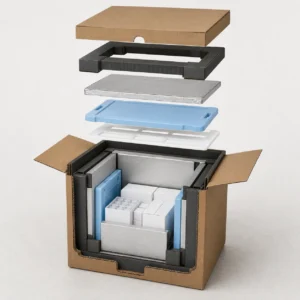
ماذا حدث
تخلق درجات الحرارة القصوى في الصيف تحديات جديدة لسلاسل الإمدادات الغذائية, زيادة الضغط على أنظمة التبريد, مرافق التخزين البارد وشبكات توزيع الأغذية الطازجة.
ويسلط التحليل الأخير الضوء على أن التقلبات المناخية لم تعد مجرد مشكلة زراعية.
لقد أصبح تحديًا للبنية التحتية لسلسلة التبريد.
يواجه تجار المواد الغذائية بالتجزئة ومشغلو الخدمات اللوجستية ضغوطًا متزايدة من:
- ارتفاع درجات الحرارة المحيطة
- ارتفاع الطلب على التبريد
- عدم اليقين بشأن توافر المنتج
- تعقيد النقل
كيف تعمل
تم تصميم أنظمة سلسلة التبريد وفقًا للظروف البيئية المتوقعة.
لكن, الحرارة الشديدة تغير بيئة التشغيل.
ارتفاع درجات الحرارة ترتفع:
تحميل التبريد
يجب أن تقوم غرف التبريد والتجميد بإزالة المزيد من الحرارة منها:
- المباني
- منتجات
- الهواء الوارد
ضغط النقل
مواجهة المركبات المبردة:
- أوقات أطول لاسترداد التبريد
- ارتفاع الطلب على الوقود أو الطاقة
- خطر أكبر أثناء التحميل
تحديات التبريد بالتجزئة
خبرة بأنظمة تبريد السوبر ماركت:
- دورات تشغيل أطول
- ارتفاع عبء عمل الضاغط
- زيادة خطر الفشل
وبالتالي فإن سلسلة التبريد لا تعتمد فقط على قدرة معدات التبريد، بل أيضًا عليها:
- عزل البناء
- أنظمة النسخ الاحتياطي
- توافر الطاقة
- التخطيط التشغيلي
لماذا يهم
غالبًا ما يعتمد التصميم التقليدي لسلسلة التبريد على الظروف المناخية التاريخية.
لكن, وتتحدى الظواهر الجوية المتطرفة الأكثر تواترا هذه الافتراضات.
قد يواجه المستودع المصمم لأنماط درجات الحرارة السابقة:
- انخفاض هامش التبريد
- ارتفاع تكاليف التشغيل
- احتمال فشل أكبر
المنتجات الطازجة حساسة بشكل خاص.
حتى عندما تظل المنتجات مبردة تقنيًا, يمكن أن يقلل التأخير والإجهاد الناتج عن درجات الحرارة:
- الحياة الافتراضية
- مظهر
- جودة
- قيمة التجزئة
تأثير B2B
لمشغلي التخزين البارد:
قد تتطلب المرافق المستقبلية:
- هوامش تبريد أعلى
- تحسين العزل
- قوة احتياطية
- تصاميم تتكيف مع المناخ
لتجار المواد الغذائية بالتجزئة:
ينبغي أن يشمل تخطيط سلسلة التوريد:
- مصادر بديلة
- مرونة إضافية في المخزون
- مراقبة أقوى للتبريد
لمقدمي الخدمات اللوجستية:
يجب أن يأخذ تخطيط النقل المبرد بعين الاعتبار:
- طرق الطقس المتطرفة
- القدرة على تبريد السيارة
- توقيت التسليم
لموردي التبريد:
قد يزيد الطلب على:
- أنظمة عالية الكفاءة
- الضوابط الذكية
- الصيانة التنبؤية
لمقدمي التكنولوجيا:
سوف تتكامل المنصات المستقبلية:
- بيانات الطقس
- بيانات التبريد
- معلومات المخزون
للتنبؤ بمخاطر سلسلة التبريد.
البصيرة النهائية
تغير المناخ يغير تصميم سلسلة التبريد.
يجب ألا تحافظ سلسلة التبريد المستقبلية على درجة الحرارة في الظروف العادية فحسب.
يجب أن تظل موثوقة خلال:
- موجات الحر
- ضغط الطاقة
- اضطرابات العرض
أصبحت مرونة سلسلة التبريد متطلبًا أساسيًا للأمن الغذائي العالمي.
تتطور سلسلة تبريد الأدوية نحو رؤية تعتمد على الذكاء الاصطناعي وإدارة تنبؤية للمخاطر
Pharmaceutical Cold Chain Moves from Temperature Monitoring Toward Predictive Supply Chain Control
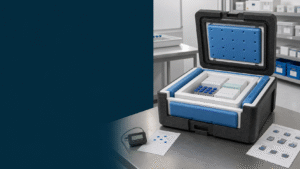
ماذا حدث
The pharmaceutical cold chain industry is entering a new stage of digital transformation as demand increases for biologics, علاجات GLP-1, اللقاحات والأدوية المتقدمة.
Industry analysis highlights that cold chain providers are expanding beyond traditional temperature monitoring toward integrated systems combining:
- الرؤية في الوقت الحقيقي
- التحليلات التنبؤية
- التنبيهات الآلية
- supply chain intelligence
The change reflects increasing complexity in pharmaceutical distribution.
Modern healthcare products often require:
- narrow temperature ranges
- إجراءات التعامل الصارمة
- validated logistics processes
نتيجة ل, maintaining temperature alone is no longer enough.
كيف تعمل
Traditional pharmaceutical cold chains rely on:
- العبوة المعزولة
- النقل المبرد
- سجلات بيانات درجة الحرارة
- مستودعات الناتج المحلي الإجمالي
These systems confirm whether products remained within specification.
لكن, future cold chains increasingly focus on prevention.
Digital platforms combine:
المراقبة في الوقت الحقيقي
مشتمل:
- درجة حرارة
- موقع
- حالة الشحن
- حالة المعدات
التحليلات التنبؤية
تستخدم لتحديد:
- مخاطر التأخير
- احتمال رحلة درجة الحرارة
- مشاكل الطريق
Automated Intervention
Systems can recommend:
- إعادة التوجيه
- التعامل مع الأولوية
- additional cooling support
- نقل المستودع
لماذا يهم
Advanced therapies create new cold chain challenges.
أمثلة:
- علاجات الخلايا
- العلاجات الجينية
- البيولوجيا
- الأدوية القابلة للحقن
These products often have:
- قيمة أعلى
- shorter stability windows
- greater patient impact
A logistics failure may result in:
- فقدان المنتج
- treatment delays
- التحقيق التنظيمي
في نفس الوقت, global pharmaceutical networks involve:
- بلدان متعددة
- ناقلات متعددة
- complex regulatory environments
This makes manual management increasingly difficult.
تأثير B2B
لمصنعي الأدوية:
Future supply chains require:
- broader visibility
- predictive risk management
- تخطيط طوارئ أقوى
لمقدمي الخدمات اللوجستية:
Competitive advantages will include:
- المراقبة الرقمية
- GDP capability
- التدخل الاستباقي
لمشغلي التخزين البارد:
سوف يزداد الطلب على:
- pharma-grade facilities
- المستودعات الآلية
- connected monitoring
لموردي التعبئة والتغليف:
تشمل فرص النمو:
- الشاحنين الذكية
- أنظمة بي سي إم
- التعبئة والتغليف القابلة لإعادة الاستخدام
لشركات التكنولوجيا:
Future solutions will integrate:
- منظمة العفو الدولية
- إنترنت الأشياء
- التوائم الرقمية
- automated decision systems
البصيرة النهائية
The pharmaceutical cold chain is shifting from:
“recording temperature history”
ل:
“predicting and preventing product risk.”
The next generation of healthcare logistics will combine physical cold chain infrastructure with digital intelligence.
يعمل نظام التحكم في التبريد المعتمد على الذكاء الاصطناعي على إنشاء عمليات تخزين باردة أكثر ذكاءً
الهندسة الحرارية التطبيقية / إلسفير
يعمل تحسين التبريد المعتمد على الذكاء الاصطناعي على ربط عمليات المستودعات بكفاءة استخدام الطاقة في سلسلة التبريد

ماذا حدث
اقترح الباحثون نهجًا جديدًا لتحسين التخزين البارد الصناعي من خلال ربط الأنشطة اللوجستية للمستودعات باستراتيجيات التحكم في التبريد.
تقدم الدراسة إطارًا لجدولة درجة الحرارة الإشرافية المدركة للوجستيات والمصمم لتحسين كفاءة الطاقة مع الحفاظ على ظروف التخزين المطلوبة.
عادةً ما تقوم المستودعات الباردة التقليدية بتشغيل أنظمة التبريد باستخدام استراتيجيات درجة حرارة ثابتة.
لكن, يتغير الطلب الحراري الفعلي على مدار اليوم اعتمادًا على:
- حركة البليت
- فتحات الأبواب
- نشاط التحميل
- جداول التفريغ
- عمليات المستودعات
يستكشف البحث ما إذا كان التبريد يمكن أن يصبح أكثر ذكاءً من خلال الاستجابة للنشاط اللوجستي بدلاً من العمل بشكل مستقل.
كيف تعمل
عادةً ما تحافظ أنظمة التخزين البارد الصناعية على درجة الحرارة بشكل مستمر.
لكن, لا تتطلب كل لحظة نفس شدة التبريد.
على سبيل المثال:
خلال فترات نشاط المستودعات العالية:
- تفتح الأبواب بشكل متكرر
- يدخل الهواء الدافئ إلى مناطق التخزين
- تزداد حركة المنتج
خلال فترات عدم النشاط:
- ينخفض الحمل الحراري
- يصبح الطلب على التبريد أقل
يجمع النظام المقترح:
المعلومات اللوجستية
مشتمل:
- جداول المستودعات
- حركة مادية
- التوقيت التشغيلي
التحكم في التبريد
ضبط:
- نقاط ضبط درجة الحرارة
- الطلب على التبريد
- استهلاك الطاقة
خوارزميات التحسين
التوازن:
- توفير الطاقة
- استقرار درجة الحرارة
- المتطلبات التشغيلية
وأظهرت نتائج المحاكاة:
- تخفيض الطاقة بحوالي 5.78%-6.23%
- ذروة تخفيض الطاقة بحوالي 8.75%-9.45%
- لا انتهاكات درجة الحرارة
لماذا يهم
يعد التخزين البارد أحد أكبر مستهلكي الطاقة في مجال الخدمات اللوجستية للأغذية والأدوية.
يواجه المشغلون ضغوطًا متزايدة من:
- تكاليف الكهرباء
- أهداف الاستدامة
- متطلبات خفض الكربون
تركز تحسينات الكفاءة التقليدية على:
- العزل
- الضواغط
- معدات التبريد
يقدم تحسين الذكاء الاصطناعي مسارًا آخر:
استخدام الذكاء التشغيلي لتقليل الطلب غير الضروري على التبريد.
وهذا أمر مهم لأن المستودعات الباردة هي بيئات ديناميكية.
تتمتع المنشأة التي تتعامل مع مئات من حركات المنصات يوميًا بسلوك حراري مختلف تمامًا عن مستودع التخزين منخفض النشاط.
تأثير B2B
لمشغلي التخزين البارد:
قد تتكامل المرافق المستقبلية:
- بيانات WMS
- ضوابط التبريد
- أنظمة إدارة الطاقة
لموردي التبريد:
تشمل فرص النمو:
- وحدات تحكم ذكية
- وحدات تحسين الذكاء الاصطناعي
- أنظمة الصيانة التنبؤية
لمقدمي أتمتة المستودعات:
التكامل بين:
- الروبوتات
- حركة المخزون
- تبريد
قد تصبح ميزة تنافسية جديدة.
لفرق الاستدامة:
يمكن أن يدعم تحسين التبريد بالذكاء الاصطناعي:
- تخفيض الطاقة
- الإبلاغ عن الكربون
- الكفاءة التشغيلية
لشركات تكنولوجيا سلسلة التبريد:
قد تعمل المستودعات الذكية المستقبلية كأنظمة متصلة حيث:
- البيانات اللوجستية تتحكم في التبريد
- تعمل بيانات التبريد على تحسين القرارات اللوجستية
البصيرة النهائية
لن يحافظ المستودع البارد المستقبلي على درجة الحرارة فحسب.
سيتم التنسيق ديناميكيًا:
- حركة المنتج
- الطلب على التبريد
- استهلاك الطاقة
- الجداول التشغيلية
يمثل التحكم في التبريد المعتمد على الذكاء الاصطناعي تحولًا من صيانة درجة الحرارة السلبية إلى إدارة سلسلة التبريد الذكية.
يؤدي نمو سلسلة التبريد الصيدلانية إلى خلق طلب جديد على الرؤية والمرونة
تتحرك سلسلة التبريد الصيدلانية إلى ما هو أبعد من التحكم في درجة الحرارة نحو مرونة سلسلة التوريد
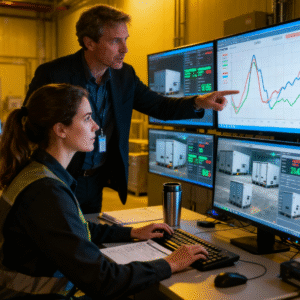
ماذا حدث
يستمر سوق سلسلة التبريد الصيدلانية في التوسع مع زيادة الطلب على المواد البيولوجية, الأدوية المتخصصة, اللقاحات والعلاجات المتقدمة.
لكن, يسلط تحليل الصناعة الضوء على أن النمو يحدث جنبًا إلى جنب مع زيادة تعقيد سلسلة التوريد.
تواجه الشبكات اللوجستية الصيدلانية الحديثة الآن تحديات بما في ذلك:
- الاضطرابات الجيوسياسية
- عدم استقرار النقل
- التغييرات التنظيمية
- رؤية شحنة محدودة
تتحول الصناعة من التركيز التقليدي على الحفاظ على درجة الحرارة إلى هدف أوسع:
حماية سلامة المنتج عبر شبكة التوريد بأكملها.
كيف تعمل
تتضمن سلسلة التبريد الصيدلانية الحديثة عدة مراحل متصلة:
- مرافق التصنيع
- عمليات التعبئة والتغليف
- مستودعات الناتج المحلي الإجمالي
- المطارات
- مقدمي النقل
- المستشفيات ومرافق الرعاية الصحية
كل انتقال يخلق مخاطر محتملة.
ركزت إدارة سلسلة التبريد التقليدية بشكل أساسي على:
- الحفاظ على نطاق درجة الحرارة
- تسجيل تاريخ الشحنة
تتحد أنظمة الجيل الجديد بشكل متزايد:
المراقبة في الوقت الحقيقي
مشتمل:
- أجهزة استشعار درجة الحرارة
- تتبع الموقع
- حالة الشحن
التحليلات التنبؤية
تستخدم لتحديد:
- مخاطر التأخير
- احتمال رحلة درجة الحرارة
- مشاكل الطريق
وضوح سلسلة التوريد
يمتد إلى ما هو أبعد من الموردين المباشرين ليشمل:
- المقاولين من الباطن
- المطارات
- الموانئ
- المراكز اللوجستية
لماذا يهم
أصبحت المنتجات الصيدلانية حساسة بشكل متزايد.
تشمل الأمثلة:
- الأجسام المضادة أحادية النسيلة
- اللقاحات
- علاجات الخلايا
- العلاجات الجينية
هذه المنتجات غالبا ما تتطلب:
- نطاقات درجات الحرارة الصارمة
- التعبئة والتغليف المعتمدة
- إجراءات التعامل الخاضعة للرقابة
قد يؤدي فشل الشحنة إلى:
- فقدان المنتج
- التحقيق التنظيمي
- تأخر علاج المريض
في نفس الوقت, أصبحت الشبكات اللوجستية العالمية أكثر عرضة للخطر.
قد يظل المنتج ضمن حدود درجة الحرارة ولكنه لا يزال يواجه مخاطر:
- تأخير النقل
- القضايا الجمركية
- اضطرابات الطريق
لذلك, التحكم في درجة الحرارة وحده لم يعد كافيا.
تأثير B2B
لمصنعي الأدوية:
سوف تتطلب سلاسل التوريد المستقبلية:
- رؤية أوسع للموردين
- طرق لوجستية بديلة
- تخطيط طوارئ أقوى
لمقدمي الخدمات اللوجستية:
يحتاج عملاء الرعاية الصحية بشكل متزايد:
- الامتثال للناتج المحلي الإجمالي
- المراقبة الرقمية
- التدخل الاستباقي
لمشغلي التخزين البارد:
الطلب مستمر في التزايد ل:
- مستودعات المستحضرات الصيدلانية
- تخزين متعدد درجات الحرارة
- المراقبة الرقمية
لموردي التعبئة والتغليف:
تشمل فرص النمو:
- الشاحنين PCM
- حاويات قابلة لإعادة الاستخدام
- مؤشرات درجة الحرارة الذكية
لشركات التكنولوجيا:
سوف تعتمد سلاسل التبريد الدوائية المستقبلية على:
- التنبؤ بالذكاء الاصطناعي
- التوائم الرقمية
- أنظمة المراقبة المتصلة
البصيرة النهائية
سلسلة التبريد الصيدلانية تتطور.
الصناعة تنتقل من:
"المحافظة على درجة الحرارة"
نحو:
"إدارة المخاطر عبر سلسلة التوريد بأكملها."
سوف يجتمع قادة سلسلة التبريد في المستقبل:
- الحماية الحرارية
- الرؤية الرقمية
- التحليلات التنبؤية
- المرونة التشغيلية
في نظام بيئي متكامل للوجستيات الرعاية الصحية.