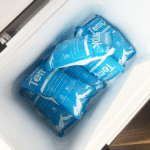
في صناعة الشحن السلسلة الباردة, ضمان بقاء البضائع القابلة للتلف في درجات الحرارة المثلى أمر بالغ الأهمية. One effective method for cold retention is layering dry ice at both the top and bottom of shipments. But is this the best strategy to enhance cold retention, and when should it be used? في هذه المقالة, سوف نستكشف كيفية عمل الثلج الجاف, how layering improves cold retention, and the best practices to follow in 2025 for safe and effective shipping.

-
ما هو الجليد الجاف وكيف يعمل?
-
Benefits of Layering Dry Ice for Cold Retention
-
Best Practices for Layering Dry Ice in Shipments
-
اعتبارات السلامة عند استخدام الثلج الجاف
-
2025 الاتجاهات في لوجستيات سلسلة البرد
-
نصائح وتوصيات عملية
How Does Layering Dry Ice at the Top and Bottom Impact Cold Retention?
إجابة مباشرة:
نعم, layering dry ice at both the top and bottom of a shipment can improve cold retention by creating a more uniform cooling environment. الهواء البارد يغرق بشكل طبيعي, so placing dry ice at the top allows the cold air to cascade downward, keeping the goods consistently cold from all directions. Layering at the bottom can further enhance this effect, ensuring the temperature stays balanced throughout the entire shipment.
شرح موسع:
Layering dry ice at both the top and bottom provides several advantages. أولاً, it ensures that cold air is evenly distributed, preventing temperature fluctuations that could negatively impact sensitive products. The dry ice sublimates into carbon dioxide gas, and as it cools, the dense cold air sinks, naturally maintaining a low temperature. For longer journeys or goods that need extended cold retention, layering at both ends provides redundancy, helping to maintain the integrity of the shipment even if one layer sublimates faster than the other
Why Does Heat Transfer Matter for Dry Ice Layering?
Heat transfer plays a significant role in determining the effectiveness of dry ice placement. مغسلة الهواء البارد, so placing dry ice on top maximizes the cooling effect as it helps the cold air travel down to the goods. Without proper insulation and airflow, heat from the environment could compromise the shipment’s temperature. Layering dry ice at both the top and bottom ensures that cold air reaches every part of the shipment.
| طريقة الطبقات | الأفضل ل | إيجابيات | سلبيات | ماذا يعني لك |
|---|---|---|---|---|
| Top-only | الأطعمة المجمدة, الأدوية, مسافات طويلة | Maximizes cooling and long-lasting cold retention | Can cause freezer burn or overcool sensitive items | Ideal for goods that must remain frozen, with a barrier to avoid freezing. |
| Bottom-only | Chilled products like drinks, ينتج | Keeps goods cool without freezing | أقل كفاءة; cold remains concentrated at the bottom | Best for items that need to stay cold but not frozen. |
| Top and Bottom | High-value perishable goods, شحنات لمسافات طويلة | تبريد متوازن, احتباس بارد ممتد | Higher dry ice usage and weight | Suitable for critical shipments, such as medical supplies and frozen food, where failure is not an option. |
Best Practices for Layering Dry Ice in Shipments
To ensure maximum cold retention, proper dry ice layering is essential. Follow these steps for effective cold chain shipping:
-
اختر الحاويات المعزولة: استخدم قويا, insulated boxes such as Styrofoam coolers or hard-shell containers that maintain internal temperatures. Avoid soft-sided coolers as they allow quicker temperature fluctuations
-
لف الجليد الجاف: Always wrap dry ice in materials like newspaper or place it in vented pouches to slow down sublimation and prevent direct contact with goods
-
Pre-Chill the Shipment: قبل التعبئة, pre-chill your shipping container and items to reduce the initial temperature load, giving dry ice more time to maintain its low temperature
-
التهوية هي المفتاح: تأكد من أن الحاوية تسمح لغاز ثاني أكسيد الكربون بالهروب. Improper ventilation can lead to dangerous pressure buildup, potentially causing a rupture in the container
-
مراقبة معدلات التسامي: Regularly check how much dry ice has sublimated to ensure it lasts for the duration of the journey
اعتبارات السلامة عند استخدام الثلج الجاف
الثلج الجاف بارد للغاية (-78.5°C or -109.3°F), and improper handling can lead to serious injuries or hazards. Here’s how to stay safe:
مخاطر الثلج الجاف
-
قضمة الصقيع: يمكن أن يسبب الاتصال المباشر بالثلج الجاف قضمة صقيع شديدة. استخدم دائمًا القفازات أو الملقط المعزول للتعامل معها
-
الاختناق: الجليد الجاف يسامي غاز ثاني أكسيد الكربون, والتي يمكن أن تحل محل الأكسجين في الأماكن الضيقة. لا تقم أبدًا بتخزين الثلج الجاف في حاوية محكمة الإغلاق
-
تراكم الضغط: If dry ice is stored in a sealed container, the gas buildup can cause the container to rupture. Always provide adequate ventilation
Safety Practices for Handling Dry Ice
-
ارتداء معدات واقية: Always use insulated gloves and handle dry ice with tongs
-
تهوية بشكل صحيح: Ensure proper ventilation in storage and transport containers
-
تخلص من الثلج الجاف بأمان: Allow unused dry ice to sublimate in an open, منطقة تهدأ جيدا, بعيدا عن الأطفال والحيوانات الأليفة
2025 Trends in Cold Chain Shipping and Dry Ice Innovations
Latest Innovations in Dry Ice Usage
صناعة سلسلة التبريد تتطور بسرعة, with several innovations reshaping how we use dry ice for shipments:
-
إنتاج الثلج الجاف الصديق للبيئة: في 2025, the industry is seeing a shift towards sustainable dry ice production methods. Companies are utilizing carbon-negative dry ice, made from CO₂ captured from industrial sources, المساعدة في تقليل التأثير البيئي
-
العبوة الذكية: Advances in smart packaging technology include temperature-monitoring solutions and multi-layered insulation to provide more reliable cold retention for shipments
-
حلول التبريد الهجين: Companies are now combining dry ice with other cooling agents like plant-based gels to enhance the cold retention capabilities of their shipments
رؤى السوق
The demand for dry ice and other cold chain solutions is expected to grow as global shipping needs increase. With the expansion of e-commerce, الأدوية, and the biotechnology industry, cold chain logistics is poised for growth. Businesses that embrace new technologies, such as eco-friendly dry ice and smart packaging, will have a competitive edge
الأسئلة المتداولة (الأسئلة الشائعة)
س 1: ما هي كمية الثلج الجاف التي يجب أن أستخدمها في شحنتي؟?
يستخدم 1-2 رطل من الثلج الجاف لكل 10 جنيه من البضائع القابلة للتلف. Adjust this ratio based on the shipment’s size and transit duration
Q2: هل يمكن استخدام الثلج الجاف للشحنات الدولية?
نعم, يمكن استخدام الثلج الجاف للشحنات الدولية, but it is subject to specific regulations, خاصة بالنسبة للنقل الجوي
س 3: What if I don’t want my goods to freeze with dry ice?
ضع حاجزا (like cardboard or insulated pads) between the dry ice and the goods to prevent direct contact and freezing
خاتمة
Layering dry ice at both the top and bottom of a shipment is an effective strategy for maximizing cold retention, especially for long-distance or high-value shipments. Following the proper procedures for insulation, تهوية, and dry ice placement will ensure that perishable goods remain in optimal condition. Stay informed on the latest trends, such as eco-friendly dry ice production and smart packaging, to enhance your cold chain shipping practices in 2025.
خطوات قابلة للتنفيذ:
-
Assess Shipment Needs: Determine whether your products need to stay frozen or simply chilled.
-
حساب متطلبات الثلج الجاف: اتبع 2025 guidelines for how much dry ice is necessary based on shipment duration and weight.
-
Prepare Your Containers: قبل البرد, عزل, and carefully layer your dry ice to maximize cold retention.
-
مراقبة الشحنات: Use real-time temperature tracking for enhanced visibility and reliability.
حول Tempk
توفر Tempk حلول سلسلة التبريد المتطورة, from dry ice products to smart packaging technologies. Our eco-friendly solutions help ensure that your temperature-sensitive shipments arrive safely and efficiently. Contact us today to optimize your shipping strategy.