تدور لوجيستيات سلسلة التبريد حول نقل المنتجات الحساسة لدرجة الحرارة، مثل الأطعمة, اللقاحات والمستحضرات البيولوجية – في ظل ظروف محددة. لكن, لا يخلو الأمر من العقبات. ستجد أن الحفاظ درجات حرارة ثابتة, يظل تحقيق الرؤية في الوقت الفعلي والامتثال للوائح المتطورة بمثابة صداع مستمر. هؤلاء التحديات في الخدمات اللوجستية لسلسلة التبريد تضخيم مع نمو القطاع إلى دولار أمريكي 436.3 مليار سوق في 2025. هذا المقال, تم تحديثه لـ 2025, يشرح سبب أهمية هذه المشكلات وكيف يمكنك معالجتها باستخدام التقنيات الناشئة وأفضل الممارسات.

ما هي العوامل التي تجعل التحكم في درجة الحرارة أمرًا صعبًا للغاية في لوجستيات سلسلة التبريد?
كيف يؤدي ضعف الرؤية إلى خلق المخاطر وكيف يمكن أن يساعد تكامل البيانات?
لماذا تعتبر عمليات تسليم الميل الأخير معقدة ومكلفة للغاية؟?
كيف تعيد اللوائح ومتطلبات الاستدامة تشكيل استراتيجيات سلسلة التبريد?
ما هي التقنيات والاتجاهات التي ستهيمن على لوجستيات سلسلة التبريد؟ 2025?
ما هي العوامل التي تجعل التحكم في درجة الحرارة صعبا للغاية؟?
يعد الحفاظ على درجة الحرارة والرطوبة الدقيقة هو التحدي الأساسي. حتى الانحرافات القصيرة تفسد اللقاحات, المواد القابلة للتلف أو المواد الكيميائية. غالبًا ما تنبع الأعطال من تعطل المعدات, التعبئة والتغليف غير السليم أو خطأ بشري. في 2025, تتطلب المواد البيولوجية عالية القيمة والعلاجات شديدة البرودة تخزينها في درجة حرارة -70 درجة مئوية أو أقل, إضافة التعقيد. يمكن أن تحدث تقلبات في درجات الحرارة أثناء التحميل, التفريغ أو بسبب تأخيرات غير متوقعة في المسار.
التفسير الموسع:
تنتقل منتجاتك عبر المراحل — بدءًا من التبريد المسبق ووصولاً إلى التخزين, النقل والتسليم. كل مرحلة تحمل مخاطر. يجب تبريد البضائع مسبقًا مباشرة بعد الحصاد أو الإنتاج لإزالة حرارة الحقل. تعمل مرافق التخزين في مناطق درجات حرارة مختلفة: المحيط (15-25 درجة مئوية), رائع (10-15 درجة مئوية), مبردة (2-8 درجة مئوية) وتجميد (-20 إلى -10 درجة مئوية). تشتمل الأساطيل الحديثة على مقطورات كهربائية هجينة أو مجمدات مبردة للحفاظ على درجات حرارة منخفضة للغاية. تقوم أجهزة استشعار إنترنت الأشياء ومسجلات البيانات بتسجيل درجة الحرارة بشكل مستمر, الرطوبة والموقع للكشف عن الانحرافات.
لماذا تحدث أعطال في المعدات والعمليات؟?
غالبًا ما تنشأ الأعطال من عدم كفاية الصيانة, المرافق التي عفا عليها الزمن والخطأ البشري. العديد من مستودعات التخزين البارد أكثر من 40 سنة, مما يجعلها غير فعالة في استخدام الطاقة وغير موثوقة. قد تتعطل وحدات التبريد بسبب نقص الصيانة الوقائية أو تقلبات الطاقة. فتحات الأبواب, يمكن أن يؤدي تكديس البليت غير المناسب أو العزل غير الكافي إلى رفع درجات الحرارة الداخلية بسرعة. بالإضافة إلى ذلك, تتضمن سلاسل التوريد المعقدة عمليات تسليم متعددة, زيادة فرص الرحلات الحرارية.
| منطقة الفشل | السبب النموذجي | ماذا يعني هذا بالنسبة لك |
| انهيار المعدات | تقادم وحدات التبريد أو نقص الصيانة الوقائية | التوقف غير المخطط له, تلف المنتج وفقدانه المكلف |
| التعبئة والتغليف غير السليم | استخدام العزل غير المناسب أو مواد تغيير الطور | تسخن البضائع بشكل أسرع أثناء النقل |
| خطأ بشري | ترك الأبواب مفتوحة لفترة طويلة جدًا أو سوء وضع المنصات | ارتفاع درجات الحرارة وعدم انتظام التبريد |
| قيود البنية التحتية | 40مرافق عمرها عام مع عزل قديم | ارتفاع استهلاك الطاقة وخطر الفشل |
نصائح وإرشادات عملية للمستخدمين
خطة للتكرار: تجهيز المقطورات بوحدات تبريد مزدوجة وصيانة مولدات احتياطية للتعامل مع الأعطال غير المتوقعة.
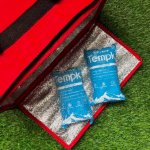
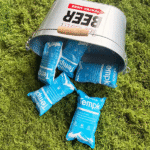
استخدم العبوة المعتمدة: اختر الحاويات المعزولة, عبوات هلامية ومواد متغيرة الطور مطابقة للملف الحراري لمنتجك.
إجراء الصيانة الوقائية: جدولة عمليات التفتيش المنتظمة للضواغط, معايرة المراوح وأجهزة الاستشعار لتجنب الأعطال في منتصف الرحلة.
قم بالتبريد المسبق وتقليل فتحات الأبواب: قم بتبريد المركبات مسبقًا قبل التحميل وتدريب الموظفين على فتح الأبواب فقط عند الضرورة للحفاظ على الهواء البارد.
مثال العالم الحقيقي: قام أحد مزودي الخدمات اللوجستية في جنوب شرق آسيا بتطبيق نظام تبريد مزدوج الوحدة على أسطول اللقاحات الخاص به. عندما فشل ضاغط واحد, حافظت الوحدة الاحتياطية على نطاق من 2 إلى 8 درجات مئوية حتى يتم إجراء الإصلاحات, منع فقدان المنتج والحفاظ على الامتثال التنظيمي.
كيف يؤدي ضعف الرؤية إلى خلق المخاطر وكيف يمكن أن يساعد تكامل البيانات?
يؤدي الافتقار إلى الرؤية في الوقت الفعلي إلى تحويل الشحنات إلى "صناديق سوداء". دون مراقبة مستمرة, يتعلم المديرون فقط عن المشاكل بعد حدوثها. تترك السجلات اليدوية فجوات وتعيق التدخلات في الوقت المناسب. في 2025, تعد إمكانية التتبع الرقمي إلزامية بالنسبة للأطعمة عالية المخاطر في الولايات المتحدة. قاعدة FSMA 204 والمبادئ التوجيهية للناتج المحلي الإجمالي للاتحاد الأوروبي.
التفسير الموسع:
الرؤية تغطي الموقع, بيانات درجة الحرارة وسلسلة الحضانة. توفر مستشعرات إنترنت الأشياء الآن مراقبة في الوقت الفعلي بفواصل زمنية تتراوح من 1 إلى 5 دقائق. ترسل هذه الأجهزة تنبيهات فورية إذا انحرفت درجات الحرارة عن الحدود المحددة. تقوم منصات تكامل البيانات بدمج الخلاصات من أجهزة استشعار متعددة, أنظمة التحكم عن بعد وأنظمة المستودعات. تضمن تقنية Blockchain أيضًا أن تكون السجلات مقاومة للتلاعب وقابلة للتحقق. بدون تكامل, تجبر صوامع البيانات الفرق على التوفيق بين المعلومات يدويًا ويمكن أن تؤدي إلى أخطاء مكلفة.
ما الذي يجعل تكامل البيانات أمرًا صعبًا?
تعمل أجهزة ومنصات المراقبة المتعددة على إنشاء مجموعات بيانات مجزأة. قد تستخدم الشركات المصنعة المختلفة بروتوكولات خاصة, مما يجعل من الصعب دمج بياناتهم. تفتقر الأنظمة القديمة إلى واجهات برمجة التطبيقات لنقل البيانات في الوقت الفعلي. يستغرق الدمج اليدوي وقتًا طويلاً ويكون عرضة للخطأ. نتيجة ل, ويكافح المديرون من أجل الحصول على رؤية موحدة ولا يمكنهم الاستفادة من التحليلات التنبؤية بشكل فعال.
| مشكلة الرؤية | تأثير | ماذا يعني هذا بالنسبة لك |
| تسجيل البيانات يدويا | تأخر الكشف عن انحرافات درجة الحرارة | زيادة خطر التلف وفشل الامتثال |
| أنظمة متباينة | صوامع البيانات والافتقار إلى رؤى قابلة للتنفيذ | دورات قرار أطول وتحسين محدود |
| اتصال محدود | عدم القدرة على تتبع الشحنات النائية أو الريفية في الوقت الحقيقي | انخفاض الرؤية لعمليات التسليم عن بعد |
| عدم الامتثال التنظيمي | صعوبة إنشاء مسارات تدقيق مقاومة للتلاعب | خطر الغرامات والشحنات المرفوضة |
نصائح لتحسين الرؤية وتكامل البيانات
اعتماد أجهزة استشعار إنترنت الأشياء والمنصات الموحدة: تجهيز المنصات, الحاويات والمركبات المزودة بأجهزة تعقب متعددة المستشعرات ودمجها في لوحة القيادة المركزية لمراقبة الموقع والظروف بشكل مستمر.
تنفيذ blockchain أو التتبع الرقمي: استخدم blockchain لإنشاء سجلات غير قابلة للتغيير لدرجة الحرارة وأحداث المعالجة.
استخدم التحليلات التنبؤية: قم بتحليل البيانات التاريخية للتنبؤ بالوقت المحتمل لحدوث الرحلات الاستكشافية والتخطيط لإجراءات التخفيف مسبقًا.
توحيد بروتوكولات البيانات: اعمل مع شركاء التكنولوجيا الذين يدعمون واجهات برمجة التطبيقات وتنسيقات البيانات الشائعة لتقليل تعقيد التكامل.
دراسة حالة: قامت إحدى شركات الأدوية بدمج أجهزة استشعار درجة الحرارة الخاصة بها, أجهزة تعقب GPS ونظام إدارة المستودعات عبر منصة سحابية. عندما اكتشف مستشعر إنترنت الأشياء وجود 0.5 ارتفاع درجة مئوية, يقوم النظام تلقائيًا بإخطار السائقين وإعادة توجيه الشحنة إلى مركز تخزين بارد قريب. خفضت الشركة حوادث الرحلات بنسبة 30 % أكثر من ستة أشهر وتقارير امتثال مبسطة لقاعدة FSMA 204.
لماذا تعتبر عمليات تسليم الميل الأخير معقدة ومكلفة للغاية؟?
يؤدي "الميل الأخير" إلى تضخيم المخاطر والتكلفة. تتطلب عمليات التسليم إلى المدن المزدحمة أو المناطق النائية تحكمًا دقيقًا في درجة الحرارة أثناء التنقل في حركة المرور أو البنية التحتية الضعيفة. تزيد كل عملية تسليم إضافية من فرصة الرحلات الحرارية. يتوقع المستهلكون بسرعة, تسليم شفاف, إجبار المشغلين على موازنة السرعة مع التعامل الدقيق. يؤدي ارتفاع التجارة الإلكترونية والشحنات المباشرة إلى المستهلكين إلى تكثيف الطلب, وخاصة بالنسبة للأطعمة الطازجة والأدوية.
التفسير الموسع:
تتضمن عمليات تسليم الميل الأخير توجيهًا معقدًا ونقاط تسليم متنوعة - المنازل, العيادات أو متاجر البيع بالتجزئة. تعاني المناطق الحضرية من الازدحام وقيود وقوف السيارات; وتفتقر المناطق الريفية إلى بنية تحتية موثوقة. يجب على السائقين الحفاظ على سلامة درجة الحرارة مع الالتزام بنوافذ التسليم الضيقة. يتطلب ظهور الأطعمة النباتية وغيرها من المنتجات المتخصصة معالجة متخصصة. مع توقع وصول سوق سلسلة التبريد العالمية إلى الدولار الأمريكي 862 مليار من قبل 2032, تصبح كفاءة الميل الأخير حاسمة للربحية.
ما هي التحديات الرئيسية في الميل الأخير?
تشمل صعوبات الميل الأخير تحسين المسار, الوفاء الجزئي, القيود المفروضة على التعبئة والتغليف والمركبات. محدودية البيانات في الوقت الحقيقي في المناطق النائية تعيق عملية صنع القرار. لا يزال العديد من المشغلين يعتمدون على المبردات المعزولة أو حفظ السجلات يدويًا. قد تتضمن عمليات التسليم توقفات متعددة, مما يؤدي إلى فتح الأبواب بشكل متكرر وارتفاع درجات الحرارة. وتواجه عمليات الميل الأخير في المناطق الحضرية أيضًا مناطق جديدة خالية من الانبعاثات, تتطلب المركبات الكهربائية أو الهجينة.
| تحدي الميل الأخير | وصف | ماذا يعني هذا بالنسبة لك |
| الازدحام الحضري | تأخير حركة المرور ومواقف محدودة للسيارات في مراكز المدن | جدولة المخازن المؤقتة لتجنب التأخير |
| الوصول إلى المناطق الريفية | ضعف البنية التحتية وطول المسافة إلى العيادات النائية | استخدم تحسين المسار والمحاور المحلية |
| عمليات تسليم متعددة | كل عملية نقل تزيد من خطر انتهاك درجات الحرارة | تدريب الموظفين والحد من عمليات النقل |
| قيود المركبات | الحاجة إلى المركبات الصغيرة الكهربائية أو المبردة | استثمر في المركبات الكهربائية الصغيرة أو المبردات المعزولة |
نصائح عملية للميل الأخير
استخدم أدوات تحسين المسار: يمكن للبرامج التي تعتمد على الذكاء الاصطناعي تخطيط مسارات فعالة مع الأخذ في الاعتبار متطلبات حركة المرور ودرجة الحرارة.
إنشاء مراكز الوفاء الصغيرة: قم ببناء أو إقامة شراكة مع مراكز تبريد صغيرة بالقرب من مناطق الاستهلاك لتقليل مسافة السفر.
استخدام معدات التسليم النهائي المعزولة: لمسافات قصيرة, تحافظ حقائب اليد المعزولة أو الثلاجات المحمولة على سلامة درجة الحرارة.
الاستفادة من السيارات ذاتية القيادة أو الكهربائية: تعمل البرامج التجريبية التي تستخدم الطائرات بدون طيار أو الشاحنات الكهربائية على تقليل الانبعاثات وتحسين الموثوقية.
مثال توضيحي: أنشأت خدمة بقالة عبر الإنترنت في الهند مراكز تلبية طلبات صغيرة في كل منطقة حضرية. تستخدم عمليات التسليم الدراجات البخارية الكهربائية ذات الصناديق المعزولة. يتم تسليم خطط برامج تحسين المسار خلال 30 دقيقة. قام البرنامج بتقصير وقت عبور الميل الأخير عن طريق 25 % وتقليل استهلاك الطاقة, مساعدة الشركة على المنافسة بالدولار الأمريكي 28 سوق البقالة مليار ه.
كيف تعيد اللوائح ومتطلبات الاستدامة تشكيل استراتيجيات سلسلة التبريد?
اللوائح والاستدامة تعمل على تشديد المتطلبات. تعمل البلدان على التخلص التدريجي من المبردات التي تسبب ظاهرة الاحتباس الحراري مثل مركبات الكربون الهيدروفلورية وتفرض إمكانية التتبع وحفظ السجلات الإلكترونية. الولايات المتحدة. قاعدة قانون تحديث سلامة الأغذية 204, اعتبارا من يناير 2025, يتطلب أن تكون الأطعمة عالية المخاطر قابلة للتتبع داخلها 24 ساعات. تتطلب ممارسات التوزيع الجيدة في الاتحاد الأوروبي مراقبة مستمرة لدرجة حرارة المنتجات الصيدلانية. بالإضافة إلى ذلك, ويتوقع المستهلكون والمستثمرون الشفافية: 99 % من المتسوقين يريدون الرؤية, و 75 % سيتم تبديل العلامات التجارية لتحسين إمكانية التتبع.
التفسير الموسع:
تشمل السياسات البيئية التخلص التدريجي من مركبات الكربون الهيدروفلورية بموجب تعديل كيغالي واعتماد المبردات الطبيعية مثل ثاني أكسيد الكربون., الأمونيا والبروبان. يجب على المشغلين ترقية المعدات للامتثال للحصص والحظر الجديد, والتي قد تدخل حيز التنفيذ في وقت مبكر 2027 في الاتحاد الأوروبي. تشجع مبادرات الطاقة المتجددة وحدات التخزين البارد التي تعمل بالطاقة الشمسية ووحدات التبريد الهجينة أو الكهربائية. تعمل نماذج التغليف القابلة لإعادة الاستخدام والاقتصاد الدائري على تقليل النفايات ودعم أهداف ESG.
ما الذي يجب على الشركات فعله لتلبية المتطلبات التنظيمية والاستدامة؟?
يتطلب الامتثال الاستثمار في التكنولوجيا, تدريب الموظفين والتخطيط الاستراتيجي. يجب على المشغلين فهم الإرشادات الإقليمية — من إدارة الغذاء والدواء (FDA)., معايير الناتج المحلي الإجمالي للاتحاد الأوروبي ومنظمة الصحة العالمية - والحفاظ على مسارات التدقيق. تتطلب جهود الاستدامة التحول إلى المبردات ذات القدرة المنخفضة على إحداث الاحترار العالمي, اعتماد الطاقة المتجددة والحد من النفايات.
| متطلبات | فعل | فائدة |
| إمكانية التتبع (قاعدة FSMA 204) | تنفيذ التتبع الرقمي وسجلات blockchain | تجنب عمليات الاستدعاء وبناء ثقة المستهلك |
| التخفيض التدريجي لمركبات الكربون الهيدروفلورية | الانتقال إلى المبردات الطبيعية (co₂, الأمونيا, البروبان) | خفض الانبعاثات والالتزام بالحصص |
| اعتماد الطاقة المتجددة | تركيب الألواح الشمسية واستخدام الوحدات الهجينة أو الكهربائية | انخفاض تكاليف الطاقة والبصمة الكربونية |
| عبوة قابلة لإعادة الاستخدام | استخدم الحاويات القابلة للإرجاع والملصقات الذكية | الحد من الهدر وتحسين الشفافية |
| تقارير الحوكمة البيئية والاجتماعية وحوكمة الشركات | تتبع البصمة الكربونية ونشر مقاييس الاستدامة | جذب المستهلكين والمستثمرين الواعين |
نصائح عملية للامتثال والاستدامة
إجراء التدقيق التنظيمي: قم بتعيين المعايير المعمول بها في الأسواق الخاصة بك وحدد الثغرات في الوثائق, المراقبة وحفظ السجلات.
وضع خطة انتقالية لغاز التبريد: تقييم وحدات التبريد وتخطيط عمليات الاستبدال قبل المواعيد النهائية التنظيمية.
الاستفادة من الطاقة المتجددة: قم بتركيب الألواح الشمسية في المستودعات واستكشف اتفاقيات شراء الطاقة لتعويض كهرباء الشبكة.
اعتماد التعبئة والتغليف القابلة لإعادة الاستخدام: استثمر في الحاويات المعزولة القابلة لإعادة الاستخدام وعقد شراكة مع مقدمي الخدمات اللوجستية العكسية لإدارة المرتجعات.
دراسة حالة: قامت شركة لوجستية أوروبية بتحديث أسطولها بوحدات تبريد تعتمد على ثاني أكسيد الكربون وتركيب الطاقة الشمسية على السطح في مستودعها الرئيسي. كما أنها قامت برقمنة إمكانية التتبع باستخدام blockchain. استوفت الشركة لوائح التبريد الخاصة بالاتحاد الأوروبي قبل 2027 موعد التسليم, تقليل استهلاك الطاقة بنسبة 20 % وحسنت تصنيفها البيئي والاجتماعي والحوكمة (ESG)., جذب عملاء جدد للمستحضرات الصيدلانية.
ما هي التقنيات والاتجاهات التي ستهيمن على لوجستيات سلسلة التبريد؟ 2025?
تعمل التكنولوجيا على تحويل سلسلة التبريد من التفاعلية إلى التنبؤية. مستشعرات إنترنت الأشياء, منظمة العفو الدولية, أصبحت تقنية blockchain والأتمتة الآن ضرورية – وليست اختيارية – لتحقيق القدرة التنافسية. من المتوقع أن يصل سوق سلسلة التبريد إلى الدولار الأمريكي 1.63 تريليون بواسطة 2035 بمعدل نمو سنوي مركب يتراوح بين 11-15 %, مدفوعة بالبيولوجيا الدوائية, نمو البقالة ومتطلبات شفافية المستهلك. المبتكرون في جنوب شرق آسيا هم رواد في التتبع القائم على تقنية blockchain, تخزين بالطاقة الشمسية, تحسين المسار القائم على الذكاء الاصطناعي والمجمدات المبردة المحمولة.
2025 نظرة عامة على الاتجاه
الأتمتة والروبوتات: إن شيخوخة القوى العاملة وارتفاع تكاليف العمالة تدفع إلى اعتماد أنظمة التخزين والاسترجاع الآلية (AS/RS). الروبوتات تقلل من الأخطاء البشرية, تعمل بشكل مستمر ويمكن أن تحافظ على درجة حرارة ورطوبة ثابتة. تظهر الدراسات أن حوالي 80 % من المستودعات ليست مؤتمتة بعد, ترك مجالا واسعا للنمو.
الاستدامة كقيمة أساسية: التبريد الموفرة للطاقة, لم تعد الطاقة المتجددة والتعبئة المستدامة اختيارية بل ضرورية. تمثل البنية التحتية لسلسلة التبريد العالمية حوالي 2 % من انبعاثات ثاني أكسيد الكربون العالمية, الضغط على الشركات لتبني ممارسات صديقة للبيئة.
نهاية إلى نهاية الرؤية: توفر أجهزة تتبع إنترنت الأشياء المتقدمة بيانات الموقع والحالة في الوقت الفعلي. تساعد المراقبة في الوقت الفعلي على تحسين الطرق, تقليل النفايات وضمان الامتثال.
تحديث البنية التحتية: تحديث المستودعات بأجهزة التبريد الحديثة, يعمل العزل وتحليل البيانات على تحسين الكفاءة وتقليل تكاليف الطاقة. استمرار الاستثمارات في 2025 التركيز على عزل أفضل, جمع البيانات والطاقة المتجددة في الموقع.
الذكاء الاصطناعي والتحليلات التنبؤية: يعمل الذكاء الاصطناعي على تحسين الطرق, يتنبأ بالطلب ويتنبأ بصيانة المعدات. يمكن للذكاء الاصطناعي أيضًا تحديد الشحنات الأكثر عرضة لخطر التأخير أو التلف, تمكين التدخلات الاستباقية.
النمو في سلسلة التبريد الصيدلانية: مع 20 % من الأدوية الجديدة هي العلاجات الجينية والخلاياية التي تتطلب تخزينًا شديد البرودة, تعد الخدمات اللوجستية الموثوقة لسلسلة التبريد أمرًا ضروريًا. تقدر قيمة قطاع سلسلة التبريد الصيدلانية بالدولار الأمريكي 6.7 مليار في 2025 ومن المتوقع أن يصل إلى الدولار 9.3 مليار من قبل 2034.
الاستثمار في الخدمات اللوجستية للأغذية الطازجة وتوصيل الميل الأخير: يتزايد الطلب على المنتجات الطازجة والأغذية النباتية. من المتوقع أن يصل سوق سلسلة تبريد الأغذية في أمريكا الشمالية وحده إلى الدولار الأمريكي 86.67 مليار في 2025.
الشراكات الاستراتيجية والتكامل: التعاون بين مصنعي المواد الغذائية, يعمل موردو التغليف ومقدمو التكنولوجيا على تحسين المرونة والرؤية. بواسطة 2025, 74 % ومن المتوقع أن يتم توحيد البيانات اللوجستية عبر سلاسل التوريد, تمكين التكامل السلس.
أحدث التطورات في لمحة
Blockchain للتتبع: يضمن وجود سجلات مقاومة للتلاعب وسلامة البيانات في سلاسل توريد اللقاحات.
غرفة تبريد تعمل بالطاقة الشمسية: يوفر الطاقة المستدامة للمناطق النائية ويخفض تكاليف التشغيل.
تمكين أجهزة الاستشعار الذكية من إنترنت الأشياء: تقديم مراقبة مستمرة في الوقت الحقيقي وإرسال تنبيهات لانحرافات درجة الحرارة.
تحسين المسار المدعوم بالذكاء الاصطناعي: يستخدم بيانات حركة المرور والطقس في الوقت الحقيقي لتخطيط الطرق المثلى والتنبؤ بالمشكلات.
المجمدات المبردة المحمولة: السماح بنقل المواد البيولوجية عند -80 درجة مئوية إلى -150 درجة مئوية, ضروري للعلاجات الجينية والخلايا.
رؤى السوق
تم تقييم السوق العالمية للوجستيات سلسلة التبريد بالدولار الأمريكي 436.3 مليار في 2025 ومن المتوقع أن ينمو إلى حوالي دولار أمريكي 1,359.8 مليار من قبل 2034. ستقود منطقة آسيا والمحيط الهادئ النمو بمعدل نمو سنوي مركب متوقع يبلغ حوالي 14.3 %. في 2025, التقديرات تضع السوق بين الدولار الأمريكي 393 مليار دولار أمريكي 453 مليار. وتشمل محركات النمو لوائح صارمة لسلامة الأغذية, العولمة, التقدم التكنولوجي والتوسع في قطاعات الأدوية والأغذية الطازجة. إن طلب المستهلكين للشفافية يعيد تشكيل السوق: 99 % من المتسوقين يريدون رؤية سلسلة التوريد و 75 % سوف يقومون بتبديل العلامات التجارية إذا لم يتلقوها.
الأسئلة المتداولة
سؤال 1: لماذا تحدث رحلات درجة الحرارة حتى مع المعدات الحديثة?
فشل المعدات, لا يزال من الممكن أن يتسبب التغليف غير المناسب والخطأ البشري في حدوث ارتفاعات قصيرة في درجات الحرارة. تؤدي المرافق القديمة والممارسات غير المتسقة إلى تضخيم المخاطر. لتقليل الرحلات, الاستثمار في وحدات التبريد الزائدة عن الحاجة, التحقق من صحة التعبئة والتغليف وتدريب الموظفين.
سؤال 2: كيف يمكنني ضمان الامتثال لقاعدة FSMA 204?
تنفيذ أنظمة التتبع الرقمية التي تسجل أحداث درجة الحرارة والتعامل معها في الوقت الفعلي. استخدم blockchain أو المنصات المركزية لإنشاء سجلات قابلة للتدقيق. تدريب الموظفين على إجراءات التوثيق ووضع حدود التنبيه لمنع الرحلات.
سؤال 3: هل حلول التغليف القابلة لإعادة الاستخدام تستحق الاستثمار؟?
تعمل الحاويات القابلة لإعادة الاستخدام على تقليل النفايات وقد تخفض التكاليف على المدى الطويل. توفر الملصقات الذكية دليلاً فوريًا على رحلات درجة الحرارة. فكر في التكاليف اللوجستية العكسية وعقد شراكة مع مقدمي الخدمة الذين يديرون التنظيف والتتبع.
سؤال 4: ما هو الدور الذي يلعبه الذكاء الاصطناعي في لوجستيات سلسلة التبريد؟?
يقوم الذكاء الاصطناعي بتحليل البيانات التاريخية والبيانات في الوقت الحقيقي لتحسين المسارات, التنبؤ بالطلب والتنبؤ بصيانة المعدات. ويمكنه تحديد الشحنات المعرضة لخطر التأخير أو التلف والتوصية باتخاذ إجراءات استباقية.
سؤال 5: كيف يتم دمج الطاقة المتجددة والاستدامة في عمليات سلسلة التبريد?
الألواح الشمسية, تعمل المقطورات الهجينة أو الكهربائية والمبردات الطبيعية على تقليل آثار الكربون. تعمل نماذج التغليف المستدام والاقتصاد الدائري على تقليل النفايات. وتساعد تقارير الحوكمة البيئية والاجتماعية والحوكمة (ESG) على إيصال هذه الجهود إلى المستهلكين والمستثمرين.
ملخص وتوصيات
تضمن لوجستيات سلسلة التبريد التسليم الآمن للسلع الحساسة لدرجة الحرارة, لكن الحفاظ على الظروف الدقيقة لا يزال يمثل تحديًا. أعطال المعدات, يساهم الخطأ البشري والبنية التحتية القديمة في ارتفاع درجات الحرارة. إن ضعف الرؤية وصوامع البيانات يعيق التدخلات في الوقت المناسب. تؤدي عمليات تسليم الميل الأخير إلى تفاقم التعقيد بسبب الازدحام, الوصول إلى المناطق الريفية وعمليات التسليم المتعددة. إن اللوائح التنظيمية ومتطلبات الاستدامة تدفع إلى اعتماد إمكانية التتبع, التقنيات الخضراء والتعبئة القابلة لإعادة الاستخدام. التقنيات الناشئة – أجهزة استشعار إنترنت الأشياء, منظمة العفو الدولية, blockchain, الأتمتة - تعمل على تحويل القطاع وتمكين التنبؤ, اللوجستية المستدامة.
لتحقيق النجاح, يجب على الشركات الاستثمار في التبريد الزائد عن الحاجة, التعبئة والتغليف المعتمدة والصيانة الوقائية. تنفيذ منصات إنترنت الأشياء الموحدة وتقنية blockchain لتحقيق الرؤية والامتثال في الوقت الحقيقي. قم بتحسين عمليات تسليم الميل الأخير من خلال تخطيط الطريق والتنفيذ الجزئي. الاستعداد للتغييرات التنظيمية من خلال الانتقال إلى المبردات الطبيعية والطاقة المتجددة, واعتماد التعبئة والتغليف القابلة لإعادة الاستخدام. احتضان الأتمتة, التحليلات التنبؤية والشراكات الاستراتيجية للبقاء في المقدمة في سوق من المتوقع أن يتجاوز الدولار الأمريكي 1 تريليون بواسطة 2034.
حول Tempk
Tempk هي شركة رائدة في مجال توفير حلول التعبئة والتغليف والمراقبة لسلسلة التبريد. نقوم بتصميم وتصنيع حاويات معزولة قابلة لإعادة الاستخدام, مواد متغيرة الطور وحزم هلامية تحافظ على سلامة درجة الحرارة عبر نطاقات مختلفة. توفر أجهزة التتبع التي تدعم إنترنت الأشياء لدينا بيانات في الوقت الفعلي عن درجة الحرارة, الرطوبة والموقع, تمكين الامتثال للوائح الصارمة. نحن ملتزمون بالاستدامة, تقديم مواد صديقة للبيئة وعبوات قابلة لإعادة الاستخدام تقلل من النفايات. مع مراكز البحث والتطوير وشهادات الجودة, نحن نساعد العملاء – شركات الأدوية, موزعي المواد الغذائية, ومقدمو الرعاية الصحية - حماية منتجاتهم وخفض التكاليف.
الخطوات التالية: لمعرفة كيف يمكن لـ Tempk مساعدة عملك على مواجهة التحديات في مجال لوجستيات سلسلة التبريد, اتصل بخبرائنا للحصول على استشارة مخصصة. يمكن لفريقنا أن يوصي بحلول التعبئة والتغليف, أدوات المراقبة والاستراتيجيات اللوجستية التي تضمن سلامة المنتج, تلبية المتطلبات التنظيمية وتعزيز الكفاءة.