Keeping seafood fresh from catch to plate is a high stakes challenge. Fresh fish spoils quickly, and global studies estimate that about 35 % of seafood is wasted because of poor post harvest handling and cold chain failures. في نفس الوقت, the global cold chain market is booming – valued at about US$436 billion in 2025 with projections to exceed US$1.3 trillion by 2034. Whether you’re a fisher, processor, retailer or restaurateur, efficient tracking solutions are essential for protecting quality, complying with regulations and satisfying discerning consumers. يظهر هذا الدليل كيف cold chain fresh seafood tracking solutions عمل, لماذا يهم, and how you can apply them to safeguard your products and your reputation.
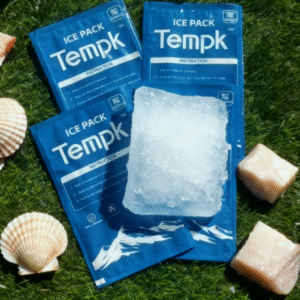
Understand why effective monitoring and traceability are critical for seafood, including challenges like spoilage, illegal fishing and mislabeling.
Compare modern tracking technologies, from data loggers and IoT sensors to RFID, نظام تحديد المواقع و blockchain, and understand their best uses.
Choose the right insulated packaging and refrigerants (EPS, إي بي بي, VIP) على أساس مدة الشحن, المتانة والاستدامة.
Implement an end to end traceability strategy, including compliance with FSMA 204, GDST standards and European regulations.
Explore emerging trends for 2025, such as AI driven analytics, solar powered refrigeration and blockchain enabled transparency.
Why Is Cold Chain Fresh Seafood Tracking Critical?
Core Reasons
Seafood is extremely perishable. Without timely chilling, microbial growth accelerates and quality declines. The Food and Agriculture Organization (المنظمة) warns that roughly 35 % يتم إهدار المأكولات البحرية على مستوى العالم due to inefficient post harvest handling and cold chain failures. Temperature excursions during transport or storage often cause entire consignments to be rejected, leading to lost sales, insurance claims and damage to brand reputation.
Cold chain breakdowns erode trust and revenue. When shipments spoil because of delayed detection, businesses face costly recalls, legal liabilities and reputational harm. In a supply chain where seafood often travels thousands of miles and crosses several borders, maintaining continuous control is essential.
Traceability prevents fraud and illegal fishing. Studies show that nearly قد يتم وضع علامة خاطئة على واحد من كل ثلاثة منتجات من المأكولات البحرية, while illegal, غير المبلغ عنها وغير المنظمة (IUU) fishing accounts for roughly 20 % of global wild caught fish and costs the economy up to US$36.4 billion annually. Robust tracking deters fraud, ensures product authenticity and supports sustainable fishing.
Regulations demand transparency. Global standards such as Hazard Analysis and Critical Control Point (تحليل المخاطر ونقاط المراقبة الحرجة), قانون تحديث سلامة الأغذية (FSMA) and European Fisheries Control regulations require documented temperature control and traceability. Automated monitoring simplifies compliance and reduces risk of penalties.
Deeper Insights: Challenges in Seafood Supply Chains
Seafood supply chains involve several stages – from catching on vessels to processing, التخزين البارد, distribution and retail display. Each stage introduces unique risks:
| منصة | التحديات الرئيسية | ماذا يعني لك |
| Onboard handling | Fish must be chilled immediately after catching to prevent microbial growth. | Ensuring rapid icing or onboard chilling systems protects quality from the start. |
| Landing & pre processing | Delays at the dock can accelerate spoilage. | Coordination with processing facilities reduces wait times and maintains temperatures. |
| مستودعات التخزين البارد | Improper stacking or airflow creates “hot pockets”. | Sensors help identify uneven cooling and adjust pallet arrangement. |
| النقل المبرد | Trucks need pre chilling, correct airflow and real time temperature tracking. | Pre chill vehicles and use sensors to avoid warm starts and maintain consistent temperatures. |
| Retail display | Display counters must hold sub 2 °C conditions for shelf life and safety. | Continuous monitoring ensures your display cases stay within safe limits. |
These challenges underscore the need for integrated solutions that combine robust packaging with real time monitoring. Manual logs and siloed systems often delay detection of problems and lead to human error. Adopting digital tracking tools creates a unified data flow across vessels, المستودعات, transportation and retail.
نصائح ونصيحة عملية
رسم خريطة لسلسلة التوريد الخاصة بك: List each stage – catch, الهبوط, يعالج, تخزين, ينقل, display – and identify potential points of temperature variation or delay.
Prioritize training: Ensure crews, drivers and warehouse staff know how to handle seafood, read sensor data and respond to alerts. Resistance to digital adoption is common among small operations; regular training builds confidence and accountability.
استخدم معرفات فريدة: تعيين أرقام الدفعة, QR codes or RFID tags to each catch or processing lot. This links the fish to its origin and enables quick isolation of problem batches during recalls.
مثال الحالة: أ 2024 study from CJ Logistics America demonstrated how a new cold storage facility near Kansas City integrated IoT monitoring and AI to reduce energy consumption and prevent temperature excursions. By pairing reusable EPP cooler boxes with smart sensors, the facility maintained precise temperatures and met regulatory standards.
What Technologies Power Cold Chain Seafood Tracking?
ملخص
Modern cold chain tracking relies on a combination of sensors, communication networks and data platforms. Each technology plays a specific role, and understanding their strengths helps you build a solution tailored to your needs.
سجلات البيانات: Affordable Historical Records
Data loggers are small, battery powered devices that continuously record temperature and humidity inside cold storage units, vehicles or packages. They store data internally and often require manual retrieval after delivery. Their main advantages are القدرة على تحمل التكاليف, ease of deployment and reliability, making them suitable for short distance shipments or regulatory audits. لكن, they lack real time alerts – by the time the log is read, ربما حدث التلف بالفعل.
أجهزة الاستشعار اللاسلكية القائمة على إنترنت الأشياء: الرؤية في الوقت الحقيقي
إنترنت الأشياء (إنترنت الأشياء) sensors transmit temperature and location data to cloud platforms via Wi Fi, الشبكات الخلوية أو LoRaWAN. These sensors provide remote accessibility and continuous tracking, eliminating manual data collection and ensuring immediate alerts when thresholds are breached. Predictive algorithms analyze trends to forecast equipment failures and optimize routes. The downside is higher cost and reliance on network connectivity.
أجهزة استشعار درجة الحرارة RFID: Automatic Checkpoints
تحديد الترددات الراديوية (RFID) sensors embed temperature sensors within tags attached to pallets or packages. RFID readers automatically scan these tags as shipments pass through checkpoints, streamlining inventory management and reducing human error. They are ideal for high volume warehouses and distribution centres. Limitations include limited signal range and potential interference from metal surfaces or liquids.
أجهزة تتبع تعتمد على نظام تحديد المواقع العالمي (GPS).: Combining Location and Temperature
GPS trackers integrate location and temperature monitoring, providing real time visibility into shipments on the move. Alerts are sent if a vehicle deviates from its route or if the cargo experiences temperature fluctuations. GPS trackers support route optimization and cargo security but require a stable power source and incur data transmission costs.
BLE Sensors: Short Range, Low Power Monitoring
بلوتوث منخفض الطاقة (بليه) sensors offer cost effective temperature tracking لمسافات قصيرة, such as warehouses and retail storage. They transmit data to nearby smartphones or gateways and consume minimal power. لكن, their limited range (30-100 م) makes them unsuitable for long haul shipments unless coupled with cloud gateways.
الحاويات المبردة الذكية (المبردات): Self Regulating Solutions
Smart reefers are insulated shipping containers equipped with automated cooling systems and sensors. هم self regulate internal temperature and provide real time monitoring. Reefers are ideal for long distance or high volume shipments but are energy intensive and expensive.
Cloud Platforms & التحليلات
Cloud based platforms aggregate data from IoT sensors, علامات RFID وأجهزة تعقب GPS, تقديم أ centralized dashboard for analytics and compliance. الذكاء الاصطناعي (منظمة العفو الدولية) tools analyze sensor data to التنبؤ بأعطال المعدات وتحسين الطرق. StartUs Insights reports that the cold chain industry filed over 2,800 patents and added 26,800 موظفين recently, reflecting rapid innovation.
بلوكتشين: Immutable Records for Trust
Traditional paper-based traceability systems are prone to errors and fraud. Blockchain technology creates tamper proof digital ledgers that record every custody change from catch to consumption. By decentralizing information, blockchain ensures transparency and prevents manipulation of data. It enables origin tracking, chain of custody verification and secure documentation of sustainability certifications. Blockchain also reduces waste and deters illegal fishing by making it harder to insert illicit products into the supply chain.
Comparison of Tracking Technologies
| تكنولوجيا | Real Time? | يكلف & تعقيد | أفضل حالة استخدام | الوجبات الجاهزة |
| مسجلي البيانات | لا; data retrieved post transit | قليل | Historical records and audits | Verify compliance; cannot prevent spoilage during transit. |
| مستشعرات إنترنت الأشياء + نظام تحديد المواقع | نعم | متوسطة - عالية | رحلات طويلة; شحنات ذات قيمة عالية | Provide continuous alerts, location data and route optimization. |
| أجهزة استشعار RFID | Semi real time; تم فحصها عند نقاط التفتيش | واسطة | Warehouses and distribution hubs | Automate scanning and inventory; require infrastructure. |
| أجهزة استشعار بليه | نعم, within short range | قليل | Retail and local deliveries | طاقة منخفضة; نطاق محدود; good for last mile monitoring. |
| المبردات الذكية | نعم | عالي | الشحن البحري; large volumes | Self contained cooling; energy intensive but necessary for extended transit. |
نصائح ونصيحة عملية
الجمع بين التقنيات: Use data loggers for historical records and IoT sensors or GPS trackers for real time monitoring. This layered approach ensures both compliance and proactive intervention.
Choose sensors based on shipment length: For same day deliveries or short range distribution, BLE or RFID sensors paired with EPP boxes are affordable and effective. For multi day cross country shipments, invest in IoT sensors with GSM connectivity and pre chilled vehicles.
Plan for connectivity: Ensure network coverage along your routes. LoRaWAN offers long range, low power connectivity in rural areas; cellular or satellite may be needed for ocean freight.
مثال الحالة: An exporter shipping frozen seafood across the country uses EPP or VIP cooler boxes, dry ice and IoT sensors with GSM connectivity. They pre chill trucks, calculate refrigerant weight based on product weight and ambient conditions, and use AI enabled route planning to schedule stops for dry ice replenishment. النتيجة: reduced spoilage and insurance claims.
How to Choose Insulated Packaging and Cooling Solutions
Understanding Packaging Materials
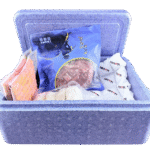
Not all cooler boxes are created equal. The insulation material affects thermal performance, متانة, التكلفة والاستدامة. Common options include Expanded Polystyrene (EPS), موسع البولي بروبيلين (إي بي بي) and Vacuum Insulated Panels (VIP). Each has strengths and trade offs.
| مادة | أداء العزل | متانة & إعادة الاستخدام | فائدة العالم الحقيقي |
| الرغوة EPS | جيد للرحلات القصيرة (≥24 ساعة) | Moderate durability; في كثير من الأحيان استخدام واحد | خفيفة الوزن وغير مكلفة; ideal for local deliveries or sample shipments. |
| رغوة EPP | جيد جدًا; retains cold 48–72 h | متانة عالية; قابل لإعادة الاستخدام 100+ مرات | Strong insulation and sustainability; عن 20 % better من EPS. |
| Paper/Fiber | Good for up to 48 ح | Moderate durability; إعادة الاستخدام الفردي أو المحدود | صديقة للبيئة وقابلة لإعادة التدوير; good for sustainable packaging strategies. |
| VIP | ممتاز; أعلى قيمة R | Moderate to high durability; قابل لإعادة الاستخدام | حل ممتاز لفترة طويلة, high value shipments requiring precise temperature control. |
| بطانات معزولة | Moderate insulation; يعتمد على الكرتون الخارجي | استخدام فردي أو محدود | مرنة وفعالة من حيث التكلفة لعمليات تسليم الميل الأخير. |
السلبي مقابل. التبريد النشط
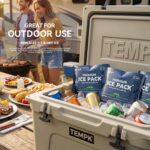
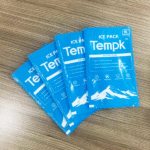
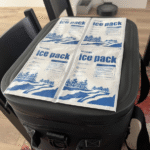
التبريد السلبي relies on insulation and refrigerants such as gel packs, الثلج الجاف أو المواد المتغيرة الطور. تحافظ عبوات الجل على المنتجات عند درجة حرارة 0-10 درجة مئوية لمدة تصل إلى 72 ساعات, بينما يحافظ الثلج الجاف على البضائع المجمدة عند -18 درجة مئوية لمدة تصل إلى 48 ساعات. Passive systems are simple, portable and require no electricity, but they depend on proper loading and careful calculation of refrigerant quantity.
التبريد النشط uses powered refrigeration units, from portable electric coolers to smart reefer containers. Active systems provide longer duration control and require power (vehicle battery, grid or solar). They are ideal for extended journeys or large shipments but entail higher costs and maintenance.
Design Features That Matter
High quality cooler boxes incorporate features beyond insulation:
سهولة التعامل: Two way fork/pallet entry and recessed stacking features facilitate safe loading and minimize damage.
بناء قوي: Polyethylene outer shells with polyurethane insulation can offer up to R28 insulation.
Tight seals: One piece rubber latches minimize temperature spikes during transit.
Reusable components: Replaceable wear pads and easy clean surfaces enable hygiene and durability.
Practical Selection Guide
تقييم طول الرحلة: Use EPS for short local deliveries (<24 ح). For cross country or export journeys (48-72 ح), invest in EPP or VIP boxes.
Match refrigerant to product: Gel packs for chilled seafood, dry ice for frozen fish, and phase change materials for precision ranges.
Pre chill boxes and trucks: Always cool your equipment to the desired temperature before loading.
اختر العبوة القابلة لإعادة الاستخدام: Reusable EPP boxes reduce waste, achieve 20 % عزل أفضل and survive over 100 رحلات.
سيناريو: A restaurant receiving same day deliveries uses EPP cooler boxes with gel packs and adds BLE or RFID sensors. Drivers check conditions via mobile apps and ensure display counters stay below 2 درجة مئوية.
How to Implement End to End Traceability
الأطر التنظيمية
End to end traceability requires compliance with multiple regulations and standards:
FSMA 204 (Food Safety Modernization Act – Food Traceability Rule): الولايات المتحدة. إدارة الغذاء والدواء (FDA) final rule requires businesses to maintain records with عناصر البيانات الرئيسية (كيدي) for Critical Tracking Events (CTEs) and provide information to the FDA within 24 ساعات. Foods on the قائمة تتبع الأغذية (FTL) – which includes finfish, crustaceans and molluscan shellfish – must comply. وكان تاريخ الامتثال الأصلي هو يناير 20 2026, لكن إدارة الغذاء والدواء اقترحت تمديدها حتى يوليو 20 2028.
الحوار العالمي بشأن إمكانية تتبع الأغذية البحرية (التوقيت العالمي): GDST provides interoperability standards so that traceability systems “speak the same language” across borders. Indonesia recently committed to align its national system with GDST, demonstrating the importance of international harmonization.
European Fisheries Control Regulation: Europe’s rules mandate vessel tracking, الإبلاغ الإلكتروني عن المصيد والتتبع الرقمي المرحلي for fresh and frozen seafood. These regulations apply to both domestic and imported products.
تحليل المخاطر ونقاط المراقبة الحرجة & HACCP based Seafood HACCP: Hazard Analysis and Critical Control Point requirements emphasize identifying hazards and implementing controls along the seafood supply chain.
Building a Traceability System: Key Steps
Start with Accurate Catch Documentation: تاريخ التسجيل, وقت, طريقة الصيد, species and location at the moment of harvest. Delay or estimation opens the door to error or fraud.
Use Unique Identifiers for Each Batch: تعيين أرقام الدفعة, QR codes or RFID tags to every catch or processing lot. When splitting or merging batches during reprocessing, create sub batch numbers and maintain parent–child relationships.
Standardize Data Formats: Adopt shared frameworks like GS1 standards for product coding and GS1 Electronic Data Exchange. Use shared digital templates and consistent naming conventions to ensure data flows across supply chain participants.
Implement Real Time Tracking: Deploy GPS, IoT sensors and blockchain to monitor location and temperature, and store immutable records. Blockchain provides tamper proof records and enhances consumer transparency.
Educate & التعاون: Train fishermen, المعالجات, الموزعين وتجار التجزئة. Use role based dashboards and SOP checklists. Encourage partnerships with government agencies and NGOs, which often provide tools and funding to support compliance.
Automate Reporting: IoT platforms can generate HACCP, FSMA and GFSI compliance reports automatically, eliminating manual paperwork and reducing human error.
Benefits of End to End Traceability
Faster recalls and fewer illnesses: Maintaining KDEs and CTEs allows authorities to identify contamination sources and remove affected products quickly.
Enhanced brand trust: Customers and retailers gain confidence when they can verify where seafood was caught and how it was handled.
الوصول إلى الأسواق & امتثال: Meeting FSMA 204, GDST and European requirements ensures your products can enter key export markets.
Deterrence of fraud & IUU: Traceable records discourage mislabeling, fraudulent substitution and illegal fishing.
مثال الحالة: A processor uses QR codes to allow buyers to scan a fish’s journey. في المستودعات, RFID tags automate temperature and movement tracking. This transparency reduces delays, improves accuracy and enables targeted recalls.
2025 Trends and Developments in Seafood Cold Chain
نمو & توقعات السوق
The cold chain sector is expanding quickly. أبحاث الأسبقية estimates that the market will grow from 436.30 مليار دولار أمريكي 2025 إلى 1,359.78 مليار دولار أمريكي 2034 (13.46 % CAGR). رؤى StartUs forecasts growth from 454.48 مليار دولار أمريكي 2025 إلى 776.01 مليار دولار أمريكي 2029. Regional dynamics show Asia–Pacific leading with roughly 14.3 % CAGR, بينما تستثمر أمريكا اللاتينية في الطاقة المتجددة ومراقبة إنترنت الأشياء. الأجهزة (أجهزة استشعار, صناديق, الشعاب المرجانية) holds over 76 % سوق تتبع سلسلة التبريد.
ال seafood traceability software market يزدهر أيضًا. It reached 705 مليون دولار أمريكي 2024 and is projected to surge to US$1.84 billion by 2033. This growth reflects increasing digital mandates across more than 80 countries and growing pressure to prove product authenticity.
الابتكارات التكنولوجية
منظمة العفو الدولية & التحليلات التنبؤية: AI analyzes sensor data to forecast equipment failures, التنبؤ بتأخيرات النقل وتحسين الطرق. This reduces spoilage and operational costs.
إنترنت الأشياء المحيطة & Battery Free Sensors: Emerging Ambient IoT tags harvest energy from radio waves and provide low cost, battery free monitoring. They enable real time visibility for high volume goods like seafood and reduce maintenance requirements.
اعتماد البلوكشين: More companies are piloting blockchain systems to create tamper proof records and enable consumer level transparency. جنبا إلى جنب مع العقود الذكية, blockchain can automate compliance and payments.
Solar Powered Cold Chain: Rising electricity prices are driving adoption of solar powered refrigeration and energy efficient warehouses. في الولايات المتحدة, تتراوح أسعار الطاقة الشمسية التجارية من 3.2– 15.5 سنتًا لكل كيلوواط ساعة, مقارنة بمتوسط معدل فائدة قدره 13.1 سنتا لكل كيلوواط ساعة في 2024. Solar power reduces operating costs and carbon footprint.
Cybersecurity Focus: Governments emphasize securing IoT systems to protect data integrity. Companies must invest in secure networks, encryption and compliance with Good Distribution Practices (الناتج المحلي الإجمالي) ومعايير ISO.
سوق & التحديثات التنظيمية
Compliance Extensions: The FDA proposes extending the Food Traceability Rule compliance date to يوليو 20 2028, giving the industry more time to implement record keeping systems.
European Digital Traceability: Europe mandates vessel tracking, electronic catch reporting and phased digital traceability for seafood. Similar updates are underway in the United States, Chile and Japan.
Innovation Boom: The cold chain industry filed زيادة 2,800 patents and added 26,800 موظفين في العام الماضي, reflecting rapid technological advancement and job growth.
رؤى السوق
Regional differences influence investments:
آسيا والمحيط الهادئ: Highest growth rate (~14.3 %), driven by expanding middle class demand and export markets.
أمريكا اللاتينية: Growing exports of fresh produce and seafood lead to investments in renewable energy and IoT monitoring.
أوروبا: Aging cold storage infrastructure spurs modernization and sustainability efforts.
الولايات المتحدة: Focus on cybersecurity and compliance with FSMA 204 and National Cybersecurity Strategy.
الأسئلة المتداولة (التعليمات)
- What is IoT cold chain monitoring?It’s a system that uses connected sensors to track temperature, الرطوبة والموقع في الوقت الحقيقي. Instant alerts allow quick corrective action before products degrade.
- Why is smart cold chain management important for seafood?Smart systems ensure freshness, reduce waste and maintain food safety during transport, storage and retail display. They also automate compliance and build consumer trust.
- How does IoT reduce seafood spoilage?IoT sends instant alerts when temperatures breach safe limits, enabling swift action. يمكن للتحليلات التنبؤية التنبؤ بأعطال المعدات وجدولة الصيانة.
- Can IoT help with compliance reporting?نعم. Automated platforms generate HACCP, FSMA and GFSI reports instantly, ensuring audit readiness and reducing manual paperwork.
- ما الفرق بين صناديق التبريد EPP وEPS؟?يقدم EPP تقريبًا 20 % عزل أفضلthan EPS and can be reused more than 100 مرات. EPS is cheaper and suitable for short trips but usually single use.
- ما هو FSMA 204 and how does it apply to seafood?FSMA 204 requires recordkeeping of Key Data Elements at Critical Tracking Events for foods on the Food Traceability List – including finfish, crustaceans and molluscan shellfish. Information must be provided to the FDA within 24 hours and compliance may be required by July 20 2028.
- ما مدى شيوع التسمية الخاطئة للمأكولات البحرية؟?Studies show that up to 20-30 % يتم وضع علامات خاطئة على منتجات المأكولات البحرية, with substitution of species or false origins. Robust traceability helps prevent mislabeling and fraud.
- ما هي التقنيات التي تساعد على منع الصيد غير القانوني?Traceability tools (رموز الاستجابة السريعة, RFID, نظام تحديد المواقع و blockchain) track seafood from catch to consumer, making it harder to introduce products from illegal, unreported or unregulated (IUU) الصيد.
- How do I choose the right refrigerant?Use gel packs for chilled seafood (0-10 درجة مئوية), dry ice for frozen seafood (-18 درجة مئوية) and phase change materials for precise temperature ranges. The quantity should match product weight, transit duration and ambient temperatures.
- Can small businesses afford these technologies?نعم. Start with affordable data loggers and EPS/EPP boxes, then scale to IoT sensors and blockchain as your business grows. Many governments and NGOs offer grants and technical assistance to support digital adoption.
خاتمة & التوصيات
الوجبات الرئيسية
التحكم في درجة الحرارة غير قابل للتفاوض: Fish spoils quickly; 35 % of seafood is lost بسبب فشل سلسلة التبريد. Continuous monitoring and insulated packaging safeguard quality.
Reusable EPP or VIP boxes matter: EPP foam provides 20 % عزل أفضل من EPS ويمكن إعادة استخدامها 100 مرات. VIPs offer the best performance for high value shipments.
Integrate monitoring technologies: Combining IoT sensors, GPS trackers and AI analytics provides real time visibility, predictive maintenance and automated compliance.
تنفيذ التتبع الشامل: Accurate documentation, unique identifiers, standardized data formats and blockchain protect your products and support compliance with FSMA 204, GDST and European regulations.
البقاء في المقدمة 2025 الاتجاهات: نمو السوق السريع, innovation boom and tightening regulations require proactive investment in technology and sustainability.
خطة العمل
Assess Your Operations: Use a self assessment tool to map your supply chain stages, identify risks and prioritize improvements.
حدد العبوة المناسبة: Choose EPS for local deliveries, EPP or VIP for longer or repeat shipments. Pre chill boxes and calculate refrigerant load.
Implement Monitoring: Start with data loggers for historical records. Add IoT sensors and GPS trackers for real time visibility, linking them to a cloud platform for analytics and compliance.
Digitize Traceability: اعتماد معايير GS1, assign batch identifiers and integrate blockchain or digital platforms to ensure data consistency and consumer transparency.
Train and Collaborate: Provide role based training and dashboards; work with supply chain partners to share data and standardize practices.
Review Regulations Regularly: Monitor updates to FSMA 204, European rules and national cybersecurity strategies. Engage with industry groups and traceability initiatives to remain compliant.
حول Tempk
Tempk is a research driven company specializing in عبوات سلسلة التبريد القابلة لإعادة الاستخدام و تكنولوجيا المراقبة. We develop durable EPP foam cooler boxes that deliver عزل متفوق and withstand more than 100 رحلات. منتجاتنا تشمل عبوات الجل, حزم الثلج الجاف, insulated liners and smart monitoring systems. By combining high performance packaging with IoT enabled sensors and cloud platforms, we help customers maintain temperature integrity, تقليل النفايات وتحقيق الامتثال. مع عقود من الخبرة في مجال الخدمات اللوجستية لسلسلة التبريد, we are committed to innovative, eco friendly solutions that protect your products and the planet.
اتصل بنا: For personalized advice on optimizing your seafood supply chain, speak with Tempk’s specialists. We’ll help you select the right cooler boxes, refrigerants and monitoring technologies to safeguard your perishable goods and build consumer trust.