حلول عزل سلسلة التبريد للمنتجات البحرية?
تحتاج cold chain insulation solutions for seafood products when “mostly cold” is not good enough. If a box warms for even a short window, seafood can lose texture, smell, والثقة. في 2025, most programs design for fresh seafood near melting ice (~0 درجة مئوية) أو chilled 0–4°C, و frozen seafood at ≤ -18°C, with buffer for delays. This guide shows you how to choose materials, pack consistently, and validate performance with simple data.
هذه المقالة سوف تساعدك على الإجابة:
-
كيف cold chain insulation solutions for seafood products protect fresh vs frozen lanes
-
كيفية الاختيار EPS vs EPP vs VIP insulation for seafood products without overspending
-
كيف meltwater drainage seafood shipping packaging prevents leaks and odor
-
كيف right-size insulated box for fresh seafood delivery to stop shipping air
-
كيف أ last-mile cold chain insulation strategy for seafood reduces porch-time failures
-
كيف validate insulated packaging for seafood cold chain with a repeatable test plan
What are cold chain insulation solutions for seafood products?
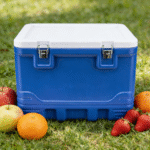
Cold chain insulation solutions for seafood products are packaging systems that slow heat gain and stabilize temperature from packout to receipt. فكر في العزل مثل معطف الشتاء: it does not create cold, but it helps you keep the cold you packed. A complete system includes the outer carton, العزل, بطانة, سائل التبريد, containment, and a consistent closure method.
In real shipping, the weakest link usually wins. A loose lid, big air gaps, or messy meltwater can ruin strong insulation. هذا هو السبب cold chain insulation solutions for seafood products must work in hubs, شاحنات, and doorsteps—not just in lab specs.
The seafood failure map (درجة حرارة + ماء + وقت)
Seafood is wet and odor-sensitive. So your system has to manage درجة حرارة, رُطُوبَة, and containment معاً. If you fix only one, you still lose.
| خطر الفشل | Typical cause | Fix you can standardize | ماذا يعني لك |
|---|---|---|---|
| Temperature spike | Thin insulation, فجوات الهواء | تناسب أكثر إحكاما + better closure | مطالبات أقل بالتلف |
| Meltwater leakage | Weak bagging, no drainage | Double-bag + absorbents/drain layer | Cleaner delivery, fewer carrier issues |
| Odor transfer | Poor seals, الهواء المحبوس | Tight liner + sealed inner bags | Better unboxing experience |
| سحق الضرر | Weak carton, soft structure | Stronger carton + rigid liner | عدد أقل من المبالغ المستردة وإعادة الشحن |
Practical tips you can use this week
-
ممرات قصيرة (≥24 ساعة): prioritize sealing, تناسب ضيق, and moisture control first.
-
Mid lanes (24-48 ساعة): ترقية العزل أو add balanced coolant coverage (الجانبين + قمة).
-
ممرات طويلة (48–72h+): redesign the whole system, not just “add more ice.”
الواقع العملي: Many failures come from small gaps—lid not tight, packs placed wrong, or liners too loose.
What temperature targets should cold chain insulation solutions for seafood products hit?
Your cold chain insulation solutions for seafood products must match the product state, not the marketing promise. Fresh seafood often aims for melting-ice conditions (~0 درجة مئوية) or a controlled 0-4 درجة مئوية فرقة. Frozen seafood typically targets ≥ -18 درجة مئوية to avoid thaw-refreeze damage. If you ship histamine-risk fish, tighter time–temperature control is critical.
Don’t guess your “temperature truth.” Define a target band, a max excursion rule, and a time assumption. Then train and audit against that standard.
A simple target table your team can follow
| Seafood type | هدف عملي | المبرد النموذجي | Key watch-out | ماذا يعني لك |
|---|---|---|---|---|
| المأكولات البحرية الطازجة (iced) | ~0 درجة مئوية (ذوبان الجليد) | Flake/slurry ice | Meltwater contact | Drainage and containment are mandatory |
| المأكولات البحرية المبردة (no wet ice) | 0-4 درجة مئوية | حزم هلام / بي سي إم | Edge-freezing risk | Avoid direct coolant contact on delicate SKUs |
| المأكولات البحرية المجمدة | ≥ -18 درجة مئوية | الجليد الجاف / frozen PCM | Thaw-refreeze cycling | العزل + buffer time matter most |
| Histamine-risk fish (مثال) | <4.4°C with minimal warm time | Ice/PCM + إجراءات التشغيل القياسية الصارمة | “small warm-ups” | Monitoring matters more than you think |
| Superchilled (متقدم) | -3 to -1°C (رقابة مشددة) | Tuned PCM | Partial freezing risk | Use only with validated SOPs |
Practical tips to avoid common traps
-
Separate fresh and frozen packouts. One “universal” packout causes silent failures.
-
Design for the last 2–6 hours. Doorstep time can be worse than linehaul.
-
If quality complaints persist, log the route. “Arrives cold” can hide mid-route spikes.
السيناريو الحقيقي: One shipper reduced complaints by splitting SOPs: one for fresh-on-ice, one for hard frozen.
Which insulation materials work best for cold chain insulation solutions for seafood products?
The best cold chain insulation solutions for seafood products are the ones that hold temperature و survive wet, ثقيل, التعامل الخشن. Thickness helps, but fit and closure often matter more. للمأكولات البحرية, you also need moisture tolerance and compression strength.
Start with lane difficulty (ساعات + حرارة + last-mile exposure), then choose the smallest upgrade that removes your top failure mode.
EPS vs EPP vs VIP insulation for seafood products
| خيار العزل | نقاط القوة النموذجية | Typical trade-offs | Best-fit lanes | ماذا يعني لك |
|---|---|---|---|---|
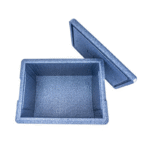
| الرغوة EPS | تكلفة منخفضة, solid thermal value | قابل للكسر, disposal varies | One-way lanes | Good starter option, needs waste plan |
| رغوة EPP | متينة, قابل لإعادة الاستخدام, impact resistant | تكلفة أولية أعلى | حلقة مغلقة, كرر الممرات | Lower waste over many trips |
| PU foam panels | Strong insulation per thickness | Damage/disposal complexity | Mid–long lanes | أداء مستقر, higher friction |
| لوحات VIP | Very high insulation in thin walls | يكلف, يحتاج إلى الحماية | Premium/long lanes | Longer hold time without huge boxes |
| بطانات عاكسة | Reduce radiant heat | Not enough alone | Add-on layer | Works best as a “booster,” not a core |
Practical tips for better insulation performance
-
Close air gaps. A loose lid can erase thick insulation gains.
-
Right-size before you upgrade materials. Smaller air volume holds longer.
-
Choose ruggedness first in wet programs. A collapsed box fails faster than a thinner box.
مثال حقيقي: Some teams gain hours of performance by improving closure and liner fit—without changing insulation thickness.
Which coolants pair best with cold chain insulation solutions for seafood products?
Cold chain insulation solutions for seafood products work when insulation slows heat and coolant absorbs it—together. For fresh seafood, wet ice is naturally stable around melting temperature, but it creates meltwater. لبرودة (0-4 درجة مئوية), gel packs or PCMs often reduce mess. لتجميد, dry ice or frozen-range PCMs usually provide the strongest buffer.
Choose coolant based on the target band, then validate placement. “Top-only” coolant placement commonly creates hot corners.
Coolant selection table (بسيطة وعملية)
| سائل التبريد | Best around | الأفضل ل | احترس | ماذا يعني لك |
|---|---|---|---|---|
| الجليد الرطب | ~0 درجة مئوية | Fresh-on-ice programs | Meltwater leakage | Requires drainage + containment discipline |
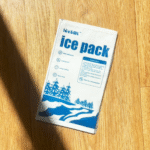
| حزم هلام | 0-5 درجة مئوية (يختلف) | Short–mid chilled lanes | التبريد غير المتكافئ | Needs conditioning + balanced placement |
| بي سي إم (tuned) | Specific setpoint | Stable chilled control | تكلفة أعلى | Reduces swings and edge-freezing risk |
| الجليد الجاف | مجمدة بعمق | الممرات المجمدة, مدة طويلة | Venting/label rules | قوي, but requires training and SOPs |
meltwater drainage seafood shipping packaging that actually works
Your meltwater plan should be designed, غير مرتجلة. Treat moisture like a second product.
| عنصر التعبئة | أفضل الممارسات | لماذا يهم | مصلحتك |
|---|---|---|---|
| Bagging | Double-bag + الأختام الضيقة | Prevent leaks and odor | Fewer carrier issues |
| Drain layer | Raised tray or drain channel | Keeps product out of meltwater | Better texture and smell |
| Absorbents | Pads sized for worst-case | Captures leakage | فتح علبة نظافة |
| إنهاء | Same tape pattern every time | Stops “lid leaks” | Repeatable results |
نصائح واقتراحات عملية
-
Use side + top coolant for coverage. Corners fail first.
-
Avoid direct coolant contact when partial freezing hurts quality.
-
إذا كنت تستخدم الثلج الجاف, document handling rules and keep it consistent.
حالة عملية: A shipper improved customer trust by making boxes arrive clean and dry—without changing temperature targets.
How do you right-size cold chain insulation solutions for seafood products to stop shipping air?
Right-sizing is the fastest cost and performance win in cold chain insulation solutions for seafood products. When you ship air, you pay freight for empty space and you pay coolant to control it. أصغر, tighter shipper often holds temperature longer with less refrigerant.
Think “thermos, not suitcase.” Tight fit reduces air movement and hot spots.
The “3 measurements” right-size tool (5 دقائق)
-
يقيس product footprint (الطول × العرض × الارتفاع) including inner bags/trays
-
يقيس coolant footprint (packs/ice/dry ice space)
-
يضيف buffer space only for crush protection and void control
| عامل | ما يجب قياسه | قاعدة بسيطة | خطأ شائع | ماذا يعني لك |
|---|---|---|---|---|
| Product footprint | Packed product size | No rattling | Oversized “just in case” | Higher heat gain, تكلفة أعلى |
| Coolant footprint | مقدار + الموضع | محيطي, don’t float | Top-only placement | Hot corners and warm ends |
| Buffer space | ملء باطلة + حماية | Enough to prevent crush | Too much empty space | You end up “shipping air” |
نصائح عملية يمكنك استخدامها اليوم
-
استخدم fit gauge (simple template) so packers pick the right size fast.
-
توحيد packout layouts by SKU family (photos beat paragraphs).
-
احتفظ ب seasonal “hot-day” packout, not year-round overspec.
مثال حقيقي: Many programs cut freight spend و reduce excursions after shrinking box size one step.
How should you pack seafood using cold chain insulation solutions for seafood products?
Packing is where cold chain insulation solutions for seafood products succeed or fail. Your design must be repeatable at peak volume. If packout varies by person, results vary by day.
Below are two SOP-friendly flows you can train in minutes.
Packing flow for chilled seafood (0–4°C or ~0°C)
-
Pre-chill product to the target range before packing
-
Pre-condition gel packs/PCM to a consistent setpoint
-
Add a bottom absorbent or drain layer
-
Double-bag seafood and seal tightly
-
ضع المبرد الجانبين + قمة, then fill voids
-
Close liner fully and seal carton with a consistent tape pattern
Packing flow for frozen seafood (≥ -18 درجة مئوية)
-
Confirm product core is fully frozen before packout
-
Use insulation matched to duration + المخاطر المحيطة
-
Add dry ice/frozen PCM with safe separation and venting approach
-
Reduce void space to limit convection
-
Close and seal consistently, then label per your SOP
نصائح واقتراحات عملية
-
الوقت مهم: set a hard “max staging time” between packout and pickup.
-
توضع المسائل: make coolant placement a diagram, not a guess.
-
Clean matters: a dry outer carton improves carrier handling and customer trust.
النتيجة الفعلية: Teams often gain reliability by standardizing closure and placement—before buying premium insulation.
How do you validate and monitor cold chain insulation solutions for seafood products in 2025?
في 2025, cold chain insulation solutions for seafood products should be proven with data, لا أمل. ابدأ صغيرًا: a sampling plan with low-cost temperature loggers, وضع متسق, and clear pass/fail rules. وهذا يقلل من الخلافات, improves SOPs, and prevents overspending.
Validation also helps you upgrade the right variable. If warming happens late, fix closure or top coverage. If it warms early, upgrade insulation level.
A validation plan you can run this week
| امتحان | What you simulate | ما لتسجيل | Pass/fail idea | ماذا يعني لك |
|---|---|---|---|---|
| Average day | Normal route time | Max temp + الوقت فوق الحد | Stays in target band | Confident baseline |
| يوم حار | High ambient + sun risk | منحنى درجة الحرارة | No long warm plateau | Summer readiness |
| سيناريو التأخير | +12–24h hold | End temp + اتجاه | Still safe at receipt | Fewer surprise failures |
Seafood cold chain monitoring checklist (نسخ إلى SOP)
| خطوة | ما تحققه | Example standard | ماذا تفعل بعد ذلك |
|---|---|---|---|
| Pre-pack | Product temp | Meets target band | Re-chill or reject |
| الحزمة | Layout photos | Matches standard | Retrain if drift |
| عبور | Logger peak | No spikes above limit | Adjust process/coolant |
| Receipt | حالة | No leak, no softening | Root-cause review |
Quick self-test: are you under-protected?
أعط نفسك 1 نقطة لكل "نعم":
-
Do excursions happen mostly near delivery time?
-
Do failures cluster on hot days or Mondays?
-
Do you “add more ice” instead of fixing closure?
-
Does your liner fit loosely inside the carton?
-
Do you lack consistent pre-conditioning steps?
Score 3–5: you likely need a system upgrade.
Score 1–2: process and placement may fix it first.
How do you reduce last-mile risk with cold chain insulation solutions for seafood products?
Cold chain insulation solutions for seafood products often fail in the last mile, not the linehaul. وقت الشرفة, التسليم المفقود, and hot-vehicle dwell can “spend” shelf life quickly. Your best lever is operational: attended delivery rules, التنبيهات, and lane segmentation.
Treat last mile like a relay race. If handoffs break, insulation cannot save the lane.
last-mile cold chain insulation strategy for seafood (simple rules)
| Last-mile risk | كيف تبدو | Best control | Packaging implication | ماذا يعني لك |
|---|---|---|---|---|
| Doorstep exposure | Box in sun | نوافذ التسليم + التنبيهات | You can reduce “overkill” | تكلفة أقل, مبالغ مستردة أقل |
| التسليم المفقود | Retry next day | Signature/pickup | وقت أقل للسكن | Higher success rate |
| Hot van dwell | Long route delay | Routing rules | Stronger insulation needed | Consistency on peak days |
Practical tips you can implement fast
-
يستخدم earlier delivery windows for fresh seafood and premium kits.
-
يخلق two delivery modes: attended vs unattended (validated only).
-
يرقي only risky lanes, not every order.
Real-world pattern: The final 2–6 hours can be the most dangerous window.
How do you cut total cost and carbon without sacrificing quality?
The lowest-cost cold chain insulation solutions for seafood products are the ones that prevent failures. المبالغ المستردة, يعيد شحنه, and brand damage are the hidden budget killers. بعد ذلك, right-size, simplify materials, and consider reuse only when returns are real.
The most “eco-friendly” move is often fewer replacement shipments. Waste prevention beats perfect materials.
Cost and sustainability levers (in the right order)
| رافعة | ما تغيره | لماذا يعمل | خطر للمشاهدة | ماذا يعني لك |
|---|---|---|---|---|
| إخفاقات أقل | Better SOP + last-mile control | Avoids reships and waste | Needs discipline | Biggest impact fast |
| الحجم الصحيح | كرتونة أصغر | انخفاض الشحن + better hold | SKU complexity | تكلفة أقل لكل طلب |
| Material simplification | Fewer mixed parts | Easier disposal | Performance variance | Better customer compliance |
| إعادة استخدام البرامج | Reusable EPP systems | Lower waste per trip | Return rates | Best long-term option |
نصائح عملية
-
مسار معدل الاستبدال like a KPI (it is cost و carbon).
-
احتفظ ب summer packout that prevents seasonal claim spikes.
-
Write disposal instructions in plain language customers will follow.
2025 latest developments and trends in seafood cold chain insulation
في 2025, cold chain insulation solutions for seafood products are moving from “thicker is safer” to “validated, right-sized, lane-specific.” Teams are adopting two-tier packouts (معيار + hot-risk), improving moisture-tolerant liners, and using lightweight monitoring to reduce disputes. High-performance insulation is also trending where dimensional weight penalties are painful.
آخر تقدم في لمحة
-
Lane-based packouts: fewer “one box for everything” policies
-
Moisture-smart designs: better drainage layers and leak-resistant containment
-
مراقبة أكثر ذكاء: sampling loggers and clear pass/fail standards
-
Thinner high-performance builds: stronger hold time without oversized boxes
-
Selective superchilling: only where SOP control is tight and validated
الأسئلة المتداولة
س 1: What are cold chain insulation solutions for seafood products in simple terms?
They are packaging and SOP choices that keep seafood in its target temperature range during real shipping delays.
Q2: Do fresh and frozen seafood need different packouts?
نعم. Fresh needs near-ice stability and moisture control, while frozen needs deep cold and minimal thaw-refreeze cycling.
س 3: هل العزل السميك أفضل دائمًا؟?
لا. الحجم الصحيح, إغلاق محكم, and consistent placement often beat thicker insulation in oversized boxes.
س 4: What is the easiest first improvement to make?
Standardize packout layout (صور), tighten closure, and add a drain/absorbent plan for wet programs.
س 5: How often should I test packaging?
At least seasonally, and any time you change lanes, أحجام الصناديق, المبردات, or carriers.
ملخص وتوصيات
Cold chain insulation solutions for seafood products work best as a complete system: العزل, سائل التبريد, containment, and repeatable packing steps. Start by defining targets (الطازجة مقابل المجمدة) and segmenting lanes by difficulty. Then fix the basics: تناسب ضيق, إغلاق قوي, balanced coolant placement, and moisture control. أخيراً, validate with a simple hot-day and delay test so you upgrade only what the data proves.
خطة عمل الخطوة التالية الخاصة بك (simple and fast)
-
Define one target band per SKU family (الطازجة مقابل المجمدة).
-
Build two packouts: معيار و hot-risk.
-
Right-size cartons using the “3 measurements” method.
-
يجري 3 الاختبارات (متوسط / حار / تأخير) with one logger placement standard.
-
Add last-mile controls for high-risk lanes and seasons.
حول Tempk
و Tempk, we build cold chain insulation solutions for seafood products as practical, repeatable systems. We focus on insulation selection, استراتيجية المبرد, التحكم في الرطوبة, and packout SOPs your team can follow at speed. We also help you validate performance with a simple seasonal test plan, so you reduce claims without overspending on packaging.
الخطوة التالية: Share your product state (fresh or frozen), مدة الممر, and last-mile risk (attended vs unattended). We’ll outline a lane-specific system direction and a validation checklist you can run this week.