إدارة سلسلة التبريد للحد من هدر الأطعمة المجمدة: كيفية جعل كل درجة العد في 2025?
آخر تحديث: ديسمبر 4, 2025
إدارة سلسلة التبريد إن الحد من هدر الأطعمة المجمدة ليس مجرد عبارة طنانة، بل هو استراتيجية أساسية لأي شخص يتعامل مع المنتجات القابلة للتلف. من خلال إدارة درجة الحرارة والخدمات اللوجستية للأطعمة المجمدة بشكل صحيح, يمكنك خفض النفايات بشكل كبير, حماية الأرباح وتقليل التأثير البيئي. تظهر الأبحاث أن سوء التحكم في درجة الحرارة يسبب خشونة 14 % من الغذاء العالمي الذي سيتم فقده بين الحصاد والتجزئة. في الولايات المتحدة وحدها, يصل حجم هدر الطعام إلى 63 مليون طن بقيمة $382 مليار. يعتمد هذا الدليل على أحدث البيانات واللوائح حتى شهر ديسمبر 2025 لأوضح لك كيف يمكن للتميز في سلسلة التبريد أن يحول تلك الخسائر إلى مدخرات.
أهمية إدارة سلسلة التبريد – كيف أن الحفاظ على التحكم في درجة الحرارة يقلل من الهدر ويوفر المال.
التقنيات الذكية تحول الخدمات اللوجستية – بما في ذلك أجهزة استشعار إنترنت الأشياء, التحليلات التنبؤية و blockchain, وكيف تمنع تلفها.
التغليف المستدام والخدمات اللوجستية الخضراء - كيف تقلل المواد الصديقة للبيئة وأنظمة الحلقة المغلقة من النفايات والبصمة الكربونية.
الاعتبارات التنظيمية في 2025 – ما FSMA 204 وسائل التتبع وكيفية التحضير.
أفضل الممارسات والاتجاهات – خطوات قابلة للتنفيذ لتحسين كل مرحلة من مراحل سلسلة التبريد وأحدث الابتكارات التي تشكل مستقبل لوجستيات الأغذية المجمدة.
لماذا تعتبر إدارة سلسلة التبريد مهمة للحد من هدر الأغذية المجمدة?
تعد الإدارة السليمة لسلسلة التبريد هي الطريقة الأكثر فعالية لمنع الأطعمة المجمدة من الفساد قبل وصولها إلى المستهلكين. بدون التحكم المستمر في درجة الحرارة, ذوبان المنتجات المجمدة, تتكاثر الميكروبات ويتسارع فقدان العناصر الغذائية. سوء التعامل يسبب تقريبا 14 % من الغذاء العالمي الذي سيتم فقده بين الحصاد والتجزئة, بينما الولايات المتحدة. تجار التجزئة وحدهم يخسرون ما يقدر $28 مليار في قيمة المنتج كل عام بسبب النفايات. من خلال التأكد من أن كل وصلة في سلسلة التبريد الخاصة بك تحافظ على المنتجات ضمن نطاق درجة الحرارة المثالي, يمكنك تقليل الانكماش بشكل كبير وتحسين الهوامش.
بالإضافة إلى المزايا المالية, تعمل الإدارة القوية لسلسلة التبريد على حماية الصحة العامة والبيئة. وجدت دراسة أجرتها جامعة ميشيغان ذلك يمكن لسلاسل التوريد المبردة بالكامل القضاء على حوالي 620 مليون طن متري من النفايات الغذائية العالمية والحد من انبعاثات غازات الدفيئة ذات الصلة بنسبة 41 %. وتسلط الدراسة الضوء على الفرص الهائلة لخفض النفايات والانبعاثات في أفريقيا جنوب الصحراء وجنوب وجنوب شرق آسيا, حيث يمكن للتبريد الأمثل أن يقلل من خسائر الأغذية 45 % والانبعاثات بنسبة تصل إلى 66 %. عندما يشتري المستهلكون المنتجات المجمدة بدلاً من الطازجة, تنخفض نفايات الطعام المنزلية بشكل كبير: تشير الأبحاث النفايات المنزلية 10.4 % من المواد الغذائية الطازجة ولكن فقط 5.9 % من الأطعمة المجمدة, أ 47 % تخفيض.
كيف يقلل التحكم في درجة الحرارة من التلف والنفايات
يؤدي الحفاظ على درجات الحرارة المناسبة إلى إبطاء التفاعلات الكيميائية الحيوية ونمو الميكروبات التي تسبب التلف. حتى التقلبات الصغيرة في درجات الحرارة التي تتراوح بين 4-7 درجات مئوية تقلل من العمر الافتراضي لحم الخنزير والدواجن. تقدر الدراسات ذلك 33-40 % من طعام العالم يُهدر وأن سوء إدارة درجة الحرارة هو المسؤول عن حصة كبيرة من تلك الخسارة. من خلال المراقبة المستمرة لدرجة الحرارة والرطوبة والاستجابة السريعة للانحرافات, تمنع نمو البكتيريا والتحلل الكيميائي الذي يؤدي إلى النفايات.
تشتمل سلسلة التبريد على عدة مراحل — بدءًا من الحصاد والتبريد المسبق وحتى التخزين البارد, مواصلات, التوزيع والتجزئة. يجب أن تحافظ كل مرحلة على نطاق درجة الحرارة الصحيح لمنع تلف المنتج. يمكن أن يؤدي التأخير في التبريد المسبق أو العزل غير الكافي إلى خسائر لا رجعة فيها في الجودة. على سبيل المثال, التبريد المسبق يوقف التنفس ونمو الميكروبات, بينما تحافظ المقطورات متعددة المناطق على المنتجات المختلفة في درجات الحرارة المطلوبة لتجنب التلوث المتبادل.
إحصاءات النفايات الغذائية العالمية
يؤكد حجم هدر الطعام على أهمية إدارة سلسلة التبريد:
| متري | قيمة | ماذا يعني لك |
| جزء من الولايات المتحدة. الإمدادات الغذائية التي تصبح فائضة أو هدر | 31 % | يتم فقدان أو إهدار ما يقرب من ثلث إنتاج النظام الغذائي, مما يشير إلى فرص هائلة لتحقيق وفورات في التكاليف والاستدامة. |
| إجمالي فائض الغذاء المتولد في الولايات المتحدة. في 2023 | 73.9 مليون طن | يمثل حجم الأغذية الصالحة للأكل التي يمكن استعادتها أو منعها من أن تصبح نفايات. |
| قيمة الفائض الغذائي في 2023 | $382 مليار | خسارة الإيرادات المحتملة للشركات التي تتعامل مع السلع القابلة للتلف. |
| حصة فائض الغذاء الذي يذهب إلى وجهات النفايات (مدافن النفايات, التسميد, إلخ.) | 85 % | يسلط الضوء على الحاجة إلى ممارسات أفضل لسلسلة التبريد وأنظمة إعادة التوزيع. |
| نسبة تقليل النفايات المنزلية عند استخدام الأطعمة المجمدة | 47 % نفايات أقل (5.9 % مقابل 10.4 %) | يوضح كيف تساعد المنتجات المجمدة المستهلكين على تقليل الهدر وتوفير المال. |
نصائح ونصيحة عملية
خريطة سلسلتك: حدد كل مرحلة يمكن أن تتقلب فيها درجة الحرارة وقم بتنفيذ المراقبة لاكتشاف المشكلات مبكرًا.
قياس وضبط: استخدام البيانات من أجهزة الاستشعار (تمت مناقشته أدناه) لضبط إعدادات التبريد قبل حدوث التلف.
تثقيف فريقك: تدريب الموظفين على أهمية التحكم في درجة الحرارة, التراص المناسب والنقل السريع لتقليل الصدمة الحرارية.
الترويج للخيارات المجمدة للمستهلكين: شجع العملاء على استخدام الأطعمة المجمدة لتقليل النفايات المنزلية، وهي فائدة تقلل النفايات بمقدار النصف تقريبًا.
مثال الحالة: قام أحد مصدري الحمضيات بتركيب عبوات معزولة وأجهزة استشعار لإنترنت الأشياء في الحاويات المبردة. عندما ترك باب الشاحنة مفتوحا, أثارت بيانات درجة الحرارة في الوقت الحقيقي تنبيهًا. استجاب الموظفون بسرعة, منع التلف وحفظ الشحنة.
ما هي التقنيات التي تحول كفاءة سلسلة التبريد في 2025?
تعمل التكنولوجيا الذكية على إعادة تشكيل إدارة سلسلة التبريد من خلال توفير الرؤية في الوقت الفعلي, رؤى تنبؤية وشفافية أكبر. إن اختبارات درجة الحرارة اليدوية التقليدية معرضة للخطأ; تشير الدراسات إلى أن مثل هذه الأساليب غالبًا ما تفوت التقلبات الحرجة التي تؤدي إلى الهدر. تجمع الأنظمة الحديثة بين أجهزة استشعار إنترنت الأشياء, المنصات السحابية والذكاء الاصطناعي لمراقبة الظروف بشكل مستمر وتنبيه المشغلين قبل حدوث المشاكل.
إنترنت الأشياء والتحليلات التنبؤية للحد من النفايات
تعمل أجهزة استشعار درجة الحرارة والرطوبة التي تعمل بتقنية إنترنت الأشياء على جمع بيانات مستمرة عن الظروف البيئية. تتواصل هذه الأجهزة عبر الهاتف الخلوي, شبكات Wi-Fi أو شبكات منخفضة الطاقة وتتكامل مع منصات التحليلات السحابية. تتيح البيانات في الوقت الفعلي للفرق اللوجستية اكتشاف انحرافات درجات الحرارة, إعادة توجيه الشحنات وضبط التبريد قبل حدوث التلف. تقوم التحليلات التنبؤية بعد ذلك بتحليل البيانات التاريخية والحالية للتنبؤ بأعطال المعدات المحتملة أو تأخيرات المسار.
الفوائد كبيرة:
تقليل الضرر الناتج عن المنتج: تقريبًا 20 % تتعرض العديد من المنتجات الحساسة لدرجة الحرارة للتلف أثناء النقل بسبب التحكم غير المناسب في درجة الحرارة. تنبه التحليلات التنبؤية المشغلين إلى الحالات الشاذة حتى يتمكنوا من التدخل قبل أن تفسد البضائع.
انخفاض تكاليف الصيانة: يمكن للصيانة التنبؤية القائمة على إنترنت الأشياء تقليل وقت التوقف غير المخطط للمعدات بنسبة تصل إلى 50 % و انخفاض تكاليف الإصلاح بنسبة 10-20 %.
كفاءة الطاقة: تمثل وحدات التبريد حوالي 70 % من إجمالي استهلاك الطاقة في مرافق التخزين البارد. تسمح التحليلات التنبؤية للشركات بتحسين استخدام الطاقة, تقليل الاستهلاك عن طريق 10-30 % بحسب وكالة الطاقة الدولية.
انبعاثات أقل: يؤدي تحسين التبريد إلى تقليل الطاقة اللازمة للحفاظ على درجات الحرارة, وبالتالي تقليل انبعاثات الغازات الدفيئة. بالإضافة إلى التخفيضات المحتملة في النفايات التي أبرزتها دراسة جامعة ميشيغان, وهذا يجعل ابتكار سلسلة التبريد استراتيجية مناخية رئيسية.
منظمة العفو الدولية, Blockchain وأجهزة الاستشعار الذكية
ما وراء إنترنت الأشياء, تقوم خوارزميات الذكاء الاصطناعي والتعلم الآلي بمعالجة بيانات المستشعر لاكتشاف الأنماط والتنبؤ بالأحداث المستقبلية. يوصي تحسين المسار المعتمد على الذكاء الاصطناعي بأسرع المسارات مع أقل مخاطر الرحلات الحرارية. تقوم تقنية Blockchain بإنشاء سجلات مقاومة للتلاعب لبيانات درجة الحرارة وحركات المنتج, تحسين إمكانية التتبع وثقة المستهلك. في 2025, يقوم العديد من موفري سلسلة التبريد بتجربة العقود الذكية التي تؤدي إلى اتخاذ إجراءات تلقائية - مثل مدفوعات التأمين - عندما تظهر بيانات الاستشعار وجود خرق.
أجهزة الاستشعار الذكية تأتي في أشكال مختلفة:
| تكنولوجيا | وصف | تأثير الحد من النفايات |
| مسجلي البيانات | الأجهزة المدمجة التي تسجل درجة الحرارة والرطوبة على فترات. منخفضة التكلفة وسهلة النشر ولكنها توفر بيانات تاريخية فقط. | ساعد في التحقق من تاريخ درجة الحرارة, ولكنها تفتقر إلى التنبيهات في الوقت الحقيقي حتى لا تتمكن من منع التلف. |
| أجهزة الاستشعار اللاسلكية لإنترنت الأشياء | الاتصال عبر الخلوي, واي فاي, LoRaWAN أو NB IoT لنقل البيانات المستمرة. | توفير الرؤية في الوقت الحقيقي, مما يسمح باتخاذ إجراءات تصحيحية فورية تمنع تغيرات درجة الحرارة وتقلل من التلف. |
| علامات درجة حرارة RFID | تضمين مراقبة درجة الحرارة ضمن علامات RFID; تمكين المسح الضوئي بدون تلامس لعناصر متعددة في وقت واحد. | تبسيط إدارة المخزون وتقليل الأخطاء البشرية, ضمان إمكانية التتبع دون إبطاء الإنتاجية. |
| أجهزة تعقب GPS | الجمع بين بيانات الموقع ودرجة الحرارة, مثالية للشحنات لمسافات طويلة. | تمكين تحسين المسار والأمن; تقديم تنبيهات لانحرافات المسار أو ارتفاع درجات الحرارة. |
| الحاويات الذكية والحلول المبردة | تحافظ الوحدات المتقدمة على درجات حرارة منخفضة للغاية باستخدام أجهزة الاستشعار المدمجة والعزل, في بعض الأحيان تصل إلى -150 درجة مئوية. | ضروري للمنتجات الحساسة للغاية; ضمان سلامة درجة الحرارة خلال الظروف القاسية. |
| أجهزة استشعار حالة الباب | كشف فتحات الأبواب وإغلاقها لمنع الارتفاع غير المقصود في درجة الحرارة. | تساعد الإخطارات الفورية الموظفين على إغلاق الأبواب على الفور, منع التلف وتوفير الطاقة. |
نصائح ونصيحة عملية
ابدأ بالنقاط الحرجة: نشر أجهزة الاستشعار في الوقت الحقيقي في المراحل الأكثر حساسية لدرجة الحرارة (التبريد المسبق, لرسو السفن والنقل لمسافات طويلة).
الاستفادة من التحليلات التنبؤية: استخدم منصات التحليلات للتنبؤ بأعطال المعدات وجدولة الصيانة بشكل استباقي.
دمج تدفقات البيانات: اجمع بين بيانات المستشعر وأنظمة إدارة الطلبات وتخطيط المسار لاتخاذ قرارات شاملة.
تجربة التقنيات الجديدة: اختبر أدوات الذكاء الاصطناعي و blockchain على مسارات محدودة قبل التوسع; قياس التأثيرات على النفايات والتكلفة.
تدريب فريقك: تأكد من قدرة الموظفين على تفسير التنبيهات وفهم كيفية التصرف بناءً على البيانات في الوقت الفعلي.
حالة العالم الحقيقي: قامت إحدى شركات الخدمات اللوجستية بتطبيق أجهزة استشعار إنترنت الأشياء والتحليلات التنبؤية في أسطولها من أجهزة التبريد. تنبيهات انخفاض درجة الحرارة الرحلات من قبل 80 % وخفض وقت توقف المعدات إلى النصف, توفير تكاليف إصلاح كبيرة.
كيف يمكن للتغليف المستدام والخدمات اللوجستية الخضراء تقليل النفايات?
يلعب التغليف دورًا حاسمًا في الحفاظ على درجة الحرارة وتقليل النفايات. تولد مبردات الرغوة التقليدية والمواد البلاستيكية ذات الاستخدام الواحد نفايات كبيرة وتوفر عزلًا محدودًا. تستخدم عبوات سلسلة التبريد المستدامة مواد قابلة للتحلل أو إعادة التدوير وتتضمن تقنية ذكية للحفاظ على درجة الحرارة. سوق التعبئة والتغليف سلسلة التبريد القابلة لإعادة الاستخدام المتوقعة للوصول $4.97 مليار في 2025 ومضاعفة تقريبا 2034, مما يشير إلى التبني السريع.
ما هو التغليف المستدام ولماذا هو مهم?
تحل عبوات سلسلة التبريد المستدامة محل العزل المعتمد على البترول مع الرغاوي النباتية, aerogels ومواد تغيير الطور (PCMS). تحافظ هذه الابتكارات على التحكم في درجة الحرارة مع تقليل التأثير البيئي وتكاليف التخلص بشكل كبير. يمكن تتبع الحاويات القابلة لإعادة الاستخدام وإعادة استخدامها عبر شحنات متعددة, إنشاء أنظمة حلقة مغلقة تقلل من استهلاك المواد والنفايات.
من منظور الأعمال, تعمل التعبئة المستدامة على تحسين سمعة العلامة التجارية وتلبية المتطلبات التنظيمية المتزايدة. يطالب المستهلكون بشكل متزايد بالتغليف الصديق للبيئة; غالبًا ما تشهد الشركات التي تتبنى مواد مستدامة ولاءً أعلى وتميزًا في السوق. كما أن التغليف الصديق للبيئة يقلل من رسوم مدافن النفايات وقد يكون مؤهلاً للحصول على حوافز خضراء أو ائتمانات ضريبية.
تنفيذ التعبئة المستدامة لسلسلة التبريد
يتطلب الانتقال إلى التغليف المستدام اتباع نهج منظم:
تقدير: قم بمراجعة استخدامك الحالي للتغليف وتكاليف التخلص منه لتحديد مناطق النفايات العالية.
اختبار الطيار: حدد طرقًا أو منتجات محددة لتجربة العبوات القابلة لإعادة الاستخدام أو إعادة التدوير. قياس الأداء والعائد على الاستثمار قبل التوسع.
التنفيذ الكامل: طرح حلول ناجحة عبر العملية الخاصة بك; تدريب الموظفين على إجراءات المناولة الجديدة.
تحسين مستمر: مراقبة أداء التغليف, تحسين لوجستيات الإرجاع واستكشاف مواد جديدة.
| مرحلة التنفيذ | الإجراءات الرئيسية | الفوائد المتوقعة لعملك |
| تقدير | تدقيق العبوة الحالية, قياس تكاليف التخلص | تحديد فرص توفير التكاليف ومستويات النفايات الأساسية. |
| اختبار الطيار | حدد طرقًا محددة; اختبار البدائل المستدامة | التحقق من صحة الأداء الحراري, تقييم عمليات المعالجة وحساب عائد الاستثمار قبل النشر الكامل. |
| التنفيذ الكامل | توسيع نطاق الحلول الناجحة; تدريب الموظفين | يحقق 30-40 % الحد من نفايات التعبئة والتغليف وخفض التكاليف على المدى الطويل. |
| التحسين المستمر | مراقبة الاستخدام; تحسين لوجستيات إعادة الحاويات | الحفاظ على الأداء, اكتشاف مكاسب إضافية في الكفاءة والتكيف مع المواد الجديدة. |
اللوجستيات الخضراء وكفاءة الطاقة
التعبئة والتغليف ليست هي الرافعة الوحيدة للاستدامة. تقلل الاستراتيجيات اللوجستية الخضراء من استهلاك الوقود والانبعاثات مع الحفاظ على سلامة المنتج:
تحسين الطريق: تخطط خوارزميات الذكاء الاصطناعي لطرق التسليم الفعالة, تقليل استخدام الوقود ووقت السفر. جنبا إلى جنب مع أجهزة استشعار إنترنت الأشياء, فهي تضمن بقاء درجات الحرارة مستقرة طوال الرحلة.
التحولات مشروط: تجميد الطعام يسمح لك بالبطء, نقل أقل كثافة في استخدام الطاقة (على سبيل المثال, الشحن البحري بدلا من الجوي). على سبيل المثال, وينتج عن شحن السلمون المجمد عن طريق البحر حوالي ثلث الانبعاثات الناجمة عن النقل الجوي.
الطاقة المتجددة: وحدات التبريد التي تعمل بالطاقة الشمسية وأنظمة الكبح المتجددة تقلل من استهلاك الديزل.
استعادة النفايات: من خلال تنسيق عمليات الإرجاع, يمكن استعادة الحاويات القابلة لإعادة الاستخدام والثلج الجاف وتجديدها, إنشاء حلقة لوجستية دائرية.
حالة العالم الحقيقي: اعتمدت شركة أدوية مواد عازلة قابلة للتحلل وحاويات قابلة لإعادة الاستخدام لتوزيع اللقاحات على مستوى العالم. هم تقليل نفايات التغليف بنسبة 40 % و خفض التكاليف التشغيلية بنسبة 25 % مع الحفاظ على التحكم المثالي في درجة الحرارة **حقيقي,السيطرة في جميع أنحاء سلسلة التوريد الخاصة بهم” >.
ما هي الاعتبارات التنظيمية والامتثال في 2025?
قوانين سلامة الغذاء في 2025 أصبحت أكثر صرامة من أي وقت مضى. الولايات المتحدة. قانون تحديث سلامة الأغذية (FSMA) القاعدة النهائية بشأن متطلبات سجلات التتبع الإضافية لبعض الأطعمة (قسم 204) يتطلب من الشركات الحفاظ عليه السجلات التي تحتوي على عناصر البيانات الأساسية المرتبطة بأحداث تتبع حرجة محددة. والهدف هو تمكين المنظمين من تتبع المواد الغذائية من خلال سلسلة التوريد داخلها 24 ساعات, السماح بالإزالة السريعة للمنتجات الملوثة والحد من الأمراض التي تنقلها الأغذية.
فهم FSMA 204 وإمكانية التتبع
تنطبق القاعدة على الكيانات التي تصنع, عملية, قم بتعبئة أو الاحتفاظ بالأطعمة المدرجة في قائمة تتبع الأغذية (FTL). تشمل المتطلبات الرئيسية:
حفظ الدفاتر: يجب على الشركات التقاط عناصر البيانات الرئيسية (رموز الكثير, كميات, واصفات الوحدة والتواريخ) في أحداث التتبع الحرجة مثل الحصاد, تبريد, التعبئة الأولية, الشحن والاستلام.
24استجابة ساعة: يجب على الشركات تقديم بيانات التتبع إلى إدارة الغذاء والدواء في الداخل 24 ساعات من الطلب أو ضمن إطار زمني متفق عليه بشكل متبادل.
الجداول الزمنية للامتثال: تاريخ الامتثال الأصلي هو يناير 20, 2026, لكن إدارة الغذاء والدواء اقترحت تمديدها إلى يوليو 20, 2028. يجب على الشركات أن تبدأ الاستعدادات الآن لتجنب الاضطرابات في اللحظة الأخيرة.
التغطية: وتنطبق القاعدة على كل من الشركات المحلية والأجنبية التي تنتج الغذاء للولايات المتحدة. استهلاك, تعزيز المساءلة في سلسلة التوريد العالمية.
التحضير لعمليات التدقيق والشهادات
للامتثال لـ FSMA 204 وغيرها من معايير سلامة الأغذية (على سبيل المثال, تحليل المخاطر ونقاط المراقبة الحرجة, مخططات المبادرة العالمية لسلامة الأغذية), ينبغي للشركات:
تطوير خطة التتبع: رسم خريطة لسلسلة التوريد الخاصة بك, تحديد أحداث التتبع الهامة وتحديد البيانات التي تحتاج إلى التقاطها.
تنفيذ السجلات الرقمية: استخدم مستشعرات إنترنت الأشياء والأنظمة الأساسية السحابية لإنشاء سجلات رقمية تلقائيًا, ضمان دقة البيانات وسهولة استرجاعها.
تدريب أصحاب المصلحة: تثقيف الموردين, الناقلون وموظفو المستودعات فيما يتعلق بالتزامات حفظ السجلات ومشاركة البيانات.
إجراء عمليات استدعاء وهمية: اختبر قدرتك على تتبع المنتجات داخلها 24 ساعات; قم بتحسين خطتك بناءً على النتائج.
ابق على اطلاع: مراقبة التحديثات التنظيمية - قد تتغير تواريخ امتثال FSMA, ويمكن أن تظهر قواعد جديدة.
من خلال دمج الامتثال في العمليات اليومية, يمكن للشركات تقليل المسؤولية وبناء الثقة مع العملاء والجهات التنظيمية.
ما هي أفضل الممارسات للحد من هدر الأغذية المجمدة في سلسلة التبريد?
يمكن تحقيق تقليل النفايات عندما تتبع كل مرحلة من سلسلة التبريد إجراءات منضبطة. فيما يلي أفضل الممارسات المستنيرة بأبحاث الصناعة والإرشادات التنظيمية:
الاستلام والتخزين
قبل أن تبرد بسرعة: يجب تبريد المنتجات المحصودة أو المعالجة إلى درجة حرارة التخزين المثالية على الفور لوقف التنفس والنمو الميكروبي.
الحفاظ على التخزين البارد: إبقاء المستودعات في درجة الحرارة المناسبة (على سبيل المثال, -10 درجة مئوية إلى -20 درجة مئوية للأغذية المجمدة) والرطوبة لمنع النقاط الساخنة والتكثيف.
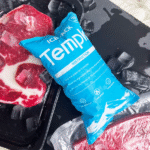
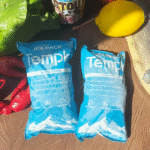
استخدم العبوة المعتمدة: اختيار المواد العازلة التي تحافظ على درجات الحرارة للمدة المطلوبة; فكر في عبوات الجل, مواد تغيير الطور ومقطورات متعددة المناطق.
كومة بشكل صحيح: السماح بتدفق الهواء حول العبوات وتجنب سد فتحات التهوية, مما قد يسبب تبريدًا غير متساوٍ.
تركيب أجهزة المراقبة: توفر المؤشرات المرئية والعلامات الذكية تنبيهات عندما تتجاوز درجات الحرارة الحدود القصوى.
النقل والتوزيع
خطط الطرق بعناية: جدولة عمليات التسليم لتقليل وقت العبور وتجنب التعرض لدرجات الحرارة غير الضرورية. يمكن لأدوات تحسين المسار التي تعمل بالذكاء الاصطناعي أن تقلل من التأخير واستهلاك الوقود.
صيانة مقطورات متعددة المناطق: حجرات منفصلة تحافظ على العناصر المجمدة والمبردة في درجات حرارة مختلفة, منع التلوث المتبادل.
مراقبة فتحات الأبواب: استخدم أجهزة استشعار حالة الباب لاكتشاف متى تُترك الأبواب مفتوحة وتنبيه الموظفين على الفور.
استخدام نظام تحديد المواقع والتتبع: قم بدمج بيانات الموقع مع بيانات درجة الحرارة للتأكد من أن الشحنات تتبع المسار المخطط وتحافظ على الظروف.
التعامل مع المستهلك والتعليم
حتى بعد وصول المنتجات إلى التجزئة, يحدد سلوك المستهلك ما إذا كان سيتم استخدامها أو إهدارها. تشجيع العملاء على:
اتبع تعليمات التخزين: ضع علامة واضحة على العبوة مع درجات حرارة التخزين وتواريخ انتهاء الصلاحية.
استخدم الأطعمة المجمدة المقسمة مسبقًا: غالبًا ما تأتي الأطعمة المجمدة في حصص فردية, السماح للمستهلكين بإذابة ما يحتاجون إليه فقط, وبالتالي تقليل بقايا الطعام والنفايات.
فهم تسميات التاريخ: قم بتعزيز أنظمة تصنيف التاريخ الموحدة مثل "الأفضل إذا تم تجميده بواسطة" أو "تجميده أو استخدامه بحلول" لتقليل الارتباك والتخلص غير الضروري.
| أفضل الممارسات | التأثير على الحد من النفايات | كيف يساعدك |
| تبريد البضائع مسبقًا قبل التحميل | يمنع التنفس ونمو الميكروبات منذ البداية | يطيل مدة الصلاحية ويقلل من التلف في المرحلة الأولى. |
| الحفاظ على التخزين البارد المناسب | يزيل النقاط الساخنة والتكثيف | يضمن درجة حرارة موحدة, تقليل التلف وتحسين الجودة. |
| استخدم مقطورات متعددة المناطق | يحافظ على المنتجات المختلفة في درجات الحرارة المطلوبة | يمنع التلوث المتبادل وفقدان الجودة. |
| مراقبة الأبواب ودرجة الحرارة | أجهزة الاستشعار والتنبيهات تمنع الرحلات درجة الحرارة | التدخل في الوقت الحقيقي يقلل من النفايات, الاستدعاءات والمسؤولية. |
| تثقيف المستهلكين حول أحجام الحصص | يقلل الطعام المجمد من النفايات المنزلية بنسبة تقريبية 47 % | يساعد العملاء على توفير المال وبناء الثقة في منتجاتك. |
نصائح وإرشادات عملية للمستخدم
إنشاء قائمة مرجعية للتقييم الذاتي: قم بتقييم كل مرحلة من سلسلتك (التبريد المسبق, تخزين, ينقل, توزيع) للتحكم في درجة الحرارة, الرصد والتوثيق.
استخدام أدوات القرار: تنفيذ لوحات معلومات تفاعلية توضح درجات الحرارة الحالية, حالة التنبيه وثغرات الامتثال; تضمين سيناريوهات "ماذا لو" لتقدير التخفيضات المحتملة في النفايات.
إشراك الموردين الخاص بك: مشاركة إرشادات أفضل الممارسات مع الشركاء; ومواءمتها مع أهداف الاستدامة والامتثال الخاصة بك.
اجعل الأمر بسيطًا بالنسبة للمستهلكين: تقديم نصائح الطبخ ووصفات الأطعمة المجمدة لتشجيع الاستهلاك وتقليل احتمالية حرق الفريزر.
حالة العالم الحقيقي: تجار التجزئة في الولايات المتحدة. أفاد الساحل الغربي أ 25 % انخفاض في المواد الغذائية غير المباعة بعد المبادرات التعاونية التي تركز على منع النفايات وتثقيف المستهلك. وهذا يدل على أن العمل المنسق عبر سلسلة التوريد يمكن أن يحقق نتائج ملموسة.
2025 التطورات والاتجاهات في إدارة سلسلة التبريد
يتطور مشهد سلسلة التبريد بسرعة. يساعدك فهم أحدث الاتجاهات على البقاء قادرًا على المنافسة والامتثال.
نظرة عامة على الاتجاهات
نمو الصناعة السريع: تم تقدير قيمة صناعة سلسلة التبريد العالمية بـ دولار أمريكي 228.3 مليار في 2024 ومن المتوقع أن يصل إلى الدولار 372 مليار من قبل 2029. تعد التعبئة والتغليف القابلة لإعادة الاستخدام والرقمنة من محركات النمو الرئيسية.
طفرة التحليلات التنبؤية: سوق التحليلات التنبؤية, قيمتها $10.2 مليار في 2023, ومن المتوقع أن تنمو ل $63.3 مليار من قبل 2032. إن تطبيقات سلسلة التبريد - مثل التنبؤ بأعطال المعدات وتحسين المسارات - هي التي تدفع نحو اعتماد هذه التطبيقات.
صعود التغليف الذكي: توفر الرغاوي الجديدة القابلة للتحلل الحيوي والمواد القائمة على الفطر عزلًا تجاريًا بينما تتحلل بأمان بعد الاستخدام. توفر التعبئة الذكية المزودة بمستشعرات إنترنت الأشياء المدمجة إمكانية مراقبة الحالة في الوقت الفعلي, المساعدة في منع فقدان المنتج.
نماذج الاقتصاد الدائري: تتبنى الشركات بشكل متزايد أنظمة الحلقة المغلقة حيث يتم إعادة استخدام التغليف عدة مرات. وهذا يقلل من الهدر ويتوافق مع أهداف ESG.
النطاق التنظيمي الموسع: FSMA 204, إلى جانب قوانين التتبع المماثلة في مناطق أخرى, يدفع الشركات إلى الاستثمار في حفظ السجلات الرقمية وتقنيات الاستشعار.
التركيز على كفاءة الطاقة: مع التبريد باستخدام 70 % من الطاقة في التخزين البارد, تصبح التحليلات التنبؤية وتكامل الطاقة المتجددة عوامل تمييز تنافسية.
مطالبة المستهلكين بالشفافية: يريد المتسوقون معرفة كيفية التعامل مع طعامهم. توفر تقنية Blockchain وIoT بيانات يمكن التحقق منها لبناء الثقة ويمكن استخدامها في التسويق.
آخر تقدم في لمحة
اعتماد أجهزة الاستشعار الذكية: زيادة 65 % يعتمد توزيع الأدوية الآن على مراقبة إنترنت الأشياء في الوقت الفعلي. وسرعان ما تحذو حذوها الخدمات اللوجستية الغذائية.
مرونة درجة الحرارة: تشير الأبحاث الجديدة إلى أن رفع درجات حرارة التخزين من -18 درجة مئوية إلى -15 درجة مئوية يمكن أن يحافظ على الجودة مع توفير الطاقة. وتستكشف التجارب في أوروبا هذا التحول.
زخم السياسة: قانون كاليفورنيا لتوحيد تسميات التاريخ والولايات المتحدة. وتشير الاستراتيجية الوطنية للحد من فقد الأغذية وهدرها إلى تزايد المشاركة التنظيمية. وتظهر مبادرات مماثلة في جميع أنحاء العالم.
طفرة الاستثمار: لقد تجاوز الاستثمار في رقمنة سلسلة التبريد وتكنولوجيا الاستشعار دولار أمريكي 1.4 مليار, مع رأس المال الاستثماري الذي يستهدف الشركات الناشئة في مجال التحليلات التنبؤية.
رؤى السوق والمستهلك
يستمر المستهلكون في تبني الأطعمة المجمدة من أجل الراحة, القدرة على تحمل التكاليف والحد من النفايات. تشير أبحاث السوق إلى ذلك أكثر من 80 % من المستهلكين يقولون أن الفواكه والخضروات المجمدة تساعدهم على تقليل هدر الطعام. في نفس الوقت, من المتوقع أن يصل سوق التغليف المستدام بشكل عام $126.50 مليار في 2025 و $240.52 مليار من قبل 2034. ويوضح هذا النمو تقاطع الطلب الاستهلاكي, الاعتبارات البيئية والضغوط التنظيمية.
الأسئلة المتداولة
س 1: كيف يقلل تجميد الطعام من الهدر مقارنة بشراء المنتجات الطازجة؟?
يحافظ التجميد على القيمة الغذائية في ذروة النضارة ويطيل مدة الصلاحية لأشهر. تظهر الأبحاث ذلك نفايات الطعام المنزلية المرتبطة بالمنتجات المجمدة 47 % أقل من تلك الموجودة في الأطعمة الطازجة. تتيح الحصص المقسمة مسبقًا للمستهلكين إذابة ما يحتاجون إليه فقط, التقليل من بقايا الطعام. للحصول على أفضل النتائج, اتبع تعليمات التخزين وتجنب تكرار الذوبان وإعادة التجميد.
Q2: ما هو FSMA 204 ومن يجب أن يمتثل?
FSMA 204 هي الولايات المتحدة. القاعدة النهائية لتتبع الأغذية الصادرة عن إدارة الغذاء والدواء والتي تتطلب من الشركات المصنعة, المعالجات, تعبئة وموزعي بعض الأطعمة تسجيل عناصر البيانات الرئيسية في أحداث التتبع الحرجة وتقديم هذه المعلومات إلى المنظمين داخلها 24 ساعات. وينطبق هذا على كل من الكيانات المحلية والأجنبية المدرجة في قائمة تتبع الأغذية. تم تحديد تاريخ الامتثال حاليًا لشهر يناير 20, 2026 ولكن قد يتم تمديدها حتى يوليو 20, 2028. يجب على الشركات تطوير خطط التتبع, تنفيذ حفظ السجلات الرقمية وتدريب الموظفين لضمان الاستعداد.
س 3: كيف يمكن للشركات الصغيرة توفير أجهزة الاستشعار والتحليلات الذكية؟?
ابدأ صغيرًا. انشر أدوات تسجيل البيانات منخفضة التكلفة على الطرق المهمة وأضف أجهزة استشعار إنترنت الأشياء في الوقت الفعلي تدريجيًا. غالبًا ما تعمل منصات التحليلات السحابية على أساس الاشتراك, تقليل التكاليف الأولية. تساعدك المشاريع التجريبية على قياس التوفير من خلال تقليل النفايات وتقليل الصيانة, جعل حالة العمل للنشر على نطاق أوسع.
س 4: ما هي فوائد التغليف المستدام بما يتجاوز التأثير البيئي?
التغليف المستدام يقلل من تكاليف التخلص, يتماشى مع اللوائح ويعزز سمعة العلامة التجارية. غالبًا ما يتم تسليم الحاويات القابلة لإعادة الاستخدام 30-40 % الحد من النفايات وخفض التكاليف على المدى الطويل. توفر المواد المتقدمة مثل aerogels وPCMs أداءً حراريًا فائقًا مع استخدام موارد أقل.
ملخص وتوصيات
تتطلب إدارة سلسلة التبريد للحد من هدر الأطعمة المجمدة اتباع نهج شامل. التحكم في درجة الحرارة في جميع مراحل سلسلة التوريد, اعتماد التقنيات الذكية, عبوة مستدامة, الامتثال التنظيمي وتثقيف المستهلك هي ركائز النجاح. تشمل الوجبات السريعة الرئيسية:
الحفاظ على التحكم الصارم في درجة الحرارة من الحصاد إلى الاستهلاك. يمكن أن تؤدي التقلبات الطفيفة في درجات الحرارة إلى تقصير مدة الصلاحية بشكل كبير.
الاستفادة من أجهزة استشعار إنترنت الأشياء والتحليلات التنبؤية لمراقبة الظروف, توقع الفشل وتقليل استهلاك الطاقة.
اعتماد التغليف المستدام باستخدام قابلة لإعادة الاستخدام, المواد القابلة للتحلل الحيوي وإغلاق الحلقة بلوجستيات الإرجاع.
الاستعداد لFSMA 204 امتثال من خلال تطوير خطط التتبع واعتماد حفظ السجلات الرقمية.
إشراك المستهلكين مع تسميات واضحة وحملات تعليمية; تساعد الأطعمة المجمدة الأسر على خفض النفايات إلى النصف تقريبًا.
خطة العمل
إجراء تدقيق لسلسلة التبريد: استخدم قائمة التقييم الذاتي المقدمة لتحديد نقاط الضعف في التحكم في درجة الحرارة والتوثيق.
التكنولوجيا الذكية التجريبية: اختر أحد خطوط الإنتاج عالية المخاطر وقم بتطبيق مستشعرات إنترنت الأشياء مع التحليلات التنبؤية. قياس التحسينات في الحد من النفايات وتكاليف الصيانة.
التحول إلى التغليف المستدام: ابدأ بالطرق ذات الحجم الكبير; اختبار الحاويات المعزولة القابلة لإعادة الاستخدام أو إعادة التدوير وقياس التوفير في التكاليف.
تطوير خطة التتبع: قم بتعيين أحداث التتبع المهمة وعناصر البيانات الرئيسية; تنفيذ حفظ السجلات الرقمية لتلبية FSMA 204 متطلبات.
تثقيف فريقك والعملاء: توفير التدريب والموارد لضمان فهم الجميع لأهمية التحكم في درجة الحرارة, التعامل السليم والحد من النفايات. تقديم وصفات ونصائح للمستهلكين لاستخدام الأطعمة المجمدة بشكل فعال.
حول Tempk
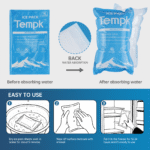
تعتبر Tempk شركة رائدة في مجال حلول سلسلة التبريد, تقديم عبوات معزولة قابلة لإعادة الاستخدام, عبوات الثلج الهلامية وأنظمة المراقبة المتقدمة. نحن متخصصون في الاستدامة, تغليف حراري عالي الأداء يحافظ على المنتجات في درجة الحرارة المثالية مع تقليل التأثير البيئي. لدينا ص&يقوم فريق D باستمرار بتطوير مواد جديدة - مثل الرغاوي الصديقة للبيئة والمواد الهلامية المتغيرة الطور - ويدمج أجهزة الاستشعار الذكية لتوفير الرؤية في الوقت الحقيقي. مع عقود من الخبرة في الصناعة والشهادات المعترف بها عالميًا, نحن نساعد الشركات على تحقيق الامتثال, تقليل النفايات وتعزيز سلامة المنتج.
دعوة إلى العمل: على استعداد لتحسين سلسلة التبريد الخاصة بك? اتصل بخبراء Tempk اليوم للحصول على تقييم مخصص واكتشف كيف يمكن لحلولنا تقليل الهدر, تحسين الامتثال وتعزيز النتيجة النهائية الخاصة بك.