يعد الحفاظ على المأكولات البحرية طازجة من المحيط إلى المائدة فنًا وعلمًا. كما يمكن أن يدمر التلف ما يصل إلى 35 % من المأكولات البحرية بسبب سوء التعامل وتعطل سلسلة التبريد, تحتاج موثوقة حلول صناديق المأكولات البحرية ذات السلسلة الباردة. في 2025 سوق سلسلة التبريد يستحق حوالي 436 مليار دولار أمريكي ويمكن أن يتجاوز 1.3 تريليون دولار أمريكي 2034. سواء كنت صيادًا, المعالج أو بائع التجزئة, إن إتقان التحكم في درجة الحرارة واختيار الحاويات المناسبة يمكن أن يغير عملك. يستخدم هذا الدليل لغة واضحة وبيانات من العالم الحقيقي لمساعدتك في التنقل بين خيارات التغليف, أجهزة استشعار, اللوجستية والاستدامة, ضمان وصول المأكولات البحرية الخاصة بك طازجة كما كانت عند صيدها.

لماذا يهم التحكم الدقيق في درجة الحرارة؟ – استكشاف كيف تؤثر الانحرافات الصغيرة على السلامة والجودة, بالإضافة إلى نطاقات درجات الحرارة الموصى بها.
كيفية اختيار صندوق المأكولات البحرية ذو السلسلة الباردة المناسب - يقارن صناديق السمك EPS, حاويات EPP قابلة لإعادة الاستخدام, حقائب اليد PUR وHDPE, والأداء العالي شاحنات VIP.
ما هي تقنيات التتبع والتعبئة الذكية المتوفرة؟ 2025 – فهم أجهزة استشعار إنترنت الأشياء, علامات RFID, أجهزة تعقب GPS و blockchain.
كيف تعيد الاستدامة واللوائح تشكيل عبوات المأكولات البحرية – تعرف على حظر EPS, كفاءة الطاقة ومسؤولية المنتج الموسعة (إي بي آر).
أفضل الممارسات للوجستيات سلسلة التبريد – راجع النصائح العملية لشحن المأكولات البحرية الحية والمجمدة, تخطيط الطريق والتدريب.
2025 اتجاهات السوق والابتكارات – اكتشاف توقعات النمو, اتجاهات التعبئة والتغليف الذكية وظهور مجموعات الوجبات.
لماذا يعتبر التحكم في درجة الحرارة مهمًا لشحن المأكولات البحرية؟?
المأكولات البحرية سريعة التلف وحساسة لتقلبات درجات الحرارة. دون تقشعر لها الأبدان السريع, يتسارع نمو الميكروبات ويؤدي تكوين الهيستامين إلى التلف. وتقدر منظمة الأغذية والزراعة أن حوالي 35 % يتم إهدار المأكولات البحرية على مستوى العالم بسبب عدم كفاءة التعامل مع ما بعد الحصاد وفشل سلسلة التبريد. الحفاظ على الأسماك بين 0 درجة مئوية و 2 درجة مئوية للمنتجات المبردة و -18 درجة مئوية للمنتجات المجمدة تحافظ على نضارتها وتمنع نمو البكتيريا. حتى التغيرات الطفيفة في درجات الحرارة – مثل الارتفاع فوق 1 درجة مئوية - يمكن أن يكسر سلسلة التبريد, تسارع التدهور.
علم التبريد مقابل التجميد
يؤدي التبريد إلى خفض درجة حرارة الطعام إلى أقل من درجة الحرارة المحيطة ولكن أعلى من -1 درجة مئوية, تباطؤ نمو الميكروبات والتفاعلات الأنزيمية. يؤدي التجميد عند -18 درجة مئوية إلى استقرار الأسماك عن طريق جعل الماء غير متاح للتفاعلات الكيميائية. لكن, التجميد ليس مبيدًا بيولوجيًا; التعامل الآمن, تظل النظافة والمعالجة السريعة ضرورية. على سبيل المثال, الأسماك المخزنة في 16 درجة مئوية يستمر يوم واحد فقط, ولكن خفض درجة الحرارة إلى 5 درجة مئوية يمتد مدة الصلاحية إلى ثلاثة أيام, وتقشعر لها الأبدان ل 0 درجة مئوية يمكن حفظ الأسماك لمدة تصل إلى عشرة أيام.
| طريقة التخزين | نطاق درجة الحرارة | مدة الصلاحية النموذجية | التأثير على الجودة |
| التخزين المحيطي | > 10 درجة مئوية | < 24 ساعات | التلف السريع والنمو البكتيري |
| التبريد بالثلج | 0 - 2 درجة مئوية | 3– 10 أيام | يبطئ نمو الميكروبات, يحافظ على الملمس |
| التجميد | ≥ -18 درجة مئوية | شهور | يُحفظ على المدى الطويل ولكنه قد يتسبب في تلف بلورات الثلج |
| تقشعر لها الأبدان | –1 – –2 درجة مئوية | 10– 14 يومًا | يطيل مدة الصلاحية مع تقليل أضرار التجميد |
نصائح عملية للتحكم في درجة الحرارة
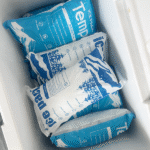
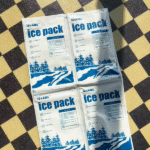
حاويات التبريد المسبق والمبردات: عبوات جل البرد, لوحات سهلة الانصهار أو الثلج الجاف قبل التحميل. يحافظ الصندوق المبرد مسبقًا على بيئته الداخلية لفترة أطول.
ملء المساحة الفارغة: استخدم الفواصل الحرارية أو مواد الحشو لتقليل حجم الهواء وتقليل انتقال الحرارة.
إغلاق الحاويات بإحكام: يمكن أن يؤدي الختم المناسب إلى تحسين العزل بنسبة تصل إلى 30 %.
المراقبة بشكل مستمر: استخدم أجهزة استشعار إنترنت الأشياء أو مسجلات البيانات لتتبع درجة الحرارة والرطوبة الداخلية; تنبيهات في الوقت الحقيقي تمنع الرحلات.
تثقيف فريقك: طواقم القطار, السائقون وموظفو المستودعات على التعامل مع المأكولات البحرية والاستجابة للتنبيهات.
دراسة حالة: تم إقران منشأة للتخزين البارد في مدينة كانساس صناديق تبريد EPP قابلة لإعادة الاستخدام مع أجهزة الاستشعار الذكية والذكاء الاصطناعي. يحافظ النظام على درجات حرارة دقيقة لمدة تصل إلى 96 ساعات والقضاء على رفض المنتج بسبب رحلات درجة الحرارة.
اختيار صندوق المأكولات البحرية ذو السلسلة الباردة المناسب: EPS, إي بي بي, بور, VIP وأكثر
إن اختيار التغليف المناسب يضمن وصول المأكولات البحرية الخاصة بك سليمة وفي درجة الحرارة الصحيحة. تقدم كل مادة أداء عزل مختلف, متانة, الأثر البيئي وإمكانات إعادة الاستخدام.
صناديق السمك EPS – استخدام مرة واحدة ولكنها فعالة
موسع البوليسترين (EPS) صناديق السمك خفيفة الوزن, 98 % هواء وتوفير العزل الحراري الممتاز. وحدة نموذجية تزن 0.203 كجم, يحمل 6.4 كيلو من السمك و 1.6 كيلوغرام من الجليد ويتم تصنيعها بواسطة حبات البوليسترين القابلة للتمدد مسبقًا بالبخار. صناديق EPS هي مقاومة للتسرب, منع التلوث وقوية بما يكفي لتحمل النقل. غالبًا ما تتميز بفتحات تصريف لإدارة المياه الذائبة وتلبية معايير سلامة الأغذية الصارمة. لكن, EPS هو استخدام واحد وتحدي إعادة التدوير, مما يؤدي إلى مخاوف بيئية.
حاويات EPP قابلة لإعادة الاستخدام – متينة ومستدامة
موسع البولي بروبيلين (إي بي بي) تستخدم الصناديق هيكلًا رغويًا مغلقًا لاحتجاز جيوب الهواء وتوفير عزل ممتاز. تحافظ صناديق EPP النموذجية على درجات حرارة باردة 72-96 ساعة عندما يقترن مع لوحات سهل الانصهار. تجمع المادة خفيفة الوزن مع قوة عالية, يقاوم قطرات من 1.5 م ويبقى مستقرا من -40 درجة مئوية إلى +110 درجة مئوية. امتصاص الماء هو < 5 %, والمواد تقاوم الزيوت والمواد الكيميائية. على عكس EPS, صناديق EPP هي قابلة لإعادة الاستخدام 500 دورات وقابلة لإعادة التدوير بالكامل. كثافات مخصصة (15-100 كجم/م3 أو أعلى) تسمح بخياطة القوة والعزل حسب احتياجاتك. متأخر , بعد فوات الوقت, إعادة استخدام EPP يقلل من التكلفة الإجمالية للملكية والنفايات.
EPP مقابل. EPS وEPE – تحليل مقارن
يلخص الجدول أدناه الاختلافات الرئيسية بين EPP, EPS وEPE (البولي ايثيلين الموسع) للخدمات اللوجستية للمأكولات البحرية.
| ملكية | إي بي بي | EPS | إيبي | المعنى العملي |
| كثافة (كجم/م3) | 15-100 (قابل للتخصيص) | 15-30 | عامل | تدعم EPP ذات الكثافة العالية الأحمال الثقيلة |
| الموصلية الحرارية (ث/م · ك) | 0.25-0.26 | ~0.036 | 0.034-0.04 | القيم المنخفضة تعني عزل أفضل; تعمل جدران EPP السميكة على تحسين المقاومة |
| مقاومة التأثير | عالي | قليل (هش) | واسطة | صناديق EPP تتحمل السقوط والتعامل القاسي |
| امتصاص الماء | < 5 % مقدار | 2-4 % مقدار | يختلف | انخفاض امتصاص الرطوبة يمنع العفن |
| نطاق درجة الحرارة | -40 درجة مئوية إلى +110 درجة مئوية | -30 درجة مئوية إلى +70 درجة مئوية | -60 درجة مئوية إلى +80 درجة مئوية | يظل EPP مستقرًا عبر درجات الحرارة القصوى |
| إعادة الاستخدام | 500+ دورات | استخدام واحد | < 10 يستخدم | عمر خدمة أطول يقلل من النفايات |
| قابلية إعادة التدوير | 100 % | صعب | محدود | يدعم أهداف الاقتصاد الدائري |
صناديق الأسماك المعزولة PUR وصناديق HDPE - خيارات الخدمة الشاقة
البولي يوريثان (بور) الحاويات الأساسية, غالبًا ما يتم دمجها مع قذائف البولي إيثيلين مزدوجة الجدران, توفر عوامل عزل عالية جدًا ومتانة. هؤلاء صناديق الأسماك المعزولة بالبولي يوريثين استخدم وسادات مطاطية قابلة للاستبدال وأغطية محكمة للحفاظ على برودة الثلج لفترة أطول. إنها مثالية لسفن الحصاد والأسواق التي تتطلب حاويات قوية ولكن قابلة للحمل. في أثناء, قابل لإعادة الاستخدام صناديق HDPE وزن 1.2 كجم, يحمل 10 كيلو من السمك و 2 كيلوغرام من الجليد ويمكن إعادة استخدامها تقريبًا 120 دورات في السنة, مع عمر أكثر من 10 سنين. تظهر تقييمات دورة الحياة أنه في حين أن صناديق HDPE لها وزن فارغ أعلى, فهي تدعم مبادئ الاقتصاد الدائري عند غسلها بكفاءة وإعادة استخدامها على نطاق واسع.
شركات الشحن VIP – الأداء المتميز
لوحة معزولة فراغ (VIP) تجمع شركات الشحن بين طبقة خارجية متينة وألواح مثبتة بإحكام, عرض الأداء الحراري المتفوق دون الحاجة إلى غلاف حماية EPS. أدائها العالي يقلل من متطلبات المبردات ويسمح بصغر حجمها, حزم أخف وزنا تخفض تكاليف الشحن. تعتبر شركات الشحن VIP مثالية للقيمة العالية, الشحنات الحساسة لدرجة الحرارة ولكنها تتطلب سعرًا أعلى. عندما يقترن بمواد تغيير الطور أو الثلج الجاف, أنها تتيح توصيل المأكولات البحرية عبر القارة.
اختيار الحل الصحيح
الشحنات ذات الاستخدام الواحد & حساسية التكلفة: تظل صناديق السمك EPS مستخدمة على نطاق واسع بسبب التكلفة المنخفضة والعزل الممتاز. وهي مناسبة للشحن الجوي لمسافات طويلة عند توفر مرافق إعادة التدوير.
عمليات قابلة لإعادة الاستخدام ومستدامة: تعمل صناديق EPP أو صناديق HDPE على تقليل التكاليف طويلة المدى وتتوافق مع لوائح EPR. اختر الكثافات والأحجام بناءً على وزن الحمولة ومدة الرحلة.
قيمة عالية, درجة حرارة البضائع الحرجة: توفر شركات الشحن VIP فترات انتظار ممتدة مع الحد الأدنى من المبردات; مثالية للمأكولات البحرية المتميزة أو الشحنات المجمعة من المأكولات البحرية والأدوية.
تجهيز الثقيلة: تتحمل الحقائب المعزولة من مادة البولي يوريثين التعامل القاسي وتفضل تخزينها بكميات كبيرة والأنواع ذات القيمة العالية مثل سمك القد أو جراد البحر.
تقنيات التغليف والتتبع الذكية لـ 2025
تعد الرؤية وإمكانية التتبع أمرًا ضروريًا لمنع فشل سلسلة التبريد. توفر التقنيات الناشئة إمكانية المراقبة في الوقت الفعلي, التسجيل التلقائي والسجلات غير القابلة للتغيير.
أجهزة استشعار إنترنت الأشياء ومسجلات البيانات
مسجلي البيانات هي أجهزة صغيرة تسجل درجة الحرارة والرطوبة طوال عملية الشحن. فهي ميسورة التكلفة وموثوقة ولكنها تتطلب استرجاعًا يدويًا; بحلول الوقت الذي تتم فيه قراءة البيانات, ربما حدث التلف بالفعل. أجهزة الاستشعار اللاسلكية لإنترنت الأشياء, على النقيض من ذلك, نقل بيانات درجة الحرارة والموقع عبر Wi Fi, الشبكات الخلوية أو LoRaWAN. توفر هذه المستشعرات إمكانية الوصول عن بعد وتنبيهات فورية عند انتهاك الحدود. تقوم الخوارزميات التنبؤية بتحليل الاتجاهات للتنبؤ بأعطال المعدات وتحسين المسارات, على الرغم من أنها تعتمد على اتصال الشبكة المستقر.
علامات RFID, نظام تحديد المواقع و بليه
أجهزة استشعار درجة الحرارة RFID تضمين أجهزة الاستشعار في العلامات الملصقة على المنصات أو الطرود. تقوم قارئات RFID بمسح هذه العلامات أثناء مرور الشحنات عبر نقاط التفتيش, تبسيط إدارة المخزون. تشمل القيود نطاق الإشارة القصير والتداخل من المعدن أو السوائل. أجهزة تعقب GPS الجمع بين مراقبة الموقع ودرجة الحرارة; يتم تشغيل التنبيهات عندما تنحرف المركبات عن المسارات أو تتعرض البضائع لتقلبات في درجات الحرارة. أجهزة استشعار بليه (بلوتوث منخفض الطاقة) نقدم تتبعًا فعالاً من حيث التكلفة لدرجة الحرارة للمستودعات والشحنات قصيرة المسافة, لكن نطاقها المحدود يتطلب بوابات لنقل البيانات.
Blockchain والتتبع الرقمي
تقوم تقنية Blockchain بإنشاء دفتر أستاذ رقمي مقاوم للتلاعب يسجل كل تغيير في الحضانة من الصيد إلى الاستهلاك. من خلال لامركزية المعلومات, فهو يعزز الشفافية, يردع الاحتيال ويدعم الاستدامة. تشير الدراسات إلى ذلك قد يتم وضع علامة خاطئة على واحد من كل ثلاثة منتجات من المأكولات البحرية, بينما غير قانوني, الصيد غير المبلغ عنه وغير المنظم حسابات ل 20 % من الأسماك البرية التي يتم صيدها على مستوى العالم, يكلف الاقتصاد 36.4 مليار دولار أمريكي سنويا. يمنع التتبع القوي باستخدام blockchain الاحتيال ويدعم الصيد المستدام من خلال توثيق درجة الحرارة, الزمان والمكان في كل مرحلة.
ابتكارات التعبئة والتغليف الذكية
أجهزة استشعار قابلة للتحلل & مؤشرات النضارة: أجهزة استشعار مطبوعة مصنوعة من البوليمرات الطبيعية تكتشف الأكسجين, ثاني أكسيد الكربون أو الرطوبة ويتغير اللون عند تجاوز العتبات. أ 2024 أظهرت الدراسة وجود مستشعر خالٍ من البطاريات يعمل على مضاعفة العمر الافتراضي للأسماك الطازجة 14 أيام.
التعبئة والتغليف النشطة: يستخدم كاسحات الأكسجين, العوامل المضادة للميكروبات أو منظمات ثاني أكسيد الكربون لإطالة مدة الصلاحية.
رموز QR ومشاركة المستهلك: تتيح علامات QR أو NFC الموجودة على الحزم للمستهلكين البحث عن تاريخ الالتقاط, درجات حرارة التخزين ومعلومات الاستدامة.
تحليلات مدعومة بالذكاء الاصطناعي: تقوم الخوارزميات التنبؤية بتحليل بيانات المستشعر لاستباق الاضطرابات وتحسين المسارات.
نصائح عملية لتطبيق التكنولوجيا
رسم خريطة لسلسلة التوريد الخاصة بك لتحديد النقاط الحرجة لدرجة الحرارة وتعيين أجهزة الاستشعار وفقا لذلك.
إعطاء الأولوية للتدريب – يجب أن يفهم الموظفون كيفية قراءة بيانات المستشعر والرد على التنبيهات.
استخدم معرفات فريدة مثل رموز QR أو علامات RFID لكل دفعة.
استثمر في الاتصال - التأكد من أن المركبات والمستودعات لديها شبكات موثوقة; ضع في اعتبارك LoRaWAN للمناطق النائية.
مثال العالم الحقيقي: قام أحد مصدري المأكولات البحرية بتثبيت أجهزة استشعار إنترنت الأشياء في شاحنات التبريد واستخدم تقنية blockchain لتسجيل بيانات درجة الحرارة. عندما حدث تأخير غير متوقع, أدى التنبيه إلى إطلاق خطة إعادة توجيه أبقت البضائع بالأسفل 2 درجة مئوية, وقدمت البيانات المسجلة دليلاً على الامتثال.
الاعتبارات المستدامة والتنظيمية
البيئية, الاجتماعية والحوكمة (ESG) العوامل تدفع الابتكار في التعبئة والتغليف سلسلة التبريد. حسابات التبريد غير كافية 526 فقدان مليون طن متري من الغذاء 2017, إطلاق 1 جيجا طن من ثاني أكسيد الكربون. للمأكولات البحرية, 27 % يتم إهدار الأسماك التي تم إنزالها بسبب مشاكل سلسلة التبريد. ومعالجة هذه الخسائر أمر بالغ الأهمية للصمود في وجه تغير المناخ والأمن الغذائي.
محركات الاستدامة
حظر على رغوة EPS: تحظر العديد من المناطق الساحلية شركات شحن الرغوة القائمة على النفط بسبب التلوث البحري. تعمل البدائل القابلة للتحلل الحيوي مثل الرغوة النباتية والورق المقوى القابل لإعادة التدوير على تقليل النفايات وتلبية اللوائح.
كفاءة الطاقة: يستهلك التخزين البارد طاقة كبيرة; تقوم الشركات بتحويل التخزين المجمد من -18 درجة مئوية إلى -15 درجة مئوية لتقليل الاستهلاك مع الحفاظ على السلامة.
تقليل البصمة الكربونية: تعمل الشركات على تحسين الطرق, توحيد الأحمال واستخدام برامج تعويض الكربون; تؤكد شهادات الاستدامة على إمكانية التتبع والسلامة الغذائية الشاملة.
الاستثمار الحكومي: ويدعو الخبراء الحكومات إلى التعامل مع سلاسل التبريد باعتبارها بنية تحتية حيوية والاستثمار في الطاقة المتجددة ومخازن التبريد المشتركة, خاصة في المناطق ذات الدخل المنخفض.
الاتجاهات التنظيمية
مسؤولية المنتج الموسعة (إي بي آر): يجب على الشركات المصنعة مراعاة التأثير البيئي لتغليفها وضمان الإدارة السليمة لنهاية عمرها الافتراضي.
التغليف & تنظيم نفايات التغليف (ص): يحدد الاتحاد الأوروبي أهدافًا لقابلية إعادة التدوير والمحتوى المعاد تدويره 2030, دفع الشركات نحو الحاويات القابلة لإعادة الاستخدام والمواد القابلة لإعادة التدوير.
إمكانية التتبع & معايير سلامة الغذاء: نحن. تتطلب قواعد التتبع الخاصة بإدارة الأغذية والعقاقير (FDA) ونظام تحليل المخاطر ونقاط المراقبة الحرجة (HACCP) التحكم الموثق في درجة الحرارة والتتبع.
جعل سلسلة التبريد الخاصة بك مستدامة
اعتماد حاويات قابلة لإعادة الاستخدام أو قابلة للتحلل: استبدل EPS للاستخدام الفردي بأكياس معزولة PUR أو EPP, أو مبردات قابلة للتحلل.
تقليل استخدام الطاقة: صيانة المعدات, عزل المرافق وضبط التخزين المجمد على -15 درجة مئوية عندما يكون ذلك ممكنا.
تنفيذ الطاقة المتجددة: يمكن للألواح الشمسية وتوربينات الرياح تشغيل التخزين البارد وتقليل الاعتماد على الوقود الأحفوري.
استخدم التغليف الذكي وأجهزة الاستشعار: دمج أجهزة الاستشعار السلبية, رموز QR ومسجلات البيانات لتعزيز إمكانية التتبع وتقليل الهدر.
إشراك صناع السياسات: الدعوة إلى الاستثمار في البنية التحتية لسلسلة التبريد ودعم صغار المنتجين.
مثال الحالة: في جنوب وجنوب شرق آسيا, نقص التبريد يسبب 8.2 % نفايات المأكولات البحرية. التعاونيات المحلية التي تستثمر في غرف التبريد التي تعمل بالطاقة المتجددة والأكياس المعزولة بـ PUR تقلل من التلف, توسيع نطاق الوصول إلى الأسواق وزيادة دخل الصيادين.
لوجستيات سلسلة التبريد وأفضل الممارسات
التغليف وحده لا يضمن نضارة المنتج; اللوجستية تلعب دورا رئيسيا. تضمن سلاسل التوريد المتكاملة التحكم المستمر في درجة الحرارة من الصيد إلى المستهلك.
التعامل مع المأكولات البحرية الحية مقابل المجمدة
المأكولات البحرية الحية: تجنب الثلج الرطب أو الثلج الجاف عند شحن جراد البحر أو سرطان البحر الحي. استخدم عبوات التبريد أو الأعشاب البحرية الباردة للحفاظ على درجة الحرارة دون الإضرار بالحيوانات.
المأكولات البحرية المجمدة: يعد الثلج الجاف فعالاً من حيث التكلفة بالنسبة للشرائح المعبأة بالتفريغ ولكنه يتسامى بمعدل 5 إلى 10 أرطال يوميًا ويتطلب معالجة دقيقة بسبب البرد الشديد ولوائح المواد الخطرة.
عبوات هلامية وألواح سهلة الانصهار: مثالية لعمليات تسليم البريد السريع لمسافات قصيرة ومجموعات الوجبات, هذه تحافظ على برودة المنتجات المبردة دون مخاوف تتعلق بالسلامة.
أنواع الحاويات وحالات استخدامها
يلخص الجدول أدناه أنواع الحاويات الشائعة للأسماك وفوائدها.
| نوع الحاوية | بناء & العزل | الفوائد الرئيسية | حالات الاستخدام المثالي |
| أكياس البولي ايثيلين ذات الجدران المزدوجة | غلاف صلب من البولي إيثيلين مع جدار داخلي ثلاثي موسع من البولي إيثيلين | عزل رغوي متين; تكنولوجيا قفل الجدار; قابلة للتدوير وقابلة للتكديس; فتحات التصريف | التخزين والمعالجة بكميات كبيرة حيث تكون القوة وإعادة الاستخدام أمرًا مهمًا |
| صناديق الأسماك المعزولة بالبولي يوريثان | البولي إيثيلين مع عزل PUR (ما يصل إلى R28) | عامل عزل عالي; منصات ارتداء قابلة للاستبدال; أغطية ضيقة | تحتاج سفن الحصاد والأسواق إلى حاويات قوية ومحمولة |
| حاويات معزولة الأساسية PUR (سايبلاست) | بلاستيك مزدوج الجدران مع قلب PUR | عزل عالي جداً; قوية وطويلة الأمد; أغطية اختيارية وعلامات تتبع | التعامل مع الأنواع ذات القيمة العالية مثل سمك القد وجراد البحر |
| أكياس الثلج الجاف | حاويات مزدوجة الجدران مصممة للأغذية المجمدة | الحفاظ على درجات الحرارة المجمدة دون التبريد الميكانيكي | نقل المأكولات البحرية المجمدة لمسافات طويلة |
| مبردات قابلة للتحلل | رغوة نباتية قابلة للتحلل | الحد من التلوث البحري; الامتثال لحظر الرغوة | الشركات والمناطق الصديقة للبيئة مع قيود EPS |
سلسلة التوريد والنقل المتكاملة
مدمج, يوفر دعم الاستيراد والتصدير الذي يتم التحكم فيه بدرجة الحرارة سلسلة توريد متواصلة للمنتجين والموزعين الذين يسعون جاهدين لتقديم المأكولات البحرية عالية الجودة. حتى التغيرات الطفيفة في درجات الحرارة يمكن أن تسرع من التدهور, تقليل النكهة, الملمس والقيمة الغذائية. يتعامل شركاء التخزين البارد مع الجمارك, نقل الحاويات إلى المرافق المجاورة للميناء, وإدارة وضع العلامات, إعادة التعبئة والأوراق التنظيمية. شبكات فعالة تمتد عبر المنافذ, تعمل السكك الحديدية والشاحنات على تقليل أوقات المناولة والدورة, تحسين الخدمات اللوجستية. في سلاسل التوريد المعقدة, تنسيق كل مرحلة – من اصطياد, الهبوط, المعالجة والتخزين للتوزيع والتجزئة – لمنع تغيرات درجات الحرارة.
نصائح عملية للخدمات اللوجستية
المركبات قبل التبريد: يجب تبريد الشاحنات المبردة قبل التحميل والحفاظ على تدفق الهواء الصحيح; تساعد المستشعرات على تجنب البداية الدافئة.
تخطيط الطرق والتوقيت: تجنب التوقف والتأخير غير الضروري; تنسيق الاستلام والتسليم لتقليل الوقت خارج البيئات الخاضعة للرقابة.
تأمين البضائع: استخدم الأختام الواضحة للتلاعب وتحقق من هوية الناقلين; سرقة البضائع من المأكولات البحرية آخذة في الارتفاع.
أولا في, أولًا (يصرف أولاً): تدوير المخزون لمنع المنتجات منتهية الصلاحية وتقليل النفايات.
تدريب الموظفين: تثقيف الموظفين على تقنيات التحميل, التعامل مع المبردات, إجراءات النظافة والطوارئ.
2025 اتجاهات سلسلة التبريد ورؤى السوق
يستمر سوق التغليف بسلسلة التبريد في النمو بسرعة. ال السوق العالمية تم تقديره 34.28 مليار دولار أمريكي 2024 ومن المتوقع أن يصل 89.84 مليار دولار أمريكي 2034 في أ 11.3 % CAGR. أمريكا الشمالية حسابات حوالي 44 % الإيرادات مع EPS لا تزال المهيمنة, بينما صناديق جامدة قابلة لإعادة الاستخدام تسجيل أعلى نمو (7.04 % CAGR). السمك, قاد قطاع اللحوم والمأكولات البحرية السوق 2024 ومن المتوقع أن تتوسع عند أ 6.93 % معدل نمو سنوي مركب ل 2030. حاويات متوسطة السعة (5-20 لتر) عقد أكبر طلب على الوحدة, بينما الحاويات الصغيرة (≥5 لتر) تتوسع بشكل أسرع بسبب الطب الشخصي والتوصيل المباشر للأغذية للمستهلك.
أحدث التطورات في لمحة
أجهزة الاستشعار الذكية & التحليلات التنبؤية: توفر مستشعرات إنترنت الأشياء وخوارزميات الذكاء الاصطناعي مراقبة مستمرة, التنبؤ بالانحرافات في درجات الحرارة والسماح باتخاذ إجراءات وقائية.
أجهزة استشعار قابلة للتحلل & التعبئة والتغليف النشطة: تدمج المواد الجديدة أجهزة استشعار تستجيب للغازات أو الرطوبة, مضاعفة العمر الافتراضي للأسماك.
التبريد الموفرة للطاقة: تعمل الضواغط ذات السرعة المتغيرة والمبردات الطبيعية على تقليل استهلاك الطاقة وانبعاثات الغازات الدفيئة.
إمكانية التتبع الرقمي & تطبيقات المستهلك: ترتبط رموز QR الموجودة على العبوة بسجلات blockchain, تمكين المستهلكين من التحقق من تاريخ الصيد, ظروف التخزين والنضارة.
نمو مجموعات الوجبات & مباشرة إلى الشحن المستهلك: إن شعبية مجموعات الوجبات تعني المزيد من الشحنات الصغيرة التي تتطلب التحكم الدقيق في درجة الحرارة; أصبحت التعبئة المستدامة والمراقبة الذكية من نقاط البيع الرئيسية.
حلول التعبئة والتغليف المبتكرة: الصناديق القائمة على الألياف مثل DS Smith حزمة جافة إبقاء الأسماك أدناه 40 درجة فهرنهايت لأكثر من 40 ساعات, نكون 100 % قابل لإعادة التدوير, السفينة مسطحة وتمت الموافقة عليها للشحن الجوي. تعمل هذه الصناديق على تقليل انبعاثات ثاني أكسيد الكربون وتكاليف الشحن الواردة, تعزيز الاقتصاد الدائري.
رؤية السوق واستراتيجيات الأعمال
تنويع محافظ التغليف: قم بتوفير خيارات الاستخدام الفردي والخيارات القابلة لإعادة الاستخدام لتلبية احتياجات العملاء المتنوعة.
استثمر في ر&د: تطوير رغاوي قابلة للتحلل, حلول EPP وVIP عالية الكثافة; الشراكة مع معاهد البحوث للبقاء في صدارة التغييرات التنظيمية.
اعتماد نماذج الاقتصاد الدائري: تشجيع برامج إعادة الحاويات القابلة لإعادة الاستخدام ودمج خدمات إعادة التدوير.
الاستفادة من البيانات: استخدم بيانات الاستشعار والتحليلات لتحسين المخزون, التنبؤ بالطلب وتعزيز ثقة العملاء.
الأسئلة المتداولة
س 1: ما هي درجة الحرارة المثالية لتخزين الأسماك الطازجة؟?
يجب تخزين الأسماك بين 0 درجة مئوية و 2 درجة مئوية (32-36 درجة فهرنهايت) للحفاظ على نضارتها ومنع نمو البكتيريا. درجات الحرارة أعلى 1 قد تؤدي درجة الحرارة المئوية إلى كسر سلسلة التبريد. استخدم الجليد المسحوق, عبوات هلامية أو تخزين مبرد للحفاظ على هذا النطاق.
Q2: متى يجب علي استخدام الثلج الجاف مقابل عبوات الجل لشحن المأكولات البحرية؟?
الثلج الجاف هو الأفضل ل المجمدة, فراغ معبأة المأكولات البحرية لأنها تحافظ على درجات حرارة منخفضة جدًا ولكنها تتطلب معالجة دقيقة. ل المأكولات البحرية الحية أو المبردة, تجنب الثلج الجاف واستخدم عبوات الجل أو الأعشاب البحرية الباردة لمنع الضرر.
س 3: ما هي الميزات التي يجب أن أبحث عنها في حقيبة السمك القابلة لإعادة الاستخدام؟?
يختار حاويات مزدوجة الجدران من البولي إيثيلين أو PUR مع عوامل عزل عالية, البناء الدائم, سدادات التصريف, أغطية ضيقة وإمكانية الوصول للرافعة الشوكية. تساعد الألوان المخصصة أو علامات RFID في التتبع ومنع الخسارة.
س 4: كيف يمكنني مراقبة درجة حرارة شحنة المأكولات البحرية الخاصة بي؟?
يستخدم مسجلات البيانات ذات الاستخدام الواحد أو مستشعرات إنترنت الأشياء التي تسجل درجة الحرارة والرطوبة. يقوم البعض بإنتاج تقارير PDF أو CSV تلقائيًا للوثائق التنظيمية.
ملخص وتوصيات
أنت الآن تفهم السبب حلول صناديق المأكولات البحرية ذات السلسلة الباردة تعتبر حيوية للحفاظ على جودة المأكولات البحرية 2025. التحكم في درجة الحرارة أمر بالغ الأهمية: احتفظ بالأسماك المبردة في 0-2 درجة مئوية والمنتجات المجمدة في -18 درجة مئوية لمنع التلف والأمراض المنقولة بالغذاء. اختر العبوة بحكمة: صناديق EPS توفر عزلًا منخفض التكلفة ولكنها تستخدم مرة واحدة; حاويات EPP قابلة لإعادة الاستخدام تقديم وفورات طويلة الأجل والاستدامة; حقائب اليد PUR و صناديق HDPE تقديم أداء عالي التحمل; و شاحنات VIP تمكين الشحنات المتميزة. احتضان التكنولوجيا – أجهزة الاستشعار, إنترنت الأشياء, RFID, GPS و blockchain - لمراقبة درجة الحرارة, ضمان التتبع وتلبية اللوائح. الاستثمار في الممارسات المستدامة: اعتماد حاويات قابلة لإعادة الاستخدام أو قابلة للتحلل, الاستخدام الأمثل للطاقة, والامتثال لقواعد EPR وPPWR. أخيراً, تبسيط الخدمات اللوجستية من خلال شركاء التخزين البارد المتكاملين, تخطيط الطريق وتدريب الموظفين للحفاظ على سلسلة تبريد غير منقطعة.
الخطوات التالية القابلة للتنفيذ
قم بمراجعة سلسلة التبريد الحالية لديك: قم بتخطيط كل مرحلة من سلسلة توريد المأكولات البحرية الخاصة بك, تحديد النقاط الحرجة لدرجة الحرارة وتحديد المكان الذي يتطلب تحسين التعبئة والتغليف أو المراقبة.
حدد الحاوية المناسبة: لكل منتج, النظر في مدة الرحلة, وزن, القيمة والمتطلبات التنظيمية. قم بتجربة حقائب EPP أو PUR القابلة لإعادة الاستخدام جنبًا إلى جنب مع EPS للاستخدام الفردي عند الاقتضاء.
تنفيذ المراقبة في الوقت الحقيقي: انشر أجهزة استشعار إنترنت الأشياء ومسجلات البيانات للحصول على الرؤية. دمج رموز blockchain أو QR لإمكانية التتبع.
استثمر في الاستدامة: قم بالتبديل إلى المواد القابلة للتسميد أو القابلة لإعادة التدوير, تقليل استهلاك الطاقة من خلال ضبط درجات حرارة التخزين واعتماد مصادر الطاقة المتجددة.
تدريب فريقك: تأكد من أن الجميع يفهم أفضل الممارسات للتعامل مع المبردات, قراءة أجهزة الاستشعار والرد على التنبيهات.
حول TempK
نحن TempK, متخصص في حلول التعبئة والتغليف لسلسلة التبريد. يركز مركز البحث والتطوير لدينا على صديقة للبيئة, عبوات قابلة لإعادة الاستخدام وقابلة لإعادة التدوير التي تلبي المتطلبات الصارمة للغذاء, الصناعات الدوائية والتكنولوجيا الحيوية. نقوم بتصميم EPP, EPS, صناديق VIP وPUR, جنبا إلى جنب مع عبوات هلام ومحاليل التبريد, لحماية منتجاتك الحساسة لدرجة الحرارة. إن التزامنا بالجودة مدعوم بالشهادات والابتكار المستمر. اتصل بنا لتعرف كيف يمكن أن تساعدك حلول صناديق المأكولات البحرية ذات السلسلة الباردة لدينا تقليل النفايات, انخفاض التكاليف و تقديم نضارة.
دعوة إلى العمل: على استعداد لإحداث ثورة في سلسلة التبريد الخاصة بك? تواصل مع خبراء TempK للحصول على استشارة شخصية واكتشف الحلول المثالية لصناديق المأكولات البحرية ذات السلسلة الباردة لعملك.