عزل تخزين المحار بسلسلة التبريد في 2025?
عزل تخزين المحار بسلسلة التبريد يعمل عند التحكم درجة حرارة, وقت, والرطوبة- وليس عندما "تجعله باردًا" ببساطة. إذا كنت تريد مبالغ مستردة أقل, عدد أقل من الروائح الكريهة, ووصول أكثر اتساقًا, أنت بحاجة إلى أهداف مستقرة (غالباً 41° f / 5درجة مئوية للإمساك البارد), بالإضافة إلى التحكم في المياه الذائبة وعمليات التسليم السريعة.
هذه المقالة سوف تساعدك:
- اختر أهداف درجة الحرارة ل يعيش, صدم, وتجميد المحار (بدون تخمين).
- استخدم عزل تخزين المحار ذو السلسلة الباردة لمنع ذلك المسامير الدافئة أثناء التدريج والتسليم.
- قم ببناء عبوة "ابقها جافة" تقلل من شكاوى التسرب ومشاكل الرائحة.
- يثبت 90-علامة اليوم/حفظ السجلات العادات التي تحميك أثناء النزاعات وعمليات التدقيق.
- اختر مستوى العزل المناسب (EPS, VIP, بي سي إم) باستخدام أداة القرار السريع.
لماذا يكون عزل تخزين المحار بسلسلة التبريد صارمًا للغاية؟?
يعد عزل تخزين المحار بسلسلة التبريد صارمًا لأن جودة المحار يمكن أن تنهار بسرعة بعد التعرض القصير للدفء. غالبًا ما يحدث الضرر الحقيقي في "محضر التسليم".,"ليس فقط خلال المسار الكامل.
فكر في المحار مثل الزهور المقطوفة حديثًا. بمجرد الضغط عليهم, نادرا ما "يرتدون".
ما هي الإخفاقات التي تمنعها?
أنت عادة تمنع هذه النتائج الأربع:
- المسامير الدافئة تلك السرعة التلف.
- التلوث المتبادل من المياه الذائبة والقطرات.
- انهيار الجودة (رائحة, نسيج طري, فقدان بالتنقيط).
- دليل مفقود أن العملية الخاصة بك ظلت تحت السيطرة.
ما هي أهداف درجة الحرارة التي تجعل عزل تخزين المحار بسلسلة التبريد يعمل?
الهدف اليومي الشائع في الإمساك البارد هو 41° f / 5درجة مئوية أو أقل, مع التحقق المنتظم. من المفترض أن يساعدك عزل تخزين المحار بالسلسلة الباردة البقاء مستقرة, خاصة عندما تكون الأبواب مفتوحة, الشاحنات تصل متأخرة, أو يحدث تأخير في الشرفة.
أهداف سريعة حسب نوع المنتج
استخدم هذا الجدول كمجموعة قواعد "النشر على الحائط".:
| نوع المحار | هدف عملي | أكبر خطر | ماذا يعني لك |
|---|---|---|---|
| قذائف حية | ~0-4 درجة مئوية (32-40 درجة فهرنهايت) | ختم, تمرغ, المياه الدائمة | حافظ على البرودة, تنفس, واستنزفت |
| محار مقشر | ≥5 درجة مئوية (41° f) | الاحترار + تلوث | ختم محكم, بارد بسرعة, تجنب خلط الكثير |
| المحار المجمدة | ≤-18 درجة مئوية (0° f) | الاحترار "المجمد الناعم". | البقاء مجمداً بالكامل من البداية إلى النهاية |
عادة "مقياسين للحرارة".
يستخدم مقياس حرارة واحد للهواء البارد و مسبار واحد للمنتج. يمكن أن تبدو درجة حرارة الهواء جيدة بينما ينجرف المنتج أكثر دفئًا في ساعات العمل.
مثال عملي: قراءة برودة 3 درجات مئوية, لكن درجة حرارة الرف العلوي تصل إلى 8-10 درجات مئوية أثناء ذروة حركة المرور. تغييرات صغيرة في تدفق الهواء بالإضافة إلى عزل أفضل يقلل من المسامير والتخلص منها.
كيف تقوم بتخزين المحار الحي باستخدام عزل تخزين المحار بالسلسلة الباردة؟?
ينجح تخزين المحار الحي عندما يكون ذلك ممكنًا يتنفس, البقاء باردا, وتبقى رطبة دون الجلوس في الماء. يساعد عزل تخزين المحار بالسلسلة الباردة, لكنه لا يستطيع علاج الاختناق أو الغرق.
درجة حرارة ورطوبة تخزين المحار الحي
تعامل مع المحار الحي كشحنة حية, اللحوم غير المعبأة. يبقيه باردا, أعطها تدفق الهواء, ومنع المياه الراكدة.
| عامل التخزين الحي | يفعل | لا | تأثير حقيقي عليك |
|---|---|---|---|
| تدفق الهواء | صينية تهوية أو حاوية قابلة للتنفس | بن محكم | معدل البقاء على قيد الحياة أفضل |
| رُطُوبَة | غطاء رطب (تنفس) | غمر في الماء | الرطوبة دون الغرق |
| الصرف الصحي | إبقاء فوق المياه الذائبة | دع المنتج يجلس في القطرات | مشاكل أقل تتعلق بالرائحة والوفيات |
"قاعدة التنفس" التي سيتذكرها موظفوك
المحار يشبه الفريق في رحلة بالحافلة. إنهم يعملون بشكل جيد عندما تكون الحافلة باردة والنوافذ متشققة. إنهم يكافحون عند إغلاق الحافلة وإيقافها في الشمس.
نصائح واقتراحات عملية
- كرتون التسمية: "مباشر - لا تغلق" حتى لا يحدث الخطأ الأكثر شيوعًا أبدًا.
- استخدم صينية مشقوقة + عموم بالتنقيط: يصبح عزل تخزين المحار بالسلسلة الباردة أقوى عند إدارة المياه الذائبة.
- فحص يومي: قم بإزالة المحار الميت على الفور حتى لا ينتشر الفساد.
نتيجة العالم الحقيقي: أدى التحول من الدلاء المغلقة إلى الصواني ذات التهوية ذات الأغطية الرطبة إلى تقليل معدل الوفيات والقضاء على شكاوى "الرائحة الكريهة" في أيام.
كيف يمكنك تخزين المحار المقشر في عزل تخزين المحار بسلسلة التبريد؟?
يحتاج المحار المقشور إلى تحكم أكثر صرامة في البرد وفصل أنظف من المنتج الحي. تهدف العديد من مسارات العمل إلى الاحتفاظ بالبرودة بالقرب 41° f / 5درجة مئوية والتحقق المنتظم.
المحار المقشور باردًا عند درجة حرارة 41 درجة فهرنهايت (5درجة مئوية)
أبقِ المنتج المنقوع مغلقًا, يبقيه أكثر برودة, واحفظه بعيدًا عن القطرات وصناديق الثلج الفوضوية. يساعد عزل تخزين المحار بسلسلة التبريد بشكل أكبر عندما يفتح باب التبريد طوال اليوم.
الاحتفاظ بعلامة المحار: سير العمل لمدة 90 يومًا
إذا لم تتمكن من إثبات هوية الكثير, تخسر الخلافات حتى لو كانت درجات الحرارة لديك مثالية. عادة ما يتم الاحتفاظ بسجلات تحديد هوية المحار 90 أيام في العديد من الممارسات القائمة على كود الغذاء.
| ما تحتفظ به | حتى متى | طريقة بسيطة | ما يحمي |
|---|---|---|---|
| العلامات / تسميات / فواتير | 90 أيام | الملف حسب "تاريخ البيع الأخير" | تتبع أسرع وعمليات شطب أقل |
| ملاحظات فصل الكثير | أثناء عقد | خريطة الرف + سجل | يمنع عمليات الاسترجاع المختلطة |
| فحص درجة حرارة المبرد | يوميًا (أو أكثر) | ورقة السجل أو التطبيق | إثبات السيطرة |
نصائح واقتراحات عملية
- رف واحد = قطعة واحدة: لا تقم أبدًا "بتعبئة" سلة المهملات بكمية جديدة.
- حماية من القطرات: ضع المحار في مكان لا يمكن أن يقطر عليه أي شيء.
- تلقي التحقق من الواقع: تسمح بعض مسارات العمل بدرجات حرارة استقبال أعلى إذا قمت بالتبريد إلى 41 درجة فهرنهايت / 5درجة مئوية ضمن نافذة محددة - اكتب القاعدة الخاصة بك وقم بتدريبها.
مثال عملي: ساعد حفظ العلامات حسب "تاريخ آخر بيع" السوق الصغيرة على عزل المنتج المتأثر في دقائق بدلاً من ساعات.
ما هي المواد العازلة والمبردات التي يجب أن تستخدمها لعزل تخزين المحار بسلسلة التبريد?
يشبه عزل تخزين المحار ذو السلسلة الباردة معطفًا شتويًا. يفشل المعطف الرائع عندما يتم فك ضغطه, المتضخم, أو مبللا.
EPS vs VIP vs PCM بلغة واضحة
سوف تختار عادة من:
- EPS (رغوة): أداء أساسي قوي.
- VIP (لوحات فراغ): عزل أعلى بكثير في مساحة أرق, الأفضل للممرات الطويلة/الساخنة.
- بي سي إم (مواد تغيير المرحلة): مخزن مؤقت لدرجة الحرارة يقلل من التقلبات عند ضبطه بشكل صحيح.
"قاعدة اللياقة" تفتقدها معظم الفرق
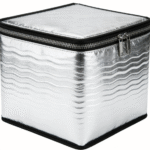
حتى عزل تخزين المحار ذو السلسلة الباردة القوية يفشل إذا:
- لديك فجوات هوائية فارغة كبيرة.
- المبرد يلمس المنتج مباشرة.
- نسيت مسارات الصرف والتسرب.
الحجم الصحيح هو ميزة الأداء. فهو يقلل من حجم الهواء الدافئ ويحافظ على العبوات في مكانها.
أداة القرار: اختر عزل تخزين المحار بسلسلة التبريد 90 ثوان
يسجل كل عنصر 0-2, ثم اتبع النتيجة:
- وقت العبور: 0 (<8ح) / 1 (8- 24 ساعة) / 2 (24-48 ساعة+)
- التعرض للحرارة: 0 (تسيطر عليها) / 1 (بعض التدريج) / 2 (في الهواء الطلق بشكل متكرر)
- خطر التأخير: 0 (نادر) / 1 (أحيانا) / 2 (متكرر)
- قيمة المنتج: 0 (سلعة) / 1 (منتصف) / 2 (قسط / مباشر)
المجموع 0-3: EPS + عملية منضبطة + تصريف قوي.
المجموع 4-6: عزل أكثر سمكا + تحسين اللياقة + إضافة المراقبة الأساسية.
المجموع 7-8: التخزين المؤقت لكبار الشخصيات و/أو PCM + يراقب + خطة الاستجابة المكتوبة.
كيف يمكنك التعبئة للتسليم في الميل الأخير مع عزل تخزين المحار بالسلسلة الباردة?
العزل عبارة عن ترمس, ليست ثلاجة. إنه لا يسبب البرد، فهو يحمي البرد الذي قمت ببنائه بالفعل. يجب أن تحافظ العبوة الخاصة بك أيضًا على الجزء الداخلي جاف, لأن الماء يسرّع عملية التسخين وينشر الرائحة.

يبقيه جافا: التحكم في المياه الذائبة التي تقلل من الشكاوى
للمحار, الماء مشكلة مزدوجة:
- ينقل الحرارة بسرعة, لذلك يتسارع الاحترار.
- يمكن أن يتلوث ويخلق مشاكل في الرائحة.
قم ببناء حزمتك مع:
- منصات أو حواجز ماصة (عندما يكون ذلك مناسبا).
- طبقات داخلية مقاومة للتسرب.
- تصميم "الحفاظ على المنتج فوق الماء الذائب"..
الحزمة خطوة بخطوة (يعمل لمعظم الممرات المبردة)
- قبل البرد الشاحن إذا استطعت.
- إضافة أ حاجز التسرب + طبقة ماصة للسيطرة على القطرات.
- ضع المبرد حول المنتج, وليس عليه مباشرة.
- أضف فواصل حتى لا ينسحق المنتج ولا تتحرك العبوات.
- إغلاق سريع: يعمل العزل بشكل أفضل عند إغلاقه بسرعة.
| عنصر العبوة | افتراضي جيد | خطأ شائع | ماذا يعني لك |
|---|---|---|---|
| تناسب العزل | ضيق, لا فجوات الهواء | صندوق كبير الحجم | تسخين أسرع |
| وضع المبردات | حول المنتج | لمس المنتج | تلف الملمس أو البقع الباردة |
| السيطرة على المياه الذائبة | بالُوعَة + استيعاب | تجميع المياه | رائحة, فوضى, مخاطر أعلى |
كيف يمكنك إيقاف ارتفاع درجات الحرارة أثناء عمليات التسليم?
معظم الخسائر تحدث في 20-60 دقيقة-تحميل, التدريج, والتسليم - وليس عبر الرحلة بأكملها. عزل تخزين المحار بالسلسلة الباردة يشتري الوقت, لكن العملية الخاصة بك هي التي تقرر ما إذا كنت ستستخدم هذا الوقت بشكل جيد.
قاعدة التحميل لمدة 7 دقائق
تدريب فريقك على اتباع هذا التسلسل:
- الشاحنة جاهزة أولاً.
- يتم إغلاق الصناديق ووضع العلامات عليها قبل أن يغادر المنتج المبرد.
- المنتج يخرج أخيرا.
- التحميل هو دفعة واحدة مستمرة.
خيارات حماية الميل الأخير (اختر واحدة)
- التوقيع مطلوب للمناخات الحارة والمنتجات المتميزة/الحيوية.
- نقطة الالتقاء / خزانة للحد من التعرض الشرفة.
- رسائل نافذة التسليم حتى يكون العملاء جاهزين.
- تخطيط الطريق لذلك يتم تسليم المواد القابلة للتلف أولا.
أداة إشراك المستخدم: درجة عزل تخزين المحار بسلسلة التبريد (0-18)
املأ هذا للمسار العلوي الخاص بك:
- وقت الطريق: 0 (<8ح) / 2 (8- 24 ساعة) / 4 (24–72h) / 6 (>72ح)
- التعرض للحرارة: 0 (تسيطر عليها) / 2 (بعض التدريج) / 4 (متكرر في الهواء الطلق / عتبة الباب)
- التعرض للماء/الذوبان: 0 (جاف + قابل للتصريف) / 2 (في بعض الأحيان الرطب) / 4 (تجميع/قطرات)
- إثبات السيطرة: 0 (سجلات) / 2 (في بعض الأحيان) / 4 (لا توجد سجلات)
المجموع: ____ / 18
- 0-5: أساسيات مستقرة. تحسين السرعة والاتساق.
- 6-11: تحسين تصميم العزل والتحكم في المياه الذائبة.
- 12-18: ترقية العزل, إضافة مراقبة, إعادة تصميم عمليات التسليم.
ما أثبتته المراقبة هو نجاح عزل تخزين المحار بسلسلة التبريد?
يجب أن يجيب الرصد على سؤال واحد: هل يمكنك إثبات السيطرة عندما يكون الأمر مهمًا? لا تحتاج إلى أجهزة متقدمة في كل مكان, لكنك تحتاج إلى رؤية أين تتغير القرارات.
سلم المراقبة
- فحص ميزان الحرارة + سجلات: تلقي, فحص المبرد اليومي, فحص الإرسال.
- مؤشرات درجة الحرارة والوقت: الإشارات المرئية لـ "لقد أصبح هذا دافئًا لفترة طويلة جدًا".
- مسجلي البيانات: عمليات التدقيق, شحنات ذات قيمة عالية, التحقق من صحة المسار.
| أداة المراقبة | ما تلتقطه | أفضل استخدام | ماذا يعني لك |
|---|---|---|---|
| استلام الشيكات | درجة حرارة + حالة | كل تسليم | يوقف الكثير السيئ في وقت مبكر |
| مسجل البيانات | الاتجاه مع مرور الوقت | الممرات الطويلة/الساخنة | أدلة قوية في النزاعات |
| صور | الجليد, العلامات, الأختام | تمرين + عمليات التدقيق | عمل السبب الجذري بشكل أسرع |
ماذا تفعل عندما تجد ارتفاعا
قرر القاعدة الخاصة بك قبل حدوثها:
- عقد لفحص الجودة.
- تقصير نافذة العمر الافتراضي.
- فصل والتسمية.
- التحقيق في السبب الجذري (التدريج, تأخير, العزل الرطب).
كيف يمكنك بناء إجراء تشغيلي موحد (SOP) بسيط لعزل تخزين المحار بسلسلة التبريد؟?
إجراءات التشغيل المعيارية (SOP) الجيدة تكون قصيرة, مرئي, وقابلة للتكرار. يجب أن تعمل في يوم الجمعة المزدحم, ليس فقط في التدريب.
الإجراء التشغيلي الموحد (SOP) المكون من 8 خطوات (من السهل تدريب)
- تلقي البرد: التحقق والتسجيل.
- علامة/أثر: تخزين السجلات المطلوبة.
- وضع المنطقة: العيش مقابل الصدمات مقابل المطبوخة.
- حافظ على جفافك: منع تجميع المياه.
- فحص يومي: التحقق من درجة الحرارة + إزالة المحار الميت.
- حزمة بسرعة: يترك المنتج أكثر برودة أخيرًا; أغلق الصناديق على الفور.
- انضباط العزل: وضع الخطوط الملاحية المنتظمة الصحيح; لا يوجد عزل رطب.
- التحكم في التسليم: تحديد قواعد التسليم للممرات عالية المخاطر.
جدول سيستخدمه فريقك بالفعل
| خطوة | ما يجب القيام به | ما لا يجب القيام به | لماذا يهمك |
|---|---|---|---|
| يستلم | فحص درجة الحرارة + سجل | ”يشعر بالبرد“ | يمنع الولادة الدافئة الصامتة |
| محل | المنطقة حسب نوع المنتج | كومة عشوائيا | يتجنب التوتر والاتصال المتبادل |
| علية | ختم سريع | اترك الأغطية مفتوحة | العزل يعمل فقط عندما يكون مغلقا |
| سفينة | خطة تسليم واضحة | "اترك عند الباب" دائمًا | الميل الأخير هو اللحظة الأكثر سخونة |
قاعدة واحدة توفر المال: “لم يتم وضع صناديق المحار خارج الثلاجة أكثر من ذلك 10 دقائق." لقد قلل من المسامير الدافئة أكثر من تغيير المبردات.
2025 التطورات والاتجاهات في عزل تخزين المحار بسلسلة التبريد
في 2025, يتم تشكيل عزل تخزين المحار بسلسلة التبريد بواسطة ثلاث قوى: انضباط التعامل أكثر صرامة, توقعات تغليف أكثر وضوحًا للمواد القابلة للتلف, وضغط أقوى على الاستدامة.
ما الذي يتغير بشكل أسرع (ولماذا يساعدك)
- مزيد من التركيز على الوقت + الانضباط في درجة الحرارة أثناء المناولة, التدريج, وخطوات الشحن الجوي.
- المزيد من توقعات "إثبات السيطرة".: سجلات, الإجراءات التصحيحية, ويصبح التحقق من الصحة أمرًا روتينيًا.
- خيارات تغليف أكثر ذكاءً: المزيد من العزل القائم على الممرات والحزم ذات الحجم المناسب, ليس صندوقًا واحدًا لكل شيء.
نظرة السوق (بسيطة وعملية)
لا يشتري العملاء "الرسوم البيانية لدرجة الحرارة". يشترون الثقة: عرض نظيف, نسيج ثابت, ودرجة حرارة وصول موثوقة. عند تسليم المنتج الدافئ أو المتسرب, تفقد الثقة بسرعة.
أسئلة شائعة حول عزل تخزين المحار بسلسلة التبريد
س 1: ما هي درجة الحرارة الأكثر أمانًا لحفظ المحار المقشر؟?
العديد من مسارات العمل المستهدفة 41° f / 5درجة مئوية أو أقل والتركيز على التحكم الثابت من خلال إجراء فحوصات منتظمة.
Q2: هل يمكنني تخزين المحار الحي في حاويات مغلقة؟?
لا. تحتاج المحار الحي إلى تدفق الهواء, والختم يزيد من التوتر وخطر الوفاة.
س 3: لماذا يصل صندوقي المعزول دافئًا حتى مع الكمادات الباردة؟?
الأسباب الشائعة هي وقت التدريج الدافئ, العزل الرطب يفقد الأداء, فجوات الهواء, وسوء إغلاق الغطاء.
س 4: لماذا يعتبر "التجفيف داخل الصندوق" مهمًا جدًا؟?
ينقل الماء الحرارة بسرعة ويمكن أن ينشر الروائح والتلوث عبر المنتج.
س 5: هل أحتاج إلى مراقبة متقدمة لكل شحنة؟?
لا. ابدأ بالسجلات, ثم استخدم المؤشرات أو مسجلات البيانات في الممرات عالية الخطورة ووحدات SKU المتميزة.
س6: ما هو الأسرع, أرخص تحسين يمكنني القيام به هذا الأسبوع?
التحكم في دقائق التسليم: تحميل سريع, المرحلة أقل, واختر قاعدة الميل الأخير التي تقلل من وقت عتبة الباب.
ملخص وتوصيات
ينجح عزل تخزين المحار بالسلسلة الباردة عند الاحتفاظ بالمنتج بارد, مستقر, وجافة, ثم التحكم في دقائق التسليم القصيرة التي تحدث فيها معظم الارتفاعات. استخدم العزل مثل الترمس: القضاء على الثغرات, يبقيه جافا, وختم بسرعة. قم بتخزين المحار الحي مع تدفق الهواء وعدم نقعه, وتخزين المنتج المنقوع في مكان بارد مع فصل نظيف وانضباط كبير.
خطة العمل (CTA)
- اختر الجزء العلوي الخاص بك طريقان وتشغيل 0– 18 درجة فوق.
- توحيد حزمة واحدة لكل مسار وفرض 7-قاعدة تحميل الدقائق.
- تتبع الشكاوى/الإرجاعات لـ 30 أيام, ثم قم بضبط العزل والصرف فقط عندما تظهر البيانات المخاطر.
حول Tempk
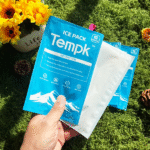
و Tempk, نحن نساعدك على بناء أنظمة عزل تخزين المحار ذات السلسلة الباردة التي يمكنك تشغيلها كل يوم. نحن نركز على تصميم العزل العملي, استراتيجية الجليد والصرف, ومراقبة سير العمل الذي يخلق دليلاً واضحًا للعملاء والمدققين.
الخطوة التالية: شارك بنوع منتجك (العيش مقابل الصدمة مقابل المجمدة), وقت العبور النموذجي, ونقطة التعرض الأكثر سخونة على طريقك. سنقوم بتعيين خطة مراقبة ومراقبة بسيطة يمكنك توحيدها عبر الممرات.