درجة حرارة السلسلة الباردة: 2025 امتثال & Monitoring Guide
Your cold chain isn’t just about refrigerated warehouses – it’s a complete temperature controlled system that spans production, تخزين, النقل والتسليم. Cold chain temperature management ensures that vaccines, البيولوجيا, food and other sensitive goods remain within strict temperature ranges from factory to consumption. في هذا 2025 guide you’ll learn why temperature control matters, how to build a compliant cold chain and which technologies are reshaping temperature monitoring.

What is cold chain temperature and why is it crucial? Learn the definition of cold chain temperature, typical ranges for frozen, refrigerated and ambient goods, ولماذا 20 % of pharmaceutical product spoilage is linked to cold chain failures.
How do you manage cold chain temperature effectively? Discover the core components of temperature management, including sensors, سجلات البيانات, التغليف, التخزين والنقل.
Which regulations and compliance frameworks apply in 2025? Understand the role of GDP, تحليل المخاطر ونقاط المراقبة الحرجة, FSMA, EU GDP and calibration standards like NIST/UKAS.
What are the best practices for maintaining cold chain temperature? Follow practical steps for accurate temperature maintenance, 24/7 يراقب, البنية التحتية المعتمدة, record keeping and staff training.
What innovations and trends are shaping cold chain temperature in 2025? اكتشف كيف تعمل أجهزة استشعار إنترنت الأشياء, تحليلات الذكاء الاصطناعي, blockchain traceability and sustainable refrigerants are transforming temperature monitoring.
What Is Cold Chain Temperature and Why Does It Matter?
Temperature ranges and definitions: A cold chain is a temperature controlled supply chain that protects perishable or sensitive goods during production, تخزين, النقل والتوزيع. Key temperature zones include frozen (0 درجة فهرنهايت أو أقل), مبردة (35-40 درجة فهرنهايت) والبيئة الخاضعة للرقابة (55-70 درجة فهرنهايت). For certain pharmaceuticals and biologics, ultra low temperatures of –70 °C or lower may be required. Cold chain temperature management refers to maintaining these ranges at every stage to preserve quality, potency and safety.
Consequences of temperature excursions: انحرافات درجة الحرارة, also known as cold chain breaches, occur when a product strays from its designated range. Breaches may result from excess heat, excess cold or prolonged exposure outside of safe limits. Even brief excursions can degrade drugs or spoil food, مما يؤدي إلى خسائر مالية, العقوبات التنظيمية, product recalls and public health risks. Global cold chain failures are estimated to contribute to about 20 % of pharmaceutical product spoilage each year. Maintaining proper cold chain temperature is therefore essential for compliance and consumer trust.
Market and industry impact: Cold chain logistics have become increasingly important as the world relies on biologics, vaccines and perishable food. The market for cold chain pharmaceuticals grew from US$8.85 billion in 2024 إلى 10.04 مليار دولار أمريكي 2025 and is projected to reach US$18.2 billion by 2030. Similar growth trends are observed across food and biotechnology sectors, where precision temperature control ensures product safety and reduces waste.
Temperature ranges across industries
| منطقة درجة الحرارة | النطاق النموذجي | Common Goods | تداعيات |
| المجمدة | 0 درجة فهرنهايت أو أقل | أغذية مجمدة, بوظة, certain vaccines and cell therapies | Requires mechanical freezers or cryogenic freezers and robust insulation to prevent thawing. |
| مبردة | 35-40 درجة فهرنهايت (2-8 درجة مئوية) | اللقاحات, الأنسولين, منتجات الألبان, المنتجات الطازجة | Most common cold chain zone; ensures enzymatic activity and microbial growth are suppressed. |
| المحيطة التي تسيطر عليها | 55-70 درجة فهرنهايت (20-25 درجة مئوية) | Pharmaceuticals and foods that cannot freeze but need protection from heat | Maintains stability for pills, liquids and certain packaged foods. |
| منخفض جدًا | -70 درجة مئوية أو أقل | Advanced biologics, العلاجات الجينية والخلايا | Requires specialized cryogenic storage and real time monitoring to protect product viability. |
Practical advice for maintaining proper temperature
Conduct a detailed mapping of your cold chain: Identify every touchpoint from manufacturing to delivery. Evaluate risk during staging, تحميل, التفريغ وتسليم الميل الأخير, and ensure each point has appropriate temperature controls.
Select appropriate equipment: Use ultra low freezers for gene therapies, standard refrigeration for vaccines and refrigerated trucks with multiple temperature zones for mixed loads.
استخدم العبوة المعتمدة: For long transit times, choose insulated shippers with gel packs, dry ice or phase change materials to maintain stable temperatures.
تثقيف المتلقين: Provide clear instructions to carriers and end users about acceptable storage ranges and actions to take upon receiving shipments.
مثال: في 2025, a food distribution company implemented digital temperature sensors on every pallet. When a trailer door remained open too long, the system alerted the driver and warehouse. They closed the door promptly, preventing a temperature breach and saving thousands of dollars in perishable goods. This proactive monitoring shows how real time visibility can avert losses.
Components of Cold Chain Temperature Management
Effective cold chain temperature management combines technology, معدات, processes and people. Below are the key components that support temperature integrity.
Sensors and monitoring systems
Continuous monitoring is the backbone of a safe cold chain. أجهزة استشعار درجة الحرارة are the core component of any monitoring system; they include data loggers, wireless sensors and probe thermometers strategically placed throughout the supply chain. These devices record temperature levels at regular intervals and transmit data to a centralized platform. Environmental alarms alert organizations when ambient conditions deviate from acceptable ranges, تمكين التدخلات السريعة.
Real time alerts and dashboards: Advanced systems provide real time notifications when temperatures cross pre set thresholds, enabling swift corrective actions. Dashboards visualize data trends and facilitate informed decision making. Audit trails document all temperature related activities, supporting regulatory compliance.
التعبئة والتغليف والعزل
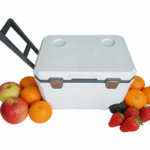
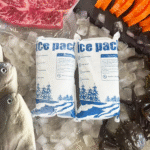
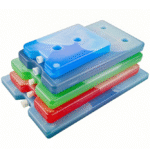
Specialized packaging maintains temperature during transit. Options include insulated boxes, حزم هلام, الثلج الجاف والمواد المتغيرة الطور (PCMS). Properly designed packaging creates a barrier against heat and cold fluctuations, protecting goods from ambient conditions. For extended transit or extreme environments, multiple layers of insulation and PCMs help maintain stability. Packaging should be validated to ensure it can sustain the required range for the duration of the journey.
معدات التخزين والنقل
Cold chain temperature control depends on equipment suited to the product’s needs. مستودعات مبردة and cold rooms keep goods at specified temperatures during conditioning and pre shipping stages. Temperature controlled vehicles—including refrigerated trucks, railcars and specialized containers—actively manage internal environments to maintain consistent conditions. Vehicles may have multiple compartments with different temperature zones to accommodate diverse products.
تحليلات البيانات والصيانة التنبؤية
Modern cold chain temperature management leverages data analytics to detect patterns and prevent failures. By analysing historical temperature data, AI algorithms can predict equipment malfunctions and route based risks. Predictive maintenance schedules repairs before failures occur, reducing downtime and preventing temperature excursions. جنبا إلى جنب مع أجهزة استشعار إنترنت الأشياء, analytics also support route optimization and fuel efficiency, المساهمة في تحقيق أهداف الاستدامة.
Personnel and procedures
Human factors remain critical. Staff must be trained in packaging, التعامل, الرصد والاستجابة لحالات الطوارئ. Procedures should define temperature ranges, how to document conditions and how to respond when alarms trigger. Regular calibration of monitoring devices ensures accuracy and aligns with standards such as NIST (الولايات المتحدة الأمريكية) and UKAS (المملكة المتحدة).
Regulatory Frameworks and Compliance in 2025
Cold chain temperature management is subject to multiple regulatory frameworks that vary by region and product. Understanding these guidelines is essential for compliance.
Global regulations
ممارسات التوزيع الجيدة (الناتج المحلي الإجمالي): GDP guidelines set by agencies such as the World Health Organization (من) and regional bodies like the EMA cover distribution standards for pharmaceuticals. They emphasize temperature control, أنظمة التحقق من صحتها, التتبع والموظفين المدربين.
تحليل المخاطر ونقاط التحكم الحرجة (تحليل المخاطر ونقاط المراقبة الحرجة): For food safety, HACCP focuses on identifying critical points where hazards could occur and implementing controls to prevent them.
قانون تحديث سلامة الأغذية (FSMA): Enforces preventive measures and documentation for food manufacturers and distributors in the United States.
EU GDP and EU GMP Annex 11: European regulations specify handling, storage and electronic systems for medicinal products, including requirements for validation, audit trails and data integrity.
إرشادات إدارة الغذاء والدواء: في الولايات المتحدة, FDA standards dictate transport conditions for drugs and medical products, while the USDA oversees certain perishable foods.
WHO guidelines for vaccines: For immunizations, the WHO provides guidelines on safe storage and transport, emphasising the 2–8 °C range and proper documentation to maintain potency.
Calibration and certification
Calibration ensures that temperature monitoring devices provide accurate readings. Standards organizations like NIST and UKAS offer calibration services and certification that instruments meet regulatory accuracy requirements. Regular calibration and recertification are crucial for maintaining data integrity and passing audits.
Compliance checklists and best practices
According to GEGO’s 2025 cold chain compliance checklist, achieving compliance requires:
التعبئة والتغليف المعتمدة & العزل: Use thermal packaging capable of maintaining required ranges for full transit durations.
مراقبة درجة الحرارة: Deploy calibrated sensors and data loggers to capture continuous data.
الرؤية في الوقت الحقيقي: Integrate GPS data with sensors to obtain real time location and condition information.
تحديد الموقع الجغرافي & التنبيهات: Set virtual boundaries and automated notifications for excursions, route deviations or delays.
التوثيق & مسارات التدقيق: Maintain secure digital records of all temperature logs and alert histories for audits.
إجراءات التشغيل القياسية & تمرين: Develop SOPs and ensure staff are regularly trained.
معالجة الاستثناء: Have clear processes to respond swiftly to excursions or equipment failures.
Adhering to these practices not only prevents spoilage but also demonstrates accountability to regulators and customers. عدم الامتثال يمكن أن يؤدي إلى غرامات, يتذكر, licence suspensions and reputational damage.
Best Practices for Maintaining Cold Chain Temperature
للحفاظ على سلامة درجة الحرارة, organizations must implement proven practices that align with regulatory guidelines and operational realities.
صيانة دقيقة لدرجة الحرارة
At the core of cold chain management is keeping products within designated ranges. This requires high quality equipment, from ultra low freezers to refrigerated trucks. Regular maintenance and calibration of equipment ensure consistent performance. Manufacturers should define the temperature requirements for each product and communicate them clearly through labelling and documentation.
24/7 monitoring and alerting
Deploy automated data loggers and real time systems to track temperatures continuously during storage and transportation. Systems should provide notifications via SMS, email or visual indicators to enable immediate intervention. على سبيل المثال, some devices use glycol filled probes to simulate product temperatures and provide more accurate readings during transit.
البنية التحتية المعتمدة
Use certified equipment—refrigeration units, transport containers and monitoring tools—that consistently perform to required standards. Temperature controlled warehouses should have multiple zones and backup power sources. Vehicles should be inspected and maintained regularly to prevent failures.
بيئات تخزين آمنة
Restrict access to cold storage areas to authorized personnel, maintain appropriate environmental controls (على سبيل المثال, التحكم في الرطوبة) and monitor door openings. Door alarms help prevent temperature fluctuations due to open doors.
التعبئة والتغليف المتخصصة
Utilize thermal packaging such as insulated shippers and PCMs to maintain temperatures during transit. Choose packaging based on product sensitivity, مدة العبور والظروف المحيطة. قابلة لإعادة الاستخدام, eco friendly packaging reduces waste and supports sustainability objectives.
حفظ السجلات التفصيلية
Maintain comprehensive documentation for temperature logs, device calibration, staff training and any deviations or corrective actions. Digital records with audit trails simplify reporting and demonstrate compliance during inspections.
التخطيط للطوارئ
إعداد بروتوكولات لانقطاع التيار الكهربائي, فشل المعدات ورحلات درجة الحرارة. Plans should include backup generators, spare packaging materials and processes to transfer products to alternate facilities. Simulate worst case scenarios to test responsiveness and refine procedures.
تدريب الموظفين
Ensure that all personnel handling temperature sensitive products are properly trained in cold chain handling, الرصد والاستجابة لحالات الطوارئ. Training should cover packaging, sensor placement, تصديق, record keeping and regulatory requirements. Regular refresher courses help maintain competency and awareness of new technologies.
دراسة حالة: A pharmaceutical distributor adopted a real time monitoring system that integrated IoT sensors with its warehouse management system. When a refrigeration unit malfunctioned, the system alerted staff immediately. They moved products to an alternate freezer and repaired the unit, preventing a potential loss of US$500,000 worth of vaccines. This example illustrates the value of continuous monitoring and contingency planning.
Innovations and Trends in Cold Chain Temperature Monitoring (2025)
يتطور مشهد سلسلة التبريد بسرعة. في 2025, several trends are shaping how organizations manage temperature.
أجهزة استشعار إنترنت الأشياء والتحليلات التنبؤية
IoT enabled sensors combined with AI analytics provide real time data and predictive insights. They continuously monitor temperature, الرطوبة والموقع, and alert stakeholders to deviations. Predictive models anticipate equipment failures and route delays, السماح بالتدخلات الاستباقية. هذا يقلل من التلف, improves equipment utilization and enhances sustainability by optimizing energy use.
إمكانية تتبع البلوكشين
Blockchain technology creates a tamper proof record of a product’s journey, including temperature data at each touchpoint. Each transaction is immutably recorded, ensuring that cold chain data cannot be altered. This transparency enhances consumer trust and simplifies audits. عند دمجها مع أجهزة استشعار إنترنت الأشياء, blockchain verifies product provenance and condition, enabling rapid recalls and dispute resolution.
المبردات المستدامة والتغليف الصديق للبيئة
Environmental sustainability is a key driver of innovation. مركبات الوقود الثقيل (الهيدروفلوروولفينات) and CO₂ based refrigeration systems provide efficient cooling with low global warming potential. Reusable insulation materials and recycled packaging minimize waste. Solar powered refrigeration units allow cold storage in regions with unreliable electricity and reduce carbon emissions.
AI powered route optimization and autonomous logistics
تقوم خوارزميات الذكاء الاصطناعي بتحليل حركة المرور, weather and demand data to plan optimal routes. These systems reduce transit times, minimize exposure to extreme conditions and lower fuel consumption. Autonomous vehicles and drones are being tested for last mile delivery of temperature sensitive products, particularly in remote or disaster struck areas.
Multi temperature vehicles and modular storage
New vehicles feature adjustable compartments that can maintain multiple temperature zones simultaneously, allowing mixed loads of frozen, refrigerated and ambient goods. Modular storage solutions enable rapid reconfiguration of warehouse spaces, accommodating seasonal demand and new product categories.
رؤى السوق
The cold chain is expanding globally. في 2025, Europe continues to dominate due to strict regulatory standards and advanced infrastructure, while Asia Pacific is the fastest growing region due to increased healthcare expenditure and investments in cold chain technology. North America is adopting digital traceability systems ahead of DSCSA deadlines and driving innovation in IoT and blockchain. المبادرات الحكومية, e commerce and home delivery models are increasing demand for robust cold chain systems across industries.
الأسئلة المتداولة
What temperature range should I maintain for pharmaceuticals and vaccines? For most vaccines and biologics, maintain a range of 2-8 درجة مئوية (35-46 درجة فهرنهايت); certain advanced therapies require ultra cold storage at –70 °C or lower.
How can I detect a cold chain breach quickly? Use continuous monitoring devices with real time alerts. Environmental and door alarms trigger notifications when temperatures drift or doors are left open. Integrate sensors with dashboards to visualize data trends and respond promptly.
Do I need to calibrate sensors regularly? نعم. Calibration ensures accuracy and adherence to standards such as NIST and UKAS. Schedule calibration and re certification according to manufacturer recommendations and regulatory requirements.
What industries rely on cold chain temperature monitoring? الأدوية, الغذاء والمشروبات, التكنولوجيا الحيوية, cosmetics and specialty chemicals depend on cold chain temperature control to preserve quality and comply with regulations. Emerging industries like precision agriculture and organ transplant logistics also require strict temperature management.
How do environmental factors affect cold chain temperature? الطقس الشديد, power outages and long dwell times can cause temperature excursions. استخدم التغليف المعزول, backup power sources and real time monitoring to mitigate these risks.
ملخص وتوصيات
الوجبات الرئيسية:
Cold chain temperature management protects product integrity and public health. Breaches can degrade goods, create health risks and cause financial losses. تقريبًا 20 % of pharmaceutical product spoilage is due to cold chain failures.
Effective temperature control relies on technology, بنية تحتية, procedures and people. أجهزة الاستشعار, مراقبة في الوقت الحقيقي, التعبئة والتغليف المعتمدة, refrigerated storage and trained staff work together to maintain temperature integrity.
Compliance is multi faceted. الالتزام بالناتج المحلي الإجمالي, تحليل المخاطر ونقاط المراقبة الحرجة, FSMA, EU regulations and calibration standards. Use checklists to ensure proper packaging, يراقب, التوثيق والتدريب.
Continuous improvement is essential. Analyze data to predict risks, test contingency plans, calibrate equipment and update SOPs regularly.
Innovation drives resilience. إنترنت الأشياء, منظمة العفو الدولية, blockchain and sustainable refrigerants are transforming temperature monitoring and creating new efficiencies.
خطة العمل:
Evaluate your cold chain: Conduct a detailed audit of your processes, المعدات والوثائق. Identify gaps in temperature control and training.
نشر المراقبة في الوقت الحقيقي: استثمر في أجهزة الاستشعار, data loggers and dashboards that provide continuous visibility and alerts.
Implement validated packaging and transport: Use packaging suited to the product and transit environment. Choose carriers and warehouses with proven cold chain capabilities.
تطوير إجراءات التشغيل الموحدة وتدريب الموظفين: Write clear procedures for handling temperature sensitive products and train staff regularly.
Leverage analytics and innovation: استخدم الذكاء الاصطناعي لتحسين المسارات, anticipate equipment failures and reduce energy consumption. Explore sustainable refrigerants and packaging.
من خلال اتباع هذه الخطوات, يمكنك تقليل التلف, ضمان الامتثال, enhance sustainability and build customer trust. The future of cold chain temperature management is data driven, connected and green—start your journey today.
حول Tempk
Tempk is a specialist in temperature controlled logistics for life sciences, food and high value goods. We combine precise refrigeration equipment with real time monitoring and validated packaging to keep your products safe. Our engineers and quality experts understand global regulations and industry standards. من خلال الشراكة معنا, you gain access to sustainable refrigeration technologies, predictive analytics and compliance support. Whether you need ultra low freezers, IoT sensors or tailored packaging, we can customize solutions to meet your needs.
Ready to optimize your cold chain temperature? Contact us for expert consultation and discover how Tempk can help you build a resilient and compliant cold chain.